


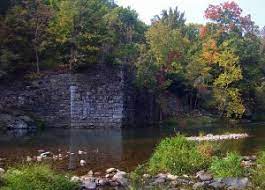
Freshwater supports human life, agriculture, industry, sanitation, fisheries, biodiversity, and many ecosystem processes. Rivers, lakes, wetlands, streams, reservoirs, and groundwater systems provide resources that communities depend upon daily.
Human activities can place increasing pressure on these freshwater resources through pollution, excessive water withdrawal, land development, agriculture, mining, industry, deforestation, waste disposal, and habitat modification across watersheds.
Freshwater ecosystems possess natural processes that can absorb, transform, dilute, and remove some pollutants. However, these processes have limits, especially when pollutant loads, resource extraction, or habitat disturbance become excessive.
When human pressures exceed the ability of freshwater systems to recover, water quality can decline, habitats can deteriorate, biodiversity can decrease, and communities can experience economic, health, and environmental losses.
Understanding the relationship between human activities and freshwater protection is therefore essential for sustainable development. Effective action requires pollution prevention, responsible resource use, ecosystem conservation, monitoring, treatment, and community participation.
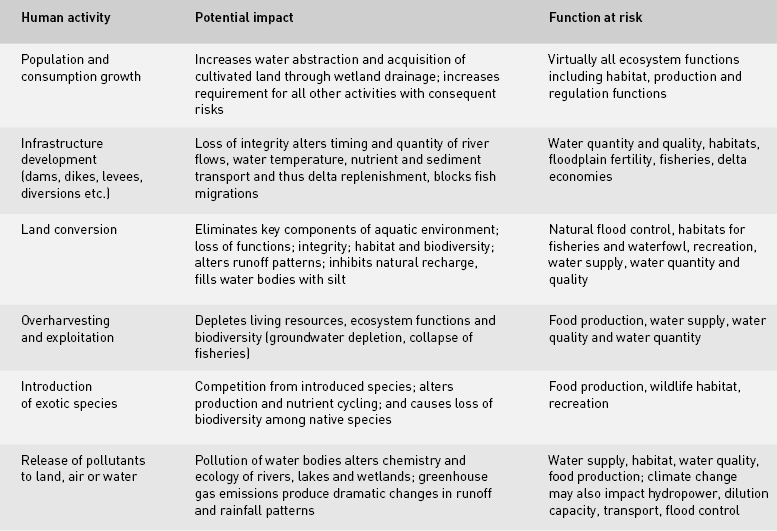
Human Activities That Affect Freshwater
1. Water Abstraction: Human communities withdraw freshwater for drinking, irrigation, livestock, manufacturing, mining, power generation, and other purposes. Excessive abstraction can reduce river flows, lower groundwater levels, and weaken aquatic habitats.
2. Land Clearing: Deforestation and vegetation removal expose soils to rainfall and runoff. Increased erosion can transport sediments into streams and rivers, alter channels, reduce water clarity, and damage aquatic habitats.
3. Agricultural Expansion: Farming can influence freshwater through fertilizer application, pesticide use, livestock waste, irrigation, drainage, and soil disturbance. Poor practices can increase nutrient runoff, sediment delivery, and chemical contamination.
4. Industrial Development: Factories and processing facilities may discharge wastewater containing organic matter, chemicals, oils, suspended solids, nutrients, or metals. Effective controls can prevent these materials from reaching sensitive freshwater environments.
5. Mining Activities: Mining can disturb land, generate sediments, alter drainage, and release contaminants into nearby waterways. Dredging, excavation, and mineral processing may particularly increase risks to rivers, wetlands, and groundwater.
6. Urban Development: Roads, buildings, drainage systems, and paved surfaces change natural runoff patterns. Urban expansion can increase polluted stormwater, reduce infiltration, modify stream channels, and place greater pressure on freshwater resources.
Freshwater demand also reflects broader patterns of resource use. Sound environmental resource management helps communities balance resource consumption with ecological protection and long-term sustainability.
Water conservation remains important because freshwater supplies are unevenly distributed and face pressure from overuse, pollution, and ecosystem degradation. Responsible consumption protects supplies for households, farms, industries, and nature.
Read Also: Types of Wastewater and Motivational Factors for Recycling/Reuse
Water Quality Risks from Human Activities
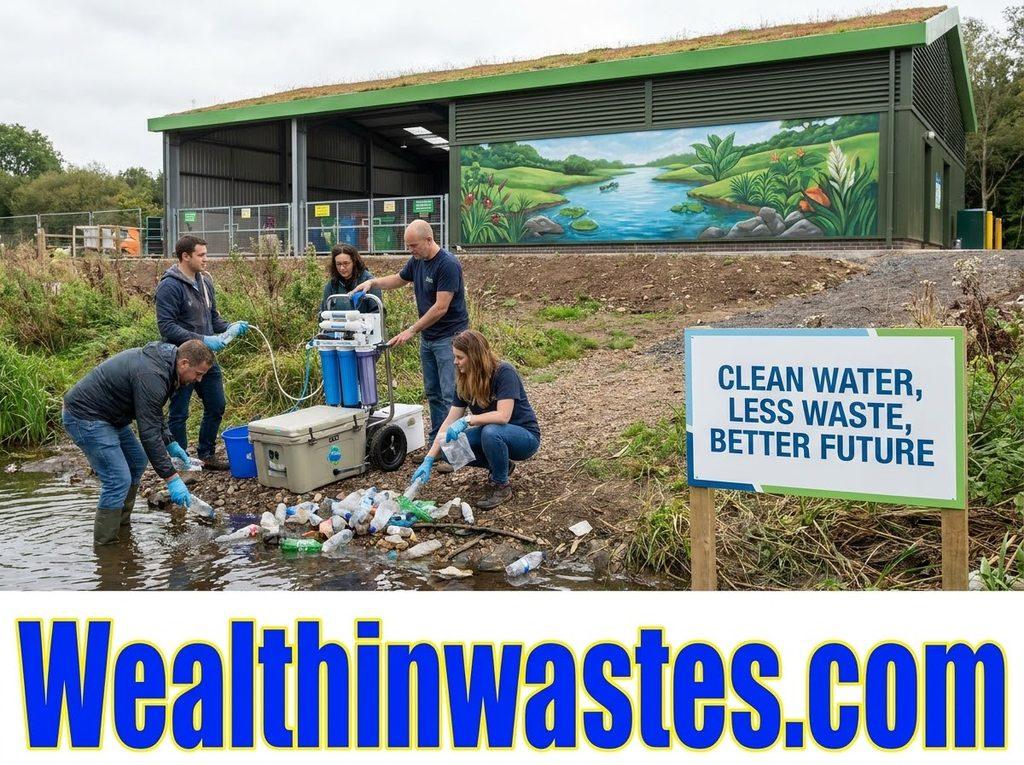
Human activities can change the physical, chemical, and biological characteristics of freshwater. Pollution may introduce substances that affect oxygen levels, temperature, nutrient concentrations, clarity, acidity, and aquatic organisms.
Changes in physical habitat also influence freshwater health. Physical habitat and biological assessments help identify changes in stream structure, riparian vegetation, aquatic communities, and habitat conditions.
Excess nutrients from sewage, fertilizers, animal wastes, and other sources can stimulate excessive algae and aquatic plant growth. Decomposition of that organic material can reduce dissolved oxygen available to aquatic organisms.
Polluted waters may therefore develop ecological problems such as eutrophication, oxygen depletion, sedimentation, chemical contamination, and biological imbalance. These changes can reduce biodiversity and weaken ecosystem functions.
Detailed biological and ecological characteristics of polluted waters demonstrate how contamination can influence aquatic communities, oxygen conditions, nutrient levels, sedimentation, and other important environmental characteristics.
Water pollutants occur in different forms and create different environmental risks. Major water pollutant categories include petroleum products, pesticides, heavy metals, hazardous wastes, organic matter, sediments, infectious organisms, and thermal pollution.
Some contaminants remain persistent in sediments or biological tissues, while others move rapidly through flowing water. Their effects depend on concentration, duration, pollutant properties, environmental conditions, and exposure pathways.
The wider consequences can be severe because water pollution affects human health and aquatic environments while creating additional costs for treatment, ecosystem restoration, fisheries, agriculture, and community welfare.
Pollution Pathways into Freshwater Systems
Pollutants can enter freshwater through direct discharge, surface runoff, atmospheric deposition, leaking storage facilities, accidental spills, erosion, wastewater releases, and contaminated groundwater movement from surrounding land.
Domestic wastewater can carry organic matter, nutrients, pathogens, detergents, suspended solids, and other substances. Effective treatment reduces pollutant loads before wastewater reaches rivers, lakes, wetlands, groundwater, or reservoirs.
Wastewater characteristics matter because pollutant concentrations and flow rates vary between homes, businesses, industries, institutions, and other sources. Wastewater flow and composition therefore guide treatment and pollution reduction decisions.
Agricultural runoff can carry soil particles, fertilizers, pesticides, nutrients, and animal wastes into streams and rivers during rainfall. These materials may increase turbidity, stimulate algae growth, or introduce toxic substances.
Land pollution also creates freshwater risks because waste deposited on soil can release contaminants through leaching and runoff. Understanding land pollution and its environmental effects helps explain groundwater contamination pathways.
Improper waste disposal can worsen freshwater pollution when rainfall washes discarded materials into drainage channels, streams, wetlands, and rivers. Good waste practices reduce the amount of pollution reaching water sources.
Waste sources vary widely across households, markets, farms, hospitals, industries, construction sites, and commercial premises. Reviewing waste sources and environmental impacts helps identify suitable controls.
Industrial facilities require special attention because some waste streams contain hazardous substances. Industrial waste impacts can extend beyond factory boundaries when contaminants enter water, soil, air, drainage channels, or nearby ecosystems.
Freshwater Habitat and Flow Changes
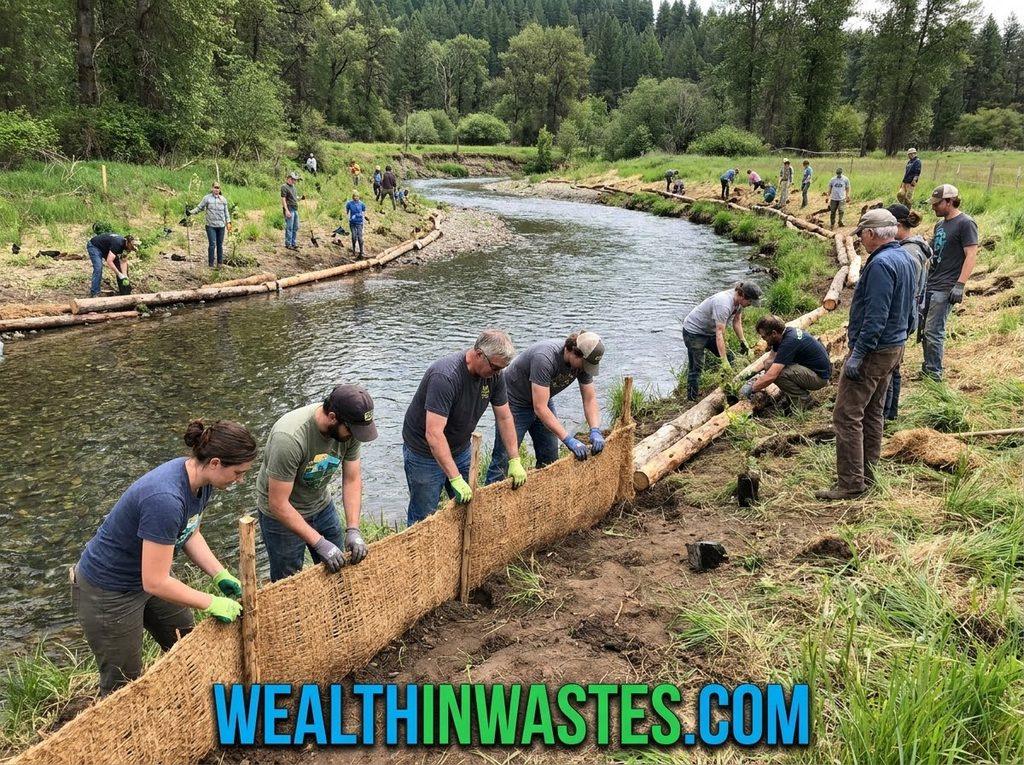
Human activities can modify freshwater habitats by removing vegetation, straightening channels, constructing dams, draining wetlands, extracting water, building roads, and changing surrounding land uses within watersheds.
Sediment transport naturally occurs in rivers, but excessive soil disturbance can increase sediment delivery. Sediment sources and transport processes explain how exposed land can affect downstream channels and aquatic habitats.
High sediment loads can reduce water clarity, cover streambed habitats, interfere with aquatic plants, and affect species that depend on clean substrates for feeding, shelter, reproduction, and movement.
Dams and other barriers can alter the quantity and timing of river flows.They may also change sediment movement, habitat connectivity, water temperature, and conditions needed by downstream aquatic organisms.
Wetland conversion presents another serious concern. Wetlands store water, provide habitat, support biodiversity, and help regulate flows. Their destruction can increase runoff, reduce natural storage, and weaken ecological resilience.
Integrated watershed approaches recognize relationships between land, water, soils, vegetation, wildlife, and human communities. Integrated watershed management provides a framework for protecting these connected systems.
Vegetation restoration can improve infiltration, stabilize soil, slow runoff, and strengthen watershed functions. Water conservation therefore depends partly on maintaining forests, wetlands, riparian areas, and healthy drainage systems.
Effective conservation also requires careful resource use because water conservation and resource protection can reduce pressure on freshwater supplies while supporting ecosystems and human needs.
Health and Livelihood Risks of Human Activities
Freshwater pollution can affect human health when contaminated water supports drinking, cooking, bathing, recreation, livestock production, irrigation, or food harvesting without adequate protection and treatment.
Pathogenic organisms from untreated sewage and other wastes can contaminate water supplies. Poor sanitation and wastewater management therefore increase the possibility of exposure to infectious organisms and associated environmental health problems.
Waste can create multiple exposure pathways. Environmental and health effects of wastes include water contamination, ecological damage, exposure risks, and other consequences linked to poor handling and disposal.
Some chemical contaminants can also accumulate in organisms and move through food webs. This creates concerns for communities that depend on fish and other aquatic resources for food or income.
Freshwater ecosystems support fisheries, farming, tourism, recreation, transport, and many local businesses. Pollution or habitat damage can reduce productivity, increase management costs, and weaken livelihoods dependent on healthy water systems.
Industrial pollution can intensify these risks when factories discharge untreated or poorly treated effluent. Industrial waste may contain chemicals, metals, oils, nutrients, and other substances that threaten water quality and aquatic life.
Recent evidence on industrial waste impacts on people and the environment shows why wastewater control, monitoring, responsible production, and pollution prevention remain important around industrial areas.
Communities also face economic risks when freshwater quality declines. Additional costs may include water treatment, medical expenses, lost productivity, reduced fisheries, damaged agriculture, ecosystem restoration, and infrastructure maintenance.
Freshwater Risks from Agriculture and Industry
1. Agricultural Runoff: Rainfall can wash fertilizers, pesticides, sediments, and livestock wastes from farmland into nearby waterways. Careful application, erosion control, buffer vegetation, and efficient irrigation can reduce these pollution pathways.
2. Industrial Effluent: Factories may generate wastewater containing organic matter, oils, chemicals, metals, nutrients, or suspended solids. Treatment and controlled discharge help reduce pollutant concentrations before effluent reaches receiving waters.
3. Mining Pollution: Mining can increase erosion, river siltation, groundwater contamination, and exposure to metals or other hazardous substances. Appropriate site controls, waste management, monitoring, and restoration can reduce these environmental pressures.
4. Wastewater Discharge: Domestic and industrial wastewater should receive appropriate treatment before release or reuse. Treatment reduces pathogens, solids, nutrients, organic matter, chemicals, and other contaminants that can damage freshwater ecosystems.
5.Urban Stormwater: Runoff from roads, markets, construction areas, and developed surfaces can carry litter, oils, sediments, chemicals, and other pollutants into drainage systems and natural waterways.
6. Poor Waste Disposal: Dumping wastes into drains, streams, riverbanks, or open spaces allows rainwater to mobilize contaminants. Source reduction, proper collection, recycling, treatment, and safe disposal can lower freshwater pollution risks.
Pollution prevention should begin before contaminants reach water. Strategies for reducing water pollution include treatment, regulation, agricultural improvements, monitoring, awareness, and responsible disposal practices.
Industrial wastewater needs careful management because different industries produce different contaminants. Industrial wastewater treatment processes can reduce pollutant concentrations and support safe discharge or suitable reuse.
Read Also: Objectives of Water Treatment and Water Treatment Processes
Conservation Measures for Freshwater Protection
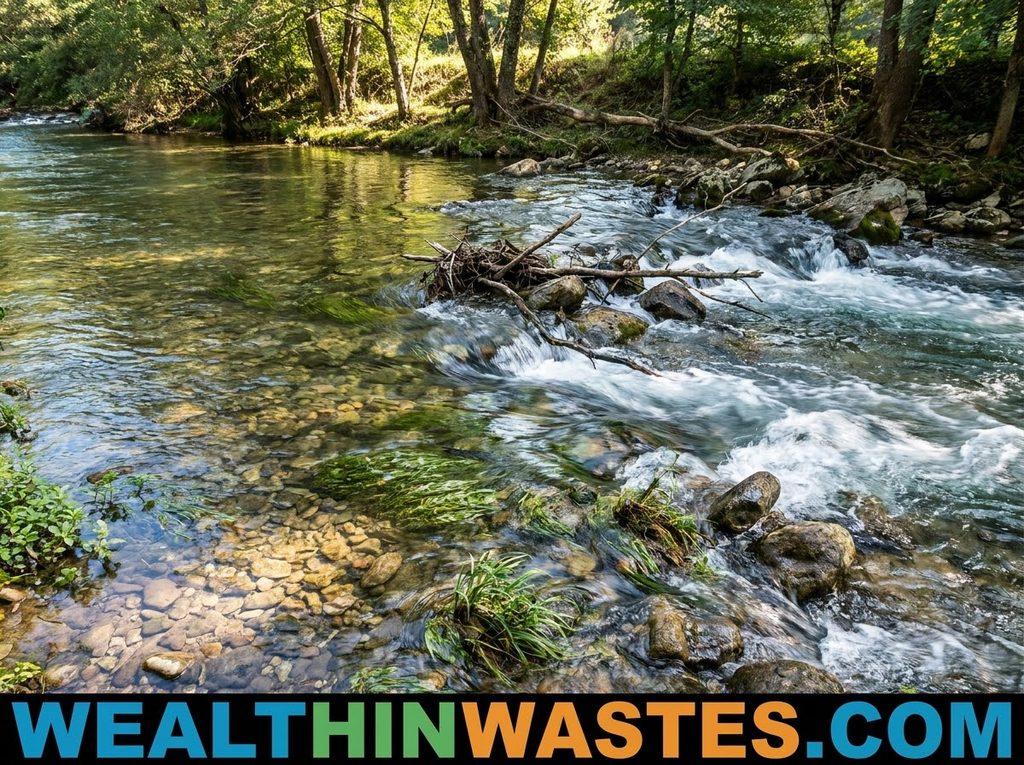
Freshwater protection requires preventive action because pollution control becomes more difficult and expensive after contaminants enter rivers, groundwater systems, wetlands, lakes, and other interconnected environments.
1. Reduce Pollution at Source: Preventing contaminants before discharge remains one of the most effective approaches. Facilities and households should reduce waste generation, control spills, manage chemicals, and avoid unnecessary releases.
2. Improve Waste Management: Proper collection, segregation, treatment, reuse, recycling, and final disposal prevent waste from reaching drainage systems and freshwater environments. Proper waste reduction practices support prevention at source.
3. Protect Watersheds: Maintaining vegetation, wetlands, riparian buffers, and healthy soils helps control runoff and erosion. Watershed protection also supports infiltration, groundwater recharge, water storage, and downstream ecological stability.
4. Conserve Water: Efficient irrigation, leak prevention, careful household use, industrial efficiency, and appropriate reuse can reduce freshwater withdrawals. Conservation protects supplies while maintaining water availability for people and ecosystems.
5. Treat Wastewater: Treatment systems should match wastewater characteristics and intended discharge or reuse conditions. Effective processes can remove solids, organic matter, nutrients, pathogens, chemicals, and other harmful substances before release.
6. Strengthen Environmental Awareness: Communities, businesses, farmers, schools, and institutions need practical information about freshwater protection. Public participation encourages responsible disposal, conservation, reporting, monitoring, and support for environmental regulations.
Environmental management works best when pollution prevention, conservation, treatment, monitoring, and enforcement operate together. Environmental management best practices can support coordinated protection of natural resources.
Governments and institutions also need clear responsibilities and effective coordination. Institutional arrangements for pollution control can strengthen water quality management, regulation, sanitation, monitoring, and treatment programmes.
Monitoring and Sustainable Freshwater Management
Freshwater protection requires regular monitoring because environmental conditions change with seasons, rainfall, land use, pollution loads, water withdrawals, development patterns, and ecological responses.
Monitoring programmes can examine temperature, dissolved oxygen, turbidity, nutrients, pollutants, flow, habitat condition, biological communities, and other indicators that reveal changes in freshwater quality.
Biological information is especially useful because aquatic organisms respond to cumulative environmental conditions. Combining physical, chemical, and biological observations provides stronger evidence for identifying freshwater degradation.
Environmental authorities also need reliable information for planning and enforcement. Monitoring can identify pollution sources, evaluate treatment performance, detect emerging problems, and guide decisions about restoration and resource allocation.
Water treatment remains an important protective measure where human activities have affected source quality. Water treatment objectives and processes include removing physical contaminants and reducing harmful microorganisms and substances.
Sedimentation can support treatment by removing suspended particles before later processes. Sedimentation in wastewater treatment helps separate settleable materials and improve subsequent treatment performance.
Wastewater treatment can also support resource recovery when suitable treated water is reused. Appropriate reuse may reduce pressure on freshwater supplies while providing water for agriculture, industry, landscaping, or other suitable purposes.
Long-term protection therefore requires an integrated approach that combines responsible human activities, pollution prevention, conservation, treatment, monitoring, ecosystem restoration, effective institutions, and public participation.
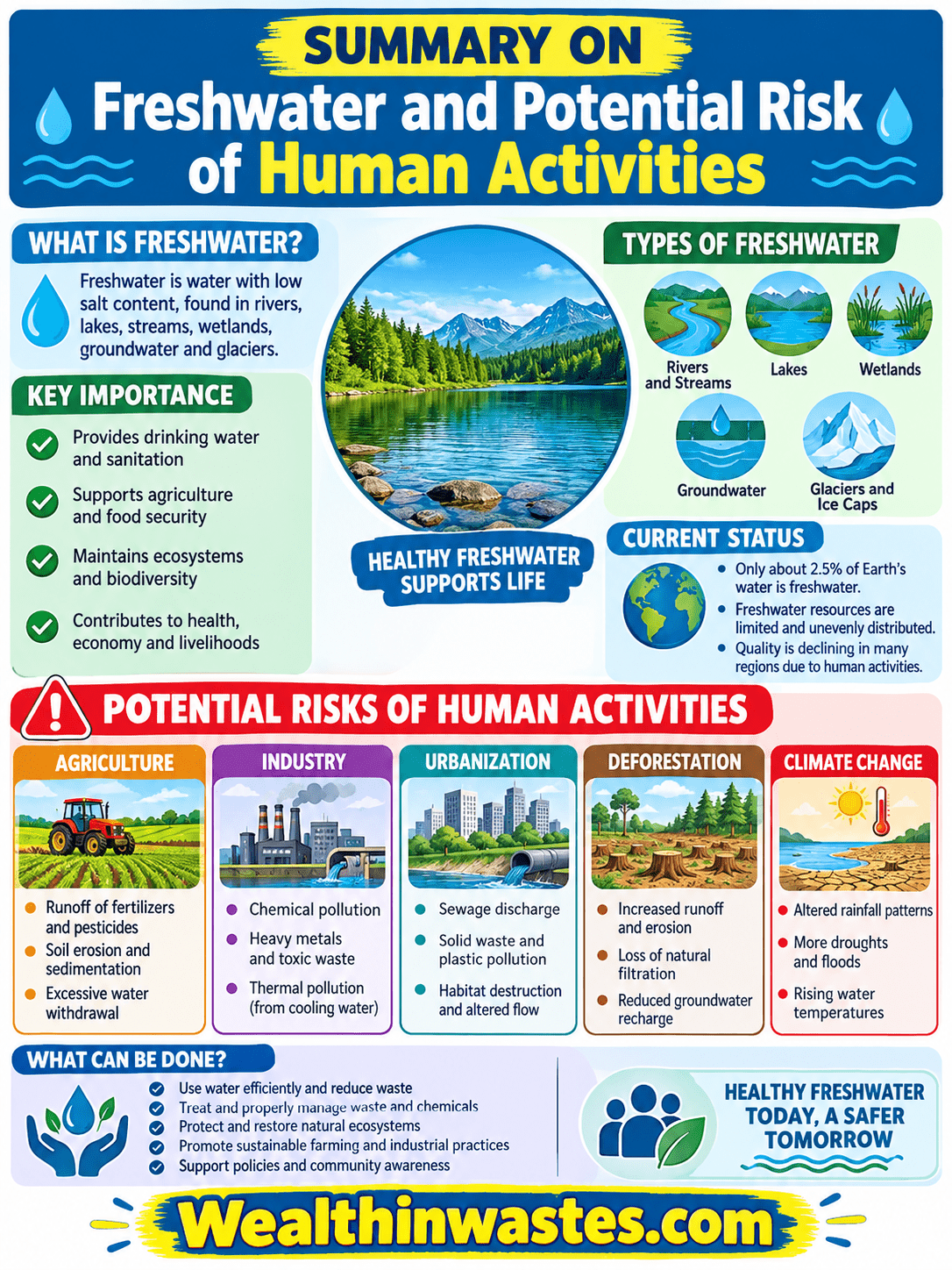
Summary on Freshwater Risks of Human Activities: Causes and Effects
| Area | Major Risk or Importance |
|---|---|
| Water Abstraction | Excessive withdrawals can reduce freshwater availability, river flows, groundwater levels, and aquatic habitat conditions. |
| Water Quality | Pollution can introduce nutrients, pathogens, chemicals, sediments, oils, metals, and other contaminants into freshwater. |
| Aquatic Ecosystems | Habitat alteration, pollution, flow changes, and sedimentation can reduce biodiversity and ecosystem productivity. |
| Agriculture | Runoff can transport fertilizers, pesticides, sediments, and livestock wastes into freshwater systems. |
| Industry | Industrial wastewater may contain organic matter, chemicals, oils, nutrients, suspended solids, and metals requiring treatment. |
| Public Health | Contaminated water can expose communities to pathogens and harmful chemical substances. |
| Livelihoods | Water degradation can affect fisheries, farming, tourism, recreation, and other economic activities. |
| Conservation | Watershed protection, water conservation, pollution prevention, treatment, monitoring, and responsible resource use reduce long-term risks. |
Frequently Asked Questions About Freshwater Risks of Human Activities: Causes and Effects
1. What are human activities that affect freshwater?
Major activities include agriculture, industry, mining, deforestation, urban development, waste disposal, excessive water abstraction, and activities that alter freshwater habitats or natural flow patterns.
2. How do human activities cause freshwater pollution?
They introduce pollutants through wastewater, runoff, chemical spills, industrial discharges, sewage, agricultural wastes, mining operations, and improper disposal of solid and liquid wastes.
3. How does agriculture affect freshwater resources?
Agriculture can increase nutrient, pesticide, sediment, and livestock waste pollution while irrigation can increase freshwater withdrawals when water use remains inefficient.
4. Why is industrial wastewater a concern?
Industrial wastewater may contain chemicals, oils, metals, nutrients, organic matter, and suspended solids that can degrade freshwater quality and harm aquatic organisms without suitable treatment.
5. How does deforestation affect freshwater?
Deforestation can increase runoff and erosion, transport more sediment into waterways, reduce infiltration, alter stream conditions, and weaken natural watershed protection.
6. How can freshwater pollution affect livelihoods?
Pollution can reduce fish production, affect agriculture, increase treatment costs, damage recreation opportunities, threaten tourism, and reduce income from freshwater-dependent economic activities.
7. What can communities do to protect freshwater?
Communities can reduce waste, conserve water, protect vegetation, maintain drainage systems, prevent pollution, support wastewater treatment, monitor local water sources, and promote environmental awareness.
8. Why is watershed protection important?
Watersheds connect land and water systems. Protecting them helps control runoff, erosion, sediment movement, water storage, groundwater recharge, and the quality of downstream freshwater resources.
9. Why is freshwater monitoring necessary?
Monitoring identifies changes in water quality, pollution levels, flow conditions, habitat, and aquatic communities, helping managers detect problems and choose appropriate protection or restoration measures.
10. What is the main goal of freshwater management?
The main goal is to protect water quality and quantity while maintaining healthy ecosystems, supporting human needs, reducing pollution, and ensuring sustainable freshwater resources for future generations.
Do you have any questions, suggestions, or contributions? If so, please feel free to use the comment box below to share your thoughts. We also encourage you to kindly share this information with others who might benefit from it. Since we can’t reach everyone at once, we truly appreciate your help in spreading the word. Thank you very much for your support and for sharing!
Read Also: Agric4Profits Composting and Organic Input Calculator