


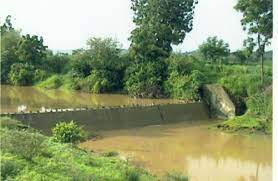
Integrated watershed management is an environmental planning approach that coordinates land, water, vegetation, wildlife, and community needs across a drainage basin instead of treating each resource as a separate problem.
A watershed, also known as a catchment or drainage basin, collects rainfall and runoff and directs water toward a common outlet, including a stream, lake, reservoir, wetland, or estuary within the landscape.
Its condition reflects connected processes involving soil, geology, vegetation, climate, surface water, groundwater, animals, and human settlements. Decisions in one part can influence water quality, flood risk, and livelihoods elsewhere.
A piecemeal approach can overlook these connections. For example, removing vegetation upstream may increase sediment downstream, while excessive fertilizer application can introduce nutrients into rivers and damage aquatic ecosystems.
Integrated watershed management addresses these interconnected challenges through coordinated planning, scientific assessment, community participation, and sustainable resource use. Its goal is to maintain healthy ecosystems while supporting agriculture, livelihoods, and reliable water supplies.
What Is Integrated Watershed Management?
Integrated watershed management coordinates decisions about land use, water supply, agriculture, forests, settlements, and wildlife across a shared catchment, helping prevent isolated projects from creating problems elsewhere in the drainage system.
The approach recognizes that different types of natural resources perform connected functions. Soil retains moisture, vegetation slows runoff, rivers transport sediment, and groundwater supplies communities and plants during periods of limited rainfall.
Effective planning therefore combines environmental protection with economic development and social welfare. It considers farmers, households, industries, wildlife, and downstream communities when determining how people should use available resources without undermining long-term ecological stability.
For this reason, integrated watershed management supports responsible freshwater management through coordinated policies, land-use planning, pollution control, and conservation. These measures help communities maintain water availability and protect important environmental functions.
The overall process requires identifying watershed boundaries, assessing existing conditions, setting priorities, implementing suitable interventions, and monitoring results. Managers then adjust their plans as environmental conditions, community needs, and scientific understanding change.
Read Also: Instruments of Environmental Protection
How Watersheds Function as Natural Systems
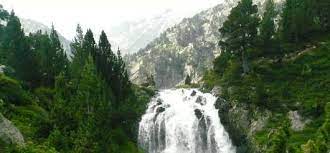
Watersheds operate through the hydrological cycle, which moves water between the atmosphere, land surface, rivers, soil, and underground aquifers. Rainfall supplies the system, while evaporation, infiltration, and runoff redistribute water.
Topography determines much of the surface drainage pattern. Ridges and elevated land generally separate neighbouring catchments, while slopes guide runoff toward streams and rivers. Soil properties and vegetation influence infiltration and water retention.
Understanding the natural resources within a catchment helps planners identify connections between land, water, and ecological health. Different landscapes respond differently to rainfall, land clearing, farming, and urban development.
Rain gauges record precipitation, while stream gauges measure water levels or discharge at selected locations. Researchers combine these observations with maps and field surveys to understand runoff patterns and changing water availability.
Scientists estimate average rainfall using methods such as the arithmetic mean, Thiessen polygons, and isohyetal analysis. Each method helps describe rainfall distribution, although the most suitable approach depends on gauge coverage and local conditions.
The Thiessen polygon method assigns representative rainfall values to defined areas around individual gauges. The isohyetal method uses lines of equal rainfall to estimate precipitation across the catchment more accurately where sufficient data exists.
Groundwater movement may not follow surface drainage boundaries because underground geological formations influence its direction. Consequently, watershed studies sometimes require groundwater investigations beyond the surface basin to understand water movement adequately.
These natural processes also influence water quality across different environments. Sediment, nutrients, microorganisms, and chemicals can travel with runoff, making coordinated monitoring essential for protecting rivers, lakes, wetlands, and groundwater resources.
Understanding common sources of water contamination helps managers trace pollution pathways and develop appropriate controls. Effective watershed planning therefore considers both the quantity of water moving through the landscape and its quality.
Why Watersheds Matter to People and Nature
Watersheds provide essential environmental and social benefits. Their importance extends beyond water supply because they influence ecological balance, agricultural productivity, settlement patterns, infrastructure, public health, and relationships between communities sharing natural resources.
1. Biodiversity Protection: Healthy catchments connect forests, wetlands, rivers, and grasslands, protecting habitats and allowing organisms to access food, shelter, and breeding areas. Protecting the variety of biodiversity components strengthens ecosystem resilience.
2. Water Supply and Regulation: Watersheds collect rainfall, support infiltration, recharge groundwater, and maintain streamflow. Vegetation and healthy soils can reduce rapid runoff, helping communities manage seasonal water shortages and limiting certain flood risks.
3. Soil and River Protection: Vegetation slows surface runoff and reduces soil loss. Responsible land-use practices help control sediment entering waterways, while restoring areas affected by land-cover change and forest removal improves landscape stability.
4. Economic and Social Benefits: Watersheds sustain farming, fisheries, recreation, domestic water supplies, and some industrial activities. Maintaining clean and reliable water can reduce treatment costs, safeguard livelihoods, and limit economic losses associated with pollution.
5. Territorial Cooperation: Drainage basins sometimes cross state, regional, or national borders. Shared watershed planning encourages governments and communities to coordinate water use, resolve competing demands, and establish common environmental protection priorities.
Core Principles of Integrated Watershed Management
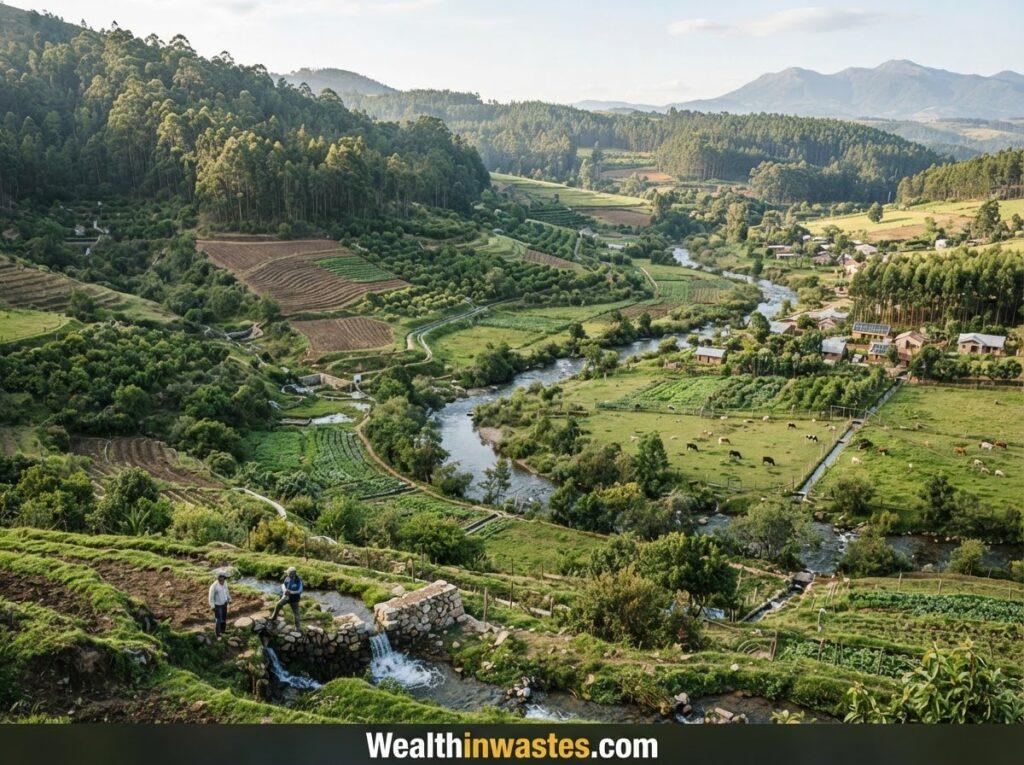
Successful watershed management requires guiding principles that connect ecological objectives with human needs. These principles help decision-makers develop realistic conservation plans, allocate responsibilities, prevent resource conflicts, and evaluate progress consistently.
1. Whole-Catchment Planning: Management should consider upstream and downstream relationships together. Activities in one location can affect people elsewhere, so planners should examine the entire drainage system instead of focusing only on individual properties.
2. Scientific Decision-Making: Reliable measurements, maps, field observations, and environmental assessments provide evidence for planning. Understanding competing demands for shared natural resources helps managers balance development needs with conservation requirements.
3. Community Participation: Farmers, residents, local authorities, businesses, and conservation groups should contribute to decisions affecting their catchments. Participation promotes shared responsibility, local knowledge, and fairer outcomes when communities face political and legal questions surrounding water supply.
4. Adaptive Management: Watershed conditions change with rainfall, population growth, land development, and ecological disturbances. Managers should monitor results regularly, identify ineffective interventions, and improve plans as new evidence or community priorities emerge.
5. Long-Term Sustainability: Management decisions should protect soil fertility, water quality, biodiversity, and ecosystem functions without ignoring present livelihoods. Sustainable planning balances immediate benefits with the need to maintain environmental resources for future generations.
Practical Strategies for Watershed Conservation
Watershed conservation works best when planners combine preventive measures, restoration activities, pollution control, and responsible land use. The following strategies offer practical ways to improve catchment health while supporting productive human activities.
1. Restore Forests and Vegetation: Protecting existing forests and planting suitable vegetation stabilizes soil, improves infiltration, and reduces sediment movement. Managers should prioritize degraded slopes, riverbanks, and sensitive recharge areas when protecting important water sources.
2. Promote Soil Conservation: Contour farming, cover crops, mulching, terracing, and conservation tillage reduce erosion and retain moisture. Integrating these practices with the responsible management of soil and mineral resources helps maintain agricultural productivity.
3. Control Agricultural Pollution: Farmers should apply fertilizers and pesticides according to crop requirements, maintain vegetated buffer strips, and prevent chemicals from entering streams. Understanding water pollution sources and classifications supports appropriate prevention measures.
4. Manage Stormwater: Rain gardens, infiltration trenches, retention ponds, permeable surfaces, and restored wetlands can slow runoff and retain water. Carefully designed drainage systems reduce erosion and help control local flooding during heavy rainfall.
5. Improve Land-Use Planning: Development authorities should protect floodplains, wetland areas, river corridors, and groundwater recharge zones. Environmental assessments and appropriate development controls help prevent construction projects from causing avoidable damage to sensitive catchment areas.
How Experts Monitor Watershed Health
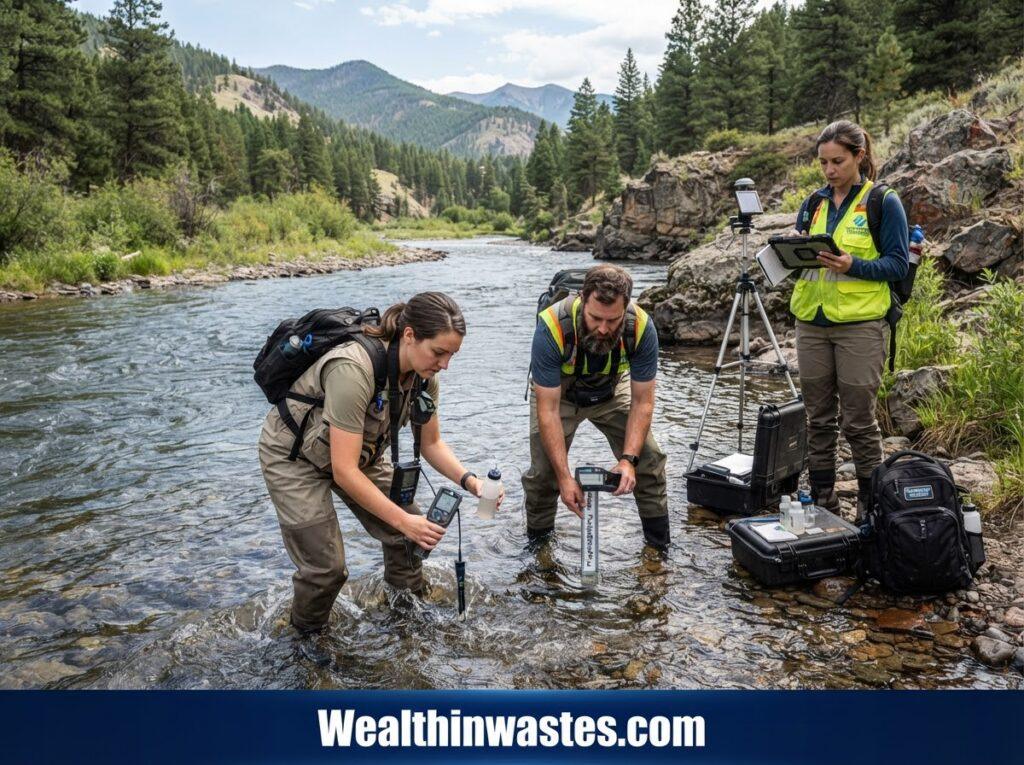
Monitoring allows watershed managers to determine whether conservation activities achieve their objectives. Establishing baseline conditions before interventions helps researchers compare later observations and identify changes that require corrective action.
Hydrological monitoring measures rainfall, streamflow, groundwater levels, and seasonal water availability. These records help identify flooding patterns, dry-season shortages, changing runoff conditions, and possible effects of land development within the catchment.
Water-quality monitoring examines indicators such as turbidity, dissolved oxygen, nutrients, acidity, and microbial contamination. Identifying relevant classes and sources of water pollutants enables managers to target pollution controls more effectively.
Ecological assessments examine vegetation cover, fish populations, aquatic organisms, soil condition, and wetland health. Researchers can also compare observed changes with climate change indicators to understand environmental pressures affecting watershed stability.
Geographic information systems, satellite images, mapping tools, and field surveys help identify erosion hotspots, changing land cover, drainage alterations, and settlement expansion. Combining these sources provides a clearer picture of watershed conditions.
Community reporting can complement scientific monitoring by identifying illegal dumping, blocked drains, damaged streambanks, and unusual water discolouration. Managers can use these observations alongside measurements to prioritize inspections and evaluate conservation programmes.
Common Challenges in Watershed Management
Even well-designed watershed programmes face environmental, financial, institutional, and social difficulties. Recognizing these obstacles early allows managers to prepare realistic interventions, coordinate responsibilities, and direct limited resources toward priority problems.
1. Land-Use Pressure: Expanding farms, settlements, roads, and industries can destroy vegetation, fragment habitats, and increase runoff. Weak planning makes it difficult to protect sensitive landscapes while accommodating population growth and economic activity.
2. Pollution and Poor Sanitation: Untreated wastewater, discarded waste, farm chemicals, and industrial discharges can contaminate streams and groundwater. Effective pollution prevention requires reliable sanitation facilities, appropriate disposal practices, and strong enforcement of environmental standards.
3. Changing Climate Conditions: Irregular rainfall, prolonged droughts, intense storms, and rising temperatures can disrupt established water patterns. Understanding the fundamentals of climate change helps communities strengthen preparedness and adjust watershed conservation priorities.
4. Limited Funding and Coordination: Watershed projects require trained personnel, reliable data, maintenance budgets, and cooperation among institutions. Without consistent support, restoration activities may deteriorate and pollution problems may continue despite initially successful conservation measures.
5. Weak Waste Infrastructure: Uncollected refuse and inadequate drainage can introduce pollutants into nearby waterways during rainfall. Stronger environmental sanitation practices help communities reduce contamination and protect surrounding ecosystems.
Watershed Planning, Nature Reserves, and Communities
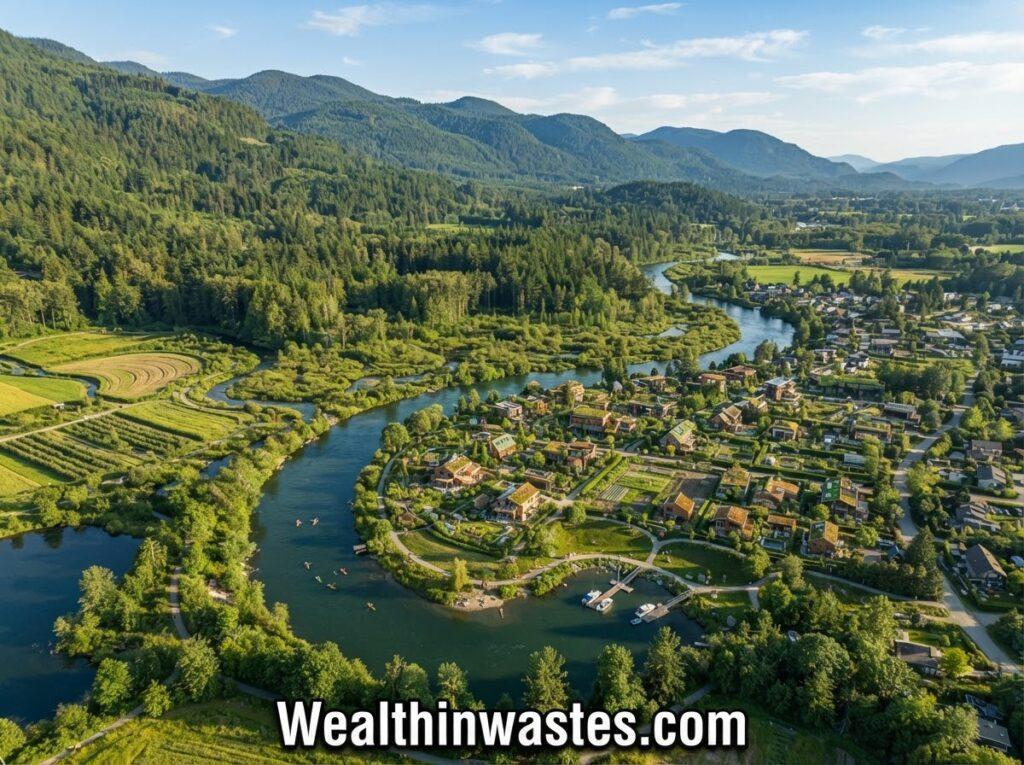
Community participation strengthens watershed management because local residents understand land-use patterns, seasonal water shortages, and pollution sources. Inclusive planning can combine this knowledge with scientific evidence to develop practical, locally appropriate conservation measures.
Nature reserves are protected areas established to conserve wildlife, vegetation, geological features, and other important natural resources. Governments, conservation organizations, research institutions, and private landowners may establish and manage reserves under applicable legal arrangements.
Protecting wetlands, forests, and riparian habitats within or around a watershed can preserve biodiversity, improve water retention, and reduce erosion. Conservation planning should also consider how nearby residents depend on land and water for their livelihoods.
Local groups can organize stream cleanups, tree planting, erosion control, water-quality observations, and responsible disposal campaigns. Learning about effective waste-management practices helps communities reduce the amount of refuse entering drainage channels and rivers.
Farmers and households should also adopt safer waste-handling and treatment practices to prevent harmful substances from entering soil and waterways. Training and accessible facilities make these improvements easier to maintain consistently.
Cooperation among local communities, environmental agencies, agricultural organizations, and neighbouring jurisdictions supports consistent watershed protection. Clear responsibilities, accessible monitoring results, sustainable financing, and regular evaluation help maintain progress beyond individual projects or administrative terms.
Read Also: Climate Change and Sustainability for a Resilient Future
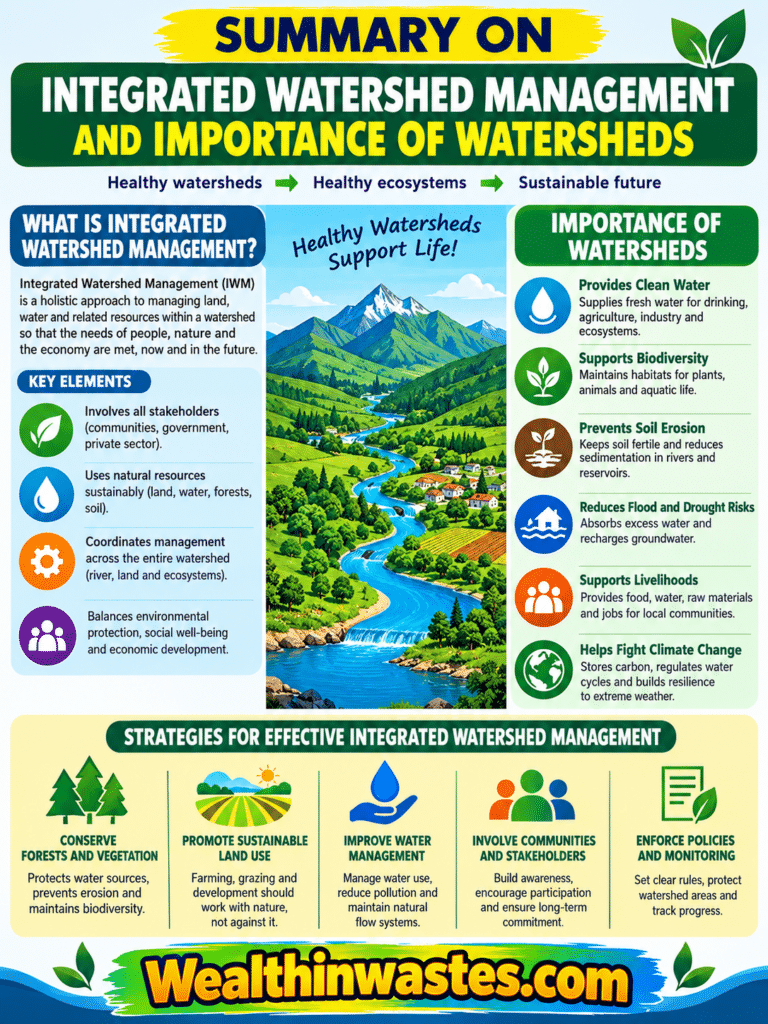
Summary on Integrated Watershed Management and Importance of Watersheds
| Aspect | Summary |
|---|---|
| Definition | A coordinated approach to managing land, water, vegetation, wildlife, and human activities across a watershed. |
| Main Purpose | Protect natural resources while supporting sustainable livelihoods, water availability, and ecosystem health. |
| Ecological Importance | Maintains habitats, reduces erosion, supports biodiversity, and protects rivers, wetlands, and groundwater. |
| Core Principles | Whole-catchment planning, scientific assessment, public participation, adaptive management, and long-term sustainability. |
| Conservation Methods | Forest restoration, soil conservation, pollution control, stormwater management, and responsible land-use planning. |
| Monitoring | Uses rainfall records, stream gauges, water-quality tests, ecological surveys, mapping, and community observations. |
| Main Challenges | Land-use pressure, pollution, climate variability, inadequate funding, and weak institutional coordination. |
| Community Benefits | Supports agriculture, clean water, livelihoods, public health, and stronger cooperation among watershed users. |
Frequently Asked Questions About Integrated Watershed Management: Benefits and Methods
1. What Is a Watershed?
A watershed is an area of land where rainfall and runoff drain toward a common outlet, such as a river, lake, reservoir, wetland, or estuary.
2. What Is Integrated Watershed Management?
It is a coordinated approach that manages land, water, vegetation, wildlife, and human activities together to protect ecosystems, improve resource use, and support sustainable community development.
3. Why Is Watershed Management Important?
It helps protect water quality, reduce erosion, regulate runoff, maintain biodiversity, support farming, and reduce environmental problems that affect communities throughout the drainage basin.
4. What Are the Main Watershed Management Methods?
Common methods include reforestation, contour farming, riparian buffers, erosion control, pollution prevention, wetland restoration, stormwater management, and regular water-quality monitoring.
5. How Do Watersheds Support Agriculture?
Healthy watersheds supply water, maintain soil moisture, support groundwater recharge, reduce soil loss, and help farmers sustain crop production under changing environmental conditions.
6. What Causes Watershed Degradation?
Deforestation, soil erosion, pollution, poorly planned development, excessive chemical use, inadequate sanitation, and unsustainable water extraction can damage watershed functions and reduce environmental quality.
7. How Can Communities Protect Watersheds?
Communities can plant trees, conserve soil, protect riverbanks, dispose of waste responsibly, reduce chemical runoff, report pollution, and participate in local watershed planning activities.
8. What Is the Difference Between a Watershed and a Nature Reserve?
A watershed is a drainage area defined by water movement, whereas a nature reserve is a protected area established to conserve wildlife, habitats, plants, or geological features.
9. How Do Experts Monitor Watersheds?
Experts use rainfall measurements, stream gauges, water-quality tests, groundwater observations, ecological surveys, satellite imagery, and community reports to evaluate watershed conditions and identify emerging problems.
10. What Is the Main Goal of Integrated Watershed Management?
Its main goal is to balance human needs with ecological protection by managing connected resources sustainably, preventing degradation, and maintaining healthy watersheds for future generations.
Do you have any questions, suggestions, or contributions? If so, please feel free to use the comment box below to share your thoughts. We also encourage you to kindly share this information with others who might benefit from it. Since we can’t reach everyone at once, we truly appreciate your help in spreading the word. Thank you very much for your support and for sharing!
Read Also: Soil and Water Conservation in Agriculture