


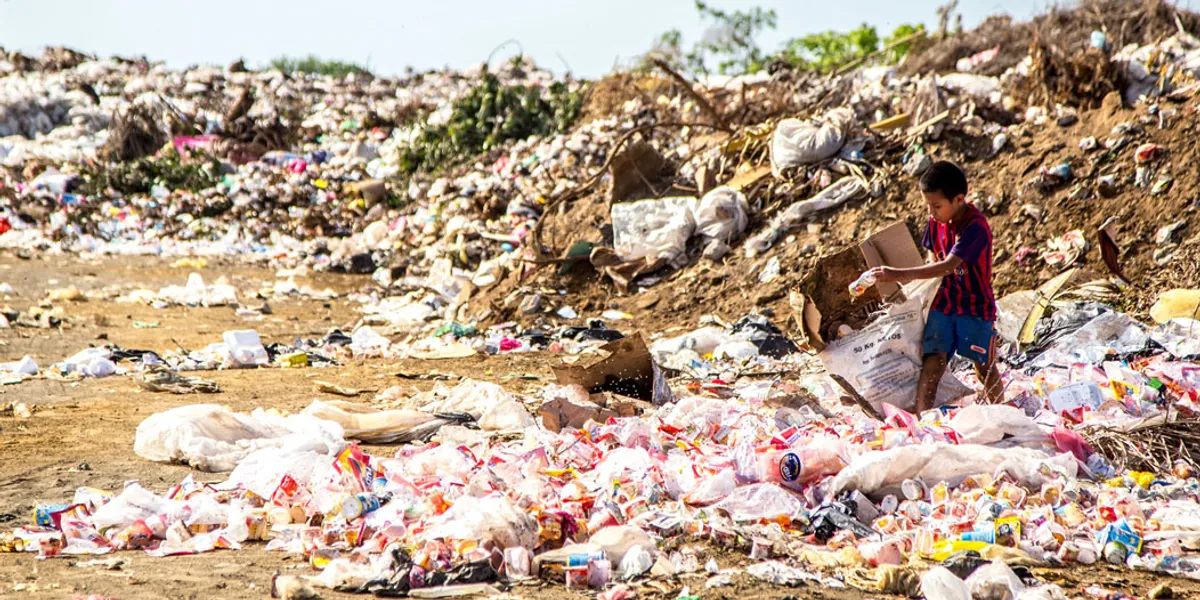
Human daily activities generate large volumes of waste from the products we consume, the food we eat, and the industries we operate. Every year, massive quantities of waste find their way into the air, soil, and water. With the continuous increase in population and industrialization, the volume of waste produced by societies has grown significantly.
Rising economic activities and food consumption patterns contribute heavily to waste generation. Among all types of waste, solid waste has become one of the most serious environmental threats worldwide.
In a 1997 case study conducted by the United Nations Development Programme (UNDP), 151 mayors from different parts of the world ranked solid waste as the second most dreaded environmental issue facing cities. This demonstrates how serious the waste crisis has been for decades.
Improper waste disposal and illegal waste movement pose serious risks to both human health and the environment. These harmful effects are largely influenced by how waste is handled, treated, and disposed of in soil, water, and air systems.
Waste that is not properly treated or disposed of contaminates land and water sources, pollutes the air, and creates breeding grounds for disease-causing organisms. Therefore, effective waste management is not optional — it is mandatory for environmental sustainability and public health protection.
Read Also: A Beginner’s Guide to the Warthog
Major Effects of Waste and Improper Waste Disposal
Despite awareness campaigns and modern waste management techniques such as incineration, recycling, and landfills, improper waste disposal remains a major global challenge. The negative effects extend beyond health and the environment — they also affect the economy and government spending.
Governments spend significant financial resources cleaning polluted environments, treating diseases linked to waste exposure, and repairing infrastructure damaged by waste blockage (such as drainage systems).
Additionally, animals share our ecosystem. They feed from the soil, drink water from natural sources, and breathe the same air. When waste contaminates the environment, it harms wildlife as much as it harms humans.
Environmental and Health Effects of Waste

1. Water Contamination
Water is a powerful solvent capable of dissolving many substances. As rainwater flows over waste dumps, it carries toxic chemicals into streams, rivers, lakes, and underground water systems.
This contaminated water eventually reaches:
- Wells
- Community taps
- Lakes and rivers
When humans and animals consume contaminated water, they are exposed to infections and long-term health complications. Polluted water can lead to waterborne diseases and ecosystem destruction.
Impact:
- Spread of waterborne diseases
- Fish and aquatic life death
- Unsafe drinking water
- Soil contamination through irrigation
2. Climate Change and Extreme Weather
Decomposing waste, especially organic waste in landfills, releases harmful greenhouse gases such as methane. Methane traps heat in the atmosphere, contributing significantly to global warming.
These trapped gases can lead to:
- Increased storms and typhoons
- Heatwaves
- Acid rain
- Unpredictable rainfall patterns
Climate change intensifies environmental instability and affects agriculture, housing, and human safety.
3. Air Pollution
Burning waste — especially plastics and other synthetic materials — releases toxic chemicals such as methane gas and dioxins into the air. These gases damage the ozone layer and contribute to respiratory illnesses.
Landfill gases can cause:
- Breathing problems
- Eye irritation
- Headaches
- Long-term lung damage
Air pollution from waste mismanagement significantly reduces air quality and threatens public health.
4. Human Health Hazards
Improper waste management exposes several groups to serious health risks:
- Children living near dumpsites
- Waste disposal workers
- Factory employees handling hazardous waste
- Communities near landfill sites
Landfill fires release toxic smoke that can cause:
- Cancer
- Respiratory diseases
- Visibility problems
- Explosions from trapped gases
Direct contact with waste can lead to:
- Skin infections
- Blood infections
- Allergic reactions
Disease-carrying pests thrive in waste environments:
- Flies spread infections after breeding on waste.
- Mosquitoes transmit malaria and dengue after breeding in stagnant water found in discarded containers.
- Rats spread diseases such as Hantavirus pulmonary syndrome, leptospirosis, and rat-bite fever.
Read Also: The 3Rs to Properly Manage Solid Wastes Properly
Summary Table: Effects of Waste and Improper Disposal
| Category | Cause | Effect on Environment | Effect on Humans |
|---|---|---|---|
| Water Pollution | Rainwater mixing with toxic waste | Contaminated rivers and groundwater | Waterborne diseases, poisoning |
| Air Pollution | Burning plastics and landfill gases | Ozone damage, smog | Asthma, lung diseases, cancer risk |
| Climate Change | Methane from decomposing waste | Global warming, extreme weather | Heat stress, displacement |
| Soil Contamination | Leakage of toxic chemicals | Reduced soil fertility | Food contamination |
| Disease Spread | Flies, mosquitoes, rats breeding in waste | Ecosystem imbalance | Malaria, dengue, leptospirosis |
| Economic Impact | Cleanup costs and health treatment | Infrastructure damage | Increased government spending |
Frequently Asked Questions (FAQs)
1. Why is solid waste considered dangerous?
Solid waste often contains toxic materials and decomposes slowly. When not properly managed, it contaminates soil, water, and air.
2. How does waste contribute to climate change?
Decomposing organic waste releases methane, a greenhouse gas that traps heat in the atmosphere and contributes to global warming.
3. Can improper waste disposal cause diseases?
Yes. Waste attracts pests like flies, mosquitoes, and rats, which carry and spread diseases.
4. Who is most at risk from improper waste disposal?
Children, waste workers, people living near dumpsites, and factory workers handling hazardous materials.
5. How does waste affect the economy?
Governments spend large amounts on healthcare, environmental cleanup, and infrastructure repair due to waste-related damage.
6. How can individuals reduce waste impact?
- Practice the 3Rs (Reduce, Reuse, Recycle)
- Dispose of waste properly
- Avoid burning plastics
- Support community waste programs
Waste mismanagement poses serious environmental, health, and economic challenges. It contaminates water, pollutes air, contributes to climate change, spreads diseases, and damages ecosystems.
Managing waste responsibly is a shared responsibility. By adopting proper waste disposal practices and supporting sustainable waste management policies, communities can reduce environmental damage and protect human health.
Read Also: Problems of Solid Waste Management on the Global Stage