


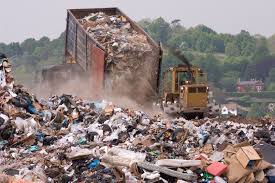
Land remains an important medium for final waste disposal, particularly where treatment, recovery, recycling, or reuse cannot completely eliminate residual materials requiring controlled environmental management.
Choosing a suitable disposal site requires more than finding an available piece of land because geological, hydrological, ecological, climatic, and operational conditions determine potential environmental risks.
Proper waste management planning helps authorities consider prevention, recovery, treatment, and disposal before selecting a location that can safely accommodate unavoidable waste residues.
The choice becomes especially important for hazardous and toxic materials because unsuitable locations can allow contaminants to spread through soil, groundwater, surface water, air, vegetation, and wildlife.
A comprehensive assessment therefore examines the physical characteristics of the land, surrounding environmental resources, climatic conditions, transportation requirements, available infrastructure, and long-term ability to manage the facility safely.
Choice of Disposal Sites: Geology And Soil
1. Geology: Geological conditions influence how quickly leachate and landfill gases can move beneath a disposal facility, making underground materials important for long-term containment and environmental protection.
Rock type, fractures, faults, groundwater pathways, and geological layering should receive careful attention because permeable or highly fractured formations can provide routes for contaminants to travel beyond disposal boundaries.
Waste streams should also undergo proper waste determination before disposal because understanding hazardous characteristics helps planners match waste risks with appropriate containment requirements and site conditions.
2. Soil Condition: Soil should support excavation, drainage construction, landfill cell development, and other earthworks while providing adequate natural resistance against contaminant movement through subsurface layers.
Clay-rich soils often provide useful low-permeability characteristics that can slow contaminant migration, although engineered liners and collection systems remain essential for modern landfill protection.
Investigators should examine soil texture, structure, depth, permeability, bearing capacity, moisture conditions, and excavation characteristics through field investigations, including properly distributed test pits across the proposed facility.
Read Also: Types and Costs of Environmental Audits
Topography For Disposal Site Selection
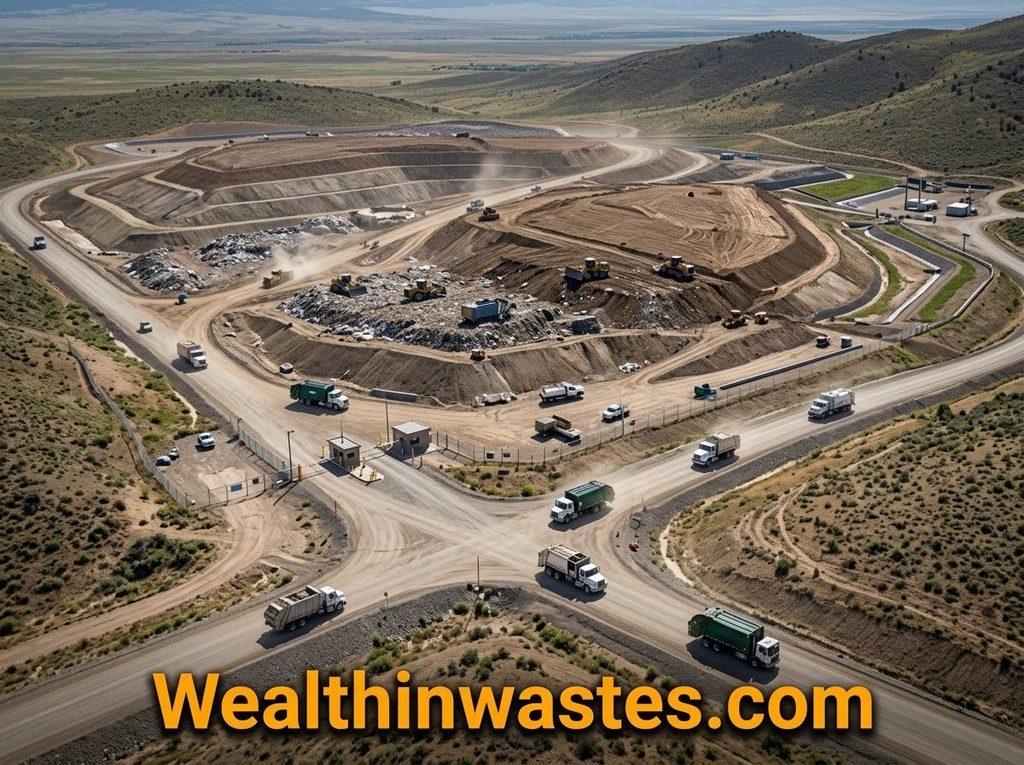
Topography describes the shape, elevation, and slope of land surrounding a disposal facility, and these characteristics strongly affect surface drainage, erosion, access, construction, visibility, and operational safety.
A suitable site should provide enough slope to direct stormwater away from active disposal areas while retaining sufficient level ground for excavation, buildings, roads, drainage structures, and supporting facilities.
Developers should examine land pollution risks because poorly designed drainage and unstable slopes can increase erosion, expose waste materials, and transport contaminated sediments toward surrounding environmental resources.
Landform also affects whether a selected disposal technology will function effectively, because trenches, cells, containment systems, access roads, stormwater channels, and service areas require appropriate terrain.
Sites with unstable or excessively steep slopes may experience erosion, construction difficulties, drainage problems, and increased operational costs, particularly during heavy rainfall or other severe weather conditions.
The surrounding landscape should also allow suitable visual screening without obstructing essential access, drainage, emergency response, or monitoring activities required throughout the facility lifecycle.
Hydrogeology For Disposal Site Protection
1.Groundwater Setting: Hydrogeology examines groundwater occurrence, movement, recharge, discharge, and interaction with surrounding geological formations, helping planners understand how contaminants might travel beneath disposal facilities.
Sites should avoid important drinking-water aquifers or locations where disposal activities could create unacceptable groundwater deterioration despite planned engineering controls, monitoring programmes, and containment measures.
Information from water resource protection assessments can help identify valuable groundwater and surface-water sources requiring stronger separation distances and more effective contamination prevention measures.
2. Groundwater Risk: A hydrogeological assessment should establish relationships between the disposal site, groundwater bodies, geological layers, nearby wells, recharge areas, and potential contaminant migration pathways.
Monitoring wells may provide useful information about groundwater quality and movement before, during, and after disposal operations, creating baseline evidence against which future changes can be evaluated.
Proper site assessment should also consider groundwater depth because shallow groundwater can increase contamination risks when waste cells sit close to the saturated zone.
Hydrology and Disposal Site Risks
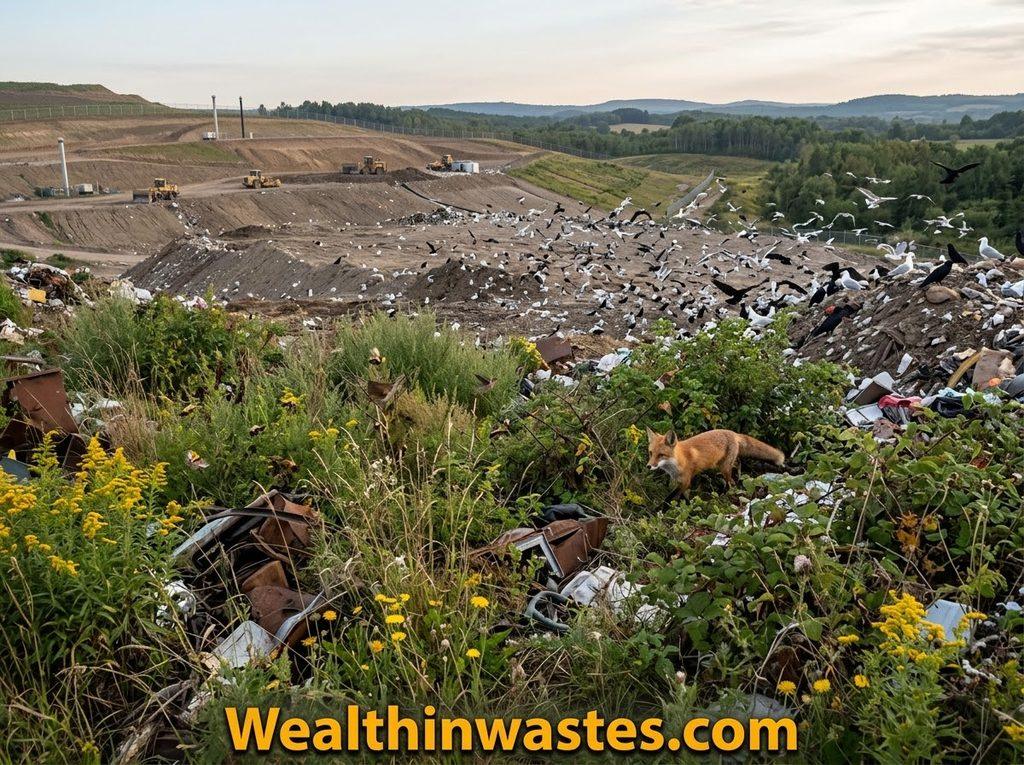
Hydrology focuses on surface water movement and helps determine how rainfall, runoff, streams, rivers, ponds, wetlands, and drainage channels could interact with waste disposal activities.
Surface-water bodies should remain sufficiently protected because contaminated runoff and leachate can transport pollutants beyond the facility, creating risks for aquatic ecosystems, agriculture, fisheries, and communities.
Understanding water pollution pathways is particularly important where disposal facilities operate near rivers, wetlands, reservoirs, ponds, irrigation systems, or other environmentally valuable water resources.
Leachate forms when water passes through waste and dissolves or mobilizes contaminants, meaning poorly selected sites can increase the likelihood of polluted liquid reaching nearby water bodies.
Planners should evaluate flood-prone areas, drainage patterns, seasonal water levels, catchment characteristics, and potential stormwater flows before approving disposal locations for permanent or long-term operations.
Industrial activities can intensify these concerns, especially because industrial waste contamination may introduce chemicals, metals, nutrients, or other pollutants into nearby aquatic environments.
Climate, Air Quality And Odour
1. Rainfall And Weather: Local climate influences leachate production, drainage requirements, erosion, dust generation, waste stability, landfill gas movement, and the effectiveness of environmental control systems.
Areas receiving intense seasonal rainfall require robust stormwater controls because excessive water can increase leachate quantities and place greater pressure on containment and drainage systems.
2. Air Quality: Wind direction and speed can transport dust, odours, lightweight waste, and landfill emissions toward residential areas, farms, roads, schools, or other sensitive receptors.
Facilities should therefore consider prevailing winds, nearby communities, atmospheric conditions, and appropriate control measures when evaluating landfill emission risks.
3. Odour Control: Odour modelling can help predict how unpleasant smells may travel under different weather conditions, supporting better separation distances and facility layouts before construction begins.
Hot, dry, windy weather may increase dust and windblown litter, while poor management of decomposing organic materials can intensify odour and gaseous emissions around disposal areas.
Routine environmental monitoring should identify emerging air-quality problems early, allowing operators to strengthen covering, moisture management, gas control, traffic management, and other preventive measures.
Understanding pollutant assessment methods can also improve evaluation of potential exposure pathways affecting workers, neighbouring populations, and sensitive environmental receptors.
Flora, Fauna and Disposal Site Ecology
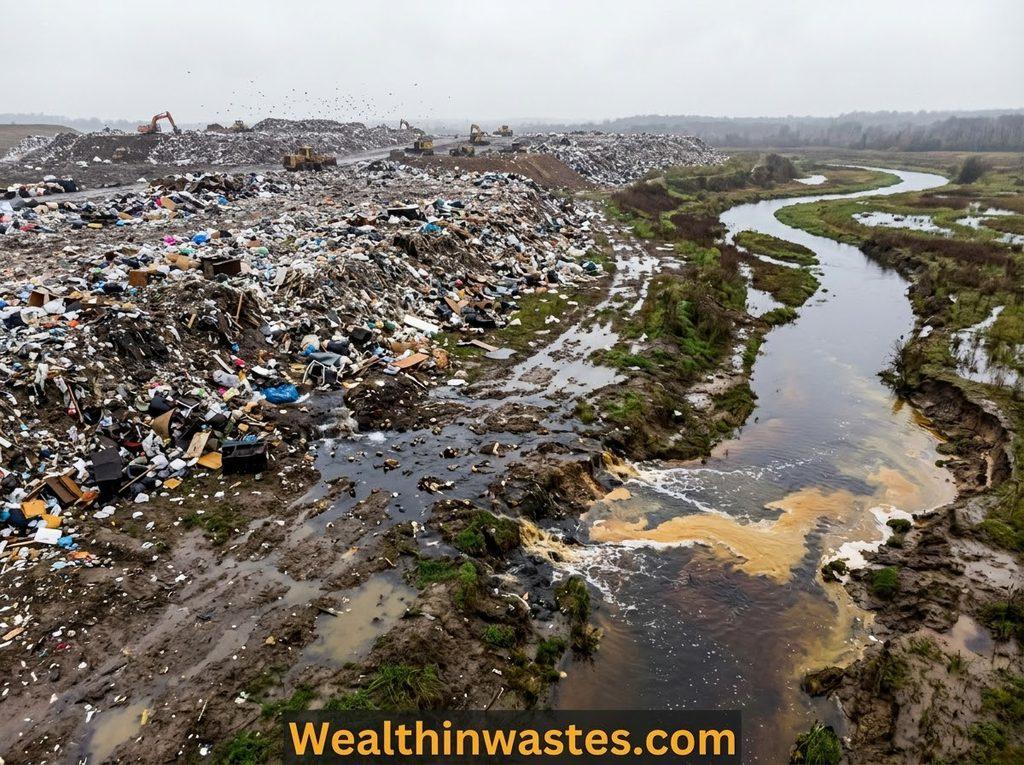
1. Vegetation: Site development may require vegetation clearing, which can reduce habitat quality, disturb ecological functions, increase erosion, and remove plant communities with conservation importance.
Vegetation surveys should identify sensitive habitats, rare plants, protected species, wetlands, breeding areas, and ecological corridors before finalizing disposal-site boundaries or construction plans.
2. Wildlife: Disposal operations can displace animals while food waste may attract scavengers, predators, insects, rodents, and other species capable of creating operational or ecological problems.
The potential for litter, contaminated runoff, noise, traffic, and habitat disturbance should receive careful consideration because these pressures can extend beyond the immediate facility boundaries.
Sites should avoid sensitive ecosystems where practical, particularly areas supporting important biodiversity or ecological services, while mitigation measures should address unavoidable habitat disturbance.
Pollution can damage ecosystems through several pathways, and environmental effects of improper disposal demonstrate why ecological protection must remain central to disposal-site selection.
Natural watercourses should also remain protected because changing drainage patterns, clearing vegetation, or constructing access roads can alter habitats and increase sediment movement.
Long-term ecological monitoring can help determine whether disposal activities are causing unexpected effects and whether additional restoration, drainage control, or habitat protection measures are necessary.
Infrastructure For Disposal Site Operations
1. Road Network: Local roads must safely accommodate disposal-related traffic without creating excessive congestion, road deterioration, dust, noise, vibration, or risks for nearby communities.
Preferred transport routes should limit heavy waste traffic through residential neighbourhoods, schools, markets, healthcare facilities, environmentally sensitive areas, and other locations where disturbance could become significant.
A review of solid waste transport systems can help planners understand how collection routes, transfer points, vehicle requirements, and disposal-site access influence overall facility performance.
2. Essential Services: Availability of electricity, water, communications, drainage, sanitation, firefighting facilities, and other utilities can influence both construction requirements and day-to-day landfill operations.
Where public services are unavailable, developers may need alternative arrangements such as water storage, backup power, internal drainage systems, emergency communication facilities, or dedicated firefighting supplies.
Facilities also require suitable operational arrangements for waste reception, inspection, weighing, record keeping, equipment movement, maintenance, security, and environmental monitoring throughout their operating lives.
Modern disposal practice should prioritize controlled systems, particularly because different landfill designs accommodate different waste characteristics and environmental containment requirements.
Proper facility planning should therefore integrate engineering, transportation, environmental monitoring, emergency response, worker safety, and community considerations instead of treating infrastructure as an isolated requirement.
Read Also: Types and Costs of Environmental Audits
Accessibility and Final Disposal Site Selection
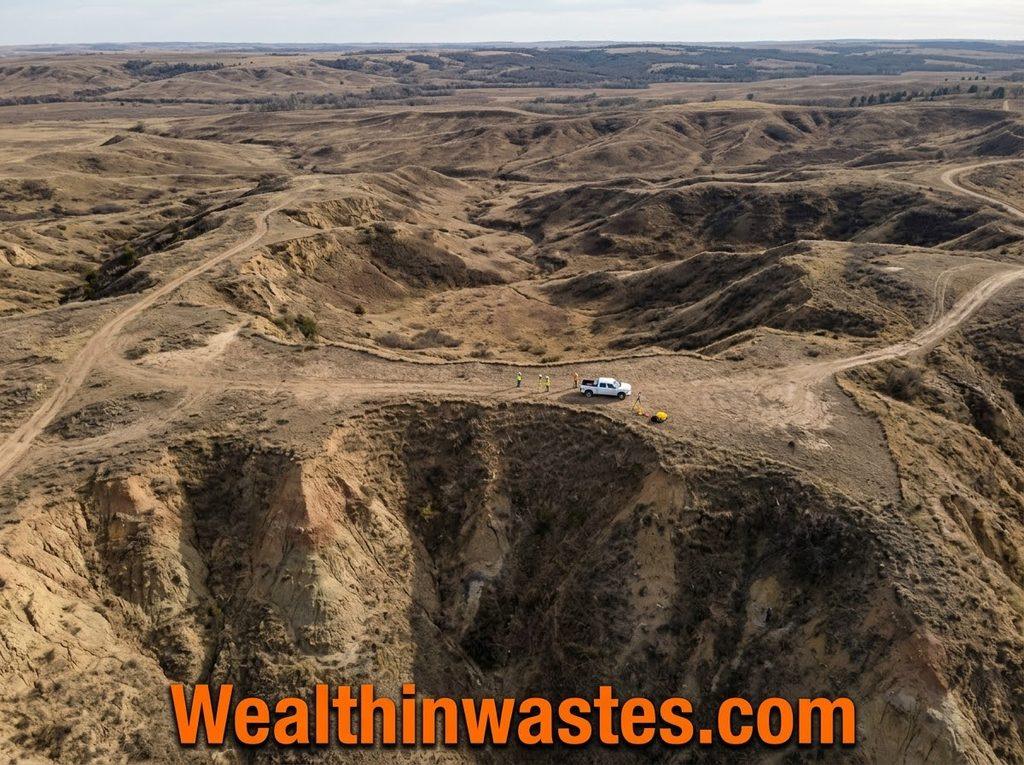
Accessibility determines whether waste collection vehicles can reach a disposal facility safely throughout the year, including periods of heavy rainfall, flooding, poor road conditions, or other disruptions.
An all-weather access road should have adequate width, strength, drainage, turning space, visibility, and surface stability to support expected waste collection and service vehicles safely.
Planners should consider waste collection and transport requirements because poor connectivity can increase vehicle operating costs, delays, fuel consumption, traffic exposure, and accidental environmental releases.
Access-road intersections with existing public roads require careful design, especially where disposal facilities generate substantial traffic volumes that may affect road safety and surrounding communities.
Site selection should also consider whether alternative routes exist because reliance on a single access road can create operational vulnerability during flooding, accidents, construction, or maintenance activities.
Operators should incorporate responsible waste transport practices that reduce spills, leaks, scattered materials, worker exposure, traffic hazards, and unnecessary environmental contamination along transportation routes.
Final selection should combine environmental suitability with operational practicality, ensuring that the facility remains accessible without transferring unacceptable risks to communities, ecosystems, water resources, or surrounding land.
A properly selected site should support effective containment, monitoring, drainage, access, waste placement, and long-term environmental management while minimizing the likelihood of contamination or ecological disturbance.
Before final approval, planners can compare proposed locations through environmental investigations and environmental impact assessment approaches to identify significant risks and practical mitigation measures.
Site selection should also recognize that disposal represents only one part of waste management, and waste treatment and disposal options should remain aligned with waste prevention, reuse, recovery, and recycling priorities.
Landfill design and environmental safeguards must therefore match the characteristics of the waste, because hazardous materials may require specialized containment rather than conventional disposal methods and controls.
The final decision should protect people and ecosystems while maintaining operational efficiency, regulatory compliance, environmental monitoring, and enough site capacity for responsible management throughout the facility lifecycle.
Additional guidance on proper solid waste management can strengthen planning decisions by connecting disposal-site requirements with collection, segregation, treatment, recovery, monitoring, and environmental protection practices.
Understanding waste environmental and health effects also reinforces the need for careful site selection, especially where contaminants could affect nearby residents, workers, soil systems, water resources, or wildlife.
Landfills should never be selected solely because land is cheap or readily available; environmental suitability, community safety, engineering feasibility, accessibility, and long-term management capacity must guide decisions.
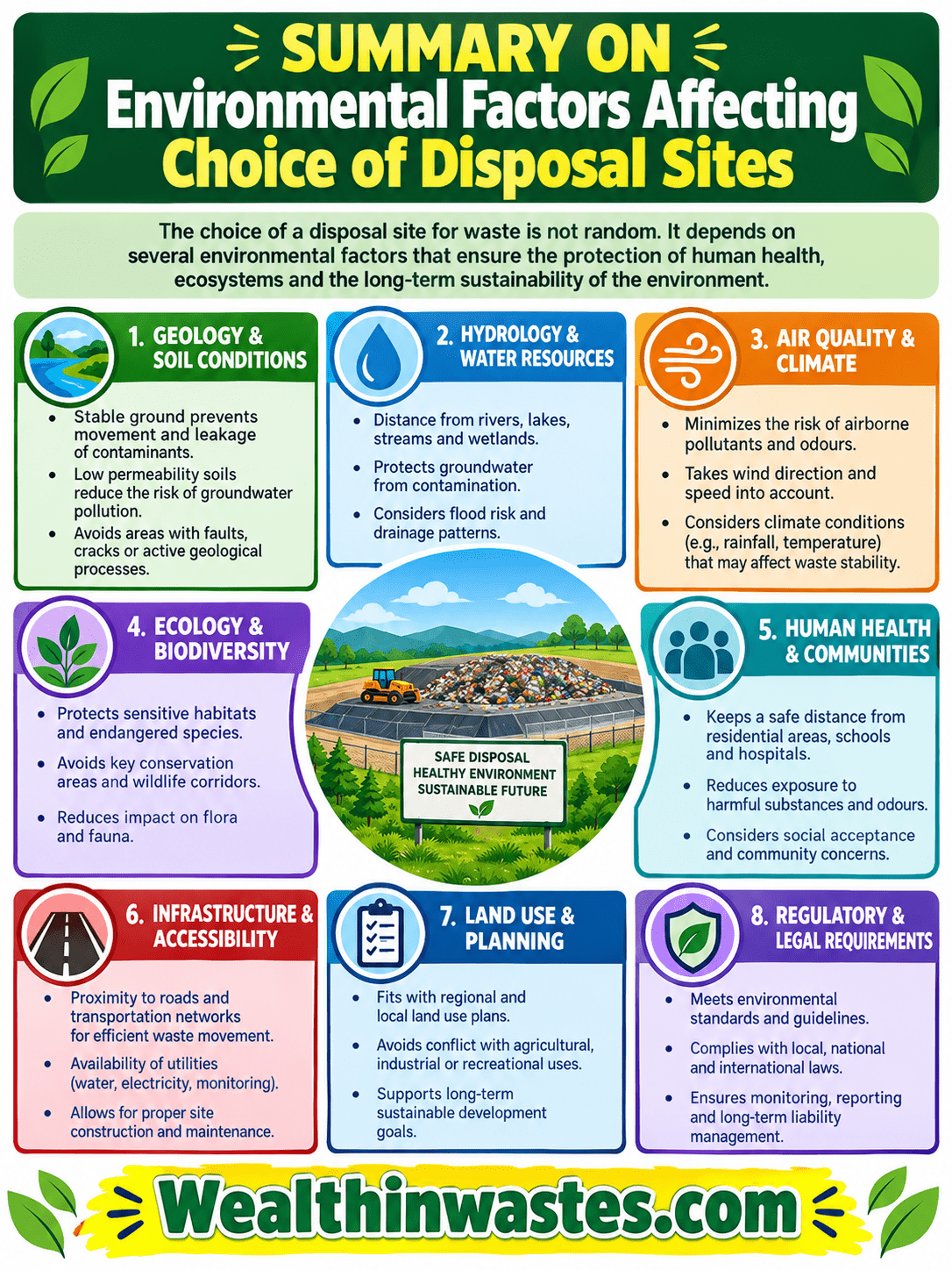
Summary on Environmental Factors Affecting Choice of Disposal Sites
| Factor | Importance In Site Selection |
|---|---|
| Geology | Controls contaminant and landfill-gas movement. |
| Soil Condition | Supports excavation and slows leachate migration. |
| Topography | Influences drainage, erosion, access, and construction. |
| Hydrogeology | Protects groundwater and drinking-water resources. |
| Hydrology | Reduces risks to rivers, streams, wetlands, and ponds. |
| Climate | Influences rainfall, dust, odour, wind, and emissions. |
| Flora And Fauna | Protects habitats, biodiversity, and ecological systems. |
| Infrastructure | Supports safe and efficient facility operations. |
| Accessibility | Ensures reliable and safe waste transportation. |
Frequently Asked Questions About Environmental Factors Affecting Choice of Disposal Sites
1. What is the most important factor when choosing a disposal site?
No single factor is always most important. Geology, groundwater, surface water, ecology, climate, accessibility, infrastructure, and waste characteristics must work together.
2. Why is geology important in disposal-site selection?
Geology influences contaminant movement and landfill-gas migration, making geological structure important for long-term containment and groundwater protection.
3. Why should disposal sites avoid important aquifers?
Contamination entering valuable aquifers can threaten drinking-water supplies and remain difficult and expensive to control or remediate.
4. How does climate affect disposal-site selection?
Rainfall affects leachate and runoff, while wind influences dust, odour, litter, and landfill emissions reaching surrounding areas.
5. Why are flora and fauna considered?
Disposal facilities can clear vegetation, destroy habitats, displace wildlife, disturb biodiversity, and contaminate sensitive ecosystems.
6. Why is accessibility important?
Reliable access allows waste vehicles, emergency services, workers, and maintenance equipment to reach the facility safely throughout the year.
7. Can a suitable landfill site eliminate all environmental risks?
No. Good site selection reduces risks, but engineered controls, monitoring, proper operations, maintenance, and long-term environmental management remain necessary.
Do you have any questions, suggestions, or contributions? If so, please feel free to use the comment box below to share your thoughts. We also encourage you to kindly share this information with others who might benefit from it. Since we can’t reach everyone at once, we truly appreciate your help in spreading the word. Thank you very much for your support and for sharing!
Read Also: Water and Land Pollution in Agriculture