


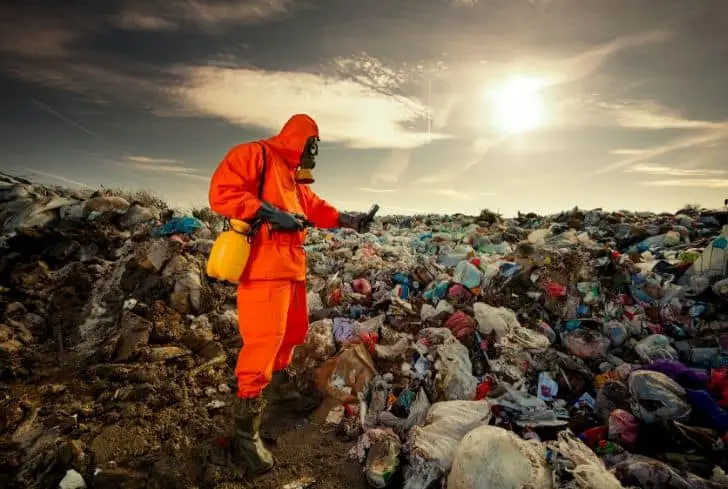
Waste disposal is one of the most pressing environmental challenges facing countries today. As industries continue to grow and production increases, the volume of waste generated also rises significantly. Without proper disposal systems, this waste can severely damage the environment, threaten public health, and disrupt ecosystems.
Improper waste disposal and illegal waste movement can result in contamination of soil, water, and air. When waste is not treated or managed properly, it can lead to long-term environmental degradation and serious health consequences for humans, animals, and plants.
Understanding the environmental effects of poor waste disposal is crucial for promoting responsible waste management practices and ensuring sustainable development.
Why Proper Waste Disposal is Important

When waste is properly managed, it:
- Protects public health
- Prevents environmental pollution
- Conserves natural resources
- Reduces greenhouse gas emissions
- Maintains ecosystem balance
However, when waste is dumped carelessly or burned openly, it becomes a major environmental hazard.
Leakage from unmanaged waste contaminates:
- Soil
- Surface water (rivers, lakes)
- Groundwater
- Air
As a result, waste management is not optional — it is a mandatory responsibility for governments, industries, and individuals.
Read Also: What You Should Know About Spider Monkey
7 Major Environmental Effects of Improper Waste Disposal
1. Water Pollution
When waste is not disposed of properly, it often finds its way into:
- Rivers
- Streams
- Lakes
- Oceans
Once in water bodies, waste materials release harmful chemicals and toxins. These contaminants increase water toxicity, making it unsafe for:
- Human consumption
- Agricultural use
- Aquatic life
Water is a powerful solvent that can dissolve and carry many chemicals. As rainwater flows over waste materials, it creates contaminated runoff. This polluted water eventually enters nearby water sources, including wells and community taps.
The result includes:
- Spread of waterborne diseases
- Death of aquatic organisms
- Disruption of marine ecosystems
- Contamination of drinking water supplies
2. Air Pollution
Air pollution is another serious consequence of improper waste disposal.
When waste is burned in open spaces or landfills:
- Harmful gases are released
- Toxic smoke enters the atmosphere
- Greenhouse gases accumulate
Landfill gases such as methane and dioxins are particularly harmful. Methane is a potent greenhouse gas that contributes significantly to global warming. Toxic fumes from burning plastics release hazardous substances that affect respiratory health.
Air pollution caused by waste disposal can lead to:
- Breathing problems
- Asthma
- Lung diseases
- Environmental damage
Because air is essential for survival, polluted air poses a universal risk.
3. Climate Change
Decomposing waste releases greenhouse gases, particularly methane. These gases rise into the atmosphere and trap heat, contributing to global warming.
Climate change caused by greenhouse gas accumulation leads to:
- Extreme weather events
- Flooding
- Heatwaves
- Storms and typhoons
- Acid rain
Improper waste disposal accelerates these environmental changes and increases climate instability.
4. Plant Death and Soil Degradation
Plants rely on clean soil, water, and air for survival. When soil becomes contaminated by hazardous waste, it loses its fertility and productivity.
Toxic substances in waste can:
- Damage plant roots
- Interrupt nutrient absorption
- Prevent proper growth
- Reduce agricultural yields
Acid rain and polluted irrigation water also harm vegetation. Over time, contaminated land becomes unsuitable for farming and natural plant growth.
5. Habitat Destruction and Limited Ecosystems
Animals thrive in specific environments suited to their survival needs. However, pollution from waste disposal alters these habitats.
Improper waste disposal contributes to:
- Habitat shrinkage
- Ecosystem imbalance
- Migration of wildlife
- Species extinction
When habitats are contaminated or destroyed, animals cannot adapt quickly enough, leading to population decline.
6. Creation of Dangerous Zones
Overfilled landfills and illegal dump sites become hazardous zones.
These areas:
- Emit toxic gases
- Contain unstable waste piles
- Attract dangerous animals such as snakes and rodents
- Become breeding grounds for insects
As waste accumulates, these sites become unsafe for humans and harmful to nearby communities.
7. Spread of Diseases
Improper waste disposal creates ideal breeding grounds for:
- Flies
- Mosquitoes
- Rats
- Bacteria
Contaminated water and waste attract disease-causing organisms that spread infections to humans and animals.
Common risks include:
- Cholera
- Typhoid
- Respiratory infections
- Skin diseases
Poor waste management directly impacts public health systems and increases medical costs.
Read Also: Importance of Waste Management to Environmental Sanitation
Long-Term Effects of Improper Waste Disposal
Improper waste disposal does not only cause immediate damage — it also leads to severe long-term consequences.
1. Health Complications
Long-term exposure to toxic waste can cause:
- Cancer
- Genetic mutations
- Respiratory disorders
- Neurological problems
Hazardous chemicals can seep into soil and groundwater, affecting entire communities over time.
2. Groundwater Contamination
Chemicals from waste can penetrate soil layers and reach underground aquifers. Once groundwater is contaminated:
- It becomes unsafe for drinking
- Agricultural irrigation becomes risky
- Cleanup becomes extremely expensive
Groundwater pollution can persist for decades.
3. Loss of Biodiversity
Insects such as bees, which are crucial for pollination and agricultural productivity, are declining due to environmental pollution. Without these pollinators:
- Crop production decreases
- Ecosystem balance is disrupted
- Food security is threatened
4. Destruction of Natural Resources
Improper waste management leads to:
- Blocked waterways
- Damaged green spaces
- Loss of fertile land
- Marine pollution
Over time, natural resources become depleted or unusable.
Summary Table: Environmental Effects of Improper Waste Disposal
| Environmental Area | Impact |
|---|---|
| Water | Contamination of rivers, lakes, groundwater |
| Air | Release of toxic gases and greenhouse gases |
| Climate | Global warming and extreme weather events |
| Soil | Reduced fertility and plant death |
| Wildlife | Habitat destruction and species decline |
| Public Health | Spread of diseases and chronic illnesses |
| Long-Term Effects | Cancer risks, genetic mutations, biodiversity loss |
How to Prevent These Environmental Effects
To reduce the environmental impact of waste disposal:
- Practice waste reduction at source
- Promote recycling and reuse
- Ensure proper waste segregation
- Use regulated landfill facilities
- Avoid open burning of waste
- Strengthen environmental laws and enforcement
- Educate communities about responsible disposal
Collective effort is necessary to create sustainable waste management systems.
Frequently Asked Questions (FAQ)
1. Why is improper waste disposal dangerous?
Because it contaminates water, air, and soil, leading to environmental damage and serious health risks.
2. How does waste contribute to climate change?
Decomposing waste releases methane and other greenhouse gases that trap heat in the atmosphere.
3. Can contaminated groundwater be cleaned easily?
No. Groundwater contamination is difficult and expensive to clean and may persist for many years.
4. How does waste affect animals?
Animals may ingest waste materials, lose habitats, or suffer from polluted environments.
5. What are the long-term human health risks?
Long-term exposure to toxic waste may cause cancer, respiratory diseases, and genetic disorders.
6. What is the best solution to waste disposal problems?
The best approach includes waste prevention, recycling, reuse, proper landfill management, and public awareness.
Waste disposal is a critical environmental issue that demands urgent attention. Improper handling and disposal of waste lead to severe consequences for air, water, soil, wildlife, and human health.
The long-term effects — including groundwater contamination, climate change, biodiversity loss, and chronic diseases — highlight the importance of responsible waste management.
Managing waste properly is not just about cleanliness; it is about protecting ecosystems, safeguarding public health, and preserving natural resources for future generations.
Do you have any questions, suggestions, or contributions? If so, please feel free to use the comment box below to share your thoughts. We also encourage you to kindly share this information with others who might benefit from it. Since we can’t reach everyone at once, we truly appreciate your help in spreading the word. Thank you very much for your support and for sharing!
Read Also: Problems of Solid Waste Management on the Global Stage