


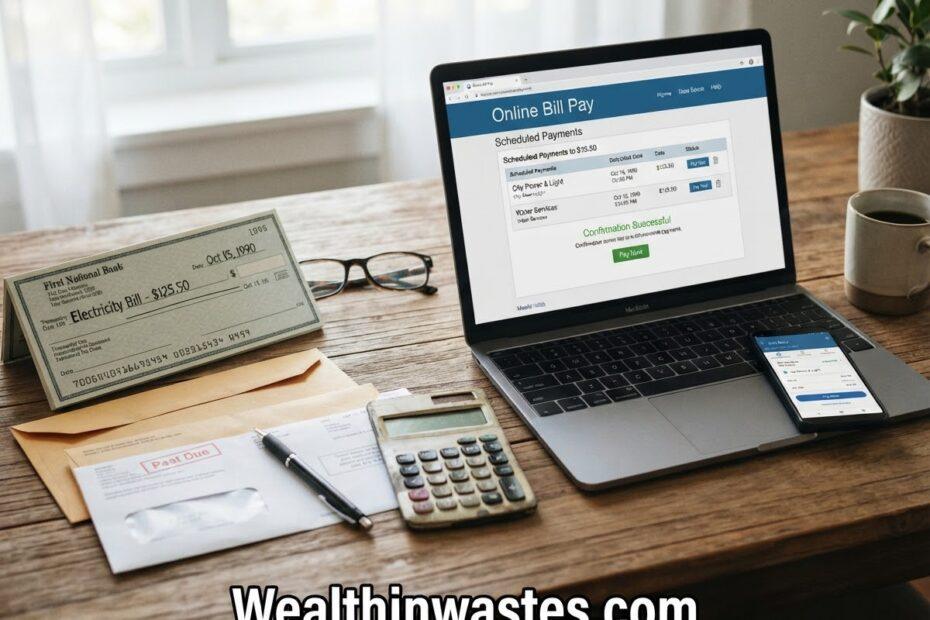
Paying bills was once a routine that involved paper statements, cheque books, stamps, envelopes and postal delays. For households and businesses, each payment required planning because missing a deadline could trigger penalties or service interruptions.
The evolution of bill pay reflects broader changes in banking technology, consumer expectations and business administration. Digital portals, mobile applications, bank transfers and automatic payments now let many people settle recurring expenses with less effort.
Yet convenience alone does not make every method suitable. Customers still need to confirm biller details, check fees, protect account credentials and review statements regularly so digital tools strengthen control over money and accounts.
The change is especially visible in routine utility and waste collection payments, where online accounts can replace mailing checks or visiting service offices. Clear payment records also help customers question unexpected charges and maintain service continuity.
This guide traces the evolution of bill pay from traditional cheques to automated transactions. It explains how common systems work, their benefits and risks, and practical steps for paying essential bills safely and reliably.
The Evolution of Bill Pay From Checks to Apps
Before digital banking, most people paid household and business bills with cash, money orders or cheques, often visiting an office or posting a payment several days before the deadline arrived.
Paper invoices and cheque stubs gave payers a physical record, but the process took time and created practical problems when mail travelled slowly, addresses changed or a cheque went missing.
Banks later introduced telephone banking and electronic transfers, which reduced reliance on paper. As websites became common, many billers began offering account pages online for statements, payments and service requests.
Mobile phones changed bill payment further by letting customers check due dates, receive alerts and pay from different locations. An online utility payment portal illustrates this shift in practice.
Today, online billing combines account access with payment history and reminders. The same shift supports services related to dependable freshwater services, where reliable funding helps providers maintain essential infrastructure.
Although payment methods have changed, the basic goal remains the same: help people meet obligations accurately and on time. Digital access makes this easier, but customers still benefit from keeping bills and receipts organised.
Read Also: Water Emergency and Water Security
How Digital Bill Pay Works Today

1. Access the Official Account: Start with the biller’s official website or trusted app, then register using details from your latest statement. Clear account setup helps customers access balances, due dates and payment records.
2. Review the Amount Due: Check the outstanding balance, billing period, service address and payment deadline before proceeding. Reviewing charges carefully helps prevent mistakes and supports responsible service management.
3. Select a Payment Method: Choose an available option, such as a bank transfer, debit card, credit card or approved digital wallet. Confirm any processing fees before authorising the transaction.
4. Confirm the Transaction: Check the account number, biller name and amount before submitting payment. Following sound service procedures reduces avoidable errors and helps customers direct money to the correct organisation.
5. Save the Payment Receipt: Keep the confirmation number, date, amount and transaction reference. A saved receipt provides useful evidence if the biller does not update the account promptly or a payment dispute arises.
6. Check the Updated Balance: Revisit the account after payment and compare it with your banking record. When paying for collection services, proper waste handling arrangements also depend on clear communication and reliable administration.
Utility and Waste Service Bills Go Digital
1. Waste Collection Payments: Major waste companies may offer online accounts where customers can check invoices, update payment details and manage collection services. For example, customers searching for WM bill pay should verify the provider’s official channel.
2. Regional Disposal Providers: Companies such as Best Way Disposal and Greenwood Sanitation may provide online, telephone or other payment options. Customers should confirm their service provider, account details and accepted methods before sending money.
3. County Waste Services: County Waste bill pay arrangements vary by location and operator. Residents should confirm the correct account, payment instructions and due date through the provider’s official channels before submitting money through a portal.
4. Water and Sanitation Bills: Utility accounts allow customers to review water charges, track payments and sometimes monitor consumption. Reliable payments help support essential collection and treatment services in residential and commercial communities.
5. Municipal Service Fees: Local authorities may offer digital payment options for sanitation, drainage or other public services. These payments can support community sanitation services and help maintain cleaner, healthier neighbourhoods.
6. Treatment and Disposal Charges: Some businesses pay contractors for specialist waste treatment, transport or disposal. Understanding available waste treatment options helps customers connect service charges with the work their providers perform.
Key Benefits of Automated Bill Pay

1. Greater Convenience: Digital systems let customers pay from home, work or while travelling, reducing visits to payment offices. This convenience gives households more time for daily responsibilities and businesses more time for operations.
2. Fewer Forgotten Payments: Payment reminders and scheduled debits help customers manage recurring bills. However, they should still monitor balances and due dates because insufficient funds or changed billing instructions can cause failed payments.
3. Better Financial Records: Electronic receipts and transaction histories make it easier to compare expenses, identify unusual charges and prepare budgets. These records can also help households assess the wider benefits of reliable waste services.
4. Less Paper Handling: Electronic statements reduce the need for printed invoices, envelopes and cheque processing. Customers who also explore reuse and material recovery options can build broader habits that limit unnecessary resource consumption.
5. Improved Provider Efficiency: Digital payments can reduce manual data entry, cheque handling and administrative workloads. Providers may process transactions more efficiently, giving staff additional time to address customer questions and improve routine service delivery.
6. More Reliable Service Administration: Timely payments help providers plan revenue for staffing, equipment and maintenance. Strong billing systems also support long-term environmental service planning when organisations manage collections and disposal responsibly.
Digital Bill Pay Security and Common Risks
Digital payments can simplify financial administration, but they also require careful handling of personal and banking information. Customers should use trusted networks, secure devices and official payment channels whenever they manage bills online.
Use strong, unique passwords for financial accounts and enable multifactor authentication whenever the service offers it. These precautions reduce the risk of unauthorised access if another website exposes a reused password.
Check the web address before entering payment information, and avoid opening unexpected payment links in emails or text messages. Contact the provider independently when a message demands urgent payment or requests unusual details.
Customers should also review statements for duplicate charges, suspicious transactions and unexpected fees. Understanding common water contamination sources can support environmental awareness, but payment details should always remain within verified billing systems.
When paying water or sanitation charges, confirm that the account belongs to the intended provider. Reliable water pollution prevention programmes depend on accountable services, while customers must independently protect their financial credentials.
Providers also have responsibilities: they should protect customer information, explain disputed charges and publish clear contact details. Effective institutional oversight matters for public services, while secure payment controls protect users from fraud.
How Customers Can Manage Recurring Bills

1. Match the Method to Your Needs: Choose a payment method that suits your income pattern, internet access and banking arrangements. Consider transaction fees, processing times and the ease of retrieving receipts before deciding.
2. Confirm the Service Area: Check that the provider covers your property and lists the correct service address. For disposal-related services, local disposal conditions can influence collection arrangements and operational requirements.
3. Compare Charges Carefully: Review invoices and investigate significant price changes before authorising payment. Understanding urban environmental pressures helps explain why public services may require different infrastructure and maintenance arrangements.
4. Use Automatic Payment Carefully: Schedule recurring payments only when dates and amounts are clear. Keep enough money in the linked account, review any variable charges and understand how to pause or cancel instructions.
5. Keep Records Organised: Store invoices, receipts and correspondence in a secure folder. Comparing these documents with service announcements and local environmental management plans can help customers understand service changes affecting their community.
6. Contact the Provider When Necessary: Report failed payments, disputed charges or missing receipts promptly. Keep a record of each conversation and request written confirmation when the provider agrees to correct an account or change payment terms.
Bill Pay for Businesses and Local Communities
Businesses manage many recurring obligations, including rent, electricity, insurance, telecommunications and waste collection. A consistent payment process helps finance teams monitor cash flow, organise records and recognise upcoming expenses before deadlines become urgent.
Small businesses can group bills by due date, assign responsibility for approvals and reconcile payments with bank statements. These routines help owners identify duplicated invoices, prevent missed deadlines and understand their operating costs.
Reliable payments also matter to waste and sanitation contractors because service operations require vehicles, equipment, staff and suitable treatment facilities. Reading about the wider effects of unmanaged waste shows why dependable collection and disposal services matter.
Local authorities can improve customer confidence by publishing clear charges, providing accessible payment channels and responding promptly to complaints. Residents benefit when billing policies explain the service, applicable fees and procedures for correcting mistakes.
Organisations can also connect financial management with environmental responsibility. Practical pollution-reduction measures help communities protect local resources, while transparent billing supports accountability for essential services and their operating costs.
Whether an organisation serves households, farms or commercial customers, accurate billing creates a stronger administrative foundation. Clear payment records help managers plan expenditure, respond to customer questions and maintain more dependable long-term service arrangements.
Read Also: Understanding Your Water Bill and Its Impact
Future Trends in the Evolution of Bill Pay
Mobile applications and digital wallets continue to make payments accessible through smartphones. Customers can receive reminders, inspect transaction histories and settle eligible bills without visiting an office or handling physical payment documents.
Open banking services may help customers connect financial accounts with approved billing platforms, depending on local rules and provider capabilities. These connections can simplify account management, although users should understand permissions and privacy conditions.
Artificial intelligence may help financial platforms categorise expenses, identify unusual transactions and forecast upcoming bills. Customers should still verify recommendations and retain control of payment decisions, especially when systems propose automatic transfers or account changes.
Stronger authentication, fraud monitoring and clearer transaction alerts will remain important as payment systems develop. Providers need to improve security without making ordinary payments unnecessarily difficult for older users or people with limited digital experience.
Future platforms may also connect billing with additional service information, including collection schedules, account notices and environmental programmes. Better access to coordinated waste service planning could help customers understand the wider services their payments support.
Even as innovation continues, the essentials will remain unchanged: accurate bills, trustworthy providers, transparent fees and timely payments. Customers who combine digital convenience with careful financial habits will be better prepared for future changes.
Summary on The Evolution of Bill Pay: From Checks to Digital Convenience
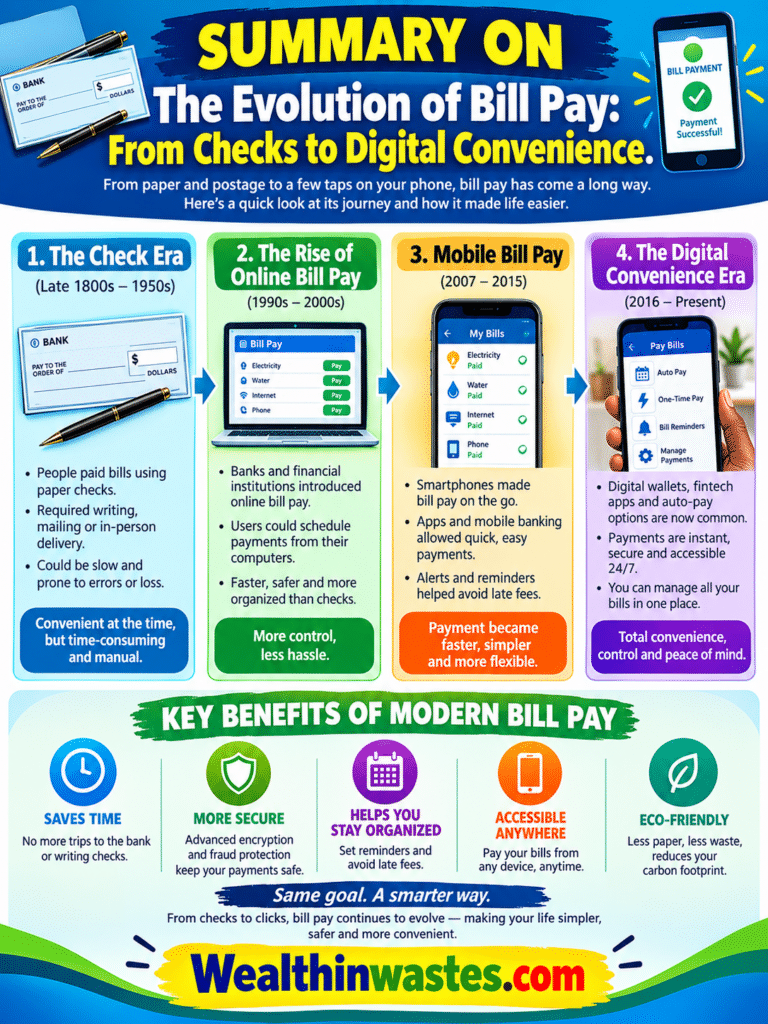
| Topic | Key Points |
|---|---|
| Traditional Bill Pay | Relied on cash, cheques, paper invoices and postal services. |
| Digital Bill Pay | Uses websites, mobile apps, bank transfers and digital wallets. |
| Utility Payments | Helps customers manage water, electricity, waste collection and other essential bills. |
| Automated Payments | Can reduce forgotten deadlines and simplify recurring expenses. |
| Security | Requires official payment channels, strong passwords and careful transaction checks. |
| Financial Management | Benefits from organised receipts, accurate records and regular account reviews. |
| Future Developments | May include improved integration, AI assistance, stronger security and more personalised tools. |
Frequently Asked Questions About The Evolution of Bill Pay: From Checks to Digital Convenience
1. What Does Bill Pay Mean?
Bill pay means settling money owed to service providers, businesses or institutions through an accepted payment method.
2. How Has Bill Pay Changed Over Time?
It has progressed from cash, cheques and postal payments to online portals, mobile apps, electronic transfers and automation.
3. What Is Online Bill Pay?
Online bill pay lets customers settle bills through a provider’s website, banking platform or authorised digital payment service.
4. Is Automatic Bill Pay Safe?
It can be safe when customers use verified providers, protect account details, enable available security controls and monitor transactions.
5. Can Digital Bill Pay Prevent Late Fees?
Reminders and automatic payments can reduce missed deadlines, but customers must maintain sufficient funds and check payment confirmations.
6. Can I Pay Waste Collection Bills Online?
Many providers offer online payments, but available services differ. Check your local provider’s official website for accepted methods.
7. What Should I Do If a Digital Payment Fails?
Check your bank record, save the transaction reference and contact the provider before attempting another payment to prevent duplication.
8. What Is the Future of Bill Pay?
Future systems may offer better integration, smarter budgeting tools, faster payments and stronger security controls.
Do you have any questions, suggestions, or contributions? If so, please feel free to use the comment box below to share your thoughts. We also encourage you to kindly share this information with others who might benefit from it. Since we can’t reach everyone at once, we truly appreciate your help in spreading the word. Thank you very much for your support and for sharing!
Read Also: Types of Packaging in Agricultural Produce Preservation