


Urbanization transforms land, water, vegetation, transportation, industry, and settlement patterns as cities expand. Without careful planning, these changes can weaken environmental quality and create persistent risks for residents, infrastructure, ecosystems, and natural resources.
Urban environmental degradation develops when human activities place excessive pressure on environmental systems. Population growth, construction, industrial production, traffic, waste generation, and resource consumption can combine to accelerate pollution and ecological decline.
The effects do not occur separately because one environmental problem can intensify another. Poor waste collection can block drainage, vegetation loss can increase heat and runoff, while polluted water can damage ecosystems and livelihoods.
Developing cities often face these pressures while infrastructure, environmental services, funding, and enforcement struggle to keep pace. The result can include unhealthy air, excessive heat, flooding, water shortages, damaged soils, and declining urban biodiversity.
Understanding the major effects of urban environmental degradation helps planners, communities, businesses, and policymakers identify priorities. It also supports practical measures that can protect public health, strengthen resilience, and improve the quality of urban life.
Read Also: Methods of Disposal of Waste Pesticide Containers
Effects of Urban Environmental Degradation on Air Quality

Urban air pollution is one of the most immediate effects of urban environmental degradation because traffic, industrial activity, construction dust, generators, and waste burning can release harmful contaminants into densely populated neighborhoods.
Air pollution affects more than outdoor visibility. Fine particles and irritating gases can enter homes, schools, workplaces, and transport corridors, increasing exposure for people who spend much time near busy roads or emission sources.
Cities can reduce these effects when authorities control industrial emissions, improve transport systems, enforce vehicle standards, and discourage open waste burning. Cleaner energy choices can also reduce pollution associated with electricity and heating.
1. Human health: Persistent exposure to polluted urban air can irritate the respiratory system, worsen existing breathing problems, reduce well-being, and increase health burdens for children, older adults, and other vulnerable residents.
2. Reduced productivity: Poor air quality can interfere with concentration, comfort, attendance, and outdoor activity. Businesses may face disruptions when pollution discourages travel, increases illness, or reduces the usability of public spaces.
3. Atmospheric effects: Some pollutants contribute to smog and broader atmospheric changes. Urban emissions can therefore influence local environmental quality while also interacting with regional air pollution and climate-related pressures.
Urban Environmental Degradation and Heat Stress
Urban environmental degradation can alter local temperatures when vegetation disappears and natural surfaces become covered by concrete, asphalt, buildings, and other heat-absorbing materials across densely developed city neighborhoods and districts.
This pattern contributes to the urban environmental change, where built-up areas remain warmer than nearby less-developed locations. Dense development can therefore increase discomfort, cooling demand, and heat exposure during very hot periods.
The effect becomes stronger when cities lose trees and open spaces. Vegetation normally provides shade and supports evaporative cooling, while exposed paved surfaces absorb solar energy throughout the day and release stored heat later.
The management of urban environmental degradation can reduce heat exposure by protecting green areas, improving land use, and supporting measures that strengthen climate resilience across vulnerable neighborhoods, communities, and public spaces.
1. Higher heat exposure: Warmer streets, homes, and workplaces can increase physical discomfort and heat stress, especially where buildings lack adequate ventilation, shading, cooling equipment, or reliable electricity during hot weather.
2. Greater energy demand: Rising temperatures can increase demand for air conditioning, fans, refrigeration, and other cooling services. Higher electricity consumption can increase operating costs and emissions where energy systems rely heavily on fossil fuels.
3. Climate vulnerability: Heat combines with poor air quality, limited vegetation, and water shortages to increase urban vulnerability. Neighborhoods with fewer environmental resources may experience greater exposure and fewer opportunities to recover quickly.
Urban Waste and Environmental Degradation
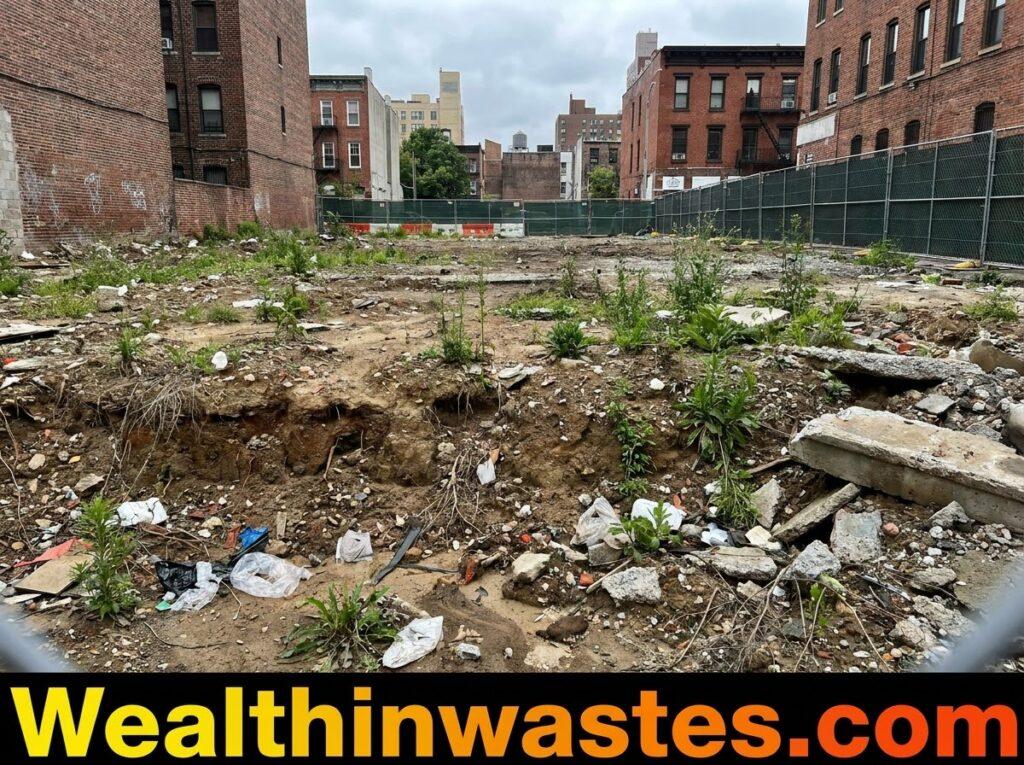
Poor waste management is another important effect of urban environmental degradation. Rapid population growth and consumption can generate more solid waste than collection, treatment, recycling, and disposal systems can handle.
Source reduction can limit this pressure because a proper waste reduction process prevents unnecessary materials from entering collection and disposal systems through reduced consumption and reuse at source, starting early.
When waste remains on streets, vacant land, drains, or waterways, it creates physical and environmental problems. Improper solid waste disposal can produce odors, attract pests, and spread litter through wind and stormwater.
Uncontrolled disposal also increases the likelihood that pollutants will reach soil and water. Waste reduction benefits can therefore support prevention, reliable collection, recovery, treatment, and safe disposal of materials that communities cannot reuse.
1. Public health risks: Accumulated waste can create breeding and feeding sites for insects, rodents, and other disease vectors. Sharp materials, hazardous substances, smoke, and contaminated surroundings can also increase injury or exposure risks.
2. Drainage blockage: Plastic, sediment, organic waste, and other litter can obstruct drains and channels. During heavy rainfall, blocked drainage can slow water movement, increase surface flooding, and worsen damage to roads and buildings.
3. Resource loss: Discarding recyclable and reusable materials wastes resources that could return to production. Better separation and recovery can conserve materials, reduce disposal pressure, and support employment in recycling and related services.
Flooding Risks from Urban Environmental Degradation
Urban development can increase flooding when natural drainage paths disappear beneath buildings, roads, parking areas, and other impervious surfaces. Rainwater then runs off quickly instead of soaking into the ground.
Urban flooding risks increase when development blocks natural flow routes or occupies vulnerable areas. Poorly maintained drains, litter, sediment, vegetation, and construction debris can further restrict water movement during intense rainfall.
Flooding can also transport pollutants through neighborhoods and into rivers, lakes, wetlands, and coastal waters. Understanding urban water pollutant sources helps authorities address contamination carried by stormwater and runoff during heavy storms.
An effective water pollution control framework can connect drainage planning with pollution prevention, monitoring, land-use decisions, and emergency preparedness before recurring floods create larger environmental and social losses in cities.
1. Property damage: Floodwater can damage homes, shops, roads, bridges, electrical systems, vehicles, and other infrastructure. Repeated events can increase repair costs and disrupt household income, business operations, transportation, and essential public services.
2. Soil erosion: Fast-moving runoff can remove exposed soil and sediment. Erosion may damage foundations, undermine drainage structures, reduce soil quality, and deposit sediments farther downstream where they can interfere with waterway functions.
3. Water contamination: Floodwater can carry sewage, chemicals, oils, litter, and other contaminants. Contact with contaminated water can create sanitation concerns, while polluted runoff can place additional stress on aquatic organisms and water resources.
Biodiversity and Urban Environmental Degradation
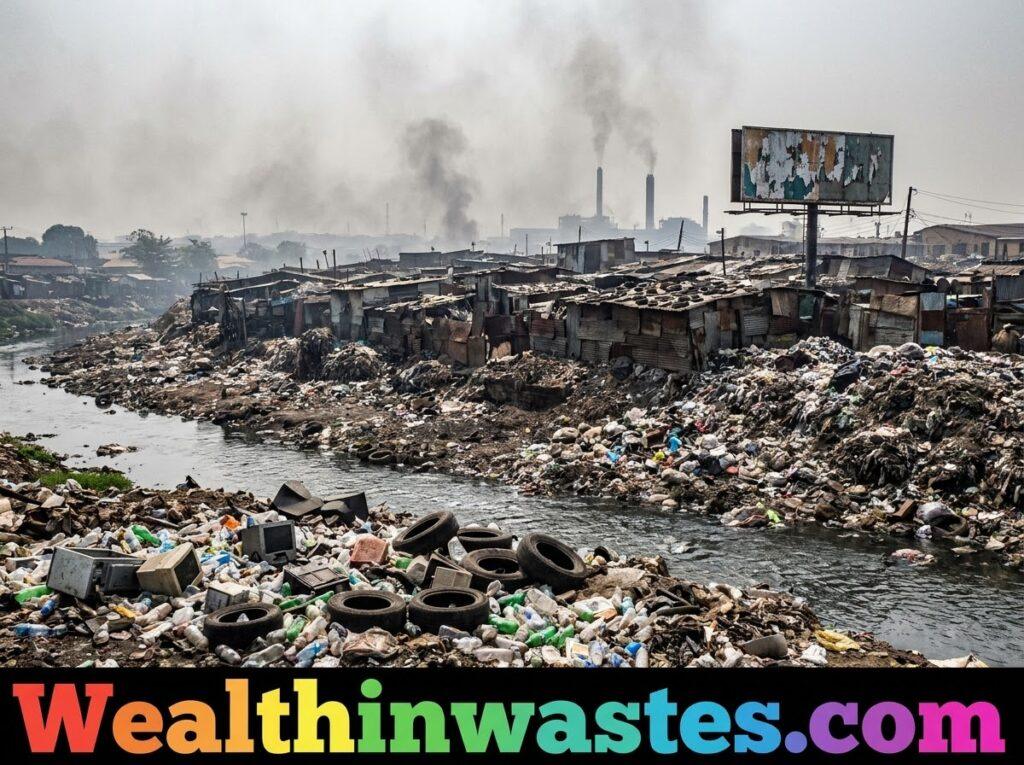
Vegetation loss is a visible effect of urban environmental degradation because buildings, roads, construction sites, and utility networks often replace natural surfaces needed by plants, wildlife, and healthy soil systems.
When urban green spaces decline, habitats become smaller and more fragmented. Reduced tree cover can also remove shade, shelter, food sources, nesting locations, and connected movement corridors for birds, insects, and other organisms.
Biodiversity protection measures become more important as cities expand because native plants and animals need connected habitat, clean water, suitable soils, and reduced exposure to harmful disturbance and ecological fragmentation.
Urban land management should also protect soil because soil and mineral resources support vegetation, infrastructure, drainage, and other environmental functions. Contamination can undermine these services over time across developed areas.
Pollution further weakens urban ecosystems. Hazardous substances in soil can restrict plant establishment, while poor water quality, excessive disturbance, and compacted ground reduce ecological functions and recovery potential during prolonged urban pressure.
1. Habitat loss: Clearing vegetation removes places where organisms feed, reproduce, shelter, and move. Fragmented habitats can isolate populations and make it harder for native species to maintain stable communities within rapidly expanding urban landscapes.
2. Reduced ecosystem services: Fewer trees and plants can weaken shade, rainfall interception, soil stabilization, carbon storage, and other benefits. Residents may consequently experience hotter neighborhoods, greater runoff, and less attractive public spaces.
3. Declining resilience: Diverse urban vegetation can help ecosystems withstand disturbance, pests, heat, and pollution. Losing species and plant cover reduces ecological resilience and can make damaged urban environments harder to restore successfully.
Noise Pollution and Urban Quality of Life
Noise pollution often increases alongside urban growth because cities concentrate traffic, construction, commerce, entertainment, machinery, generators, aircraft, and other sound sources within limited and densely occupied urban spaces every day.
Persistent urban noise can interfere with sleep, communication, concentration, learning, and general comfort. The burden can become greater where homes, schools, hospitals, markets, and workplaces stand close to busy transport or commercial corridors.
Urban noise also has an economic and social dimension because constant disturbance can reduce the quality of residential areas, increase complaints and conflicts, and add to economic losses from pollution.
Research and practical guidance on noise pollution control can help cities identify major sources, protect sensitive locations, and develop measures that reduce unnecessary exposure across residential, commercial, and public areas.
1. Hearing effects: Repeated exposure to very loud sound can damage hearing, particularly when people experience high sound levels for long periods without adequate protection or sufficient recovery time between exposures.
2. Sleep disruption: Persistent nighttime noise can disturb sleep and reduce rest quality. Poor sleep may then affect concentration, mood, productivity, and daytime functioning for people living near major noise sources.
3. Reduced quality of life: Excessive noise can make homes, schools, workplaces, and public spaces less comfortable. Residents may restrict outdoor activities, alter routines, or avoid otherwise useful urban areas because of persistent disturbance.
Soil Degradation in Urban Environments
Urban environmental degradation also affects soil through dumping, spills, construction, chemical use, erosion, compaction, and the accumulation of pollutants. Urban soils can support vegetation, recreation, drainage, and other important environmental functions.
Basic knowledge of soil properties helps explain why pollutants behave differently in different locations. Texture, organic matter, pH, moisture, and drainage can influence heavy metal contamination movement and persistence across urban sites.
Heavy metals, hydrocarbons, pesticides, and other contaminants can remain in soil for extended periods. Construction activity can also compact soil and remove productive topsoil, while poorly controlled runoff can accelerate erosion.
These changes reduce soil quality and can limit vegetation growth across disturbed urban landscapes. Prevention, routine assessment, erosion control, contamination management, and appropriate restoration can protect soil functions as cities continue expanding.
1. Reduced soil function: Contaminated or compacted soil may support fewer biological processes and provide poorer conditions for roots. This can restrict vegetation establishment and weaken the ecological services that healthy urban soils provide.
2. Contamination pathways: Pollutants in soil can move through runoff, dust, groundwater, or direct contact. Some contaminants can also enter plants and create wider environmental concerns when exposure continues over long periods.
3. Loss of productive land: Persistent degradation can make land less suitable for gardens, parks, landscaping, or future development. Restoration may require testing, soil improvement, contamination control, and careful management of disturbed areas.
Water Pollution and Urban Environmental Degradation
Water pollution is among the most serious effects of urban environmental degradation because cities generate domestic wastewater, industrial effluents, stormwater runoff, litter, and other materials that can reach surface and groundwater.
Understanding water pollution sources and types helps identify whether contamination comes from homes, businesses, industries, roads, drainage systems, or diffuse runoff across developed areas and nearby receiving waters downstream safely.
Untreated wastewater creates particular concern because it can carry organic matter, nutrients, microorganisms, chemicals, and suspended materials. Cities therefore need effective collection, treatment, monitoring, and enforcement systems to protect receiving waters.
Improved wastewater management can reduce the pollutant load entering waterways by matching treatment processes to wastewater characteristics, discharge standards, and appropriate reuse requirements for treated effluent and recovered materials effectively.
Water pollution can also create economic impacts by affecting fisheries, recreation, agriculture, tourism, and water treatment. The costs become more difficult to control when pollution sources remain active and cleanup is repeatedly required.
The effects of water pollution can extend beyond the original discharge point because contaminants may move through interconnected waterways, affect aquatic organisms, and reduce the usefulness of water for communities.
Urban environmental degradation can produce related water scarcity when demand rises faster than reliable supply or when available sources become contaminated. Pollution and excessive consumption can therefore reinforce existing pressure on urban water systems.
Protecting urban water requires coordinated action across households, businesses, industries, planners, utilities, and regulators. Preventing pollution at its source generally offers a stronger long-term strategy than relying only on expensive cleanup.
Read Also: Management of Urban Environmental Degradation Strategies
Summary on Effects of Urban Environmental Degradation
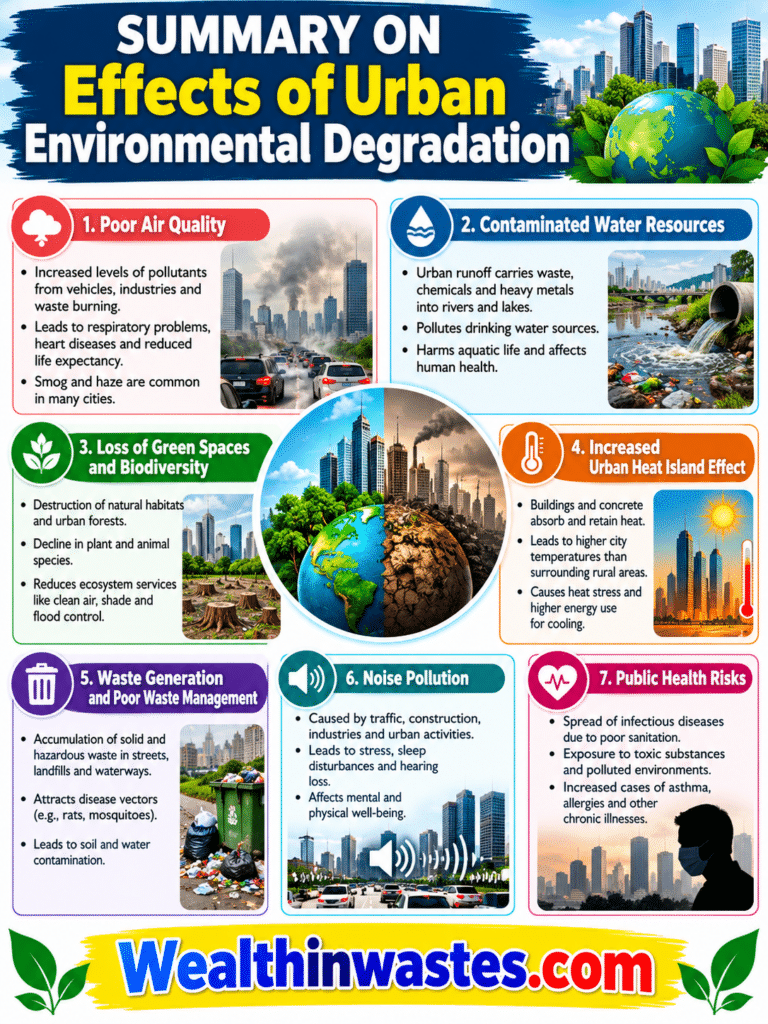
| Environmental Effect | How It Develops | Main Consequence |
|---|---|---|
| Air Pollution | Traffic, industry, dust, generators, and burning release pollutants. | Health and air-quality burdens |
| Urban Heat | Pavement and buildings replace vegetation and natural surfaces. | Heat exposure and cooling demand |
| Waste Accumulation | Waste generation exceeds collection, recovery, and disposal capacity. | Health, drainage, and pollution risks |
| Flooding | Impervious surfaces and blocked drains increase runoff. | Property damage and contamination |
| Biodiversity Loss | Construction removes and fragments habitats and vegetation. | Reduced ecological resilience |
| Noise Pollution | Traffic, machinery, construction, and commerce increase sound levels. | Sleep and quality-of-life disruption |
| Soil Degradation | Dumping, spills, compaction, chemicals, and erosion damage soil. | Reduced soil function and land value |
| Water Scarcity | Demand increases while supply remains limited or contaminated. | Greater pressure on urban water systems |
| Water Pollution | Wastewater, effluents, runoff, and litter enter water bodies. | Public health and ecosystem damage |
| Economic Pressure | Pollution and environmental hazards raise damage and management costs. | Higher public and private expenditure |
Frequently Asked Questions About Effects of Urban Environmental Degradation: 10 Major Impacts
1. What is urban environmental degradation?
Urban environmental degradation is the deterioration of air, water, soil, vegetation, habitats, and other urban environmental systems through sustained human pressure.
2. What are the major effects of urban environmental degradation?
Major effects include air pollution, heat islands, waste accumulation, flooding, biodiversity loss, noise, water scarcity, soil degradation, water pollution, and economic losses.
3. How does urban degradation affect human health?
Pollution, contaminated water, excessive heat, waste, noise, and unsafe surroundings can increase exposure risks, discomfort, illness, injuries, and other public health burdens.
4. Why does urbanization increase flooding?
Urbanization replaces absorbent surfaces with roads and buildings, increasing runoff. Poor drainage, blocked channels, and development in vulnerable areas can further increase flood risk.
5. How does urban degradation reduce biodiversity?
Construction and vegetation clearing destroy habitats, fragment ecological corridors, increase disturbance, and reduce the food, shelter, breeding areas, and resources available to urban wildlife.
6. Can urban environmental degradation cause water shortages?
Yes. Rapid demand growth can pressure limited supplies, while contamination can reduce the amount of water that remains suitable for household, industrial, and ecological uses.
7. How can cities reduce soil degradation?
Cities can prevent dumping, control spills, reduce erosion, protect topsoil, manage chemicals carefully, monitor contaminated sites, and restore degraded soils with appropriate techniques.
8. What role does waste management play?
Effective waste management reduces litter, blocked drains, pollution, health risks, and resource loss through prevention, collection, separation, recovery, treatment, and safe disposal.
Do you have any questions, suggestions, or contributions? If so, please feel free to use the comment box below to share your thoughts. We also encourage you to kindly share this information with others who might benefit from it. Since we can’t reach everyone at once, we truly appreciate your help in spreading the word. Thank you very much for your support and for sharing!
Read Also: Water and Land Pollution in Agriculture