


The National Waste Management Strategy (NWMS) is a strategic government instrument designed to guide waste management policy, regulation, and implementation. It provides direction for national interventions in the waste sector and creates an enabling environment for the successful implementation of the 2017 Chemicals and Waste projects.
The NWMS is a legal requirement under the Waste Act and serves as the foundation for coordinated waste management across industries, municipalities, and organizations. The revised strategy adopted in 2020 updates and strengthens the 2011 framework to reflect modern environmental challenges, economic realities, and sustainability goals.
In an era where waste generation is increasing due to industrialization, urbanization, and population growth, an effective waste management strategy is essential for environmental protection, economic development, and public health.
Key Principles of the National Waste Management Strategy
The NWMS is built upon the following core principles:
1. Waste Minimization
Waste minimization focuses on reducing the quantity and toxicity of waste generated. This involves encouraging efficient production systems, responsible consumption, and the use of environmentally friendly materials.
2. Waste Prevention
Prevention prioritizes stopping waste before it is created. This includes redesigning products, reducing packaging, and promoting sustainable manufacturing processes.
3. Waste as a Resource
Waste should not be viewed as useless material but as a valuable resource. Through recycling, recovery, and reuse, waste materials can be converted into raw materials for new products, supporting a circular economy.
4. Sustainable Strategic Partnerships
Collaboration between government, private sector, communities, and international partners is essential for effective waste management. Partnerships enhance infrastructure, innovation, and compliance.
5. Environmentally Sound Socioeconomic Growth and Development
Waste management must support economic growth while protecting the environment. Sustainable development ensures that economic activities do not compromise ecological systems.
6. Effective and Sustainable Waste Services, Compliance, Enforcement, and Awareness
This principle emphasizes:
- Reliable waste collection services
- Strong regulatory enforcement
- Public education and awareness
- Improved standards in waste disposal practices
Read Also: All You Need to Know About Periwinkles
Expected Outcomes of the NWMS
The strategy aims to achieve the following:
- Waste Prevention and Diversion from Landfills
Where waste cannot be prevented, it should be progressively diverted away from landfills through recycling, reuse, and recovery systems. - Mainstream Waste Awareness and Compliance Culture
Promote zero tolerance for pollution, littering, and illegal dumping by strengthening public awareness and enforcement mechanisms.
Why Efficient Waste Management Matters
Poor waste disposal results in:
- Environmental pollution
- Public health risks
- Economic losses
- Degradation of ecosystems
- Increased climate change impacts
However, proper waste management leads to:
- Cleaner environments
- Economic opportunities
- Resource conservation
- Improved organizational efficiency
- Reduced operational costs
Industries and organizations worldwide are now recognizing that waste management is not just an environmental responsibility but also a business advantage.
Guidelines for Effective Waste Management Strategy

Below are structured guidelines to help industries and organizations implement an effective waste management system:
1. Choose the Right People
A successful waste management strategy begins with selecting qualified and dedicated individuals.
- Appoint trained personnel or waste management teams.
- Engage environmental consultants where necessary.
- Define clear roles and responsibilities.
- Establish leadership for accountability.
Competent professionals provide the technical support required for effective system development and implementation.
2. Conduct a Waste Examination (Waste Audit)
A waste audit helps determine:
- The types of waste generated.
- The volume of waste produced.
- Sources of waste within the organization.
- Opportunities for reduction and recycling.
Accurate data collection is crucial for identifying improvement areas and developing realistic solutions. Waste audits provide measurable baselines for performance tracking.
3. Create a Clear Waste Policy
An effective waste policy should be:
- Simple
- Transparent
- Practical
- Aligned with legal requirements
The policy should define:
- Waste handling procedures
- Recycling responsibilities
- Compliance measures
- Environmental objectives
Involving staff in policy development increases acceptance and compliance.
4. Train and Educate Staff
Employee training is essential for successful implementation.
- Conduct regular workshops and seminars.
- Include waste management in employee orientation programs.
- Provide safety training for hazardous waste handling.
- Encourage active participation and reporting.
Well-informed employees ensure consistency even in the absence of management supervision.
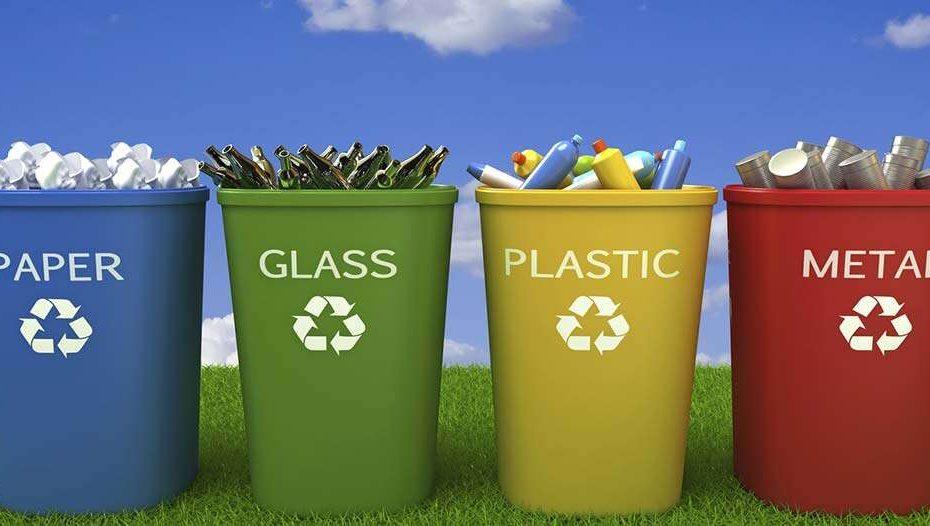
5. Focus on Accurate Waste Separation
Waste segregation is a cornerstone of effective management.
Organizations must distinguish between:
- Recyclable materials
- Reusable materials
- Hazardous waste
- Organic waste
- Non-recyclable waste
Proper separation:
- Reduces landfill costs
- Improves recycling efficiency
- Saves time and money
- Enhances environmental compliance
6. Make Everyone Active and Involved
Waste management requires collective responsibility.
- Engage internal stakeholders (employees, managers).
- Educate customers about sustainable practices.
- Partner with local authorities and regulatory bodies.
- Promote recycling campaigns.
Strong partnerships enhance program sustainability.
7. Set Measurable Targets
Clear targets improve accountability and performance.
Targets may include:
- Percentage reduction in landfill waste
- Recycling rate goals
- Budget allocations
- Timeline for improvements
Monitoring and reporting ensure continuous progress.
Basic Goals of the Waste Management Strategy
The strategy seeks to achieve the following broader objectives:
- Improve education, awareness, and technical understanding of best waste management practices.
- Strengthen regional cooperation to improve infrastructure efficiency.
- Provide a flexible and effective regulatory framework.
- Promote innovation and sustainable waste treatment technologies.
- Strengthen government participation and oversight.
- Increase reuse, recycling, recovery, and alternative treatment methods.
- Minimize the environmental impact of waste — especially plastic packaging — in rivers, wetlands, coastal areas, and human settlements by diverting waste from landfills.
- Develop and implement strategies to reduce food losses during harvesting, processing, and transportation in collaboration with producers and retailers.
- Ensure effective and environmentally responsible waste disposal systems across industries and municipalities.
Summary Table: Key Elements of the NWMS
| Category | Key Focus |
|---|---|
| Legal Basis | Compliance with Waste Act |
| Core Principles | Minimization, Prevention, Resource Use, Partnerships, Sustainable Growth |
| Environmental Goals | Reduce pollution, landfill diversion, ecosystem protection |
| Economic Goals | Job creation, cost savings, resource efficiency |
| Organizational Guidelines | Waste audit, policy development, staff training, waste segregation |
| Long-Term Vision | Circular economy and sustainable development |
Frequently Asked Questions (FAQ)
1. What is the main purpose of the NWMS?
The main purpose is to provide a national framework for managing waste sustainably, reducing landfill use, and promoting recycling and environmental protection.
2. Why is waste prevention important?
Preventing waste reduces environmental damage, conserves natural resources, and lowers management costs.
3. What is meant by “waste as a resource”?
It means treating waste materials as valuable inputs that can be recycled or reused instead of discarded.
4. How can organizations benefit from waste management strategies?
Organizations benefit through:
- Reduced operational costs
- Improved compliance
- Better corporate reputation
- Increased efficiency
5. What role does government play in waste management?
Government provides regulations, enforcement, infrastructure support, and awareness programs to ensure proper waste management practices.
6. How does waste management support economic growth?
It creates jobs, promotes innovation, encourages recycling industries, and reduces costs associated with pollution and environmental damage.
The National Waste Management Strategy provides a structured and comprehensive framework for addressing waste challenges in a sustainable and economically beneficial manner.
Efficient waste management is not only an environmental necessity but also a social and economic priority. By focusing on prevention, resource recovery, partnerships, compliance, and innovation, governments and organizations can create a cleaner, safer, and more sustainable future.
To achieve long-term success, waste management must become a shared responsibility among governments, industries, communities, and individuals.
Do you have any questions, suggestions, or contributions? If so, please feel free to use the comment box below to share your thoughts. We also encourage you to kindly share this information with others who might benefit from it. Since we can’t reach everyone at once, we truly appreciate your help in spreading the word. Thank you very much for your support and for sharing!
Read Also: Problems of Solid Waste Management on the Global Stage