


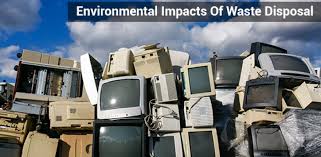
Waste forms whenever households, farms, businesses, industries, healthcare facilities, and institutions discard materials that they no longer need or cannot use effectively within their existing activities and operations.
Some discarded materials decompose naturally, while others persist for years and release harmful substances into surrounding environments, especially when collection, treatment, reuse, recycling, and disposal systems remain inadequate or poorly coordinated.
The general impact of wastes on environment therefore extends beyond unpleasant surroundings, because poorly managed waste can pollute water, degrade soil, contaminate air, damage habitats, and disrupt ecological processes across communities.
Understanding these effects helps communities, farmers, industries, households, and public authorities make better decisions about waste prevention, segregation, treatment, recovery, recycling, and final disposal for stronger environmental protection measures.
Waste impacts also depend on composition, quantity, toxicity, persistence, disposal method, climate, and the sensitivity of receiving environments, meaning that one waste stream may create several environmental problems simultaneously across locations.
Read Also: Household Hazardous Waste (HHW)
What Is the General Impact of Wastes?
1. Water Pollution: Wastes can contaminate rivers, streams, lakes, wetlands, and groundwater when rain carries dissolved pollutants, untreated effluents, litter, nutrients, oils, or chemicals into water resources and surrounding ecosystems.
2. Soil Degradation: Waste dumped on land can introduce heavy metals, persistent chemicals, plastics, pathogens, and other contaminants that interfere with soil structure, fertility, microorganisms, and plant growth over time.
3. Air Pollution: Open burning, uncontrolled decomposition, and industrial waste releases can add smoke, particulate matter, offensive odors, and harmful gases to the atmosphere, reducing local air quality significantly.
4. Ecosystem Damage: Waste can cover habitats, obstruct drainage channels, injure wildlife, alter food chains, and introduce contaminants that reduce the ability of ecosystems to maintain normal ecological functions effectively.
5. Climate Effects: Organic waste decomposing without adequate oxygen can generate methane, while waste burning and waste-related transport can release greenhouse gases that increase pressure on climate systems globally.
6. Resource Loss: When reusable materials reach dumpsites unnecessarily, communities lose valuable metals, plastics, paper, nutrients, and organic matter that could support recycling, manufacturing, composting, or energy recovery activities instead.
7. Public Health Pressure: Poor waste management can increase exposure to pathogens, toxic substances, polluted air, contaminated water, sharp objects, and vectors, creating risks for workers and nearby communities alike.
Waste Pollution and Water Quality
Water receives waste from households, farms, industries, construction areas, streets, dumpsites, and agricultural fields, especially when collection systems fail or rainfall transports pollutants across exposed surfaces and drainage routes.
Municipal refuse can produce leachate as rainwater moves through decomposing waste, dissolving organic materials, nutrients, metals, and other contaminants that may eventually reach groundwater beneath disposal sites. Waste disposal impacts explain this pathway further.
Industrial discharges can also carry oils, suspended solids, nutrients, solvents, acids, alkalis, heavy metals, and other chemicals that change the physical, chemical, and biological characteristics of receiving waters substantially. Industrial effluent impacts can become severe without treatment.
Excess nitrogen and phosphorus from agricultural and domestic waste can stimulate excessive algal growth, which may reduce dissolved oxygen and disturb aquatic organisms within affected waterways and connected habitats. Water pollution pathways often connect land activities with receiving waters.
Plastic litter adds another long-term problem because larger items can obstruct waterways while smaller fragments persist in aquatic environments and may enter organisms through feeding or accidental ingestion processes.
Contaminated water can reduce suitability for drinking, irrigation, fisheries, livestock, recreation, and industrial uses, while treatment becomes more difficult and expensive as pollutant levels increase across affected communities.
Preventing waste from entering waterways remains more effective than relying only on downstream cleanup, so source control, proper collection, wastewater treatment, drainage protection, and public education remain essential for lasting water quality.
Waste Effects on Soil and Land
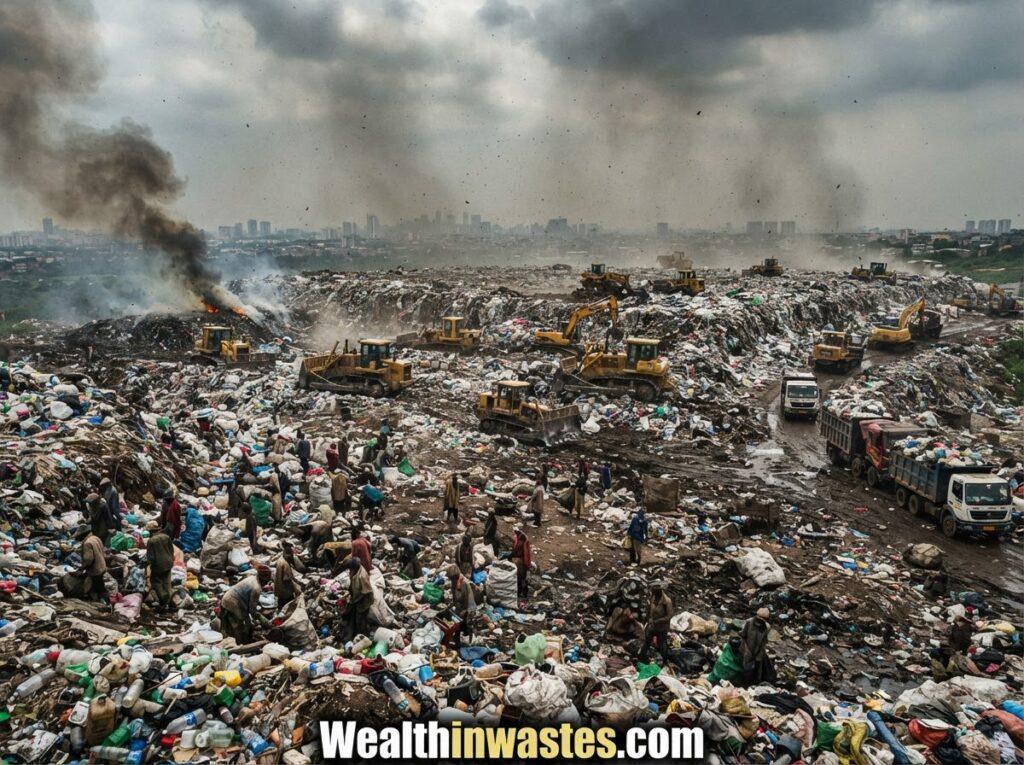
Land receives waste directly through dumping, burial, littering, agricultural application, industrial spills, mining residues, and construction activities, allowing contaminants to accumulate within soil profiles over time and across seasons. Hazardous substances in soil deserve particular attention.
Heavy metal contamination can persist in soils because metals do not readily degrade like many organic materials, and their accumulation can affect soil organisms, crops, livestock, and people over extended periods.
Some hazardous substances can also move through soil with water, creating contaminant pathways from affected land toward groundwater, drainage channels, wetlands, nearby agricultural areas, and human settlements.
Plastic waste pollution can interfere with soil management when large quantities accumulate, while fragments can remain in the ground and contribute to persistent contamination of agricultural and urban environments for years.
Organic waste does not always create severe soil pollution because suitable biodegradable materials can provide nutrients and organic matter when managers apply them correctly and monitor contamination carefully.
Problems arise when poorly controlled waste contains pathogens, toxic chemicals, excessive salts, oils, or incompatible materials that reduce soil quality or create unsafe conditions for crops and surrounding organisms.
Land restoration may require waste removal, containment, soil treatment, revegetation, monitoring, and long-term management, especially where contamination has persisted across several seasons or deeper soil layers.
Air Pollution From Waste Disposal
Air pollution becomes an important part of the general impact of wastes on environment when people burn refuse openly or release untreated gases from industrial processes and disposal facilities without controls. Basic pollution concepts help explain these pathways.
Open burning can produce smoke and particulate matter, together with gases and hazardous compounds whose effects depend on the materials burned, combustion conditions, and exposure levels within surrounding areas.
Burning plastics, treated materials, and electronic waste can create concerning emissions because some products contain additives or hazardous substances that may become more harmful during combustion processes.
Landfills and other disposal sites can emit gases as organic materials decompose, especially methane and carbon dioxide, while odors may develop from anaerobic biological processes under enclosed conditions.
Industrial waste handling can also release dust, fumes, volatile chemicals, and combustion products when facilities lack adequate containment, filtration, monitoring, maintenance, or operational controls during routine activities.
Airborne contaminants can travel beyond the original disposal site, meaning neighboring homes, workplaces, roads, crops, animals, and vegetation may experience exposure even without direct contact with waste materials.
Reducing air impacts requires waste prevention, proper segregation, safe storage, controlled treatment, effective emission controls, routine monitoring, and strict avoidance of uncontrolled burning in residential environments and public spaces.
How Waste Harms Plants and Animals
1. Habitat Loss: Dumping and littering can cover vegetation, fill wetlands, block drainage, fragment habitats, and reduce usable space for plants, insects, birds, mammals, reptiles, and aquatic organisms nearby.
2. Toxic Exposure: Animals may encounter hazardous chemicals through contaminated soil, water, air, food, or waste items, while plants may absorb pollutants through roots, leaves, or surrounding moisture continuously.
3. Food Chain Disruption: Persistent contaminants can move through feeding relationships, allowing pollutants to reach predators and other organisms that consume contaminated plants, prey, water, or sediments within ecosystems.
4. Physical Injury: Discarded plastics, wires, glass, metal, and other materials can trap, cut, suffocate, or injure animals that encounter them during movement, feeding, nesting, or sheltering activities.
5. Reduced Plant Growth: Contaminated water and soil can interfere with nutrient uptake, root activity, photosynthesis, reproduction, and overall development, particularly among species that cannot tolerate changing environmental conditions.
6. Aquatic Stress: Nutrients, organic matter, toxic chemicals, and sediments can change oxygen conditions, turbidity, acidity, and habitat quality, placing additional pressure on fish and aquatic plants.
7. Ecosystem Imbalance: When sensitive species decline while tolerant organisms persist, waste pollution can alter community structure, ecological interactions, biodiversity, and the resilience of affected ecosystems over time.
Health and Community Consequences of Waste
Poorly managed waste can create direct and indirect health concerns by increasing exposure to infectious agents, hazardous chemicals, contaminated food, polluted water, unsafe air, and injury-causing materials daily. Community health concerns can become more serious near disposal sites.
People who collect, sort, transport, treat, or dispose of waste often face greater exposure because their work brings them closer to hazardous substances, sharp objects, dust, pathogens, and fumes.
Communities near uncontrolled dumpsites may experience persistent odors, smoke, pests, drainage problems, visual blight, and concerns about contaminated water or soil used for household and agricultural purposes.
Medical and biomedical waste can create additional dangers when infectious materials, sharps, pharmaceuticals, or contaminated objects enter ordinary waste streams and reach people without suitable controls or protection.
Children and animals may face particular dangers around open dumps because they may touch, play near, inhale, or accidentally ingest contaminated materials without recognizing the associated hazards beforehand.
Waste problems can also create social tension when odors, smoke, blocked drains, litter, and visible dumping reduce neighborhood quality and generate conflicts among residents, businesses, and authorities.
Public education, safer collection systems, worker protection, household segregation, controlled disposal, and prompt cleanup can reduce these community risks while improving confidence in local environmental services and infrastructure.
Economic and Climate Effects of Waste
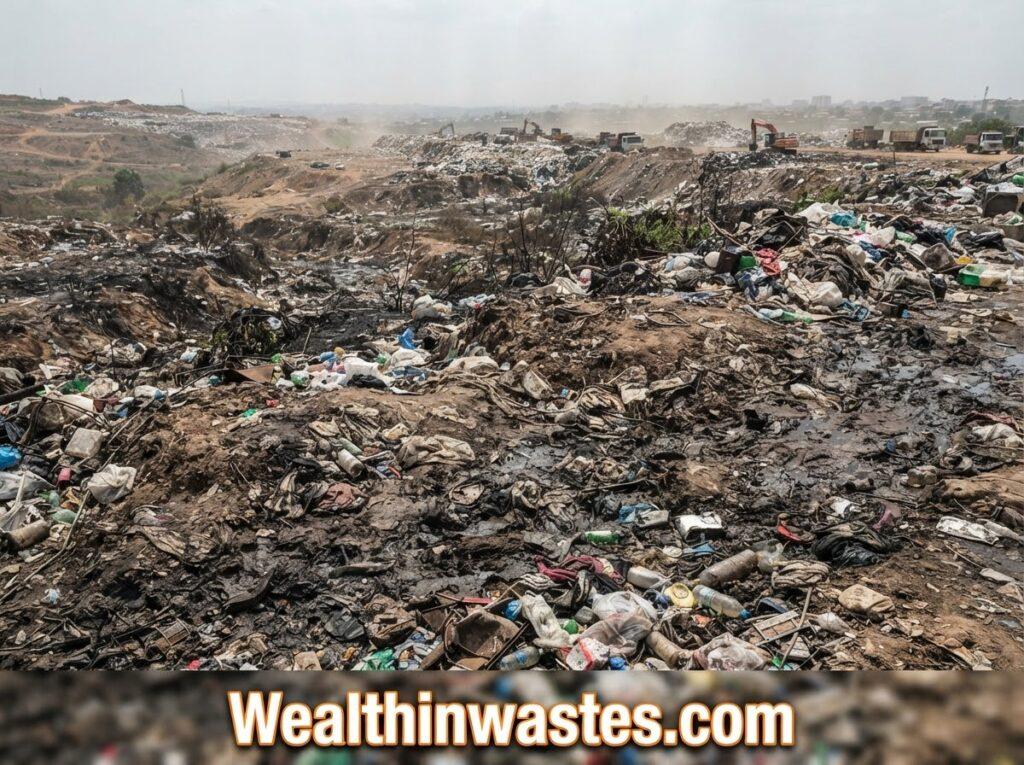
1. Cleanup Costs: Governments and communities may spend substantial funds removing litter, restoring contaminated sites, clearing blocked drains, treating polluted water, and repairing infrastructure damaged by poor waste management practices.
2. Lost Resources: Discarding recyclable and recoverable materials increases demand for fresh raw materials, which can raise production costs while placing additional pressure on forests, minerals, energy, and water supplies.
3. Agricultural Losses: Waste pollution can reduce soil quality, contaminate irrigation water, damage crops, and increase farm management costs when producers must respond to declining environmental conditions.
4. Fisheries Impacts: Polluted water can reduce habitat quality, affect aquatic organisms, and weaken fishing activities, especially where communities rely heavily on rivers, lakes, wetlands, or coastal resources.
5. Climate Pressure: Methane from decomposing organic waste and greenhouse gases linked to waste transport, treatment, and burning can contribute to broader climate change pressures and warming trends.
6. Business Effects: Companies can face higher operating expenses, environmental compliance costs, reputational damage, cleanup obligations, and production interruptions when waste creates pollution or community complaints about environmental conditions.
7. Missed Circular Value: Reuse, recycling, composting, and recovery can retain material value within economies, whereas poor waste handling converts potentially useful resources into disposal liabilities and environmental costs.
Waste Management Practices That Reduce Impact
Effective waste management begins with prevention because reducing unnecessary consumption and material use limits the amount of waste requiring collection, transportation, treatment, recovery, or disposal. Reduction, reuse, and recycling support this preventive approach.
Segregating waste at source helps keep recyclable, biodegradable, hazardous, and residual materials separate, making later handling safer and improving opportunities for recovery, reuse, composting, and recycling.
Organic waste can often support composting or other biological treatment systems when managers control moisture, contamination, odors, and process conditions throughout decomposition and maturation stages carefully.
Industrial wastewater treatment can reduce pollutant loads before discharge, while industrial facilities can also redesign processes, reuse water, recover materials, and prevent contamination at the point of generation.
Waste control systems should identify hazardous materials, provide secure storage, arrange appropriate transportation, apply suitable treatment, and ensure controlled disposal because ordinary dumping or burning can create widespread environmental consequences.
Public authorities can strengthen waste outcomes through reliable collection, environmental monitoring, enforcement, infrastructure investment, clear standards, community education, and cooperation among households, businesses, farmers, and industries.
Consumers also influence waste generation through purchasing choices, product reuse, correct sorting, repair, recycling participation, and responsible disposal, making daily decisions important parts of environmental protection.
Read Also: Agricultural Waste Generation Sources and Characteristics
Shared Responsibility for Environmental Protection

Waste control works best when producers, consumers, regulators, waste operators, farmers, industries, and local communities recognize that environmental impacts often begin long before materials reach final disposal.
Manufacturers can reduce impacts by understanding industrial waste streams, designing durable products, minimizing unnecessary packaging, selecting safer materials, supporting repair, and considering recovery pathways before products enter markets and households.
Households can prevent pollution through better waste practices, separating materials, avoiding open dumping, keeping hazardous substances out of ordinary bins, reducing disposable products, and supporting legitimate collection services.
Farmers can manage manure, crop residues, pesticide containers, plastics, and other materials carefully, using responsible agricultural waste practices so runoff, leaching, burning, and uncontrolled disposal do not degrade environmental quality.
Industries have an important duty to monitor waste streams, treat effluents, maintain pollution-control systems, document compliance, and respond quickly when spills, leaks, or abnormal discharges occur.
Communities can support cleaner environments through neighborhood awareness, reporting of illegal dumping, participation in recycling programs, proper storage of household waste, and cooperation with local authorities.
When these responsibilities connect through a coordinated system, organizations can also improve waste management performance through prevention, resource recovery, pollution control, environmental stewardship, and long-term sustainability.
Summary on General Impact of Wastes on Environment
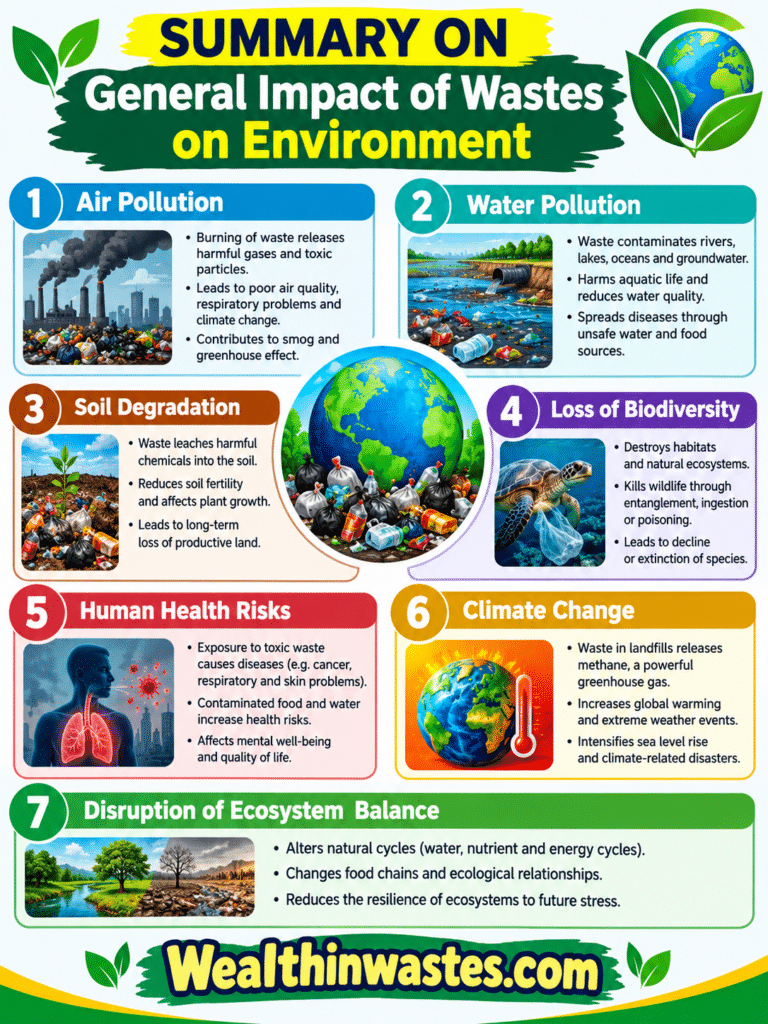
| Impact Area | Major Effects | Useful Control Measures |
|---|---|---|
| Water | Leachate, effluents, nutrients, plastics, and toxic chemicals can reduce water quality. | Source control, drainage protection, treatment, and responsible disposal. |
| Soil | Heavy metals, chemicals, plastics, pathogens, and oils can degrade soil quality. | Segregation, containment, soil monitoring, remediation, and safe application. |
| Air | Open burning, odors, dust, smoke, and disposal gases can reduce air quality. | Avoid burning, control emissions, capture gases, and monitor air. |
| Plants And Animals | Waste can cause habitat loss, toxic exposure, injury, and food-chain disruption. | Protect habitats, prevent littering, reduce toxic releases, and restore damaged areas. |
| Health | Exposure can increase risks from pathogens, toxic substances, polluted water, and unsafe air. | Worker protection, public education, safe collection, treatment, and controlled disposal. |
| Climate | Waste decomposition, transport, and burning can contribute greenhouse gas emissions. | Reduce waste, compost organics, recover materials, and improve treatment systems. |
| Economy | Pollution can increase cleanup costs, resource losses, business risks, and agricultural losses. | Prevention, recycling, reuse, recovery, compliance, and efficient waste services. |
Frequently Asked Questions About General Impact of Wastes on Environment: Key Effects
1. What is the general impact of wastes on environment?
The general impact includes pollution of water, air, and soil, ecosystem damage, public health risks, greenhouse gas emissions, resource loss, and economic costs associated with poor waste handling.
2. How does waste pollute water resources?
Waste pollutes water when leachate, untreated effluent, nutrients, oils, chemicals, plastics, sediments, or pathogens reach rivers, lakes, wetlands, streams, or groundwater through runoff, discharge, or seepage.
3. Can waste reduce soil fertility?
Yes. Contaminated waste can introduce chemicals, heavy metals, salts, oils, and plastics that interfere with soil organisms, plant growth, nutrient cycling, and other functions supporting healthy agricultural soils.
4. Why does waste contribute to air pollution?
Waste contributes to air pollution through open burning, dust, fumes, odors, industrial emissions, and gases released during decomposition, especially when facilities lack suitable treatment and emission-control systems.
5. Which wastes create serious environmental risks?
Hazardous chemicals, industrial effluents, medical waste, persistent plastics, contaminated agricultural materials, electronic waste, and mixed wastes can create serious risks when managers handle them without adequate controls.
6. How can communities reduce waste impacts?
Communities can reduce impacts by preventing waste, segregating materials, using reliable collection services, recycling suitable items, composting organics, avoiding open dumping, protecting waterways, and reporting unsafe disposal.
Do you have any questions, suggestions, or contributions? If so, please feel free to use the comment box below to share your thoughts. We also encourage you to kindly share this information with others who might benefit from it. Since we can’t reach everyone at once, we truly appreciate your help in spreading the word. Thank you very much for your support and for sharing!
Read Also: Proper Farm Waste management guide