


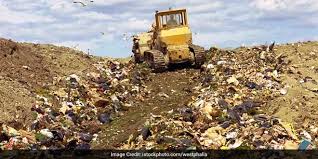
Proper waste control is an essential part of protecting human health, conserving natural resources, and maintaining clean surroundings. Every household, business, institution, farm, market, and industrial facility generates waste.
As populations grow and consumption patterns change, communities produce larger and more complex waste streams. This increasing volume places greater pressure on collection systems, recycling facilities, treatment plants, transportation networks, and disposal sites.
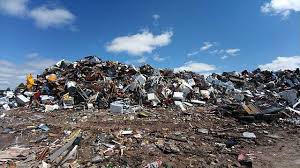
Poorly managed waste can contaminate land, air, and water while creating conditions that encourage disease transmission, blocked drainage, flooding, unpleasant odors, pests, and other environmental problems affecting communities.
Proper waste control therefore requires deliberate actions that reduce waste generation, encourage reuse and recycling, improve collection, support suitable treatment, and promote environmentally responsible disposal of unavoidable residual materials.
Understanding proper waste control helps individuals and organizations make better decisions about consumption, resource recovery, pollution prevention, operating costs, environmental protection, and long-term sustainability within their daily activities.
Meaning And Scope Of Proper Waste Control
Proper waste control refers to the organized actions used to prevent unnecessary waste, separate materials, collect discarded items, recover useful resources, treat unsuitable materials, and safely dispose of unavoidable residues.
The process begins where waste originates because prevention and source reduction can limit the quantity requiring later handling. Communities therefore benefit when households and organizations examine purchasing and consumption habits.
Waste control also requires appropriate separation because organic materials, recyclable products, hazardous substances, wastewater, and general refuse often require different handling methods to protect people and surrounding ecosystems.
Effective systems combine household participation, business responsibility, government regulation, waste collection services, recycling networks, treatment facilities, and suitable final disposal infrastructure to maintain consistent environmental standards.
Communities facing collection challenges can better understand the wider situation by examining the health and environmental consequences linked with poorly managed waste and uncontrolled disposal activities.
Good waste control should also recognize that discarded materials differ significantly in composition, hazard, recoverability, moisture content, decomposition rate, and potential value for recycling, composting, reuse, or energy recovery.
Understanding how uncontrolled solid waste affects environmental quality reinforces the need for organized collection, proper storage, responsible transportation, suitable treatment, and environmentally sound disposal practices.
These principles make waste control more than simple disposal because the objective involves preventing pollution, conserving resources, protecting communities, and keeping useful materials within productive economic systems.
Readers can further understand disposal risks by reviewing the major environmental problems associated with poor waste disposal and their consequences for ecosystems, water resources, air quality, and public wellbeing.
Read Also: Types of Wastewater and Motivational Factors for Recycling/Reuse
Benefits Of Proper Waste Control
1. Environmental Protection: Proper waste control reduces the uncontrolled release of pollutants into soil, air, surface water, and groundwater while supporting cleaner surroundings and healthier ecological conditions.
2. Public Health Protection: Organized waste collection and safe handling reduce exposure to contaminated materials, disease vectors, hazardous substances, unpleasant odors, and other conditions that can threaten community health.
3. Resource Conservation: Reuse, recycling, composting, and resource recovery allow useful materials to remain productive for longer, reducing pressure on some natural resources and lowering unnecessary material losses.
Recycling can provide additional environmental and economic advantages, including reduced disposal volumes, resource conservation, energy savings, employment opportunities, and cleaner communities, as discussed in the wider benefits of recovering recyclable materials.
4. Lower Disposal Pressure: Waste prevention, reuse, recycling, composting, and recovery reduce the quantity requiring landfilling or other final disposal, helping existing facilities serve communities more efficiently.
5. Economic Efficiency: Businesses can reduce purchasing losses, transportation expenses, treatment charges, and disposal costs when they identify avoidable waste and recover materials with practical economic value.
Organizations seeking practical recycling improvements can explore effective recycling approaches for recovering useful materials while reducing the amount of waste entering disposal systems.
6. Employment Opportunities: Collection, sorting, transportation, recycling, composting, treatment, equipment maintenance, and resource recovery can create employment while supporting businesses and services within circular economy systems.
Economic incentives can strengthen these efforts because well-designed recycling incentives can encourage better recovery and disposal practices while making environmentally responsible waste management more financially attractive.
7. Community Cleanliness: Regular collection, appropriate storage, effective drainage protection, and responsible disposal help maintain cleaner streets, markets, residential areas, commercial centers, institutions, and public spaces.
Waste Reduction And Source Separation Practices
1. Reduce Waste At Source: Source reduction prevents unnecessary waste before it exists by improving purchasing, product selection, packaging choices, production practices, consumption habits, and material efficiency.
2. Separate Waste Materials: Separating organic, recyclable, hazardous, and residual waste at the point of generation makes later collection, treatment, recycling, and disposal safer and more efficient.
3. Improve Daily Practices: Households and businesses can reduce unnecessary waste through careful purchasing, proper storage, durable product selection, responsible consumption, repair, reuse, and better planning.
Practical guidance on better day-to-day waste management practices can help organizations establish routines that support prevention, proper separation, collection, recycling, composting, and safe handling.
4. Prevent Food Waste: Meal planning, appropriate purchasing, correct storage, portion control, suitable leftovers management, donation, and composting can reduce unnecessary food losses within households and food businesses.
5. Reconsider Disposable Products: Reusable containers, bags, bottles, cups, and other durable alternatives can replace many single-use items, reducing the volume of waste generated during routine household and business activities.
The reduce, reuse, and recycle approach provides a practical framework for preventing unnecessary waste while keeping valuable materials in circulation for longer periods.
6. Educate Waste Generators: Clear instructions, visible labels, staff training, household education, and community awareness can improve participation and reduce contamination within waste collection and recycling systems.
Communities can strengthen source reduction further by applying practical environmental management measures for reducing waste across homes, workplaces, schools, farms, markets, and public institutions.
Reuse Recycling And Resource Recovery
1. Reuse Useful Materials: Reuse keeps products, containers, furniture, equipment, clothing, packaging, and other materials in service longer instead of sending them immediately into recycling or disposal streams.
2. Repair And Refurbish: Cleaning, repairing, renovating, or restoring damaged products extends their useful life and reduces the material demand, energy use, and waste associated with replacement purchases.
3. Recycle Suitable Materials: Paper, metals, plastics, glass, cardboard, and other suitable materials can enter recycling systems after proper separation, collection, sorting, cleaning, and processing into secondary resources.
Modern recycling systems can follow organized collection, separation, cleaning, and processing procedures that prepare suitable materials for manufacturing and other productive applications.
Resource recovery also changes how communities view discarded materials because useful resources may remain within waste streams, including recyclable products, organic matter, metals, plastics, paper, and recoverable energy.
Detailed information on resource recovery techniques for useful waste materials can help households, businesses, and waste operators identify practical opportunities for recovering value before final disposal.
Recoverable waste can create economic opportunities when suitable collection, sorting, processing, and market arrangements exist, allowing individuals and businesses to generate revenue while supporting environmental protection.
For example, readers can examine practical opportunities for earning income from recoverable household materials while reducing the quantity of useful resources entering disposal facilities.
Organic Waste Composting And Energy Recovery
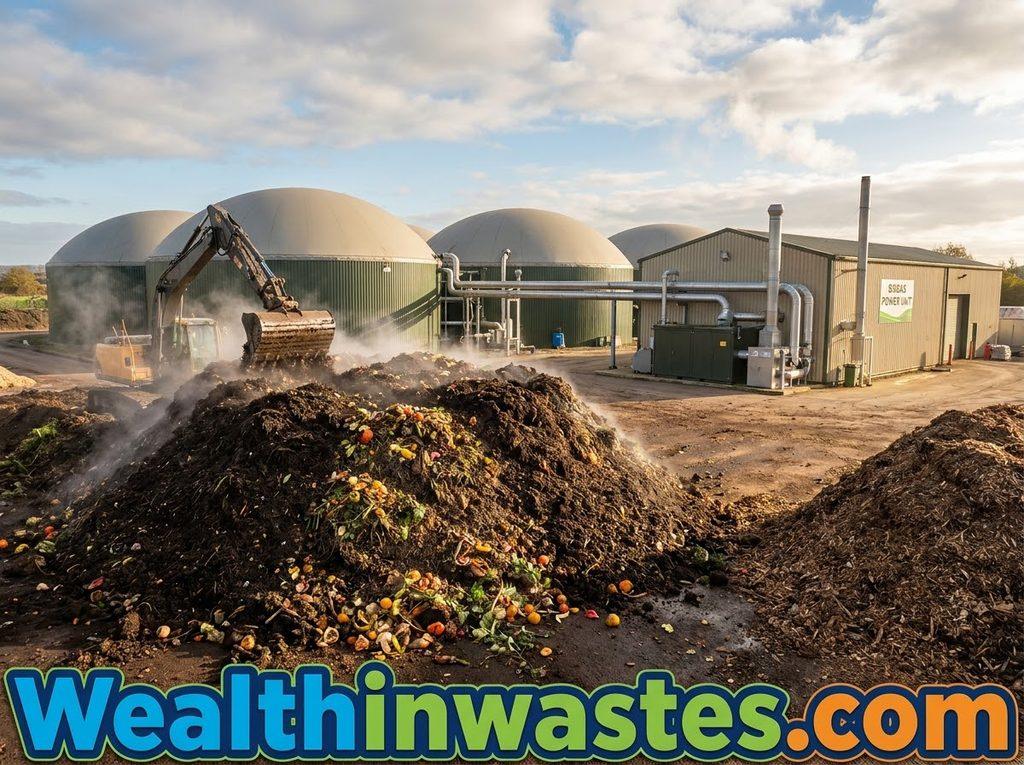
1. Compost Organic Materials: Food scraps, leaves, plant residues, and other suitable biodegradable materials can undergo controlled decomposition to produce compost that supports soil improvement.
2. Manage Compost Correctly: Effective composting requires suitable materials, moisture, aeration, temperature management, and regular monitoring so microorganisms can decompose organic matter efficiently under controlled conditions.
Readers can explore proper composting methods and the value of composted organic waste for reducing disposal pressure and recovering useful organic matter.
3. Use Organic Waste Productively: Properly composted organic materials can improve soil structure, increase organic matter, support nutrient cycling, and reduce the quantity of biodegradable materials requiring disposal.
Practical guidance on turning organic waste into useful compost shows how household and agricultural materials can support productive soil management when properly processed.
4. Consider Energy Recovery: Suitable residual waste can provide useful energy through controlled treatment systems when prevention, reuse, recycling, and other higher-priority recovery options cannot reasonably handle the material.
Controlled thermal treatment such as properly managed incineration systems for suitable waste can reduce waste volume, although emissions and remaining residues require careful environmental management.
5. Protect Organic Resources: Composting and biological treatment can keep valuable organic matter within productive systems while reducing unnecessary disposal, odors, pest attraction, and environmental pressures.
Energy recovery should therefore complement, rather than replace, source reduction, reuse, recycling, composting, and responsible final disposal within an integrated waste control system.
Safe Collection Treatment And Disposal
1. Use Suitable Storage Containers: Waste should remain in appropriate containers that prevent leakage, scattering, pest access, unnecessary exposure, and accidental contact before collection or treatment.
2. Organize Regular Collection: Frequent and reliable collection prevents excessive accumulation, unpleasant odors, blocked drainage channels, pest breeding, unsafe surroundings, and uncontrolled dumping around homes and businesses.
3. Handle Hazardous Waste Carefully: Chemicals, medical materials, pesticides, batteries, solvents, and other hazardous wastes require appropriate storage, transportation, treatment, and disposal procedures that protect workers and communities.
Understanding the characteristics that make certain waste hazardous helps waste generators recognize materials that require specialized handling rather than ordinary household or commercial disposal.
4. Transport Responsibly: Waste transport should minimize spills, leaks, scattering, worker exposure, traffic risks, and unnecessary environmental contamination while moving collected materials toward suitable recovery or treatment facilities.
5. Treat Waste Appropriately: Treatment methods should match the material, contamination level, physical characteristics, environmental risks, available technology, regulatory requirements, and intended recovery or disposal pathway.
Paper recycling demonstrates how recovered materials can move through collection and processing systems, as illustrated by methods for converting discarded paper into new useful products.
Metal recovery provides another example because aluminum recycling processes can recover valuable materials from discarded containers and return them to manufacturing systems.
6. Dispose Of Residual Waste Safely: Materials that cannot reasonably be prevented, reused, recycled, composted, or recovered require controlled final disposal through suitable facilities that minimize environmental and health risks.
Read Also: Casella Waste Services Complete Guide
Practical Waste Control For Homes And Businesses
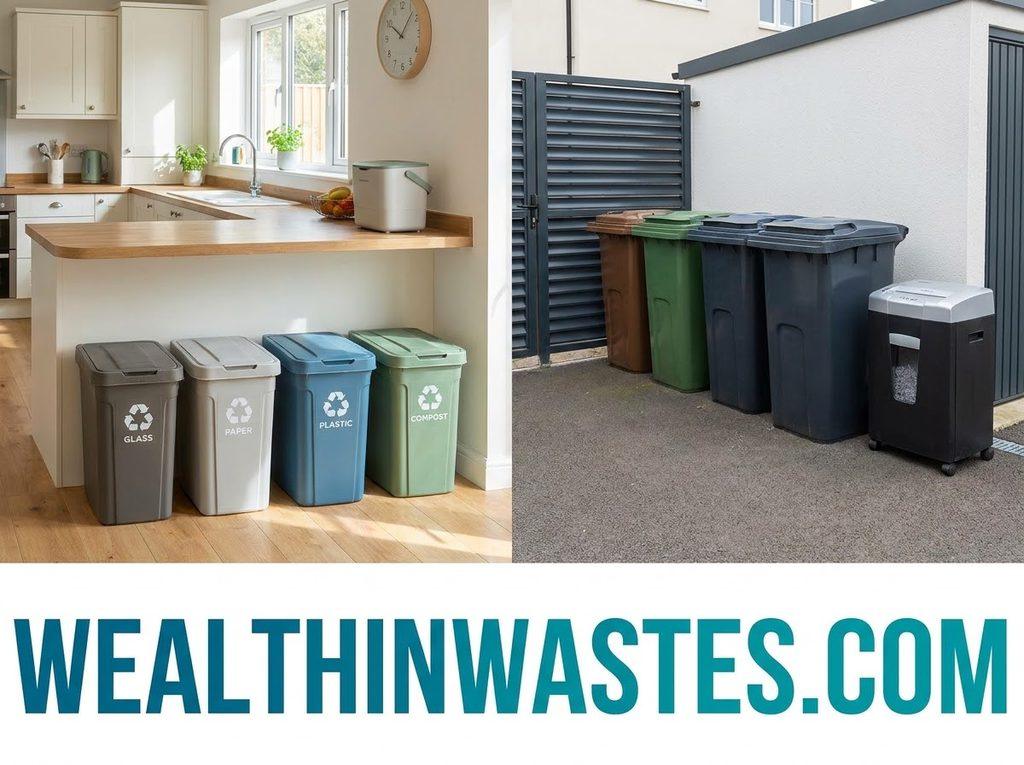
Households can improve waste control by placing separate containers for organic materials, recyclables, hazardous items, and residual waste, while teaching family members how to use each container correctly.
Businesses can begin by measuring how much waste different activities generate because accurate information reveals unnecessary purchasing, excessive packaging, production losses, avoidable food waste, and inefficient disposal practices.
Staff should receive simple instructions covering separation, storage, collection schedules, spill prevention, recycling procedures, hazardous materials, and appropriate reporting whenever unusual waste problems occur.
Glass materials require careful separation because different grades may require different handling, and proper glass recycling practices can help preserve materials that would otherwise enter general waste streams.
Organizations can also identify business opportunities within waste recovery because practical recycling business models can combine environmental protection with income generation where reliable materials and suitable markets exist.
Food businesses should prioritize accurate purchasing, storage, preparation, portion control, donation, reuse, and composting because preventing edible and biodegradable waste can reduce costs while improving sanitation and resource efficiency.
Schools, communities, farms, markets, offices, and households can reinforce waste control through awareness campaigns, clearly labelled containers, regular monitoring, partnerships with recovery operators, and responsible final disposal.
Successful waste control ultimately depends on shared responsibility because every person and organization generates materials that require prevention, recovery, treatment, recycling, reuse, or safe disposal throughout their useful life.
Summary on Benefits, Methods and Best Practices for Proper Waste Control
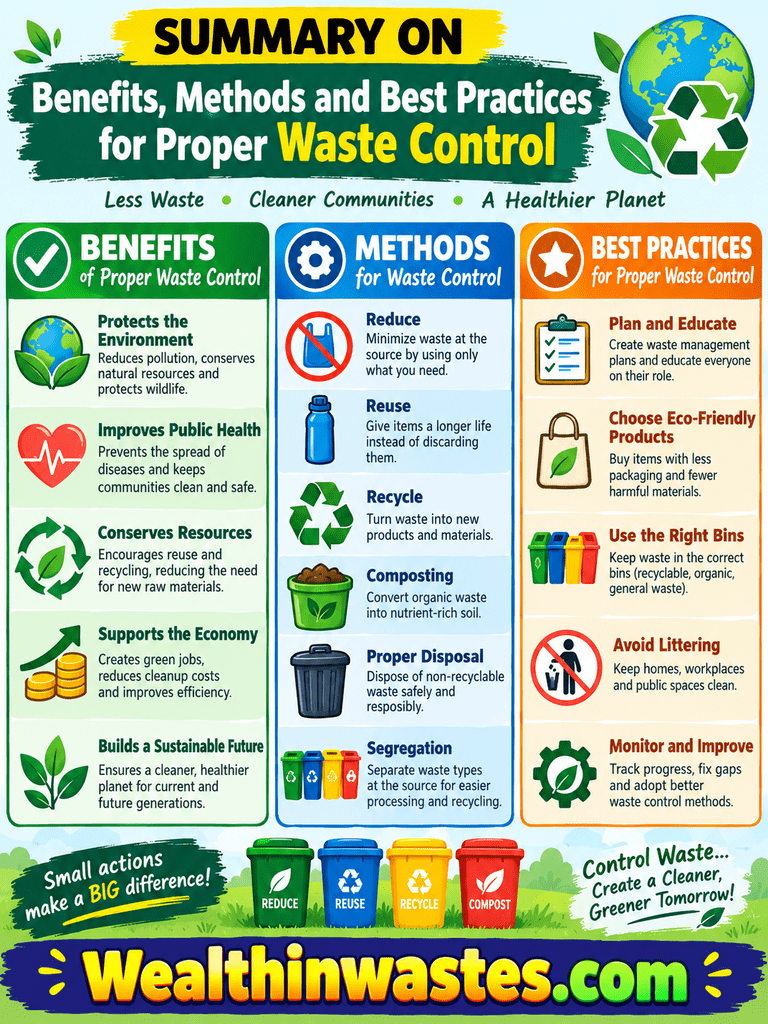
| Area | Summary |
|---|---|
| Meaning | Proper waste control manages waste from prevention and separation through collection, recovery, treatment, recycling, and safe final disposal. |
| Environmental Protection | Effective control reduces pollution, contamination, ecological damage, flooding risks, odors, and other environmental problems. |
| Public Health | Proper handling reduces exposure to hazardous materials, disease vectors, contaminated environments, and unsafe waste accumulation. |
| Waste Reduction | Source reduction limits unnecessary waste through better purchasing, consumption, packaging, storage, and production practices. |
| Reuse | Reuse and repair extend product lifespans and reduce replacement demand and disposal quantities. |
| Recycling | Recycling converts suitable discarded materials into secondary resources and useful new products. |
| Organic Waste | Composting converts suitable biodegradable waste into useful organic matter while reducing disposal pressure. |
| Energy Recovery | Suitable residual waste can provide energy through controlled treatment after higher-priority recovery options. |
| Economic Value | Waste control can reduce operating expenses, create jobs, recover valuable materials, and support recycling enterprises. |
| Safe Disposal | Unavoidable residual waste requires suitable treatment and disposal methods that protect people and the environment. |
| Shared Responsibility | Households, businesses, institutions, governments, communities, and waste operators all contribute to effective waste control. |
Frequently Asked Questions About Proper Waste Control: Benefits, Methods and Best Practices
1. What is proper waste control?
Proper waste control involves preventing unnecessary waste, separating materials, collecting discarded items, recovering useful resources, treating unsuitable waste, and safely disposing of unavoidable residues.
2. Why is waste control important?
It protects public health, reduces pollution, conserves resources, lowers disposal pressure, supports recycling, improves cleanliness, and encourages sustainable management of materials.
3. How can households control waste?
Households can reduce purchases, avoid unnecessary packaging, separate waste, reuse suitable items, recycle materials, compost organics, donate useful products, and dispose of residual waste properly.
4. What is waste minimization?
Waste minimization means reducing the quantity and harmful characteristics of waste generated at source through better resource use, purchasing, production, consumption, reuse, and recycling practices.
5. Why is recycling important in waste control?
Recycling recovers useful materials, reduces disposal quantities, conserves some natural resources, supports manufacturing, creates employment, and can reduce environmental pressures associated with resource extraction.
6. What role does composting play?
Composting manages suitable organic waste by controlled decomposition, producing useful compost while reducing the amount of biodegradable material sent to disposal facilities.
7. How can businesses reduce waste costs?
Businesses can measure waste streams, prevent avoidable generation, reuse materials, recover recyclables, improve collection schedules, and choose services that match their operational waste requirements.
8. What happens when waste is poorly controlled?
Poor control can contribute to pollution, blocked drainage, flooding, unpleasant odors, pest problems, contaminated water and soil, environmental degradation, and increased public health risks.
9. What should happen to hazardous waste?
Hazardous waste should receive specialized storage, transportation, treatment, and disposal based on its characteristics and applicable safety requirements rather than entering ordinary waste streams.
10. Who is responsible for proper waste control?
Responsibility is shared among households, businesses, institutions, governments, waste operators, community organizations, and individuals because everyone generates or influences waste management outcomes.
Do you have any questions, suggestions, or contributions? If so, please feel free to use the comment box below to share your thoughts. We also encourage you to kindly share this information with others who might benefit from it. Since we can’t reach everyone at once, we truly appreciate your help in spreading the word. Thank you very much for your support and for sharing!
Read Also: Controlling Food Waste and Recycling in Agriculture