


Environmental science examines relationships between living organisms and non-living surroundings within particular places and periods. It helps people understand environmental conditions, changes, causes, consequences, and possible responses.
The natural environment changes continuously through geological processes, biological activity, climate variation, and human development. Environmental geoscience provides a framework for examining these changes across connected parts of the Earth system.
Environmental geoscience focuses especially on the atmosphere, oceans, land, rocks, minerals, soils, groundwater, and organisms interacting with them. Its broad perspective helps explain environmental problems more completely.
Unlike a single-discipline approach, Environmental Geoscience combines geology, geography, chemistry, physics, biology, ecology, mineralogy, geophysics, and related information sciences to understand environmental processes and relationships.
Understanding these relationships supports better decisions about resource use, pollution control, land development, waste management, conservation, and environmental monitoring. It also helps communities recognize how local activities influence wider systems.
Meaning and Scope of Environmental Geoscience
Environmental geoscience studies changes occurring within the Earth and examines interactions among the atmosphere, hydrosphere, lithosphere, biosphere, and human activities. These connected systems determine environmental conditions and planetary habitability.
The subject examines both natural processes and human influences that alter environmental conditions. Its scope therefore extends from geological formations and soil development to water movement, ecosystem change, pollution, and resource depletion.
The subject also depends on natural resources and their environmental relationships, because land, water, minerals, soil, air, vegetation, and wildlife interact continuously within functioning Earth systems.
Environmental geoscience also studies environmental change across different spatial and temporal scales. Researchers may examine a local landfill, a river basin, a coastline, a geological formation, or global environmental processes.
Its interdisciplinary character makes it valuable for understanding complex problems that cannot be explained through one scientific field alone. It combines physical evidence, biological observations, chemical measurements, mapping, and environmental data.
Modern environmental management depends on this broad perspective because environmental decisions often involve several connected processes. Effective resource management practices must consider ecological, geological, social, and economic consequences together.
Read Also: Casella Waste Services Complete Guide
Earth Systems Studied In Environmental Geoscience
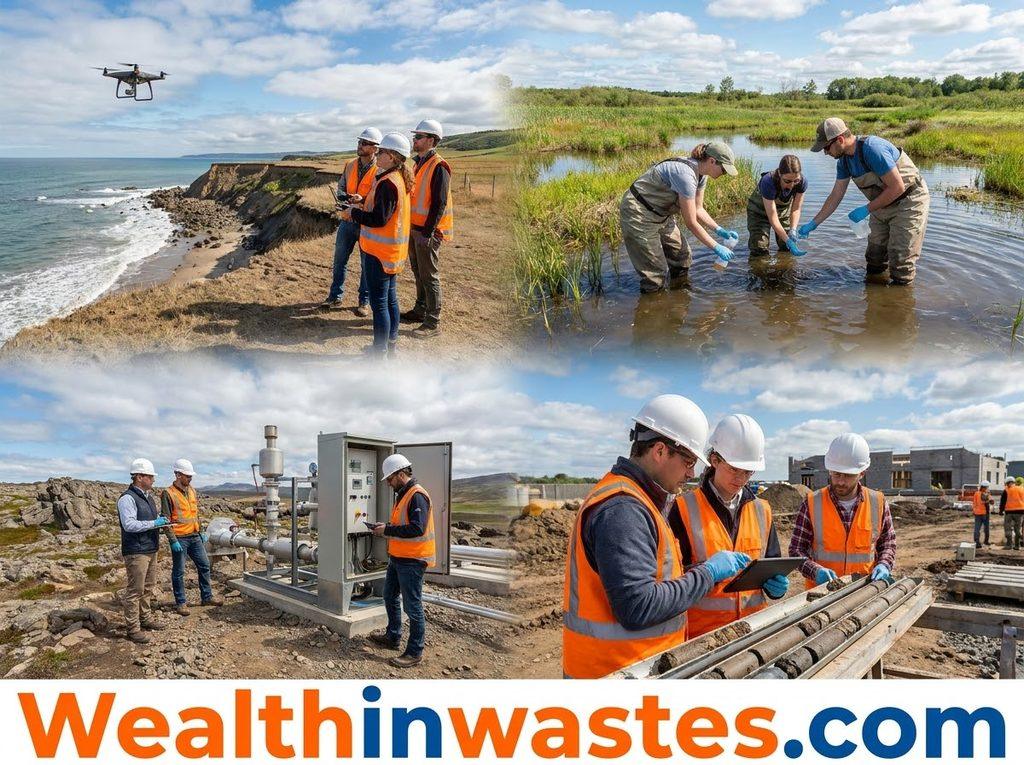
1. Atmosphere: Environmental geoscience examines the atmosphere as the gaseous layer surrounding Earth, including air composition, weather processes, climatic conditions, atmospheric pollutants, and interactions between air and other environmental systems.
2. Hydrosphere: The hydrosphere includes oceans, rivers, lakes, groundwater, glaciers, and atmospheric water. Its study helps explain water movement, availability, quality, circulation, contamination, flooding, and relationships with land and biological communities.
3. Lithosphere: The lithosphere contains rocks, minerals, soils, sediments, and the solid outer portion of Earth. Its study explains weathering, erosion, geological hazards, landforms, mineral resources, and environmental changes linked with development.
4. Biosphere: The biosphere contains living organisms and their habitats. Environmental geoscience considers how plants, animals, microorganisms, and human populations respond to physical conditions while also influencing nutrient cycles and environmental stability.
5. Human Environment: Human settlements, industries, agriculture, transport, mining, construction, and waste disposal modify natural systems.Environmental geoscience evaluates these pressures and helps identify ways to reduce harmful environmental consequences.
6. System Interactions: These Earth systems operate together rather than independently. Rainfall affects soil and groundwater, rocks influence soil formation, vegetation affects erosion, and human activities can alter air, water, land, and biodiversity.
Physical Sciences Supporting Environmental Geoscience
Physical sciences provide essential methods for understanding environmental materials and processes. Geography, geology, mineralogy, geophysics, chemistry, and physics each contribute specialized knowledge for interpreting environmental conditions and changes.
1. Geography: Geography examines Earth’s physical features, climate, landscapes, spatial patterns, and distribution of people and organisms. It supports environmental mapping and helps explain how location influences environmental conditions and human activities.
2. Geology: Geology studies Earth’s structure, composition, history, rocks, minerals, and geological processes. Environmental applications include understanding groundwater movement, soil parent materials, natural hazards, erosion, mineral extraction, and landscape development.
3. Mineralogy: Mineralogy investigates naturally occurring inorganic substances with definite chemical compositions and physical structures. Its environmental importance includes identifying minerals, assessing resource deposits, understanding weathering, and evaluating contamination associated with mineral extraction.
4. Geophysics: Geophysics investigates Earth’s internal structure and physical properties using measurable signals and processes. Environmental practitioners apply these approaches to investigate subsurface conditions, groundwater systems, geological structures, and hidden contamination.
5. Chemistry: Environmental chemistry explains chemical reactions occurring in air, water, soil, sediments, and living systems. It helps identify pollutants, measure concentrations, understand chemical transformations, and evaluate environmental risks.
6. Physics: Physics contributes principles for understanding energy transfer, radiation, fluid movement, atmospheric behaviour, waves, heat, and other processes. These principles support environmental measurement, modelling, monitoring, and interpretation of physical change.
Biological Sciences And Environmental Relationships
Biological sciences strengthen Environmental Geoscience by explaining how living organisms respond to physical conditions and how biological activities influence environmental processes. Ecology, plant science, zoology, and microbiology provide complementary perspectives.
1. Ecology: Ecology studies relationships among organisms and their surroundings. Environmental geoscience uses ecological knowledge to understand ecosystems, food webs, population changes, habitat conditions, biodiversity, and responses to environmental disturbance.
2. Plant Science: Plants interact strongly with soil, water, climate, and atmospheric gases. Their distribution and growth can indicate environmental conditions, while vegetation protects soils, influences water movement, and supports ecosystem functioning.
3. Zoology: Zoology examines animals, their characteristics, distribution, behaviour, and environmental relationships. Animal populations provide important ecological information about habitat quality, food availability, pollution exposure, and ecosystem disturbance.
4. Biodiversity: Biodiversity represents the variety of living organisms and biological communities. Environmental geoscience examines how geological, climatic, hydrological, and human changes influence biodiversity, including pressures that may contribute to species decline.
The long geological record shows that biodiversity changes through time as environments expand, contract, transform, and recover. Studying evidence of biodiversity through Earth history helps explain those changes.
Healthy ecosystems depend on interactions between physical and biological components.Environmental management therefore benefits from approaches that protect habitat conditions while also maintaining balanced environmental systems and sustainable human activities.
Major Areas Covered By Environmental Geoscience
1. Soil Systems: Soil forms through interactions among parent materials, climate, organisms, relief, and time. Environmental geoscience examines soil formation, composition, fertility, degradation, contamination, erosion, and relationships with water and vegetation.
2. Water Resources: Water studies cover surface water, groundwater, precipitation, runoff, infiltration, storage, movement, and quality. These relationships are central to understanding water availability, flooding, pollution, drought, and ecosystem sustainability.
3. Land Systems: Land includes soils, underlying materials, relief, water resources, vegetation, and developed areas. Environmental geoscience evaluates land capability, land-use change, degradation, planning pressures, and interactions between people and landscapes.
4. Geological Hazards: Earth processes can produce hazards such as landslides, erosion, earthquakes, flooding, subsidence, and volcanic activity. Understanding geological conditions helps communities assess risks and develop suitable prevention or adaptation measures.
5. Environmental Pollution: Pollution affects air, water, soil, and ecosystems. Environmental geoscience investigates pollutant sources, pathways, transformations, accumulation, and impacts while supporting strategies for assessment, remediation, and prevention.
6. Environmental Monitoring: Monitoring provides evidence about changing environmental conditions. Indicators can include air pollutants, water chemistry, groundwater quality, soil conditions, biodiversity measures, greenhouse gases, and other variables used for environmental assessment.
Read Also: Environmental Monitoring and Programme
Environmental Geoscience And Natural Resources
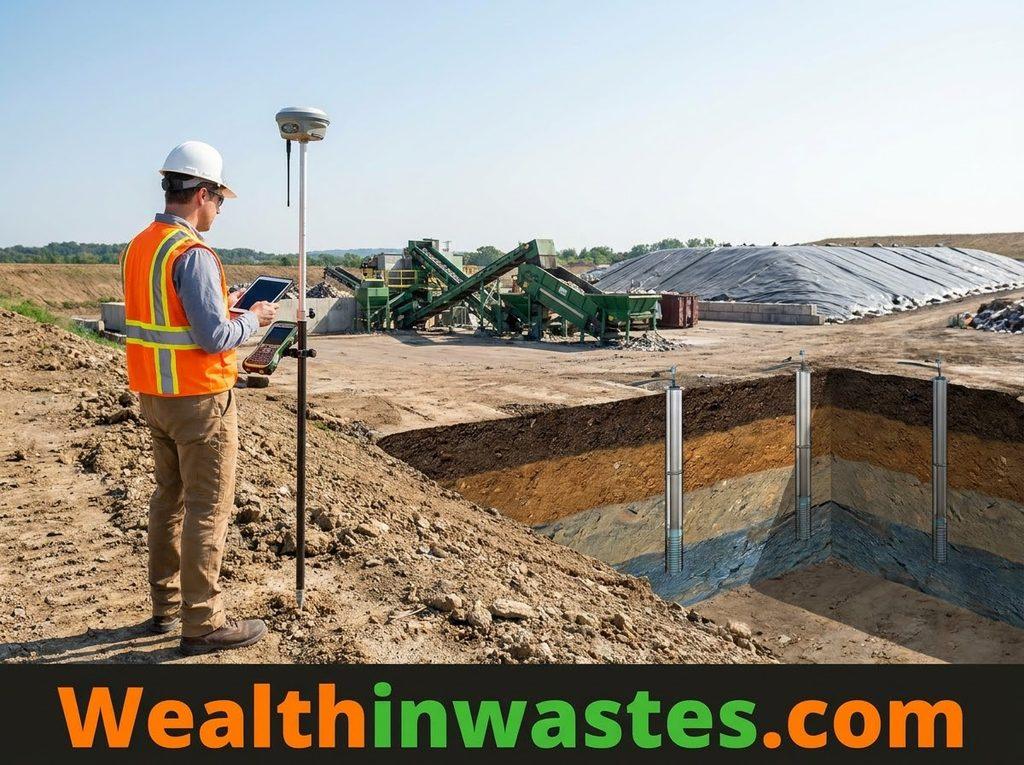
Natural resources support human survival, economic activity, food production, construction, energy supply, and industrial development. Environmental geoscience helps explain their origin, distribution, accessibility, environmental value, and vulnerability to misuse.
Soil and mineral resources require careful assessment because extraction, cultivation, construction, and other land uses can change physical and chemical conditions. Soil and mineral resource management therefore requires scientific understanding.
Water resources also depend on geology, soil properties, climate, vegetation, drainage patterns, and groundwater conditions. The scientific study of these relationships supports hydrological assessment and water management in different environments.
Land resources require appropriate planning because unsuitable use can accelerate degradation, reduce productivity, and damage ecosystems. Environmental geoscience provides information needed to evaluate land resources, land use, and land cover.
Mineral resources can provide important economic benefits, but extraction may disturb landscapes, generate waste, alter drainage, and create contamination. Scientific assessment helps balance resource development with environmental protection and restoration requirements.
Conservation also depends on recognizing competing resource demands. Environmental geoscience supports resource conservation and multiple-use planning by examining ecological, social, economic, and physical relationships surrounding natural resources.
Environmental Geoscience And Pollution Control
Pollution occurs when harmful substances or forms of energy enter environmental media at levels that cause undesirable changes. Environmental geoscience investigates sources, movement, persistence, transformation, and effects across connected environmental systems.
1. Air Pollution: Environmental geoscience considers how atmospheric pollutants originate, disperse, react, and affect ecosystems.Understanding meteorological and physical conditions helps identify pollution pathways and improve assessment and control strategies.
2. Water Pollution: Contaminants can enter rivers, lakes, oceans, and groundwater through industrial discharge, agricultural runoff, sewage, spills, erosion, and waste disposal. Water pollution assessment identifies major sources and pathways.
3. Soil Pollution: Pollutants can accumulate in soil through waste disposal, industrial activities, agricultural chemicals, spills, and atmospheric deposition. Environmental geoscience evaluates contaminant movement and interactions involving soil, groundwater, plants, and organisms.
4. Groundwater Pollution: Because groundwater moves through geological formations, contamination can persist and spread beneath the surface. Scientific investigation examines pollutant sources, subsurface pathways, aquifer characteristics, and management options for protecting groundwater.
5. Waste Impacts: Poor waste management can affect soil, air, water, and biological communities. Environmental geoscience supports assessment of waste generation, disposal pathways, leachate movement, landfill gases, and environmental risks.
6. Pollution Prevention: Pollution control works best when sources receive attention before contaminants spread. Environmental management can combine cleaner production, monitoring, proper disposal, resource efficiency, and responsible land-use decisions.
Environmental Geoscience And Waste Management
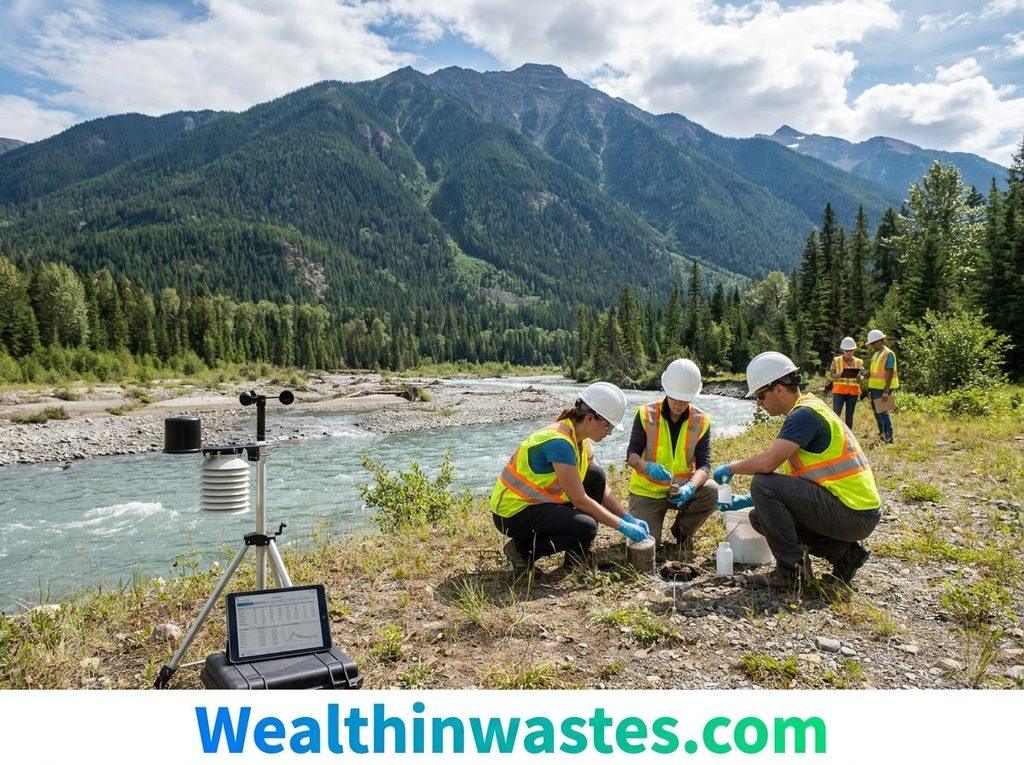
Waste management forms an important application of Environmental Geoscience because waste interacts directly with land, groundwater, surface water, air, and biological communities. Scientific site assessment reduces potential environmental harm.
1. Waste Generation: Understanding where and how waste arises helps identify material flows and environmental pressures. Waste generation patterns can reveal sources requiring reduction, recovery, treatment, or controlled disposal.
2. Disposal Site Selection: Landfill locations require careful consideration of geology, soil, topography, hydrology, groundwater, climate, vegetation, fauna, infrastructure, and accessibility to reduce environmental risks associated with waste disposal.
3. Wastewater Protection: Water passing through waste can carry contaminants into soil, groundwater, and nearby surface waters. Understanding these pathways helps environmental professionals develop appropriate containment, treatment, monitoring, and remediation approaches.
4. Leachate Management: Leachate forms when water passes through waste and dissolves or carries contaminants. Environmental geoscience evaluates geological barriers, groundwater conditions, drainage systems, and containment measures that influence leachate movement.
5. Waste Reduction: Preventing unnecessary waste reduces pressure on disposal facilities and environmental systems. Waste minimization approaches can conserve resources while reducing treatment, transportation, and disposal demands.
6. Environmental Protection: Proper waste control protects land, water, air, ecosystems, and communities. Effective waste control practices combine prevention, reuse, recovery, treatment, responsible disposal, and continuous monitoring.
Importance Of Environmental Geoscience In Development
Environmental geoscience supports development by helping planners understand environmental opportunities, limitations, hazards, and impacts before major activities begin. This knowledge promotes decisions that are safer, more efficient, and environmentally responsible.
1. Sustainable Planning: Scientific environmental information helps planners select suitable locations, anticipate environmental constraints, protect sensitive areas, and reduce conflicts between infrastructure development and natural environmental processes.
2.Resource Conservation: Understanding environmental systems supports efficient use of soil, water, minerals, land, forests, and other resources. Conservation measures help maintain resource availability while reducing unnecessary degradation and depletion.
3. Risk Reduction: Geological and environmental investigations can identify hazards before construction or settlement expands. Such assessments reduce exposure to erosion, flooding, unstable ground, contamination, and other environmental risks.
4. Pollution Prevention: Environmental geoscience identifies relationships among sources, pathways, receptors, and impacts. These findings support practical pollution prevention measures that protect communities, ecosystems, water resources, and productive land.
5. Agricultural Protection: Agriculture depends strongly on soil, water, climate, and land conditions. Scientific environmental knowledge helps improve soil erosion management and protect productive landscapes from degradation.
6. Climate Resilience: Climate-related environmental pressures interact with water, soils, ecosystems, and human systems. Understanding these connections supports climate sustainability and resilience planning at different scales.
Applications Of Environmental Geoscience Today

Environmental geoscience has practical applications across government, industry, agriculture, construction, mining, conservation, urban planning, waste management, education, and environmental consulting. Its value comes from connecting scientific evidence with real environmental decisions.
1. Environmental Assessment: Professionals evaluate proposed projects to identify possible impacts on land, water, air, ecosystems, and communities. These assessments can guide design changes, mitigation measures, monitoring programs, and responsible approvals.
2. Site Investigation: Geological, hydrological, soil, and environmental investigations help determine whether sites are suitable for housing, industry, agriculture, waste facilities, roads, and other forms of development.
3. Pollution Investigation: Environmental specialists trace contaminants through soil, water, sediments, and air. Their findings help identify pollution sources, evaluate exposure pathways, and develop appropriate remediation or prevention strategies.
4. Water Resource Management: Environmental geoscience supports studies of groundwater, surface water, rainfall, runoff, recharge, and water quality. Such information helps communities manage water supplies and respond to flooding, drought, and contamination.
5. Waste Management: Scientific investigation supports landfill design, disposal-site assessment, leachate control, waste minimization, environmental monitoring, and rehabilitation. These applications reduce risks associated with poorly managed waste and contaminated sites.
6. Ecosystem Conservation: Environmental geoscience contributes to conservation by connecting geology, soils, water, climate, vegetation, wildlife, and human activities. Integrated environmental management practices can help maintain ecosystem quality and resilience.
Environmental decisions also require reliable monitoring because conditions can change after projects begin. Environmental site factors should therefore remain part of planning, operation, assessment, and long-term management.
Industrial development illustrates this need clearly because industrial activities can produce wastes and emissions affecting environmental media. Scientific management can reduce industrial environmental impacts through prevention, treatment, monitoring, and responsible disposal.
Effective environmental protection also depends on understanding how pollutants move between environmental compartments. For example, poorly managed waste can contaminate soil and water, while atmospheric pollutants can return through deposition.
These relationships explain why Environmental Geoscience remains important for modern development.It provides the scientific foundation needed to understand environmental change, reduce risks, conserve resources, and support healthier communities.
Strong environmental practice combines scientific evidence with responsible decision-making. Pollution reduction measures become more effective when they address environmental processes before damage spreads across connected systems.
Environmental geoscience therefore serves as a bridge between Earth science, biological science, environmental management, and human development. Its integrated approach helps society understand environmental change and make better decisions about the future.
Summary On Meaning, Scope and Importance of Environmental Geoscience
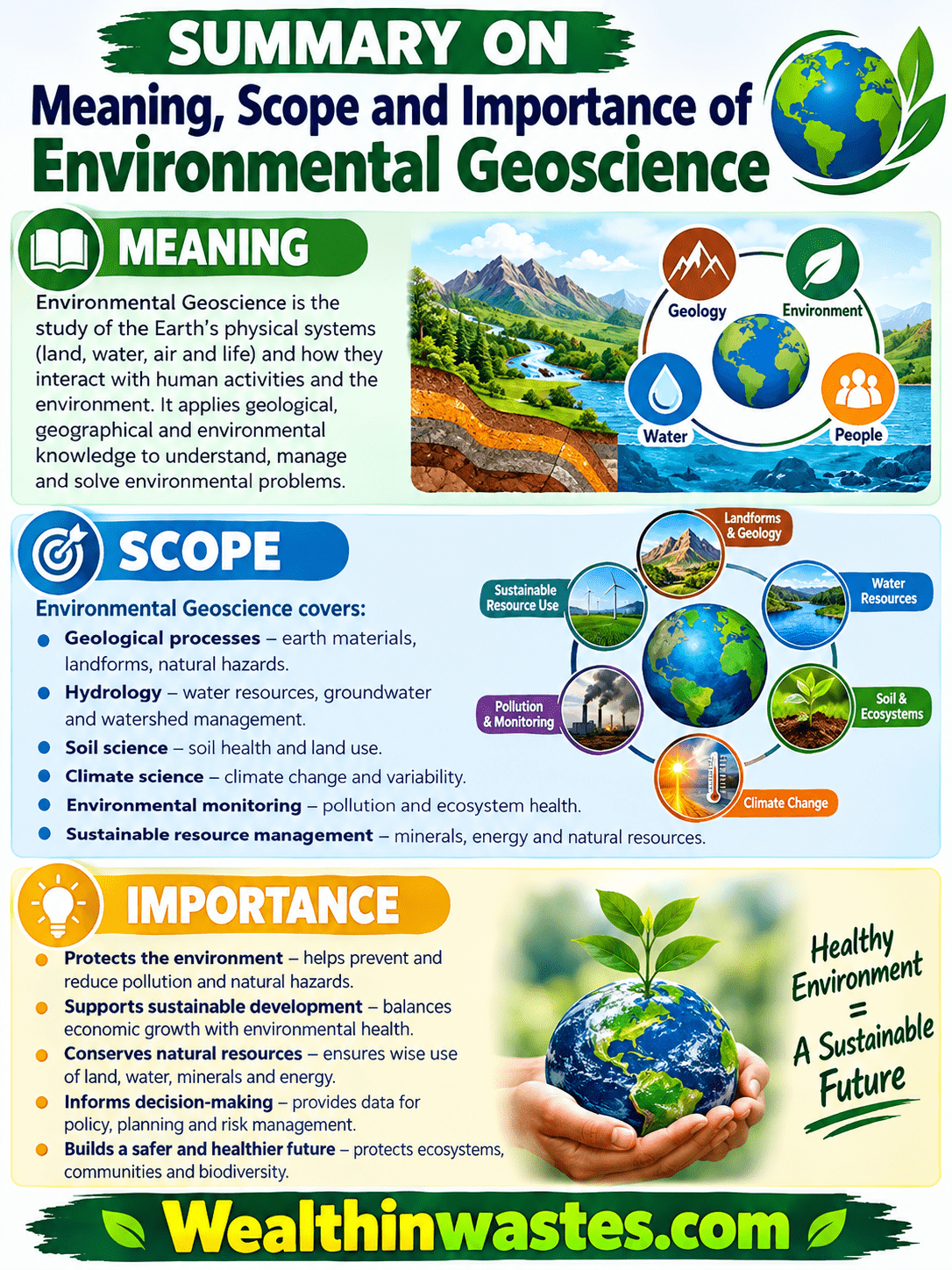
| Topic | Summary |
|---|---|
| Meaning | Environmental geoscience studies interactions among Earth’s physical, chemical, biological, and human systems. |
| Major Components | Atmosphere, hydrosphere, lithosphere, biosphere, and human environmental systems. |
| Related Sciences | Geology, geography, chemistry, physics, mineralogy, geophysics, ecology, plant science, and zoology. |
| Main Focus | Environmental change, natural resources, pollution, hazards, ecosystems, monitoring, and sustainable development. |
| Resource Management | Supports responsible management of soil, water, land, minerals, and other natural resources. |
| Pollution Control | Examines pollutant sources, pathways, environmental impacts, prevention, monitoring, and remediation. |
| Development | Helps planners reduce environmental risks and make informed land-use and resource decisions. |
| Practical Applications | Environmental assessment, site investigation, water management, waste management, pollution studies, and conservation. |
Read Also : Environmental Monitoring and Programme
Frequently Asked Questions About Environmental Geoscience: Meaning, Scope And Importance
1. What is Environmental Geoscience?
Environmental Geoscience is the interdisciplinary study of Earth systems, environmental processes, natural resources, pollution, ecosystems, geological conditions, and human activities affecting environmental quality.
2. What does Environmental Geoscience cover?
It covers the atmosphere, water, rocks, minerals, soils, groundwater, ecosystems, natural resources, environmental hazards, pollution, waste management, monitoring, and sustainable development practices.
3. Which sciences support Environmental Geoscience?
Important supporting sciences include geology, geography, chemistry, physics, mineralogy, geophysics, ecology, plant science, zoology, hydrology, and related environmental information sciences.
4. Why is Environmental Geoscience important?
It helps society understand environmental change, manage natural resources responsibly, assess environmental risks, control pollution, protect ecosystems, and support safer and more sustainable development.
5. How does Environmental Geoscience help pollution control?
It identifies pollution sources, movement pathways, environmental receptors, and impacts, allowing professionals to design prevention, monitoring, containment, treatment, and remediation strategies.
6. Is Environmental Geoscience useful in agriculture?
Yes. It helps explain soil formation, erosion, water availability, land conditions, climate interactions, contamination risks, and resource management issues that influence agricultural productivity and sustainability.
7. What is the relationship between geology and Environmental Geoscience?
Geology provides knowledge about Earth’s structure, rocks, minerals, geological history, groundwater systems, landforms, and processes that strongly influence environmental conditions and human activities.
8. Can Environmental Geoscience support sustainable development?
Yes. It provides scientific information for responsible land use, resource conservation, pollution prevention, hazard reduction, environmental assessment, ecosystem protection, and long-term planning.
Do You Have Any Questions, Suggestions, Or Contributions? If so, please feel free to use the comment box below to share your thoughts. We also encourage you to kindly share this information with others who might benefit from it. Since we can’t reach everyone at once, we truly appreciate your help in spreading the word. Thank you very much for your support and for sharing!
Read Also: Composition and Characteristics of Nigerian Soils