


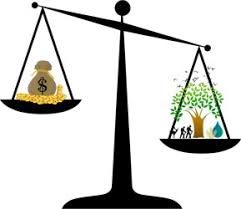
As organizations invest in environmental projects, they must understand whether the expected gains justify the resources committed. Environmental Cost Benefit Analysis provides a systematic economic framework for making that assessment.
Traditional financial appraisal concentrates on revenues, expenses, investment returns, and shareholder interests. Environmental Cost Benefit Analysis expands that perspective by considering effects experienced by communities, ecosystems, consumers, workers, and other stakeholders.
The approach treats environmental effects as relevant economic consequences even when markets do not assign them obvious prices. This makes the analysis useful for pollution control, waste management, resource conservation, and environmental improvement projects.
Environmental Cost Benefit Analysis compares the expected costs of an intervention with its benefits over time. It can therefore help decision-makers select alternatives that produce greater overall social value and public welfare.
Although monetary valuation cannot capture every environmental concern perfectly, the method encourages transparent assumptions, systematic comparison, and explicit recognition of impacts that conventional financial accounts may overlook during project appraisal and strategic planning.
Environmental Cost Benefit Analysis Overview
Environmental Cost Benefit Analysis is a project appraisal method that measures the economic costs and benefits created by an environmental decision. It considers effects beyond the organization’s immediate financial accounts.
Financial appraisal can work well when an investor mainly seeks monetary returns. Environmental appraisal becomes broader when decision-makers must consider public health, environmental quality, community welfare, resource conservation, and wider social consequences.
The method therefore supports decisions about projects such as pollution control facilities, waste reduction programmes, wastewater treatment systems, recycling initiatives, and environmental restoration. Each option can be compared using common economic criteria.
An important strength is its stakeholder perspective. A factory may spend money installing pollution controls, while nearby communities may gain cleaner air, safer water, reduced illness, and improved living conditions.
Studies of economic losses from pollution show why decision-makers should account for health, agricultural, fisheries, property, and other consequences that occur outside conventional organizational accounts.
Because environmental goods often lack direct market prices, analysts must estimate their economic value using suitable techniques. The final assessment should clearly state assumptions, uncertainties, time periods, and valuation methods used.
Methodology Of Environmental Cost Benefit Analysis
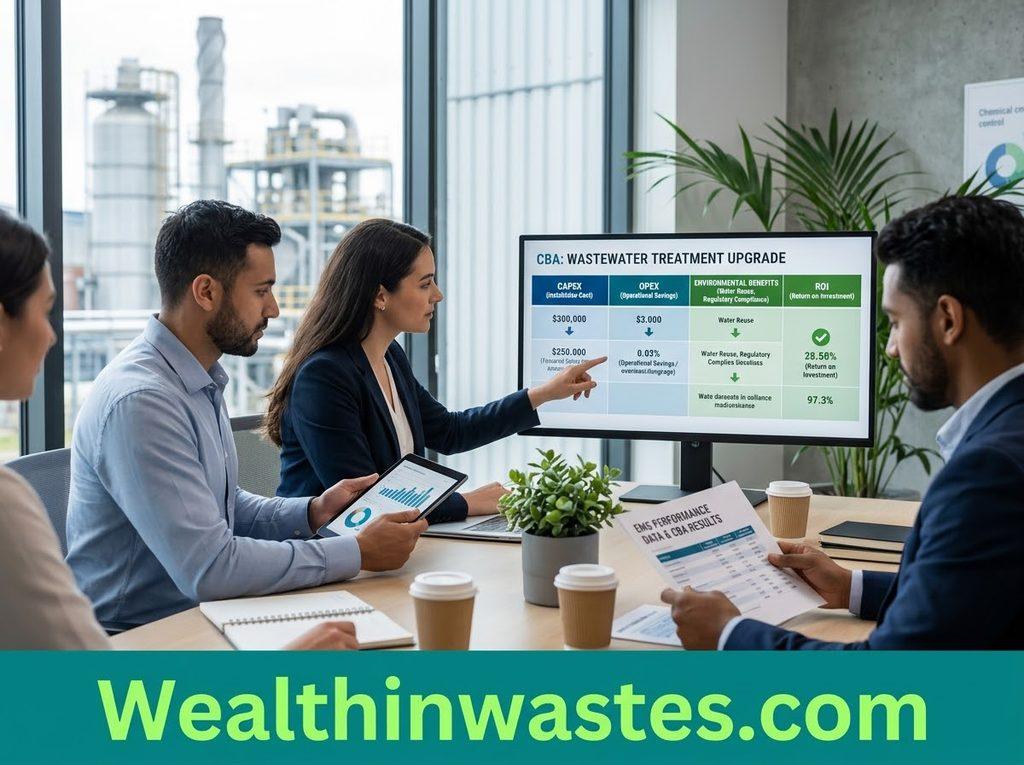
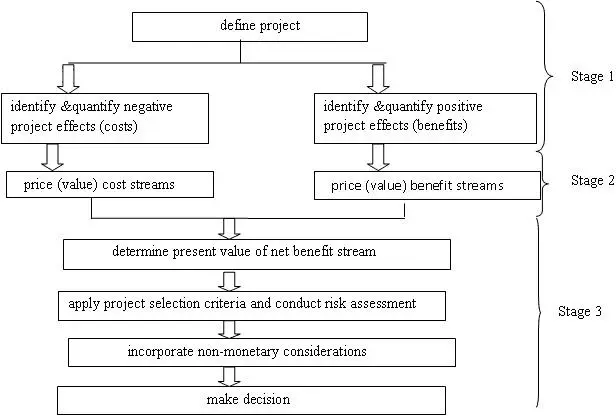
Environmental Cost Benefit Analysis follows a logical sequence beginning with affected groups and environmental effects. Analysts quantify those effects before assigning suitable economic values to important consequences across the project life cycle.
First, identify stakeholders and project impacts. Include investors, workers, consumers, nearby households, government bodies, resource users, and ecosystems affected directly or indirectly throughout the assessment process so every relevant interest is represented fairly.
Second, quantify the important effects. Analysts estimate changes in outputs, resource use, pollution levels, health outcomes, environmental quality, operating requirements, and other measurable consequences compared with a suitable baseline using credible baseline evidence.
Third, assign economic values to relevant impacts. Market prices may provide direct evidence for some effects, while non-market environmental changes require valuation methods based on behaviour, substitute markets, or carefully designed surveys.
The analysis should also define the base situation, often called the do-nothing case. Comparing project outcomes against that baseline helps reveal incremental costs, benefits, avoided damages, and additional environmental improvements.
Finally, discount costs and benefits occurring at different times. This allows present and future consequences to enter the same decision framework, making long-term environmental investments easier to compare with alternatives.
Read Also: Types and Costs of Environmental Audits
Cost Benefit Analysis Framework
A sound Cost Benefit Analysis Framework connects physical environmental changes to economic consequences. Analysts should begin with a clear project boundary, reliable baseline, relevant stakeholders, measurable effects, and an appropriate time horizon.
Project costs commonly include investment expenditure, operation and maintenance expenses, resource requirements, administrative costs, environmental mitigation, monitoring, and external costs imposed on people or natural systems across the project life cycle.
Project benefits can include additional revenue, reduced operating costs, improved productivity, avoided pollution damages, lower health risks, resource savings, and environmental improvements that generate value for all affected stakeholders.
The framework should distinguish effects inside the project from external effects. This prevents organizations from overlooking social costs simply because those costs do not appear in financial statements.
The framework should also support consistent valuation assumptions. Analysts need documented quantities, prices, discount rates, project duration, environmental changes, and evidence for every major estimate used within the appraisal.
Good environmental management practices emphasize understanding impacts before selecting actions. CBA builds on this principle by translating relevant project consequences into comparable economic terms for structured decision-making.
Identify Project Costs And Benefits
Costs and benefits should reflect the incremental consequences of the proposed project rather than every expense or advantage associated with normal organizational operations. The baseline provides the critical comparison point.
1. Capital Costs: Capital costs cover land, buildings, infrastructure, machinery, treatment equipment, installation, engineering, and other one-time investments required to establish the environmental project and begin operations.
2. Recurrent Costs: Recurrent costs arise during operation and maintenance. They include energy, labour, materials, chemicals, inspections, repairs, monitoring, administration, waste handling, and routine replacement of worn components.
3. External Costs: External costs occur when project activities impose burdens on third parties or natural resources. Examples include pollution-related illness, ecosystem damage, reduced farm productivity, nuisance, and property losses.
4. Direct Benefits: Direct benefits include project revenue, recovered materials, energy production, service improvements, and measurable gains that flow directly to the organization or project operator over its expected operating period.
5. Avoided Costs: Avoided costs include expenses prevented through pollution control, waste reduction, accident prevention, compliance, illness reduction, remediation avoidance, and resource conservation. Such avoided burdens should enter the benefit estimate whenever reliable evidence supports their inclusion.
Organizations can strengthen this assessment by applying a clear waste minimization process that identifies material losses, resource inefficiencies, unnecessary disposal expenses, and avoidable environmental burdens across operations.
Valuing Environmental Costs And Benefits
Market prices work well for tangible goods and services, but many environmental resources lack direct prices. Clean air, biodiversity, landscape quality, ecosystem functions, and avoided health damage therefore require careful valuation.
Analysts commonly consider willingness to pay for environmental improvement or willingness to accept compensation for environmental deterioration. These concepts help express changes in environmental quality through economic values for the environmental change considered.
Valuation should remain transparent because estimated environmental values depend on data quality, assumptions, affected populations, time horizons, and the specific environmental change under consideration before analysts adopt the final estimates.
1. Actual Market Prices: Market-based methods use observed prices or measurable changes in production. For example, pollution that reduces crop yields can be valued through lost output or increased production costs.
2. Preventive Expenditure: Preventive expenditure estimates environmental value from money spent to avoid damage. The approach can indicate what people or organizations are prepared to spend protecting assets from harmful environmental changes.
3. Replacement Costs: Replacement costs estimate value from repairing or replacing assets affected by environmental deterioration. The method works best when restoration genuinely substitutes for the environmental service that was lost.
These approaches become especially relevant where household waste reduction, resource conservation, pollution prevention, or avoided environmental damage can generate measurable economic benefits for communities and institutions.
Surrogate Market Valuation Approaches
Surrogate market methods estimate environmental values through prices observed in related markets. They are useful when environmental attributes influence ordinary transactions but lack their own direct market price in environmental economic analysis.
1. Property Value Approach: Differences between otherwise similar properties can reveal the implicit value of environmental attributes. Cleaner surroundings, better landscape quality, or reduced pollution may influence what buyers pay.
2. Wage Differential Approach: Wage differences across comparable jobs can provide evidence about compensation for environmental risks. Jobs in locations with greater pollution or hazards may require higher pay to attract workers.
3. Travel Cost Approach: Travel expenses, time, and visit frequency can help estimate recreational value. Analysts can then assess how environmental quality changes influence demand for parks, attractions, lakes, or similar destinations.
These methods depend on suitable data and careful interpretation. For example, property values can reflect many factors besides environmental quality, while travel behaviour can change because of income, accessibility, preferences, or substitute destinations.
Environmental damage information also strengthens valuation. Research on pollution reduction measures can reveal changes in health, agriculture, fisheries, property, and ecosystems that analysts may incorporate into broader social benefit estimates.
Survey Based Environmental Valuation

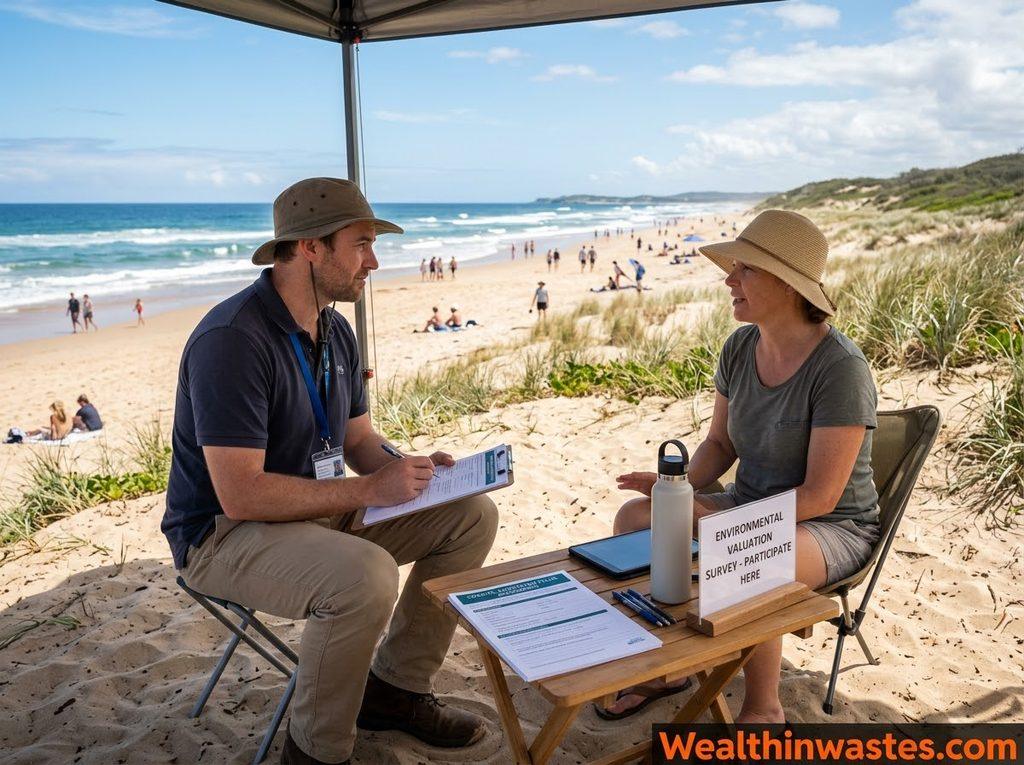
When observable markets cannot provide reliable environmental values, survey-based methods can estimate how people value hypothetical changes. Analysts present carefully designed scenarios and ask respondents about their preferences when direct market evidence remains unavailable.
1. Contingent Valuation: Contingent valuation asks respondents how much they would pay for an environmental improvement or accept for a specified deterioration. The method can capture values that behaviour-based methods miss.
2. Contingent Rating: Contingent rating presents hypothetical alternatives containing environmental attributes. Respondents rank or evaluate the alternatives, allowing analysts to infer preferences for different combinations of environmental conditions clearly and consistently across respondents.
Survey design strongly affects results. Questions should describe the environmental change clearly, define who receives the benefit or bears the cost, explain payment or compensation mechanisms, and avoid confusing technical language.
Analysts should also consider strategic responses, hypothetical bias, sample selection, and uncertainty. Cross-checking survey results against other available evidence can improve confidence in the estimated environmental values before applying survey values to investment decisions.
Well-designed valuation complements practical practical waste reduction strategies. It can help estimate benefits from cleaner production, waste prevention, improved sanitation, resource conservation, and environmental management programmes.
Decision Rules For Environmental CBA
After analysts quantify and value project effects, they must compare benefits and costs using an appropriate decision rule. Because projects often span several years, time differences require discounting to obtain comparable present values.
1. Net Present Value: Net Present Value equals the present value of benefits minus the present value of costs. A positive NPV indicates that discounted benefits exceed discounted costs under the selected assumptions.
2. Benefit Cost Ratio: The benefit-cost ratio compares discounted benefits with discounted costs. A ratio above one indicates that the discounted benefits exceed the relevant discounted costs for the project.
3. Internal Rate Of Return: Internal Rate of Return is the discount rate that makes project NPV equal zero. A project generally appears attractive when its IRR exceeds the decision-maker’s selected benchmark rate.
4. Non-Monetary Effects: Some environmental effects resist reliable monetary valuation. Analysts should identify them separately and explain how they could strengthen or weaken the overall decision despite exclusion from quantified NPV.
Decision-makers should test important assumptions through sensitivity analysis. Changes in costs, benefits, environmental outcomes, project duration, or discount rates can reveal whether the preferred option remains robust under uncertainty before implementation.
Projects involving environmental technology developments may require additional assumptions because equipment performance, energy use, maintenance needs, operating life, and future costs can significantly influence the investment result.
Read Also: Waste Recycling and Disposal Guide
Use Of Environmental CBA In EMS

Environmental Cost Benefit Analysis can support an Environmental Management System by helping organizations allocate resources toward objectives and targets that deliver strong environmental and economic value during environmental planning and review.
1. Resource Allocation: EMS programmes require money, staff time, equipment, monitoring, training, and management attention. CBA compares alternative actions and directs resources toward options with stronger environmental and economic benefits.
2. Pollution Prevention: CBA can compare prevention, treatment, recycling, reuse, and disposal options. Source reduction may create savings by lowering material losses, treatment requirements, disposal volumes, and environmental risks over time.
3. Stakeholder Accountability: Environmental decisions affect communities, customers, workers, regulators, investors, and ecosystems. CBA makes important consequences visible and supports transparent communication about programme priorities, expected results, and responsibilities clearly.
4. Continuous Improvement: An EMS encourages monitoring and improvement. Repeating CBA when conditions change can reveal new opportunities, compare actual results with forecasts, and strengthen future environmental investment decisions.
Organizations may use proper waste treatment methods when prevention cannot eliminate residues. CBA helps compare treatment costs with avoided damages, recovered resources, compliance gains, and environmental protection benefits.
Effective environmental programmes also depend on effective waste control, because poor handling can create hidden costs through pollution, health impacts, cleanup requirements, inefficient resource use, and avoidable regulatory exposure.
Recycling options can also influence project economics. Recycling for pollution control may reduce disposal requirements, recover materials, conserve resources, and provide benefits that strengthen the overall environmental case.
The wider economic and environmental recycling benefits should therefore enter the appraisal whenever they can be measured reliably and connected to the project’s incremental environmental and financial outcomes.
For water-related projects, analysts can compare alternatives using wastewater treatment options, considering capital expenditure, operating requirements, treatment performance, effluent quality, environmental risks, and potential opportunities for reuse.
Industrial facilities may require specialized industrial wastewater treatment, particularly where effluents contain hazardous substances, organic loads, nutrients, or other contaminants that demand additional treatment before discharge.
Smaller communities and facilities can evaluate onsite wastewater systems by comparing installation, maintenance, land requirements, treatment performance, groundwater protection, and long-term operating costs against centralized alternatives.
Analysts should also consider applicable water quality standards because compliance affects project design, operational requirements, environmental performance, potential liabilities, and the social benefits created by safer water resources.
Understanding pollutant classification can improve impact estimation because different pollutants create different pathways, exposure patterns, treatment requirements, environmental damages, and potential health consequences for affected populations.
Finally, climate and sustainability planning can strengthen long-term CBA by ensuring that environmental investments consider resource efficiency, pollution reduction, ecosystem resilience, adaptation needs, and future environmental conditions.
Environmental audits complement CBA because audits identify compliance gaps, operational weaknesses, risks, and possible cost-saving opportunities. Together, these tools can strengthen environmental performance, accountability, and resource efficiency during regular reviews.
Environmental Cost Benefit Analysis therefore provides a practical bridge between economics and environmental management. It helps decision-makers compare resource requirements with benefits, including external effects that traditional financial appraisal may ignore.
CBA remains especially valuable when several environmental alternatives can achieve similar objectives but differ in costs, timing, effectiveness, risks, social impacts, or resource requirements over the expected project period.
Its usefulness increases when analysts combine reliable physical measurements with transparent assumptions, credible valuation techniques, sensitivity testing, stakeholder information, and regular review of actual project outcomes against original expectations.
By applying CBA within an EMS, organizations can improve resource allocation while strengthening pollution prevention, stakeholder accountability, regulatory performance, environmental protection, and the long-term sustainability of operational decisions.
Summary on Analysis of Environmental Cost Benefit
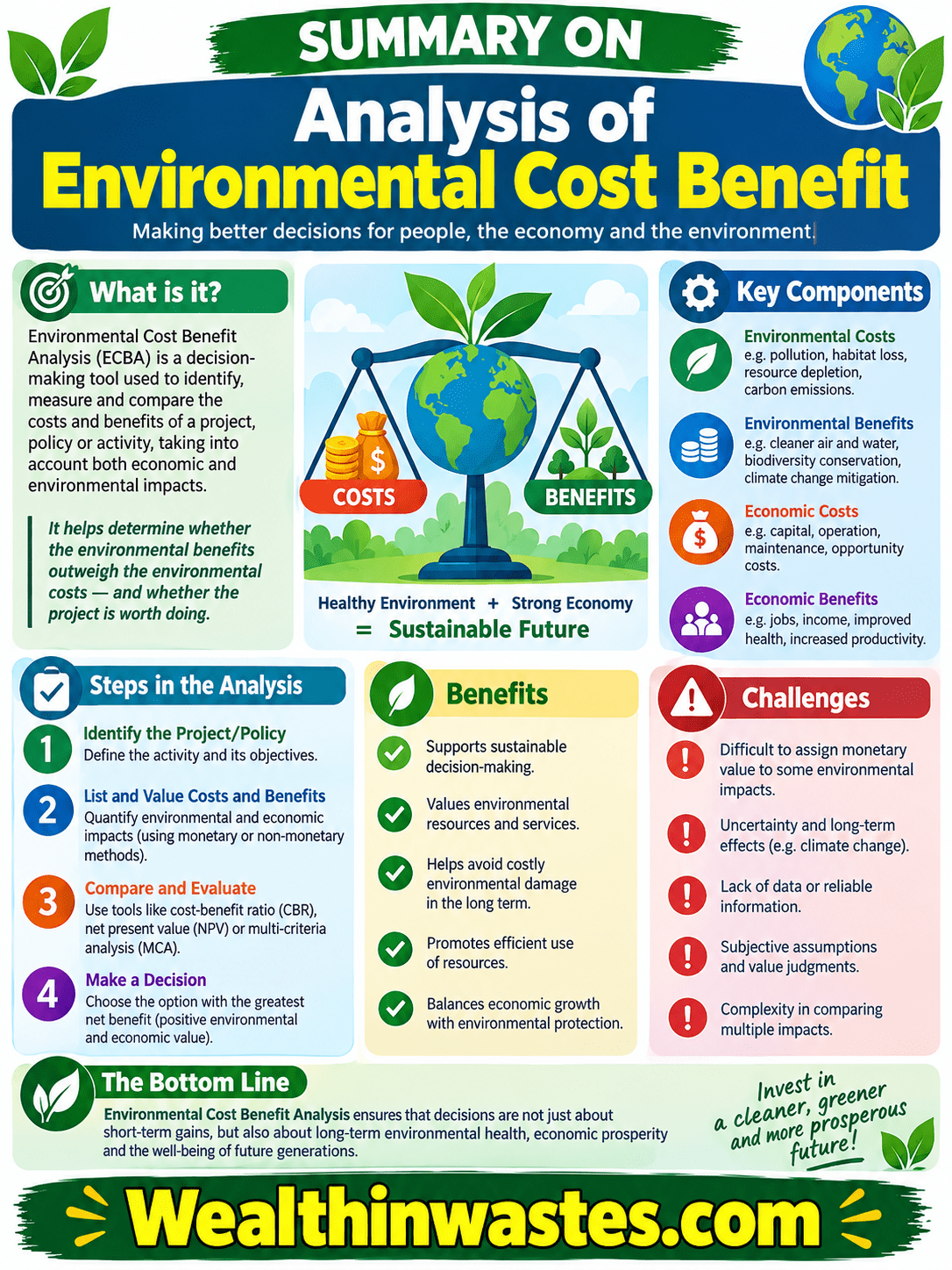
| Aspect | Summary |
|---|---|
| Meaning | Environmental Cost Benefit Analysis compares project costs and benefits while including relevant social and environmental effects. |
| Purpose | It supports better investment decisions by considering impacts beyond ordinary financial accounts. |
| Methodology | The process identifies stakeholders, quantifies effects, values relevant impacts, discounts future values, and applies decision rules. |
| Costs | Costs may include capital expenditure, recurrent expenses, mitigation, monitoring, and external environmental costs. |
| Benefits | Benefits may include revenue, savings, improved productivity, resource recovery, avoided damages, and environmental improvements. |
| Valuation | Environmental values may use market prices, preventive expenditure, replacement costs, surrogate markets, or surveys. |
| Decision Rules | NPV, benefit-cost ratio, IRR, and qualitative assessment of non-monetary impacts support project decisions. |
| EMS Application | CBA helps EMS programmes allocate resources, compare alternatives, prevent pollution, improve accountability, and support continuous improvement. |
Frequently Asked Questions About Environmental Cost Benefit Analysis: A Practical Guide
1. What is Environmental Cost Benefit Analysis?
It is a project appraisal method that compares economic costs and benefits while considering environmental and social effects that conventional financial accounts may overlook.
2. Why is Environmental Cost Benefit Analysis important for environmental projects?
It helps decision-makers compare alternatives, allocate resources efficiently, recognize external costs, and identify projects that provide stronger overall environmental and social value.
3. What are the main stages of Environmental Cost Benefit Analysis?
The main stages involve identifying affected parties, quantifying impacts, assigning economic values, discounting future costs and benefits, and applying suitable decision criteria.
4. How are environmental benefits valued when markets provide no price?
Analysts can use preventive expenditure, replacement costs, property values, wage differences, travel costs, contingent valuation, and other suitable non-market valuation techniques.
5. What does a positive NPV mean in Environmental CBA?
A positive NPV means the discounted benefits exceed the discounted costs under the assumptions and discount rate used for the project appraisal.
6. How does CBA support an Environmental Management System?
CBA helps organizations prioritize environmental investments, compare alternatives, improve resource allocation, reduce pollution costs, strengthen accountability, and support continuous improvement within EMS programmes.
7. Can Environmental CBA include effects that cannot be expressed monetarily?
Yes. Analysts can identify non-monetary effects separately, describe their importance, and assess how they may influence the overall decision alongside quantified economic results.
8. What is the difference between financial appraisal and Environmental CBA?
Financial appraisal mainly focuses on investor returns, while Environmental CBA considers broader social, environmental, stakeholder, and economic consequences associated with project decisions.
Do you have any questions, suggestions, or contributions? If so, please feel free to use the comment box below to share your thoughts. We also encourage you to kindly share this information with others who might benefit from it. Since we can’t reach everyone at once, we truly appreciate your help in spreading the word. Thank you very much for your support and for sharing!
Read Also: Controlling Food Waste and Recycling in Agriculture