


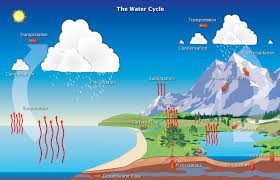
Water continually moves through oceans, rivers, soil, living organisms, and the atmosphere. This movement redistributes moisture, supports ecosystems, and replenishes many freshwater sources that people rely on for daily activities.
Although Earth contains enormous quantities of water, most of it is salty or difficult to access. The hydrologic cycle circulates water, but it does not make every supply usable at all times.
Solar energy causes water to evaporate, while gravity helps precipitation fall, moves surface water downhill, and draws water through soil toward groundwater and streams as part of one connected system.
The cycle has no single starting point because its processes occur simultaneously in different places. Water may evaporate, condense, fall as rain, infiltrate soil, or flow directly into rivers and lakes.
Understanding these pathways helps students, farmers, engineers, and communities explain floods, droughts, groundwater recharge, and water quality. It also provides a foundation for responsible water-resource planning and conservation at local scales.
Definition of the Hydrologic Cycle
The hydrologic cycle, often called the water cycle, is the continuous movement of water between the atmosphere, land, oceans, surface waters, living things, and underground stores through natural processes over time.
Unlike a one-way path, it operates as a connected system in which water changes physical state and shifts between reservoirs. Solar radiation supplies energy, while gravity drives much of its downward movement.
Viessman and Lewis (2003) described it as a sun-driven global process that transports water from oceans to the atmosphere, onto land, and eventually back toward the sea through various pathways.
The oceans form Earth’s largest water reservoir and contain roughly 97 percent of its water. Most remaining freshwater lies in ice and groundwater, while only a small share is readily accessible.
At the global scale, Earth’s water cycle functions approximately as a closed system because the planet’s total water changes very little. Individual catchments, however, behave as open systems because water crosses their boundaries.
The relative amounts and locations of water help explain why abundance does not guarantee local security; a useful introduction to global water stores and movement shows these differences across reservoirs.
The atmosphere and hydrosphere interact constantly: air transports water vapour, while oceans, rivers, lakes, and ice exchange water and energy with surrounding environments and influence weather patterns from one region to another.
Landforms, soils, and the biosphere also shape this cycle. Vegetation intercepts rain, roots absorb soil moisture, and organisms return water to the atmosphere or ground through their normal life processes.
Read Also: Proper Methods of Disposal of Dilute Pesticide Waste
Major Processes in the Hydrologic Cycle
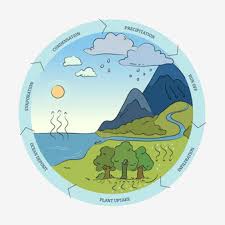
1. Evaporation: Evaporation occurs when solar energy changes liquid water from oceans, lakes, rivers, wet soil, and other surfaces into vapour that rises into the atmosphere. The rate depends on weather conditions.
2. Transpiration: Transpiration occurs when plants release water vapour through tiny openings in their leaves. Together with evaporation from land and water surfaces, it forms evapotranspiration, returning moisture to the atmosphere during normal growth.
3. Condensation: Condensation happens when moist air cools and water vapour changes into tiny liquid droplets or ice crystals. These particles gather to form clouds, fog, or mist under suitable atmospheric conditions.
4. Precipitation: Precipitation occurs when droplets or ice crystals grow large enough to fall as rain, drizzle, snow, sleet, or hail. Gravity returns this atmospheric water to land and oceans.
5. Infiltration and Percolation: Infiltration begins when water enters the soil surface, and some continues downward through pores toward deeper layers. Soil structure and soil moisture conditions affect how much water moves underground.
6. Runoff: Runoff develops when rain or snowmelt exceeds infiltration or when the ground is saturated. Gravity carries this water into channels and rivers across each connected drainage basin before it reaches lakes or oceans.
How Water Moves Through the Hydrologic Cycle
Although diagrams often show a neat sequence, real water movement follows many paths simultaneously. Water evaporated over the ocean may condense and return as rain, or winds may carry moisture inland.
When moist air rises over mountains or other high ground, it cools and may produce orographic precipitation. Some rain replenishes streams immediately, while some enters the soil and supports vegetation or underground storage.
Water that flows over the land can gather into small channels, streams, and larger rivers. An integrated watershed approach helps explain how land use, soil, vegetation, and drainage connect across an entire catchment.
Some infiltrated water travels deeper until it reaches the saturated zone, where it becomes groundwater. This underground part of the cycle may feed springs, wetlands, and rivers, while wells and boreholes provide access for people.
The movement of groundwater beneath the surface can be slow, sometimes taking months or years to reach a discharge point. Its recharge depends on rainfall, geology, vegetation, soil properties, and withdrawals.
Water in streams, wetlands, lakes, and reservoirs supports homes, farms, industries, and wildlife. The availability of reliable freshwater supplies depends on both natural replenishment and careful protection of water quality.
Eventually, rivers transport water toward seas and oceans, where evaporation continues. Yet not every molecule follows the same route, because storage, freezing, infiltration, and biological use can interrupt or delay its journey.
Factors That Affect the Hydrologic Cycle
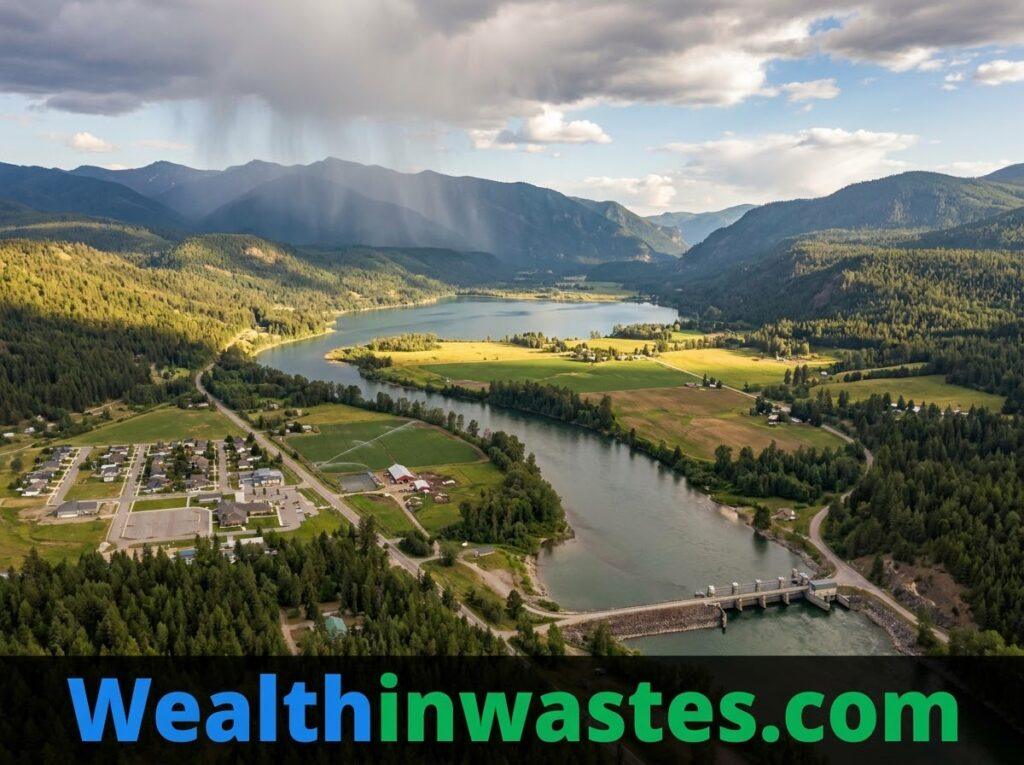
1. Solar Energy and Temperature: Strong sunlight and warm conditions generally increase evaporation, while cooler conditions reduce it. Researchers examining long-term resource sustainability also consider how climate shifts influence water availability.
2. Wind and Humidity: Wind can move moist air across long distances and speed evaporation from exposed surfaces. Dry air commonly accepts more water vapour than already humid air under comparable conditions.
3. Relief and Topography: Mountains can force moist air upward, causing cooling and rainfall on windward slopes. Elevation, slope direction, and valley shape also influence runoff speed, stream location, and local storage.
4. Soil and Geology: Porous soils may absorb rainfall readily, whereas compacted or clay-rich surfaces can encourage runoff. Sound soil resource management protects soil structure and supports infiltration.
5. Vegetation Cover: Forests, grasslands, and crops intercept rainfall, shade soil, and return water vapour through transpiration. Removing vegetation can expose soil, increase erosion, change infiltration rates, and alter streamflow patterns.
6. Seasonal and Climate Patterns: Wet and dry seasons change how much water enters rivers, soil, and aquifers. Drought can reduce replenishment, while intense storms may overwhelm drainage systems and cause damaging floods.
Why the Hydrologic Cycle Matters
1. Freshwater Replenishment: Rain and infiltration replenish streams, lakes, soil moisture, and groundwater. Effective water resource development and management depends on understanding how quickly these supplies renew and where shortages may occur.
2. Support for Agriculture: Rainfall supplies crops and pasture, while stored soil water sustains plants between storms. Farmers use knowledge of the cycle to schedule irrigation, protect soil, and reduce crop losses during dry periods.
3. Ecosystem Health: Rivers, wetlands, forests, and grasslands depend on suitable water levels and seasonal flows. Ecological sustainability requires water movement that supports habitats, biodiversity, soil processes, and the needs of living organisms.
4. Climate Regulation: Evaporation absorbs heat, while condensation releases heat into the atmosphere. Clouds influence incoming sunlight and outgoing heat, so water movement helps shape weather systems, humidity, and temperatures across regions.
5. Natural Landscape Formation: Flowing water erodes rock, carries sediment, and deposits materials that shape valleys, floodplains, deltas, and coastlines. These processes continually modify landforms and influence where fertile soils and wetlands develop.
6. Waste Dilution and Transport: Moving water can dilute some pollutants and carry materials through natural systems, but this does not make contamination harmless. Preventing pollution remains essential for healthy ecosystems and dependable drinking water.
Human Activities That Disrupt the Hydrologic Cycle
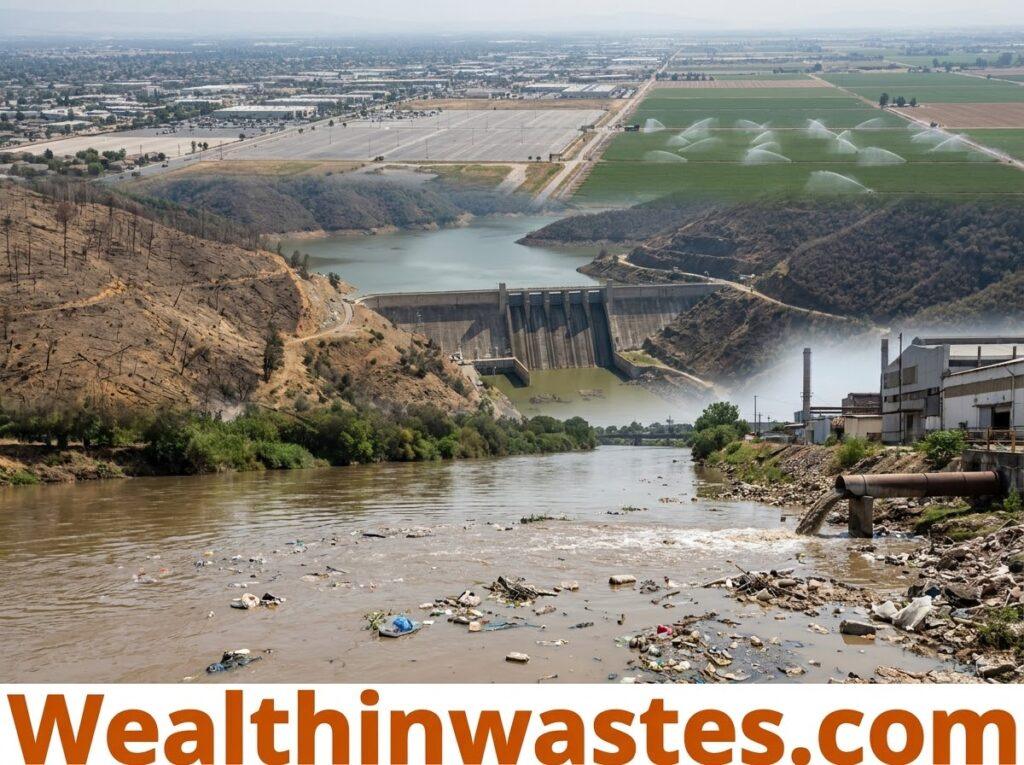
Human activities can change the amount, timing, and quality of water moving through a catchment. Urban paving prevents some rainfall from soaking into soil, often increasing fast runoff and the likelihood of flash flooding.
Deforestation removes canopy cover and root systems that intercept rain and stabilize soil. This may accelerate erosion, increase sediment in rivers, reduce infiltration, and affect the volume and timing of groundwater recharge.
Agriculture can influence the cycle through irrigation withdrawals, drainage works, soil compaction, and chemical use. Runoff carrying fertilizer, manure, or pesticides may pollute waterways, especially where farms lack protective vegetation along streams.
Industrial discharge and untreated sewage threaten water quality when contaminants enter rivers, lakes, or aquifers. The sources and forms of water pollution differ, but many can harm people and aquatic organisms.
Climate change affects temperature, evaporation, snow and ice, rainfall intensity, and the frequency of droughts or floods. These shifts can make seasonal water supplies less predictable and create pressure on communities that depend on rainfall.
Water quality can deteriorate when heavy rain washes waste, nutrients, and sediments from land into water bodies. Understanding global water quality challenges helps communities identify risks and prioritize pollution prevention.
Dams and reservoirs alter natural stream timing, while excessive groundwater pumping may lower water tables and reduce spring flows. Careful planning can lessen these effects and preserve the connections between surface water, groundwater, and ecosystems.
A clear framework for water pollution control can help authorities identify pollution sources, set priorities, and monitor results. Protecting the cycle requires coordinated decisions about land, wastewater, extraction, and restoration.
Hydrologic Cycle and Water Resource Management
1. Assess Available Supplies: Water managers estimate rainfall, river flow, reservoir storage, soil moisture, and groundwater recharge. These measurements help determine how much water communities can withdraw without undermining future supplies or environmental needs.
2. Plan for Seasonal Variation: Rainfall and streamflow often vary between wet and dry seasons. Planning reservoirs, irrigation, and household supplies around these variations helps reduce shortages and prepares communities for periods of limited replenishment.
3. Protect Catchments: Healthy vegetation, permeable soils, and intact wetlands support infiltration and moderate runoff. Catchment protection also reduces sediment delivery and improves the conditions that sustain rivers, lakes, and groundwater recharge.
4. Use Water Efficiently: Repairing leaks, choosing suitable irrigation schedules, and reusing appropriate treated water can reduce pressure on natural supplies. A practical water resource management guide can support these decisions.
5. Monitor Water Quality: Regular sampling helps detect pathogens, chemicals, excess nutrients, and sediment before risks become severe. Reliable water quality analysis procedures support evidence-based decisions about treatment and pollution control.
6. Coordinate Across Sectors: Households, farmers, industries, and governments share connected water systems. Cooperation helps balance withdrawals, sanitation, food production, energy generation, and ecological flows rather than solving one problem while creating another elsewhere.
Read Also: Protection and Development of Water Resources Guide
Ways to Protect the Hydrologic Cycle
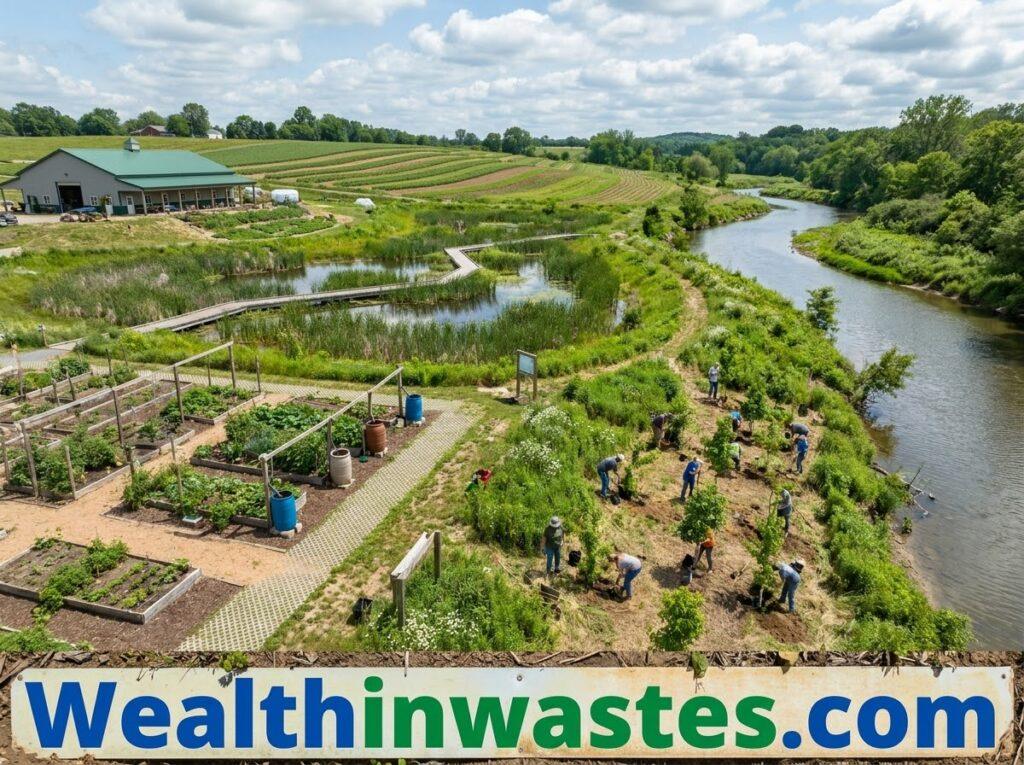
1. Conserve Water: Fix leaking pipes, avoid unnecessary waste, and use water-efficient fixtures and irrigation methods. These practical steps reduce demand, especially during drought, while leaving more water available for essential household, agricultural, and ecological uses.
2. Reduce Pollution: Dispose of chemicals, oils, medicines, and household waste correctly instead of allowing them to enter drains or waterways. Treating sewage and industrial wastewater also helps protect rivers, lakes, soil, and groundwater.
3. Improve Land Management: Maintain vegetation near streams, prevent excessive soil compaction, and use erosion-control practices on slopes. Addressing water resource development challenges helps protect natural storage and reduce harmful changes in runoff.
4. Restore Wetlands and Forests: Wetlands store water and slow some flood flows, while forests intercept rainfall and protect soil. Restoration can strengthen local water regulation, although results depend on climate, location, species, and long-term management.
5. Plan Sustainable Development: Roads, housing, farms, and industries should account for drainage, floodplains, water demand, and wastewater treatment before construction begins. Strong environmental resource management can guide these choices.
6. Educate and Cooperate: Public awareness helps people understand how daily choices affect connected water systems. Schools, community groups, farmers, and local authorities can work together to protect catchments, report pollution, and support responsible water use.
Summary on Definition and Processes in the Hydrologic Cycle
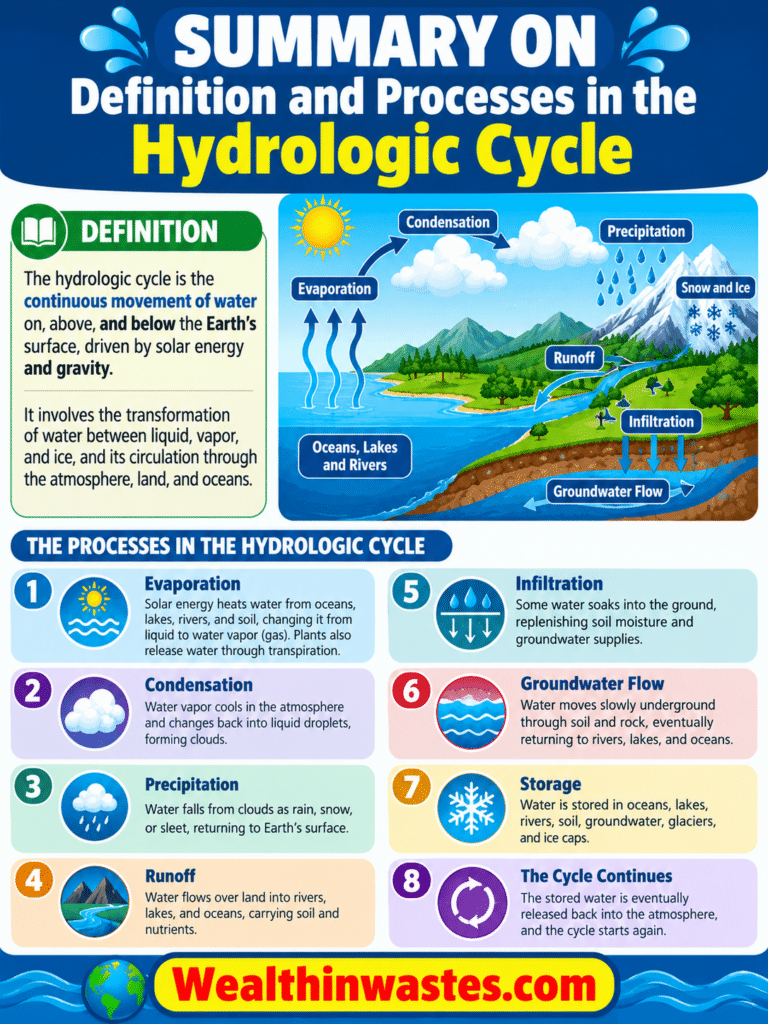
| Topic | Summary |
|---|---|
| Definition | The continuous movement of water among the atmosphere, land, oceans, living organisms, and underground reservoirs. |
| Main energy sources | Solar energy drives evaporation; gravity moves precipitation, runoff, and groundwater downhill. |
| Major processes | Evaporation, transpiration, condensation, precipitation, infiltration, percolation, and runoff. |
| Main influences | Temperature, wind, humidity, topography, soil, geology, vegetation, and seasonal climate patterns. |
| Importance | Replenishes water supplies, supports agriculture and ecosystems, influences climate, and shapes landscapes. |
| Protection | Conserve water, prevent pollution, protect catchments, restore wetlands, and manage land and water sustainably. |
Frequently Asked Questions About the Hydrologic Cycle
1. What Is the Hydrologic Cycle?
It is the continuous movement of water between the atmosphere, land, oceans, living organisms, and underground reservoirs.
2. What Drives the Hydrologic Cycle?
Solar energy drives evaporation, while gravity moves precipitation, surface runoff, and groundwater toward lower elevations.
3. What Are the Main Processes?
The main processes include evaporation, transpiration, condensation, precipitation, infiltration, percolation, and runoff.
4. Why Is the Hydrologic Cycle Important?
It replenishes freshwater supplies, supports crops and ecosystems, influences weather, and helps shape Earth’s surface.
5. How Does Water Enter the Ground?
Water enters through infiltration and may percolate deeper, recharging groundwater when soil and geological conditions allow.
6. What Is the Difference Between Runoff and Infiltration?
Runoff flows over land into channels, while infiltration occurs when water enters the soil surface.
7. Can Human Activities Change the Cycle?
Yes. Deforestation, paving, pollution, groundwater pumping, dams, and climate change can alter water quantity, timing, or quality.
8. How Can People Protect the Hydrologic Cycle?
People can conserve water, reduce pollution, protect vegetation and wetlands, manage soil carefully, and plan development responsibly.
Do you have any questions, suggestions, or contributions? If so, please feel free to use the comment box below to share your thoughts. We also encourage you to kindly share this information with others who might benefit from it. Since we can’t reach everyone at once, we truly appreciate your help in spreading the word. Thank you very much for your support and for sharing!
Read Also: Usefulness of Water Resources in Agriculture