


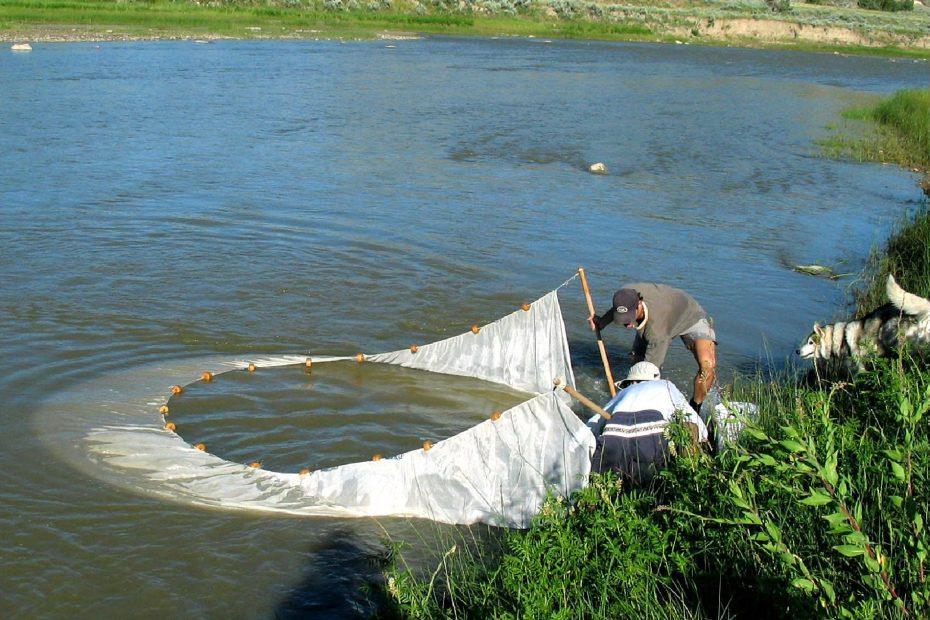
Ecosystem diversity refers to the broad variation among different ecosystem types, habitats, biological communities, and ecological processes across terrestrial, freshwater, coastal, and marine environments.
It is more difficult to define ecosystem diversity precisely than genetic or species diversity because ecosystem boundaries often overlap, change gradually, and respond continuously to physical environmental conditions.
The ecosystem concept can operate at different spatial scales depending on research objectives, conservation planning, environmental management, ecological assessment, or natural resource decisions within a particular geographical region.
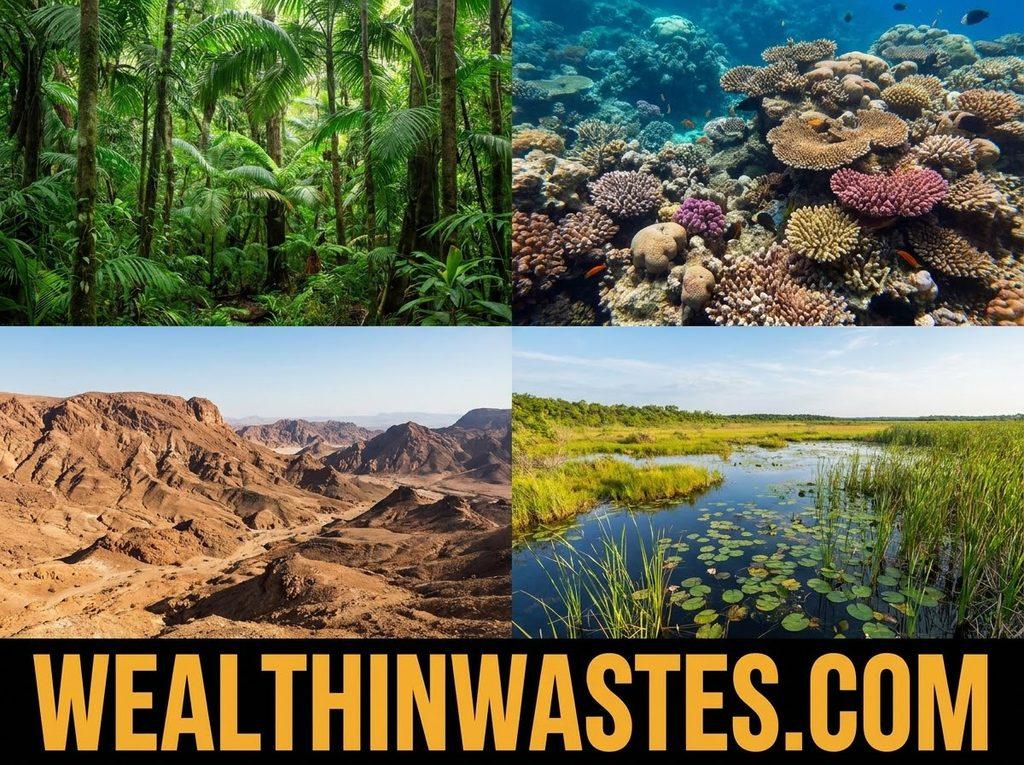
For practical management, scientists commonly group ecosystems according to similar climates, habitats, communities, physical characteristics, and ecological processes, producing categories such as forests, grasslands, wetlands, deserts, and coral reefs.
A functioning ecosystem depends on continuing ecological processes, including energy flow, nutrient cycling, water movement, reproduction, decomposition, predation, and interactions between organisms and their physical surroundings.
Definition and Scope of Ecosystem Diversity
Ecosystem diversity describes differences among ecosystems and also captures variation within landscapes where several habitats, communities, environmental conditions, and ecological processes occur together or influence one another.
The environment surrounding organisms includes living and non-living components that interact continuously, shaping ecosystem structure, productivity, species relationships, and responses to environmental changes.
Unlike species diversity, ecosystem diversity does not rely only on counting organisms. It examines broader ecological differences, including vegetation, climate, soils, water conditions, habitats, and biological relationships.
Ecosystem boundaries rarely form perfect lines across natural landscapes because temperature, moisture, soil properties, elevation, and vegetation often change gradually rather than suddenly between neighbouring environments.
The natural resources present within ecosystems also influence ecological development because water, soil, forests, minerals, sunlight, and other resources affect organisms and their interactions.
Ecosystem diversity therefore operates from small habitats and local communities to large landscapes and biogeographical regions, depending on the scale selected for ecological study or environmental management.
Recognizing this broad scope helps environmental professionals understand that biodiversity includes more than individual species because ecosystems provide the physical settings and processes necessary for biological communities.
Read Also: On-site Municipal Wastewaters Treatment
Types of Ecosystem Diversity

Ecosystem diversity includes several broad ecosystem groups that differ in physical conditions, dominant communities, ecological processes, resource availability, and relationships between organisms and their surroundings.
1. Terrestrial Ecosystems: Terrestrial ecosystems occur mainly on land and include forests, grasslands, savannas, deserts, shrublands, mountains, and polar landscapes shaped by different climates and soils.
Forests generally support complex vegetation layers, while grasslands contain grasses and other herbaceous plants adapted to seasonal rainfall, grazing pressure, fire, and varying soil conditions.
2. Freshwater Ecosystems: Freshwater ecosystems include rivers, streams, lakes, ponds, marshes, and other inland waters where communities adapt to relatively low salt concentrations and changing water conditions.
These systems support aquatic plants, fish, amphibians, microorganisms, invertebrates, and birds while connecting land environments through water movement, nutrient transport, sediment transfer, and biological interactions.
3.Marine and Coastal Ecosystems: Marine and coastal ecosystems include oceans, estuaries, mangroves, seagrass beds, tidal environments, coral reefs, and other saline habitats influenced by tides, currents, depth, and salinity.
4. Wetland Ecosystems: Wetlands occur where water influences soils and vegetation for significant periods, creating habitats that support distinctive plants, animals, microorganisms, water storage, nutrient cycling, and flood regulation.
5. Artificial and Modified Ecosystems: Human activities create or heavily modify ecosystems such as farms, reservoirs, plantations, urban green spaces, and managed forests, where ecological processes remain but human influence becomes significant.
Classification of Ecosystem Diversity
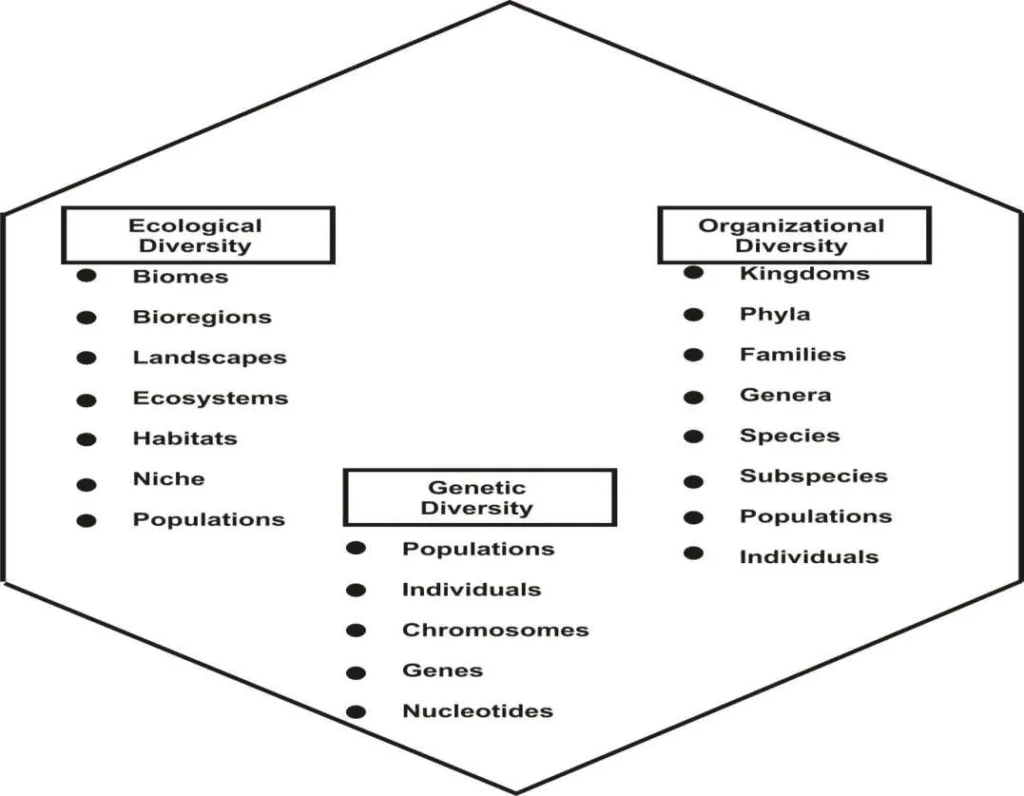
Scientists classify ecosystems to organize ecological information and compare environments systematically, although no single classification method captures every ecological difference found across the planet.
1. Habitat-Based Classification: Habitat-based classification groups ecosystems according to dominant physical environments, vegetation structures, water conditions, landforms, and other characteristics that influence organisms living within each system.
2. Climate-Based Classification: Climate-based classification uses temperature, rainfall, seasonality, humidity, and related climatic conditions to distinguish broad ecosystem zones such as tropical forests, deserts, grasslands, and polar environments.
3. Vegetation-Based Classification: Vegetation-based systems identify ecosystems through dominant plant communities and vegetation structures because plants respond strongly to climate, soils, water availability, disturbance, and land characteristics.
4. Biogeographical Classification: Biogeographical classification recognizes geographic regions with distinctive species assemblages and ecological relationships that developed through separate evolutionary histories, environmental conditions, and geographical isolation.
5. Functional Classification: Functional classification focuses on ecological processes such as productivity, nutrient cycling, decomposition, water regulation, disturbance responses, and energy flow that determine how ecosystems operate.
The interconnected ecological processes within landscapes demonstrate why classification should consider relationships among land, water, organisms, geology, hydrology, and atmospheric conditions.
Effective classification systems balance scientific detail with practical usefulness so conservationists, researchers, planners, and resource managers can identify ecological differences without creating categories that prove unnecessarily complicated.
Factors Shaping Ecosystem Diversity

Ecosystem diversity develops from interactions among physical conditions, biological communities, geographical patterns, disturbance regimes, and human activities that influence how organisms occupy and modify different environments.
Climate strongly influences ecosystems because temperature, rainfall, humidity, wind, and seasonal patterns affect vegetation growth, water availability, soil development, decomposition, productivity, and species distributions across landscapes.
Soil characteristics also shape ecosystem diversity through differences in texture, fertility, drainage, organic matter, acidity, moisture retention, and mineral availability that determine which plants can establish successfully.
Soil and mineral resource management remains important because soil degradation can alter vegetation, nutrient cycling, productivity, water retention, and habitat quality within terrestrial ecosystems.
Topography creates additional ecological variation by changing elevation, slope, drainage, exposure, temperature, and sunlight, often producing different habitats within relatively short geographic distances.
Water availability determines the development of freshwater, wetland, coastal, and terrestrial systems, while rivers and watersheds connect distant environments through water movement and nutrient transport.
Human activities can also reshape ecosystems through farming, urbanization, mining, infrastructure, pollution, deforestation, resource extraction, conservation, restoration, and deliberate environmental management.
Environmental management practices can reduce damaging pressures while supporting sustainable land use, habitat protection, responsible resource consumption, pollution prevention, and long-term ecosystem maintenance.
Importance of Ecosystem Diversity
Ecosystem diversity is important because different ecosystems provide different habitats, resources, ecological processes, and environmental conditions that collectively support biodiversity and human societies.
1. Supports Biodiversity: Diverse ecosystems provide many habitat types and environmental conditions, allowing more species, communities, ecological interactions, and genetic resources to survive across different landscapes.
2. Maintains Ecological Processes: Ecosystem diversity supports energy flow, nutrient cycling, decomposition, water movement, pollination, seed dispersal, reproduction, predation, and other processes that sustain functioning ecological systems.
3. Improves Ecosystem Resilience: Landscapes containing varied ecosystems can respond differently to environmental disturbances, reducing the likelihood that one pressure will damage every ecological component simultaneously.
4. Provides Natural Resources: Ecosystems supply food, freshwater, timber, fibres, medicines, fish, wildlife, fertile soils, minerals, and other resources needed by communities and economies.
5. Protects Environmental Functions: Forests, wetlands, grasslands, soils, rivers, and coastal ecosystems contribute to water regulation, erosion control, carbon storage, nutrient cycling, and climate moderation.
6. Supports Human Well-Being: Ecosystem diversity contributes to livelihoods, agriculture, fisheries, recreation, tourism, cultural values, scientific research, education, and many other benefits associated with healthy environments.
The conservation of forests, wildlife, and natural habitats therefore remains essential for protecting ecological communities and the processes that support biodiversity across landscapes.
Likewise, forest and wildlife resources provide ecological and social benefits that demonstrate the practical value of maintaining diverse ecosystems for present and future generations.
Threats to Ecosystem Diversity
Ecosystem diversity can decline when natural habitats disappear, ecological processes become disrupted, environmental conditions change rapidly, or human activities create pressures beyond ecosystem recovery capacity.
1. Habitat Destruction: Clearing forests, draining wetlands, converting grasslands, developing coastlines, and expanding settlements can remove habitats and break ecological connections required by many organisms.
2. Pollution: Pollutants can change soil, water, air, and sediment conditions, affecting organisms, food webs, ecological processes, and the ability of ecosystems to remain healthy.
The classification and characteristics of pollutants help environmental managers understand how different contaminants behave and how their persistence, toxicity, concentration, and mobility affect ecosystems.
3. Resource Overuse: Excessive harvesting of timber, fish, wildlife, water, soil nutrients, and other resources can reduce ecological capacity and weaken relationships between organisms and habitats.
4. Land Conversion: Agricultural expansion, mining, roads, industries, housing, and other developments can replace natural ecosystems with simplified environments containing fewer habitats and ecological functions.
5. Deforestation and Vegetation Loss: Removing vegetation changes soil protection, water movement, habitat availability, carbon storage, and biodiversity, especially where natural ecosystems already face strong environmental pressures.
Vegetation degradation and deforestation impacts demonstrate how habitat loss can spread ecological effects across soils, wildlife communities, water systems, and human environments.
6. Climate-Related Pressure: Changes in temperature, rainfall, drought, flooding, storms, sea conditions, and seasonal patterns can alter species distributions and ecosystem processes beyond their historical ranges.
Read Also: Objectives of Water Treatment and Water Treatment Processes
Assessment and Conservation of Ecosystem Diversity

Assessing ecosystem diversity requires scientists and managers to identify ecological units, map habitats, study communities, examine environmental conditions, and monitor changes across time and geographical scales.
1. Habitat Mapping: Habitat mapping identifies different ecosystem types using field surveys, geographical information, vegetation observations, remote sensing, land characteristics, water conditions, and spatial analysis.
2. Community Assessment: Researchers examine species composition, abundance, vegetation structure, community relationships, indicator organisms, and ecological interactions to understand differences among habitats and ecosystems.
3. Process Monitoring: Monitoring nutrient cycling, water movement, productivity, decomposition, energy flow, disturbance, regeneration, and other ecological processes helps determine whether ecosystems continue functioning effectively.
4. Long-Term Environmental Monitoring: Repeated observations help identify changes in ecosystem extent, condition, connectivity, species composition, environmental pressures, and recovery following natural or human-induced disturbances.
5. Protected Areas and Restoration: Conservation areas can protect representative ecosystems while restoration projects recover degraded habitats, reconnect fragmented landscapes, improve ecological processes, and support species recovery.
6. Sustainable Resource Management: Sustainable practices reduce unnecessary ecosystem pressure by controlling resource extraction, preventing pollution, maintaining vegetation, protecting water resources, and encouraging responsible land management.
Biological sustainability requires ecosystems to maintain important structures and processes while responding to natural disturbances and pressures associated with human activities.
Likewise, responsible conservation of natural resources helps reduce environmental degradation while maintaining resources and ecological functions needed by organisms and human communities.
Ecosystem Diversity and Human Well-Being
Ecosystem diversity directly and indirectly supports human well-being because societies depend on healthy environments for food, water, livelihoods, materials, protection, recreation, cultural values, and ecological services.
Forests provide timber, fruits, fibres, medicines, wildlife habitat, soil protection, water regulation, recreation, and other resources that connect ecosystem health with social and economic development.
Forest resources and their benefits illustrate how diverse forest ecosystems contribute materials and services while supporting wildlife, agriculture, livelihoods, and broader environmental stability.
Grasslands and rangelands also support livestock production, wildlife habitats, water retention, carbon storage, pollination, and plant genetic resources, especially within regions where pastoral activities support local communities.
Forests and rangelands provide important ecological functions that help maintain biodiversity, hydrological processes, productivity, and resources used by rural populations.
Wetlands, rivers, lakes, estuaries, mangroves, and coastal ecosystems supply water-related benefits while providing breeding habitats, nursery grounds, nutrient cycling, flood storage, and other functions valuable to communities.
Sound environmental planning can help decision-makers balance development needs with ecological protection by considering land use, environmental limits, resource demands, community interests, and long-term sustainability.
Environmental planning principles encourage coordinated decisions that consider present conditions, future needs, environmental consequences, and the interactions among different human and ecological systems.
Waste, pollution, and poorly planned development can weaken ecosystem services, making waste reduction and environmentally responsible practices important parts of ecosystem protection.
Protecting water remains equally important because freshwater ecosystems depend on adequate quantity and quality, while human communities require reliable supplies for domestic, agricultural, industrial, and ecological needs.
Water conservation practices can reduce unnecessary pressure on freshwater resources and support more sustainable relationships between human activities and aquatic ecosystem functions.
Pollution prevention also protects ecosystem diversity by reducing harmful changes to environmental media, helping maintain habitats, ecological processes, biodiversity, and the resources that communities depend upon.
Pollution reduction strategies can strengthen environmental protection by addressing pollution sources, improving resource efficiency, and reducing pressures on vulnerable terrestrial and aquatic ecosystems.
Environmental decisions should also consider the suitability of land, soil, hydrology, geology, climate, flora, fauna, and nearby communities before projects that could affect ecosystem structure proceed.
Environmental site-selection factors demonstrate how ecological conditions should guide development decisions to reduce harmful impacts on surrounding habitats and communities.
Industrial activities can create another source of ecosystem pressure when waste enters air, water, or soil, particularly when toxic materials accumulate or ecological recovery cannot keep pace.
Industrial waste impacts on environmental systems show why effective waste control and pollution prevention matter for maintaining diverse ecosystems and healthy ecological conditions.
Finally, conservation succeeds best when ecological knowledge, community participation, sustainable resource use, environmental monitoring, restoration, education, and long-term planning operate together rather than separately.
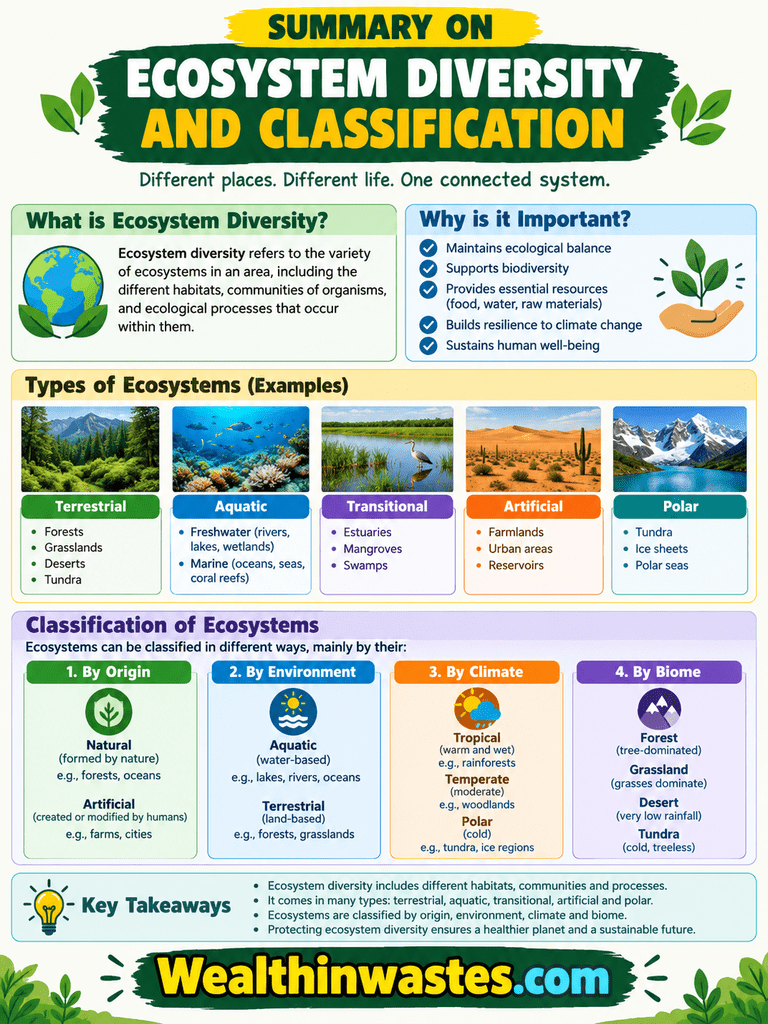
Summary on Ecosystem Diversity: Types, Importance and Classification
| Aspect | Summary |
|---|---|
| Definition | Ecosystem diversity refers to variation among ecosystem types and differences in habitats, communities, environmental conditions, and ecological processes. |
| Types | Major types include terrestrial, freshwater, marine and coastal, wetland, and human-modified ecosystems. |
| Classification | Ecosystems can be classified using habitat, climate, vegetation, biogeographical, and functional characteristics. |
| Factors | Climate, soil, topography, water availability, biological interactions, disturbance, geography, and human activities shape ecosystem diversity. |
| Importance | Ecosystem diversity supports biodiversity, ecological processes, resilience, natural resources, environmental functions, livelihoods, and human well-being. |
| Threats | Major threats include habitat destruction, pollution, resource overuse, land conversion, deforestation, and climate-related pressures. |
| Assessment | Assessment uses habitat mapping, community studies, ecological monitoring, spatial analysis, and long-term environmental observations. |
| Conservation | Conservation combines protected areas, restoration, sustainable resource use, pollution prevention, environmental planning, education, and monitoring. |
Frequently Asked Questions About Ecosystem Diversity: Types, Importance and Classification
1. What is ecosystem diversity?
Ecosystem diversity refers to differences among ecosystem types and variation in their habitats, communities, environmental conditions, ecological processes, and biological relationships across landscapes.
2. What are the major types of ecosystem diversity?
Major types include terrestrial ecosystems, freshwater ecosystems, marine and coastal ecosystems, wetlands, and human-modified ecosystems such as farms, plantations, and reservoirs.
3. Why is ecosystem diversity important?
It supports biodiversity, ecological processes, resilience, natural resources, environmental stability, food production, water supplies, livelihoods, recreation, and other services important to human communities.
4. Why is ecosystem diversity difficult to define?
Ecosystem boundaries are often gradual, overlapping, and dynamic, while environmental conditions and biological communities can change continuously across landscapes without clear natural boundaries.
5. How is ecosystem diversity classified?
Classification commonly considers habitat characteristics, climate, vegetation, geographical patterns, species communities, environmental conditions, and ecological functions within particular landscapes.
6. What threatens ecosystem diversity?
Major threats include habitat destruction, pollution, deforestation, land conversion, excessive resource use, infrastructure development, and climate-related changes affecting environmental conditions and ecological processes.
7. How is ecosystem diversity assessed?
Assessment can involve habitat mapping, vegetation surveys, community analysis, ecological monitoring, remote sensing, environmental measurements, and repeated observations of ecosystem changes through time.
8. How can ecosystem diversity be conserved?
Conservation can combine protected areas, habitat restoration, sustainable resource use, pollution prevention, responsible land use, environmental monitoring, education, planning, and community participation.
9. What is the relationship between ecosystem diversity and biodiversity?
Ecosystem diversity forms an important level of biodiversity because different ecosystems provide different habitats and conditions needed by species and ecological communities.
10. What is the relationship between ecosystem diversity and resilience?
Different ecosystems contain varied habitats, species, and ecological functions, helping landscapes respond differently to disturbances and supporting recovery when environmental pressures occur.
Do you have any questions, suggestions, or contributions? If so, please feel free to use the comment box below to share your thoughts. We also encourage you to kindly share this information with others who might benefit from it. Since we can’t reach everyone at once, we truly appreciate your help in spreading the word. Thank you very much for your support and for sharing!
Read Also: Fishery Biodiversity Conservation