


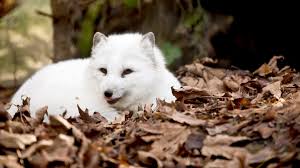
Biological sustainability describes the capacity of living systems to maintain essential ecological processes, healthy populations, species interactions, and productive habitats despite environmental pressures over extended periods.
Healthy ecosystems support animal survival by providing food, water, shelter, breeding locations, migration routes, and suitable environmental conditions that allow wildlife populations to reproduce and recover naturally.
When ecosystems lose biodiversity, suffer pollution, or experience habitat destruction, animals may face reduced food supplies, greater competition, disease pressures, reproductive difficulties, and increasing risks from environmental disturbances.
Biological sustainability therefore depends on maintaining ecological relationships while using natural resources responsibly. Protecting habitats, managing pollution, conserving biodiversity, and restoring damaged ecosystems can strengthen resilience and long-term animal survival.
This article examines biological sustainability, ecosystem health, major threats, biodiversity conservation methods, in-situ and ex-situ conservation, and practical actions that protect animal populations and ecological resources for future generations.
Sustainability of Ecosystems
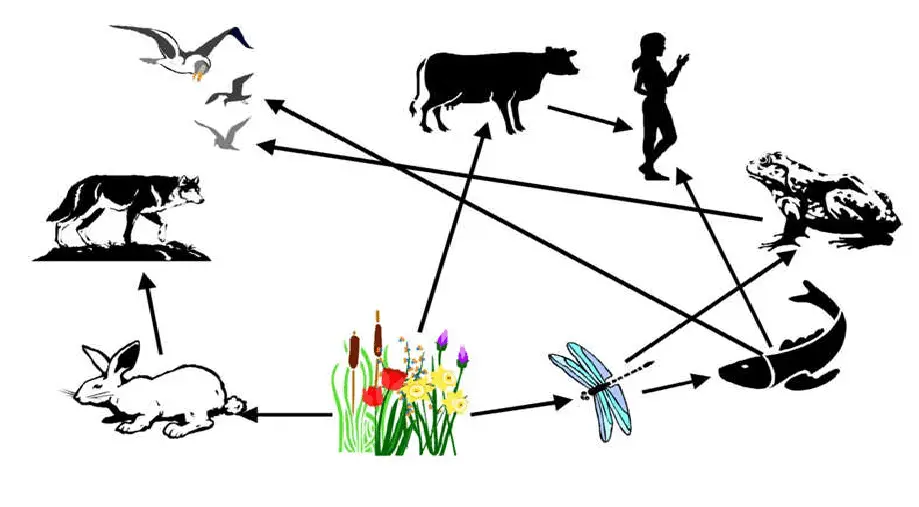
Ecosystem sustainability depends on continuous interactions among plants, animals, microorganisms, soil, water, air, nutrients, sunlight, and climate that collectively support ecological structure and functioning.
A sustainable ecosystem can absorb reasonable disturbances, recover after environmental stress, and continue providing conditions necessary for feeding, reproduction, decomposition, nutrient cycling, and population maintenance.
Understanding environmental conditions helps explain how organisms depend on physical surroundings because temperature, rainfall, soil, water availability, light, and habitat structure influence biological survival.
Biological sustainability also relies on biodiversity because different organisms perform different ecological functions, while genetic variation gives populations greater opportunities to withstand environmental changes and recover from disturbances.
Responsible natural resource conservation supports ecosystem sustainability by reducing excessive extraction and helping communities balance immediate resource needs with ecological requirements that future generations will depend upon.
Soil and water remain especially important because plants depend on them for growth, while animals depend on vegetation, drinking water, prey organisms, and functioning food webs that develop within healthy habitats.
Sound environmental management strengthens sustainability through monitoring, restoration, pollution prevention, resource efficiency, community participation, and policies that reduce harmful pressures across agricultural, urban, industrial, and natural landscapes.
Maintaining sustainable ecosystems requires long-term thinking because environmental damage may accumulate gradually. Early protection and restoration usually offer better opportunities for maintaining ecological functions and preventing severe population declines.
Read Also: Objectives of Water Treatment and Water Treatment Processes
Biological Sustainability and Ecosystem Health

Ecosystem health reflects the condition of ecological communities and their ability to maintain organization, productivity, resilience, and important biological processes while responding to natural and human-induced environmental pressures.
Healthy ecosystems generally contain interacting populations that perform complementary roles. Producers create organic matter, consumers transfer energy, and decomposers recycle nutrients needed for continued ecosystem productivity.
Species diversity provides an important indication of biological condition because ecosystems with varied species composition may contain more ecological roles and stronger capacity to respond to environmental disturbances.
Animal survival depends heavily on ecosystem health because wildlife cannot remain stable when essential food sources disappear, breeding areas become unsuitable, or environmental conditions move beyond species tolerance limits.
Genetic diversity also contributes to sustainability by providing variation within populations. Such variation can influence disease resistance, reproductive success, physiological tolerance, and the capacity to respond to changing environments.
Healthy soil resources support vegetation growth, nutrient cycling, water regulation, and food production, creating ecological foundations that indirectly sustain herbivores, predators, pollinators, decomposers, and other organisms.
Water quality similarly influences aquatic and terrestrial animals because polluted water can reduce oxygen availability, introduce toxic substances, alter habitats, and interfere with feeding, development, reproduction, and migration.
Biological changes in polluted waters may include eutrophication, oxygen depletion, altered community composition, chemical accumulation, and loss of sensitive aquatic organisms from affected ecosystems.
Maintaining ecosystem health therefore requires regular assessment of biodiversity, habitat condition, water quality, soil condition, population trends, and human pressures so managers can respond before ecological problems become severe.
Threats to Biological Sustainability
Human activities can weaken biological sustainability when they exceed the capacity of ecosystems to absorb disturbance, causing habitat loss, pollution, resource depletion, species decline, and disrupted ecological relationships.
Forest and wildlife conservation remains important because forests provide shelter, food, breeding locations, nesting sites, movement corridors, and other resources that many animals need throughout their life cycles.
Habitat destruction can occur through deforestation, agricultural expansion, urban development, mining, infrastructure construction, drainage of wetlands, uncontrolled fires, and other land-use changes that reduce ecological space.
Pollution creates additional pressure because chemicals, plastics, sewage, industrial wastes, pesticides, and other contaminants can enter soil, water, and air, producing conditions that threaten plants and animals.
Improper waste disposal can contaminate natural habitats while attracting pests, introducing hazardous substances, blocking drainage systems, and exposing wildlife to polluted soil, water, and food sources.
Water pollution particularly threatens aquatic animals because contaminants may reduce dissolved oxygen, damage tissues, alter reproduction, reduce available food, and cause sensitive species to disappear from affected water bodies.
Different water pollutants can create distinct ecological problems because petroleum products, pesticides, metals, nutrients, pathogens, and physical wastes affect aquatic organisms through different pathways and exposure levels.
Overexploitation also threatens biological sustainability when hunting, fishing, logging, harvesting, or collection removes organisms faster than populations can reproduce and replace the individuals taken from ecosystems.
Weak environmental management systems can worsen these pressures by limiting pollution control, habitat protection, waste services, environmental monitoring, enforcement, and coordinated conservation programmes.
Biodiversity Conservation Methods

Biodiversity conservation protects genetic resources, species, habitats, ecological communities, and biological processes that support ecosystem stability. Effective programmes combine protection, restoration, monitoring, education, regulation, and responsible resource use.
1. Habitat Protection: Protecting natural habitats keeps animals connected to food sources, shelters, breeding areas, water supplies, migration routes, predators, prey, and other ecological relationships necessary for long-term survival.
2. Species Protection: Conservation programmes can protect threatened species through hunting controls, population monitoring, anti-poaching measures, breeding protection, and management actions designed to reduce unnecessary mortality and support population recovery.
3. Genetic Conservation: Preserving genetic variation helps maintain biological resources needed for adaptation, research, breeding, restoration, and recovery when environmental conditions change or wild populations become severely reduced.
4. Habitat Restoration: Restoring forests, wetlands, grasslands, rivers, and degraded soils can rebuild ecological functions while improving feeding opportunities, shelter, water availability, breeding conditions, and movement pathways for wildlife.
5. Sustainable Resource Use: Sustainable harvesting limits resource extraction to levels that ecosystems can replenish, helping communities obtain valuable resources without undermining population stability, habitat quality, or future ecological productivity.
Proper waste management complements biodiversity conservation by reducing contamination and ensuring wastes receive suitable collection, treatment, recycling, recovery, or disposal rather than entering sensitive natural habitats.
6. Public Participation: Conservation becomes stronger when communities understand ecological values, participate in decision-making, support local protection measures, and recognize the relationship between natural resources, livelihoods, and long-term environmental security.
Waste reduction practices can further support conservation by reducing material consumption, limiting unnecessary disposal, conserving resources, and lowering environmental pressures associated with production and waste handling.
7. Monitoring and Enforcement: Regular monitoring identifies population changes, habitat degradation, pollution, invasive species, and illegal activities, while effective enforcement helps ensure conservation rules produce meaningful ecological outcomes.
In-Situ Conservation for Animal Survival
In-situ conservation protects species within their natural habitats, allowing organisms to continue experiencing ecological interactions, natural selection, reproduction, competition, predation, and environmental conditions characteristic of their ecosystems.
Protected areas such as national parks, wildlife sanctuaries, forest reserves, and biosphere reserves can provide controlled environments where important habitats receive greater protection from destructive human activities.
Maintaining species diversity within natural landscapes helps preserve ecological functions because plants, herbivores, predators, decomposers, pollinators, and microorganisms continue interacting within connected biological communities.
In-situ conservation can also protect evolutionary processes because populations remain exposed to natural environmental variability. These conditions allow inherited characteristics to continue responding to changing ecological pressures over time.
Wildlife management must address threats occurring inside and around protected areas. Poaching, uncontrolled fires, illegal logging, invasive species, pollution, livestock pressure, and habitat encroachment can undermine conservation success.
Controlling litter and discarded waste helps protect wildlife because animals may ingest harmful materials, become trapped in waste, or encounter contaminated habitats where feeding and movement become dangerous.
Community involvement strengthens in-situ conservation because people living near protected habitats often understand local conditions and depend on natural resources, making cooperation important for reducing conflicts and encouraging responsible stewardship.
Effective pollution control institutions can support wildlife conservation through environmental standards, monitoring systems, wastewater controls, enforcement, and coordinated programmes that protect land and water resources.
In-situ conservation works best when protected habitats remain ecologically connected, sufficiently large, effectively managed, and capable of supporting viable animal populations throughout seasonal and long-term environmental changes.
Read Also: On-site Municipal Wastewaters Treatment
Ex-Situ Conservation for Species Survival
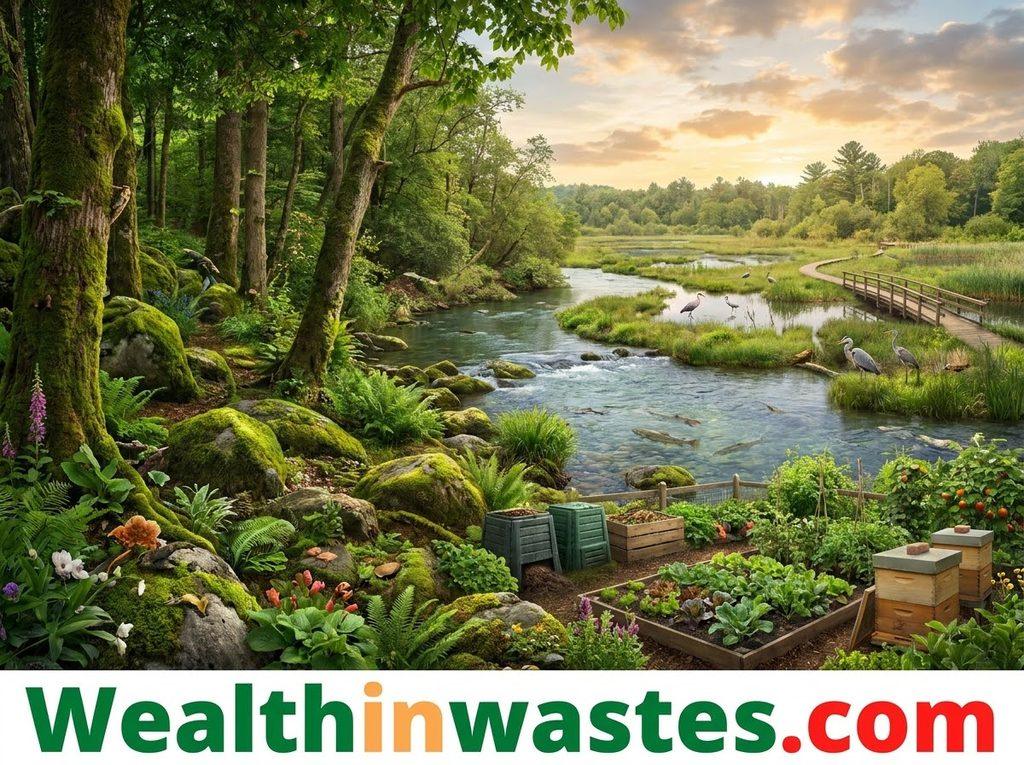
Ex-situ conservation maintains species, genetic materials, or biological resources outside their natural habitats. It becomes particularly valuable when wild populations face severe threats or natural habitats cannot provide adequate protection.
1. Seed Banks: Seed banks preserve plant genetic resources under controlled storage conditions, providing materials for research, crop improvement, restoration programmes, and future reintroduction into suitable habitats.
2. Gene Banks: Gene banks can preserve seeds, tissues, pollen, sperm, ova, or other genetic materials, helping maintain valuable biological variation for future breeding, research, and conservation programmes.
3. Zoos and Aquaria: Properly managed facilities can support endangered animals through controlled breeding, veterinary care, research, education, behavioural studies, and carefully planned conservation programmes linked with wild populations.
4. Botanical Gardens: Botanical gardens maintain living plant collections that support research, education, conservation, propagation, and public awareness while providing opportunities to preserve species threatened within their natural environments.
5. Captive Breeding: Captive breeding can increase populations of critically threatened animals when managers carefully maintain genetic diversity, suitable reproduction conditions, health, behaviour, and eventual reintroduction opportunities.
Responsible recycling indirectly supports conservation by reducing demand for newly extracted materials, decreasing waste volumes, conserving energy, and lowering environmental pressures associated with resource extraction and manufacturing.
6. Tissue Culture: Tissue culture and related laboratory techniques can preserve and multiply plants that produce few viable seeds or require specialized conditions for conventional conservation and propagation.
Managing wastewater sources also protects conservation facilities because untreated wastewater can carry nutrients, pathogens, organic matter, chemicals, sediments, and other contaminants into environments containing sensitive organisms.
Ex-situ conservation does not replace natural habitat protection. Stored organisms and genetic resources need complementary habitat conservation so recovered populations can eventually survive, reproduce, and contribute naturally within functioning ecosystems.
Applying reduce, reuse, and recycle principles can further support conservation facilities by decreasing waste generation and reducing the environmental pressures associated with resource consumption and disposal.
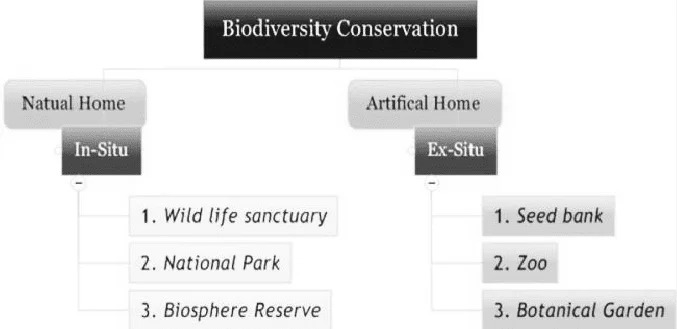
Fig. 4: Methods of Biodiversity Conservation
Practical Actions for Biological Sustainability
Biological sustainability requires practical action at household, community, agricultural, industrial, institutional, and governmental levels because environmental pressures arise from many activities and affect connected ecological systems.
1. Reduce Pollution: Preventing pollutants before they enter soil, water, or air protects organisms from harmful exposure while reducing the ecological costs associated with environmental cleanup and habitat restoration.
2. Protect Water Resources: Keeping rivers, lakes, wetlands, groundwater, and drainage systems clean supports aquatic organisms while ensuring animals and vegetation retain access to suitable water supplies.
Reducing water pollution through wastewater treatment, responsible agriculture, discharge controls, and public awareness can protect aquatic biodiversity and prevent contamination from spreading across connected water systems.
3. Improve Soil Management: Protecting soil from erosion, compaction, contamination, and biodiversity loss supports vegetation, nutrient cycling, water regulation, agricultural productivity, and the wider food webs that depend on healthy land.
4. Manage Waste Responsibly: Proper collection, segregation, treatment, recycling, recovery, and disposal reduce environmental contamination while preventing animals from encountering hazardous materials within their habitats or feeding areas.
Preventing water pollution consequences also protects animal survival because contaminated water can disrupt aquatic communities, reduce habitat quality, impair reproduction, and introduce harmful substances into food chains.
5. Encourage Sustainable Agriculture: Farmers can support biological sustainability through soil conservation, careful pesticide use, water management, crop diversity, habitat protection, and practices that reduce harmful runoff into nearby ecosystems.
Controlling industrial waste is equally important because industrial activities can generate chemicals, metals, oils, effluents, suspended materials, and other pollutants capable of damaging surrounding ecosystems and wildlife.
6. Support Conservation Education: Environmental education helps people understand biodiversity values, ecosystem relationships, resource limitations, and practical conservation responsibilities, encouraging behaviours that protect natural resources over longer periods.
Integrated sustainability planning can connect biodiversity protection with pollution prevention, sustainable agriculture, responsible consumption, resource recovery, environmental education, and cooperation among communities, businesses, governments, and conservation organizations.
Long-term biological sustainability ultimately depends on balancing human activities with ecological capacity. Protecting habitats, conserving biodiversity, controlling pollution, and using resources responsibly can improve animal survival and ecosystem resilience.
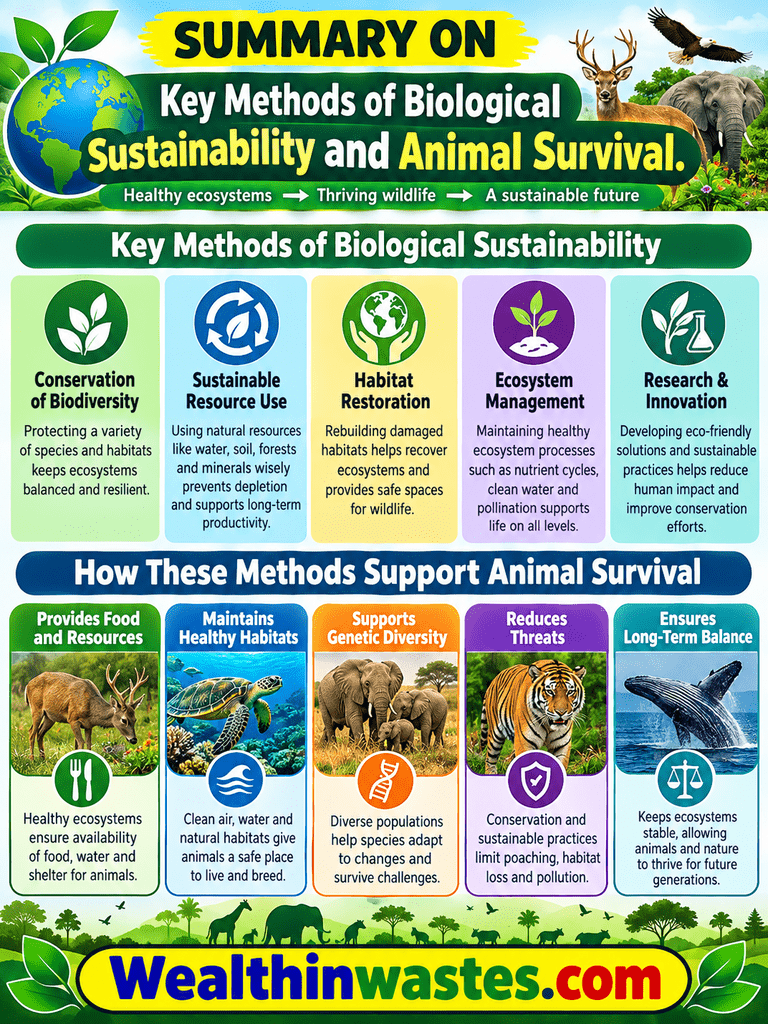
Summary on Key Methods of Biological Sustainability and Animal Survival
| Topic | Main Focus | Key Takeaway |
|---|---|---|
| Biological Sustainability | Long-term ecological functioning | Ecosystems must maintain important processes, interactions, and productive capacity despite reasonable environmental pressures. |
| Ecosystem Health | Resilience and ecological balance | Healthy ecosystems support biodiversity, population stability, nutrient cycling, and recovery after disturbances. |
| Major Threats | Habitat loss and pollution | Deforestation, pollution, overexploitation, and poor management can weaken biological sustainability and animal survival. |
| Biodiversity Conservation | Protection of genes, species, and habitats | Conservation combines habitat protection, restoration, monitoring, regulation, education, and sustainable resource use. |
| In-Situ Conservation | Protection within natural habitats | Species continue natural ecological relationships, reproduction, adaptation, and environmental interactions. |
| Ex-Situ Conservation | Protection outside natural habitats | Seed banks, gene banks, zoos, aquaria, botanical gardens, and breeding programmes protect threatened biological resources. |
| Water Protection | Maintaining clean aquatic environments | Pollution control and wastewater management protect aquatic biodiversity and ecological functions. |
| Soil Protection | Maintaining productive land | Healthy soils support vegetation, nutrient cycling, agriculture, wildlife, and wider ecosystem services. |
| Waste Management | Reducing environmental contamination | Responsible waste handling limits pollution and protects animals from hazardous materials. |
| Sustainable Action | Combining conservation with responsible use | Long-term sustainability requires cooperation among individuals, communities, industries, farmers, institutions, and governments. |
Frequently Asked Questions About Biological Sustainability and Animal Survival: Key Methods
1. What is biological sustainability?
Biological sustainability is the capacity of living systems to maintain ecological processes, biodiversity, population stability, and essential functions while responding to environmental pressures over time.
2. Why is biological sustainability important for animal survival?
It protects the habitats, food, water, breeding locations, ecological relationships, and environmental conditions animals require to survive, reproduce, adapt, and maintain stable populations.
3. What threatens biological sustainability?
Major threats include habitat destruction, pollution, climate-related pressures, overexploitation, invasive species, uncontrolled fires, poor resource management, and excessive environmental disturbance.
4. What is in-situ conservation?
In-situ conservation protects organisms within their natural habitats, allowing species to continue natural ecological interactions, reproduction, adaptation, and population processes under suitable environmental conditions.
5. What is ex-situ conservation?
Ex-situ conservation protects organisms or genetic materials outside their natural habitats through facilities such as seed banks, gene banks, zoos, aquaria, botanical gardens, and breeding centres.
6. How does biodiversity support ecosystem sustainability?
Biodiversity provides different ecological functions and genetic variation, helping ecosystems maintain productivity, nutrient cycling, food webs, adaptation, resilience, and recovery following environmental disturbances.
7. How does pollution affect animal survival?
Pollution can contaminate food and water, damage habitats, reduce oxygen, cause toxic exposure, interfere with reproduction, and alter ecological relationships necessary for healthy animal populations.
8. How can communities promote biological sustainability?
Communities can protect habitats, manage waste properly, conserve water and soil, prevent pollution, support wildlife protection, reduce resource waste, and participate in environmental education and conservation programmes.
Do you have any questions, suggestions, or contributions? If so, please feel free to use the comment box below to share your thoughts. We also encourage you to kindly share this information with others who might benefit from it. Since we can’t reach everyone at once, we truly appreciate your help in spreading the word. Thank you very much for your support and for sharing!
Read Also: A Guide to Wildlife Management in Nigeria