


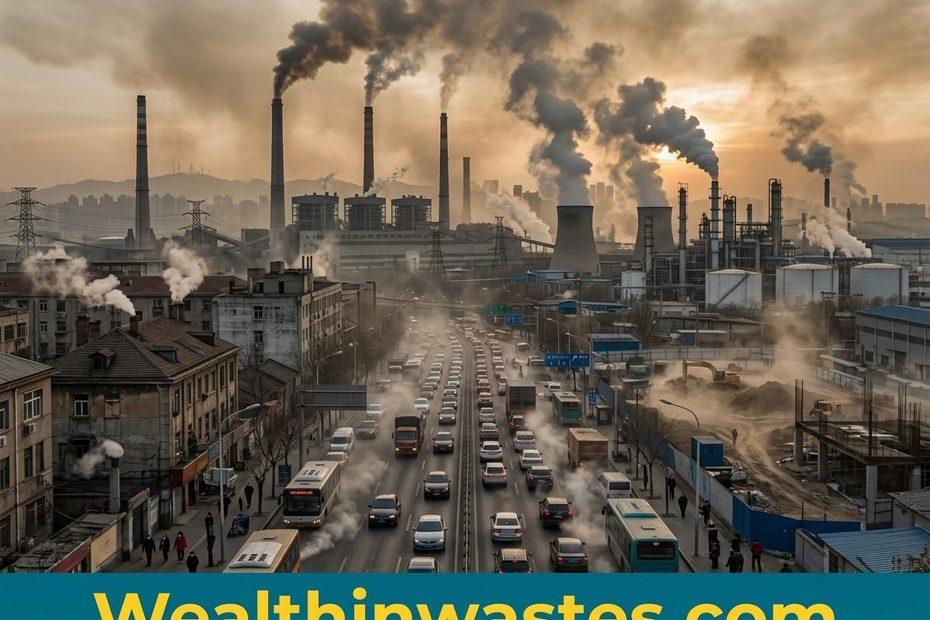
Air pollution occurs when harmful gases, particles, chemicals, or liquid droplets enter the atmosphere at concentrations that exceed the environment’s ability to disperse, dilute, or naturally absorb them.
Polluted air can contain substances that threaten human health, animal welfare, vegetation, buildings, and other components of the environment. The pollutants may come from both human activities and natural processes.
Understanding the sources of air pollution helps communities identify major emission activities and develop practical measures for reducing exposure. Different sources release different pollutants, making source identification essential.
Air pollutants may exist as gases, solid particles, or liquid aerosols. Some enter the atmosphere directly from their sources, while others develop later through chemical reactions involving substances already present.
The following discussion examines major pollution sources, outdoor and indoor pollution, criteria pollutants, particulate matter, hazardous air toxics, health effects, and practical approaches for improving air quality.
What Are Sources of Air Pollution?
Sources of air pollution are activities, processes, facilities, organisms, or natural events that introduce contaminants into the atmosphere. They may occur outdoors, indoors, continuously, intermittently, or accidentally.
Human activities remain important contributors because transportation, industrial production, electricity generation, fuel combustion, agriculture, construction, and household activities release numerous pollutants into surrounding air.
Natural events also contribute substantially. Volcanoes, wildfires, dust storms, biological decomposition, sea spray, and other natural processes can release gases and particles without direct human intervention.
Air pollution can therefore originate from identifiable facilities, mobile equipment, widespread small activities, or natural sources. Understanding air quality and atmospheric pollutants helps explain how these emissions affect environmental conditions.
Pollution sources also differ according to how emissions enter the atmosphere. A factory chimney represents a point source, while emissions from many vehicles across a city represent numerous mobile or dispersed sources.
Recognising these differences makes pollution control more effective because authorities can match monitoring, regulation, technology, and management measures to the characteristics of each emission source.
Read Also: The Meaning and Five (5) Sources of Air Pollution
Major Sources of Air Pollution
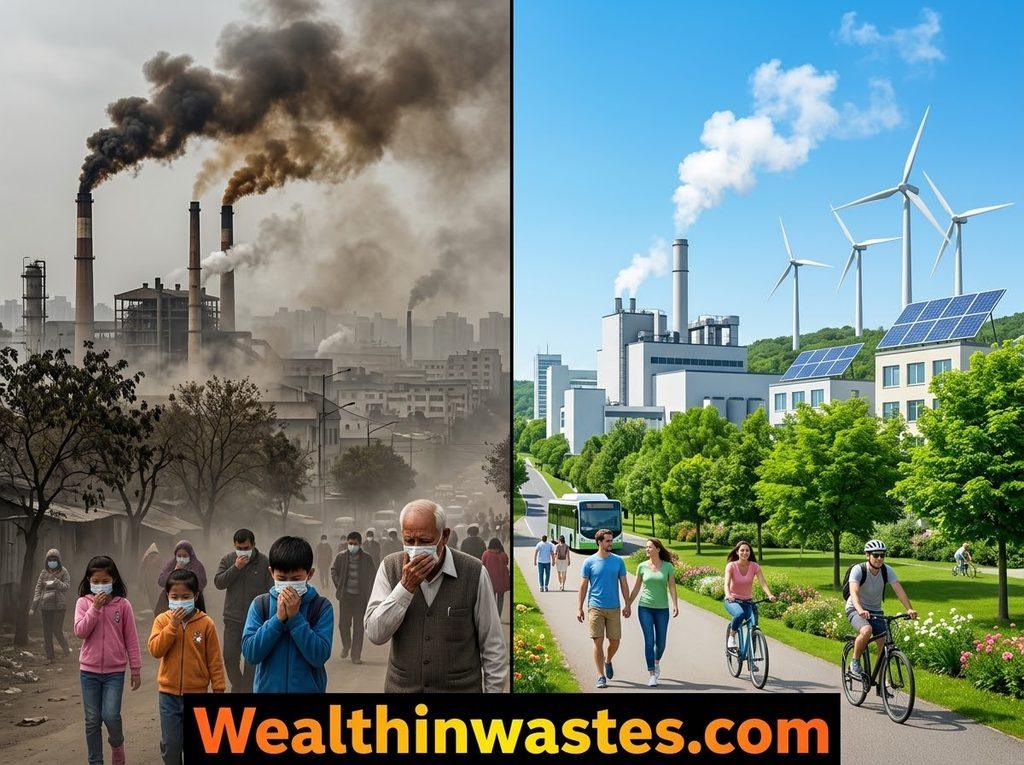
Several human activities release pollutants into the atmosphere every day. The most important sources include transportation, industrial operations, fossil-fuel combustion, agriculture, waste activities, and household fuel use.
1. Vehicle Emissions: Cars, buses, trucks, motorcycles, aircraft, ships, and other combustion engines release pollutants such as carbon monoxide, nitrogen oxides, hydrocarbons, particulate matter, and other combustion-related substances.
2. Industrial Activities: Factories, refineries, manufacturing plants, power stations, and processing facilities can release sulfur dioxide, nitrogen oxides, particulate matter, metals, volatile organic compounds, and other contaminants.
3. Fossil-Fuel Combustion: Burning coal, petroleum products, and natural gas for electricity, heating, transportation, and industrial energy produces various gases and particles that degrade surrounding air quality.
4. Agricultural Activities: Fertiliser application, pesticide use, livestock production, manure decomposition, crop-residue burning, and other farm operations can release ammonia, methane, particulate matter, and combustion-related pollutants.
5. Waste Management Activities: Open burning, poorly controlled incineration, landfill operations, and waste transportation can release smoke, particles, methane, volatile compounds, and hazardous combustion products.
6.Household Activities: Cooking, heating, lighting, tobacco smoke, cleaning products, paints, building materials, and poorly ventilated combustion appliances can contribute significantly to indoor air pollution.
Waste-related emissions deserve particular attention because transport and poorly controlled disposal can increase exposure around dumpsites and communities. Waste-related pollution sources shows how waste activities can affect air quality.
Outdoor and Indoor Air Pollution
Air pollution occurs both outdoors and indoors, although the sources, pollutant concentrations, exposure patterns, and control measures can differ significantly. Both environments can expose people to harmful contaminants.
1. Outdoor Air Pollution: Outdoor pollution commonly comes from vehicles, industries, power generation, construction, agriculture, waste burning, natural fires, dust storms, and other activities occurring in open environments.
2. Indoor Air Pollution: Indoor pollution often results from solid-fuel combustion, tobacco smoke, cleaning products, paints, building materials, mould, dust, and other household or workplace contaminants.
3. Urban Exposure: Dense traffic, industrial concentration, construction, energy consumption, and population growth can increase pollutant levels in urban areas, particularly where monitoring and emission controls remain inadequate.
4. Household Fuel Exposure: Burning wood, charcoal, crop residues, coal, kerosene, or other fuels indoors can generate smoke and fine particles, especially when ventilation remains poor during cooking.
Indoor pollutants may include PM10, PM2.5, mould, dust mites, bacteria, formaldehyde, benzene, and other volatile organic compounds. These substances can remain concentrated when ventilation does not adequately replace contaminated air.
The distinction between indoor and outdoor pollution is important because a person can experience significant exposure inside buildings even when outdoor pollution levels appear moderate. Air-quality measurement methods help identify these conditions.
Criteria Pollutants and Their Sources
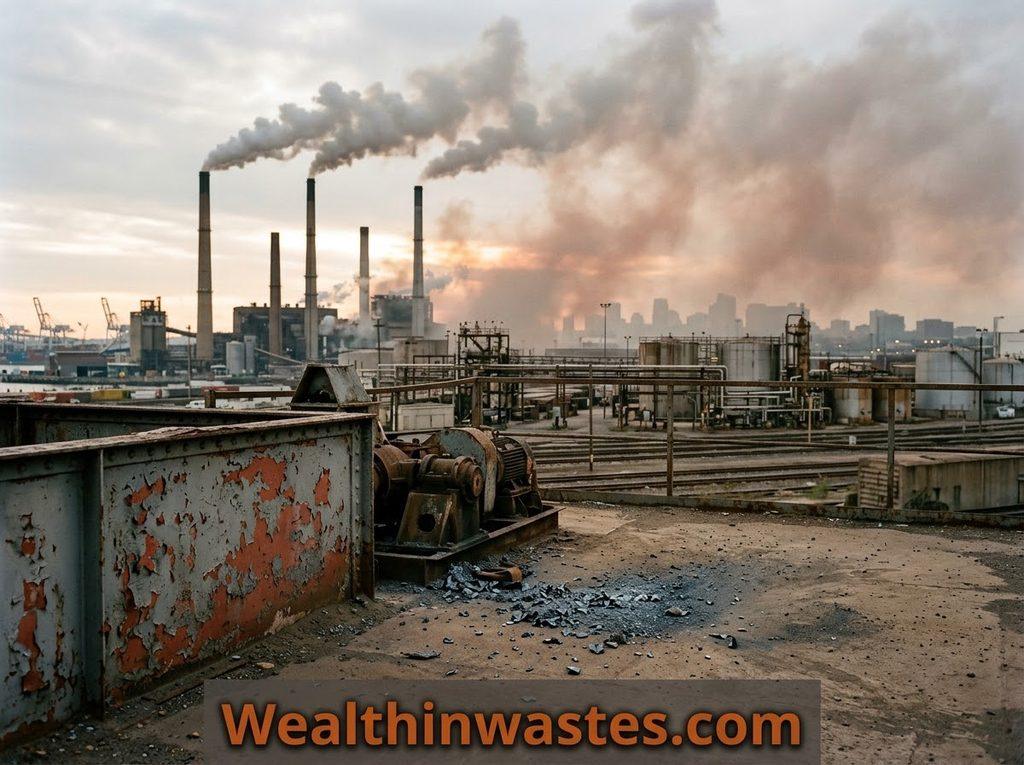
Criteria pollutants are major pollutants whose concentrations can indicate general air quality. The traditional group includes particulate matter, carbon monoxide, sulfur dioxide, nitrogen dioxide, ozone, and lead.
1. Fine Particulates: Very small solid particles and liquid droplets can enter the respiratory system. Major sources include combustion, industrial processes, vehicles, power plants, heating systems, dust, smoke, and fumes.
2. Carbon Monoxide: This colourless and odourless gas forms mainly through incomplete combustion. Motor vehicles represent an important source, while domestic heating and some industrial processes also contribute emissions.
3. Sulfur Dioxide: Coal and oil containing sulfur release sulfur dioxide during combustion. Power-generating facilities represent major sources, while the pollutant can irritate the respiratory system and contribute to acid deposition.
4. Nitrogen Dioxide: High-temperature combustion allows nitrogen and oxygen to react, producing nitrogen oxides. Power plants, motor vehicles, and other combustion sources contribute significantly to nitrogen dioxide emissions.
5. Ozone: Ground-level ozone forms when nitrogen oxides react with volatile organic compounds in sunlight. It therefore develops through atmospheric chemistry rather than direct release from a single source.
6. Lead: Lead particles can arise from industrial processes such as smelting and refining. Historically, leaded gasoline produced major emissions, although restrictions on leaded fuel greatly reduced this source.
The behaviour of pollutants depends on emission strength, atmospheric chemistry, wind, temperature, humidity, topography, and exposure time. Source apportionment and pollution monitoring help identify how different sources contribute locally.
Air-quality assessment technologies can also provide useful information about emission sources, pollutant concentrations, and environmental conditions that influence local air quality.
Fine Particulates and Carbon Monoxide
Particulate matter consists of extremely small solid particles or liquid droplets suspended in air. Their size and composition influence how deeply they penetrate the respiratory system and how strongly they affect health.
Particles smaller than 10 micrometres receive particular attention because people can inhale them into deeper sections of the lungs. Combustion, vehicles, industrial activity, power plants, and heating systems generate many of these particles.
Dust, smoke, soot, fumes, and mists represent different forms of airborne particulate matter. Fine carbonaceous particles can also reduce visibility and contribute to atmospheric haze, particularly when concentrations rise substantially.
Carbon monoxide differs because it is a gas produced mainly through incomplete combustion. Petrol-powered vehicles represent important sources, while household heating systems and some industrial operations can also emit the pollutant.
Carbon monoxide can interfere with the blood’s oxygen-carrying capacity after inhalation. High concentrations create particularly serious risks, especially in enclosed or poorly ventilated environments where the gas can accumulate.
Combustion efficiency, engine maintenance, ventilation, emission-control equipment, and responsible fuel use can reduce carbon monoxide and particulate emissions. Transportation-related air pollution provides additional context on transport emissions.
Particulate pollution and air quality also highlights how airborne particles can influence visibility, human health, and the wider environment when concentrations become elevated.
Sulfur Dioxide, Nitrogen Dioxide, and Lead
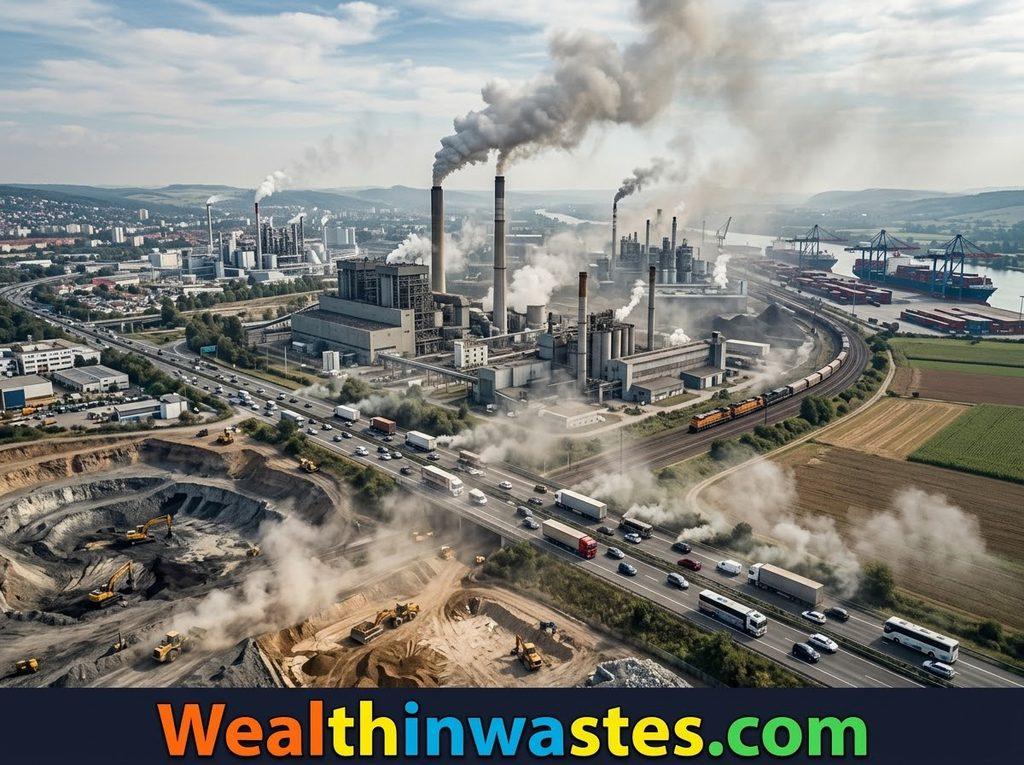
Sulfur dioxide, nitrogen dioxide, and lead differ in chemical properties and emission pathways, but each can damage human health or environmental quality when concentrations and exposure become sufficiently high.
Sulfur dioxide has a sharp, choking odour and commonly arises when sulfur-containing coal or oil undergoes combustion. Power-generating facilities account for substantial emissions, especially where sulfur-rich fuels remain widely used.
Once released, sulfur dioxide can participate in atmospheric reactions involving oxygen and water. These reactions may produce acidic compounds that contribute to acid rain and damage vegetation, aquatic systems, buildings, and materials.
Nitrogen dioxide has a pungent character and forms during high-temperature combustion. Vehicles, power plants, and industrial combustion equipment contribute emissions, while atmospheric reactions involving nitrogen oxides can support smog and acid formation.
Lead pollution commonly involves airborne particles from metal processing, refining, smelting, industrial operations, and other activities. Exposure can be particularly harmful to children because developing nervous systems remain highly sensitive.
Air pollution can also affect agricultural systems through atmospheric deposition and pollutant exposure. Environmental impacts of pollution explains how pollutants can move through environmental systems and create wider consequences.
Monitoring, fuel-quality improvements, emission controls, cleaner technologies, and effective regulation can reduce these pollutants. Air-quality management strategies demonstrate why emissions monitoring and appropriate regulation remain important.
Air Toxics and Hazardous Emission Sources
Air toxics are hazardous substances that can cause cancer, reproductive problems, neurological effects, developmental damage, or other serious health outcomes when people experience sufficient exposure.
Many air toxics consist of organic chemicals, volatile organic compounds, or metals. Examples include benzene, formaldehyde, asbestos, mercury, arsenic, cadmium, dioxins, and other hazardous substances.
1.Industrial Point Sources: Chemical plants, steel mills, oil refineries, factories, and large facilities may release hazardous pollutants through smokestacks, equipment leaks, storage operations, and material-transfer activities.
2. Area Sources: Numerous smaller activities can collectively release hazardous pollutants across a defined area. Examples include petrol stations, dry-cleaning operations, small metal-plating facilities, and residential wood-burning activities.
3. Motor Vehicles: Vehicle exhaust and evaporative fuel emissions can release substances such as benzene and other volatile compounds. Modern emission-control technologies can substantially reduce some transportation-related hazardous emissions.
4. Waste Incineration: Poorly controlled combustion of waste can release dioxins, metals, formaldehyde, and other hazardous substances. Appropriate combustion conditions and pollution-control equipment can reduce these emissions substantially.
Waste management therefore has an important relationship with atmospheric pollution. Environmental effects of waste disposal describes how burning and poorly managed waste can introduce harmful substances into the atmosphere.
Industrial waste can create similar concerns when production processes release gaseous or particulate contaminants. Industrial waste and environmental impacts provides additional information about pollution associated with industrial activities.
Sources of industrial waste also shows why factories, construction activities, power plants, chemical operations, and other industrial processes require appropriate waste and emission controls.
Read Also: How to Process, Package, and Export Charcoal
Effects and Control of Air Pollution
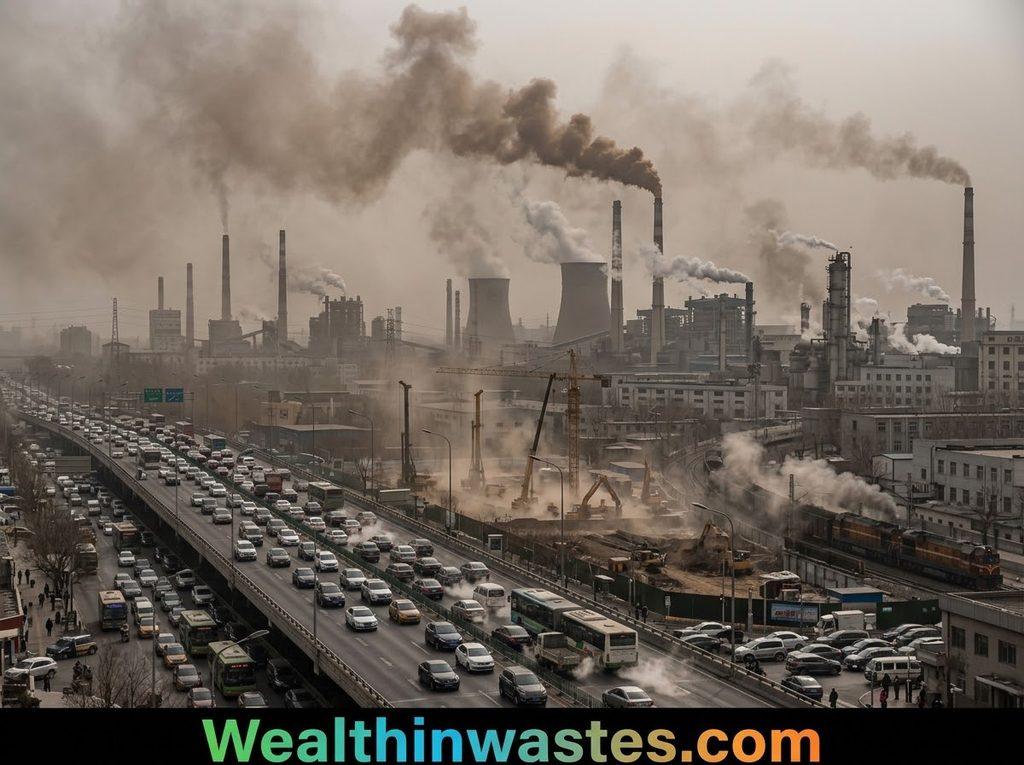
Air pollution affects people, animals, plants, buildings, agricultural systems, visibility, and economic activities. The severity of these effects depends on pollutant type, concentration, exposure duration, and environmental conditions.
1. Human Health Effects: Polluted air can irritate the eyes and respiratory tract and contribute to asthma, bronchitis, cardiovascular problems, lung disease, and other serious conditions after sufficient exposure.
2. Agricultural Effects: Air pollutants can settle on leaves, interfere with plant processes, reduce crop performance, damage forests, and affect soil or water systems through atmospheric deposition.
3. Environmental Effects: Air pollution contributes to smog, acid deposition, poor visibility, ecosystem stress, and broader atmospheric changes. Pollutants can also travel long distances beyond their original emission locations.
4. Economic Effects: Pollution can increase healthcare expenses, reduce labour productivity, damage buildings and equipment, increase maintenance requirements, reduce crop yields, and impose wider costs on communities.
Effective control starts with reducing emissions at their sources. Waste minimisation can support this objective because preventing unnecessary waste also reduces the need for treatment, transport, combustion, or disposal.
Waste reduction at source provides practical principles for preventing waste before it becomes an environmental burden, while proper waste treatment and disposal explains why prevention and controlled treatment remain important.
Recycling can also reduce some emissions by decreasing demand for virgin materials and energy-intensive production. Proper waste recycling explains how recycling can reduce emissions associated with resource extraction and manufacturing.
Integrated waste management further supports a coordinated approach involving reduction, reuse, recycling, recovery, treatment, and appropriate final disposal.
Where disposal remains necessary, facilities should use suitable designs and pollution controls. Different landfill types and controls explains why waste characteristics determine appropriate disposal systems and environmental safeguards.
Additional attention is necessary because unmanaged solid waste can generate gases and other pollutants. Effects of solid waste on the environment highlights air-quality problems associated with poorly managed waste disposal.
Problems of solid waste management also demonstrate how poor collection, disposal, and waste handling can create environmental and public-health challenges within communities.
Pollution control should combine cleaner fuels, efficient equipment, emission standards, proper maintenance, monitoring, responsible waste practices, improved ventilation, and public awareness. Environmental and health effects of wastes reinforces this broader management perspective.
Read Also: On-site Municipal Wastewaters Treatment
Air pollution remains a major environmental concern because emissions arise from transportation, industry, agriculture, households, waste activities, and natural events, while pollutants can travel beyond their original sources.
Effective prevention requires accurate source identification, regular air-quality monitoring, appropriate emission controls, cleaner production methods, responsible energy use, and improved waste management across households, communities, farms, and industries.
Controlling pollution at its source remains more effective than relying only on measures taken after contaminants have entered the atmosphere. Prevention therefore deserves priority in long-term environmental management.
Summary on Major Types and Sources of Air Pollution
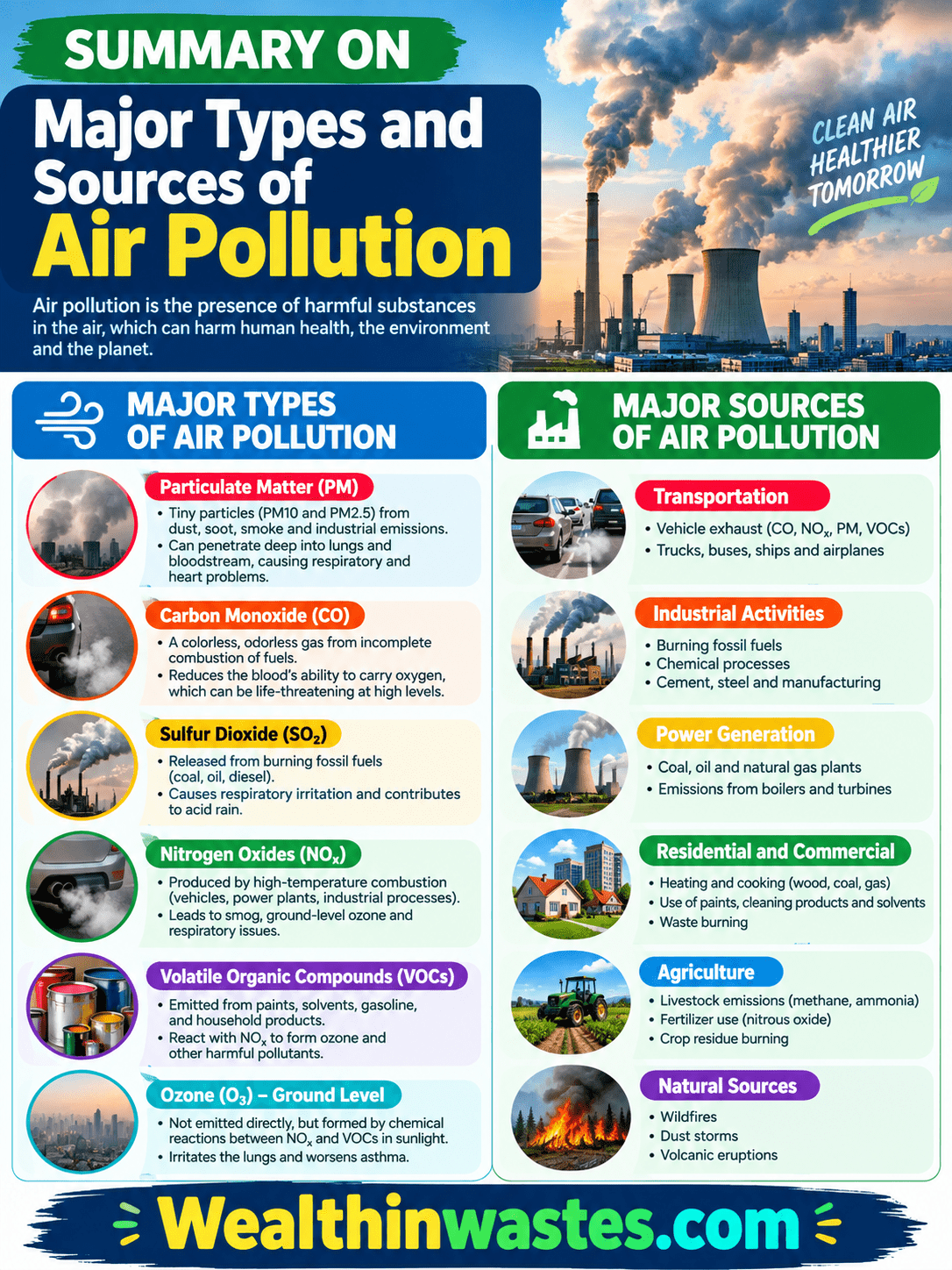
| Section | Main Idea | Why It Matters |
|---|---|---|
| Sources of Air Pollution | Pollution originates from human activities and natural events. | Identifying sources improves pollution control. |
| Major Sources | Vehicles, industries, fuels, agriculture, waste, and households release pollutants. | Major emission activities require targeted controls. |
| Outdoor and Indoor Pollution | Pollution affects both open environments and enclosed spaces. | Exposure can occur in homes, workplaces, and communities. |
| Criteria Pollutants | Major pollutants include particles, carbon monoxide, sulfur dioxide, nitrogen dioxide, ozone, and lead. | Monitoring these pollutants helps assess air quality. |
| Air Toxics | Hazardous chemicals and metals may arise from industrial, vehicle, waste, and area sources. | Some toxic pollutants create serious long-term health risks. |
| Effects and Control | Pollution harms health, agriculture, ecosystems, property, and economies. | Source reduction, monitoring, cleaner technology, and proper waste management can reduce impacts. |
Frequently Asked Questions About Sources of Air Pollution
1. What are the main sources of air pollution?
The major sources include vehicle emissions, industrial activities, fossil-fuel combustion, agriculture, household activities, waste management, and natural events.
2. What is the difference between outdoor and indoor air pollution?
Outdoor pollution occurs in open environments, while indoor pollution develops inside homes, workplaces, and other enclosed spaces.
3. What pollutants come from vehicles?
Vehicles can emit carbon monoxide, nitrogen oxides, particulate matter, hydrocarbons, volatile organic compounds, and other combustion-related pollutants.
4. What causes indoor air pollution?
Common causes include solid-fuel combustion, tobacco smoke, paints, cleaning products, building materials, mould, dust, and poorly ventilated appliances.
5. What are criteria pollutants?
They are major air pollutants used to indicate overall air quality, including particulate matter, carbon monoxide, sulfur dioxide, nitrogen dioxide, ozone, and lead.
6. Why is particulate matter dangerous?
Very small particles can enter deep into the lungs and may contribute to serious respiratory and cardiovascular health problems after sufficient exposure.
7. How does agriculture contribute to air pollution?
Agriculture can produce ammonia, methane, smoke, particles, and other emissions through fertiliser use, livestock production, manure decomposition, crop burning, and related activities.
8. How can air pollution be reduced?
Reduction measures include cleaner fuels, efficient technologies, emission controls, proper maintenance, waste reduction, recycling, monitoring, improved ventilation, and stronger pollution-management practices.
Do you have any questions, suggestions, or contributions? If so, please feel free to use the comment box below to share your thoughts. We also encourage you to kindly share this information with others who might benefit from it. Since we can’t reach everyone at once, we truly appreciate your help in spreading the word. Thank you very much for your support and for sharing!
Read Also: How to Process, Package, and Export Charcoal