


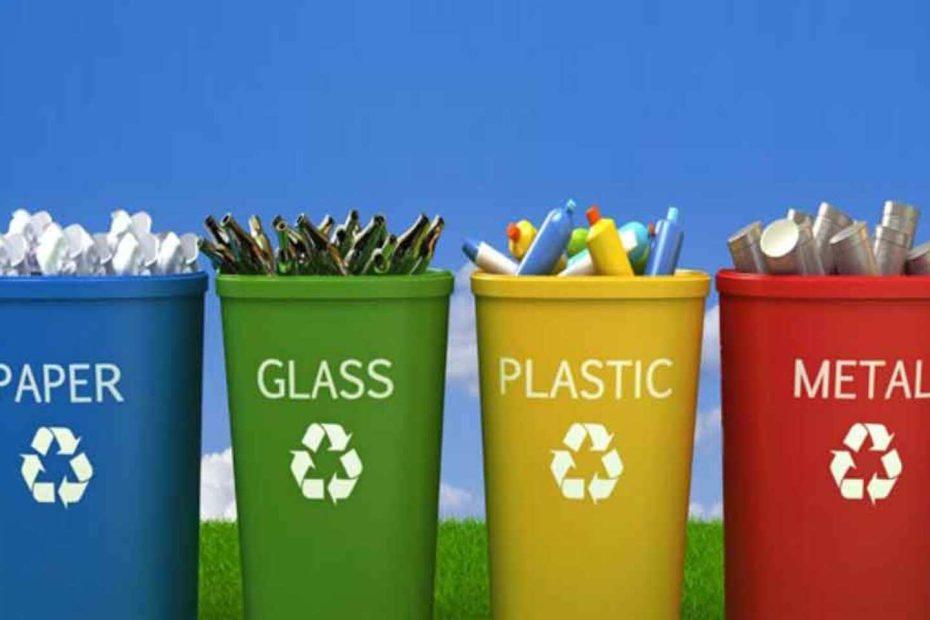
Solid waste refers to all unwanted and discarded materials that arise from human and animal activities. These wastes are usually in solid form, but they may also include semi-solid, liquid, or gaseous materials that are treated as waste. Solid waste includes garbage from homes, refuse from markets, waste from industries, agricultural residues, mining by-products, and materials from wastewater treatment plants and air pollution control facilities.
Solid waste can be grouped into three major categories:
- Municipal Solid Waste (MSW): This includes waste generated from households, streets, markets, offices, and business centers. It consists of food scraps, paper, plastics, glass, metals, and other everyday items.
- Industrial Solid Waste: This is waste produced by factories, manufacturing industries, mining activities, and construction sites. It may include chemicals, scrap metals, packaging materials, and hazardous substances.
- Agricultural Solid Waste: This includes crop residues, animal manure, and other farm-related waste materials.
Understanding these categories helps in planning effective waste management strategies.
Solid Waste Situation in Nigeria
Nigeria’s major urban centers are currently facing serious challenges in managing solid waste. Large heaps of refuse can be found along roadsides, markets, residential areas, and drainage systems. In many cities, waste collection systems are irregular or inefficient, leading to the accumulation of garbage in open spaces.
The rapid growth in population, urbanization, and changing lifestyles have significantly increased the amount of waste generated daily. Unfortunately, waste management systems have not improved at the same rate. As a result, many urban areas are struggling to maintain cleanliness and sanitation.
The presence of unmanaged waste affects not only the appearance of cities but also public health, environmental quality, and economic development. It has become an everyday issue, and many citizens are now aware of the negative effects of improper waste disposal.
Read Also: Everything You Need to Know About Snap Dragon
Evaluating the Problems of Solid Waste Management in Nigeria

Solid waste management is one of the most serious environmental challenges facing Nigerian cities. The problem is not limited to large cities; small towns also experience similar difficulties. Several factors contribute to this issue.
1. Rapid Increase in Waste Generation
The increase in population, industrial development, and technological advancement has led to a significant rise in waste production. As people consume more goods and packaged products, more waste is generated.
Organic Solid Waste (OSW) is increasing rapidly worldwide. It includes household food waste, agricultural waste, and animal waste. These materials are rich in nutrients such as proteins, sugars, and minerals, meaning they could be reused as raw materials or composted for agricultural purposes. However, in many cases, they are simply dumped in landfills or burned.
The growing amount of waste places a heavy burden on municipal budgets, as governments must spend large amounts of money on collection, transportation, and disposal.
2. Poor Waste Disposal Practices
Improper disposal methods are a major problem in Nigeria. Many individuals dump waste in open spaces, drainage systems, bushes, and water bodies without considering the consequences.
In some areas, lagoon fronts and riverbanks have been turned into dumping sites for both solid waste and human waste. Such practices contaminate water sources and threaten aquatic life. When waste is dumped indiscriminately, it blocks drainage systems, leading to flooding during heavy rainfall.
Illegal dumping often occurs at night, making it difficult for authorities to monitor and control the activity. This behavior reflects a lack of public awareness and weak enforcement of environmental laws.
3. Weak Policy Enforcement and Implementation
Although environmental sanitation laws and policies exist in Nigeria, their implementation is often weak. There is a clear gap between policy formulation and execution.
Relevant government agencies sometimes fail to enforce regulations effectively, allowing illegal dumping and littering to continue. Without strict enforcement and monitoring, waste management systems cannot function properly.
This gap in implementation hinders urban planning efforts and prevents the creation of clean and orderly cities.
4. Environmental Impacts of Poor Waste Management
Improper solid waste management leads to serious environmental consequences:
- Soil Pollution: Waste dumped on land releases harmful substances into the soil, reducing soil fertility and affecting agricultural productivity.
- Water Pollution: Leachate from landfills contaminates groundwater and nearby water bodies, making water unsafe for drinking and domestic use.
- Air Pollution: Burning waste releases harmful gases and particulate matter into the atmosphere, contributing to respiratory problems and climate change.
Globally, about 11.2 billion tons of solid waste are collected each year. The decomposition of organic waste contributes significantly to greenhouse gas emissions, which contribute to global warming.
5. Health Hazards
Accumulated waste creates breeding grounds for flies, mosquitoes, rats, and other disease-carrying organisms. These pests spread illnesses such as malaria, cholera, and typhoid fever.
Open and unsanitary landfills expose nearby residents to infections and unpleasant odors. Children who play near dumpsites are particularly vulnerable to health risks.
Poor waste management therefore directly affects the quality of life and public health of urban populations.
6. Economic and Social Consequences
Solid waste disposal occupies valuable land that could be used for housing, agriculture, or infrastructure development. The cost of managing waste also consumes a large portion of government budgets.
Furthermore, valuable materials such as metals, plastics, and glass are often thrown away instead of being recycled. This leads to the unnecessary exploitation of natural resources and loss of economic opportunities.
Methods of Managing Solid Waste
Although open dumping is still practiced because it requires less planning, it is not environmentally safe. More effective waste management methods include:
- Properly engineered sanitary landfills
- Recycling programs
- Composting of organic waste
- Public awareness campaigns
- Strict enforcement of sanitation laws
- Regular waste collection services
An integrated waste management approach that combines these methods is necessary to address the growing problem.
Solid waste management remains a critical challenge in Nigeria. Rapid urbanization, increasing waste generation, poor disposal practices, weak policy enforcement, and lack of public awareness have worsened the situation.
If urgent and effective measures are not taken, the environmental, health, and economic impacts will continue to grow. Proper planning, strict law enforcement, community participation, and sustainable waste management practices are essential for creating cleaner and healthier cities for present and future generations.
Read Also: Problems of Solid Waste Management on the Global Stage