


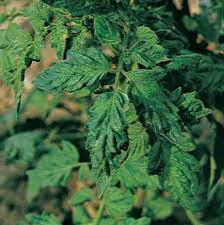
The heavy metals available for plant uptake are those present as soluble components in the soil solution or those easily solubilized by root exudates, allowing roots to absorb them readily (Chibuike and Obiora, 2014).
Plants require certain metals in small quantities for normal growth, enzyme activity, and physiological functions. However, excessive concentrations from pollution can become hazardous, disturb metabolism, and damage plant tissues severely.
Because metals cannot be destroyed biologically, excessive accumulation can persist within contaminated soils and plant tissues. High concentrations interfere with enzymes, damage cellular structures, and increase oxidative stress.
Hazardous substances can also produce indirect effects by disrupting nutrient availability, changing soil chemistry, and interfering with essential mineral uptake. These combined effects can reduce plant vigour, productivity, reproduction, and survival.
The degree of accumulation differs among plant species and depends on factors including temperature, moisture, organic matter, soil pH, nutrient availability, metal concentration, and the chemical form of each contaminant.
Plant uptake and soil-to-plant transfer factors help researchers evaluate how efficiently crops absorb contaminants. Understanding these processes supports safer farming decisions and better management of polluted agricultural environments.
What Are Hazardous Substances And Plant Growth?
Hazardous substances include chemicals, metals, residues, and other pollutants that can harm living organisms when their concentration, persistence, or exposure exceeds environmental tolerance limits within agricultural soils and surrounding ecosystems.
Plants respond differently to contaminants because species vary in root structure, physiology, metal tolerance, nutrient demand, and capacity to restrict harmful substances from entering sensitive tissues during growth.
Pollutants may reach plants through contaminated soil, irrigation water, atmospheric deposition, fertilizers, pesticides, industrial emissions, mining residues, sewage, waste disposal sites, and accidental chemical releases near farmland.
Understanding pollutant classification helps explain why some contaminants persist longer than others, while their concentration and chemical properties determine how seriously they interfere with plant development.
Some contaminants remain strongly attached to soil particles, while others dissolve in water and move toward roots. Their mobility determines exposure levels and influences the likelihood of plant accumulation over time.
Plant growth suffers when hazardous substances interfere with roots, leaves, enzymes, hormones, water relations, photosynthesis, respiration, nutrient transport, or reproductive development, creating multiple stresses within the same plant.
Contaminated land also creates wider agricultural concerns because persistent pollutants can lower soil productivity and affect crops repeatedly across several growing seasons when farmers continue using untreated sites.
Read Also: Effects of Hazardous Substances on Soil
How Hazardous Substances Enter Plants
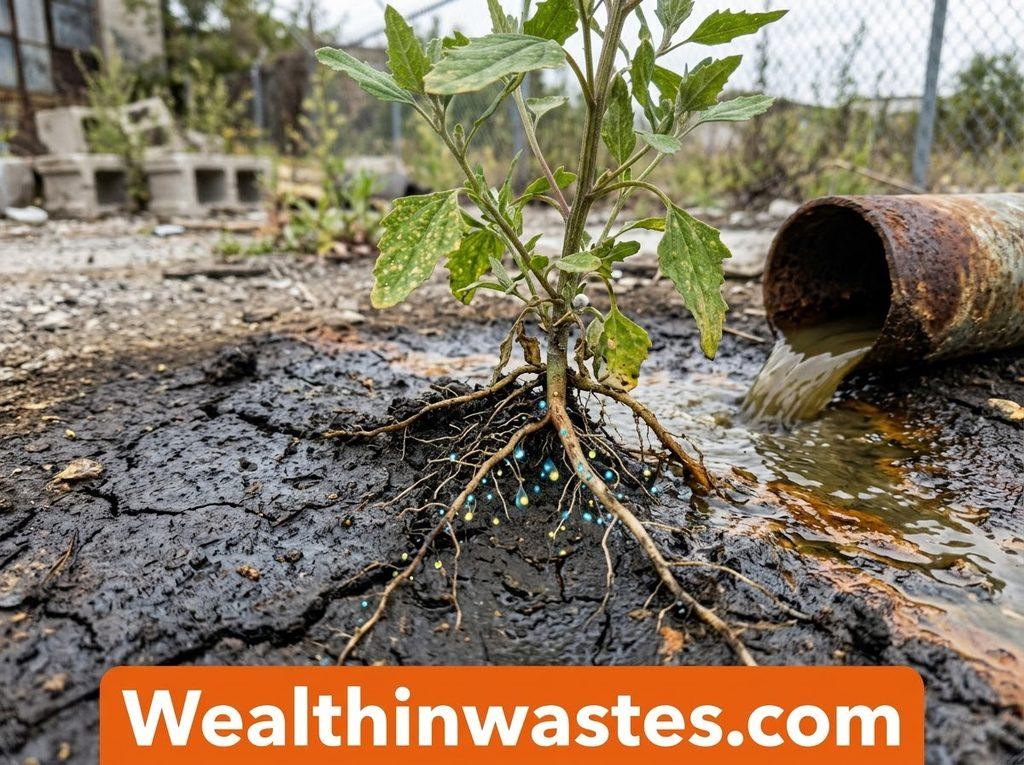
Roots represent the principal pathway through which plants absorb dissolved contaminants from soil water. Root hairs provide extensive contact with the surrounding solution, allowing dissolved substances to enter through biological processes.
Contaminants can also reach foliage through atmospheric deposition, dust particles, contaminated irrigation sprays, and direct contact with polluted water. Leaf surfaces may retain deposited materials before absorption occurs.
Polluted irrigation water can introduce salts, metals, pathogens, toxic chemicals, and excess nutrients into agricultural soils, especially where untreated wastewater repeatedly irrigates crops without regular quality assessment.
The movement of contaminants from soil into roots depends on chemical form, soil properties, root activity, microbial interactions, water availability, and the presence of competing nutrients around the root zone.
Plants may immobilize some contaminants within roots, while others travel through vascular tissues toward stems, leaves, fruits, and seeds. This movement creates different contamination patterns between plant organs.
Research into pollutant monitoring methods helps identify contaminated soils and exposure pathways before agricultural production becomes severely affected or unsafe for consumers and farm workers.
Uptake does not always indicate that a plant will immediately show visible symptoms. Some contaminants accumulate internally before obvious chlorosis, wilting, reduced growth, or tissue damage becomes noticeable.
Heavy Metals And Plant Growth
1. Lead Toxicity: Lead can reduce soil productivity and interfere with photosynthesis, mitosis, water absorption, root development, and nutrient balance. Affected plants may develop dark leaves, wilting, stunted growth, and shortened brown roots.
2. Zinc Excess: Zinc supports important plant functions at suitable concentrations, but excessive accumulation can reduce growth, disturb nutrient balance, and lower the efficiency of photosynthetic energy conversion within leaves.
3. Cadmium Stress: Cadmium can disrupt nutrient uptake, photosynthetic activity, enzyme function, water relations, and antioxidant systems. High exposure may reduce biomass production and increase cellular damage through oxidative stress.
4. Copper Toxicity: Copper becomes harmful when excessive amounts accumulate in soil or plant tissues. Toxic concentrations can injure roots, restrict nutrient absorption, alter metabolic processes, and suppress vegetative development and yield.
5. Mercury Exposure: Mercury can interfere with enzyme activity, membrane function, photosynthesis, and root development. Persistent exposure may weaken plants and increase the possibility of contaminant movement through agricultural ecosystems.
Industrial activities remain important contributors to heavy metal contamination because wastes may contain lead, zinc, arsenic, mercury, and other harmful substances that reach soil, air, and water.
This relationship is evident in discussions of industrial waste impacts, where poorly controlled industrial residues can contaminate environmental media and create prolonged risks for surrounding agricultural land.
Plant Growth Effects Of Hazardous Substances
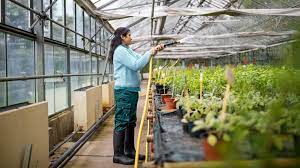
1. Poor Seed Germination: Toxic substances can reduce germination percentage and delay emergence by damaging seeds, disturbing water uptake, interfering with enzymes, and preventing normal metabolic processes required during early seed development.
2. Reduced Vegetative Growth: Contaminated plants may show shorter stems, smaller leaves, weaker roots, reduced biomass, and slower development because hazardous substances interrupt nutrient absorption, cellular division, photosynthesis, and metabolic activity.
3. Chlorosis And Wilting: Toxic exposure can disturb chlorophyll production, water balance, and mineral nutrition. These disruptions may produce yellowing leaves, wilting, premature ageing, and poor canopy development.
4. Lower Yield Formation: Hazardous substances can reduce flowering, fruit development, seed production, tillering, and panicle formation. Continued physiological stress eventually reduces harvestable output and lowers the economic value of affected crops.
5. Metabolic Disorders: Excess contaminants can reduce antioxidant enzyme activity and alter plant concentrations of sugars, starches, amino acids, proteins, and other compounds needed for healthy growth and reproduction.
Evidence from waste disposal impacts also shows that toxic materials released into contaminated environments can damage roots, interrupt nutrient absorption, reduce plant growth, and eventually undermine agricultural productivity.
Heavy metal phytotoxicity may also reduce nutrient uptake and disturb nitrogen fixation in legumes. These effects become particularly important where contaminated soils already suffer from low fertility or poor management.
Persistent contamination can therefore produce several symptoms simultaneously, making field diagnosis difficult unless farmers combine visual observation with soil testing and appropriate laboratory analysis.
Factors That Control Plant Metal Uptake
Soil pH strongly influences metal availability because acidic conditions can increase the solubility of several metals, making them more accessible to plant roots and increasing potential toxicity under prolonged exposure.
Organic matter can bind certain metals and reduce their immediate availability, although its effects depend on the contaminant and soil conditions. Stable organic matter may therefore influence both mobility and persistence.
Soil moisture controls contaminant movement and root activity. Excessive water can promote chemical transport and leaching, while drought changes root growth, concentration effects, and the movement of dissolved substances.
Temperature also affects biological activity, chemical reactions, microbial processes, and plant metabolism. Consequently, seasonal temperature changes can alter contaminant behaviour and influence the amount absorbed by growing plants.
Nutrient availability affects uptake because essential elements may compete with toxic metals for transport pathways. Maintaining balanced nutrition can therefore influence how plants respond to contaminated soils.
These principles relate closely to land pollution and soil contamination, where chemical residues from pesticides, industrial activities, waste dumping, and other sources alter soil quality and plant-growing conditions.
Plant species also differ considerably in their ability to absorb, tolerate, immobilize, or transport contaminants. Crop selection therefore matters when farmers manage land suspected of receiving hazardous chemical residues.
Soil nutrient management can support healthier plants under stress, making information about soil and mineral resource management relevant when evaluating contaminated agricultural environments and long-term land productivity.
Crop Yield And Food Security Risks
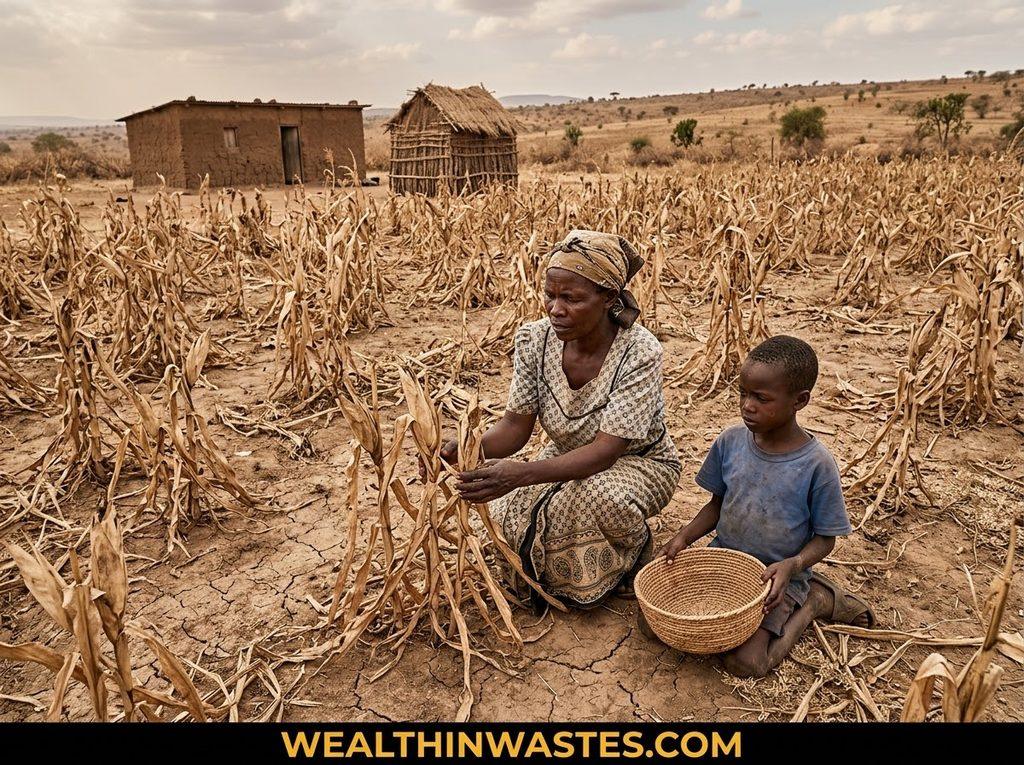
Hazardous substances can reduce crop yield by damaging roots, suppressing photosynthesis, restricting nutrient uptake, reducing biomass, and disrupting reproductive processes needed for reliable flowering, fruiting, and seed development.
Repeated yield losses can reduce farm income and threaten local food availability. Small-scale producers may face especially serious consequences when contaminated plots provide an important portion of household food.
Contaminated crops can create food-chain concerns when plants absorb metals or other persistent substances. Crops grown for direct consumption therefore require careful site assessment when pollution is suspected.
The broader environmental impact of agricultural wastes demonstrates how poorly managed agricultural residues can contribute to pollution affecting soil quality, water resources, crop productivity, animals, and surrounding communities.
Industrial contamination presents similar challenges because untreated discharges can affect irrigation water and agricultural soils. Farmers should therefore avoid using visibly polluted water where contamination has not been properly assessed.
The connection between pollution and economic damage appears in economic losses caused by pollution, which can arise when environmental degradation reduces agricultural productivity, damages resources, and increases costs for affected communities.
Food security requires more than maintaining sufficient production volume. Farmers and authorities must also protect soil, water, crops, livestock, and consumers from contaminants that can compromise agricultural safety and productivity.
Ways To Reduce Hazardous Substance Exposure
1. Prevent Pollution At Source: Reduce hazardous releases by controlling industrial discharges, improving waste handling, maintaining equipment, storing chemicals safely, and preventing accidental spills around agricultural land.
2.Test Soil And Water: Regular testing can identify contaminants before visible crop damage becomes severe. Farmers can then select safer management practices and avoid exposing sensitive crops to polluted resources.
3. Manage Waste Properly: Responsible disposal, segregation, treatment, reuse, and recycling reduce the amount of hazardous material entering soil and water through uncontrolled dumping, leaking containers, burning, and runoff.
4. Maintain Soil Health: Balanced nutrients, suitable organic matter management, good drainage, and appropriate soil practices can improve plant resilience while reducing some conditions that increase contaminant availability.
5. Choose Suitable Crops: Crop species differ in contaminant tolerance and accumulation. Using appropriate crops for assessed soil conditions can reduce production risks while farmers implement longer-term remediation measures.
Source reduction also depends on understanding the waste minimization process, which prioritizes preventing unnecessary waste generation before treatment, recycling, recovery, or final disposal becomes necessary.
Recycling can further reduce hazardous environmental releases when suitable materials receive proper handling. The principles described in recycling and reuse alternatives encourage resource recovery instead of uncontrolled disposal.
Effective pollution prevention also requires understanding the main pollution sources affecting air, water, and soil, because prevention becomes easier when hazardous pathways receive attention before contamination spreads.
Read Also: Definition and Waste Minimization/Reduction Process
Monitoring And Protecting Contaminated Crops
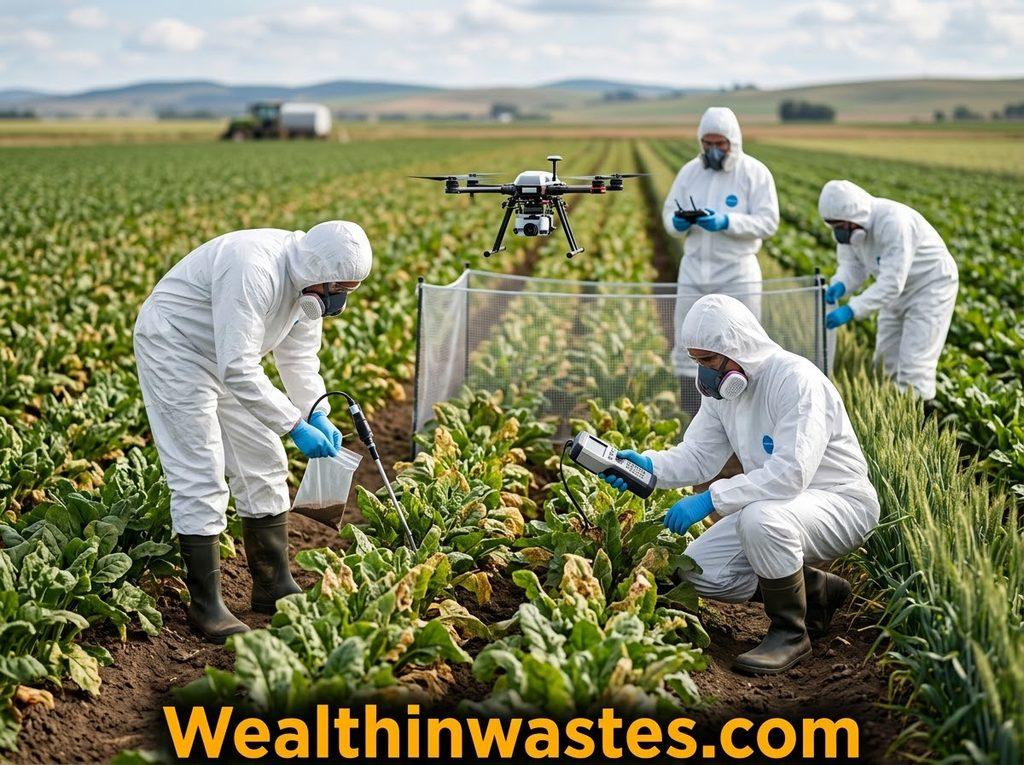
Monitoring should begin with identifying possible contamination sources and mapping areas where hazardous substances may have entered soil or water. Historical land use can provide important clues about potential pollutants.
Farmers should inspect crops for abnormal symptoms such as chlorosis, weak growth, reduced leaf area, poor germination, wilting, and unusual root development, although symptoms alone cannot confirm contamination.
Laboratory soil and plant analysis provides stronger evidence because it measures contaminant concentrations and helps determine whether observed crop problems relate to hazardous substances or other environmental stresses.
Understanding the concept of pollution helps farmers recognize that contamination occurs when unwanted substances enter an environmental medium at concentrations capable of reducing its quality or usefulness.
Farmers should also understand water pollution sources and classifications because contaminated irrigation water can repeatedly introduce hazardous materials into root zones and increase long-term exposure.
Where contamination becomes serious, authorities may need broader measures involving site assessment, controlled land use, remediation, pollution enforcement, public communication, and monitoring of crops and environmental resources.
The need for coordinated control is reflected in institutional pollution control arrangements, which describe the role of environmental, agricultural, health, and local authorities in controlling contamination and protecting public interests.
Responsible land management should also consider land pollution causes and solutions, especially where waste disposal, chemical use, industrial activity, and urban development have affected agricultural soils.
Solid waste management remains important because poorly managed waste can release contaminants into soil and groundwater. Farmers and communities can reduce these risks through controlled collection, treatment, and disposal.
Current discussions of solid waste management problems show how weak enforcement, uncontrolled disposal, soil pollution, and groundwater contamination can combine to create persistent environmental and agricultural challenges.
Proper understanding of solid waste environmental effects can therefore help farmers recognize why dumpsites, leachate, uncontrolled burning, and poorly managed waste streams may threaten vegetation and agricultural land.
Industrial and municipal activities may also create chemical hazards that move through interconnected environmental pathways. Protecting plant growth requires coordinated control of emissions, effluents, waste streams, irrigation sources, and contaminated sites.
The relationship between industry and environmental contamination is further described through industrial effluent impacts, especially where untreated discharges can affect agricultural water, soils, crops, livestock, and nearby communities.
Pollution can also create health concerns when contaminated crops transfer hazardous substances into the food chain. Information on pollution and human health impacts reinforces the importance of controlling agricultural contamination.
Natural processes can contribute pollutants as well, so agricultural monitoring should consider background environmental conditions alongside human activities. The discussion of natural pollution sources provides additional context for understanding environmental exposure.
Effective monitoring combines source identification, regular testing, crop observation, responsible chemical use, careful irrigation, safe waste handling, and timely corrective action whenever contamination threatens plant growth or agricultural productivity.
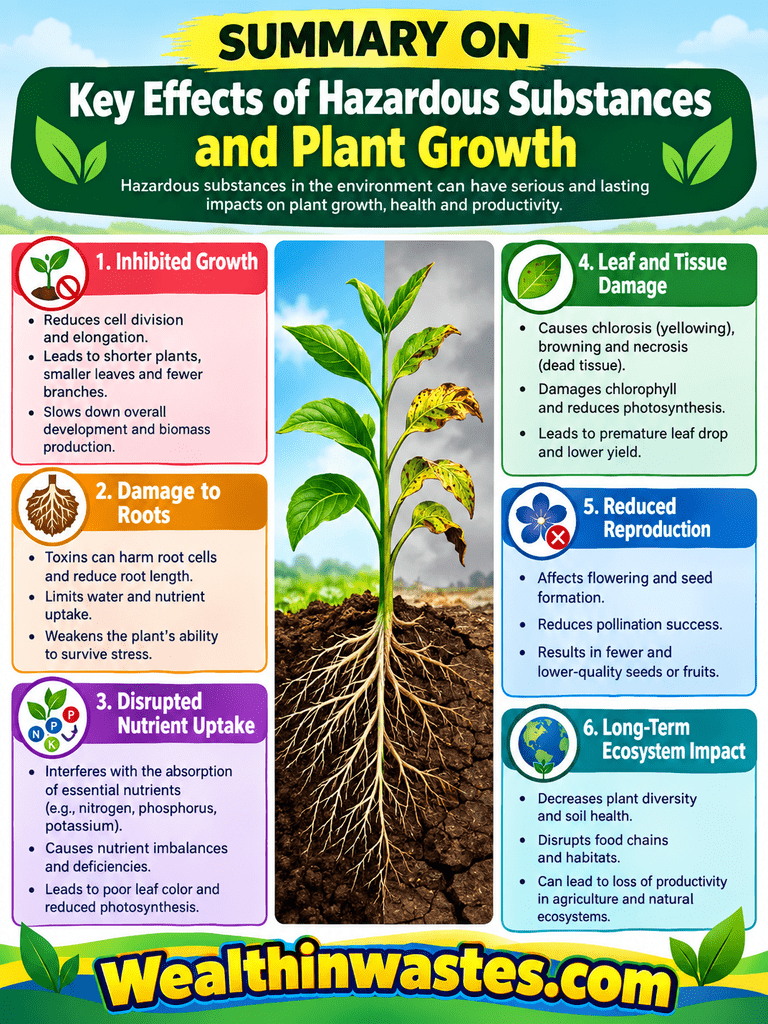
Summary on Key Effects of Hazardous Substances and Plant Growth
| Aspect | Summary |
|---|---|
| Hazardous substances | Chemicals, metals, residues, and pollutants that can damage plants, soil, water, and ecosystems. |
| Major concern | Excess contaminants can disrupt plant enzymes, membranes, roots, nutrient uptake, photosynthesis, and reproduction. |
| Heavy metals | Lead, cadmium, mercury, zinc, copper, and other metals can become phytotoxic at excessive concentrations. |
| Plant symptoms | Poor germination, chlorosis, wilting, stunted growth, reduced biomass, weak roots, and lower yield. |
| Controlling factors | Soil pH, moisture, organic matter, temperature, nutrient availability, plant species, and contaminant chemistry influence uptake. |
| Yield effects | Persistent contamination can reduce flowering, seed production, fruit yield, biomass, and farm profitability. |
| Food security | Lower crop productivity and contaminated food can create wider agricultural and public health risks. |
| Prevention | Source control, soil testing, safe irrigation, waste management, crop selection, and remediation reduce exposure. |
| Monitoring | Regular environmental and plant testing helps identify hazards before contamination causes severe agricultural losses. |
Frequently Asked Questions About Hazardous Substances and Plant Growth: Key Effects
1. What are hazardous substances in agriculture?
Hazardous substances include toxic chemicals, heavy metals, industrial residues, pesticides, petroleum-related compounds, contaminated wastewater, and other pollutants capable of harming plants, soils, animals, humans, or ecosystems.
2. How do hazardous substances affect plant growth?
They can damage roots, reduce nutrient uptake, interfere with enzymes, lower chlorophyll production, disturb water relations, increase oxidative stress, and suppress photosynthesis, biomass development, flowering, reproduction, and yield.
3. Which heavy metals can harm plants?
Lead, cadmium, mercury, copper, and excessive zinc can become toxic to plants. Their effects depend on concentration, chemical form, soil properties, exposure duration, and plant species tolerance.
4. Can polluted water affect plant growth?
Yes. Polluted irrigation water can introduce toxic substances, salts, pathogens, and excessive nutrients into soil, potentially damaging roots, disturbing nutrient balance, reducing plant growth, and lowering agricultural productivity.
5. What symptoms indicate possible plant toxicity?
Common symptoms include poor germination, chlorosis, wilting, stunted growth, reduced leaf area, weak roots, reduced biomass, premature leaf ageing, poor flowering, and declining fruit or seed production.
6. Does soil pH affect hazardous substance uptake?
Yes. Soil pH can change contaminant solubility and mobility, particularly for metals. More acidic conditions may increase the availability of certain metals, making them easier for roots to absorb.
7. How can farmers reduce contamination risks?
Farmers can test soil and water, prevent pollution at source, use safe irrigation water, manage wastes properly, apply chemicals responsibly, select suitable crops, and avoid cultivating severely contaminated sites.
8. Why is hazardous substance control important for food security?
Persistent contamination can reduce crop yields and compromise food quality. Protecting agricultural soils and water therefore supports reliable production, farm income, environmental health, and safer food for consumers.
Do you have any questions, suggestions, or contributions? If so, please feel free to use the comment box below to share your thoughts. We also encourage you to kindly share this information with others who might benefit from it. Since we can’t reach everyone at once, we truly appreciate your help in spreading the word. Thank you very much for your support and for sharing!
Read Also: Plant Growth Nutrient Requirements and Factors Affecting Plant Growth and Development