


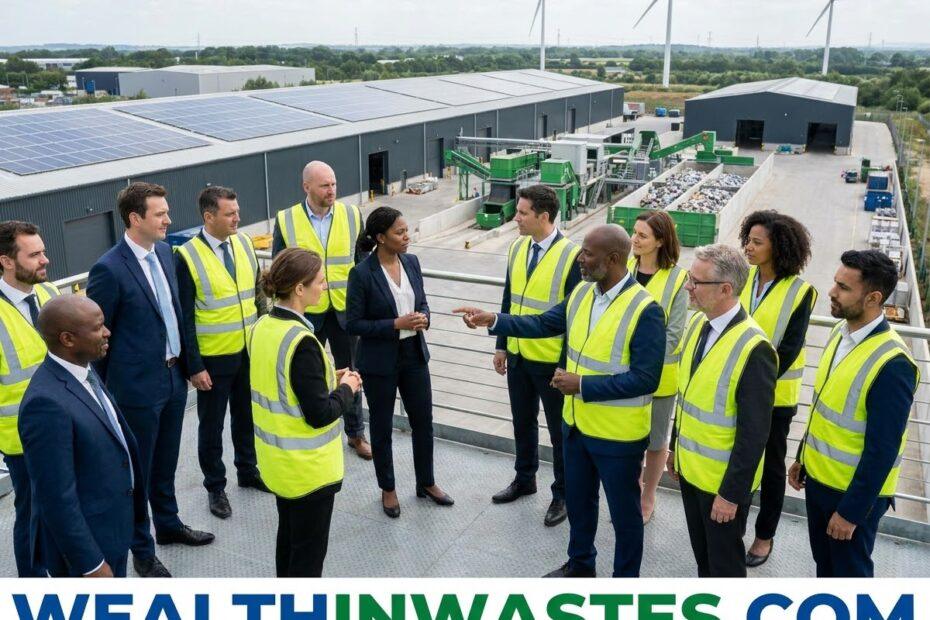
Modern economies rely on organisations that produce goods, provide services, move materials and manage resources. Their decisions shape energy use, waste generation, pollution risks and the environmental quality of surrounding communities.
Environmental management connects legal compliance, worker safety, resource efficiency and community wellbeing. Strong systems identify environmental risks early, measure performance, prevent pollution and plan for incidents before they become serious problems.
Some organisations specialise in emergency spill response, hazardous waste handling, industrial cleaning and site remediation. Others influence sustainability through packaging design, machinery efficiency, energy production, retail operations and supply-chain choices.
This distinction matters because a specialist environmental contractor does not perform the same role as a vehicle dealer, an oil and gas producer, or an engineering manufacturer. Each has different responsibilities.
The businesses covered below show how different sectors affect environmental performance, even when they do not all provide specialist environmental services. Examples include spill response, automotive retail, engineering, energy and packaging.
What Global Environmental Management Leaders Do
Global leadership in environmental management is not one official ranking. It describes organisations whose services, technology or operational decisions prevent pollution, conserve resources and manage environmental risks across supply chains.
1. Compliance and risk control: Responsible operators identify each waste stream, test uncertain materials and follow relevant permits and rules. Accurate waste classification decisions help staff select safe handling, treatment and disposal routes for each specific activity.
2. Resource efficiency: Effective leaders track water, energy, materials and emissions, then set measurable improvement targets. Good waste-management practices that protect resources can lower disposal costs, improve process control and reduce preventable pollution.
3. Accountability and transparency: Leadership also depends on reporting, trained employees, emergency plans and community communication. Businesses should publish credible results, investigate incidents promptly and avoid claiming environmental benefits without evidence from reliable measurements.
Read Also: Land Environment and Biological Environment (Biosphere) Structure of the Environment
Environmental Services and Spill Response

Environmental service companies help organisations respond to incidents, manage regulated materials and limit damage to land or water. They provide technical support, equipment and documentation that businesses may lack internally on site.
1. Miller Environmental Group: Miller Environmental Group provides emergency spill response, hazardous-material response, industrial services, waste transportation, environmental remediation and training. Its work supports commercial and industrial clients that need specialised environmental assistance.
2. Hazardous waste management: Environmental contractors help companies identify, package, transport and route dangerous residues through appropriate facilities. Understanding common hazardous waste categories also helps workers avoid unsafe handling and accidental mixing.
3. Waste identification and treatment: Businesses should identify the source, composition and risks of industrial residues before choosing a treatment method. Learning to trace hazardous waste sources and classifications supports safer decisions.
4. Pollution prevention: Environmental professionals also help clients improve chemical storage, worker training and incident preparedness. Stronger controls over hazardous chemicals can reduce exposure risks for employees, nearby communities and natural ecosystems.
Automotive Retail and Regional Supply Chains
Krause Auto Group illustrates the automotive retail side of the economy, with dealerships offering vehicle sales, servicing, parts and repairs. These activities support employment, transport access and regional suppliers in the communities where dealerships operate.
Vehicle sales and servicing also generate used oil, batteries, tyres, damaged parts and workshop chemicals. Clear solid-waste categories and sources help staff separate materials requiring different handling and recovery methods.
Dealers can strengthen waste-prevention and recovery priorities by extending parts life, purchasing durable supplies, maintaining equipment and working with licensed contractors. Proper records also help staff demonstrate compliance with applicable local requirements.
The Jennings Group in Eugene, Oregon, needs careful treatment: its public website describes property-management services, not automotive dealerships. The name alone does not verify it as an automotive-sector example or an environmental-management leader.
Automotive businesses matter to environmental management indirectly through purchasing decisions, maintenance standards, energy use and waste contracts. They should not be labelled specialist environmental leaders unless they demonstrate relevant services and measurable environmental results.
Engineering Equipment and Advanced Manufacturing

Manufacturing groups influence environmental outcomes through factory design, material choices, equipment efficiency and maintenance. They are not necessarily environmental consultancies, but their products can help customers use resources more effectively.
1. Manitou Group: Manitou Group develops and manufactures material-handling, access-platform and earthmoving equipment for construction, agriculture and industry. Reliable machinery, suitable maintenance and efficient operation can support productivity while helping customers manage resource use.
2. Kaman Corporation: Kaman supplies engineered products for aerospace, defence, industrial and other specialised markets. Its components support complex industrial systems, where material efficiency, product reliability and responsible supplier practices influence wider environmental performance.
3. Industrial waste prevention: Manufacturers must identify industrial waste sources, measure their environmental effects and manage residues carefully. Strong controls reduce the chance that factory chemicals, process residues or contaminated materials harm workers and ecosystems.
4. Safe production: Factory managers should inspect equipment, prevent leaks and store chemicals correctly. Recognising hazardous waste characteristics helps staff determine when ordinary handling methods cannot provide sufficient protection.
Energy Production and Environmental Responsibility
MOL Group operates across oil and gas exploration, production, refining, petrochemicals and retail. Its position in the global economy makes reliable emissions control, process safety and spill prevention essential throughout its operations.
Energy operations can affect air quality, soil, biodiversity and water systems through extraction, transport, refining and product use. Understanding how waste affects surrounding environments helps organisations identify risks and plan corrective action.
Storage tanks, pipelines, waste-treatment areas and loading points need regular inspection. Operators should protect underground water and aquifers by preventing leaks, managing runoff and responding quickly to contamination near industrial sites.
Environmental management does not require hiding trade-offs. It requires measuring impacts honestly, complying with applicable laws, improving efficiency where possible and preparing for the environmental effects that operations cannot eliminate.
Sustainable Packaging and Material Solutions

Packaging manufacturers influence environmental performance through raw-material choices, product design, production efficiency and end-of-life planning. Their decisions can reduce unnecessary material use and improve recovery when suitable collection and processing systems exist.
1. Mondi Group: Mondi Group supplies paper and packaging solutions across many sectors. Its sustainability programme focuses on circular products, material efficiency and designs intended to support reuse, recycling or composting where suitable systems exist.
2. Lacerta Group: Lacerta Group specialises in thermoformed packaging, including PET products and custom designs. Businesses should check local recycling capacity because some plastic packaging types resist ordinary recycling routes.
3. Material recovery: Packaging teams should minimise excess material, separate clean recoverables and assess reuse options. Metal recovery and recycling save resources, while suitable organic residues may benefit from controlled kitchen-waste composting methods.
How Businesses Can Choose Environmental Partners
Choosing an environmental service provider requires more than comparing prices. Businesses should define the problem, identify the waste or pollutant involved and establish the technical support, response time and documentation they need.
Before appointing a contractor, check relevant permits, staff competence, insurance, equipment and experience with similar materials. Businesses seeking suitable recycling facilities should also confirm what each facility accepts.
Every waste stream needs an appropriate destination. Managers should understand available treatment and recovery options and consider landfill types and their functions when disposal remains necessary after prevention, reuse and recycling options have been assessed.
Businesses in Africa should assess local collection capacity, transport distances, environmental permits and emergency-response availability. A practical partnership combines technical competence, transparent costs, reliable records and knowledge of the regulations governing the operating area.
Environmental Management Lessons for African Businesses

1. Establish a baseline: Record energy, water, fuel, packaging, waste quantities and incidents. Better waste planning can support economic performance by revealing avoidable costs and identifying improvements that deliver measurable results.
2. Build practical partnerships: Work with licensed collectors, recyclers, universities, regulators and community groups. Suitable uses for agricultural by-products can create value, but hygiene, transport, technical suitability and local market demand still matter.
3. Measure progress honestly: Set targets for waste reduction, recycling, energy use and incident response. Aluminium recovery and reuse can conserve resources, while verified records help businesses avoid unsupported environmental claims.
Summary on Global Leaders in Environmental Management: Industries and Expertise

| Industry or Area | Example Organisation | Main Expertise or Contribution |
|---|---|---|
| Environmental services | Miller Environmental Group | Spill response, hazardous waste services, remediation and industrial support. |
| Automotive retail | Krause Auto Group | Vehicle sales, servicing, parts and regional employment. |
| Engineering equipment | Manitou Group | Material handling, access platforms and earthmoving equipment. |
| Advanced manufacturing | Kaman Corporation | Engineered products for aerospace, defence and industrial applications. |
| Energy | MOL Group | Oil and gas operations, refining, petrochemicals and retail energy services. |
| Paper and packaging | Mondi Group | Paper products and packaging solutions with circularity objectives. |
| Specialised packaging | Lacerta Group | Thermoformed packaging, PET products and custom packaging design. |
| Environmental management | Businesses across all sectors | Pollution prevention, legal compliance, resource efficiency and responsible waste management. |
Frequently Asked Questions About Global Leaders in Environmental Management: Key Industries
1. What Do Global Environmental Management Leaders Do?
They help organisations control pollution, manage waste, improve resource efficiency, meet environmental requirements and reduce operational risks through specialist services, responsible products and measurable improvement programmes.
2. Is Miller Environmental Group an Environmental Services Company?
Yes. Miller Environmental Group provides services that include emergency spill response, industrial support, waste transportation, environmental remediation and training for commercial, industrial, government and municipal clients.
3. Are All the Listed Companies Environmental Management Specialists?
No. Miller Environmental Group specialises in environmental services, while the other examples mainly represent automotive retail, engineering, energy or packaging. Their environmental responsibilities differ according to their operations.
4. How Does Packaging Affect Environmental Management?
Packaging influences resource consumption, transport efficiency and waste generation. Better material choices, efficient designs, reuse and suitable recycling systems can reduce environmental impacts throughout a product’s life cycle.
5. Why Must Businesses Classify Waste Correctly?
Correct classification helps businesses select suitable storage, handling, transport, treatment and disposal methods. It also improves worker safety, supports legal compliance and reduces unnecessary environmental damage and costs.
6. How Can African Businesses Improve Environmental Performance?
African businesses can measure waste and energy use, prevent pollution, separate recoverable materials, train workers and partner with qualified local providers. Regular reviews help track progress and identify practical improvements.
Do you have any questions, suggestions, or contributions? If so, please feel free to use the comment box below to share your thoughts. We also encourage you to kindly share this information with others who might benefit from it. Since we can’t reach everyone at once, we truly appreciate your help in spreading the word. Thank you very much for your support and for sharing!
Read Also: Air Pollution and Its Impact on Agriculture