


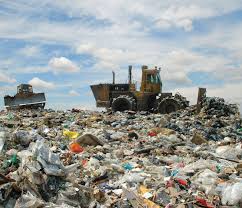
Accurate waste determination methods help generators identify what they produce, understand potential hazards, and choose appropriate management practices. The process connects waste composition with regulatory duties, environmental protection, worker safety, and disposal decisions.
A waste stream should never be classified from appearance alone because similar materials can have different chemical properties. Reliable determination combines information about the generating process, materials used, residues formed, and available analytical evidence.
Laboratory testing can provide measured evidence about waste properties, while acceptable knowledge can explain composition through process records and technical documents. Using suitable evidence improves classification accuracy and supports management decisions.
Representative sampling also matters because a poorly collected sample may not reflect the broader waste stream. Sampling plans should account for variability, container conditions, physical form, contamination, and changes during handling or storage.
Good documentation completes the determination process by showing how a conclusion was reached and what evidence supports it. Organized records can improve regulatory inspections, reduce unnecessary disposal costs, and make future reassessment much easier.
Understanding Waste Determination Methods
Waste determination means deciding whether a particular waste stream meets applicable criteria for hazardous or non-hazardous management. The decision should reflect the waste’s origin, composition, characteristics, and regulatory classification requirements.
Generators commonly begin by identifying every distinct waste stream produced by their activities, including process residues, contaminated materials, discarded chemicals, sludges, wastewater residues, and other disposal materials requiring careful classification and management.
The waste determination process provides a structured way to identify waste streams, assess whether they fall within regulated categories, determine applicable hazards, and document the final decision.
Accurate classification can prevent two costly mistakes. Under-classification may create environmental or compliance risks, while over-classification can impose unnecessary treatment, transportation, storage, and disposal costs on a generator.
Understanding characterization data also helps generators connect physical observations with measured composition. This improves consistency when different batches, production periods, or operating conditions produce variable waste.
A determination should remain traceable from the original process through final classification. That traceability allows staff, consultants, laboratories, and regulators to understand the evidence supporting each decision and identify when reassessment becomes necessary.
Read Also: Listed or Characteristics of Hazardous Wastes
Laboratory Analysis for Waste Determination

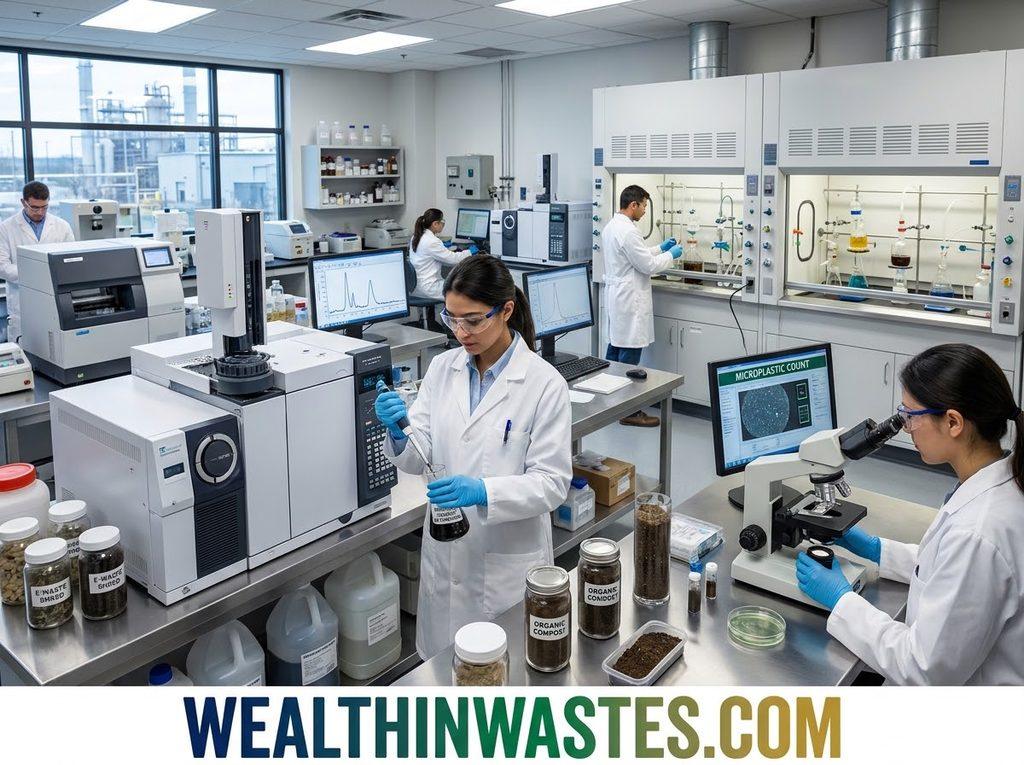
Laboratory analysis provides measured information about waste properties when process knowledge cannot establish reliable classification. Testing should target relevant characteristics or constituents. A clear management framework puts testing into context, supporting safer handling.
1. Select a qualified laboratory: Choose a laboratory that meets certification, accreditation, or competency requirements applicable to the jurisdiction and analytical work. Confirm that it can perform required methods for the characteristics under review.
2. Define analytical needs: Discuss sample quantities, containers, preservation requirements, holding times, transportation conditions, and analytical methods with the laboratory before collection. Early coordination reduces unsuitable samples, delays, and retesting.
3. Match methods to hazards: Select test procedures that measure relevant properties such as pH, flash point, reactive behavior, or specified contaminants. The method should suit the waste matrix and regulatory question consistently.
4. Review laboratory results: Compare analytical findings with applicable thresholds, listings, and characteristic criteria. Interpret results within sampling quality, detection limits, laboratory controls, and the actual waste stream represented.
5. Retain analytical evidence: Keep laboratory reports, sample identifiers, chain-of-custody records, method references, quality-control information, and interpretation notes with the determination file. Complete documentation strengthens defensibility during inspections and audits.
Representative Sampling for Waste Determination
Representative sampling aims to obtain a sample that reasonably reflects the waste stream being evaluated. The approach becomes especially important when composition changes across containers, production batches, storage areas, or operating conditions.
A sound sampling plan should consider the waste’s physical state, consistency, distribution, and variability before field work begins. sampling tools can guide equipment selection and collection planning for representative samples.
Sampling personnel should avoid introducing contamination, losing volatile constituents, altering chemical reactions, or changing the physical structure of the material. Equipment should suit the waste and should not react with the sample.
Field observations should accompany analytical work because unusual odors, pressure, layering, color changes, container damage, or separate phases may indicate conditions affecting safe collection or interpretation during field activities.
After collection, sample integrity guidance should protect integrity during labeling, transport, storage, and laboratory delivery. Clear identifiers and complete field records make results easier to trace throughout the analytical process.
Quality assurance strengthens confidence in the final result by documenting sampling locations, equipment, deviations, handling conditions, analytical methods, and other factors that could influence the interpretation of the waste determination.
Acceptable Knowledge in Waste Determination
Acceptable knowledge uses documented information about materials, processes, chemistry, and waste generation to support a determination without relying entirely on laboratory testing. Evidence should explain the waste characteristics. A minimization approach can reveal changes.
1. Process information: Review production steps, operating conditions, raw materials, additives, reaction stages, cleaning activities, and residues generated. Changes in these factors may alter the composition or hazard profile of resulting waste.
2. Technical references: Use published technical information, chemical references, reaction data, product information, and reliable guidance when they directly support classification. Multiple sources may provide stronger evidence than one document.
3. Process diagrams: Examine flow diagrams and chemical reactions to identify where contaminants enter, transform, concentrate, or leave production. These records can explain hidden constituents. The source reduction practices may reveal changes.
4. Waste history: Compare analytical results, inspection findings, treatment records, and historical profiles when conditions remain comparable. Information becomes less reliable after major changes. This review can identify contaminants and support reassessment.
5. Documented conclusion: State clearly how available knowledge supports the hazardous or non-hazardous classification. Record assumptions, limitations, supporting references, and conditions that could require additional sampling or testing for future verification.
Safety Data Sheets and Waste Profiles
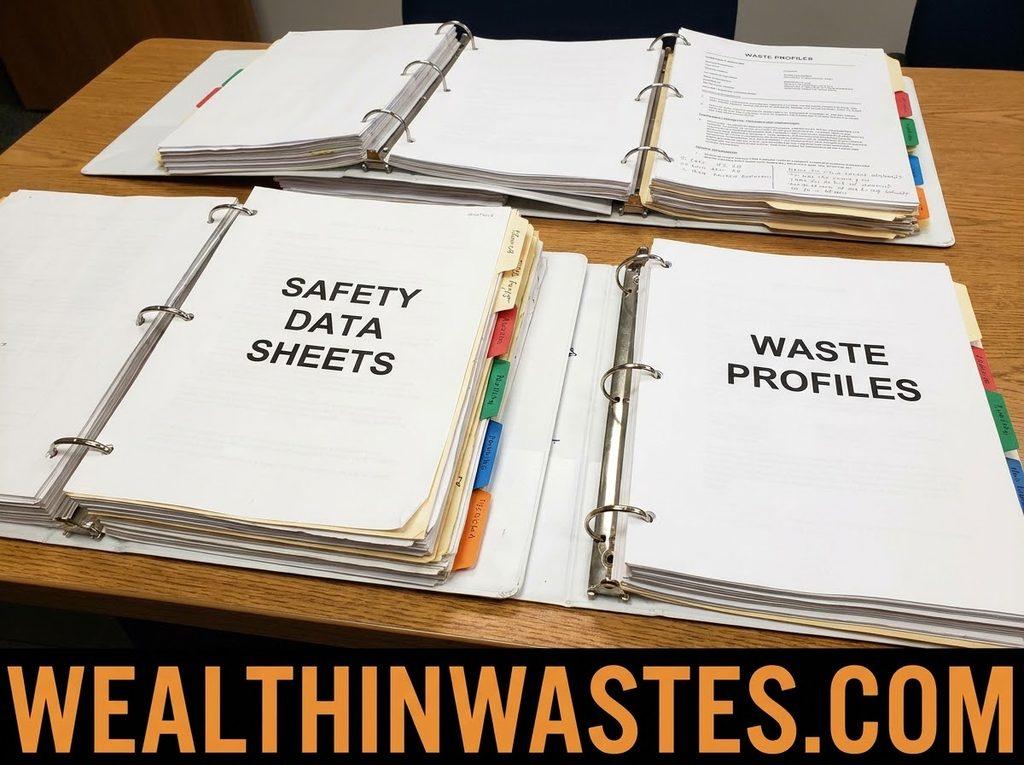
Safety Data Sheets can support waste determination by describing chemical ingredients, physical hazards, handling precautions, and material properties. However, an SDS describes the commercial product, not the waste after processing. Hazardous treatment guidance explains classification.
An SDS may provide useful information about properties such as flash point, pH, incompatibilities, or known hazards associated with an input material. Its usefulness depends on how closely those properties relate to the generated waste.
The hazard classification guidance provides broader context for understanding hazards affecting waste handling at the facility level. Classification should still focus on the actual waste stream and applicable requirements involved.
Some constituents may occur at concentrations that an SDS does not prominently identify, while processing can change chemical composition. Therefore, an SDS should rarely serve as the only evidence supporting determination.
Waste Profiles And Supporting Evidence
Waste profiles help generators and treatment, storage, or disposal facilities communicate information about characteristics, quantities, composition, hazards, and acceptance requirements for specific waste streams and management facilities. Clear profiles improve communication before acceptance.
Profile information should be supported by laboratory results or defensible process knowledge rather than assumptions. Generators should review profiles carefully with receiving facilities to ensure descriptions match the actual waste and management requirements.
Record Keeping for Waste Determination
Record keeping turns a waste determination from an informal conclusion into a documented environmental management decision. Records should show the waste, evidence used, analytical basis, and classification. Good files should connect determinations with appropriate treatment.
1. Waste stream description: Record the source, process, physical form, generation point, typical quantity, and distinguishing features of each waste stream. Clear descriptions prevent different materials from being incorrectly grouped together.
2. Sampling records: Preserve sampling dates, locations, equipment, procedures, sample identifiers, handling details, and laboratory instructions. Detailed records show whether collected material reasonably represented the waste under evaluation.
3. Analytical documentation: Keep laboratory reports, methods, detection limits, quality-control information, certifications where applicable, and written interpretations of results. These documents connect findings directly to the waste determination and the final conclusion.
4. Knowledge-based evidence: File SDS documents, process diagrams, reaction information, published references, waste histories, and supporting records used for classification. Keep these materials organized and cross-referenced. Relevant technical terminology should remain clear.
5. Final determination statement: Document whether the waste is hazardous or non-hazardous, identify applicable classifications or codes where required, and explain the evidence supporting the conclusion. Keep the complete record readily accessible for review.
Reviewing Waste Determination Results
Waste determination is not always permanent because production systems, raw materials, chemical formulations, equipment, and operating conditions can change. Reassessment helps confirm current classifications. Facilities can compare conditions with industrial waste impacts when reviewing risks.
The solid waste management objectives show why identification should support safe handling, environmental protection, recovery, and disposal. Agricultural facilities can also consider agricultural waste impacts when reviewing farm-related waste streams.
Reassessment becomes important when a process changes, a supplier changes formulation, new contaminants appear, or waste characteristics become more variable. Such events can invalidate assumptions used in a previous determination or alter the waste profile.
Generators can compare current results with historical records to identify trends. Significant differences should prompt investigation rather than reliance on older profiles, especially after process changes. Industrial effluent impacts may also justify renewed characterization.
The hierarchy guidance reinforces prevention, recovery, and suitable management options that reduce environmental risk across the broader waste system. This supports practical review, safer decisions, and consistent environmental controls over time.
A practical review schedule should reflect legal requirements, facility conditions, waste variability, and the consequences of misclassification. Where guidance or permits specify reassessment intervals, generators should follow those requirements and maintain current documentation.
Key Steps for Accurate Waste Determination
Accurate waste determination follows a logical sequence linking waste generation, classification, evidence, documentation, and review. A consistent sequence reduces overlooked information and makes decisions easier to defend. Following integrated management principles keeps determinations connected.
1. Identify each waste stream: List all distinct wastes and describe where, when, and how each one originates. Separate materials when their processes, compositions, or management requirements differ before collecting unnecessary samples.
2. Determine applicable categories: Check whether each waste falls within relevant solid-waste exclusions, listed categories, or characteristic criteria. The waste classification framework can help explain these distinctions under applicable requirements.
3. Gather evidence: Use representative sampling, laboratory analysis, acceptable knowledge, or an appropriate combination. disposal options should only be considered after the waste characteristics are properly understood.
4. Document the decision: Record conclusions, supporting evidence, assumptions, test results, and applicable classifications. Maintain records in an organized system for quick retrieval during inspections, audits, or reviews. Specialized treatment technologies should follow accurate classification.
5. Reevaluate when needed: Recheck the determination after process changes, material changes, unusual waste variability, new information, or other events that could alter composition or hazards. Accurate records make this reassessment faster and more reliable.
Read Also: Importance of Waste Management to Environmental Sanitation
Summary on Waste Determination Methods: How to Classify Waste Correctly
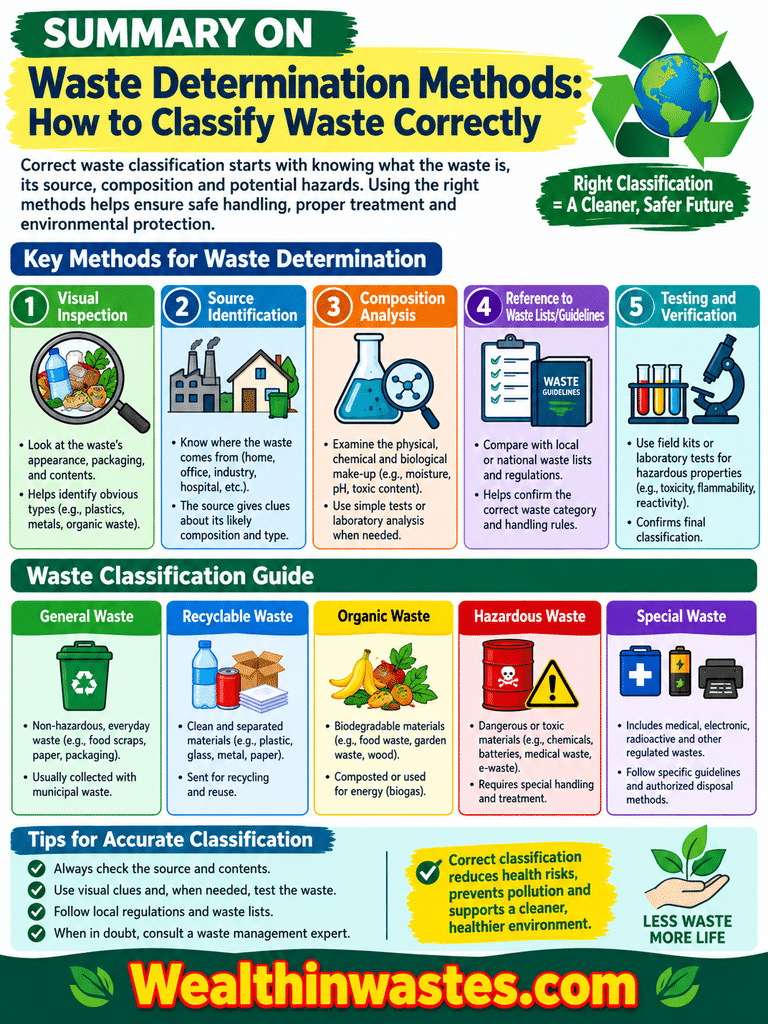
| Section | Main Idea | Why It Matters |
|---|---|---|
| Waste Determination | Identifies and classifies each waste stream using reliable evidence. | Supports safe management and defensible classification. |
| Laboratory Analysis | Measures relevant waste properties or constituents through suitable testing. | Provides objective data when process knowledge is insufficient. |
| Representative Sampling | Collects material that reasonably reflects the broader waste stream. | Improves reliability of analytical results and classification. |
| Acceptable Knowledge | Uses documented process, chemical, and historical information. | Supports determinations when evidence directly explains waste characteristics. |
| Safety Data Sheets | Provides useful information about input materials and their hazards. | Helps inform decisions but should not automatically replace waste-specific evidence. |
| Waste Profiles | Summarize characteristics, quantities, composition, and acceptance information. | Improves communication between generators and receiving facilities. |
| Record Keeping | Preserves sampling, analytical, process, and determination records. | Makes inspections, audits, and future reviews easier. |
| Review | Reassesses classifications after significant changes or unusual variability. | Keeps the determination aligned with the current waste stream. |
Frequently Asked Questions About Waste Determination Methods: How to Classify Waste Correctly
1. What are waste determination methods?
They are procedures used to decide whether a waste stream is hazardous or non-hazardous using testing, process knowledge, or both.
2. Why is representative sampling important?
It helps ensure laboratory results reflect the actual waste stream rather than a contaminated, unusual, or incomplete sample.
3. Can an SDS determine whether waste is hazardous?
An SDS can provide useful input information, but it may not fully describe changes or constituents present after processing.
4. When should laboratory analysis be used?
Use laboratory analysis when available knowledge cannot reliably establish waste characteristics, concentrations, or other criteria required for classification.
5. What records should support a determination?
Keep waste descriptions, sampling records, laboratory reports, process information, SDS documents, references, conclusions, and reassessment records.
6. When should waste determinations be reviewed?
Review them after process or material changes, unusual variability, new information, or other events that could alter waste composition.
7. What is a waste profile?
A waste profile summarizes important information about a waste stream so a receiving facility can evaluate acceptance, handling, treatment, and disposal needs.
8. How can accurate determination reduce costs?
Correct classification can prevent unnecessary hazardous-waste management expenses while reducing risks created by incorrectly treating hazardous material as ordinary waste.
Do you have any questions, suggestions, or contributions? If so, please feel free to use the comment box below to share your thoughts. We also encourage you to kindly share this information with others who might benefit from it. Since we can’t reach everyone at once, we truly appreciate your help in spreading the word. Thank you very much for your support and for sharing!
Read Also: Proper Farm Waste Management Guide