


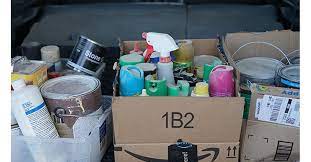
Household hazardous waste (HHW) refers to discarded household products containing substances that may harm people, animals, property, or the environment when residents handle them incorrectly or dispose of them carelessly.
Unlike ordinary rubbish, these materials may be poisonous, corrosive, flammable, reactive, or damaging to ecosystems. They can occur in kitchens, bathrooms, garages, gardens, workshops, and storage cupboards throughout a home.
Many residents overlook leftover paint, expired pesticides, batteries, automotive fluids, and strong cleaners because they seem like ordinary household products. Yet small quantities can create serious risks when mixed, burned, spilled, or poured into drains.
Correct handling begins before disposal: buy only what you need, read product labels, keep materials in suitable containers, and separate hazardous items from ordinary rubbish from the moment you bring them home.
Collection and disposal options vary across African communities, so households should contact local councils or authorised waste operators for current guidance rather than assume every product belongs in general refuse.
What Is Household Hazardous Waste?
Household hazardous waste is discarded material from homes that may be poisonous, corrosive, flammable, reactive, or otherwise harmful. It forms a special part of the domestic solid waste stream collected by communities.
Unlike food scraps and many recyclable items, HHW needs separate handling because chemicals or containers can harm people, wildlife, soil, and water. Understand broader hazardous-waste management practices before deciding how to discard household chemicals.
Read Also: Sources and Classification of Hazardous Waste
Common Sources of Household Hazardous Waste
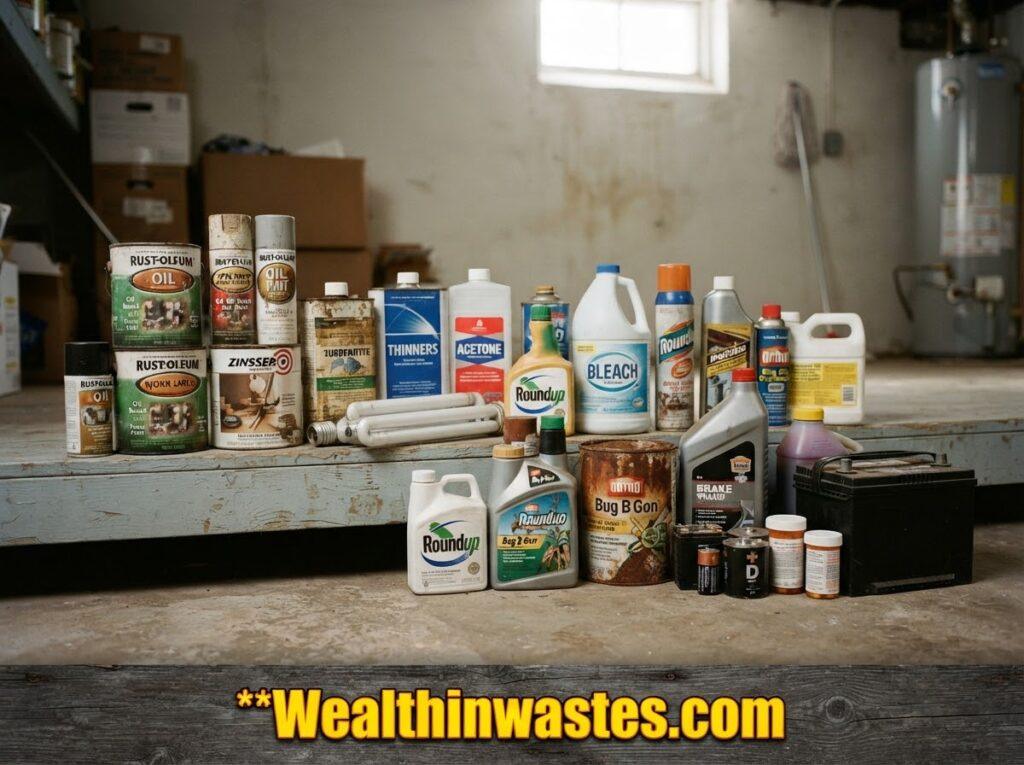
Household hazardous waste comes from everyday tasks, including home repairs, cleaning, pest control, vehicle care, and hobbies. A product’s remaining contents can still pose danger even when its package looks empty or dry.
Whether an item is classed as HHW depends on its ingredients, quantity, condition, and local waste rules. Never judge safety by smell, appearance, or the size of the container alone.
1. Repair and Renovation Products: Adhesives, glues, cement, sealants, epoxy, solvent-based paints, thinners and paint strippers may remain hazardous after work; consult safe disposal guidance for leftover products in containers that still hold residues.
2. Cleaning Agents: Oven cleaners, drain cleaners, degreasers, disinfectants, stain removers, strong polishes and solvent fluids may burn skin or release dangerous fumes. Never mix them, and follow appropriate chemical treatment advice.
3. Pesticides and Garden Chemicals: Insecticides, herbicides, fungicides, rat poisons, snail baits, wood preservatives and pesticide-based fertilisers can poison people, pets and beneficial wildlife. Check hazard sources and product labels before storage or disposal.
4. Automotive Maintenance Materials: Car batteries, used motor oil, petrol, diesel, antifreeze, brake fluids, additives and engine cleaners need separate handling because spills can contaminate soil, groundwater, wells and streams, creating wider pollution impacts.
5. Hobby and Recreation Products: Photography chemicals, swimming-pool products, hobby solvents, inks, dyes, glues, household batteries and pressurised gas cartridges may react, burn, poison, or catch fire. Check hazard labels and categories before discarding them.
6. Other Household Materials: Other examples include certain fluorescent lamps, mercury devices, unused fireworks, ammunition and asbestos-containing materials. Their risks differ, so keep them separate and ask local authorities for handling instructions before arranging collection.
Why Household Hazardous Waste Needs Careful Handling

Poor handling can turn small household leftovers into health, fire, and environmental problems. Separate storage and reliable hazardous waste collection reduce contact risks for families, waste workers, neighbours, and animals in surrounding communities.
1. Human Health Problems: Contact with hazardous products can cause skin burns, eye injuries, breathing difficulties, poisoning, or other harmful effects. Children, older people, and pets face particular risks when they reach leaking containers or exposed chemicals.
2. Soil and Water Pollution: Chemicals dumped on open ground or poured into drains may reach streams, wells and groundwater. Contamination can harm aquatic organisms, damage soil quality, and affect communities that depend on these water sources.
3. Fire and Explosion Hazards: Petrol, solvents, pressurised containers and some reactive products can ignite or explode under unsuitable conditions. Keeping them away from flames, excessive heat and incompatible substances helps prevent dangerous household and neighbourhood incidents.
4. Air Pollution: Burning hazardous household waste can release harmful smoke, fumes and particles. These emissions affect nearby residents and contribute to poor air quality, especially where people burn mixed rubbish near homes, markets or public roads.
5. Risks to Waste Workers: Unlabelled chemicals, leaking batteries and broken containers can injure collection crews and waste pickers. Following relevant public safety and environmental safeguards helps reduce avoidable exposure during collection and disposal.
How to Identify and Separate Household Hazardous Waste
Identification helps you recognise dangerous products before they enter the household rubbish stream. Check packaging, labels, product instructions and local guidance, then separate hazardous materials from ordinary refuse as soon as practical.
1. Read Product Labels: Look for warnings such as danger, poison, toxic, corrosive, flammable or caution. Read storage and disposal instructions carefully, because the label often explains the risks and recommends precautions for safe handling.
2. Keep Different Materials Apart: Separate paints, pesticides, automotive fluids, batteries and cleaning chemicals into suitable groups. The waste management hierarchy supports responsible management, but it never replaces the need to segregate hazardous materials safely.
3. Protect Recyclable Materials: Keep hazardous products away from paper, glass, metals and plastic intended for recycling. Follow appropriate waste recycling procedures, and send dangerous items only to facilities that accept them.
4. Identify Electronic Items: Batteries, damaged electrical equipment and certain lamps may contain harmful components. Consult local guidance before adding them to ordinary rubbish, and check how municipal waste treatment systems handle these materials.
5. Avoid Guesswork: Never open unknown containers, taste substances or smell chemicals closely to identify them. If a label has disappeared or a product looks unusual, seek advice from an authorised waste professional before moving it.
Safe Storage for Household Hazardous Waste
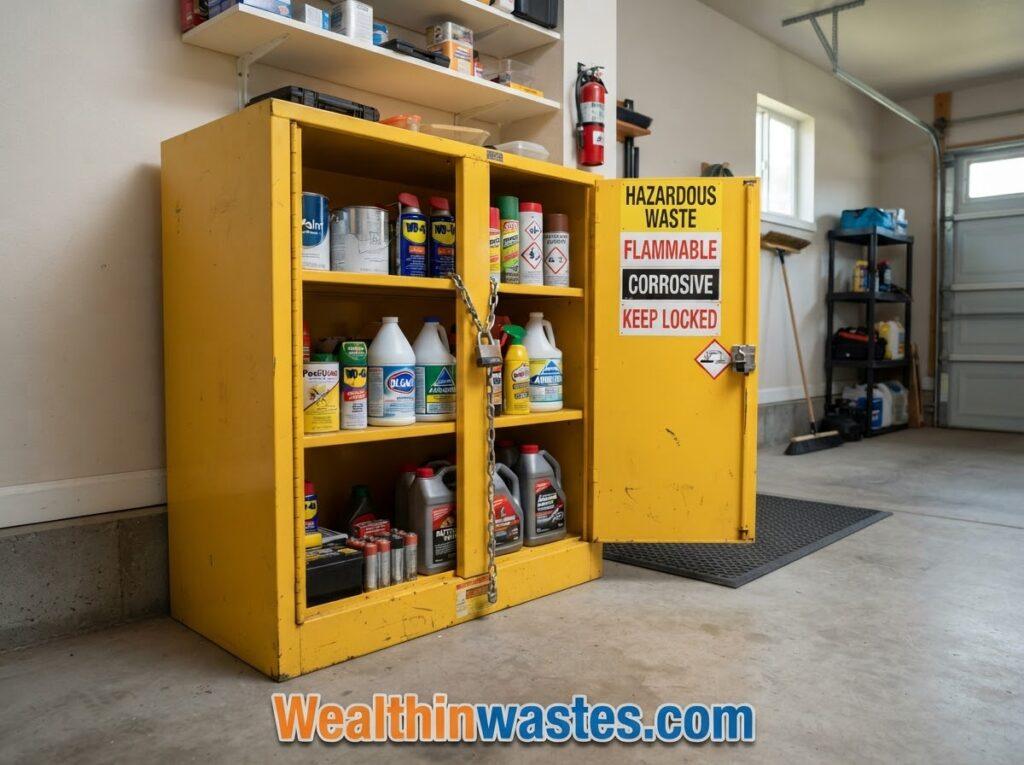
Safe storage prevents leaks, accidental contact, dangerous reactions and confusion during collection. Follow the product label first, and use suitable storage arrangements that match the substance, container condition and hazards in your home.
1. Retain Original Containers: Whenever practical, keep hazardous products in their original, labelled packaging. Never transfer chemicals into food or drink bottles, because another household member might mistake the contents for something safe to consume.
2. Choose a Secure Location: Keep hazardous waste in a dry, ventilated place away from food, children, pets, flames and excessive heat. Use secure storage that prevents accidental access and protects containers from damage, rain and direct sunlight where appropriate.
3. Separate Incompatible Chemicals: Do not combine different products or pour one substance into another container containing unknown residues. Use the principles of integrated waste management alongside each product’s safety instructions to prevent reactions and leaks.
4. Inspect Containers Carefully: Check for rust, bulging, cracks, damaged caps, unusual smells nearby or visible leaks without touching suspect residues. Read essential hazardous waste safety information and contact qualified assistance when container damage creates uncertainty.
5. Respond to Spills Sensibly: Keep people away from spills, avoid direct contact, and follow emergency instructions on the label when safe. For large, unknown or reacting chemical spills, contact local emergency responders rather than attempting risky cleanup.
How to Dispose of Household Hazardous Waste Safely
Safe disposal starts with finding an accepted collection option for each material. Contact your local council, environmental authority, supplier or authorised waste operator before transporting products or placing them outside for collection.
1. Contact Local Waste Authorities: Ask which materials the local programme accepts, where collection takes place, and whether appointments or special packaging are necessary. Do not assume one council’s arrangements apply to every town or country.
2. Use Approved Collection Points: Deliver eligible materials to authorised collection facilities or organised collection events. Clear instructions and suitable handling arrangements help prevent leakage, accidental exposure and the uncontrolled release of chemicals into surrounding environments.
3. Recycle Suitable Materials: Some batteries, electrical equipment, metals and automotive fluids may enter specialised recovery programmes. Read about products recovered from hazardous waste, and use only facilities that accept the particular material.
4. Follow Specific Disposal Instructions: Do not pour pesticides, paint residues, oils or strong chemicals into sinks, toilets, gutters or streams. Never burn or bury hazardous waste, and follow local guidance for medicines and other restricted household products.
5. Transport Waste Securely: Keep containers upright, closed and protected against movement during transport, provided they remain safe to handle. Do not transport leaking or unstable chemicals yourself; ask the collection authority how to manage them safely.
6. Keep Hazardous Waste Separate: Ordinary municipal refuse contains many different household materials, as explained in the categories of municipal solid waste. Separating hazardous items prevents dangerous substances from entering collection vehicles and disposal facilities without appropriate controls.
Ways to Reduce Household Hazardous Waste at Home
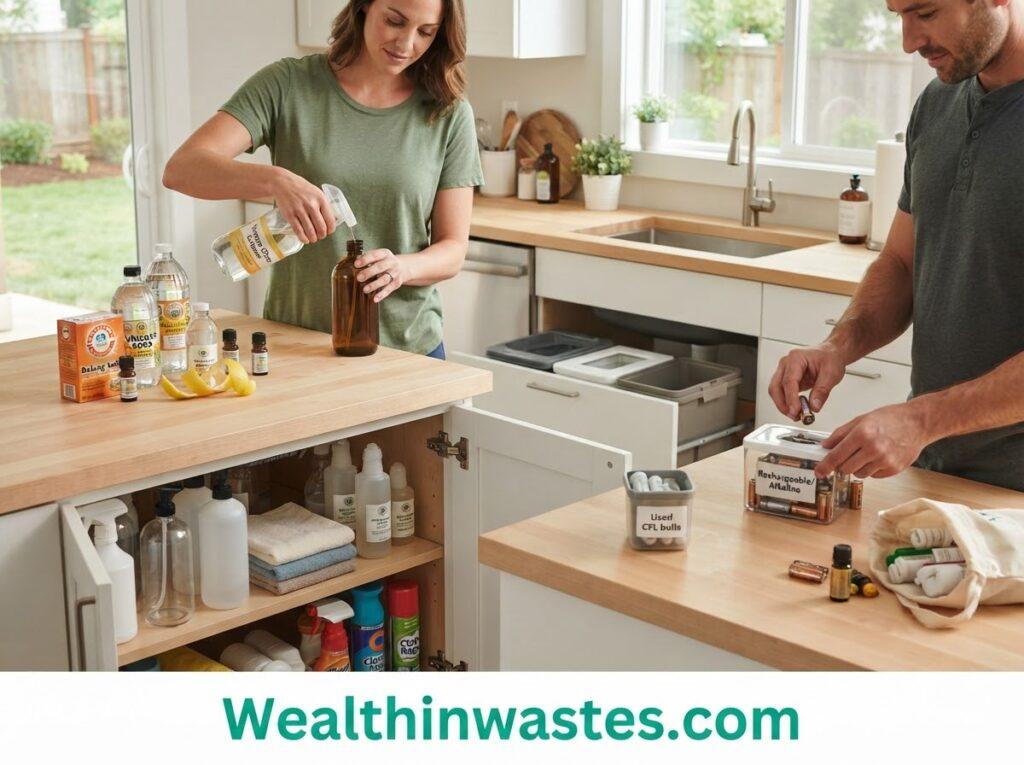
Reducing hazardous waste begins when you choose and purchase household products. Careful planning prevents unnecessary leftovers, lowers disposal costs, and reduces the amount of dangerous material that families must store between collections.
1. Buy Only What You Need: Estimate the quantity required for each repair, cleaning task or gardening activity. Smaller, suitable quantities reduce leftover chemicals, provided you select products that meet the task’s needs and follow safety directions.
2. Choose Safer Suitable Products: Compare labels and select less hazardous alternatives where they can do the job effectively. Do not assume that natural products are automatically safe, because some can still irritate, poison or react dangerously.
3. Maintain a Household Inventory: Keep track of paints, cleaners, pesticides, batteries and other products already available. Check supplies before shopping, store items correctly, and use products according to their labels before they become unwanted leftovers.
4. Reuse or Share Responsibly: Pass on an unopened, usable product only when local rules allow it and the recipient can handle it safely. Never share leaking, unlabelled, contaminated or expired products without checking the appropriate safety guidance.
5. Apply the Three Rs Carefully: The reduce, reuse and recycle approach helps minimise unnecessary waste. However, hazardous products require appropriate controls, so never reuse their containers for food, drink or unrelated household purposes.
Household Hazardous Waste Rules and Community Duties
Household hazardous waste requirements vary across countries, municipalities and waste categories. Residents should follow applicable environmental rules, product instructions and collection requirements rather than assume that one disposal method is legal or safe everywhere.
1. Follow Local Requirements: Contact the responsible environmental or sanitation authority for guidance on collection, transport and disposal. Learn about different waste categories and their sources to understand why separate treatment may be necessary.
2. Support Responsible Waste Services: Households can reduce pollution by using recognised collectors, reporting illegal dumping and keeping hazardous materials away from public drains. Community education also helps residents recognise products that ordinary rubbish collection cannot safely handle.
3. Promote Better Household Management: Families, schools, landlords and community groups can organise awareness activities that explain labels, segregation and safe collection. Consult this household hazardous waste management resource when planning practical household procedures.
Effective management requires residents to recognise hazardous products, minimise unnecessary purchases, store remaining materials safely, and use suitable collection routes. These everyday actions help protect public health and reduce environmental contamination across communities.
Read Also: Recommended Hazardous Waste Disposal Practices
Summary on Safe Handling and Disposal of Household Hazardous Waste
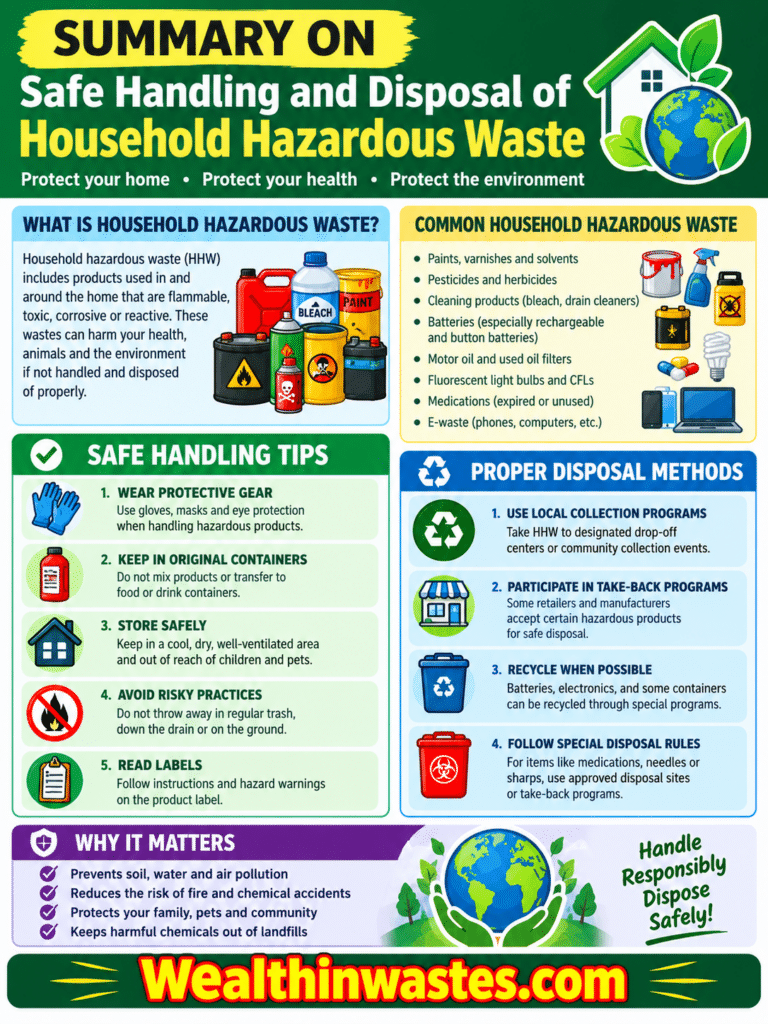
| Topic | Key Information |
|---|---|
| Meaning | Household hazardous waste includes discarded household products that may harm human health, animals or the environment. |
| Common Sources | Paints, cleaning agents, pesticides, batteries, automotive fluids, hobby chemicals and other hazardous household materials. |
| Main Risks | Poisoning, chemical burns, fires, explosions, air pollution and contamination of soil and water. |
| Identification | Read product labels, check warnings and seek professional guidance for unknown or unlabelled substances. |
| Safe Storage | Retain suitable labelled containers, separate incompatible products, and protect materials from children, pets and heat. |
| Disposal | Use authorised collection points or approved recycling programmes that accept the particular waste category. |
| Waste Reduction | Buy appropriate quantities, avoid unnecessary leftovers and choose safer products when suitable alternatives exist. |
| Legal Responsibilities | Follow applicable local requirements and consult environmental or sanitation authorities about accepted disposal routes. |
Frequently Asked Questions About Household Hazardous Waste: Safe Handling and Disposal
1. What Is Household Hazardous Waste?
It is household waste containing substances that may be toxic, corrosive, flammable, reactive or otherwise harmful when mishandled or discarded incorrectly.
2. What Are Common Examples of Household Hazardous Waste?
Examples include pesticides, strong cleaners, leftover paints, solvents, batteries, motor oil, antifreeze and certain electrical products.
3. Can I Put Household Hazardous Waste in General Rubbish?
Do not assume it is acceptable. Separate hazardous products and contact your local waste authority for the correct disposal instructions.
4. Can I Pour Hazardous Chemicals Down a Drain?
No. Chemicals may contaminate waterways, damage plumbing or react dangerously. Follow the product label and local disposal guidance instead.
5. How Should I Store Hazardous Household Products?
Keep them in suitable labelled containers, separate incompatible products and store them securely away from children, pets, heat and food.
6. Are Household Batteries Hazardous Waste?
Some batteries contain harmful materials or present fire risks. Separate them and use an approved collection or recycling programme where available.
7. Can Household Hazardous Waste Be Recycled?
Some materials can be recovered or recycled by specialised facilities. Check whether the local programme accepts the particular product before delivering it.
8. Who Should I Contact About Hazardous Waste Disposal?
Contact your local council, environmental authority, authorised waste operator or product supplier for current collection and disposal instructions.
Do you have any questions, suggestions, or contributions? If so, please feel free to use the comment box below to share your thoughts. We also encourage you to kindly share this information with others who might benefit from it. Since we can’t reach everyone at once, we truly appreciate your help in spreading the word. Thank you very much for your support and for sharing!
Read Also: Proper Farm Waste Management Guide