


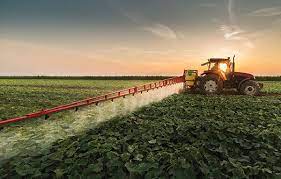
Apart from microbial degradation, pesticides can change through physical and chemical processes operating in soils, vegetation, water, and air. These reactions transform original pesticide molecules into different environmental products.
Pesticide conversion mechanisms include oxidation, hydrolysis, reduction, hydration, conjugation, isomerization, and cyclization. The resulting compounds commonly differ from their parent pesticides in structure, activity, mobility, persistence, and environmental behaviour.
Many transformation products have weaker pesticidal activity than the original compound, although some products can become more biologically active or environmentally important after chemical transformation occurs.
The environmental importance of conversion depends on where the reaction occurs, how rapidly it proceeds, which products form, and whether those products persist, move, accumulate, or interact with living organisms.
Understanding pesticide conversion therefore helps farmers, environmental managers, researchers, and regulators predict residue behaviour, evaluate contamination risks, improve pesticide management, and recognize potentially important transformation products within ecosystems.
Non-Enzymatic Conversion of Pesticides
Non-enzymatic conversion describes pesticide transformation that occurs without biological enzyme systems driving the reaction. Physical conditions and chemical agents can alter pesticide structures directly within environmental compartments.
These reactions may occur over hours, days, weeks, months, or years, depending on pesticide chemistry and environmental conditions. Several processes can operate simultaneously, making pesticide fate highly complex.
The assessment of pollutant characteristics helps explain why pesticide transformation requires attention to chemical nature, concentration, persistence, environmental location, and exposure conditions.
Physical and chemical conversion can reduce environmental persistence, but transformation does not automatically mean detoxification because some metabolites retain biological activity or develop different environmental properties.
Read Also: Soil Herbicide Interaction and Herbicide Efficacy
Physical Agents in Pesticide Conversion

Two major physical agents influence non-enzymatic pesticide conversion: light and heat. Their effects may act independently or together, accelerating chemical changes on plant surfaces, soil, water, and atmospheric particles.
1. Heat: Elevated temperatures can accelerate molecular reactions and promote thermal decomposition, especially when pesticides remain exposed to strong solar radiation or warm environmental surfaces.
2. Light: Solar radiation supplies energy that can initiate photochemical reactions, particularly when pesticide residues remain on foliage, soil surfaces, water, or other locations exposed directly to sunlight.
3. Freezing: Cold conditions can occasionally encourage pesticide breakdown when freezing forces active ingredients out of solutions, suspensions, or protective formulations, increasing later exposure to environmental reactions.
Environmental conditions can strongly affect pesticide persistence because soil degradation factors alter chemical availability, temperature responses, moisture conditions, and interactions between pesticide molecules and their surrounding environment.
The importance of physical conversion also depends on pesticide placement. Residues on exposed foliage usually receive stronger sunlight than compounds incorporated below the soil surface, reducing photochemical exposure considerably.
Solar radiation can therefore contribute to pesticide loss through both photochemical reactions and associated heating. The resulting products may possess chemical properties that differ substantially from the original compound.
The soil properties controlling pesticide mobility can further influence physical exposure by determining whether residues remain near the surface, become protected within soil, or move downward.
Hydrolysis Reactions of Pesticides
Hydrolysis involves chemical reaction between pesticide molecules and water. For many pesticides, this process provides an important degradation pathway and can split complex structures into smaller chemical fragments.
1. Ester Hydrolysis: Many pesticide esters can undergo hydrolytic cleavage, producing separate fragments that frequently show lower pesticidal activity and different mobility compared with the original parent compound.
2. Alkaline Hydrolysis: Mildly alkaline solutions can rapidly hydrolyze susceptible organophosphorus, carbamate, and pyrethroid compounds, sometimes causing substantial chemical decomposition within relatively short periods.
3. Acid Hydrolysis: Acid-catalysed hydrolysis commonly requires stronger acidic conditions, although particular pesticide structures may respond differently according to their chemical bonds and surrounding environmental conditions.
Water chemistry therefore matters greatly because pH can change reaction rates and pesticide stability. Information on water pollution sources also shows why chemical contamination deserves attention across aquatic environments.
Hydrolysis can also affect pesticides containing halogen bonds, producing hydroxylated derivatives. Epoxide-containing structures may similarly react with water, producing diols through hydration reactions.
These reactions demonstrate why pesticide conversion mechanisms can substantially alter molecular polarity and environmental behaviour. A degradation product may dissolve differently, bind differently, or move differently than its parent pesticide.
The protection of water resources remains important because transformed pesticide compounds can still enter streams, ponds, lakes, groundwater, and other water sources after environmental conversion.
Oxidation Pathways and Products
Oxidation occurs when pesticide molecules react with oxygen or more reactive oxidizing species. These reactions can occur in soil, water, air, formulations, and mixtures under suitable environmental conditions.
1. Oxygen Oxidation: Molecular oxygen can react with susceptible pesticide structures, producing oxidized compounds whose polarity, persistence, mobility, and biological properties differ from those of the original molecule.
2. Reactive Oxygen Species: Ozone, superoxide, peroxides, and singlet oxygen can provide stronger chemical reactions, particularly where light, metals, heat, or other catalysts enhance their formation.
3. Ring Hydroxylation: Aromatic pesticide rings can receive hydroxyl groups during oxidation, changing molecular structure and often increasing polarity while creating new transformation products with altered biological behaviour.
Oxidation can target methylene groups in side chains and methyl groups attached to pesticide structures. Some compounds therefore experience sequential reactions involving hydroxylation followed by additional oxidation.
Carbofuran provides an example of sequential transformation, where hydroxylation can produce 7-hydroxycarbofuran and further oxidation can form 7-ketocarbofuran under suitable conditions.
Oxidation also can produce epoxides from alkenes. Aldrin, for example, can undergo epoxidation to form dieldrin, demonstrating how a conversion product can remain biologically relevant.
Because oxidation depends partly on environmental chemistry, pollution thresholds and contaminant significance help determine whether transformed residues pose meaningful environmental concerns.
Reduction Reactions in Pesticides

Reduction reactions commonly occur where oxygen availability remains low and reducing conditions dominate. Such environments can include flooded soils, stagnant waters, wetlands, sediments, and anaerobic biological systems.
1. Low-Oxygen Environments: Anaerobic or oxygen-poor conditions can favour reduction reactions because electron-rich chemical environments support transformation pathways that differ from oxidation-dominated systems.
2.Flooded Soils: Waterlogged agricultural soils can develop reducing conditions that encourage particular pesticide transformations, especially when oxygen becomes depleted following prolonged saturation.
3. Redox Catalysts: Inorganic reducing agents and reactive metals can participate in chemical transformations, influencing pesticide structures within soils, aquatic sediments, and other environmentally reducing compartments.
Examples include reduction of nitro groups in flooded soils and conversion of pentachloronitrobenzene toward an amino analogue. These reactions illustrate how environmental conditions can redirect pesticide degradation pathways.
The relationship between reduction and water environments becomes clearer when considering pesticide transport through surface waters, where oxygen status, sediment interactions, and water movement can influence chemical fate.
Reducing environments do not always eliminate environmental risk. A transformation product may persist, move differently, or possess biological properties unlike those associated with the parent pesticide.
Groundwater conditions also deserve attention because groundwater contamination pathways can allow chemical residues to remain isolated from sunlight and experience transformation under different redox conditions.
Photodegradation of Pesticide Residues
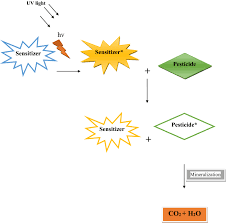
Photodegradation refers to pesticide breakdown caused directly or indirectly by light. Sunlight can provide enough energy to initiate reactions that change pesticide structures on exposed environmental surfaces.
1. Foliage Exposure: Pesticides deposited on leaves receive strong solar radiation, making photodegradation an important dissipation pathway for residues remaining on exposed plant surfaces after application.
2. Soil-Surface Exposure: Pesticides remaining on uncovered soil can undergo sunlight-driven conversion, although incorporation, shading, crop residue, and soil particles can reduce direct light exposure substantially.
3. Atmospheric Exposure: Pesticide particles and vapours present in air can also encounter sunlight and reactive atmospheric compounds capable of initiating chemical transformations.
The rate of photodegradation depends on sunlight intensity, radiation spectrum, exposure duration, pesticide structure, formulation, application method, and characteristics of the receiving environmental surface.
Plastic greenhouse coverings may transmit more ultraviolet radiation than certain glass coverings, potentially changing pesticide photolysis rates within protected cultivation systems and altering residue persistence.
Sunlight therefore represents a major environmental conversion agent, but exposure alone does not determine pesticide fate. Soil cover, vegetation, water depth, sediment association, and chemical stability also influence outcomes.
The broader environmental impact of chemical wastes demonstrates why understanding transformation products remains important even when the original pesticide concentration declines rapidly.
Factors Controlling Pesticide Conversion
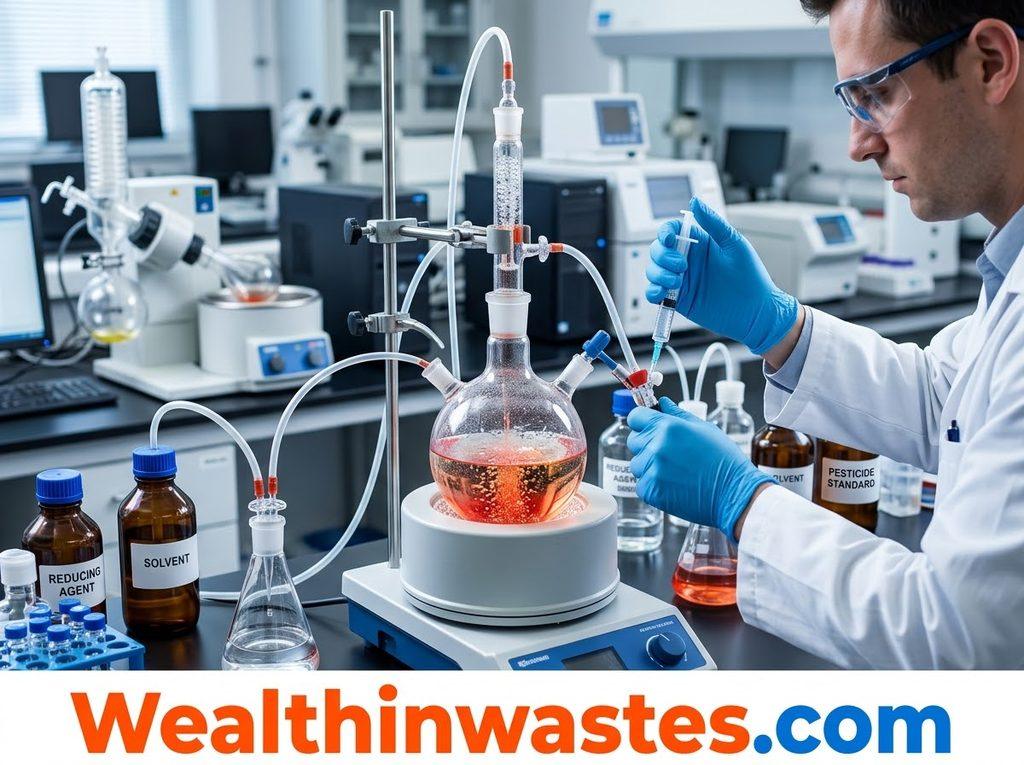
Pesticide conversion rarely depends on one environmental factor. Temperature, water, pH, oxygen availability, sunlight, soil properties, chemical structure, formulation, and exposure conditions interact to determine transformation rates.
1. Pesticide Structure: Molecular bonds, functional groups, substituents, polarity, and steric arrangement determine which chemical reactions can occur and how readily environmental agents attack particular structures.
2. Environmental Conditions: Temperature, moisture, pH, light intensity, oxygen availability, redox status, and mineral surfaces can accelerate, slow, redirect, or completely suppress particular conversion pathways.
3. Environmental Location: Pesticides on foliage, exposed soil, deeper soil layers, surface water, sediment, and atmospheric particles experience different physical conditions and therefore different opportunities for chemical transformation.
Soil texture and organic matter can influence pesticide retention and exposure. These relationships become clearer through pesticide movement and absorption processes, which determine where residues remain available for transformation.
Application practices also influence exposure because incorporation can protect pesticides from sunlight, while surface placement may increase photochemical conversion and volatilization under suitable environmental conditions.
Environmental monitoring provides another important tool because monitoring methods for pollutants can help identify pesticide residues, transformation products, concentration changes, and environmental compartments requiring closer investigation.
The interaction of these factors explains why the same pesticide can behave differently across locations, seasons, soils, water bodies, application systems, and climatic conditions.
Read Also: Roles of Producers and Corporations in Waste Management
Environmental Significance of Pesticide Conversion
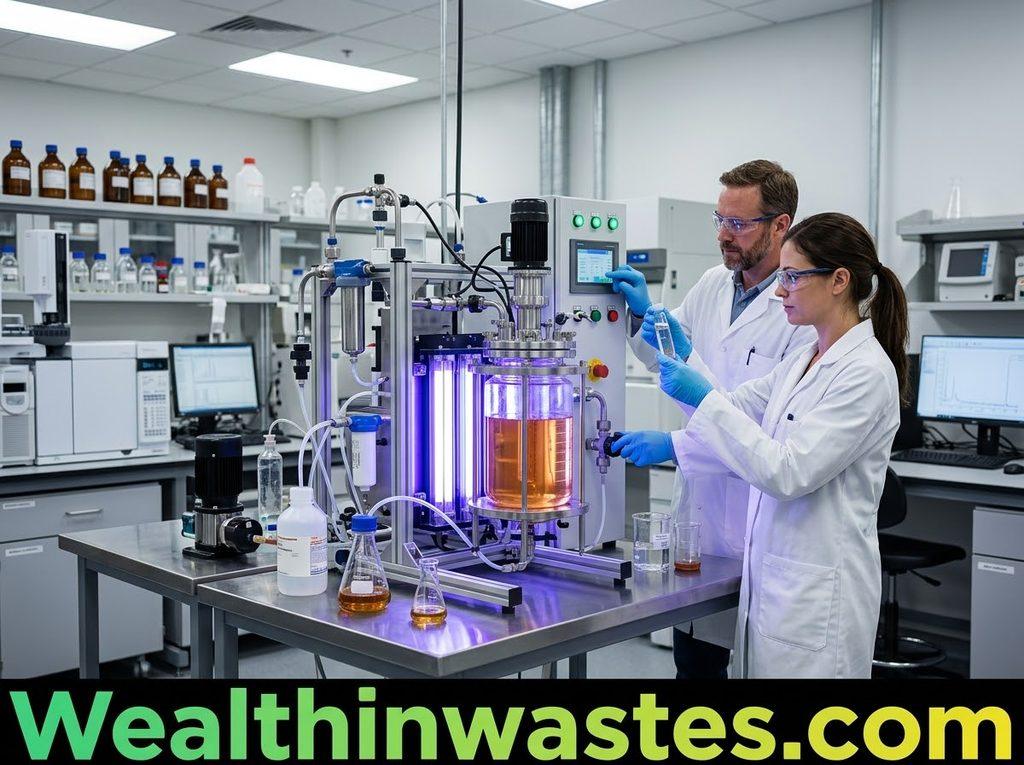
Pesticide conversion changes more than chemical concentration. Transformation can alter toxicity, biological activity, water solubility, adsorption, persistence, volatility, mobility, and interactions with organisms within contaminated ecosystems.
1. Reduced Activity: Many transformation products show lower pesticidal activity than parent compounds, which can reduce residue potency and contribute to natural dissipation within environmental systems.
2. Increased Activity: Some transformation reactions create products with greater biological activity. Such environmental activation can make a previously less significant molecule more toxicologically important.
3. Changed Mobility: Structural changes can alter solubility and soil binding, affecting whether transformation products remain nearby, move with water, enter sediments, or reach groundwater.
4. Changed Persistence: A parent pesticide may degrade rapidly while producing a metabolite that persists longer. Environmental risk therefore requires attention to both parent compounds and important transformation products.
These concerns connect pesticide conversion with wider problems of hazardous substances affecting soil and plant life, especially where transformed chemicals remain biologically active or mobile.
Contaminated land can also become a continuing source of chemical movement. Understanding land pollution pathways helps explain how residues can move between soil, water, organisms, and surrounding environments.
Pesticide conversion can also affect food safety when residues or metabolites reach crops. The relationship between chemicals and food becomes important through food contamination pathways involving environmental pollutants and agricultural inputs.
Preventive management should therefore consider the entire environmental fate of a pesticide rather than focusing only on disappearance of the original active ingredient after application.
Responsible handling remains essential because proper disposal of pesticide containers reduces opportunities for concentrated residues to enter soil, drainage systems, surface waters, and groundwater.
Safe application can also reduce waste generation. Guidance on managing dilute pesticide waste highlights the importance of preventing contaminated liquids from reaching sensitive environmental locations.
Reducing unnecessary chemical use also limits the amount of pesticide available for environmental conversion and possible metabolite formation. Practical waste reduction approaches therefore complement responsible pesticide management.
Environmental managers should recognize pesticides as part of broader pollution systems because pollutant classifications consider chemical nature, persistence, concentration, and the environmental medium receiving the contaminant.
The importance of chemical transformation also extends to water quality, where chemical pollution effects in water may include impacts on aquatic organisms, food chains, fisheries, and human uses.
Finally, contaminated disposal locations require careful environmental assessment because disposal-site environmental factors can influence groundwater protection, runoff, leachate movement, and pollutant migration.
Summary on Pesticide Conversion Mechanisms in the Environment Non-Enzymatic Conversion
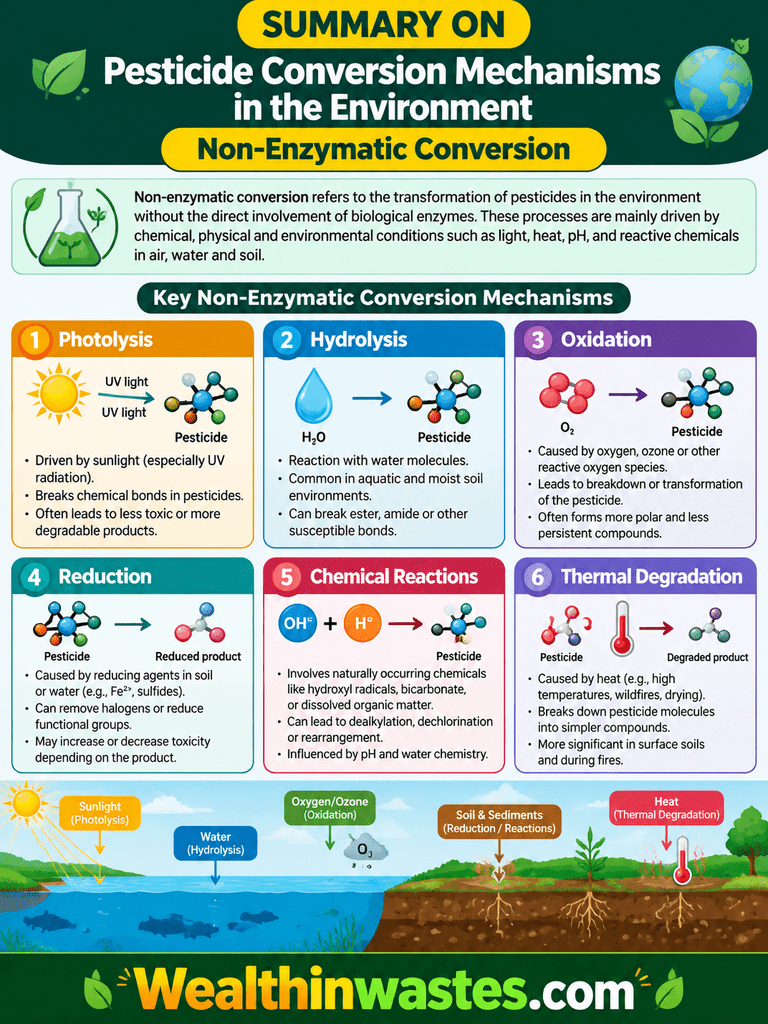
| Conversion Mechanism | Main Environmental Driver | Typical Effect | Environmental Importance |
|---|---|---|---|
| Hydrolysis | Water and pH | Splits susceptible chemical bonds | Can reduce or alter pesticidal activity |
| Oxidation | Oxygen and reactive oxidants | Adds oxygen or changes molecular structure | May create more polar or biologically active products |
| Reduction | Low oxygen and reducing conditions | Removes or changes electron-rich groups | Important in flooded soils and sediments |
| Photodegradation | Solar radiation | Light-driven molecular breakdown | Important on foliage, soil surfaces, water, and air |
| Thermal Decomposition | Heat | Accelerates chemical reactions | Can accompany sunlight-driven transformation |
| Environmental Activation | Chemical and physical conditions | Creates biologically important products | Can increase environmental significance after conversion |
Frequently Asked Questions About Pesticide Conversion Mechanisms in the Environment Explained
1. What are pesticide conversion mechanisms?
Pesticide conversion mechanisms are physical and chemical processes that alter pesticide molecules and produce transformation products with different environmental properties.
2. Which non-enzymatic processes convert pesticides?
Major processes include hydrolysis, oxidation, reduction, photodegradation, thermal decomposition, hydration, conjugation, isomerization, and cyclization.
3. Does pesticide conversion always make pesticides less harmful?
No. Many products are less active, but some metabolites can remain toxic, become more active, persist longer, or move differently within the environment.
4. How does sunlight affect pesticide conversion?
Sunlight can initiate photochemical reactions that break pesticide molecules, particularly when residues remain exposed on foliage, uncovered soil, water surfaces, or atmospheric particles.
5. Why is pH important during pesticide hydrolysis?
Acidic or alkaline conditions can change the stability of susceptible pesticide bonds and significantly increase or decrease hydrolytic breakdown rates.
6. Where are reduction reactions likely to occur?
Reduction commonly occurs in oxygen-poor environments such as flooded soils, stagnant waters, wetlands, sediments, and other strongly reducing environments.
7. Why should transformation products be monitored?
Transformation products may have different toxicity, persistence, mobility, and biological activity, so monitoring only the parent pesticide may underestimate environmental significance.
Do you have any questions, suggestions, or contributions? If so, please feel free to use the comment box below to share your thoughts. We also encourage you to kindly share this information with others who might benefit from it. Since we can’t reach everyone at once, we truly appreciate your help in spreading the word. Thank you very much for your support and for sharing!
Read Also: Safe Handling of Pesticides in Agriculture