


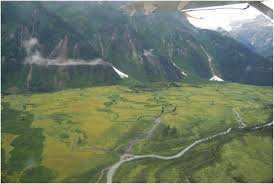
Environmental hazards are natural or human-related processes that create dangerous conditions, extreme events, environmental damage, or threats to organisms living within interconnected ecosystems across different geographical regions.
These hazards may originate from geological activities, atmospheric conditions, biological agents, industrial operations, agriculture, population growth, or poor management of natural resources and waste.
Natural hazards include earthquakes, volcanic eruptions, tsunamis, cyclones, floods, droughts, landslides, hailstorms, lightning, and extreme temperature events that can damage communities and ecosystems.
Human activities can also create environmental hazards through deforestation, mining, chemical pollution, poor waste disposal, overgrazing, industrial emissions, population pressure, and unsustainable resource exploitation.
Understanding environmental hazards helps communities identify dangerous conditions, reduce exposure, protect natural resources, strengthen preparedness, and support safer development for present and future generations.
Understanding Environmental Hazards
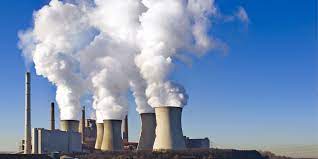
Environmental hazards describe conditions, events, substances, or processes that can harm humans, animals, plants, natural resources, infrastructure, or ecosystem functions when exposure becomes dangerous or uncontrolled.
The seriousness of a hazard depends on its intensity, duration, geographical extent, frequency, vulnerability of affected populations, preparedness level, and ability to recover after harmful events.
Environmental hazards may trigger pollution, habitat destruction, soil degradation, water contamination, biodiversity loss, disease transmission, property damage, displacement, agricultural losses, and long-term economic difficulties.
Pollution itself can become a major environmental hazard when contaminants enter air, water, or soil at levels capable of disturbing ecological processes and harming living organisms.
Pollution categories and contamination sources help explain how harmful substances move through environmental systems and create risks that may persist long after their release.
Environmental hazards can also interact with one another, making their consequences worse when natural processes combine with weak planning, unsafe settlements, pollution, poverty, or ineffective environmental management.
For example, deforestation can increase runoff and erosion, while blocked drainage can worsen flooding, showing why environmental hazards often involve several connected causes rather than one isolated factor.
Read Also: Objectives of Water Treatment and Water Treatment Processes
Natural Environmental Hazards Explained
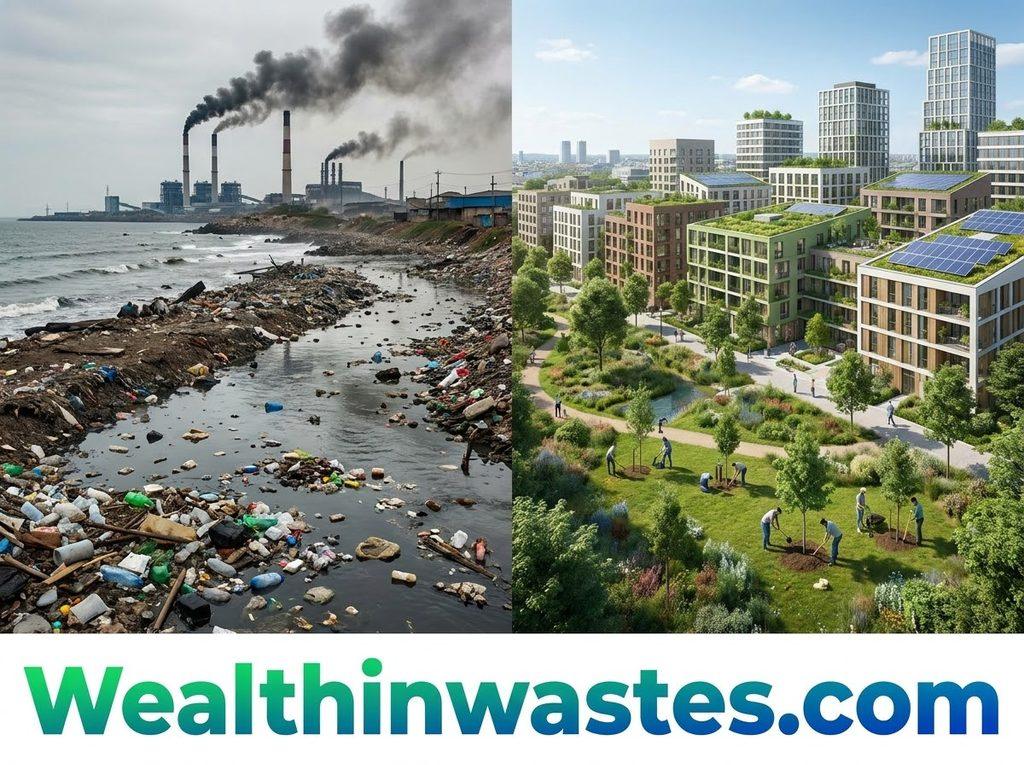
Natural environmental hazards develop mainly from natural Earth processes and atmospheric conditions, although human activities can sometimes increase their frequency, intensity, consequences, or exposure.
1. Endogenous hazards: These originate within the Earth and include earthquakes, volcanic eruptions, tsunamis, and some landslides associated with geological instability and tectonic movements.
2. Exogenous hazards: These develop mainly from atmospheric or surface processes and include cyclones, floods, droughts, lightning, hailstorms, cold waves, and other extreme weather conditions.
3. Extra-planetary hazards: These arise beyond Earth and may include astronomical events capable of affecting the planet, although their occurrence and environmental influence remain relatively uncommon.
Earthquakes can destroy buildings, roads, bridges, communication systems, and essential services while also triggering landslides, fires, ground failure, and tsunamis in vulnerable coastal regions.
Environmental damage from hazardous conditions becomes especially severe when natural disasters affect areas already weakened by pollution, poor infrastructure, unsafe development, or degraded ecosystems.
Floods and droughts can create prolonged agricultural problems because excessive water damages crops and infrastructure, while insufficient rainfall reduces soil moisture, water availability, and farm productivity.
Water contamination pathways may expand during floods because moving water can transport sediments, sewage, chemicals, waste materials, and other contaminants across large areas.
Human Causes of Environmental Hazards
Human activities can transform ordinary environmental pressures into serious hazards when people consume resources faster than ecosystems can recover or release pollutants without adequate control measures.
Rapid population growth increases demand for land, food, water, housing, energy, transportation, and employment, placing additional pressure on forests, soils, wetlands, rivers, and other resources.
Deforestation removes vegetation that protects soil, supports wildlife, stores carbon, and regulates water movement, thereby increasing erosion, runoff, habitat loss, flooding risks, and ecological imbalance.
Poor waste disposal practices can block drainage channels, contaminate water sources, pollute soils, release harmful gases, attract disease vectors, and increase environmental health risks.
Industrial operations may discharge toxic substances into air, water, and soil, particularly when factories lack appropriate treatment systems, monitoring procedures, pollution controls, or responsible waste-handling practices.
Industrial waste pollution may contain oils, acids, heavy metals, solvents, pesticides, dyes, and other substances capable of damaging ecosystems and exposing nearby communities to health risks.
Mining activities can disturb land surfaces and release pollutants, while agriculture can contribute through excessive fertilizer use, pesticide application, burning, overgrazing, and poorly managed animal waste.
Poverty can intensify environmental hazards because people facing limited resources may depend heavily on forests, marginal lands, unsafe settlements, or inexpensive practices that degrade environmental quality.
Types of Anthropogenic Environmental Hazard
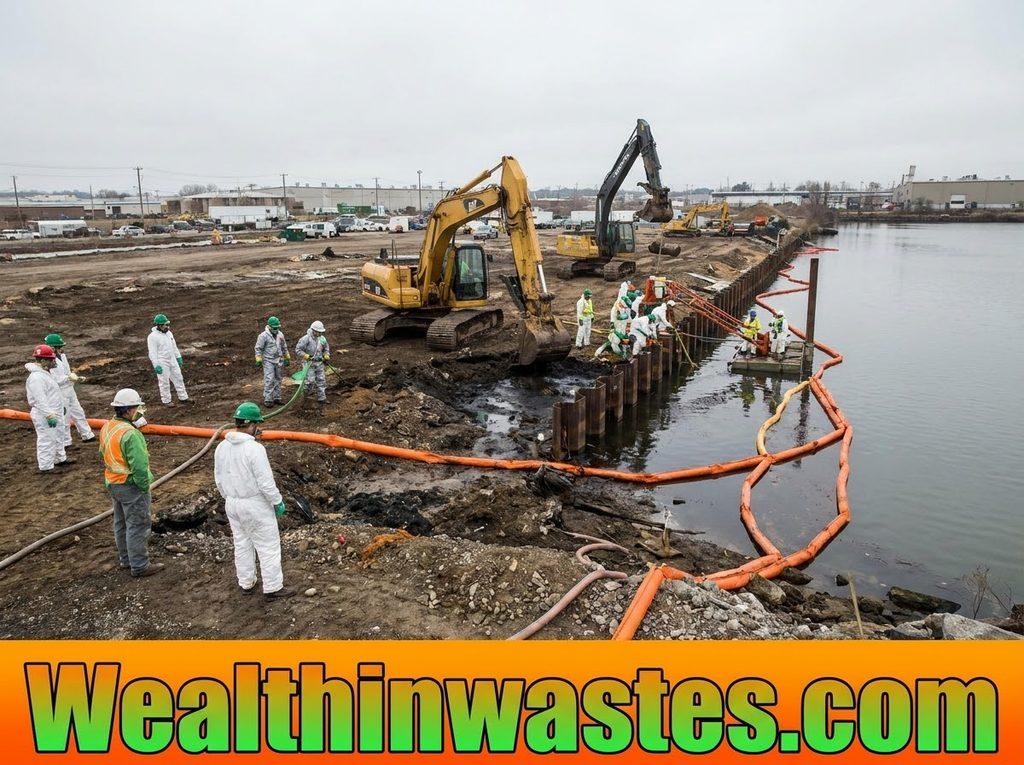
Anthropogenic environmental hazards result directly or indirectly from human activities and can be grouped according to the physical agents, chemicals, organisms, or processes responsible for harm.
1. Physical hazards: These include landslides encouraged by vegetation removal, soil erosion from overgrazing, excessive noise, unsafe waste sites, fires, radiation exposure, and hazardous working conditions.
2. Chemical hazards: These arise when toxic substances enter air, water, or soil, including pesticides, industrial chemicals, heavy metals, radioactive materials, and poisonous gases.
3. Biological hazards: These involve bacteria, viruses, fungi, insects, plants, animals, or other organisms that can spread disease, disturb ecosystems, or create harmful population increases.
4. Technological hazards: These may result from industrial accidents, infrastructure failures, transportation incidents, explosions, chemical releases, or other failures associated with complex human systems.
Hazardous materials and waste risks require careful identification, storage, transportation, treatment, and disposal because uncontrolled exposure can affect people, wildlife, soil, water, and air.
Chemical waste management practices reduce accidental releases by encouraging safe containment, appropriate handling, responsible treatment, and proper disposal procedures throughout the material life cycle.
Environmental Hazards And Ecosystem Damage
Environmental hazards can disrupt ecosystem stability by changing habitats, altering food chains, contaminating resources, reducing biodiversity, and weakening the natural processes that support ecological balance.
When forests disappear, wildlife loses shelter and feeding areas, while exposed soils become more vulnerable to erosion, nutrient loss, runoff, and declining biological productivity.
Oil contamination effects can damage aquatic organisms, reduce water quality, coat vegetation, alter habitats, and interfere with economic activities that depend on healthy coastal and freshwater ecosystems.
Plastic materials can accumulate in terrestrial and aquatic environments, where they may injure animals, obstruct drainage, reduce visual quality, and persist for long periods before substantial degradation occurs.
Plastic waste pollution can therefore become an environmental hazard when accumulation exceeds the capacity of communities and ecosystems to manage or safely contain discarded materials.
Water pollution can reduce dissolved oxygen, introduce toxic substances, encourage disease transmission, and damage aquatic food webs, especially where sewage, industrial effluents, and agricultural runoff enter water bodies.
Proper wastewater treatment helps reduce contaminants before discharge and therefore protects rivers, groundwater, wetlands, aquatic organisms, and communities that depend on these resources.
Landfills and unmanaged waste sites can also create localized hazards through leachate, unpleasant odors, methane generation, fires, pests, and contamination of nearby soil and water.
Major Effects Of Environmental Hazards
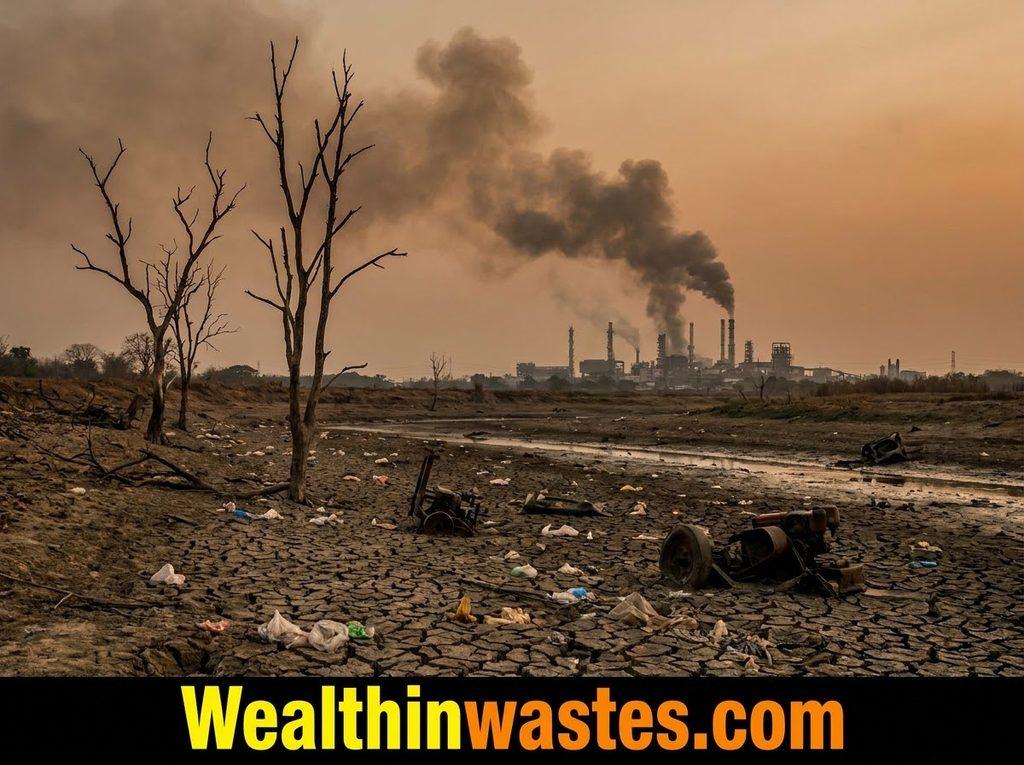
Environmental hazards produce consequences that may be immediate or gradual, affecting human health, agriculture, ecosystems, infrastructure, livelihoods, natural resources, and economic development over different periods.
1. Ecosystem damage: Hazards can destroy habitats, reduce biodiversity, alter food chains, damage vegetation, contaminate water, and weaken ecosystem services that communities depend upon daily.
2. Human health risks: Exposure to polluted air, contaminated water, toxic chemicals, pathogens, smoke, radiation, or dangerous waste can cause injuries, infections, poisoning, and chronic illnesses.
3. Agricultural losses: Floods, droughts, erosion, contamination, pests, and degraded soils can lower crop yields, damage livestock systems, reduce farm income, and threaten food security.
4. Economic losses: Environmental disasters can destroy roads, homes, farms, businesses, industrial facilities, and public infrastructure while increasing emergency response, rehabilitation, and recovery costs.
5. Social disruption: Severe hazards can displace families, interrupt education, damage community services, increase poverty, and create migration pressures when livelihoods and living conditions deteriorate.
Landfill-related environmental impacts demonstrate how waste disposal can create long-term pressure on soil, groundwater, air quality, and surrounding communities.
Electronic waste hazards can introduce hazardous substances into the environment when discarded devices receive improper collection, handling, recycling, storage, or disposal.
Managing And Reducing Environmental Hazards
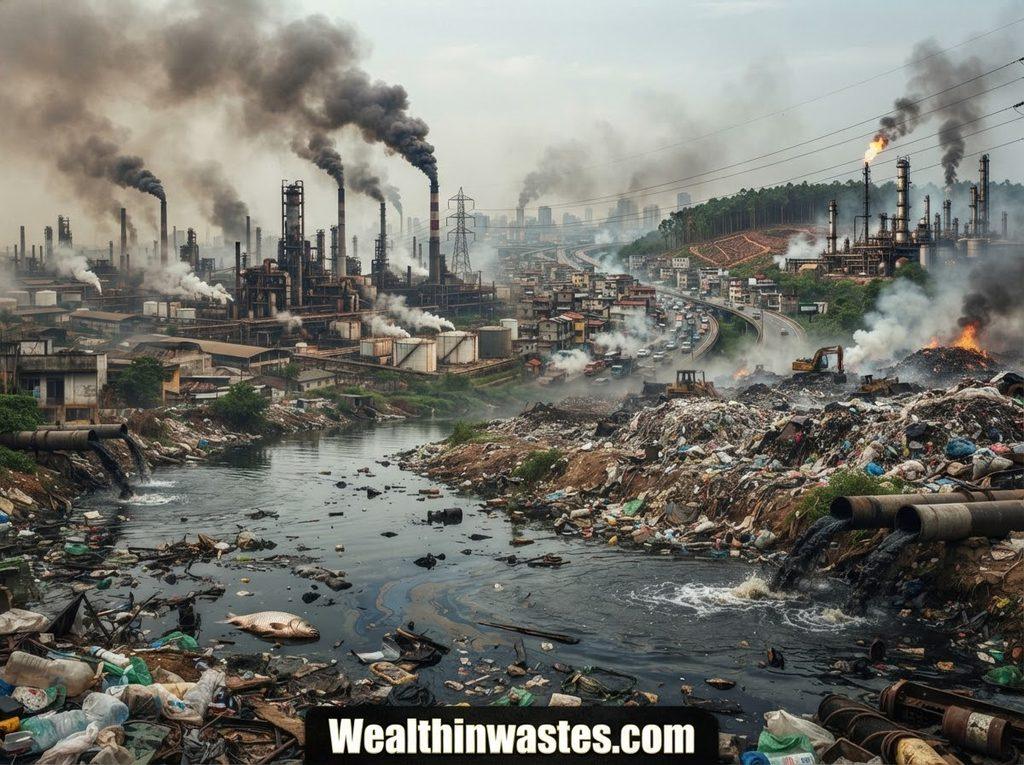
Reducing environmental hazards requires prevention, risk assessment, environmental planning, public education, strong institutions, responsible resource use, effective monitoring, and cooperation among communities, businesses, and governments.
Waste management should prioritize reduction, reuse, recycling, safe treatment, and responsible disposal to minimize the volume of hazardous materials entering landfills, waterways, soils, and air.
Effective waste classification helps communities and organizations separate ordinary materials from hazardous wastes that require specialized handling and environmental protection measures.
Recycling can conserve resources, reduce disposal volumes, lower pollution pressures, and recover useful materials that would otherwise remain in waste streams or require additional extraction.
Recycling for pollution control supports circular resource use by reducing the need for virgin materials and limiting some environmental effects associated with waste generation.
Communities can reduce chemical hazards by storing pesticides, fuels, cleaning chemicals, batteries, medicines, and industrial substances securely, while preventing disposal through drains, open spaces, or watercourses.
Suitable disposal-site planning considers geology, topography, soil, groundwater, drainage, climate, accessibility, flora, fauna, and other environmental factors before waste facilities are established.
Environmental education remains essential because informed citizens are more likely to recognize risks, follow safety practices, report pollution, conserve resources, and support policies that protect ecosystems.
Practical Measures For Hazard Prevention
Practical prevention combines environmental protection with preparedness so that communities can reduce exposure before hazards occur and respond effectively when dangerous conditions develop.
1. Early warning systems: Reliable monitoring, public alerts, evacuation plans, and emergency communication can help people respond quickly to floods, storms, earthquakes, fires, and other hazards.
2. Sustainable land management: Reforestation, controlled grazing, erosion management, wetland conservation, proper farming practices, and careful development can reduce environmental vulnerability and protect natural resources.
3. Responsible waste handling: Waste should be reduced, separated, collected, transported, treated, recycled, and disposed of appropriately to prevent contamination, disease risks, fires, and drainage blockage.
4. Pollution prevention: Industries and farms should control emissions, treat wastewater, manage chemicals responsibly, prevent spills, monitor discharges, and adopt cleaner technologies wherever practical.
5. Emergency preparedness: Households, schools, farms, businesses, and authorities should maintain emergency contacts, basic supplies, response procedures, evacuation routes, and recovery plans for likely hazards.
Integrated waste management approaches can strengthen pollution prevention by connecting waste reduction, resource recovery, safe treatment, transportation, and disposal within one coordinated system.
Recycling and resource recovery can further reduce environmental pressures by keeping valuable materials in productive use and decreasing the amount of waste requiring final disposal.
Proper recycling procedures should include collection, separation, cleaning, processing, and responsible recovery so that recyclable materials do not become unnecessary environmental burdens.
Where combustion forms part of waste management, operators should apply suitable controls because poorly managed burning can release harmful pollutants and create additional environmental and public health risks.
Incineration risks and limitations show why thermal treatment needs appropriate technology, emission controls, trained operators, residue management, and careful evaluation before implementation.
Communities should also improve drainage maintenance, protect flood-prone areas, avoid unsafe construction sites, preserve vegetation, and include hazard assessments in environmental and development planning.
Long-term success depends on combining preventive environmental management with responsible governance, public participation, scientific monitoring, and enforcement of regulations that discourage activities capable of creating avoidable hazards.
Read Also: Strategies for Reducing Water Pollution
Environmental Hazards And Sustainable Development
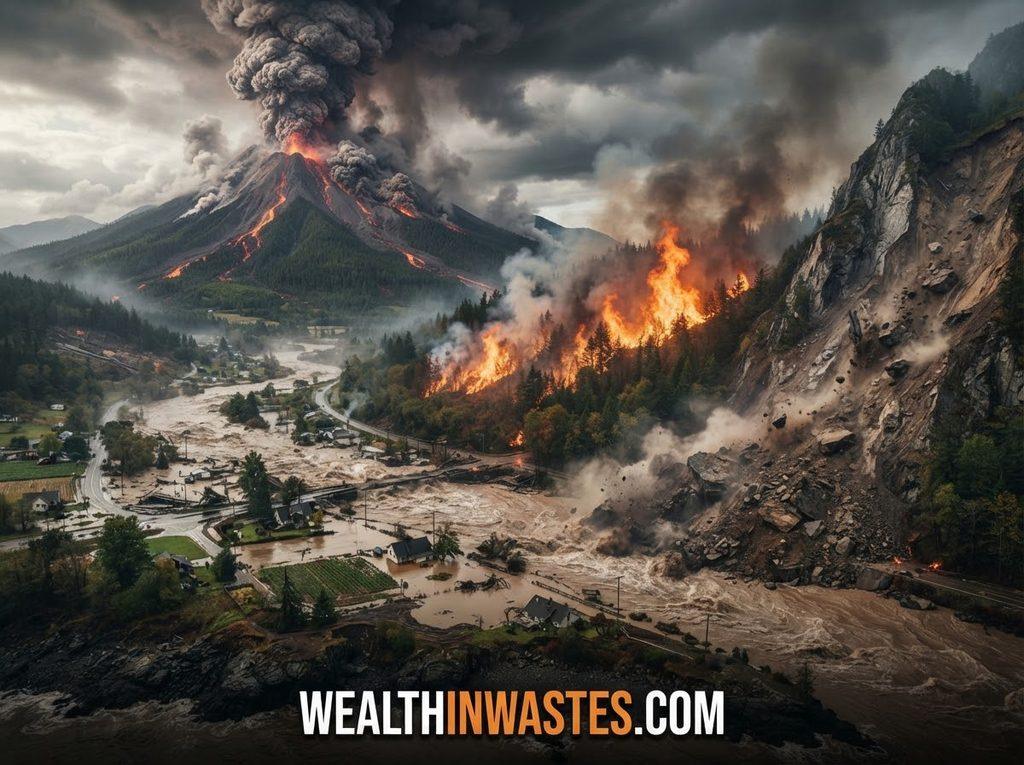
Sustainable development requires societies to meet current needs without destroying the environmental systems that support future populations, making environmental hazard reduction an important development priority.
When governments and communities consider environmental risks before developing roads, industries, farms, housing, and waste facilities, they can reduce future costs and prevent avoidable damage.
Strategic waste management planning helps connect environmental protection, public health, economic efficiency, infrastructure needs, and responsible resource recovery within long-term development decisions.
Farmers also benefit from sustainable practices because healthy soils, clean water, stable vegetation, and effective waste management support productivity while reducing exposure to environmental degradation.
Environmental policies can guide industries and communities toward pollution prevention, cleaner production, resource conservation, responsible disposal, and improved protection of ecosystems and public health.
Pollution control institutions and regulations are important because effective environmental management requires clear responsibilities, monitoring systems, enforcement mechanisms, technical capacity, and community participation.
Individuals also contribute through responsible consumption, proper waste disposal, water conservation, reduced littering, careful chemical use, tree planting, and support for environmentally responsible practices.
Ultimately, reducing environmental hazards is not the responsibility of one group alone because governments, industries, farmers, households, schools, and communities all influence environmental conditions.
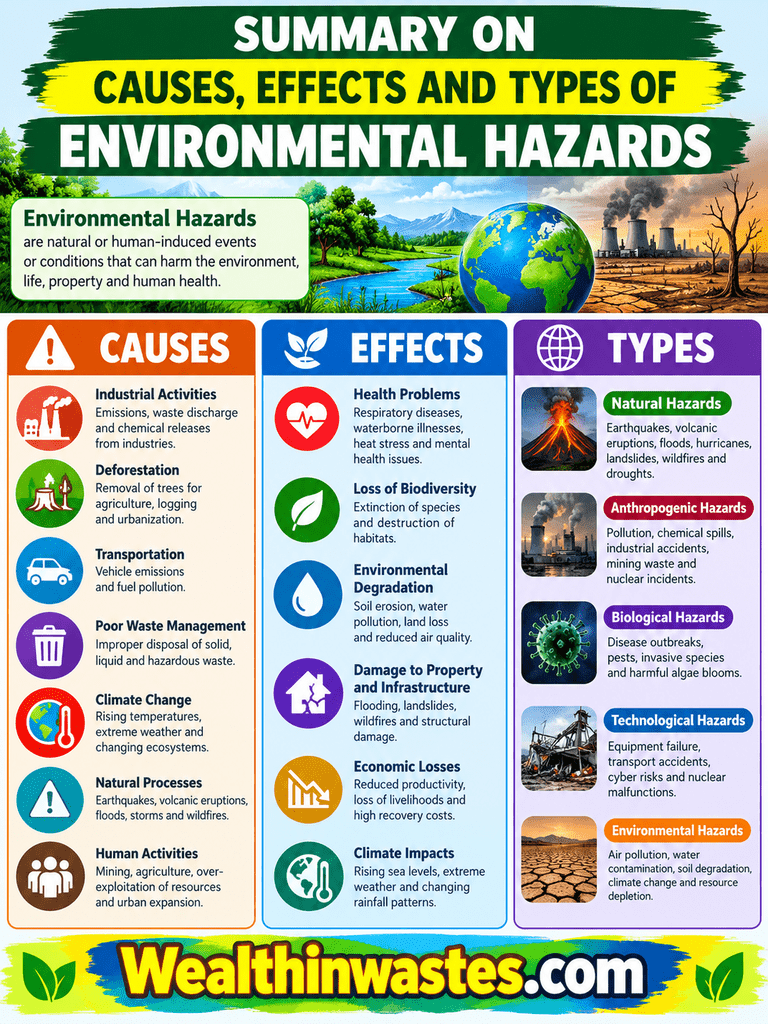
Summary Causes, Effects and Types of Environmental Hazards
| Aspect | Summary |
|---|---|
| Meaning | Environmental hazards are natural or human-related conditions, substances, and processes capable of causing environmental, health, ecological, or economic harm. |
| Natural Types | Major natural hazards include earthquakes, volcanic eruptions, tsunamis, landslides, floods, droughts, cyclones, hailstorms, lightning, and extreme temperature events. |
| Human Causes | Deforestation, mining, pollution, poor waste disposal, overpopulation, poverty, industrial activities, overgrazing, and unsustainable agriculture can increase environmental risks. |
| Anthropogenic Types | Human-induced hazards may be physical, chemical, biological, or technological, depending on the source and mechanism of harm. |
| Major Effects | Environmental hazards can damage ecosystems, threaten human health, reduce agricultural productivity, destroy infrastructure, create economic losses, and cause social disruption. |
| Prevention | Effective measures include early warning systems, sustainable land management, pollution control, proper waste handling, emergency preparedness, environmental education, and strong regulation. |
| Sustainable Development | Hazard reduction supports safer communities, healthier ecosystems, responsible resource management, stronger livelihoods, and more resilient development. |
Frequently Asked Questions About Types of Environmental Hazards: Causes, Effects and Control
1. What are environmental hazards?
Environmental hazards are natural or human-related conditions, substances, or events that can damage ecosystems, threaten human health, destroy resources, or disrupt communities.
2. What are the main types of environmental hazards?
The main types include natural hazards and anthropogenic hazards, with human-induced hazards commonly classified as physical, chemical, biological, and technological hazards.
3. What are examples of natural environmental hazards?
Examples include earthquakes, volcanic eruptions, tsunamis, landslides, floods, droughts, cyclones, lightning, hailstorms, cold waves, and other extreme atmospheric events.
4. How do humans create environmental hazards?
Humans create hazards through deforestation, mining, industrial pollution, poor waste disposal, overgrazing, excessive chemical use, unsafe development, and unsustainable resource exploitation.
5. How do environmental hazards affect agriculture?
They can cause crop failure, livestock losses, soil erosion, water contamination, reduced soil fertility, infrastructure damage, lower farm income, and increased food insecurity.
6. How can environmental hazards be reduced?
Reduction requires prevention, environmental education, sustainable land management, responsible waste handling, pollution control, early warning systems, emergency planning, and effective regulation.
7. Why is proper waste management important?
Proper waste management reduces pollution, prevents blocked drainage, limits harmful exposure, protects water and soil, reduces fire risks, and supports healthier communities and ecosystems.
8. What is the relationship between hazards and disasters?
A hazard becomes a disaster when it seriously affects vulnerable people, infrastructure, livelihoods, or ecosystems and overwhelms the affected community’s ability to cope effectively.
Do you have any questions, suggestions, or contributions? If so, please feel free to use the comment box below to share your thoughts. We also encourage you to kindly share this information with others who might benefit from it. Since we can’t reach everyone at once, we truly appreciate your help in spreading the word. Thank you very much for your support and for sharing!
Read Also: Water and Land Pollution in Agriculture