


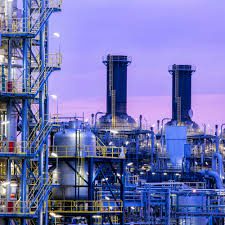
Oil pollution in the environment is a major environmental problem associated with crude oil exploration, production, transportation, refining, storage, processing, and the use of petroleum products. Releases can contaminate water, soil, sediments, vegetation, air, and living organisms.
The seriousness of an oil release depends on the amount discharged, the chemical properties of the petroleum, the characteristics of the receiving environment, prevailing weather conditions, and how quickly containment and cleanup activities begin after the incident.
Large petroleum accidents have demonstrated that oil pollution can cause widespread ecological and economic damage. However, repeated small releases can also create serious local contamination when petroleum enters the environment regularly and remains poorly controlled.
Once released, petroleum does not remain confined to the original spill location. Wind, currents, rainfall, runoff, soil characteristics, sediment movement, evaporation, dissolution, biological activity, and other processes can transport and transform contaminants.
Understanding oil pollution therefore requires attention to its sources, movement, environmental fate, ecological effects, human health implications, socioeconomic consequences, and prevention. These factors are important for environmental managers, regulators, industries, and affected communities.
Global Oil Pollution Episodes
1. Global Oil Pollution Events: Major oil pollution incidents have occurred in many parts of the world through tanker accidents, offshore drilling failures, pipeline ruptures, production activities, refinery releases, storage failures, and other petroleum-related operations. Their scale and consequences differ considerably.
2. Exxon Valdez Disaster: On March 24, 1989, the Exxon Valdez tanker struck Bligh Reef in Alaska and released approximately 10.8 million gallons of crude oil. The incident caused extensive contamination and became one of the most widely studied marine oil spills.
3. Cleanup And Long-Term Effects: The Exxon Valdez spill caused substantial harm to marine organisms and coastal habitats. Cleanup involved mechanical recovery and other response measures, while the incident also generated significant legal, compensation, restoration, and environmental monitoring costs.
4. Deepwater Horizon Incident: The Deepwater Horizon accident in the Gulf of Mexico was another major petroleum pollution event. An offshore drilling blowout in 2010 resulted in a prolonged discharge of crude oil into marine waters.
5. Gulf Of Mexico Discharge: The source material associated with this article reports that approximately 4.9 million barrels of oil and about 1.7 × 10¹¹ grams of natural gas entered the Gulf during the 2010 incident. The release created extensive marine and coastal environmental challenges.
6. Persian Gulf Pollution: Petroleum contamination associated with the Gulf War caused severe environmental damage in the Persian Gulf. Repeated petroleum releases in other regions can also accumulate over time, threatening water resources, habitats, wildlife, livelihoods, and environmental pollution and social responses.
7. Lessons From Major Spills: Large oil pollution events demonstrate the importance of prevention, effective infrastructure, emergency preparedness, rapid containment, environmental monitoring, and long-term restoration. They also show that petroleum pollution can create consequences that continue long after the initial release.
Read Also: Petroleum Fractions and their Components
Sources of Oil Pollution
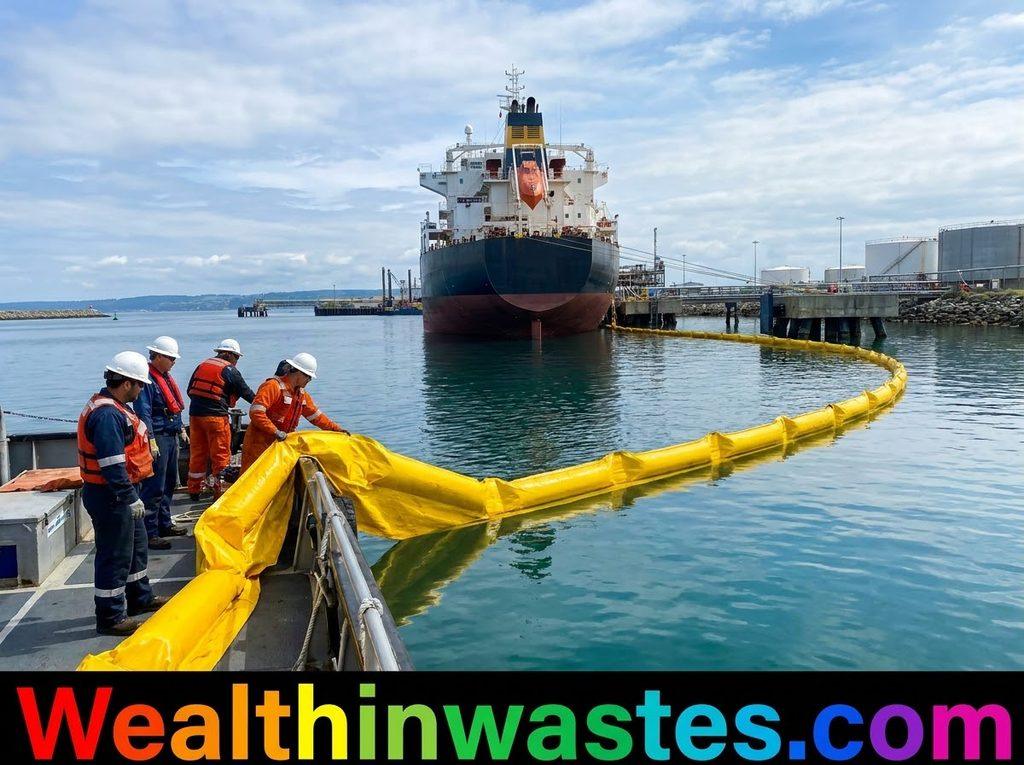
1. Exploration And Production: Oil pollution may originate from drilling, extraction, production equipment, storage areas, maintenance activities, accidental releases, poorly managed wastes, and other operations associated with petroleum exploration and production. Understanding sources and types of environmental pollution helps identify where control measures should begin.
2. Petroleum Transportation: Tankers, barges, pipelines, trucks, and other transportation systems move petroleum between production, storage, processing, and distribution locations. Collisions, grounding, ruptures, corrosion, equipment failure, and handling mistakes can release petroleum into surrounding land and water.
3. Refining And Storage: Refineries and petroleum storage facilities can release contaminants through leaks, spills, process residues, contaminated wastewater, tank failures, poor handling, and accidental discharges. Pollution control must therefore address both routine operations and emergency situations.
4. Illegal Bunkering And Refining: Illegal bunkering, crude oil theft, and poorly controlled refining can produce severe contamination because these activities often operate outside formal environmental monitoring and pollution-control systems. The wider issue of industrial waste impacts on people and the environment highlights the importance of proper control.
5. Wastewater And Drainage: Petroleum residues can enter industrial drains through process water, equipment cleaning, spills, and other activities. These wastes may then reach rivers, wetlands, groundwater, or surrounding land. Knowledge of wastewater sources and contamination pathways supports better pollution tracing and treatment.
6. Runoff And Connected Landscapes: Rainfall can wash petroleum residues from contaminated surfaces into drainage channels, streams, wetlands, and other receiving waters. Where polluted runoff crosses farmland, contaminants may also affect soil, groundwater, vegetation, crops, and nearby aquatic ecosystems.
7. Accidental And Operational Releases: Oil pollution can also result from human errors, equipment failures, maintenance activities, vandalism, natural events, or inadequate containment systems. Preventing these releases requires regular inspection, maintenance, leak detection, and proper operating procedures.
Fate And Mobility Of Oil Pollution
Petroleum released into the environment can move between different environmental compartments. Urban and industrial wastes may transport petroleum residues through drainage systems and rivers, making water pollution prevention principles important for reducing contaminant loading.
Contamination can also affect agricultural land when polluted runoff or water crosses fields. The principles of soil properties help explain why soil texture, structure, permeability, organic matter, and moisture conditions influence petroleum movement and retention.
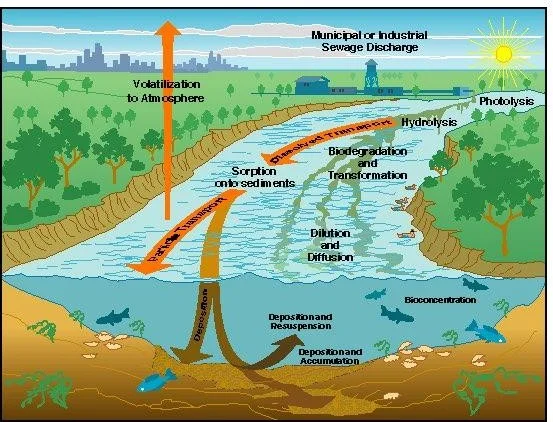
Once oil enters an environmental system, it can undergo physical, chemical, and biological changes. Weather, temperature, sunlight, water movement, oxygen availability, microbial activity, sediment characteristics, and oil composition all influence the speed and direction of these changes.
1. Volatilization: Lighter petroleum compounds may evaporate from exposed oil on soil or water surfaces and enter the atmosphere. This process can reduce some surface contamination while transferring volatile substances into the surrounding air.
2. Dissolution: Some petroleum compounds can dissolve into water. Dissolved contaminants may then move with groundwater or surface water and become available to aquatic organisms and other environmental receptors.
3. Sorption And Sedimentation: Petroleum compounds can attach to soil particles, suspended solids, vegetation, and organic matter. Contaminated material may settle into sediments, where it can remain for long periods before being disturbed or transported again.
4. Photochemical Changes: Sunlight can alter some petroleum compounds through photochemical reactions. These transformations can change the composition and behaviour of pollutants on exposed water and land surfaces.
5. Biodegradation: Microorganisms can break down some hydrocarbons naturally. However, the rate of biodegradation depends on factors such as temperature, oxygen, nutrients, microbial populations, soil or sediment conditions, and the chemical properties of the contaminant.
6. Resuspension And Remobilization: Petroleum stored in sediments or soil may become mobile again when erosion, flooding, wave action, dredging, construction, or other forms of environmental disturbance occur. This can prolong contamination even after an initial spill has been contained.
7. Biological Movement: Some petroleum-related contaminants can enter organisms and move through food webs. This creates additional exposure pathways for predators and other organisms when contaminants are retained or transferred between trophic levels.
8. Surface-Water Transport: Oil can spread as slicks, droplets, dissolved compounds, or emulsions. Wind and currents can move contamination over considerable distances, while waves can mix petroleum into the upper water column and deposit residues along shorelines.
The overall fate of petroleum therefore involves interactions among the atmosphere, hydrosphere, lithosphere, and biosphere. Environmental assessments should examine these connections instead of focusing only on the visible area around the original spill.
Figure: Simple Biogeochemical Cycle of the fate and mobility of organic pollutants (sourced online)
Effects Of Oil Pollution On Ecosystems
1. Land And Vegetation: Oil spills can contaminate land and interfere with vegetation, soil organisms, habitats, and ecological relationships. The environmental and health effects of wastes show why impact assessments should consider exposure duration, habitat sensitivity, ecological condition, and recovery potential.
2. Soil And Root Zones: Petroleum can coat vegetation, enter the soil, and alter physical and biological conditions around plant roots. Heavy contamination can kill plants directly, while persistent residues may make affected farmland unsuitable for normal agricultural production.
3. Soil Texture And Mobility: Petroleum behaves differently in different soils. Porous soils may permit downward movement, while some fine-textured soils can retain contaminants near the surface. Soil characteristics therefore influence both pollutant movement and cleanup difficulty.
4. Aquatic Organisms: Oil can harm fish, algae, plankton, shellfish, benthic organisms, and other aquatic life through physical coating, habitat alteration, toxic exposure, and reduced food availability. More information on pollution effects on fish and aquatic organisms illustrates these risks.
5. Acute And Chronic Toxicity: Acute toxicity may occur after relatively short exposure to high concentrations of contaminants, potentially causing rapid injury or mortality. Chronic exposure can produce longer-term effects involving growth, reproduction, metabolism, behaviour, survival, and population stability.
6. Food Webs And Sediments: Sediments can act as reservoirs for petroleum contaminants and may release them later when disturbed. Sublethal effects on organisms can also interfere with feeding, movement, reproduction, and food-web relationships. watershed pollution management further shows why connected ecosystems should be considered together.
7. Habitat Degradation: Sensitive habitats such as wetlands, mangroves, riverbanks, estuaries, and coastal ecosystems can be particularly vulnerable to oil contamination. Damage to these areas may reduce nursery grounds, feeding areas, shelter, and other ecological services.
8. Ecological Recovery: Recovery after an oil spill depends on the amount and type of contamination, environmental conditions, habitat sensitivity, cleanup effectiveness, and natural restoration processes. Some ecosystems recover relatively quickly, while others may experience persistent effects.
Oil Pollution And Human Health
Crude oil contains several groups of hydrocarbons and other compounds that may pose health concerns under sufficient exposure conditions. Petroleum-related contaminants can include volatile compounds such as benzene, toluene, ethylbenzene, and xylenes, as well as polycyclic aromatic hydrocarbons.
Benzene is a recognized carcinogenic substance, while exposure to other petroleum-related compounds can also produce adverse health effects depending on their concentration, route, frequency, and duration of exposure. air pollution pathways help explain the importance of airborne exposure.
People living near contaminated waterways may face difficulties accessing safe water for drinking, cooking, washing, and sanitation. Health concerns may become greater where alternative water supplies, treatment facilities, or reliable environmental services are unavailable.
Human exposure to petroleum contamination can occur through inhalation, ingestion, skin contact, contaminated food, polluted drinking water, and contact with contaminated soil or sediment. People who regularly farm, fish, work, or live near polluted areas may experience greater opportunities for exposure.
The source material reports that UNEP investigations in Ogoniland detected benzene in air samples ranging from 0.155 to 48.2 μg/m3 in sampled locations, with elevated concentrations reported in some areas.
The same source discussion reports that some investigated samples exceeded cited WHO and USEPA standards and associates those findings with a cancer risk estimate. Such risk estimates should always be interpreted in the context of the particular sampling methods, exposure assumptions, and assessment framework used.
Children and other vulnerable populations may experience different exposure patterns because of their activities, body size, water requirements, food sources, and dependence on local resources. This makes exposure assessment and community protection important parts of petroleum pollution management.
The wider principles of pollutant risk assessment demonstrate why contaminant concentration alone is not enough to determine health risk. Authorities must consider pathways, exposure duration, affected populations, environmental conditions, and the nature of the contaminant.
Visible oil should also not be treated as the only indication of contamination. Some petroleum compounds can evaporate, dissolve, remain in soil, or accumulate in sediments after much of the obvious surface oil has disappeared.
Socioeconomic Effects Of Oil Pollution
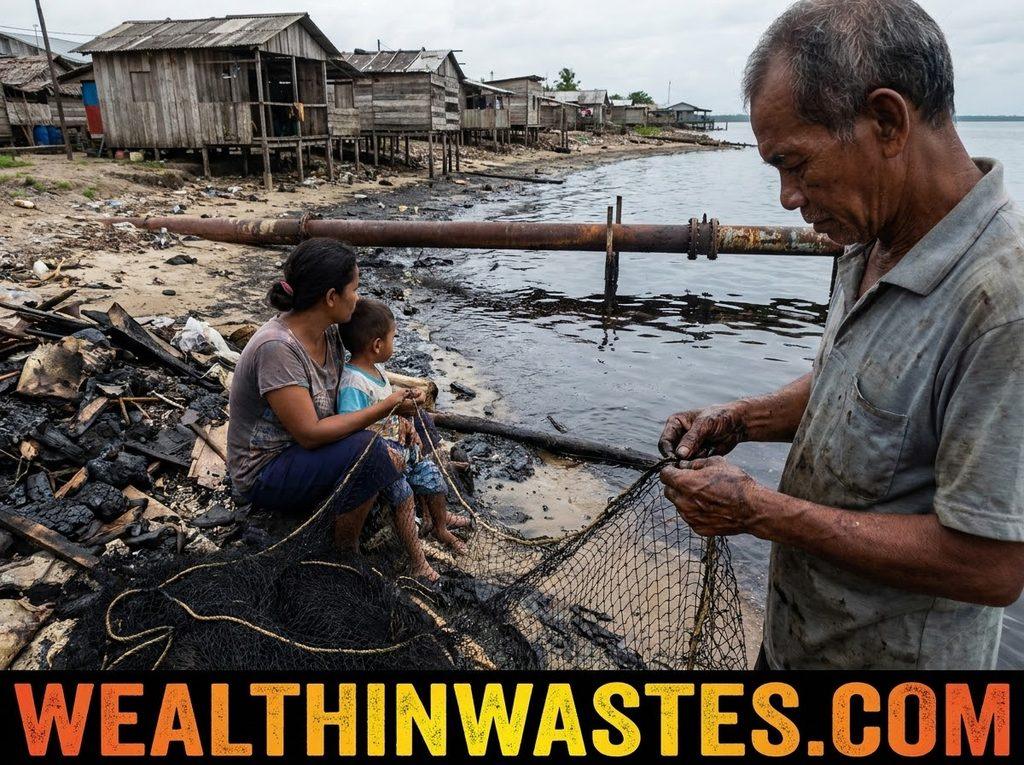
Oil pollution produces economic consequences that extend beyond the immediate value of the petroleum lost. Cleanup, compensation, healthcare, environmental monitoring, restoration, litigation, business interruption, infrastructure damage, and livelihood losses can create substantial financial burdens.
The scale of these consequences varies according to spill volume, location, environmental sensitivity, response speed, contamination duration, cleanup requirements, and the natural resources affected. Research on economic losses from pollution provides a useful framework for considering these wider impacts.
1. Effects On Farming: Agricultural communities can suffer when petroleum contaminates cultivated land, irrigation water, drainage channels, or soil. Reduced productivity and restricted land use can lower farm income and increase production costs for households that depend on agriculture.
2. Effects On Fishing: Fishers may lose access to creeks, rivers, wetlands, estuaries, and coastal fishing grounds when oil contamination reduces fish abundance or makes aquatic habitats unsafe. Damage to fishery resources can affect both household income and local food supplies.
3. Loss Of Natural Resources: Pollution can reduce the usefulness of land, water, vegetation, fisheries, and other natural assets. The principles of soil and mineral resource management demonstrate the importance of maintaining natural resources that support economic and community activities.
4. Business Disruption: Businesses may experience reduced sales when polluted environments discourage customers, damage infrastructure, or interrupt transportation and trade. Local authorities can also face higher costs for emergency response, environmental monitoring, community assistance, and public services.
5. Employment And Livelihood Losses: Persistent contamination can reduce employment opportunities in agriculture, fishing, processing, transportation, trading, and related sectors. The general environmental impacts of wastes help place these livelihood losses within the broader consequences of environmental degradation.
6. Long-Term Economic Burden: Economic losses may continue after visible oil has disappeared because affected resources require restoration and communities may need time to rebuild their livelihoods. Effective pollution prevention can therefore be much less expensive than managing prolonged environmental damage.
Oil pollution can also affect food security and household resilience when communities depend heavily on local agricultural and aquatic resources. Restoring damaged ecosystems can therefore contribute to both environmental recovery and economic recovery.
Oil Pollution In Nigeria
Nigeria provides an important context for understanding oil pollution because many communities in petroleum-producing regions depend on farmland, rivers, creeks, wetlands, mangroves, fishing, agriculture, and other natural resources for their livelihoods and everyday needs.
1. Land And Water Contamination: Repeated petroleum releases can affect farmland, surface water, groundwater, vegetation, fisheries, and community infrastructure. The principles of groundwater pollution management demonstrate why contamination beneath the surface must also be considered during assessment and remediation.
2. Pressure On Water Supplies: Communities living near contaminated waterways may depend on polluted sources when reliable alternatives are limited. This can increase household pressure and create additional challenges for drinking water, sanitation, farming, fishing, and other domestic activities.
3. Damage To Fisheries: Oil contamination can affect fish habitats, sediments, mangroves, creeks, and other aquatic environments. These changes may reduce the productivity of fisheries and affect people who depend on fishing, fish processing, and fish trading for income.
4. Wastewater And Community Pollution: Communities and industries require proper wastewater control to avoid adding further pollutants to already stressed resources. on-site municipal wastewater treatment illustrates how controlled wastewater systems can help reduce additional contamination.
5. Illegal Bunkering And Refining: Illegal bunkering, crude theft, and unregulated refining can worsen petroleum pollution through repeated releases, combustion emissions, unmanaged wastes, and damage around petroleum infrastructure. These activities can make environmental monitoring and restoration more difficult.
6. Social And Economic Effects: Long-term contamination can affect employment, household income, agricultural productivity, fishing activities, food security, and community wellbeing. These effects can become more severe where alternative sources of income or replacement resources are limited.
7. Environmental Management: Effective management requires cooperation among regulators, petroleum operators, local authorities, technical experts, and affected communities. Monitoring, transparent reporting, emergency response, enforcement, restoration, and livelihood protection should work together rather than as isolated activities.
8. Restoration Needs: Environmental recovery in affected Nigerian communities requires attention to contaminated soil, water, vegetation, fisheries, and other ecological resources. Restoring these systems can improve resource access, support livelihood recovery, and strengthen community confidence in environmental management.
Read Also: Roles of Producers and Corporations in Waste Management
Preventing Oil Pollution
1. Operational Controls: Prevention begins with strong operational controls throughout exploration, production, transportation, refining, storage, and petroleum waste management. Regular inspection, preventive maintenance, corrosion control, leak detection, equipment testing, and emergency planning can reduce avoidable releases.
2. Wastewater Management: Industries should properly manage petroleum-contaminated wastewater and related wastes before discharge. Established wastewater treatment options show why treatment should be selected according to contaminant characteristics, discharge requirements, site conditions, and technical capabilities.
3. Source Reduction: Pollution prevention should receive priority over cleanup after contamination has occurred. proper water pollution control supports measures such as source reduction, waste minimization, process improvement, recycling, monitoring, and controlled discharge practices.
4. Emergency Response: Rapid action can limit the movement of newly released oil. Containment booms, skimmers, sorbent materials, mechanical recovery, and other response technologies may be useful, but the most appropriate method depends on the location, oil type, weather, environmental sensitivity, and spill conditions.
5. Monitoring And Community Protection: Reliable monitoring programmes can identify contamination early and support better environmental decisions. Clear communication is also important because communities need understandable information about pollution sources, exposure pathways, environmental risks, and protective measures.
6. Cleaner Technology: Improved equipment and cleaner production technologies can reduce petroleum releases, emissions, and waste generation. Better engineering standards, automated leak detection, secondary containment, safer storage systems, and improved process controls can strengthen pollution prevention.
7. Restoration And Verification: Cleanup should be followed by ecological restoration where necessary. Restoration may involve contaminant removal, containment, soil treatment, habitat recovery, vegetation establishment, water-quality improvement, and long-term monitoring to determine whether environmental conditions are improving.
8. Water Reuse And Resource Management: Properly treated wastewater may support appropriate reuse applications where environmental and public health requirements are met. The principles discussed under wastewater reuse and recycling demonstrate the importance of careful planning and quality control.
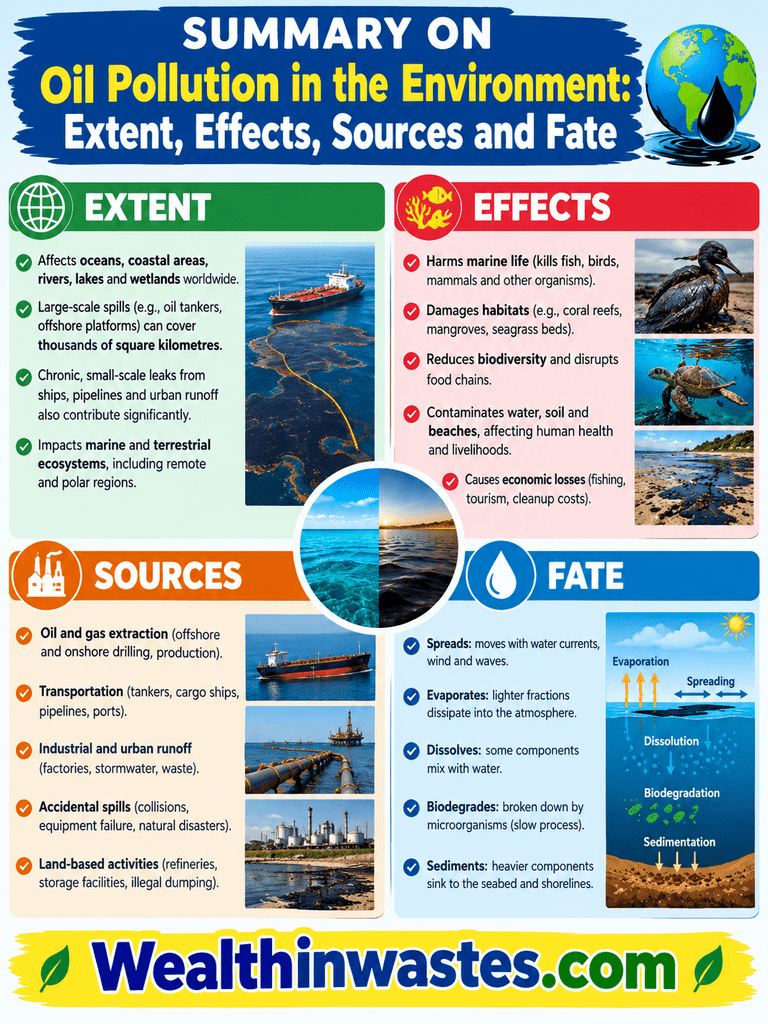
Summary on Oil Pollution in the Environment: Extent, Effects, Sources and Fate
| Aspect | Summary |
|---|---|
| Major Sources | Exploration, production, transportation, refining, storage, illegal activities, accidents, and contaminated wastewater or waste streams. |
| Environmental Fate | Oil may volatilize, dissolve, degrade, attach to particles, settle in sediments, and move through physical, chemical, and biological pathways. |
| Ecosystem Effects | Oil contamination can damage soil, vegetation, aquatic organisms, habitats, food webs, and important ecological functions. |
| Human Health | Exposure can occur through contaminated air, water, food, soil, sediments, and direct contact with petroleum-contaminated materials. |
| Economic Effects | Pollution can reduce farming and fishing productivity while increasing cleanup, healthcare, restoration, monitoring, compensation, and legal costs. |
| Nigeria | Oil pollution is an important environmental concern in petroleum-producing communities where livelihoods depend heavily on land, waterways, agriculture, and fisheries. |
| Prevention | Maintenance, monitoring, source control, rapid response, safer technology, wastewater management, enforcement, and ecological restoration can reduce petroleum pollution. |
Frequently Asked Questions About Oil Pollution in the Environment: Sources, Effects and Fate
1. What is oil pollution in the environment? Oil pollution in the environment is the contamination of air, soil, water, sediments, vegetation, or living organisms by crude oil or petroleum products.
2. What are the major sources of oil pollution? Major sources include petroleum exploration, production, pipelines, tankers, storage facilities, refineries, illegal bunkering, illegal refining, wastewater, accidents, and operational releases.
3. How does oil move after a spill? Oil can spread across water surfaces, penetrate soil, evaporate, dissolve, attach to particles, settle in sediments, move through runoff, and enter biological systems.
4. What are the main ecological effects of oil pollution? Oil contamination can damage vegetation, soil organisms, fish, aquatic organisms, habitats, food webs, reproduction, growth, behaviour, and other ecological functions.
5. How can oil pollution affect human health? People can be exposed to petroleum contaminants through inhalation, contaminated drinking water, food, soil, sediments, skin contact, and other pathways. The health effect depends on the substance and level of exposure.
6. Why does oil pollution create economic losses? Petroleum pollution can reduce agricultural and fishing productivity while increasing costs for cleanup, healthcare, environmental monitoring, restoration, compensation, legal action, and community support.
7. Why is oil pollution especially important in Nigeria? Many petroleum-producing communities depend on farmland, rivers, creeks, mangroves, wetlands, fishing, and other natural resources that may be damaged by repeated oil contamination.
8. How can oil pollution be prevented? Prevention depends on proper maintenance, leak detection, safe transportation and storage, environmental monitoring, effective regulation, emergency preparedness, cleaner technologies, wastewater control, and timely restoration.
Do you have any questions, suggestions, or contributions? If so, please feel free to use the comment box below to share your thoughts. We also encourage you to kindly share this information with others who might benefit from it. Since we can’t reach everyone at once, we truly appreciate your help in spreading the word. Thank you very much for your support and for sharing!
Read Also: Management of Nigerian Soils in Agriculture