


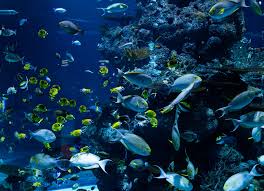
Species diversity describes the variety of species found within a particular habitat, ecosystem, region, or geographical area, making it an important part of biodiversity and ecological understanding.
Scientists study species diversity by examining how many species occur within an area, how individuals are distributed among those species, and how closely related different organisms may be.
A community may contain numerous species while a few dominate the population, or it may contain species with relatively similar numbers, creating different patterns of biological diversity.
Species richness provides a simple count of distinct species, while abundance, evenness, taxonomic relationships, and evolutionary history provide additional information about community structure and biological organization.
Understanding these measurements helps researchers compare habitats, assess ecological changes, identify conservation priorities, and evaluate how environmental conditions influence organisms across terrestrial, freshwater, and marine ecosystems.
What Is Species Diversity?
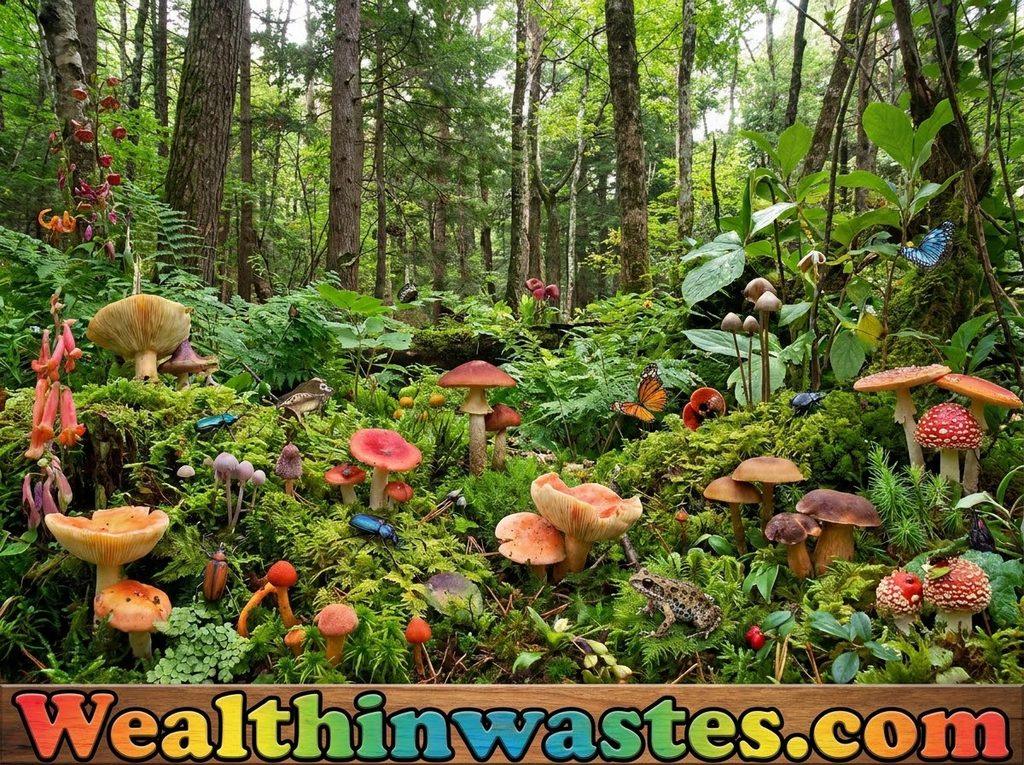
Species diversity refers to the variety of different species within a defined ecological area, including differences in their numbers, distribution, relationships, and contributions to community structure.
The term applies to plants, animals, fungi, bacteria, and other organisms, because researchers can examine communities wherever living species interact with one another and their surrounding environments.
1. Biological Variety: Species diversity focuses on differences among species within a community, while broader natural resources and biological components provide conditions supporting those communities.
Species diversity differs from simply counting individual organisms because one hundred individuals from one species do not represent the same diversity as one hundred individuals spread among several species.
2. Community Composition: Species composition identifies which organisms occur together, while diversity assessment also considers their relative abundance and ecological relationships within the habitat being examined.
The physical environment strongly influences community composition because temperature, moisture, soil conditions, sunlight, nutrients, salinity, and habitat structure determine which organisms can survive successfully.
Environmental conditions surrounding organisms therefore provide essential context when scientists compare species diversity between forests, grasslands, wetlands, rivers, lakes, coastlines, and other habitats.
Species diversity also changes through time as populations increase, decline, migrate, reproduce, compete, adapt, or disappear following natural environmental changes or human disturbance within ecosystems.
Major Aspects of Species Diversity
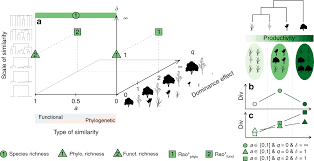
Species diversity has several complementary aspects because no single measurement can capture every characteristic of a biological community or explain the full organization of its living organisms.
1. Species Richness: Species richness represents the number of distinct species found within a defined area, sample, habitat, or ecosystem, providing a basic measure of biological variety.
2. Species Abundance: Species abundance describes the number or proportion of individuals belonging to each species, showing whether populations remain balanced or particular species dominate the community.
3. Taxonomic Diversity: Taxonomic diversity considers differences among species according to biological classification, helping researchers distinguish communities containing closely related organisms from communities containing broader groups.
4. Phylogenetic Diversity: Phylogenetic diversity examines evolutionary relationships among species, using their shared ancestry and divergence to reveal how much evolutionary history occurs within communities.
5. Community Evenness: Evenness describes how equally individuals occur among species, since two habitats may contain identical species counts while showing very different distributions of individuals.
These aspects become particularly useful when researchers compare natural resources and ecological communities, because environmental conditions often influence both species presence and population distribution.
Biodiversity conservation also depends on these distinctions because protecting a habitat with many species requires attention to rare species, dominant species, evolutionary uniqueness, and ecological functions.
Biodiversity conservation and sustainable resource use can therefore benefit from measurements that identify not only how many species exist, but also how biological communities are structured.
Read Also: Wastewater Treatment and Guideline Standards
Species Richness and Its Measurement

Species richness is the simplest major measure of species diversity because it counts the number of different species recorded within a specified sampling area or ecological community.
1. Direct Species Count: Researchers record every distinct species detected within the chosen area, then use the resulting total as the species richness value for that sample.
2. Sampling Effort: Larger sampling areas and greater survey effort usually detect more species, making consistent sampling procedures essential when scientists compare richness between locations.
3. Species-Area Relationship: Species richness commonly increases with sampled area because larger habitats provide more space, resources, microhabitats, and opportunities for species to occur.
Researchers may use standardized field surveys, quadrats, transects, traps, observations, environmental DNA, or other methods depending on the organisms and habitat under investigation.
Environmental monitoring methods demonstrate the importance of systematic sampling, because reliable measurements depend upon appropriate collection procedures, consistent locations, and accurate identification.
Long-term monitoring can reveal whether species richness remains stable, increases following restoration, or declines after pollution, habitat destruction, climate pressure, invasive species, or other disturbances.
Environmental monitoring programmes can therefore include biodiversity indicators such as species counts, habitat condition, population trends, and records of sensitive or threatened species.
Species richness alone has limitations because it gives equal weight to rare and abundant species, meaning additional measures become necessary when researchers need to understand population balance.
Species Abundance and Evenness
Species abundance examines how many individuals belong to each species, while evenness describes how equally those individuals are distributed across the species within a community.
1. Absolute Abundance: Absolute abundance records the actual number of individuals belonging to each species, helping researchers identify dominant, common, uncommon, and rare populations.
2. Relative Abundance: Relative abundance expresses each species’ population as a proportion of the total individuals sampled, allowing researchers to compare community dominance across different habitats.
3. Species Evenness: Evenness becomes high when individuals distribute relatively equally among species, while low evenness occurs when a small number of species dominate the community.
Two communities may therefore have the same species richness but different ecological structures because one community may contain evenly distributed populations while another contains one highly dominant species.
This distinction matters when assessing ecological sustainability and animal survival, because population balance can influence competition, food availability, predation, reproduction, and ecosystem stability.
Species abundance can change rapidly after environmental disturbances because some organisms tolerate altered conditions better than others, allowing resistant species to increase while sensitive species decline.
Accurate abundance measurements require reliable sampling because mobile animals, seasonal species, nocturnal organisms, and organisms living in inaccessible habitats can remain difficult to detect consistently.
Environmental planning principles can incorporate abundance information when authorities evaluate development proposals, habitat changes, restoration activities, and potential effects on biological communities.
Taxonomic and Phylogenetic Diversity
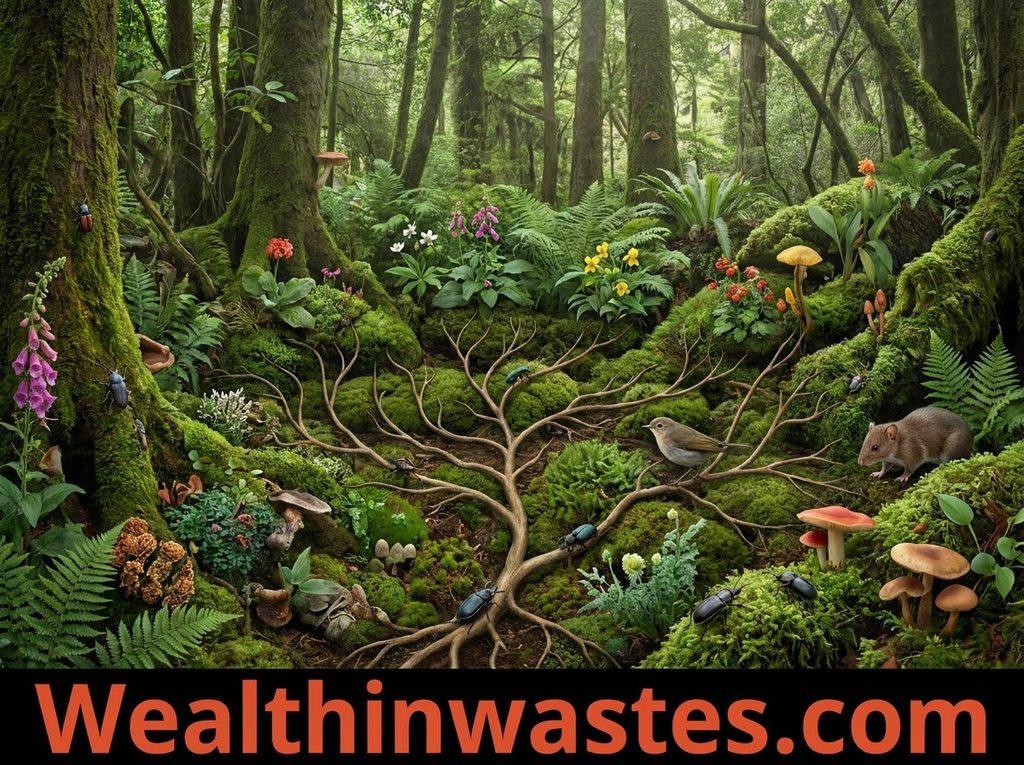
Taxonomic diversity goes beyond species counts by considering differences in classification, allowing researchers to determine whether communities contain closely related organisms or representatives from widely separated groups.
1. Taxonomic Relationships: Taxonomic measures compare species according to groups such as genera, families, orders, and other classification levels to estimate the breadth of community composition.
2. Phylogenetic Relationships: Phylogenetic diversity considers evolutionary distances among species, recognizing that communities containing distantly related organisms represent broader evolutionary history than communities containing close relatives alone.
3. Evolutionary Distinctiveness: Some species possess unique evolutionary histories with few close relatives, making their conservation especially valuable when protecting biological and genetic heritage.
A forest containing several closely related tree species may show high richness but less taxonomic breadth than another forest containing fewer species from many different plant families.
Forest resources and their biological values demonstrate why species identity matters, because forests contain plants, wildlife, fungi, insects, microorganisms, and other organisms fulfilling different ecological roles.
Protecting these communities requires attention to rare and evolutionarily distinct species rather than focusing exclusively on total species numbers or the most common organisms.
Forest and wildlife conservation can therefore use taxonomic and phylogenetic information to prioritize habitats containing unusual species combinations, threatened lineages, and unique evolutionary characteristics.
These measurements strengthen ecological assessment because species identity provides information that simple richness and abundance values cannot fully represent within complex biological communities.
Geographic Patterns of Species Diversity
Species diversity varies considerably across the world, with tropical regions generally supporting greater species richness than temperate regions, while polar environments usually support fewer terrestrial species.
1. Tropical Diversity: Tropical forests often support exceptional richness because warm temperatures, substantial rainfall, productive vegetation, and structural complexity create numerous ecological opportunities for species.
2. Temperate Diversity: Temperate ecosystems usually support fewer species than tropical systems, although seasonal climates can still sustain highly productive forests, wetlands, grasslands, and freshwater communities.
3. Polar Diversity: Polar environments generally contain fewer terrestrial species because extremely low temperatures, short growing seasons, limited vegetation, and demanding physical conditions restrict available habitats.
Species richness can also change with elevation because temperature, moisture, vegetation, atmospheric pressure, and habitat conditions shift as altitude increases across mountain environments.
Freshwater and marine environments show their own geographic patterns, influenced by productivity, salinity, water depth, temperature, nutrient availability, currents, habitat complexity, and geological history.
Water conservation practices can help maintain aquatic habitats because rivers, wetlands, lakes, and groundwater systems support organisms that depend on stable water availability.
Water quality also shapes aquatic biodiversity, since contamination may favor tolerant organisms while reducing sensitive species and simplifying community composition across polluted environments.
Water pollution consequences therefore provide an important environmental context for understanding changes in aquatic species richness, abundance, distribution, and community structure.
Factors Affecting Species Diversity
Species diversity responds to many environmental and biological factors, and their combined effects determine which organisms survive, reproduce, compete, migrate, or disappear from particular habitats.
1. Climate: Temperature, rainfall, humidity, seasonality, and extreme weather influence productivity, water availability, growing conditions, and the ability of organisms to survive within ecosystems.
2. Habitat Structure: Forest layers, vegetation density, soil characteristics, wetlands, rocks, rivers, and other physical features create different spaces and resources that support varied biological communities.
3. Nutrient Availability: Nutrients influence plant growth and productivity, which can affect food supplies, population sizes, competition, and the number of organisms an ecosystem can support.
4. Pollution: Contaminants can alter environmental conditions, reduce habitat quality, harm sensitive organisms, and change interactions among species within terrestrial and aquatic ecosystems.
Polluted water characteristics illustrate how altered oxygen levels, nutrients, acidity, salinity, metals, and other contaminants can change aquatic community composition and reduce species diversity.
Pollutant classification and environmental effects help explain why persistent, toxic, chemical, biological, and physical pollutants can produce different pressures on organisms and ecosystems.
5. Human Activities: Agriculture, mining, urbanization, logging, infrastructure development, overexploitation, and industrial activities can remove habitats or modify environmental conditions that species require.
Industrial waste impacts can be particularly important near rivers, wetlands, coastal areas, and industrial zones where untreated or poorly managed discharges affect ecological conditions.
Read Also: On-site Municipal Wastewaters Treatment
Importance and Ecological Value

Species diversity supports ecological processes because organisms perform different roles in food webs, nutrient cycling, decomposition, pollination, seed dispersal, predation, and other essential ecosystem functions.
1. Ecosystem Function: Communities containing diverse species often contain multiple organisms performing related or complementary ecological roles, helping ecosystems continue functioning when environmental conditions change.
2. Ecological Resilience: Different species may respond differently to drought, disease, temperature changes, pollution, or other disturbances, allowing some organisms to maintain ecological processes during stressful conditions.
3. Agricultural Support: Species diversity supports pollinators, decomposers, natural enemies of pests, soil organisms, and other biological processes that contribute to healthy and productive agricultural landscapes.
4. Natural Resources: Diverse biological communities provide food, fibres, medicines, timber, genetic materials, recreation, cultural values, and other resources that humans depend upon.
Natural resource conservation is therefore closely connected with species diversity because excessive exploitation can damage habitats and reduce the biological communities supported by those resources.
Healthy biodiversity can also provide scientific opportunities because species contain genetic characteristics that researchers can study for medicine, agriculture, biotechnology, ecosystem restoration, and environmental adaptation.
Responsible recycling and resource conservation can reduce pressure on raw materials, helping limit habitat destruction associated with extraction, production, consumption, and waste generation.
Species diversity information also supports environmental assessments, conservation planning, restoration projects, protected-area design, biodiversity monitoring, and decisions concerning sustainable development activities.
Threats and Conservation of Species Diversity
Human activities can rapidly change biological communities by destroying habitats, introducing pollutants, overusing natural resources, spreading invasive species, and altering environmental conditions needed by native organisms.
1. Habitat Loss: Converting forests, wetlands, grasslands, and coastal habitats for agriculture, roads, industries, settlements, and infrastructure removes living spaces and resources required by many species.
2. Pollution: Pollution can contaminate soil, air, and water, causing physiological stress, reproductive problems, mortality, habitat degradation, and changes in the balance among species.
3. Overexploitation: Unsustainable harvesting of timber, fish, wildlife, medicinal plants, and other resources can reduce populations faster than they can naturally recover.
4. Waste Mismanagement: Poorly managed waste can introduce harmful substances into habitats, create physical hazards, reduce environmental quality, and damage organisms that encounter contaminated sites.
Environmental effects of waste include impacts on soil, water, wildlife, habitats, and ecological processes that can contribute to declining species populations and reduced biological diversity.
5. Habitat Management: Protected areas, ecological restoration, sustainable resource use, pollution control, wildlife protection, and careful land-use planning can help maintain species and their habitats.
Managing environmental degradation can reduce pressures associated with urban growth by improving land planning, pollution control, restoration practices, environmental awareness, and sustainable development.
6. Waste Reduction: Reducing waste at its source, reusing materials, recycling suitable products, and improving disposal systems can lower pollution pressures on ecosystems and wildlife.
Conservation becomes most effective when governments, communities, researchers, landowners, industries, and environmental organizations cooperate to monitor species, protect habitats, enforce regulations, and promote sustainable resource use.
Reducing waste through practical environmental management also contributes to biodiversity protection by lowering the quantity of materials that can enter habitats and create ecological pressures.
Summary on Species Diversity: Aspects and Measures of Species Richness
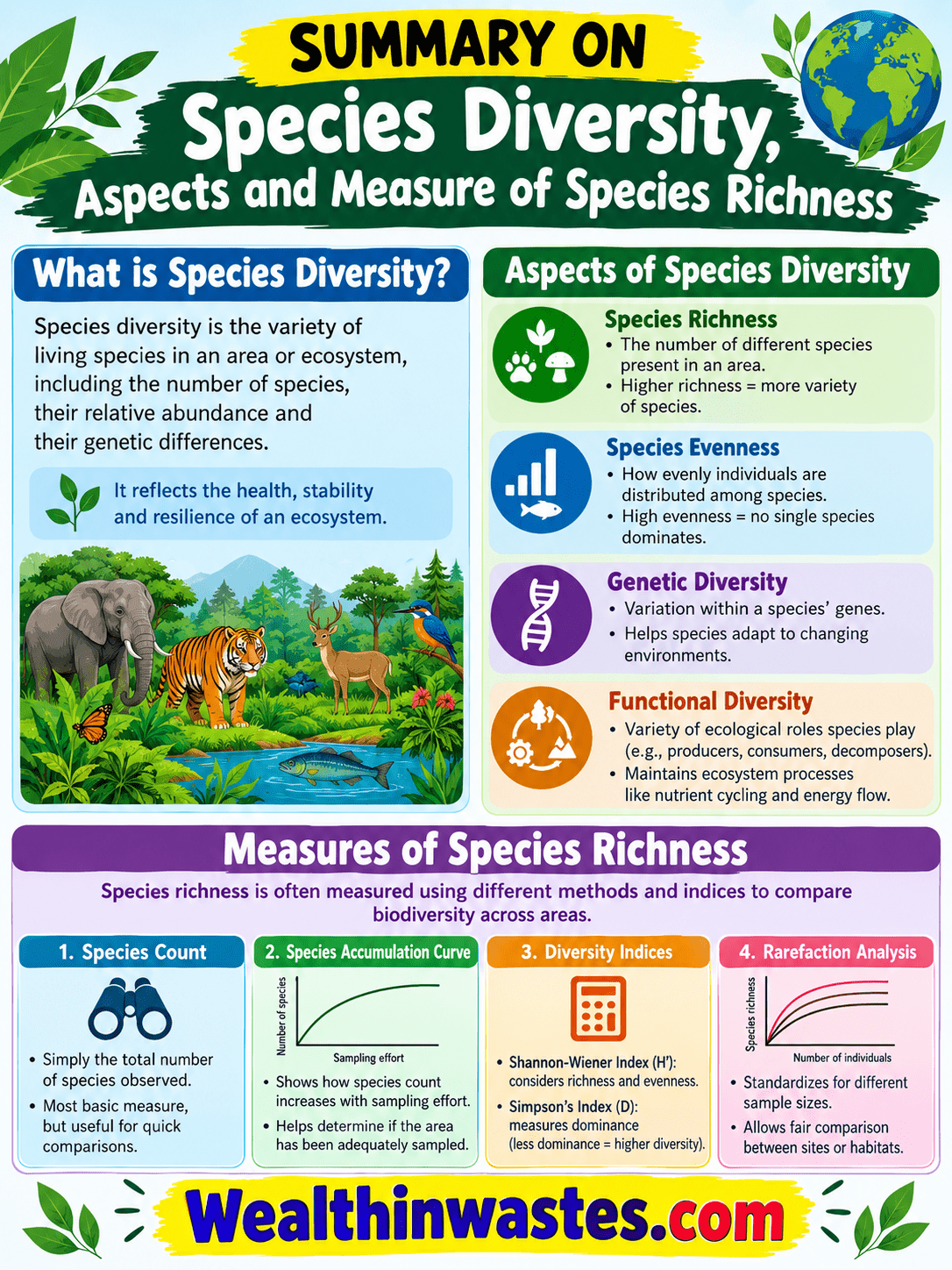
| Aspect | Summary |
|---|---|
| Species Diversity | The variety of species found within a defined habitat, ecosystem, region, or geographical area. |
| Species Richness | The number of different species recorded within a specified area or sample. |
| Species Abundance | The number or proportion of individuals belonging to different species within a community. |
| Species Evenness | The degree to which individuals distribute relatively equally among species within a community. |
| Taxonomic Diversity | Considers differences among species according to their biological classification and relationships. |
| Phylogenetic Diversity | Considers evolutionary relationships, shared ancestry, and differences among species. |
| Geographic Patterns | Tropical environments generally support greater species richness than temperate and polar regions, although local exceptions occur. |
| Environmental Factors | Climate, rainfall, nutrients, habitat structure, altitude, pollution, and human activities influence diversity. |
| Conservation | Habitat protection, sustainable resource use, pollution control, monitoring, restoration, and responsible waste management help protect species diversity. |
Frequently Asked Questions About Species Diversity: Aspects and Measures of Species Richness
1. What is species diversity?
Species diversity refers to the variety of species within an area and considers differences in species composition, abundance, distribution, and relationships among organisms.
2. What is species richness?
Species richness is the number of distinct species recorded within a defined habitat, ecological community, geographic area, or sample.
3. What are the major aspects of species diversity?
The major aspects include species richness, species abundance, species evenness, taxonomic diversity, and phylogenetic diversity.
4. Why is species abundance important?
Species abundance shows how individuals distribute among species and helps reveal whether a community has balanced populations or strong dominance by particular species.
5. How is species richness measured?
Researchers measure richness by identifying and counting the distinct species found within a standardized sampling area or community.
6. Why is species diversity usually higher in tropical regions?
Tropical regions often provide warm temperatures, substantial rainfall, productive habitats, and complex ecological conditions that support many species and ecological niches.
7. What factors affect species diversity?
Climate, rainfall, nutrients, habitat structure, altitude, environmental history, pollution, land use, resource availability, and human activities can affect species diversity.
8. Why is species diversity important?
Species diversity supports ecological functions, conservation planning, natural resource management, agriculture, scientific research, ecosystem resilience, and the continued functioning of biological communities.
Do you have any questions, suggestions, or contributions? If so, please feel free to use the comment box below to share your thoughts. We also encourage you to kindly share this information with others who might benefit from it. Since we can’t reach everyone at once, we truly appreciate your help in spreading the word. Thank you very much for your support and for sharing!
Read Also: Nigeria’s Rich Biodiversity and Conservation Efforts