


Occupational exposure to radiation occurs whenever workers encounter radiation during normal job activities. Such exposure can arise in healthcare, industry, research, mining, aviation, education, energy production, and several specialized workplaces.
Radiation exposure does not always produce immediate symptoms, which can make workplace risks difficult to recognize. Proper assessment therefore remains important wherever radiation sources, radioactive materials, contaminated areas, or elevated natural levels exist.
Some workers encounter artificial radiation sources intentionally used for useful purposes, including medical diagnosis, treatment, industrial inspection, research, manufacturing, and laboratory procedures. Others encounter natural radiation through radon or cosmic radiation.
The amount of radiation a worker receives depends on several factors, including source strength, distance, exposure duration, shielding, work procedures, and whether radioactive substances enter the body through inhalation, ingestion, or wounds.
Effective occupational radiation protection therefore combines workplace assessment, engineering controls, safe operating procedures, personal monitoring, training, supervision, and appropriate emergency arrangements. These measures help keep unnecessary exposure as low as reasonably achievable.
Workplaces With Radiation Exposure
Radiation exposure occurs across many occupations, although the source, intensity, and exposure pathway differ considerably. Employers should identify every radiation-producing activity and evaluate how workers may encounter external or internal exposure.
Industrial facilities may use radiation sources for inspection, measurement, thickness control, sterilization, material testing, or research. Workers handling these activities need controlled procedures, appropriate shielding, and access restrictions around radiation sources.
Healthcare facilities represent another important setting because diagnostic imaging, interventional procedures, nuclear medicine, and radiotherapy use ionizing radiation. Healthcare workers may receive occupational exposure while working near patients or radiation-producing equipment.
Workplaces that generate hazardous materials also require careful environmental controls because poor handling can increase human exposure to dangerous substances. Employers can review industrial waste sources when assessing wider workplace hazards.
Environmental and occupational protection should also consider vulnerable workers and surrounding communities, particularly where contamination could spread beyond controlled areas. Guidance on human health and environmental concerns provides useful background.
Mining, aviation, research institutions, universities, construction activities, and nuclear facilities can also involve radiation exposure. The risk profile differs considerably, so employers should develop controls based on the actual sources present.
Read Also: Complete List of Recyclable Wastes (Waste Recyclables)
Artificial Radiation Sources
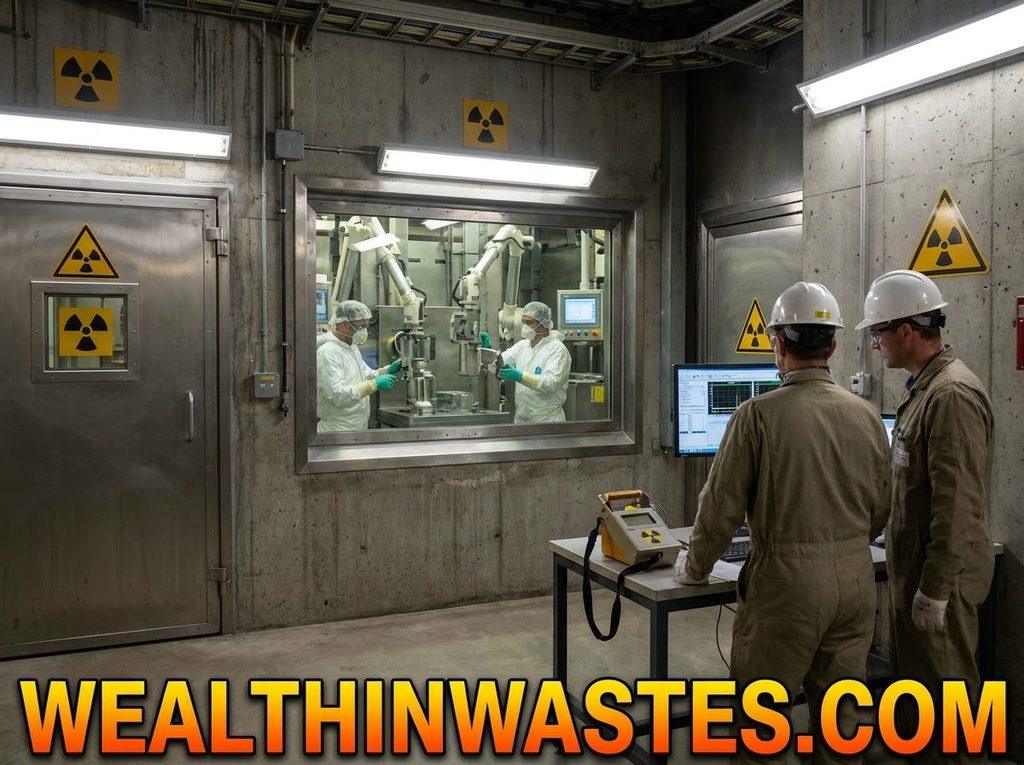
Artificial radiation sources arise from human activities where radiation supports useful technical, medical, industrial, educational, or research applications. Workers require controls that match the source type and expected exposure.
1. Medical Radiation: Hospitals and clinics use X-ray machines, computed tomography scanners, nuclear medicine equipment, and radiotherapy systems. Staff can reduce exposure through shielding, distance, optimized procedures, controlled access, and appropriate personal monitoring.
2. Industrial Radiation: Industrial radiography and other measurement systems can involve strong radiation sources. Workers should follow approved operating procedures, maintain safe distances, use shielding, and prevent unauthorized access during exposures.
3. Research And Education: Universities, laboratories, and research institutions may use radioactive materials or radiation-producing equipment for scientific investigations. Training, source control, storage procedures, monitoring, and laboratory safety programs help prevent unnecessary exposure.
4.Nuclear And Specialized Operations: Nuclear facilities and specialized industries may involve reactors, radioactive materials, waste handling, or maintenance activities. Workers need formal radiation protection programs supported by monitoring, contamination controls, and emergency planning.
Industrial activities may create several additional workplace hazards alongside radiation, making integrated safety planning important. Workers and managers can consult industrial waste impacts for related environmental risk considerations.
Medical facilities also manage different forms of healthcare waste, including materials associated with radioactive procedures. Information on hospital waste types can support broader workplace waste-control planning.
Specialized healthcare operations may also generate biomedical waste requiring controlled segregation, handling, storage, and disposal. Understanding biomedical special waste helps workers distinguish radiation hazards from other occupational risks.
Natural Radiation Sources
Natural radiation exists throughout the environment, but occupational exposure becomes important when workplace conditions increase exposure above ordinary background levels. Mining, underground work, and aviation are notable examples.
1. Radon In Mines: Radon forms naturally from radioactive materials in rocks and soil and can accumulate in enclosed underground environments. Poor ventilation can increase worker exposure, making measurement and ventilation important control measures.
2. Mineral And Ore Processing: Workers handling certain ores and mineral deposits may encounter naturally occurring radioactive materials. Monitoring becomes particularly important when processing concentrates increases radioactive material levels around workplaces.
3. Aircrew Cosmic Radiation: Aircraft crew receive increased exposure to cosmic radiation because radiation levels rise with altitude. Individual exposure depends on flight duration, altitude, route, and scheduling patterns across repeated journeys.
Natural radionuclides can also move through soil, water, air, and biological systems. Workers studying environmental contamination can benefit from understanding land pollution causes and effects.
Mining and industrial activities may alter environmental conditions and create additional pathways for exposure. The discussion of industrial waste impacts on health provides useful context for workplace assessments.
Workers should also recognize that environmental hazards can interact with occupational risks. Broader information on environmental and health effects of wastes supports a more complete understanding of exposure management.
Radiation Exposure Monitoring Methods

Radiation monitoring helps determine how much exposure workers receive and whether workplace controls remain effective. Monitoring may measure external radiation, radioactive contamination, airborne substances, or radioactive material accumulated inside the body.
1. Personal Dosimeters: Workers may wear thermoluminescent, optically stimulated, electronic, or other approved dosimeters. These devices help estimate external radiation doses received during work and support long-term exposure records.
2. Area Monitoring: Radiation surveys measure dose rates around equipment, rooms, storage areas, workstations, and controlled zones. Regular surveys help identify changing radiation fields and verify that shielding and access controls remain effective.
3. Internal Exposure Assessment: Workers exposed to airborne radioactive materials may require air sampling, bioassay testing, or specialized measurements. These methods help estimate internal doses when radioactive substances enter the body.
General waste-management systems also rely on systematic collection, monitoring, transport, and disposal procedures. The elements of waste management provide useful background for structured workplace control systems.
Where hazardous materials require specialized handling, employees should understand appropriate disposal procedures and risk controls. The guide on proper waste disposal methods offers related environmental management information.
Accurate measurements matter because radiation protection decisions depend on reliable information about exposure conditions. Understanding the concept and definition of pollution can also strengthen environmental monitoring awareness.
Health Effects Of Radiation
The health effects of radiation depend on factors such as dose, dose rate, radiation type, exposure duration, exposed tissues, and whether the exposure occurs externally or internally. Higher doses generally create greater health risks.
Very high doses delivered over a short period can cause acute tissue injury, including skin damage, burns, and radiation sickness. Such events normally involve accidents, uncontrolled sources, or serious failures in protection systems.
Long-term exposure at lower doses does not usually produce immediate symptoms, but it can increase the probability of certain health effects. Cancer represents one important long-term concern associated with ionizing radiation exposure.
Some occupational settings may expose workers to several hazards simultaneously, including chemicals, infectious materials, dust, and radiation. The discussion of biomedical waste health effects illustrates why combined workplace risks require careful management.
Risk assessment helps employers determine which hazards require priority controls and which exposure pathways need closer investigation. Workers can review pollutant and risk assessment principles for broader environmental health context.
Radiation protection should focus on preventing unnecessary exposure rather than waiting for symptoms. Environmental contamination can also create wider health costs, as discussed in research on economic losses from pollution.
Radiation Protection Measures

Radiation protection uses a combination of technical, administrative, and personal measures. The strongest programs first reduce exposure at the source before relying on personal protective equipment or worker behavior.
1. Minimize Exposure Time: Workers should spend only the necessary amount of time near radiation sources. Efficient preparation, rehearsed procedures, and proper equipment placement can reduce unnecessary exposure during routine tasks.
2. Increase Distance: Increasing the distance between a worker and a radiation source can substantially reduce exposure from many external sources. Remote handling tools and automated systems can provide additional protection.
3. Use Adequate Shielding: Appropriate shielding can reduce radiation reaching workers. The required material and thickness depend on the radiation type, energy, source strength, equipment design, and workplace configuration.
4. Control Access And Contamination: Employers should restrict entry into controlled areas, display warning signs, monitor contamination, maintain source inventories, and follow approved procedures for radioactive material storage and handling.
Workplace protection should also include proper handling of hazardous materials generated during operations. Employers can consult hazardous waste disposal guidance when designing broader safety procedures.
Proper waste segregation remains important because different waste streams require different handling methods. A practical solid waste management guide can support wider facility housekeeping and environmental controls.
Facilities should also follow a clear hierarchy that prioritizes prevention, minimization, recovery, and safe final management. The waste management hierarchy provides a useful framework.
Occupational Radiation Dose Limits
Radiation dose limits help prevent excessive occupational exposure, but employers should not treat the legal limit as a target.Good radiation protection aims to keep exposure below applicable limits whenever reasonably practicable.
For planned occupational exposure, international basic safety standards specify an effective dose limit of 20 mSv per year averaged over five consecutive years, with a maximum of 50 mSv in any single year.
Separate limits also apply to specific tissues, including the lens of the eye, skin, and extremities. National regulators may establish additional requirements depending on workplace conditions, equipment, source characteristics, and worker categories.
Employers should maintain dose records, investigate unusual results, review exposure trends, and improve workplace controls whenever monitoring indicates elevated doses. Personal monitoring provides evidence that protection systems function as intended.
Radiation dose limits operate alongside wider environmental protection principles. The 3Rs of waste management illustrate the broader importance of prevention and minimizing avoidable environmental impacts.
Careful control also applies to recyclable materials and equipment that may contain hazardous components. The recyclable waste guide provides useful information about managing different material streams responsibly.
Read Also: Hurts Wastewater Management Complete Guide
Radiation Safety In High-Risk Workplaces
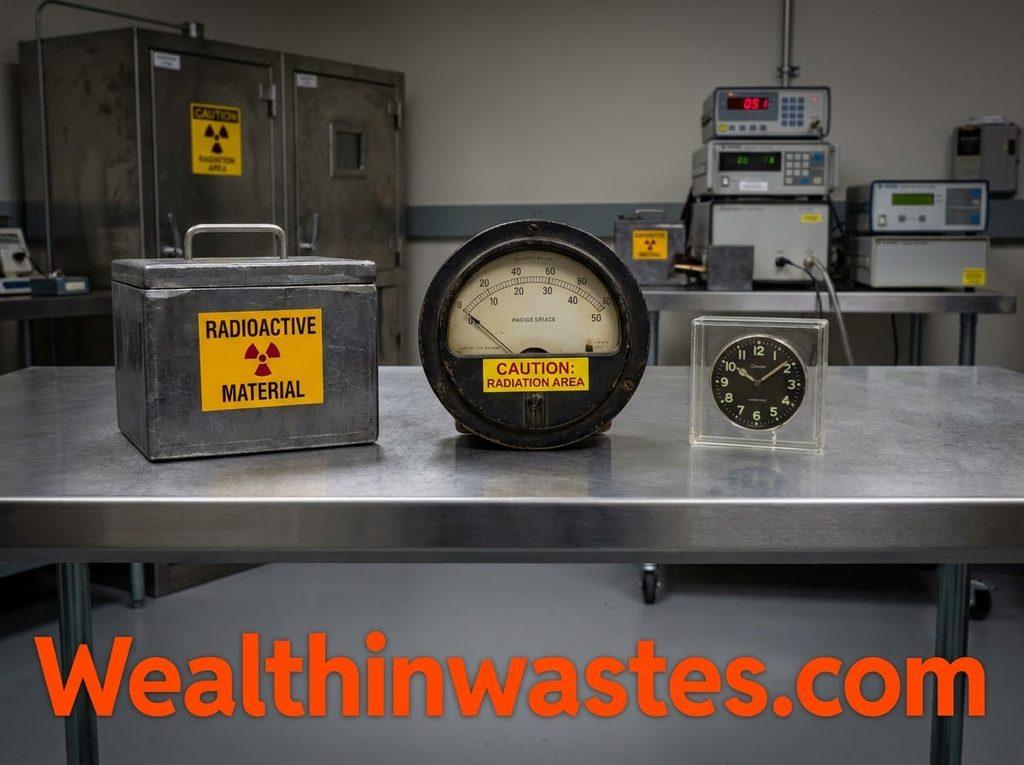
High-risk workplaces need formal radiation protection programs supported by competent supervision, documented procedures, regular training, emergency arrangements, and reliable monitoring. Workers should understand both routine precautions and actions required during abnormal events.
Mining operations should pay particular attention to ventilation, radon monitoring, airborne contamination, ore characteristics, and worker exposure patterns. Underground conditions can change considerably, so periodic reassessment remains essential.
Healthcare facilities should optimize imaging procedures, maintain equipment properly, use structural shielding, restrict unnecessary access, and position workers appropriately. Staff involved in fluoroscopy and other close-contact procedures require particular attention.
Industrial workplaces should maintain source security, equipment inspections, controlled work areas, warning systems, and clear operating procedures. Effective management also requires suitable arrangements for radioactive waste and contaminated materials.
Facilities handling municipal materials should also recognize that waste streams require different treatment methods. Information on municipal waste treatment and transformation supports broader understanding of controlled material management.
Finally, radiation safety depends on organizational commitment. Employers must provide suitable equipment, training, supervision, monitoring, and resources, while workers must follow procedures and promptly report unsafe conditions or unusual exposure events.
Summary on Risks and Safety Occupational Exposure to Radiation
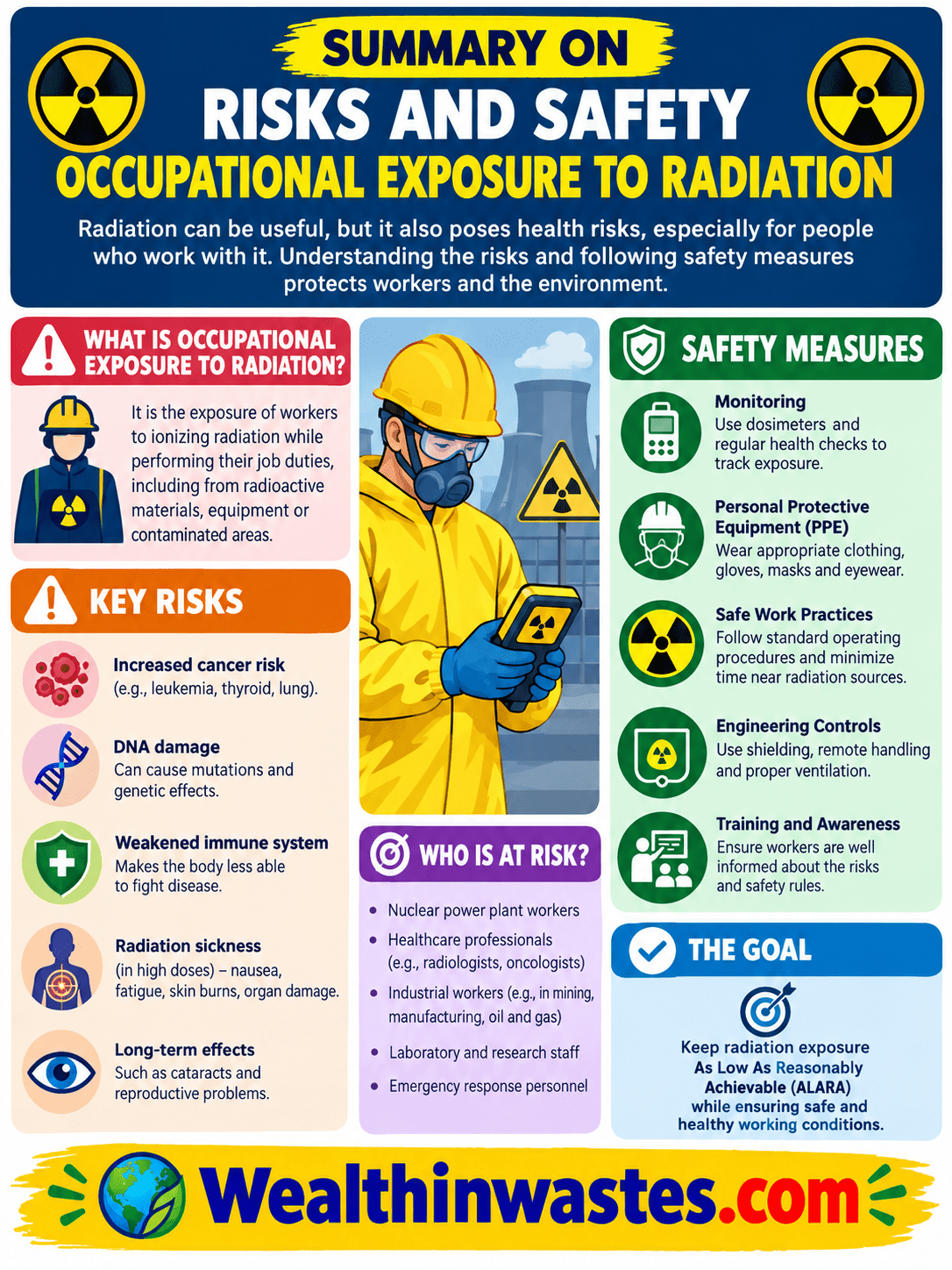
| Section | Main Idea | Why It Matters |
|---|---|---|
| Workplaces With Radiation Exposure | Radiation exposure can occur in healthcare, industry, mining, research, education, aviation, and energy. | Identifying exposure sources helps employers establish suitable protection. |
| Artificial Radiation Sources | Human-made sources support medical, industrial, research, educational, and nuclear applications. | Controlled use reduces unnecessary worker exposure. |
| Natural Radiation Sources | Radon, mineral deposits, and cosmic rays can create occupational exposure. | Monitoring helps identify elevated natural radiation risks. |
| Radiation Exposure Monitoring Methods | Dosimeters, area surveys, air sampling, and internal dose assessments measure exposure. | Reliable measurements support effective radiation protection. |
| Health Effects Of Radiation | Health effects depend on dose, duration, radiation type, and exposed tissues. | Understanding risk supports better prevention and medical follow-up. |
| Radiation Protection Measures | Time, distance, shielding, access control, and contamination control reduce exposure. | These measures prevent unnecessary radiation doses. |
| Occupational Radiation Dose Limits | International standards establish occupational dose limits and require effective monitoring. | Limits protect workers while encouraging dose optimization. |
| Radiation Safety In High-Risk Workplaces | High-risk facilities require training, supervision, emergency planning, monitoring, and strong safety programs. | Integrated controls help prevent accidents and excessive exposure. |
Frequently Asked Questions About Occupational Exposure to Radiation: Risks and Safety
1. What Is Occupational Exposure To Radiation?
It is radiation exposure a worker receives because of job-related activities involving radiation-producing equipment, radioactive materials, contaminated environments, or elevated natural radiation.
2. Which Workers Face Radiation Exposure?
Workers in healthcare, nuclear facilities, industrial radiography, research, mining, aviation, education, and certain manufacturing operations may experience occupational radiation exposure.
3. What Is The Main Natural Radiation Hazard At Work?
Radon represents an important natural radiation hazard, particularly in underground mines and enclosed buildings where the gas can accumulate to elevated concentrations.
4. How Do Workers Monitor Radiation Exposure?
Workers may use personal dosimeters, area radiation surveys, air sampling, bioassay testing, contamination monitoring, and specialized instruments that assess exposure conditions.
5. What Health Problems Can Radiation Cause?
High radiation doses can cause acute tissue injuries, while prolonged or repeated exposure can increase the likelihood of long-term effects, including certain cancers and cataracts.
6. What Are The Main Radiation Protection Methods?
The main approaches involve reducing exposure time, increasing distance, using suitable shielding, controlling access, preventing contamination, training workers, and maintaining effective monitoring.
7. What Is The Occupational Radiation Dose Limit?
International basic safety standards specify an effective occupational dose limit of 20 mSv per year averaged over five consecutive years, with 50 mSv permitted in any single year.
8. Is Workplace Radiation Exposure Always Dangerous?
Risk depends on the radiation type, dose, exposure pathway, duration, and protection measures. Controlled occupational exposure can remain within established limits when effective safeguards operate properly.
9. Why Are Radiation Dose Records Important?
Dose records help identify exposure trends, demonstrate compliance, investigate unusual results, support worker health protection, and guide improvements to workplace radiation safety programs.
10. What Should Workers Do After Suspected Overexposure?
Workers should stop unsafe activities when appropriate, follow workplace emergency procedures, notify supervisors or radiation safety personnel, and receive professional assessment according to established response procedures.
Do you have any questions, suggestions, or contributions? If so, please feel free to use the comment box below to share your thoughts. We also encourage you to kindly share this information with others who might benefit from it. Since we can’t reach everyone at once, we truly appreciate your help in spreading the word. Thank you very much for your support and for sharing!
Read Also: Light and Solar Radiation in Agricultural Production