


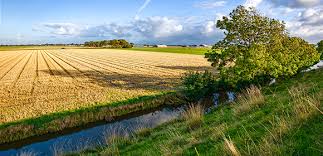
Pesticides in water can create environmental problems because these chemicals do not remain in one place after they leave agricultural fields, storage areas, or application equipment. This distinction matters when assessing environmental risk.
Rainfall, irrigation, drainage, spills, atmospheric deposition, and contaminated groundwater can carry pesticide residues into rivers, streams, ponds, lakes, reservoirs, and other connected water systems. This process can vary across different water bodies.
Once pesticides reach water, their behaviour depends on chemical structure, sunlight, temperature, pH, sediments, dissolved organic matter, microorganisms, water movement, and interactions with aquatic organisms. These factors can alter the concentration found in water.
Some compounds remain dissolved, while others attach to suspended particles, settle into bottom sediments, escape into the atmosphere, or accumulate within aquatic organisms and food chains. Such changes can influence downstream ecological exposure.
Understanding the behaviour and fate of pesticides in water helps environmental managers, farmers, regulators, and communities reduce contamination, protect aquatic ecosystems, and improve water quality. Understanding this process improves environmental management decisions.
How Pesticides Enter Surface Water
Pesticides can enter surface water through direct discharge, runoff from treated land, accidental spills, irrigation drainage, industrial effluents, or atmospheric deposition followed by rainfall. This can change contamination risks within connected water systems.
Agricultural runoff becomes especially important after intense or prolonged rainfall shortly after pesticide application, when water can move rapidly across soil before infiltration or chemical degradation. The effect may become stronger after heavy rainfall events.
Research and guidance on pesticide movement through soil and runoff show why soil conditions, rainfall timing, slope, and application practices influence contamination risks. This helps explain differences between aquatic environments.
Surface water pollution can also arise from wider environmental contamination, because chemicals deposited on land may later reach drainage systems, streams, and rivers through erosion, leaching, and stormwater movement. These pathways can operate at the same time.
Good prevention begins with water pollution prevention practices that reduce pollutants at their sources, limit runoff, improve waste handling, and protect sensitive waterways from unnecessary exposure. Monitoring these changes supports better pollution control decisions.
1. Agricultural Runoff: Rainfall or irrigation can wash dissolved pesticide residues and contaminated soil particles from treated fields into nearby streams, ponds, drainage channels, rivers, and reservoirs. This can increase concern for sensitive aquatic organisms.
2. Direct Discharge: Cleaning equipment near waterways, accidental spills, improper disposal, and contaminated effluent can introduce concentrated pesticide residues directly into surface waters. These conditions can change pesticide persistence and mobility.
3. Atmospheric Deposition: Some pesticides can move through air after application and later return to land or water with rainfall, dry deposition, or settling of airborne particles. The result depends on local environmental conditions.
Read Also: Roles of Producers and Corporations in Waste Management
Major Transformation Processes In Water
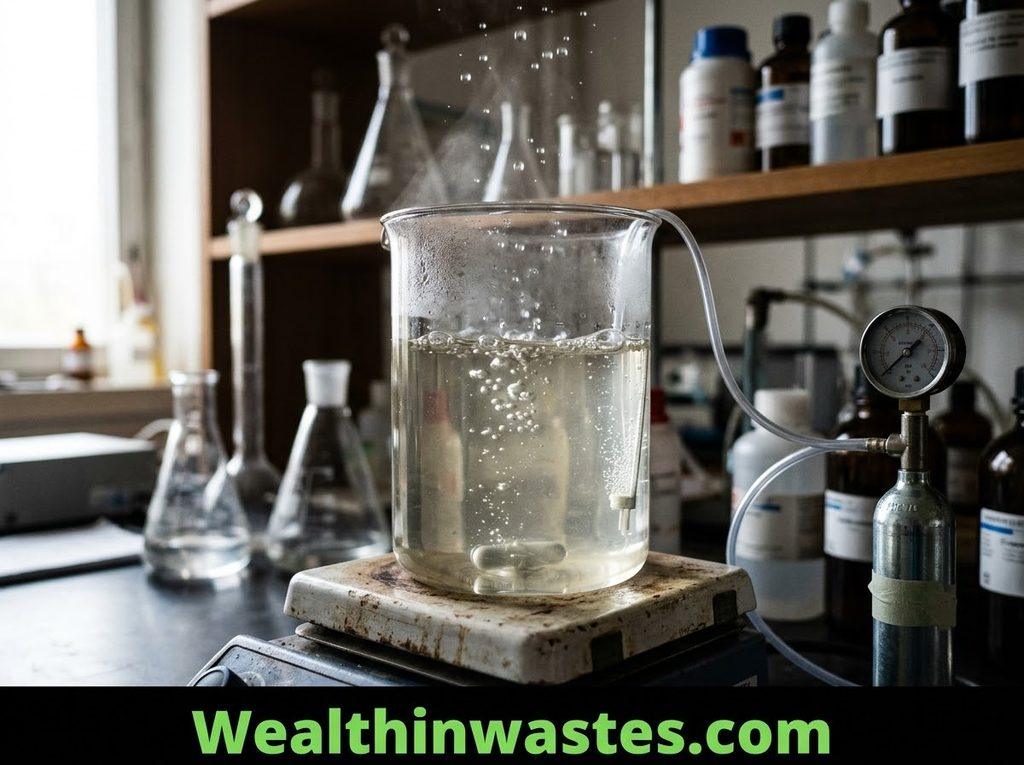
Pesticide transformation changes the chemical structure of a parent compound and can produce metabolites or other products with properties that differ from the original pesticide. This distinction matters when assessing environmental risk.
Transformation does not automatically make contamination harmless because some products persist longer, travel farther, or retain biological activity after the parent pesticide begins disappearing from water. Such behaviour affects how long residues remain available.
The environmental significance of transformation therefore depends on the identity and concentration of products formed, the speed of formation, and their subsequent movement through water. This process can vary across different water bodies.
1. Hydrolysis: Water reacts with susceptible pesticide molecules and can split chemical bonds, producing smaller products whose persistence, solubility, mobility, and toxicity may differ substantially. These interactions determine the pesticide’s environmental fate.
2. Oxidation-Reduction: Electron-transfer reactions can alter pesticide molecules under oxygen-rich, oxygen-poor, chemically reducing, or chemically oxidizing conditions within different parts of water bodies. The actual outcome depends on several interacting variables.
3. Biodegradation: Microorganisms use enzymes to transform pesticides, sometimes converting them gradually through several intermediate compounds and, in favourable circumstances, eventually achieving extensive mineralization. This helps explain differences between aquatic environments.
4. Photolysis: Sunlight can directly break down pesticides that absorb suitable wavelengths, while light-activated natural substances can indirectly generate reactive species that attack pesticide molecules. This is important for protecting connected water resources.
Hydrolysis And Redox Reactions
Hydrolysis occurs when water participates directly or indirectly in breaking pesticide bonds, and the reaction rate can change greatly according to pH, temperature, molecular structure, and catalysts. The result depends on local environmental conditions.
Acidic conditions can favour acid-catalysed reactions, whereas alkaline conditions can favour base-catalysed reactions. Some compounds instead show little dependence on pH during hydrolysis. This process can vary across different water bodies.
Temperature also influences hydrolysis because chemical reactions generally proceed faster as water becomes warmer, although the actual response varies among pesticide compounds. Such changes can influence downstream ecological exposure.
water quality analysis procedures can help identify relevant conditions and contaminants, allowing environmental assessments to connect pesticide concentrations with changes in water chemistry. Monitoring these changes supports better pollution control decisions.
Oxidation-reduction reactions involve electron transfer between chemical species. Their importance can change between oxygenated surface water, deeper water, bottom sediments, and areas containing reducing substances. These pathways can operate at the same time.
Reduced environments may support reactions involving iron, other transition metals, organic reducing compounds, or biologically produced substances that change pesticide structures under suitable conditions. The actual outcome depends on several interacting variables.
Because pH, oxygen availability, temperature, and chemical composition vary across aquatic systems, pesticide transformation may occur at different rates within the same water body. This helps explain differences between aquatic environments.
Knowledge of water pollution sources and pathways helps place these reactions in context because the original contamination route can influence where pesticides concentrate and transform. These factors can alter the concentration found in water.
Biodegradation and Photolysis In Water
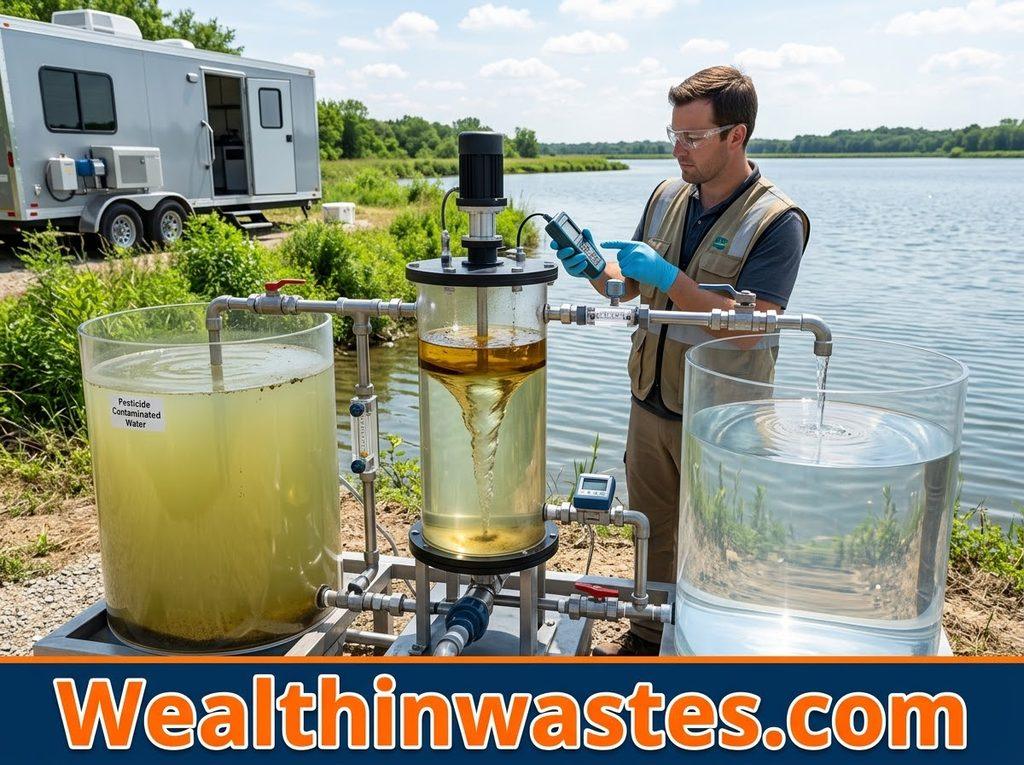
Microorganisms can transform pesticides through enzyme-driven reactions, using some compounds as substrates or transforming them incidentally during the metabolism of other carbon and energy sources. This helps explain differences between aquatic environments.
Some persistent pesticides resist rapid biodegradation because microorganisms lack effective enzymes or because the compounds have structures that resist biological transformation under natural conditions. This distinction matters when assessing environmental risk.
Information on pesticide residue movement into animal products also shows why persistent residues deserve attention beyond the original treatment site and across connected environmental pathways. This is important for protecting connected water resources.
Direct And Indirect Photolysis
Direct photolysis begins when a pesticide absorbs sunlight at wavelengths that reach the water surface, allowing the absorbed energy to trigger bond cleavage, oxidation, rearrangement, or other transformations. The result depends on local environmental conditions.
Indirect photolysis occurs when sunlight activates substances such as nitrate or dissolved organic matter, producing reactive species that subsequently attack pesticide molecules in surrounding water. Such behaviour affects how long residues remain available.
Water clarity, depth, dissolved organic matter, nitrate concentration, sunlight intensity, and pesticide structure can all influence photolytic transformation, making rates highly variable between aquatic environments. These conditions can change pesticide persistence and mobility.
The effects of chemical water pollution can become more important when transformation products remain biologically active or persist long enough to reach sensitive organisms. This can increase concern for sensitive aquatic organisms.
1. Microbial Activity: Bacteria, fungi, and other microorganisms can transform susceptible pesticides, with degradation rates depending on microbial communities, previous exposure, nutrient availability, temperature, pH, and oxygen conditions. This helps explain differences between aquatic environments.
2. Environmental Conditions: Microbial populations respond strongly to temperature, dissolved oxygen, salinity, pH, available nutrients, and concentrations of both pesticides and alternative carbon sources. These factors can alter the concentration found in water.
3. Cometabolism: Microorganisms may transform a synthetic pesticide while consuming another substrate for growth, meaning the pesticide can degrade even though it provides little direct nutritional benefit. This process can vary across different water bodies.
Phase Transfer Controls Pesticides In Water
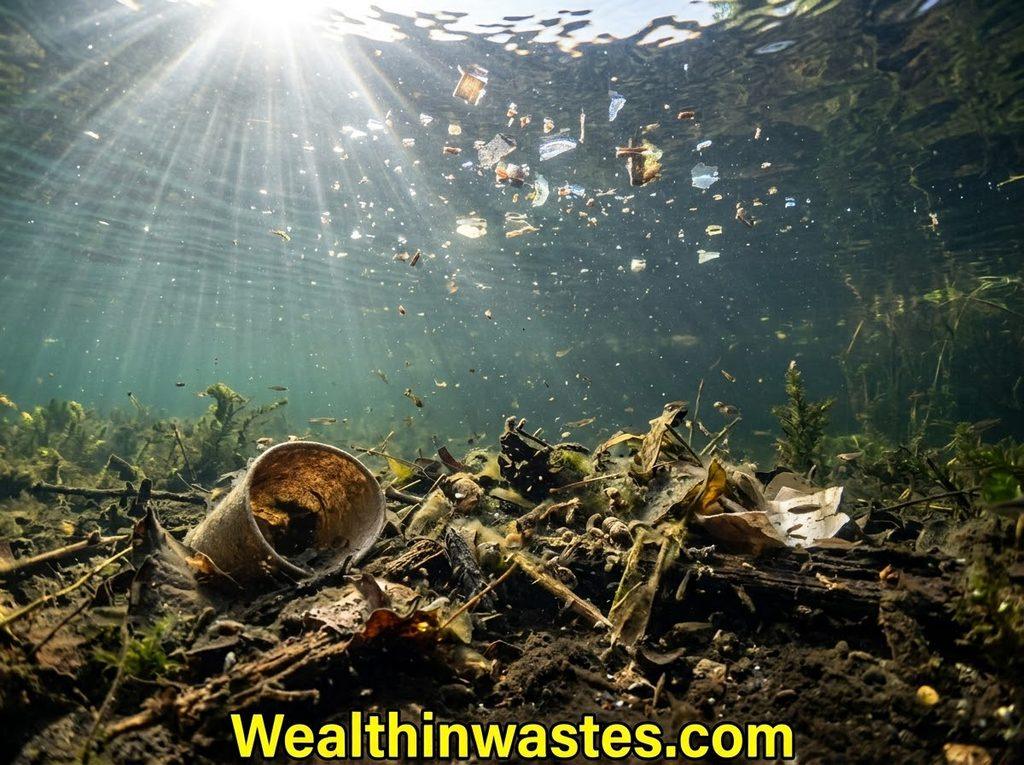
Phase-transfer processes move pesticides between environmental compartments without necessarily changing their chemical structure. These transfers strongly influence whether compounds remain mobile, accumulate, volatilize, or settle. This distinction matters when assessing environmental risk.
Suspended particles can transport sorbed pesticide residues downstream, while deposited sediments can store contaminants and later release them when currents, floods, storms, or biological activity disturb the bed. Such changes can influence downstream ecological exposure.
sedimentation and particle behaviour in water therefore matter when assessing where particle-associated pesticides may accumulate within a water system. This process can also influence environmental conditions over time. These interactions matter in water.
Wastewater characteristics can also influence phase transfer because suspended solids, dissolved organic carbon, oils, and other materials provide surfaces or phases that interact with pesticides. These factors can alter the concentration found in water.
Proper wastewater management and treatment can reduce contaminant releases before effluent enters rivers, lakes, streams, or other receiving waters. This process can also influence environmental conditions over time. These interactions matter in water.
Sorption And Bioaccumulation Patterns
Sorption describes pesticide partitioning between dissolved water and particle surfaces. Hydrophobic compounds often show stronger associations with organic-rich sediments than highly water-soluble compounds. Such behaviour affects how long residues remain available.
Several properties influence sorption, including pesticide hydrophobicity, water solubility, pH, ionic strength, dissolved organic carbon, particle surface area, and organic coatings on sediments. The actual outcome depends on several interacting variables.
The widely used distribution coefficient Kd compares pesticide concentrations associated with solid material and water, while Koc normalizes sorption to the organic carbon content of sediment. These interactions determine the pesticide’s environmental fate.
wastewater treatment options may rely on physical and chemical processes that separate contaminants with suspended solids or alter the conditions controlling their removal. This helps explain differences between aquatic environments.
Sorption can reduce the dissolved fraction available for volatilization and some forms of biodegradation, although particle-bound pesticides may remain environmentally important when sediments move. This process can vary across different water bodies.
Aquatic organisms may accumulate pesticides through direct uptake from water and through consumption of contaminated food. This combined process is known as bioaccumulation. The result depends on local environmental conditions.
evidence on pesticide residues in food materials illustrates why chemical persistence and accumulation deserve attention across connected environmental and food systems. Monitoring these changes supports better pollution control decisions.
Bioconcentration depends on chemical hydrophobicity, organism lipid content, metabolism, life stage, size, sex, and species, so different organisms can accumulate very different pesticide concentrations. These conditions can change pesticide persistence and mobility.
1. Water-To-Solid Transfer: Sorption moves dissolved pesticide molecules onto suspended sediments, organic matter, mineral surfaces, and bottom deposits, changing their mobility and environmental availability. This is important for protecting connected water resources.
2. Water-To-Biota Transfer: Aquatic organisms can take up pesticides directly from water or indirectly through food, causing internal concentrations that exceed surrounding water concentrations for some persistent chemicals. These factors can alter the concentration found in water.
3. Water-To-Air Transfer: Volatilization allows suitable pesticides to escape from water into the atmosphere, especially when chemical properties and environmental conditions favour movement across the air-water interface. The result depends on local environmental conditions.
Read Also: The Major Effects of Water Pollution
Volatilization and Henry’s Law
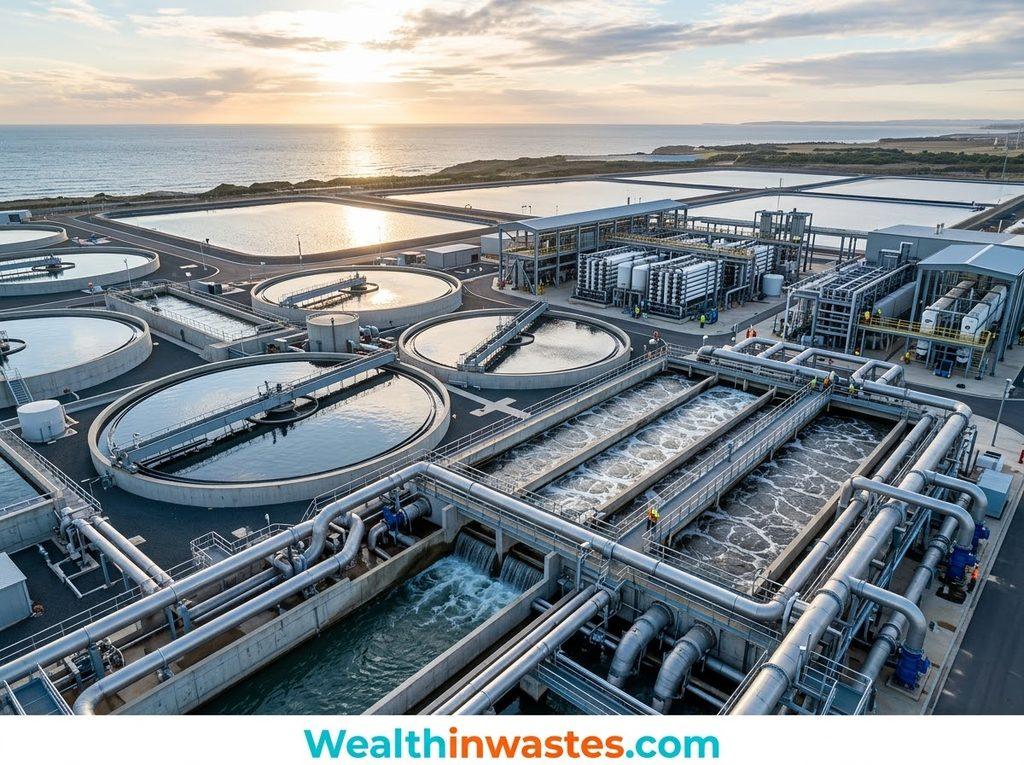
Volatilization transfers dissolved pesticide molecules from water into the atmosphere. The process depends on chemical volatility, molecular diffusion, water movement, temperature, and conditions at the air-water interface. This distinction matters when assessing environmental risk.
Fumigant-type pesticides often show stronger volatility than many widely used herbicides, while some organochlorine compounds may occupy intermediate positions depending on environmental conditions. Such behaviour affects how long residues remain available.
Instead, volatilization changes the receiving compartment, and atmospheric transport or later deposition may redistribute residues to soil, vegetation, surface water, or other environmental compartments. The result depends on local environmental conditions.
1. Low Henry’s Constant: Pesticides with very low Henry’s Law constants generally show little volatilization from surface water because the chemical has limited tendency to partition into the gas phase. These conditions can change pesticide persistence and mobility.
2. Intermediate Henry’s Constant: Compounds within an intermediate range can volatilize noticeably under particular environmental conditions, so water temperature, turbulence, concentration, and atmospheric conditions become especially relevant. This helps explain differences between aquatic environments.
3. High Henry’s Constant: More volatile pesticides can transfer readily from water to air, making volatilization an important pathway that can reduce concentrations in the water column. This can increase concern for sensitive aquatic organisms.
Factors That Determine Pesticide Fate
The fate of pesticides in water depends on interacting chemical and environmental factors rather than one isolated property. Understanding these controls improves monitoring, modelling, prevention, and management decisions. This distinction matters when assessing environmental risk.
agricultural waste and input management matter because farming activities can introduce pesticides, fertilizers, residues, and contaminated materials into pathways leading toward water bodies. These pathways can operate at the same time.
Industrial releases can add another contamination route, particularly where facilities handle chemical products, process wastewater, or store hazardous materials near drainage systems and surface waters. This can change contamination risks within connected water systems.
industrial waste impacts on water and ecosystems show why prevention must include safe storage, controlled discharge, treatment, monitoring, and emergency spill response. Monitoring these changes supports better pollution control decisions.
Groundwater can also become a long-term pathway because contaminants entering aquifers may move slowly and remain difficult to remove once pollution becomes established. Such behaviour affects how long residues remain available.
Water-quality assessment should track both chemical and ecological indicators, because changes in temperature, oxygen, turbidity, nutrients, and pesticide concentrations can reveal shifting contamination conditions. The actual outcome depends on several interacting variables.
global water-quality conditions and monitoring provide useful context for understanding how pollution pressures interact across rivers, lakes, groundwater systems, and other connected environments. This helps explain differences between aquatic environments.
groundwater and aquifer protection is therefore essential when pesticides migrate downward through soil or enter recharge areas that connect underground water with surface systems. This is important for protecting connected water resources.
Effective pollution control also depends on reliable water monitoring, suitable treatment, responsible pesticide handling, and policies that prevent contaminants from reaching sensitive aquatic environments in the first place. This process can vary across different water bodies.
methods for controlling water pollution provide a broader framework for source reduction, wastewater management, monitoring, and protection of receiving waters. This process can also influence environmental conditions over time. Carefully.
Water treatment can reduce some contaminants through screening, sedimentation, filtration, adsorption, precipitation, or disinfection, although pesticide removal depends strongly on chemical characteristics and treatment design. The actual outcome depends on several interacting variables.
public water treatment processes demonstrate how several treatment stages can work together, while specialized contaminants may require additional treatment approaches. This process can also influence environmental conditions over time. Carefully.
water treatment techniques can help address contaminants by combining physical separation and chemical processes suited to the characteristics of the water. These interactions determine the pesticide’s environmental fate.
Wastewater quality also matters because domestic, agricultural, and industrial flows may contain dissolved, suspended, colloidal, or chemical constituents that affect contaminant transport and treatment performance. These factors can alter the concentration found in water.
wastewater characterization provides useful background for understanding the solids and dissolved materials that can influence pesticide movement and treatment behaviour. This process can also influence environmental conditions over time. Carefully.
Proper sediment management can limit the remobilization of particle-bound contaminants, especially after strong currents, floods, dredging, storms, or other disturbances affect contaminated deposits. This can increase concern for sensitive aquatic organisms.
sedimentation processes explain how suspended materials settle and why changes in water velocity can alter the distribution of contaminants associated with particles. This process can vary across different water bodies.
Monitoring programs should consider both dissolved and particle-associated pesticide concentrations because sampling only the water column can overlook contaminants stored within sediments or aquatic organisms. Monitoring these changes supports better pollution control decisions.
pesticide residue concerns in food also highlight the importance of tracking contaminant movement beyond water itself, particularly where aquatic resources support fisheries, livestock, irrigation, or food production. This is important for protecting connected water resources.
A complete environmental assessment should therefore connect pesticide application, runoff, water transport, transformation, sediment interaction, biological uptake, atmospheric transfer, and potential human or ecological exposure. These pathways can operate at the same time.
pesticide residue management in livestock systems reinforces the need to consider connected exposure pathways involving feed, water, animals, and agricultural environments. The actual outcome depends on several interacting variables.
1. Chemical Properties: Solubility, hydrophobicity, molecular structure, ionization, vapour pressure, and susceptibility to hydrolysis or oxidation strongly influence pesticide persistence and environmental distribution. This distinction matters when assessing environmental risk.
2. Water Chemistry: pH, temperature, salinity, dissolved oxygen, dissolved organic carbon, nitrate, mineral ions, and suspended solids can change transformation and phase-transfer rates. This distinction matters when assessing environmental risk.
3. Hydrology: Flow velocity, turbulence, flooding, residence time, water depth, rainfall, irrigation, and sediment movement determine how quickly pesticides disperse or accumulate. This process can vary across different water bodies.
4. Biological Activity: Microbial communities and aquatic organisms influence biodegradation, uptake, metabolism, food-web transfer, and the eventual persistence of pesticide residues. The effect may become stronger after heavy rainfall events.
agricultural runoff and water pollution provide a practical farming perspective on how pesticides and other agricultural pollutants can move from fields into nearby water bodies. This distinction matters when assessing environmental risk.
Summary on Behaviour and Fate of Pesticides in Water
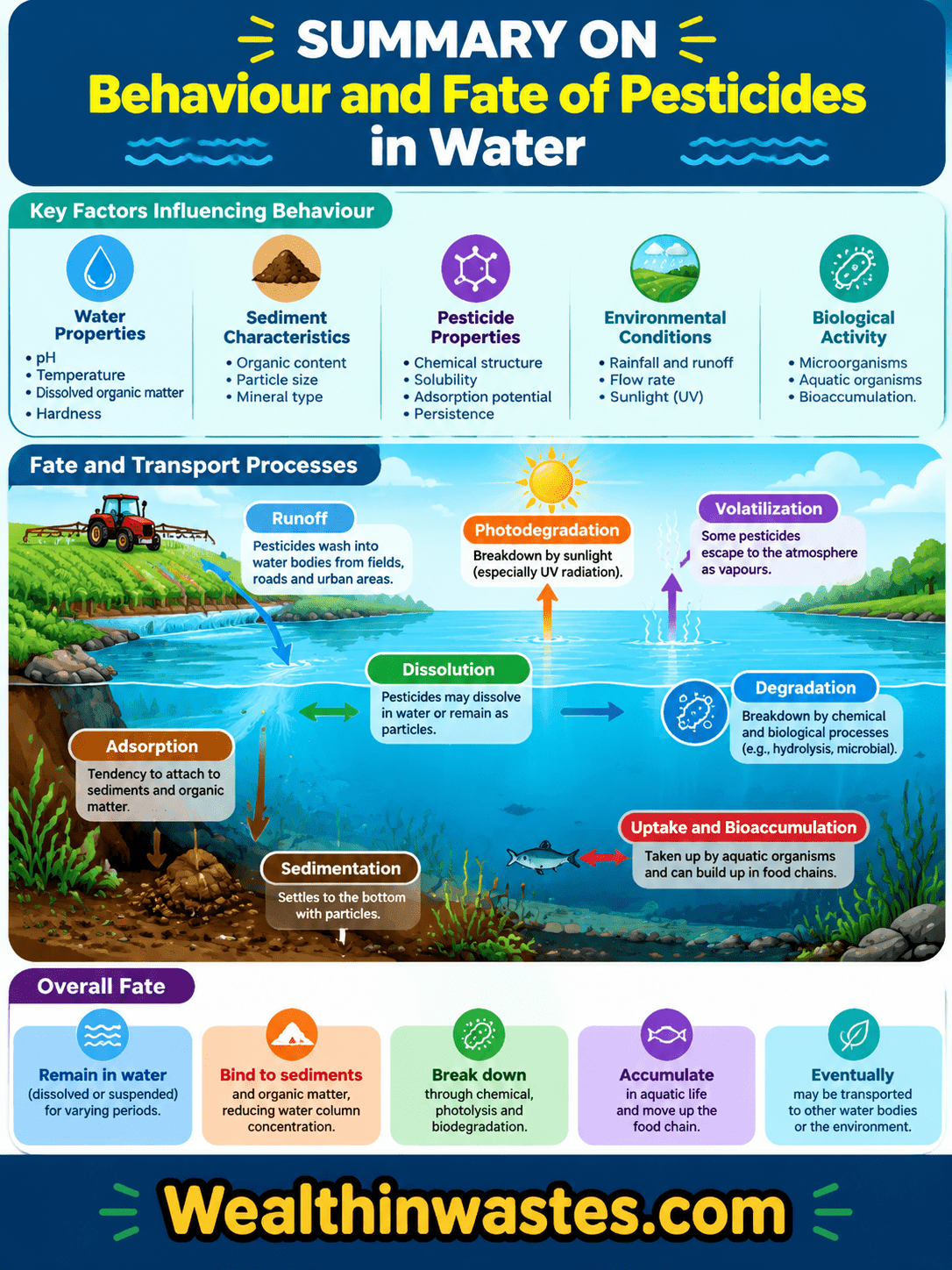
| Aspect | Summary |
|---|---|
| Entry Pathways | Runoff, spills, direct discharge, irrigation drainage, atmospheric deposition, and contaminated groundwater can introduce pesticides into water. |
| Transformation | Hydrolysis, oxidation-reduction, biodegradation, and photolysis can change pesticide molecules into different products. |
| Sorption | Pesticides can attach to suspended solids and sediments, affecting mobility, availability, and long-term storage. |
| Bioaccumulation | Some pesticides can concentrate in aquatic organisms through direct uptake and contaminated food. |
| Volatilization | Suitable pesticides can transfer from water to air, with volatility influenced by chemical properties and environmental conditions. |
| Main Controls | Chemical structure, pH, temperature, oxygen, sunlight, sediments, microorganisms, dissolved organic matter, and hydrology influence pesticide fate. |
| Management | Source control, careful application, runoff reduction, water monitoring, safe waste handling, and appropriate treatment help limit contamination. |
Frequently Asked Questions About Behaviour and Fate of Pesticides in Water: Key Processes
1. How do pesticides commonly enter surface water?
They commonly enter through agricultural runoff, spills, direct discharge, irrigation drainage, atmospheric deposition, and contaminated groundwater moving into connected surface-water systems.
2.What happens to pesticides after they reach water?
They may remain dissolved, transform chemically, attach to sediments, accumulate in organisms, volatilize into air, or move downstream with flowing water.
3. Does sunlight break down pesticides in water?
Yes. Sunlight can cause direct photolysis in compounds that absorb suitable wavelengths and indirect photolysis through reactive species generated by photosensitive substances.
4. Why is pesticide sorption important in surface water?
Sorption moves pesticides onto particles and sediments, which can reduce dissolved concentrations while creating stored contamination that may return during sediment disturbance.
5. Can aquatic organisms accumulate pesticides from contaminated water?
Yes. Organisms can absorb pesticides directly from water and also obtain residues through contaminated food, producing bioaccumulation in suitable circumstances.
6. What factors control pesticide persistence in water?
Important factors include chemical structure, pH, temperature, sunlight, oxygen, microorganisms, dissolved organic matter, sediments, hydrology, and pesticide concentration.
7. What is the role of Henry’s Law constant?
It helps indicate a pesticide’s tendency to partition between water and air, helping assess whether volatilization may significantly reduce concentrations in surface water.
8. How can pesticide contamination of water be reduced?
Use pesticides carefully, prevent spills, maintain buffer areas, manage runoff, protect groundwater recharge zones, monitor water quality, and dispose of pesticide wastes responsibly.
Do you have any questions, suggestions, or contributions? If so, please feel free to use the comment box below to share your thoughts. We also encourage you to kindly share this information with others who might benefit from it. Since we can’t reach everyone at once, we truly appreciate your help in spreading the word. Thank you very much for your support and for sharing!