


Clean water supports public health, farming, industry, and healthy ecosystems. Yet sewage, industrial discharges, plastic waste, farm chemicals, and poorly managed runoff can contaminate rivers, lakes, groundwater, and coastal waters.
The methods for controlling water pollution depend on the source, type, and amount of contamination. Effective action combines prevention, suitable treatment, regular monitoring, enforcement, and public participation rather than relying on cleanup alone.
Water quality also depends on how people use and manage water resources. Water suitable for irrigation or industrial processes may not meet the stricter standards required for drinking or sensitive aquatic habitats.
Urban growth can outpace sewer systems, while developing economies may lack funds and technology for treatment. These pressures make practical, affordable pollution controls and international cooperation especially important over the long term.
How to Control Water Pollution at the Source
Controlling pollution at its source usually costs less and works better than removing contaminants after they reach rivers, lakes, or aquifers. Households, farms, and businesses all have a role in prevention.
Start with preventing pollution at its source: reduce chemical use, keep oils and solvents out of drains, maintain storage tanks, and separate hazardous materials from ordinary waste before collection and disposal.
Communities can strengthen these habits through practical pollution-reduction measures, including litter collection, responsible disposal of medicines, and prompt reporting of spills near drains, streams, wells, or public water supplies used by residents.
People should also protect wells, springs, and riverbanks from latrines, livestock waste, and chemical storage. Local source-protection plans help communities identify contamination risks before they threaten drinking-water supplies or nearby ecosystems.
Read Also: The Major Effects of Water Pollution
Wastewater Treatment That Protects Water Quality

Domestic sewage and industrial effluent can contain pathogens, organic matter, oils, metals, nutrients, and other contaminants. Effective wastewater management and treatment systems reduce pollutant loads before discharge into nearby water bodies.
The appropriate treatment options for wastewater depend on the waste stream, pollutant concentration, discharge limits, available space, operating skills, and budget. No single process suits every facility or community at the same cost.
Understanding different wastewater types and reuse options helps planners determine the treatment level required for irrigation, industrial cooling, sanitation, or other purposes. Reuse requires safeguards appropriate to the intended application and exposure risks.
1. Primary Treatment: Screening and settling remove large debris and suspended solids, prevent equipment blockages, and reduce the load on later stages. Operators must manage captured sludge safely to prevent renewed contamination.
2. Secondary Treatment: Biological systems use microorganisms to break down biodegradable organic matter. Operators should measure wastewater flow and composition to select suitable operating conditions and detect sudden changes in pollutant loads.
3. Advanced Treatment and Disinfection: Filtration, nutrient removal, membranes, or disinfection may be necessary where ordinary treatment cannot meet discharge standards. Choose additional processes according to the contaminants present and the intended water use.
Reduce Agricultural and Urban Runoff
Rain can wash fertilizers, manure, pesticides, soil, oil, metals, and litter from land into surface water. Better land management reduces this diffuse pollution before it reaches streams, reservoirs, and groundwater.
Oil and fuel need particular care because petroleum compounds can persist in sediment and harm aquatic organisms. Secure storage, spill kits, and correct disposal of petroleum-derived materials help prevent releases.
1. Apply Farm Inputs Carefully: Follow soil-test results and product instructions when choosing fertilizers and pesticides. Apply appropriate quantities at suitable times, and keep chemicals away from wells, drainage channels, and natural waterways.
2. Protect Soil and Vegetated Buffers: Maintain ground cover, plant streamside vegetation, and use erosion barriers where practical. These measures slow runoff, trap sediment, and support proper water-resource management across farms and watersheds during heavy rainfall.
3. Manage Urban Runoff and Spills: Keep storm drains free of rubbish, repair leaking vehicles, and contain fuel spills quickly. Better drainage planning can also address broader water-resource development challenges in growing towns with limited infrastructure.
Monitor Water Quality and Detect Risks
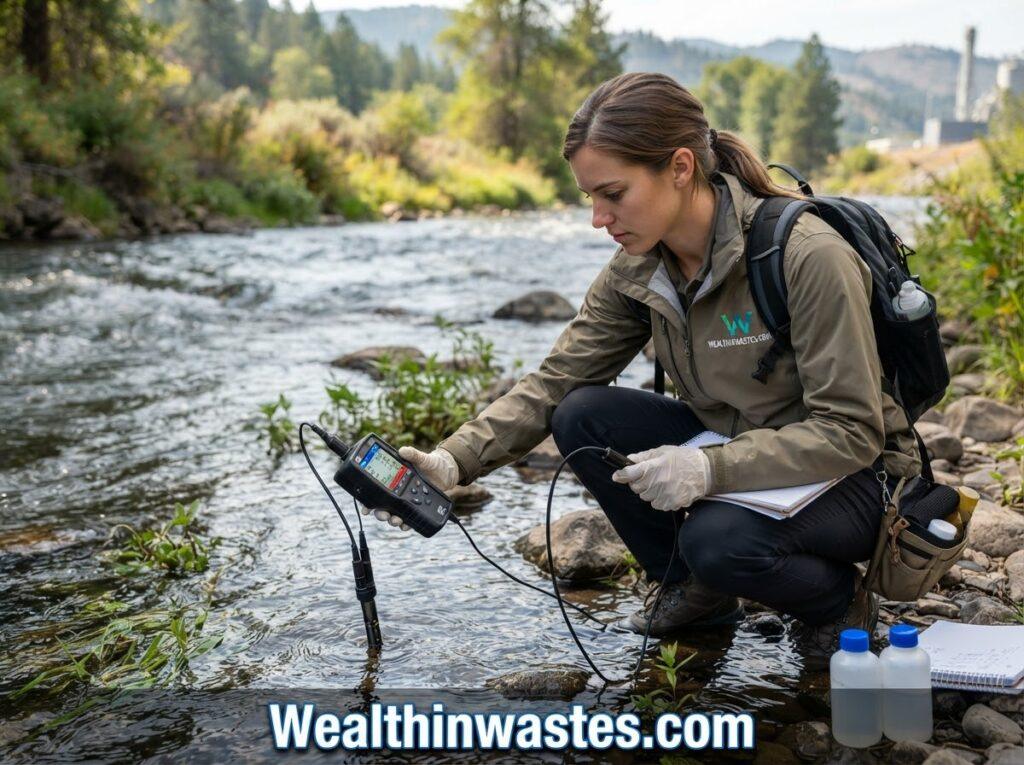
Testing makes pollution control measurable rather than guesswork. Monitoring programmes should match sampling locations and frequency to intended water use, likely contaminants, seasonal changes, and risks to people or aquatic organisms.
For drinking supplies, appropriate drinking-water treatment may include filtration and disinfection, but treatment cannot replace source protection or routine testing for microbes and chemicals that occur under local conditions.
Laboratories and water operators should follow consistent sampling, calibration, recordkeeping, and quality-control procedures. Water and wastewater purification processes should address measured contaminants rather than relying on appearance or smell alone.
Monitoring results help authorities detect trends, evaluate treatment performance, and investigate complaints. River-basin data also support research into water-treatment processes and decisions about where limited resources will deliver the greatest environmental and public-health benefits.
Laws, Standards, and Community Action
Effective rules set discharge limits, require permits where applicable, establish penalties for violations, and protect drinking-water sources. Regulations work only when agencies have trained staff, reliable data, and funds for inspections.
1. Set Clear Standards: Authorities should define acceptable limits for pathogens, chemicals, nutrients, and other relevant pollutants. Updated environmental regulations help permit writers, operators, and industries understand their legal responsibilities.
2. Inspect and Enforce Compliance: Agencies need trained staff, laboratory access, transparent records, and fair penalties. Strong pollution-control institutions can coordinate monitoring, licensing, and corrective action across jurisdictions when authorities identify violations.
3. Include Residents and International Partners: Public reporting, community meetings, and accessible pollution information help identify hazards early. Environmental management laws and international cooperation are especially important when rivers and pollution sources cross national borders.
Sustainable Water Use and Ecosystem Protection
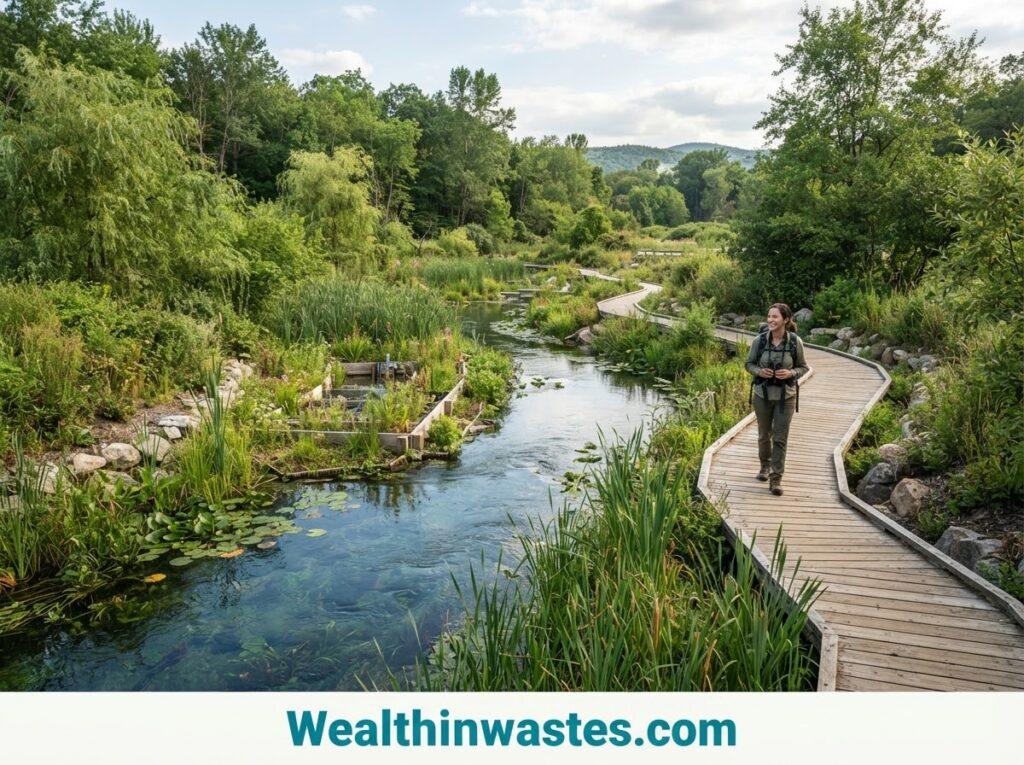
Water quality management should work alongside water conservation, land-use planning, sanitation, agriculture, and energy policy. Coordinated decisions reduce pollution while protecting wetlands, rivers, groundwater systems, and other essential aquatic habitats.
1. Conserve Freshwater: Repair leaking pipes, use water-efficient equipment, and improve irrigation practices. Water conservation measures reduce unnecessary withdrawals and help communities maintain adequate supplies for domestic, agricultural, and environmental needs.
2. Protect Wetlands and Watersheds: Wetlands trap sediment, retain nutrients, and support biodiversity. Protecting these natural systems through resource conservation and responsible management also strengthens water storage and reduces erosion in surrounding areas.
3. Adopt Sustainable Practices: Households, businesses, and public agencies should combine waste reduction, responsible chemical use, conservation, and environmental education. Environmental management best practices help make these measures part of everyday operations.
Barriers to Effective Water Pollution Control
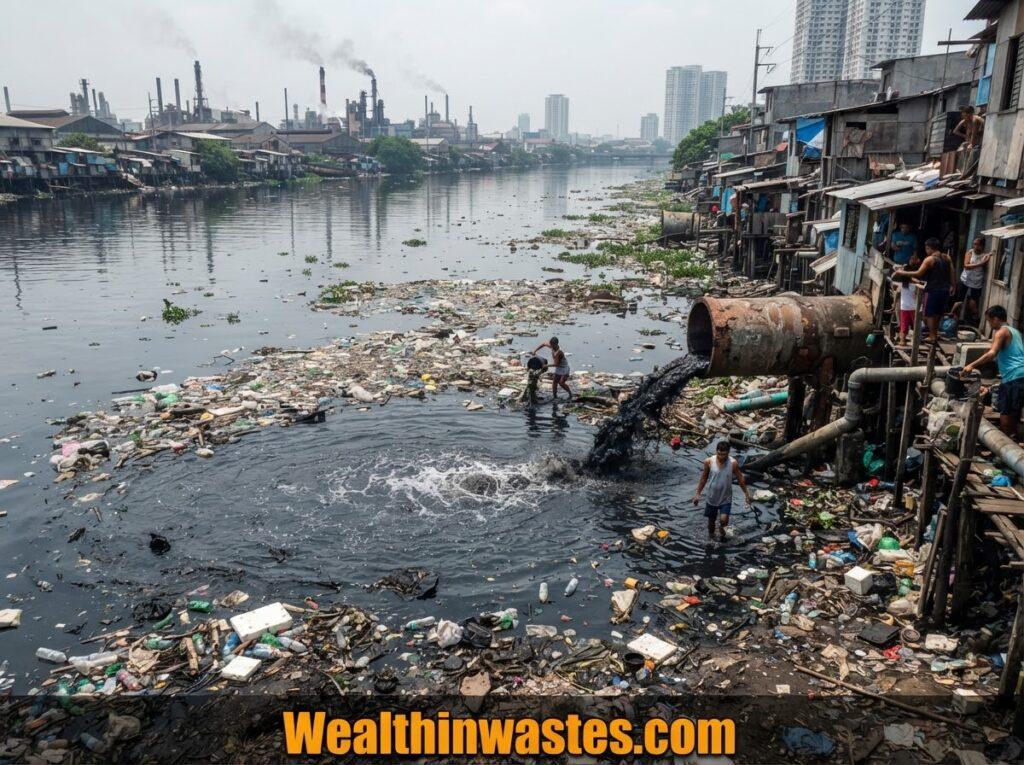
Many communities face rapid urban growth, limited sewer connections, aging pipes, weak enforcement, and high treatment costs. These barriers allow contaminated discharges to continue even when practical pollution-control solutions already exist.
Industrializing economies also need jobs, investment, and reliable energy, but development need not come at the expense of clean water. Technical assistance, public financing, cleaner production, and realistic compliance plans can support both economic growth and environmental protection.
The scale of global water pollution also highlights the need for cooperation between governments, industries, researchers, and communities. Sharing technical knowledge and strengthening infrastructure can help countries manage contamination more effectively.
Long-term progress requires governments to prioritize sustainable development rather than economic expansion alone. Communities also need affordable sanitation, cleaner technologies, reliable monitoring, and meaningful participation in decisions that affect their water resources.
Read Also: Concept and Principles of Water Quality
Summary on Methods for Controlling Water Pollution and Water Quality
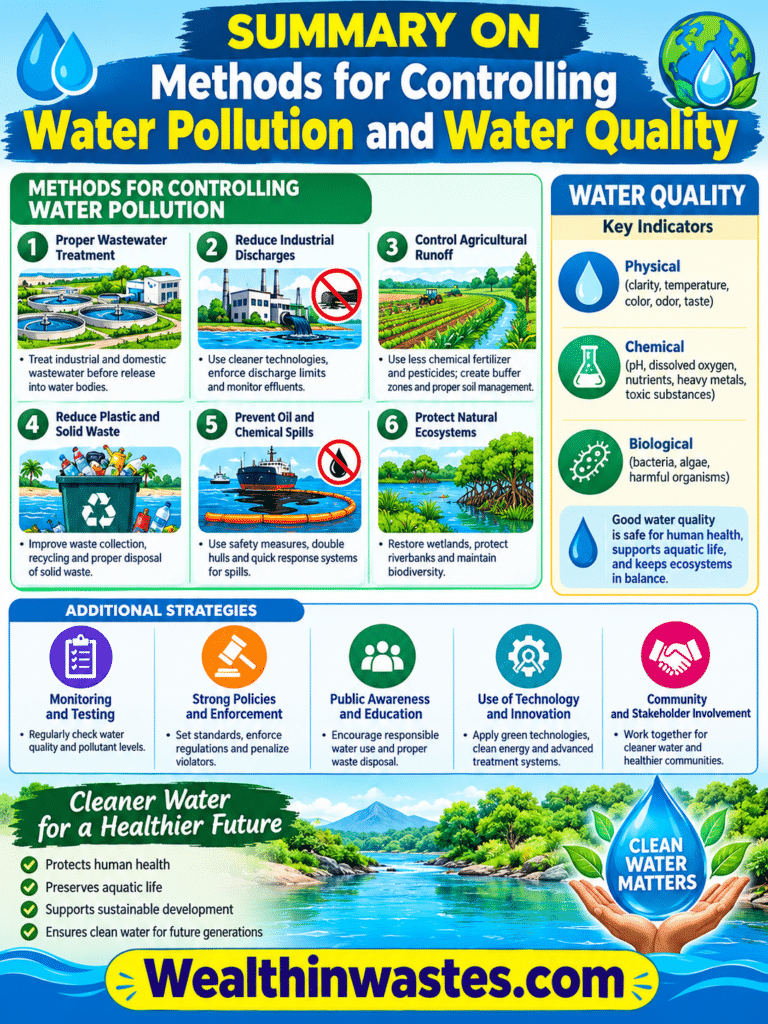
| Method | What It Involves | Main Benefit |
|---|---|---|
| Pollution Prevention | Reducing waste, controlling chemicals, preventing leaks, and managing hazardous materials safely. | Stops pollutants before they enter water bodies. |
| Wastewater Treatment | Removing solids, organic matter, pathogens, nutrients, and other contaminants through appropriate processes. | Reduces contamination before discharge or approved reuse. |
| Runoff Control | Managing fertilizers, pesticides, soil erosion, stormwater, oil, and litter. | Protects rivers, lakes, groundwater, and aquatic habitats. |
| Water Quality Monitoring | Testing water samples, recording results, and identifying contamination risks. | Supports early detection and informed corrective action. |
| Regulation and Enforcement | Establishing discharge limits, inspecting facilities, and enforcing environmental standards. | Encourages compliance and holds polluters accountable. |
| Sustainable Water Management | Conserving freshwater, protecting wetlands, and involving communities in planning. | Supports long-term water security and ecosystem health. |
Frequently Asked Questions About Methods for Controlling Water Pollution and Water Quality
1. What Are the Main Methods for Controlling Water Pollution?
The main methods include pollution prevention, wastewater treatment, runoff control, safe waste disposal, water-quality monitoring, environmental regulation, ecosystem protection, and community education. The best combination depends on local contamination risks.
2. How Can Water Quality Be Maintained?
Water quality requires testing for relevant physical, chemical, and microbiological indicators. Appearance alone cannot confirm safety, because some pathogens and dissolved contaminants change neither colour nor smell noticeably.
3. Why Is Wastewater Treatment Important?
Treatment removes or reduces solids, organic matter, pathogens, nutrients, and certain chemicals before discharge or reuse. It protects public health, limits oxygen depletion, and reduces harm to aquatic habitats and wildlife.
4. How Does Agriculture Pollute Water?
Rain can carry excess fertilizer, pesticides, manure, and eroded soil from farms into rivers, lakes, and groundwater. Soil testing, careful application, vegetation buffers, and erosion control reduce these losses substantially.
5. How Often Should Water Quality Be Tested?
Testing frequency depends on the water source, intended use, and contamination risks. Drinking-water suppliers should follow applicable standards, while private well owners should test routinely and after flooding, repairs, or nearby spills.
6. Can Polluted Water Be Reused?
Some wastewater can be reused after treatment suited to its intended purpose, such as irrigation or industrial cooling. Drinking-water reuse requires much stricter safeguards, testing, and regulatory oversight.
7. Who Is Responsible for Preventing Water Pollution?
Households, farmers, industries, utilities, local communities, and government agencies share responsibility. Each group can reduce waste, prevent leaks, follow discharge rules, report contamination, and support monitoring and restoration programmes where needed.
Do you have any questions, suggestions, or contributions? If so, please feel free to use the comment box below to share your thoughts. We also encourage you to kindly share this information with others who might benefit from it. Since we can’t reach everyone at once, we truly appreciate your help in spreading the word. Thank you very much for your support and for sharing!
Read Also: Water Pollution From Agricultural Runoff