


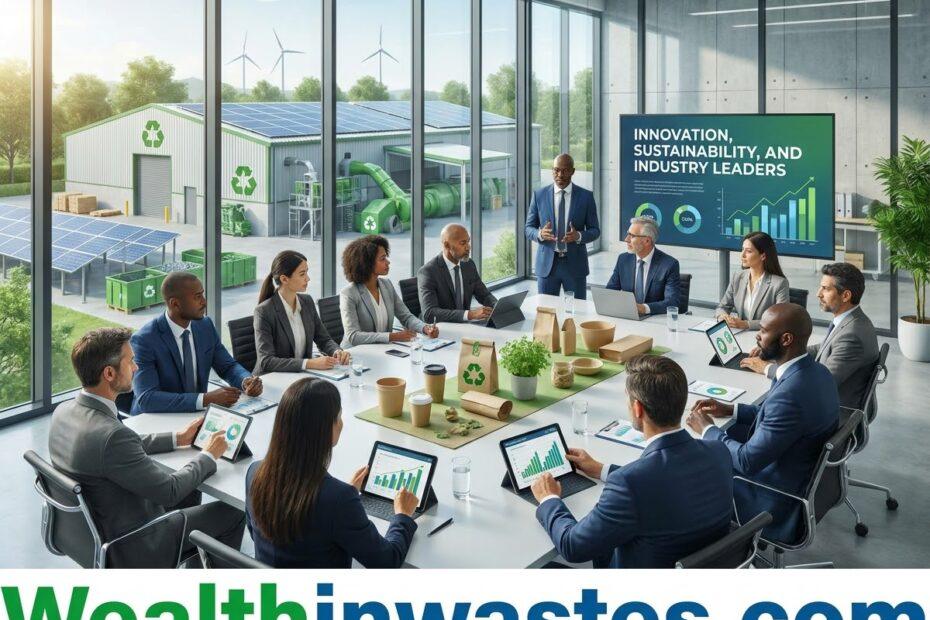
Packaging corporations help move products safely from factories to shops, warehouses and homes. Their work influences product protection, shelf life, transport costs, branding and the amount of waste generated after use.
Their products range from paperboard cartons and corrugated boxes to metal cans, glass containers, flexible pouches and protective plastics. Each format must suit the product, supply chain, budget and safety requirements.
Consumer expectations are also changing. Buyers increasingly notice whether packaging uses recycled content, avoids excessive material, protects freshness, provides clear instructions and offers realistic disposal options in their local communities.
For manufacturers, packaging decisions affect more than appearance. Suitable design can prevent breakage, contamination and food loss, while poor choices may increase transport emissions, operating costs and disposal problems later.
This guide explains how packaging corporations operate, which materials they use, how leading firms influence the market, and why responsible design, recycling systems and transparent environmental claims matter to businesses and consumers.
What Packaging Corporations Do
Packaging corporations may manufacture packaging themselves or coordinate design, material sourcing, converting, printing, filling and distribution through specialist suppliers. Their scope depends on the product category and customers they serve.
1. Product Protection: Companies design containers that limit damage, leakage, tampering and contamination during handling. Food, medicine and chemical products often require materials and closures matched to their risks and intended use.
2. Product Information: Packaging creates space for ingredients, batch codes, use instructions, expiry dates, barcodes and legally required warnings. Clear labelling helps retailers trace products and customers use them correctly.
3. Transport and Storage: Box dimensions, stacking strength and lightweight design can improve warehouse efficiency. These choices connect packaging operations with wider waste-management planning because damaged goods and excess wrapping create avoidable waste.
4. Brand Communication: Packaging carries logos, colours and product details that help consumers recognise a product. Good design supports shelf visibility without allowing marketing features to distract from safety or accurate information.
5. Regulatory and Supply-Chain Coordination: Corporations work with suppliers, converters, retailers and waste handlers to meet technical requirements. A clear material recovery system supports tracking, storage, collection and responsible disposal after use.
Read Also: Role and Importance of Packaging Corporations
Packaging Materials and Their Uses
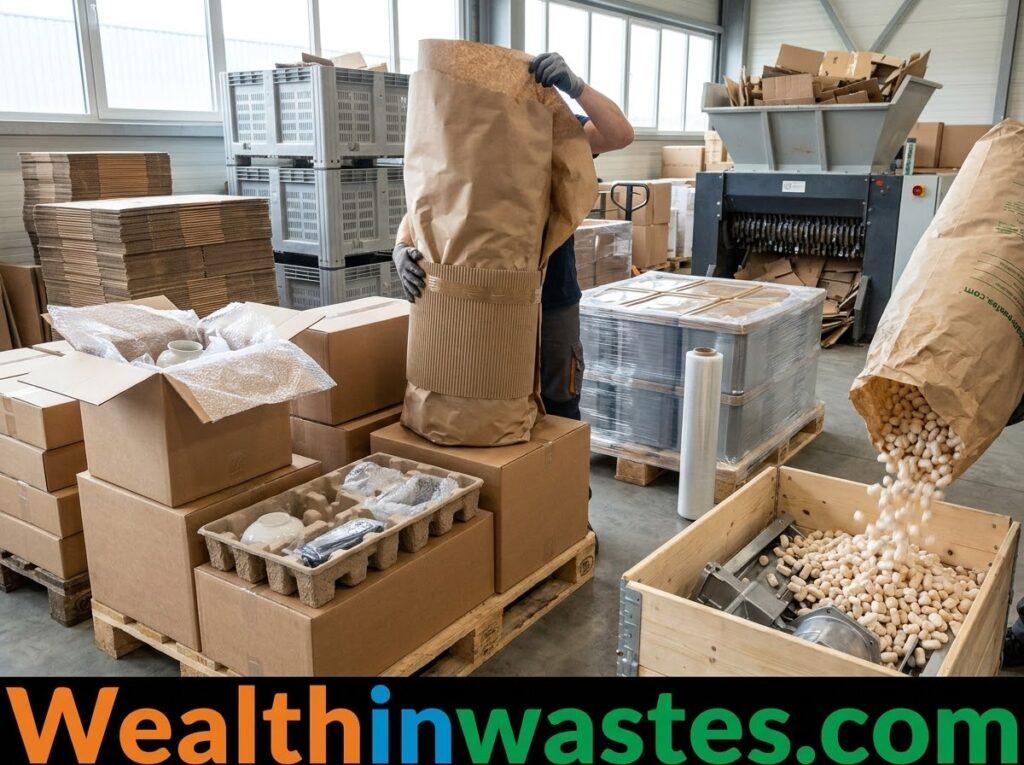
Material choice depends on a product’s weight, sensitivity, expected journey, shelf life, cost and end-of-life route. Understanding the recycling sequence helps firms compare options without assuming one material suits every market.
1. Paper and Paperboard: These materials suit cartons, sleeves, labels and many dry-food boxes. Recycled fibre can conserve resources, although grease, coatings, inks and food contamination may complicate cardboard fibre recovery in some local systems.
2. Corrugated Boxes: Corrugated boxes protect goods during storage and shipping, and businesses can often reuse them first. Suitable mills can support turning discarded cartons into packaging and restoring fibre from old boxes.
3. Plastics and Flexible Films: Lightweight pouches, wraps, tubs and bottles offer convenience. Strong barriers can protect freshness, but multilayer designs and limited collection services can restrict plastic container recovery in many locations.
4. Metal and Glass: Metal cans and glass containers offer strong barriers and reuse or recycling pathways. Weight, manufacturing energy, breakage risk and transport distance influence their environmental performance over the life cycle.
5. Protective Materials: Foam inserts, moulded pulp, cushioning paper and reusable crates protect fragile goods. Companies should compare shock protection, storage space, worker safety and end-of-life options, including recovered paperboard, in each application.
Sustainability and Packaging Waste
Environmental performance depends on raw material extraction, manufacturing energy, transport, product protection, collection and final treatment. Packaging corporations should assess the full life cycle instead of judging materials by appearance alone.
1. Source Reduction: Use the smallest practical package that still protects the product. Removing unnecessary layers can lower material demand, transport volume and waste, provided product damage does not increase.
2. Reuse and Refill: Durable containers, returnable crates and refill systems can reduce single-use packaging and the environmental effects of discarded plastic. They work best when returns, cleaning, reverse logistics and reuse cycles remain efficient.
3. Recycled Materials: Recovered paper, metal, glass and suitable plastics can reduce reliance on virgin inputs. Businesses must check material quality, food-contact rules and actual local supply before setting recycled-content targets.
4. Design for Recycling: Simpler material combinations, compatible labels and removable components can help processors recover value. Advanced material recovery may address selected difficult streams, but it does not replace reduction and reuse.
5. Clear Disposal Guidance: Labels should explain whether a package is recyclable or reusable locally. Practical reuse of plastic items and responsible carton disposal help reduce contamination, sorting costs and customer confusion.
Technology in Modern Packaging Production
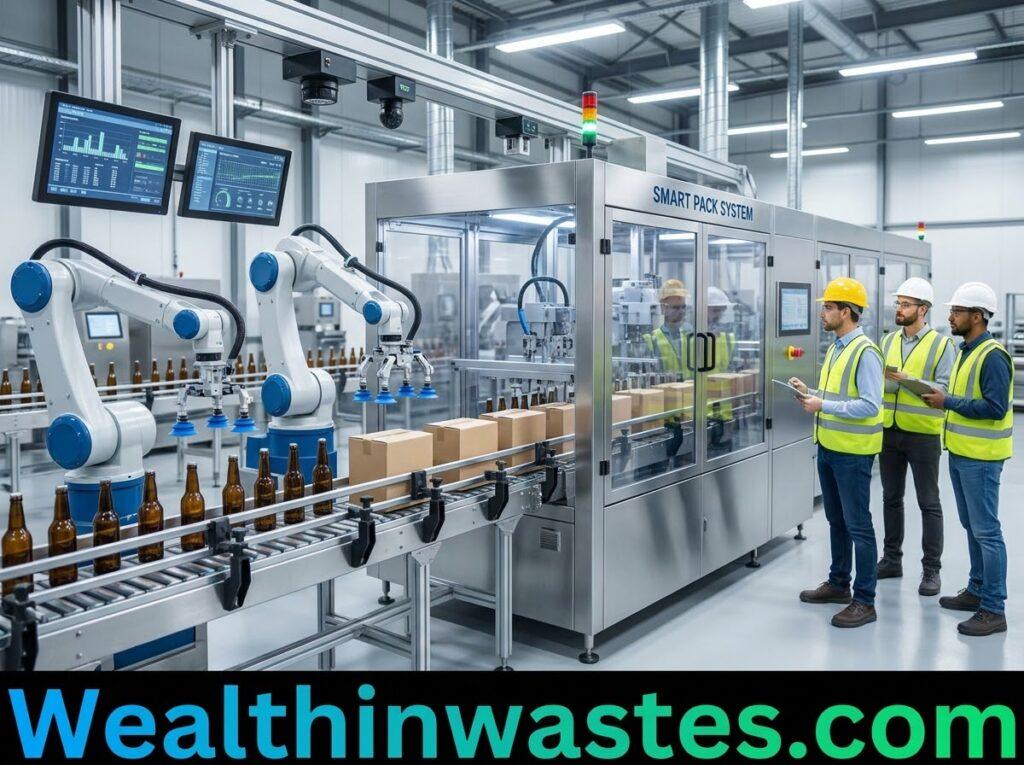
Automated converting and filling lines cut, fold, seal, label and inspect packages at high speed. When equipment settings match material properties, factories can improve consistency and reduce rejects during routine production.
Digital printing enables short production runs, variable data and rapid design changes, reducing dependence on large print batches. Teams still need colour control, suitable inks and accurate recycling instructions for each package.
Smart packaging may use QR codes, sensors or tamper indicators to share origin, handling or freshness information. These features can support traceability, but they should improve useful decisions rather than add unnecessary complexity.
Production data and predictive maintenance can help teams detect faults early, schedule repairs and reduce scrap. Forecasting can also match packaging output to actual demand, limiting unused stock and avoidable obsolescence.
Machine vision and automated weighing can identify missing labels, weak seals, incorrect fills or damaged packs. Regular calibration and human oversight remain important, especially in food, medical and chemical applications with strict safety requirements.
Digital records can follow material batches from purchasing through production and collection. By using a clear structured recycling workflow, companies can identify scrap sources, report results and improve supplier accountability.
Leading Packaging Corporations and Industry Roles
The market includes global groups, regional manufacturers and specialists serving particular materials or customer industries. Their portfolios differ, so buyers should compare capabilities rather than assume every corporation makes every package.
1. Amcor: Amcor supplies flexible and rigid packaging for nutrition, healthcare, beauty and specialty markets. Its expanded portfolio following the Berry combination illustrates the scale many global brands seek across several regions.
2. Smurfit Westrock: Smurfit Westrock focuses strongly on paper-based packaging, containerboard and fibre recovery. Its business model connects packaging manufacture with recycling, helping recovered fibre return to production where quality permits.
3. International Paper: International Paper operates in fibre-based packaging and paper products. Buyers may assess its material specifications, supply reliability, environmental reporting and packaging performance against project requirements and local availability.
4. Crown Holdings: Crown Holdings manufactures metal packaging, including cans and closures for food, beverages and other products. Metal formats can provide strong barriers, but design and collection systems still affect recovery rates.
5. Specialist and Adjacent Firms: Emerald Packaging and Bryce Corporation serve distinct packaging markets, while Cascades supplies fibre-based solutions. Capri-Sun names a beverage brand; Domtar, Covanta, Danieli, Encore Wire and Fike support adjacent industrial functions.
How Packaging Companies Support Circularity
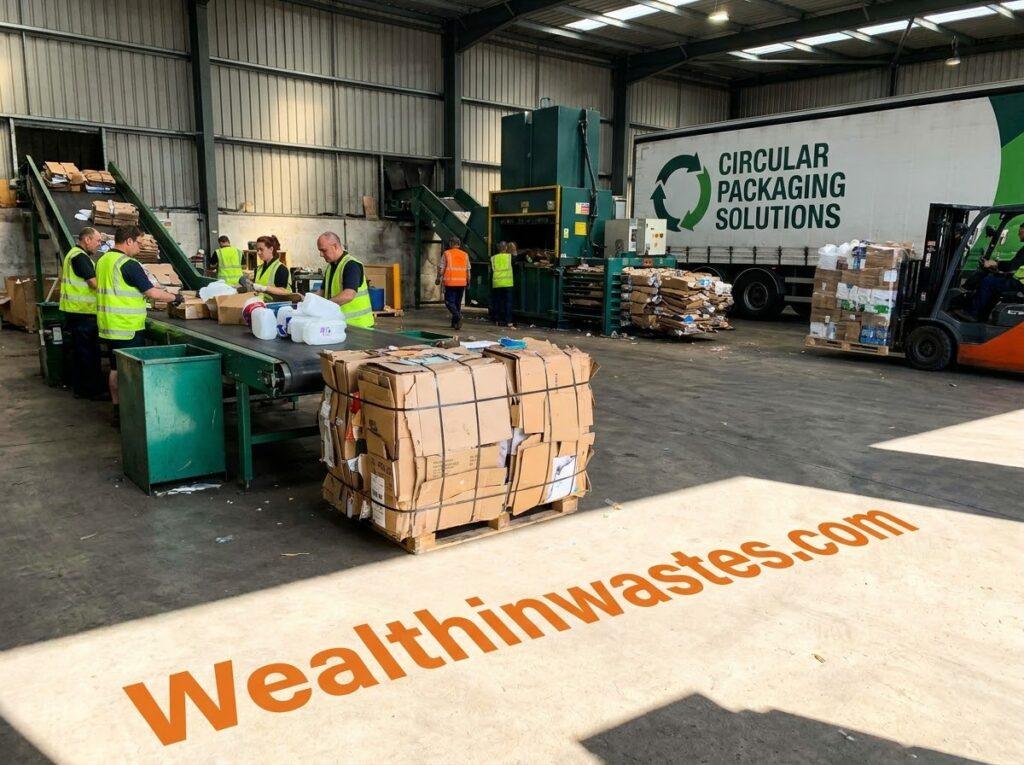
A circular packaging system keeps useful materials in circulation through prevention, reuse, repair, collection, sorting and recycling. Corporations can help by designing packages that local recovery systems can handle reliably.
Design teams should consult recyclers before finalising a format. For example, a corrugated box may remain useful for repeat shipping before entering fibre recovery, as explained in this corrugated-box reuse approach.
Companies can standardise materials, reduce unnecessary adhesives and help customers separate components. Clear labels, collection partnerships and stable demand for recovered materials strengthen the business case for recycling at scale.
For farms, retailers and food processors, reusable crates or durable transport packs can reduce discarded packaging. Safe cleaning, tracking, repair and return systems matter because reuse is only effective when logistics work.
Some packaging cannot be recycled safely or economically through local systems. Managers must select suitable treatment and disposal methods while prioritising prevention, reliable recovery and strict controls for hazardous residues.
Packaging corporations can report material use, recycled content, reuse trips, recovery rates and production scrap. Measured results show where redesign works and prevent broad sustainability promises from replacing evidence in public reports.
Challenges Facing Packaging Corporations
Packaging corporations face rising pressure to balance material prices, performance, delivery reliability and customer expectations. A lower-cost format may create greater damage, labour, transport or end-of-life costs if teams assess price alone.
Collection and recycling infrastructure differs widely between markets. A package described as recyclable may still become residual waste where sorting facilities, end markets or collection services cannot handle its material combination.
Poor collection, open burning or careless dumping can cause pollution and health concerns. Companies should consider the environmental consequences of poor disposal when choosing collection partners and designing packaging take-back systems.
Food, pharmaceutical and chemical packages must meet specific hygiene, compatibility and traceability requirements. Risk assessment should account for waste-source risks before companies introduce recycled inputs or reuse schemes in specific markets.
Environmental claims require evidence. Words such as green, compostable or recyclable can mislead customers when conditions remain unclear; practical ways to reduce environmental harm should include measurable targets and local disposal guidance.
Regulatory changes, producer-responsibility rules and customer audits can also create planning challenges. Companies need accurate material data, documented supplier standards, and staff training to respond consistently across different markets and reporting cycles.
Future Trends in Packaging Corporations
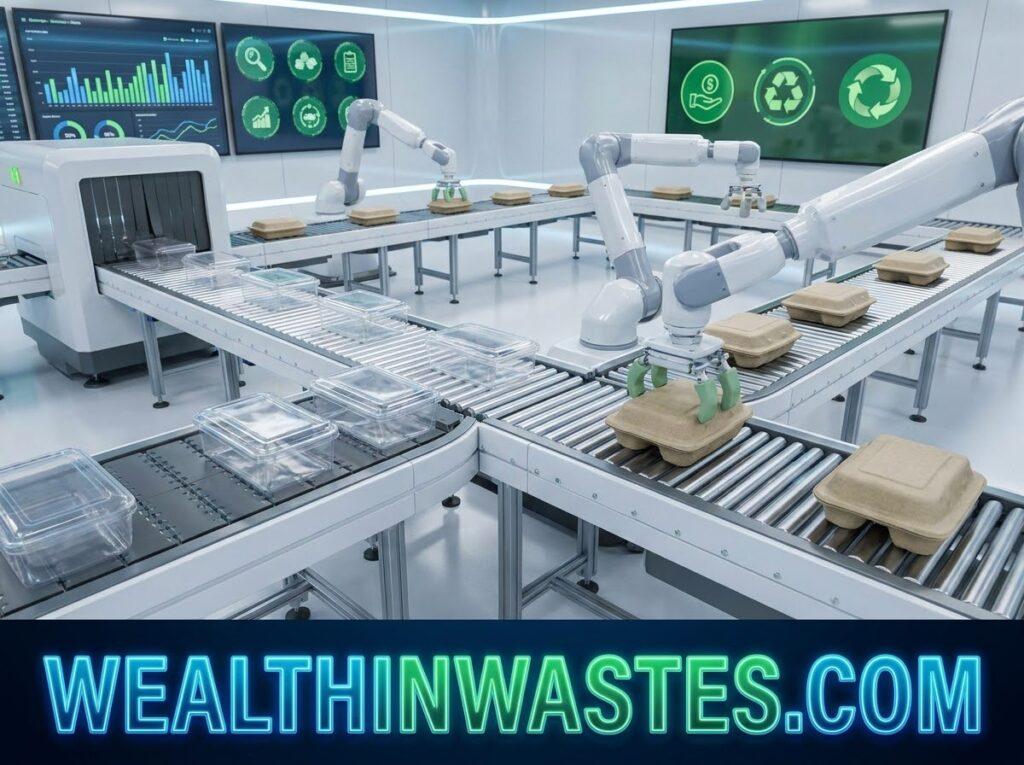
Future packaging will increasingly focus on designs that reduce unnecessary material while preserving safety, usability and protection. Corporations will need to test new formats against real transport conditions and local recovery options.
Smart labels, QR codes and connected sensors may improve traceability by providing origin, handling or freshness information. Their value depends on reliable data, affordable implementation and clear benefits for users.
Reusable and refillable packaging may grow where return networks work effectively. Companies will need convenient collection points, hygienic cleaning, standardised containers and clear responsibilities for losses and reverse transport costs.
Paper, recycled polymers, bio-based materials and compostable formats will attract interest, but labels alone cannot prove environmental benefit. Each alternative needs performance testing, safe material chemistry and a credible end-of-life route.
Producer responsibility and circular-design policies may increase demand for packaging data and recovery plans. Companies should understand the waste-management hierarchy and prioritise prevention, reuse and recycling before final disposal where practical.
The strongest firms will combine product protection with transparent reporting. By measuring material use, transport performance, product loss and recovery, they can improve packaging decisions and demonstrate progress without relying on vague promises.
Read Also: How to increase-sheep milk for maximum profit
Summary on Innovation, Sustainability, and Industry Leaders in Packaging Corporations
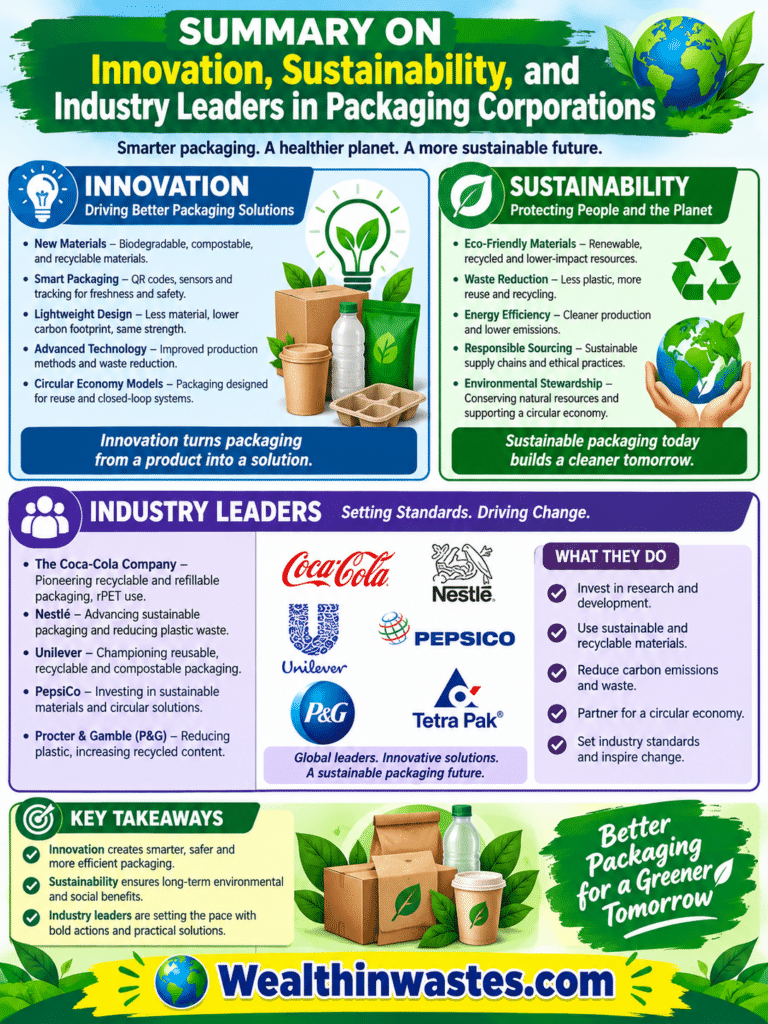
| Topic | Summary |
|---|---|
| Main Functions | Packaging corporations protect products, support transport, display information and strengthen brand identity. |
| Common Materials | Paper, paperboard, plastics, metals, glass and protective materials serve different packaging needs. |
| Sustainability | Material reduction, reuse, recycled content and appropriate recovery systems can reduce environmental pressure. |
| Technology | Automation, digital printing, smart labels and data analysis improve quality, traceability and efficiency. |
| Industry Leaders | Amcor, Smurfit Westrock, International Paper and Crown Holdings illustrate different packaging specialisations. |
| Main Challenges | Costs, safety requirements, inconsistent recycling infrastructure and misleading environmental claims require careful management. |
| Future Priorities | Circular design, transparent reporting, responsible sourcing and practical end-of-life solutions will shape industry development. |
Frequently Asked Questions About Packaging Corporations: Innovation and Sustainability
1. What Are Packaging Corporations?
They manufacture, design or coordinate packaging that protects products and supports storage, distribution, marketing and retail sales.
2. Which Industries Use Packaging Corporations?
Food, beverages, pharmaceuticals, healthcare, cosmetics, electronics, agriculture, household goods and industrial manufacturing all use packaging solutions.
3. What Materials Do Packaging Corporations Use?
Common materials include paperboard, corrugated cardboard, plastics, metals, glass, moulded pulp and protective cushioning materials.
4. What Makes Packaging Sustainable?
Sustainable packaging protects products while limiting unnecessary materials and supporting suitable reuse, recycling or disposal options.
5. Is Paper Packaging Always Better Than Plastic?
No. Environmental performance depends on material production, product protection, transport, reuse opportunities and available recovery systems.
6. How Does Technology Improve Packaging Production?
Automation, digital printing and inspection systems can improve consistency, reduce production errors and support product traceability.
7. How Can Businesses Choose a Packaging Corporation?
Compare product suitability, safety standards, cost, supply reliability, technical support, environmental performance and end-of-life options.
8. Can All Packaging Be Recycled?
No. Recycling depends on material composition, contamination, available processing technology and local collection infrastructure.
9. What Is Circular Packaging?
Circular packaging prioritises reducing material use, reusing products and recovering valuable materials instead of sending them directly to disposal.
Do you have any questions, suggestions, or contributions? If so, please feel free to use the comment box below to share your thoughts. We also encourage you to kindly share this information with others who might benefit from it. Since we can’t reach everyone at once, we truly appreciate your help in spreading the word. Thank you very much for your support and for sharing!
Read Also: Proper Farm Waste Management Guide