


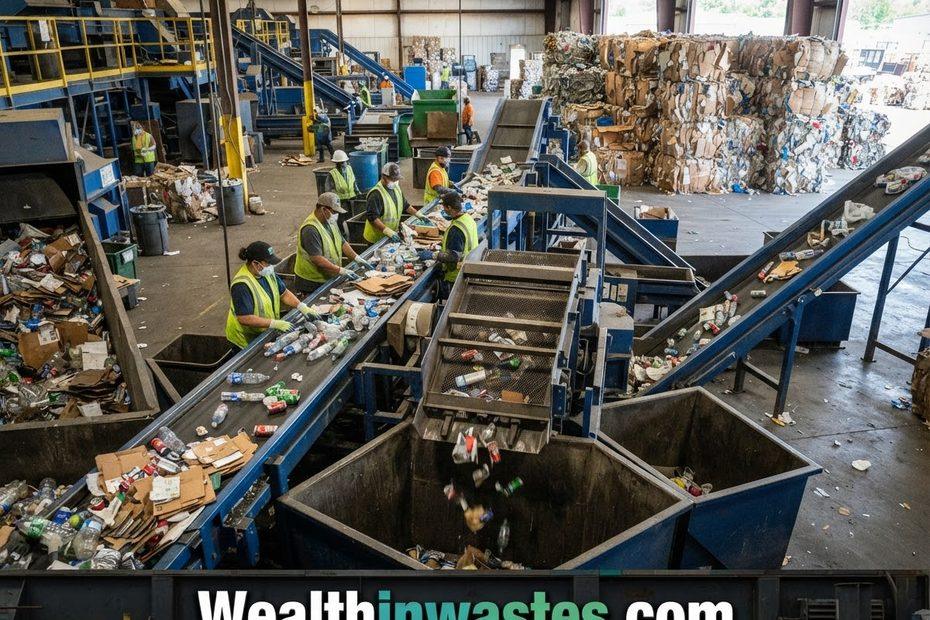
Recycling is an important waste management practice that involves collecting, sorting, processing, and converting discarded materials into useful raw materials or new products. It helps conserve resources and reduce environmental pressure.
Instead of allowing every discarded material to remain in community bins, open spaces, landfills, or disposal sites, recycling identifies materials that still have useful value. This approach supports cleaner surroundings and more efficient resource use.
Recycling generally involves several connected activities, beginning with collection and separation, followed by preparation and processing, before recovered materials are transformed into products. Each stage requires suitable equipment, organization, and public cooperation.
Effective recycling requires more than simply gathering waste from homes and commercial areas. Materials must be properly separated, stored, transported, cleaned, and processed so that contamination is minimized and the recovered materials remain useful.
In many communities, government agencies, private organizations, households, businesses, and informal collectors all contribute to waste recovery. Their cooperation can improve collection systems, increase material recovery, and encourage responsible handling of discarded materials.
Understanding the steps involved in waste recycling helps individuals and organizations participate correctly, reduce unnecessary disposal, and support a more sustainable waste management system. The following sections explain the process in practical detail.
Read Also: The Different Systems of Waste Reduction
Steps Involved in Waste Recycling
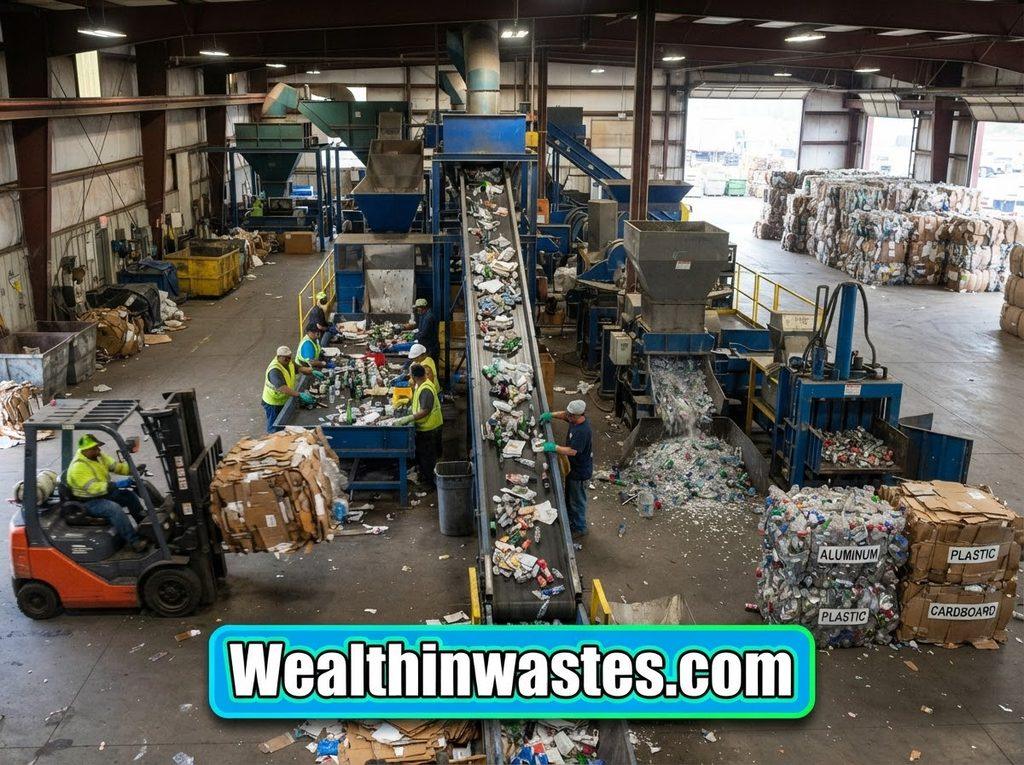
1. Waste Collection: Recyclable materials are gathered from households, offices, shops, institutions, commercial areas, community containers, transfer stations, and disposal sites. Collection systems should provide suitable containers and reliable schedules for participants.
2. Source Separation: Recyclable materials should be separated from other wastes as early as possible. Source separation improves material quality, reduces contamination, and makes later sorting easier for recycling workers and processing facilities.
3. Transport: Collected recyclables are moved carefully to a recovery or recycling facility using appropriate vehicles. Transport arrangements should prevent scattering, mixing, excessive compaction, and contamination that could reduce material quality.
4. Sorting: At the recycling facility, collected materials are separated into categories such as paper, plastics, glass, metals, and other recoverable materials. Proper sorting produces cleaner material streams suitable for different processing methods.
5. Cleaning and Preparation: Sorted materials are cleaned and prepared by removing dirt, labels, moisture, food residues, or unsuitable components. Preparation improves the quality of recovered materials and helps prevent problems during subsequent processing.
6. Processing: Prepared recyclables undergo material-specific processing, which may include shredding, crushing, melting, pulping, compacting, or other treatments. Processing converts discarded materials into usable secondary raw materials for manufacturing and reuse.
7. Manufacturing: Recovered materials are supplied to manufacturers that use them as inputs for producing new items. Depending on the material, recycled content can become containers, packaging, paper products, construction materials, or household goods.
8. Marketing and Reuse: Finished products containing recycled materials are introduced into markets for consumers and businesses. Continued demand encourages collection and processing, strengthens recycling industries, and helps maintain the circular movement of recovered resources.
The sequence should be adapted to the material being recovered because paper, glass, metals, plastics, and electronic components have different handling and processing requirements. A single procedure cannot safely treat every recyclable material.
Good recycling systems also require records of collected quantities, contamination levels, processing results, and recovered products. Reliable records help operators evaluate performance, identify losses, plan resources, and improve future collection and processing activities.
Early material recovery and recycling can prevent useful resources from entering disposal streams. It also creates opportunities for manufacturers to obtain secondary raw materials while reducing dependence on newly extracted resources.
Read Also: Definition and Waste Minimization/Reduction Process
Waste Recycling Collection, Sorting and Management Options
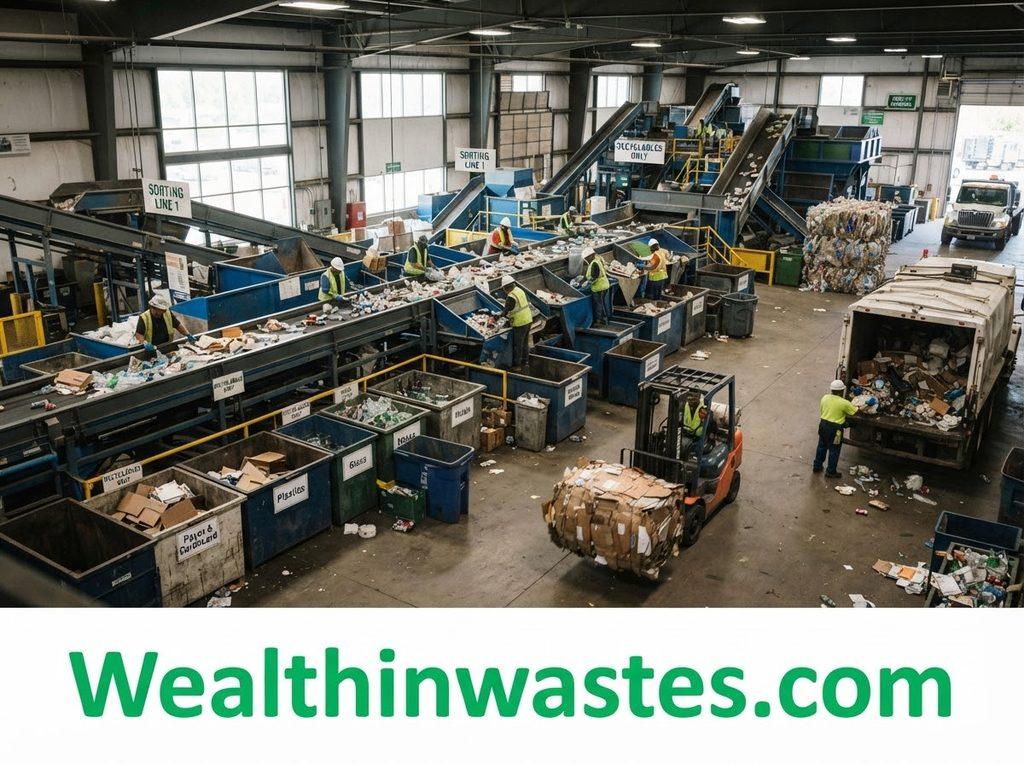
Source separation is often preferred because households and businesses can keep recyclable materials cleaner before collection. Proper separation can improve recovery rates, reduce contamination, and make valuable materials easier to handle at recycling facilities.
Households can support recycling by following proper household waste management practices, separating recyclable materials, keeping containers clean, and avoiding the mixing of hazardous substances with ordinary recyclable materials.
However, source separation requires cooperation from the public and clear instructions. People need suitable containers, understandable labels, regular collection services, and practical information about acceptable materials to participate consistently in recycling programmes.
Another approach is to collect recyclable materials together with general waste and perform separation later at a suitable recovery facility. This system can reduce dependence on household sorting but requires stronger facility-based recovery operations.
Municipal waste systems often deal with several material streams, including household refuse, commercial waste, paper, plastics, metals, glass, and organic components. Understanding these categories supports better municipal waste classification and handling.
Mixed collection may expose recyclable materials to food, liquids, chemicals, or other contaminants. Compaction during transportation can further damage some materials, lowering their quality and potentially reducing their usefulness or market value.
Municipal authorities and private operators can improve recycling by establishing collection schedules that match local waste generation patterns. Effective planning should consider population density, available vehicles, storage capacity, processing facilities, markets, and operating costs.
A well-designed waste management system connects collection, transportation, treatment, recycling, and final disposal while keeping environmental and public health considerations central to planning and daily operations.
Recycling centres should also establish safe handling procedures, especially where materials may include sharp objects, chemicals, batteries, electronic components, or other hazardous substances. Such materials require separate management to protect workers and surrounding communities.
The waste management hierarchy provides useful guidance because prevention, reduction, reuse, recycling, recovery, and final disposal should be considered according to environmental performance, practicality, available infrastructure, and local circumstances.
Public education is another important component because recycling programmes depend on consistent participation. Communities should understand what materials are accepted, how materials should be prepared, where they should be taken, and why proper separation matters.
Applying the three basic waste reduction principles can also strengthen recycling efforts. Reducing unnecessary consumption and reusing suitable items before recycling helps prevent waste generation and improves overall resource efficiency.
Successful recycling ultimately depends on connecting collection, sorting, processing, manufacturing, and markets into one functional system. Continuous monitoring can identify operational weaknesses and help authorities improve recovery, safety, efficiency, and environmental performance.
Source reduction should complement recycling because preventing waste at its origin can reduce the volume requiring collection and treatment. Effective household waste minimization can make recycling systems more manageable and efficient.
Organizations can also improve recycling by strengthening solid waste management planning, assigning responsibilities, monitoring collection activities, and ensuring that recovered materials move safely from generation points to appropriate processing facilities.
Economic support can influence recycling performance because collection and processing require equipment, labour, transportation, storage, and reliable markets. Appropriate recycling incentives can encourage wider participation and investment.
Recycling and reuse should also be considered together because some items can be used again without extensive processing. Understanding the difference between recycling and reuse options helps communities choose the most suitable recovery approach.
Waste recovery can create economic opportunities when useful materials are collected, prepared, and sold to processors or manufacturers. Stronger resource recovery practices can reduce disposal pressure while encouraging businesses around recovered materials.
Proper waste management can also influence communities economically and environmentally. Effective waste management practices support cleaner surroundings, protect resources, improve material recovery, and create opportunities for businesses involved in collection, processing, and manufacturing.
Recycling programmes should remain flexible because local waste quantities, material composition, infrastructure, and market conditions can change. Regular assessment allows operators to improve collection methods, adjust sorting practices, and maintain efficient recovery systems.
By combining collection, separation, transportation, processing, manufacturing, public education, and market development, communities can establish practical recycling systems. These systems can reduce disposal pressure while encouraging responsible use of materials and supporting sustainability.
Summary on Meaning and Steps Involved in Waste Recycling
| Aspect | Summary |
|---|---|
| Meaning | Recycling involves recovering discarded materials and converting them into usable raw materials or new products. |
| Collection | Recyclables are gathered from households, businesses, institutions, containers, transfer stations, and other disposal points. |
| Separation | Materials are separated from general waste to improve quality and reduce contamination. |
| Sorting | Recovered materials are classified into categories such as paper, plastics, metals, and glass. |
| Preparation | Materials are cleaned and prepared before undergoing suitable recycling processes. |
| Processing | Prepared recyclables are transformed into secondary raw materials through material-specific techniques. |
| Manufacturing | Recovered materials are used to manufacture new products for consumers and businesses. |
| Benefits | Recycling conserves resources, reduces disposal pressure, supports recovery, and creates economic opportunities. |
| Success Factors | Effective systems require public participation, suitable infrastructure, safe handling, markets, monitoring, and continuous improvement. |
Frequently Asked Questions About Meaning and Steps Involved in Waste Recycling
1. What is waste recycling?
Recycling is the process of collecting, sorting, processing, and converting discarded materials into usable raw materials or new products, thereby reducing disposal needs and conserving valuable natural resources for future generations and communities.
2. What are the main steps involved in waste recycling?
Waste recycling commonly involves collection, separation, transport, sorting, cleaning, processing, manufacturing, and marketing or reuse of products made with recovered materials after suitable preparation, quality control, and contamination removal.
3. Which materials can commonly be recycled?
Common recyclable materials include paper, cardboard, glass, metals, selected plastics, and some electronic materials. Acceptable materials vary according to local collection programmes, available processing facilities, and community requirements in each area.
4. Why is source separation important in recycling?
Source separation keeps recyclable materials apart from general waste before collection. It helps reduce contamination, improves recovered material quality, and makes sorting more efficient at recycling facilities during processing activities.
5. Who can participate in waste recycling?
Both governments and private operators can provide collection services, recycling facilities, public education, regulations, market support, and monitoring systems that encourage effective waste recovery and responsible material use within communities.
6. Can mixed waste still be recycled?
Some mixed waste can be sorted after collection, but contamination and compaction may reduce material quality. Source separation generally makes recovery cleaner and easier when participation is reliable and consistent.
7. What are the major benefits of recycling?
Recycling reduces the volume of waste requiring disposal, conserves materials, supports resource recovery, and can reduce pollution when collection, processing, and manufacturing systems are properly managed across communities over time.
8. How can people recycle waste properly?
Proper recycling requires separating materials correctly, preventing hazardous waste from entering recyclable streams, keeping materials suitable for collection, and following instructions provided by local recycling operators and authorities in the community.
Do you have any questions, suggestions, or contributions? If so, please feel free to use the comment box below to share your thoughts. We also encourage you to kindly share this information with others who might benefit from it. Since we can’t reach everyone at once, we truly appreciate your help in spreading the word. Thank you very much for your support and for sharing!