


Hazardous substances occur naturally and through human activities, making them a significant environmental concern. They can threaten human health, animals, plants, water resources, soil quality, and air quality when poorly managed.
These substances may possess ignitable, corrosive, reactive, toxic, radioactive, or otherwise dangerous properties. Their risks depend on concentration, exposure duration, chemical form, environmental conditions, and the pathway through which exposure occurs.
Hazardous materials enter the environment through domestic activities, industrial production, agriculture, mining, transportation, healthcare, construction, energy generation, and improper waste disposal. Some originate naturally from rocks, soils, gases, and geological processes.
The danger increases when hazardous substances accumulate or move from their original sources into places where people, animals, or ecosystems can encounter them. Air, water, soil, food, dust, and contaminated surfaces can transport exposure.
Understanding the classification of hazardous substances helps explain why different materials require different precautions, storage methods, transportation procedures, treatment systems, and disposal practices.
Understanding Sources of Hazardous Substances
Sources of hazardous substances can generally be grouped into natural and synthetic sources. Natural sources originate from geological and biological processes, while synthetic sources result mainly from human production, consumption, and technological activities.
A substance does not automatically become harmless because it occurs naturally. Naturally occurring materials can become dangerous when their concentrations rise, when exposure increases, or when human activities change their movement through environmental systems.
Synthetic sources have expanded with industrial development, modern agriculture, transportation, healthcare, construction, manufacturing, and household consumption. Proper waste determination helps identify materials that require special handling.
Source identification remains essential because prevention becomes easier when people understand where hazardous substances originate. It also helps environmental managers determine likely exposure pathways and select suitable control measures for each source.
Hazardous materials may exist as solids, liquids, gases, vapours, dusts, residues, contaminated products, or mixed wastes. Their physical and chemical properties influence how easily they spread through environmental media.
Natural and Human-Made Sources
Natural sources include volcanic emissions, radioactive minerals, arsenic-bearing rocks, asbestos-containing deposits, and gases released from soils. Human-made sources include factories, vehicles, farms, homes, hospitals, laboratories, and commercial facilities.
These sources can overlap because human activities may intensify natural hazards. Excavation, construction, mining, groundwater withdrawal, and land disturbance can expose or redistribute naturally occurring contaminants that previously remained isolated.
The broader sources of waste and their environmental impacts provide useful context for understanding how hazardous materials originate within communities and economic activities.
Recognizing the difference between natural and anthropogenic sources allows authorities, industries, communities, and households to develop practical prevention strategies that address the actual origin and behaviour of each hazardous substance.
Read Also: Classification of Hazardous Substances
Natural Sources of Hazardous Substances
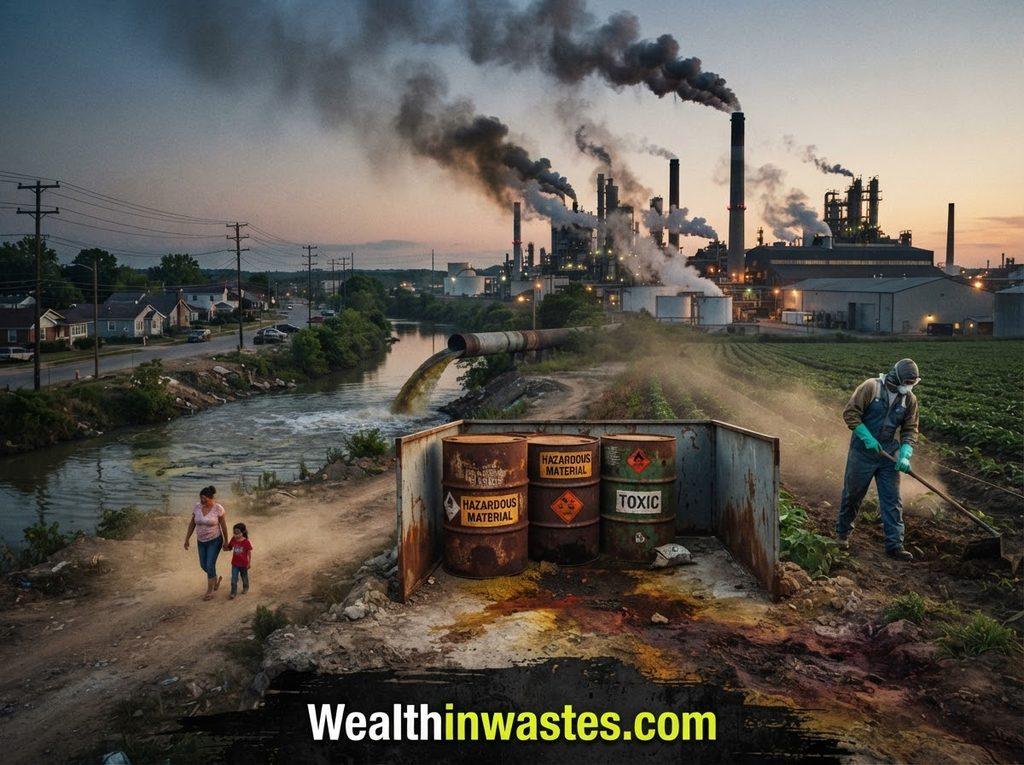
Natural sources arise without direct human manufacture, although human activities can increase their concentration or exposure. Geological formations, volcanic activity, soil processes, and natural radioactive decay can release hazardous materials.
1. Volcanic emissions: Erupting volcanoes can release ash, sulphur dioxide, hydrogen sulphide, chlorine compounds, carbon dioxide, and other materials that may affect breathing, vegetation, water quality, and nearby settlements.
2.Naturally radioactive materials: Uranium-bearing rocks can produce radon through radioactive decay. Radon becomes a greater concern when it enters enclosed buildings and accumulates at concentrations capable of increasing long-term exposure.
3. Arsenic and asbestos minerals: Some rocks and soils contain naturally occurring arsenic or asbestos minerals. Weathering, erosion, mining, or groundwater movement can release these materials into surrounding environmental systems.
4. Naturally occurring metals: Geological deposits may contain metals such as mercury, lead, chromium, or other potentially hazardous elements. Disturbance can increase their movement into water, soil, sediments, plants, and animals.
Natural hazards require careful assessment because their presence may persist even without industrial development. Land-use planning should therefore consider geological conditions, groundwater movement, soil characteristics, and existing contaminant concentrations.
The principles used in evaluating environmental factors affecting disposal sites also demonstrate why geology, hydrology, soil condition, and groundwater protection matter when managing hazardous materials.
Household Sources of Hazardous Substances
Households contain numerous products that may become hazardous wastes after use. Common examples include paints, solvents, adhesives, batteries, pesticides, cleaning chemicals, fuels, fluorescent lamps, and certain electrical equipment.
1. Paints and solvents: Paint products, thinners, removers, adhesives, and solvent-based cleaners may contain volatile chemicals or metals. Improper storage, disposal, or burning can expose people to harmful substances.
2. Batteries and electrical products: Batteries and electronic devices may contain lead, mercury, cadmium, nickel, lithium compounds, or other hazardous components. Damage, informal recycling, or uncontrolled disposal can release contaminants.
3. Cleaning chemicals: Strong disinfectants, bleach, drain cleaners, degreasers, and other household chemicals can cause burns, poisoning, or harmful reactions when people mix, misuse, or poorly store them.
4. Household pesticides: Insecticides, rodenticides, fungicides, herbicides, and related products can become hazardous through incorrect application, accidental ingestion, spills, or disposal with ordinary domestic refuse.
Household hazardous materials become particularly problematic when residents discard them with regular garbage. Dedicated collection and safe handling reduce contamination risks while protecting sanitation workers, waste pickers, communities, and receiving environments.
Household hazardous waste includes many repair, cleaning, pesticide, and maintenance materials, as documented in the detailed household hazardous waste guide.
Electronic products require special attention because improper disposal can release toxic substances. The proper handling of electronic wastes reduces the possibility of contaminant release into land, air, and water.
Industrial Sources of Hazardous Substances

Industrial activities remain major sources of hazardous substances because factories use chemicals, fuels, metals, solvents, gases, petroleum products, and other materials during manufacturing and processing operations.
1. Chemical and pharmaceutical industries: These facilities may handle corrosive acids, reactive compounds, solvents, toxic chemicals, pharmaceutical residues, and laboratory materials that require specialized storage, treatment, and disposal procedures.
2. Petroleum and energy facilities: Refineries, fuel terminals, power plants, and related operations can generate hydrocarbons, combustion emissions, oily residues, contaminated wastewater, and other hazardous materials during routine activities.
3. Manufacturing and metal industries: Metal processing, machinery production, textile manufacturing, fabrication, and chemical industries can release acids, alkalis, dyes, heavy metals, solvents, particulate matter, and contaminated industrial effluents.
4. Mining and processing facilities: Mining operations can expose naturally occurring metals and minerals while generating tailings, contaminated drainage, dust, and process residues that can affect surrounding soil and water.
Industrial releases may occur routinely through emissions and effluents or accidentally through spills, leaks, equipment failures, fires, explosions, and transportation incidents. Strong monitoring reduces the possibility of uncontrolled environmental contamination.
The article on industrial waste and environmental impacts shows how industrial operations can generate chemicals, acids, metals, oils, pesticides, dyes, and contaminated effluents.
Industrial wastewater can contain hazardous contaminants such as heavy metals and volatile organic compounds. Effective industrial wastewater treatment helps reduce pollution before discharge, reuse, or further handling.
Additional risks can arise when untreated or partially treated wastewater enters nearby water bodies. Strong industrial waste controls therefore remain essential for protecting communities and ecosystems.
Agricultural Sources of Hazardous Substances
Agriculture uses chemicals that help control pests, diseases, weeds, and nutrient deficiencies. However, careless handling, excessive application, spills, and improper disposal can introduce hazardous substances into farms and surrounding ecosystems.
1. Pesticides and insecticides: Farmers apply pesticides to protect crops from insects and diseases. Incorrect dosage, poor storage, discarded containers, and field runoff can increase contamination risks in soil and water.
2. Herbicides and fungicides: These products control weeds and plant diseases but may affect non-target organisms when misused. Their residues can remain in soil or move into surface water.
3. Fertilizers and chemical supplements: Fertilizers provide essential nutrients, yet excessive application can contribute to nutrient pollution, soil degradation, groundwater contamination, and ecological changes when management practices are poor.
4. Veterinary chemicals and residues: Farms may use medicines, disinfectants, pesticides, and other livestock chemicals. Improper storage, application, or disposal can create residues in animal products, soils, water, and facilities.
Agricultural waste can contain pesticide and fertilizer residues, particularly when chemical containers and materials receive poor disposal. The documented sources of agricultural waste illustrate this environmental concern.
Pesticide contamination may also reach food products and livestock. Proper management of pesticide residues in livestock helps reduce exposure risks associated with inappropriate chemical use and inadequate withdrawal periods.
Crop products can also retain pesticide residues after treatment. Understanding pesticide residues in cereals and pulses supports safer production, food handling, storage, and consumption practices.
Mining, Petroleum, And Construction Sources
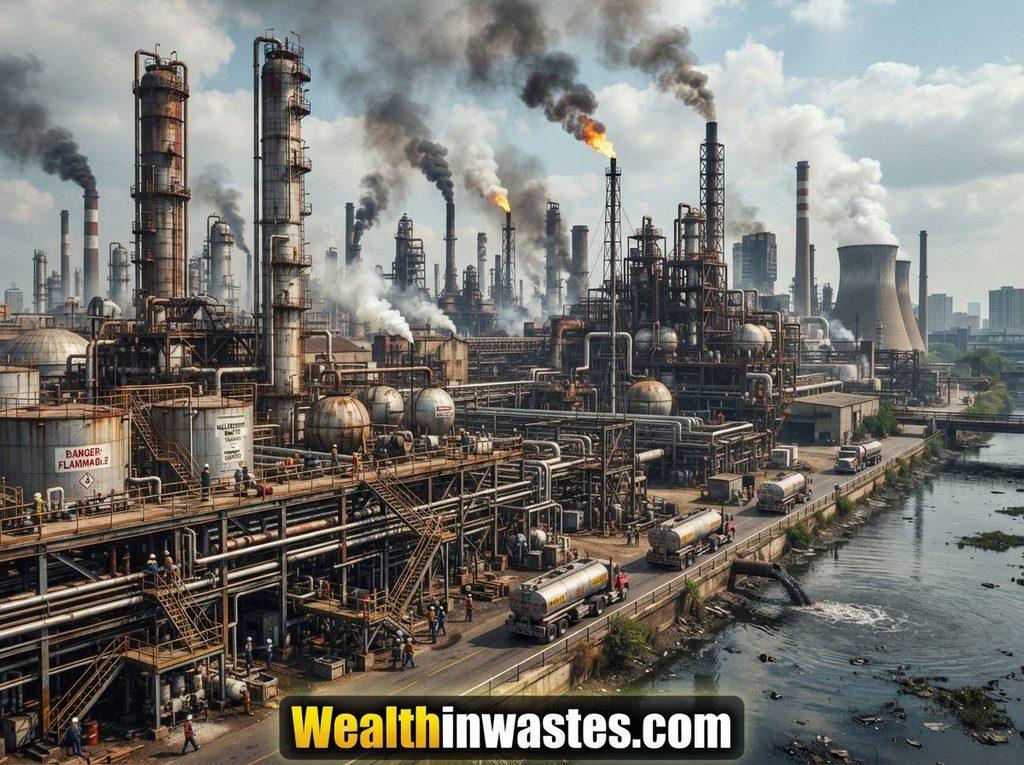
Mining, petroleum, transportation, and construction activities can generate hazardous substances through extraction, processing, combustion, equipment maintenance, excavation, demolition, and material handling operations.
Mining may expose metals and minerals that naturally occur within geological formations. Crushing, processing, and waste storage can create dust, contaminated water, tailings, and sediments containing potentially hazardous substances.
Petroleum activities can release crude oil, refined products, hydrocarbons, solvents, and combustion pollutants. Spills from pipelines, vehicles, storage tanks, vessels, and industrial facilities can contaminate land and water.
Construction activities can involve paints, solvents, fuels, treated wood, asbestos-containing materials, contaminated soils, sealants, adhesives, and demolition debris. Poor handling can release hazardous components into surrounding environments.
These activities can cause land contamination when hazardous materials spill or leak. The characteristics described in land pollution and soil contamination show how chemicals may accumulate within affected soils.
Persistent contaminants may remain in soil for extended periods and affect plants, animals, groundwater, and people. Suitable prevention, containment, monitoring, and remediation measures can reduce the long-term consequences.
Broader land pollution controls also emphasize reducing chemical use, preventing indiscriminate disposal, and managing hazardous waste appropriately. These approaches are discussed in land pollution causes, effects, and solutions.
Healthcare And Electronic Sources
Healthcare facilities generate hazardous substances through medical diagnosis, treatment, laboratory activities, cleaning, pharmaceutical use, and equipment maintenance. Electronic products also contain hazardous components that require careful management after disposal.
1. Healthcare chemicals: Hospitals and laboratories may use disinfectants, solvents, reagents, pharmaceutical substances, and other chemicals. Improper disposal can contaminate water, soil, air, and surrounding communities.
2. Infectious and biomedical materials: Used sharps, contaminated dressings, pathological materials, pharmaceutical waste, and laboratory residues can create biological or chemical hazards when handlers receive inadequate protection.
3. Electronic waste: Computers, phones, televisions, batteries, lighting equipment, and other electronics may contain lead, mercury, cadmium, and other substances that can escape during uncontrolled disposal or informal processing.
4. Pharmaceutical waste: Expired medicines, discarded chemicals, and contaminated containers can create environmental risks when people flush, burn, bury, or mix them with ordinary household refuse.
Healthcare facilities form only part of the biomedical waste chain. Dentists, laboratories, veterinary centres, clinics, pharmacies, and research establishments can also produce hazardous materials that demand controlled handling.
The sources of biomedical special waste explain why non-hospital facilities also deserve attention when authorities develop systems for segregation, collection, treatment, transportation, and disposal.
Electronic devices require similar care because hazardous components can contaminate soil and water. Proper electronic waste management can reduce exposure while also recovering valuable materials.
Healthcare-related liquids may also contain chemical and pharmaceutical contaminants. Safer handling and recovery options are discussed within liquid waste management and recovery practices.
Read Also: Definition and Waste Minimization/Reduction Process
Pathways Of Hazardous Substance Exposure
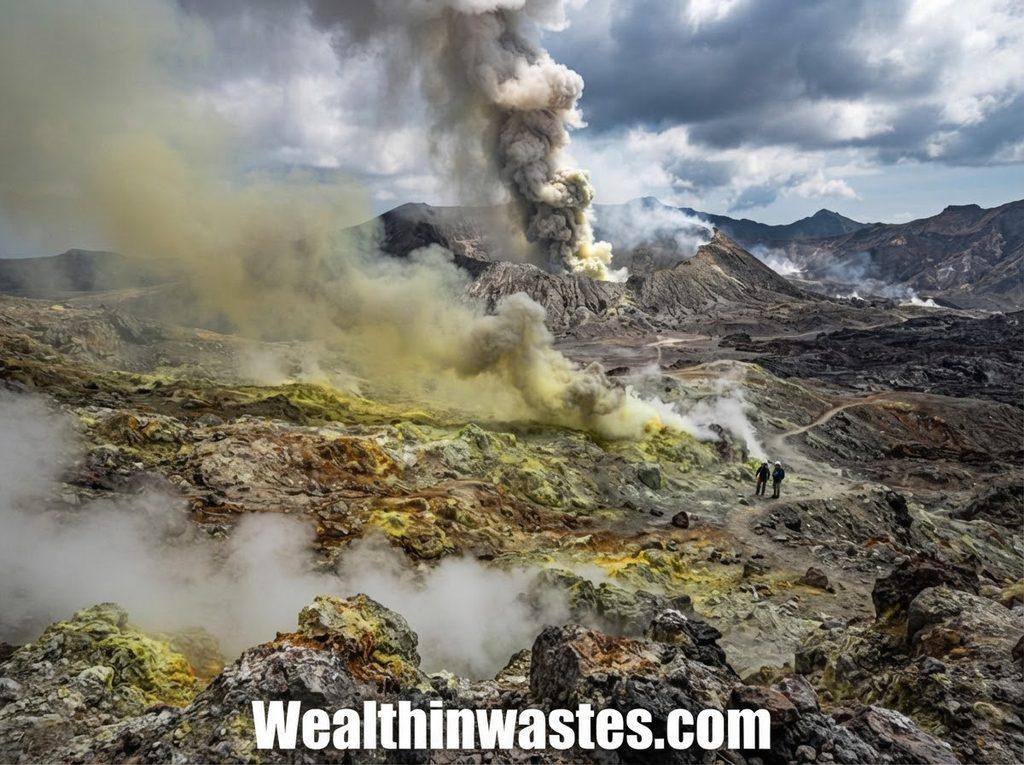
Hazardous substances become environmental and health concerns when they move from their sources toward people, animals, plants, or sensitive ecological systems. Several pathways can transport contaminants away from their original locations.
1. Air pathway: Dust, smoke, vapours, gases, and airborne particles can carry hazardous substances from industrial facilities, burning activities, vehicles, construction sites, and contaminated land into surrounding communities.
2. Water pathway: Rainfall, runoff, groundwater flow, industrial discharge, sewage, and accidental spills can transport chemicals into rivers, lakes, wetlands, reservoirs, and underground water supplies used by communities.
3. Soil and food pathway: Contaminated soils can transfer hazardous substances to crops, grazing animals, food products, dust, and household surfaces, creating opportunities for direct or indirect exposure among people.
4. Direct contact pathway: Workers, residents, waste handlers, farmers, and scavengers may contact hazardous substances through skin exposure, ingestion, inhalation, contaminated clothing, damaged containers, or unsafe handling practices.
Water contamination deserves particular attention because hazardous substances can move through surface runoff, wastewater, sediments, and groundwater. The discussion of water pollution sources and classifications explains these pathways clearly.
Industrial contaminants may require treatment before wastewater reaches receiving waters. Appropriate wastewater treatment options can remove or reduce pollutants using suitable physical, chemical, and biological processes.
Environmental contamination can also result from poorly managed solid waste. Applying the waste management hierarchy supports prevention, reuse, recycling, recovery, treatment, and appropriate final disposal.
Open burning and uncontrolled disposal can release hazardous substances directly into communities. Safer approaches described under traditional waste management methods help explain why controlled alternatives are necessary.
Summary on Sources of Hazardous Substances
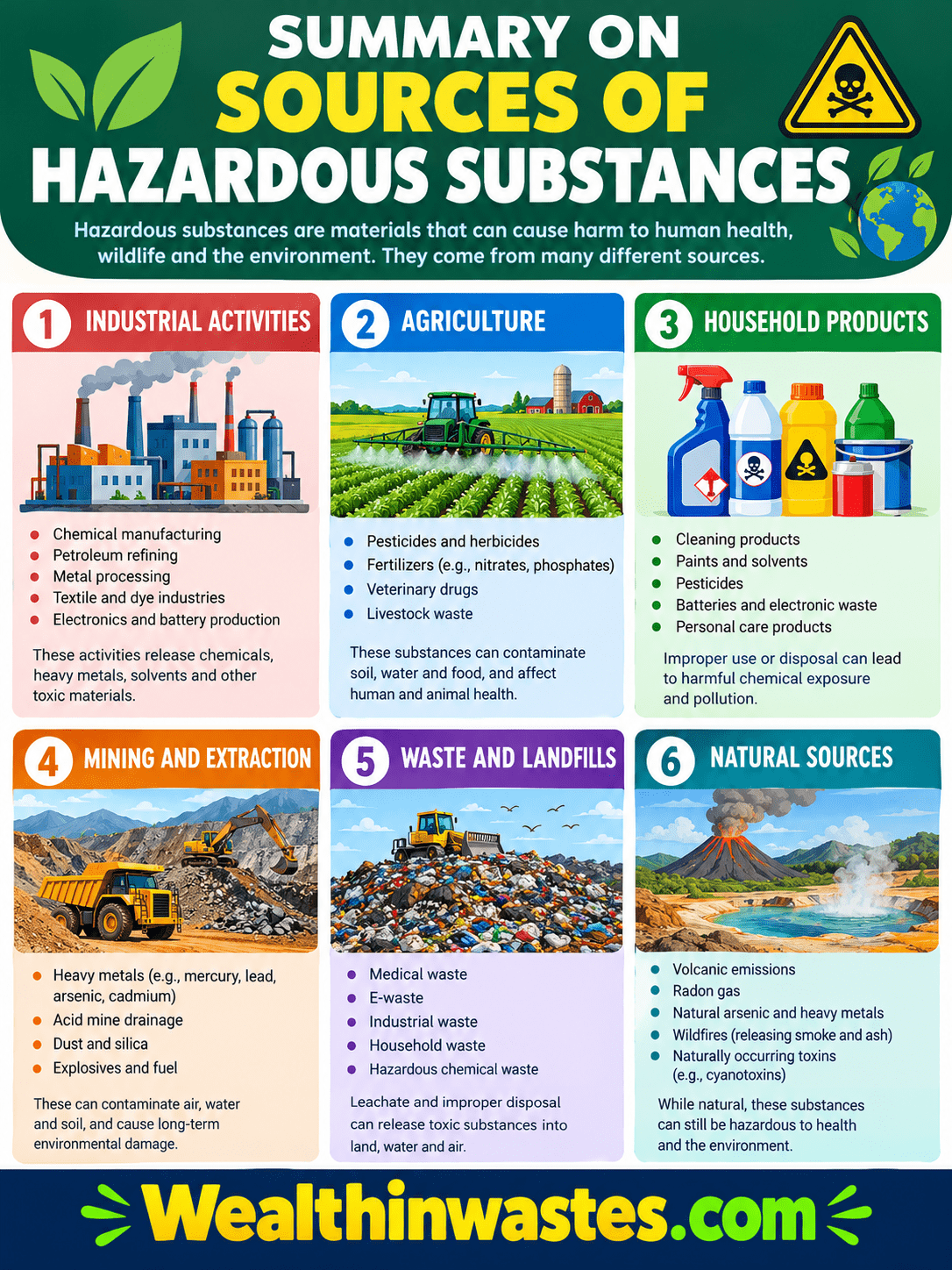
| Source | Examples | Main Concern |
|---|---|---|
| Natural | Radon, arsenic, asbestos, volcanic gases, metals | Natural exposure and environmental release |
| Household | Paints, solvents, batteries, cleaners, pesticides | Improper use, storage, and disposal |
| Industrial | Acids, solvents, metals, oils, chemicals | Emissions, spills, effluents, and process wastes |
| Agricultural | Pesticides, herbicides, fertilizers, veterinary chemicals | Runoff, residues, spills, and excessive application |
| Mining and Petroleum | Hydrocarbons, contaminated soil, mineral residues, dust | Leaks, extraction, processing, and waste storage |
| Construction | Paints, fuels, adhesives, asbestos materials, contaminated soils | Demolition, spills, dust, and poor disposal |
| Healthcare | Pharmaceuticals, disinfectants, reagents, sharps | Improper segregation and disposal |
| Electronic | Lead, mercury, cadmium, batteries, electronic components | Informal recycling and uncontrolled disposal |
| Exposure Pathways | Air, water, soil, food, direct contact | Movement from sources to people and ecosystems |
Frequently Asked Questions About Sources of Hazardous Substances: Main Environmental Risks
1. What are the main sources of hazardous substances?
Major sources include natural formations, households, industries, agriculture, mining, petroleum operations, construction, healthcare facilities, transportation, and electronic waste.
2. What are natural sources of hazardous substances?
Natural sources include volcanic emissions, radioactive minerals, arsenic-bearing rocks, asbestos deposits, naturally occurring metals, and gases released from soil.
3. Which household products can become hazardous substances?
Paints, solvents, batteries, cleaning chemicals, pesticides, fuels, adhesives, fluorescent lamps, and some electronic products can create household hazards.
4. How does agriculture produce hazardous substances?
Agriculture can introduce hazardous substances through pesticides, herbicides, fertilizers, veterinary medicines, chemical containers, spills, residues, and contaminated runoff.
5. How do hazardous substances reach people?
Exposure can occur through contaminated air, water, soil, food, dust, surfaces, direct skin contact, accidental ingestion, and inhalation.
6. Why are industrial sources important?
Industries handle large quantities of chemicals, fuels, metals, solvents, and process materials, creating significant risks when releases, leaks, emissions, or disposal occur.
7. Why is electronic waste considered hazardous?
Electronic waste can contain toxic substances such as lead, mercury, and cadmium that may enter air, soil, and water through poor disposal.
8. How can hazardous substances be controlled?
Control measures include source reduction, safe storage, proper labelling, protective equipment, waste segregation, treatment, recycling, monitoring, and environmentally responsible disposal.
Do you have any questions, suggestions, or contributions? If so, please feel free to use the comment box below to share your thoughts. We also encourage you to kindly share this information with others who might benefit from it. Since we can’t reach everyone at once, we truly appreciate your help in spreading the word. Thank you very much for your support and for sharing!
Read Also: Pesticide Residue Decline in Agricultural Produce