


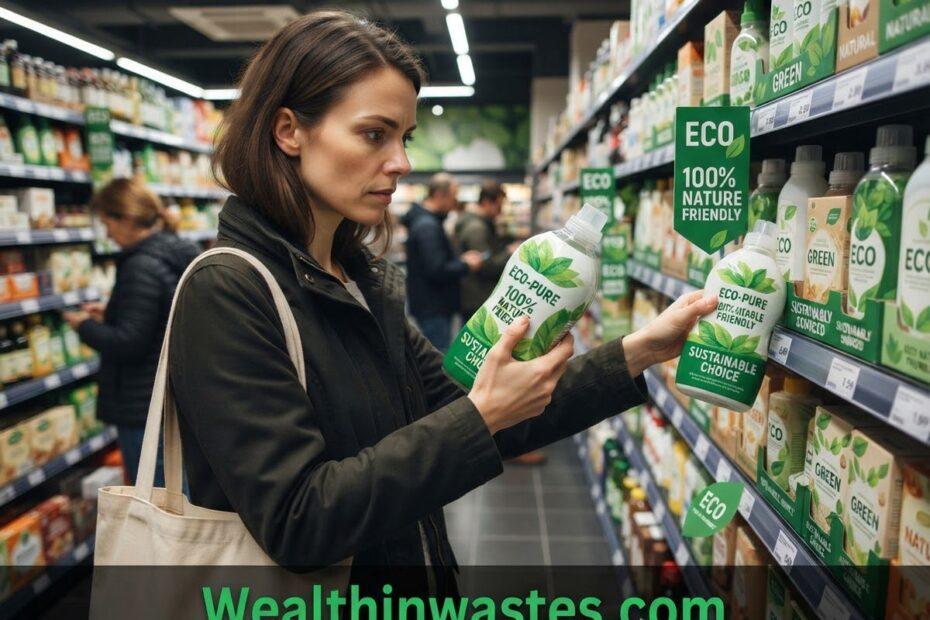
Greenwashing companies promote products, services or business operations as environmentally responsible without showing that their claims reflect actual environmental performance. Their messages can influence everyday purchases, investment decisions and public trust.
The problem is not limited to obvious falsehoods. A statement may be technically accurate yet misleading when a company highlights one small improvement while hiding significant damage elsewhere in its operations.
A manufacturer’s public claims should therefore be compared with its actual industrial waste impacts, not judged by attractive packaging or advertising alone. Production choices often reveal environmental costs that promotions leave out.
Pollution from poorly controlled industrial discharges can reveal impacts that a glossy sustainability page leaves out, especially when a company’s claim covers its entire business rather than one product or supplier.
This article explains how greenwashing works, the warning signs to examine, notable regulatory cases, and practical checks consumers, investors and businesses can use before trusting environmental claims in everyday buying decisions.
What Are Greenwashing Companies?

Greenwashing occurs when a business gives consumers or investors an inaccurate impression of a product’s or organisation’s environmental benefits. It can involve false claims, missing context, exaggeration or unsupported promises.
The 2026 edition of ISO 14021 defines greenwashing as an unsubstantiated, misleading or irrelevant environmental statement. Its scope includes claims in wording, symbols and graphics across packaging, advertising and digital media.
A company may call a package recyclable, for example, without explaining that local facilities do not accept it. Understanding the concept of solid waste helps readers assess what happens after disposal.
Likewise, a company-wide sustainability claim should cover relevant waste streams, not just one product or factory. Knowing the types and sources of solid waste helps explain why claim scope matters.
Read Also: Tshirt Recycling Companies Near Me
Common Greenwashing Tactics Used by Companies
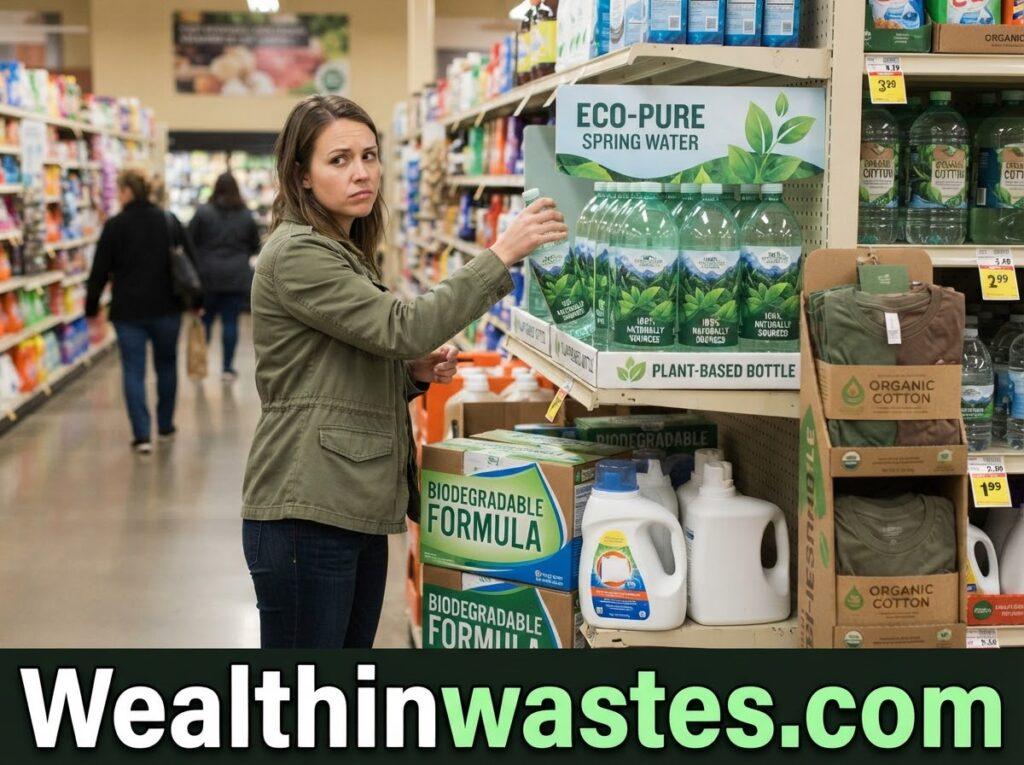
1. Vague environmental language: Terms such as green, natural, clean and eco-friendly sound reassuring but mean little without a defined benefit. A credible claim explains what changed, where, and how the company measured it.
2. Selective disclosure: A company may publicise recycled packaging while avoiding information about energy use, production pollution or transport. This cherry-picking creates a favourable impression without showing the business’s wider footprint.
3. Unsupported recycling promises: A label may say recyclable even when collection and processing systems cannot handle the item. Check the local facilities and the actual proper waste recycling process before trusting it.
4. One small improvement presented as a major shift: A manufacturer may promote a limited project involving metal recycling companies while its core operations remain resource-intensive. Compare the claim with the company’s total material use and output.
5. Recycled-content trade-offs: Recovered metals can reduce demand for virgin resources, but processing still uses energy and creates residues. Read about aluminium recycling before assuming recycled content makes every product green.
6. Carbon-neutral language without clear proof: Businesses may rely on offsets or future projects without explaining calculation boundaries, project quality, permanence or residual emissions. Ask for the emissions data behind the claim.
7. Self-created eco-labels: Logos showing leaves, globes or green ticks can look official despite having no independent assessment. Look for published criteria, an identifiable certifier and transparent checks before relying on labels.
Warning Signs of Misleading Green Claims
Recognising greenwashing requires more than reading product descriptions. Consumers should examine the evidence supporting environmental promises and question anything that creates an impressive impression without explaining the actual results.
1. No measurable baseline: A promise to reduce emissions or waste means little without a starting year, a defined target and a clear reporting period. Check whether results show absolute reductions or only intensity changes.
2. Missing operational scope: A company may report one product, factory or country while advertising the result as its overall performance. Look for disclosures covering subsidiaries, suppliers, transport, use and disposal.
3. Big claims with little context: Words such as zero impact or planet positive require strong evidence. Compare the message with the general impact of waste and other material effects across the business.
4. Targets without progress updates: Long-term promises can sound ambitious while delaying action. Look for interim milestones, annual results, responsible teams and explanations when the company misses its stated environmental targets.
5. Evidence that cannot be checked: Treat unsupported percentages, anonymous badges and unlinked reports cautiously. A trustworthy company identifies its methods, data sources, reporting boundaries and independent assurance where appropriate.
How Greenwashing Companies Affect the Environment
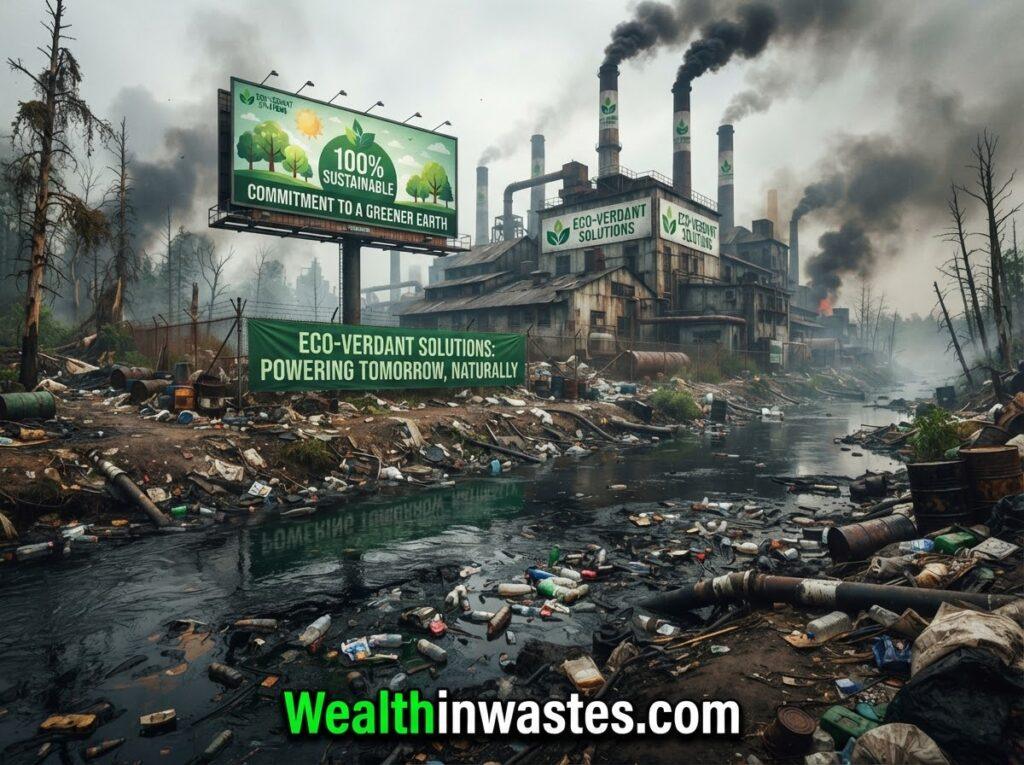
Greenwashing weakens informed choice because customers cannot compare products fairly when businesses conceal their real impacts. It can also reward companies that spend more on promotion than on preventing pollution or waste.
Poorly managed industrial and commercial materials can contaminate soil, air and water. A company’s environmental story should therefore account for hazardous waste management, not just visible recycling schemes or public clean-up campaigns.
Land disposal also carries trade-offs that glossy claims may overlook. Understanding landfill emissions and the types of landfills helps readers question claims that waste has simply disappeared from a company’s operations.
Food and farming businesses can also shift environmental costs to communities through discarded materials, packaging and untreated by-products. The impact of agricultural wastes shows why responsible sourcing must include waste handling.
Companies sometimes describe landfill disposal as responsible without explaining site controls, leakage risks or long-term monitoring. The advantages and disadvantages of landfills depend on design, waste type, oversight and local conditions.
These practices can disadvantage companies that invest in cleaner production, safer treatment and transparent reporting. They also undermine confidence in environmental information, making consumers less willing to trust even well-supported claims.
Real-World Examples of Corporate Greenwashing
A business may promote a low-waste image while shifting disposal burdens onto contractors or nearby communities. These practices can affect the wider business environment and people living close to industrial activity.
| Company | Documented Case | Important Lesson |
|---|---|---|
| Shell UK | In June 2023, the UK Advertising Standards Authority upheld part of a complaint, finding that advertisements omitted material information about the proportion of Shell’s activities involving lower-carbon energy. Read the ASA ruling. | Do not judge an entire company’s environmental performance from selected low-carbon activities. |
| HSBC | In October 2022, the ASA upheld complaints that two posters promoted financing and tree-planting initiatives without significant information about HSBC’s own contribution to greenhouse gas emissions. Read the ASA ruling. | Positive environmental projects do not replace disclosure of a company’s wider impact. |
| Mercer | In August 2024, Australia’s Federal Court ordered Mercer to pay an A$11.3 million penalty after misleading statements about the sustainability characteristics and exclusions of several investment options. Read ASIC’s announcement. | Investors should check actual portfolio holdings against published sustainability exclusions. |
| Shein | In August 2025, Italy’s competition authority fined the company responsible for Shein’s European websites €1 million over vague, generic, misleading or incomplete environmental messages about clothing. Read the authority’s announcement. | Environmental claims about selected clothing ranges must not exaggerate the impact of the wider collection. |
These decisions concern specific advertisements, statements and jurisdictions; they do not prove that every environmental claim from those businesses is false. Their shared lesson is to examine the complete impression, not isolated wording.
How to Investigate a Company’s Green Claims

Investigating an environmental claim involves checking its meaning, supporting evidence and relationship with a company’s actual activities. The following steps provide a practical approach for consumers, journalists and investors.
1. Define the exact claim: Identify whether the statement concerns one product, packaging, a factory, a service or the whole company. A broad promise needs broader evidence than a narrow product claim.
2. Ask for measurable evidence: Request figures, dates, methods and a baseline instead of accepting slogans. For waste-related claims, compare reported reductions with the company’s waste reduction process and actual output.
3. Check the full waste pathway: Ask what is prevented, reused, recycled, treated or disposed of, and where each stage occurs. The waste management hierarchy and waste treatment and disposal methods help test whether claims reflect real practice.
4. Examine independent verification: Find out who checked the information, what standard they used and what the assessment covered. A credible audit explains its scope, limitations, sampling and any unresolved findings.
5. Compare reports across years: Read annual disclosures alongside earlier reports, regulatory notices and operational updates. Check whether the figures remain consistent and whether the company explains any changes in methods or boundaries.
How to Choose Genuinely Sustainable Companies
Consumers can reduce their exposure to greenwashing by looking for businesses that demonstrate measurable improvements rather than relying on promotional language. A few practical checks can make purchasing decisions more informed.
1. Prefer specific, limited claims: Choose businesses that describe a measurable improvement, identify the product or operation involved and publish supporting information. Specific evidence is more useful than broad promises about being green.
2. Consider the whole life cycle: Look beyond materials and packaging to manufacturing, delivery, product life, repair and disposal. Businesses that disclose trade-offs give customers a clearer basis for comparing environmental performance.
3. Look for practical resource recovery: Responsible businesses explain what happens to by-products and discarded materials. Their work may include composting organic waste, such as the methods described in kitchen waste composting guidance.
4. Reward consistent performance: Compare environmental targets with actual results, not one-off campaigns. Wider waste management benefits depend on prevention, safe handling and long-term improvements rather than attractive labels alone.
Regulations and Corporate Accountability for Greenwashing
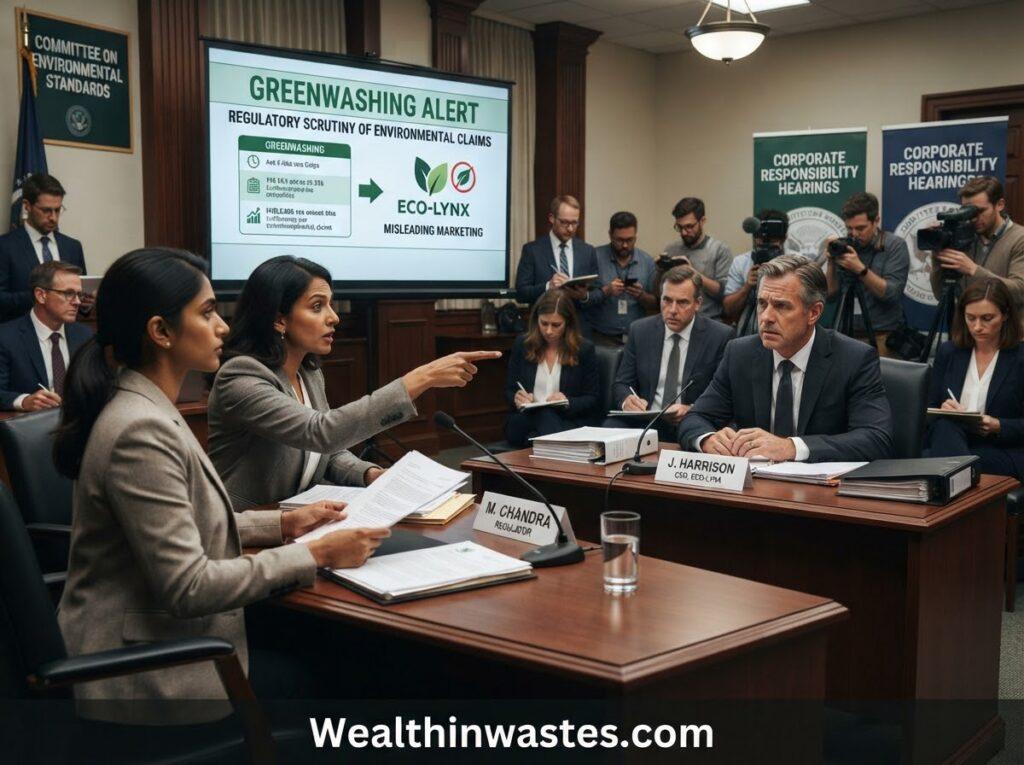
Environmental advertising rules differ between countries, so consumers should check the regulator that oversees the relevant market. However, many consumer-protection systems already prohibit claims that create materially misleading impressions in advertising.
Claims about waste prevention should connect with measurable operational plans. Clear waste management objectives show whether a company addresses collection, treatment, recovery and final disposal rather than relying on publicity.
Across the European Union, Directive (EU) 2024/825 began applying on 27 September 2026. It restricts unsupported generic environmental claims, unqualified sustainability labels and claims that exaggerate one isolated improvement across a business.
In the United Kingdom, the Competition and Markets Authority’s Green Claims Code says claims should be truthful, clear, substantiated and consider the full life cycle. Its January 2026 guidance explains supply-chain responsibilities.
In the United States, the Federal Trade Commission’s Green Guides advise marketers to avoid broad, unqualified claims such as eco-friendly and qualify specific environmental benefits clearly. They are guidance, not universal law.
International standards also help businesses document self-declared claims. ISO 14021:2026 sets requirements and guidance for environmental statements, including supporting documentation and assessment methods that help distinguish evidence-based claims from unsupported marketing.
How Consumers Can Help Reduce Greenwashing
Consumers do not need to become technical auditors to challenge greenwashing. Asking precise questions, comparing independent evidence and reporting suspicious advertising can make environmental messaging more accountable in the marketplace.
1. Ask the company directly: Request the evidence behind a claim, including what it covers and what it excludes. A helpful response should identify measurable results rather than repeat promotional language.
2. Compare alternatives carefully: Check materials, durability, repair options, transport and end-of-life arrangements before choosing a product. Avoid assuming that a higher price or green appearance automatically means a lower impact.
3. Report misleading messages: Keep screenshots, product labels and supporting details, then contact the relevant advertising or consumer-protection regulator. Clear complaints help authorities assess claims and identify repeated patterns of misconduct.
4. Reduce unnecessary consumption: Reuse, repair and buy only what you need where practical. Choosing longer-lasting products can reduce demand for new resources more directly than relying on vague eco-labels.
Read Also: Health-Benefits and Uses of Lobster
Summary on Greenwashing Companies: How to Spot and Avoid Misleading Environmental Claims
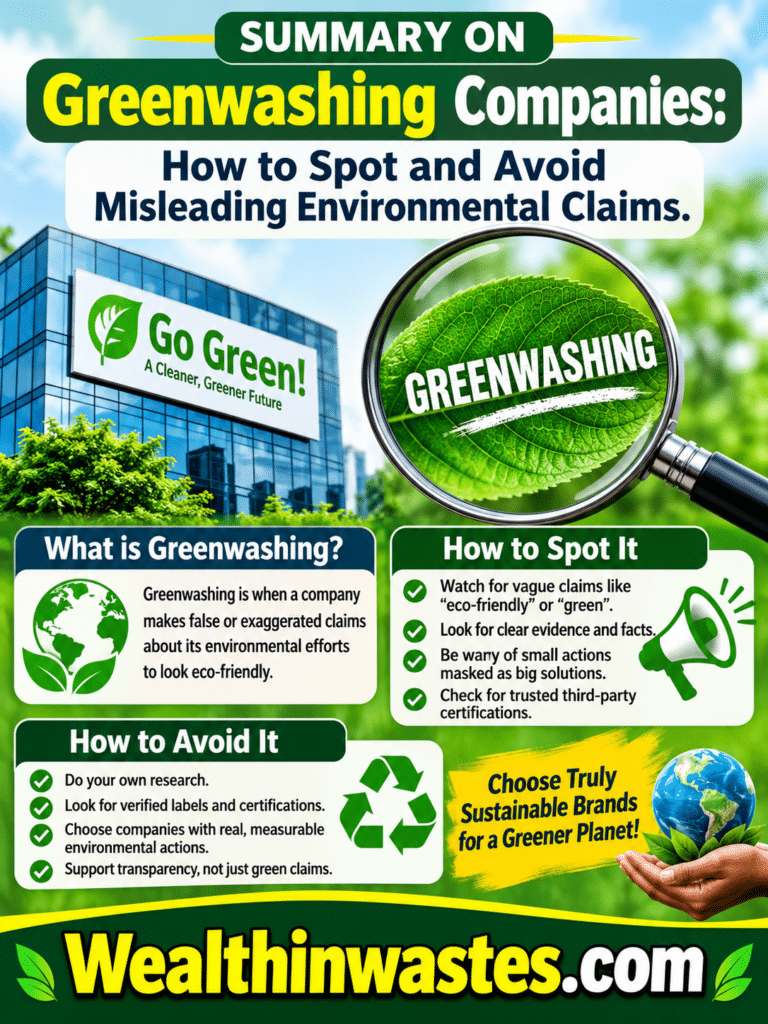
| Topic | Key Takeaway |
|---|---|
| Meaning of greenwashing | Misleading, exaggerated, irrelevant or unsupported environmental claims. |
| Common tactics | Vague language, selective disclosure, unsupported recycling promises and misleading labels. |
| Warning signs | Missing evidence, unclear boundaries, exaggerated benefits and unverified targets. |
| Environmental consequences | Pollution, waste, damaged public trust and unfair competition for responsible businesses. |
| Investigation | Check measurements, reporting methods, independent verification and the full business footprint. |
| Responsible purchasing | Support companies with transparent information and measurable environmental improvements. |
| Accountability | Consumer protection rules, credible standards and public scrutiny discourage misleading claims. |
Frequently Asked Questions About Greenwashing Companies and How to Identify False Green Claims
1. What Are Greenwashing Companies?
They are businesses that exaggerate, misrepresent or fail to substantiate their environmental performance through marketing and public statements.
2. Why Do Companies Engage in Greenwashing?
They may seek more customers, attract investment, improve public reputation or gain a competitive advantage without making substantial environmental improvements.
3. What Are the Most Common Signs of Greenwashing?
Vague environmental language, missing evidence, exaggerated recycling claims, self-created eco-labels and selective sustainability reports are common warning signs.
4. Are All Products Labelled Eco-Friendly Greenwashed?
No. However, businesses should explain the specific environmental benefit and provide reliable evidence supporting the label.
5. How Can Consumers Verify Environmental Claims?
Examine company reports, check recognised certifications, compare measurable results and consult independent environmental information.
6. Is Carbon Neutrality Always an Example of Greenwashing?
No. However, claims based entirely on offsets can mislead consumers. Some jurisdictions, including the European Union, now restrict offset-based product neutrality claims.
7. Do Environmental Certifications Guarantee Sustainability?
No. Certifications provide useful evidence, but consumers should examine their standards, verification procedures and the specific products or activities covered.
8. How Can Consumers Report Greenwashing?
Collect advertisements, product labels and supporting evidence, then report misleading claims to the relevant consumer-protection or advertising authority.
Do you have any questions, suggestions, or contributions? If so, please feel free to use the comment box below to share your thoughts. We also encourage you to kindly share this information with others who might benefit from it. Since we can’t reach everyone at once, we truly appreciate your help in spreading the word. Thank you very much for your support and for sharing!