


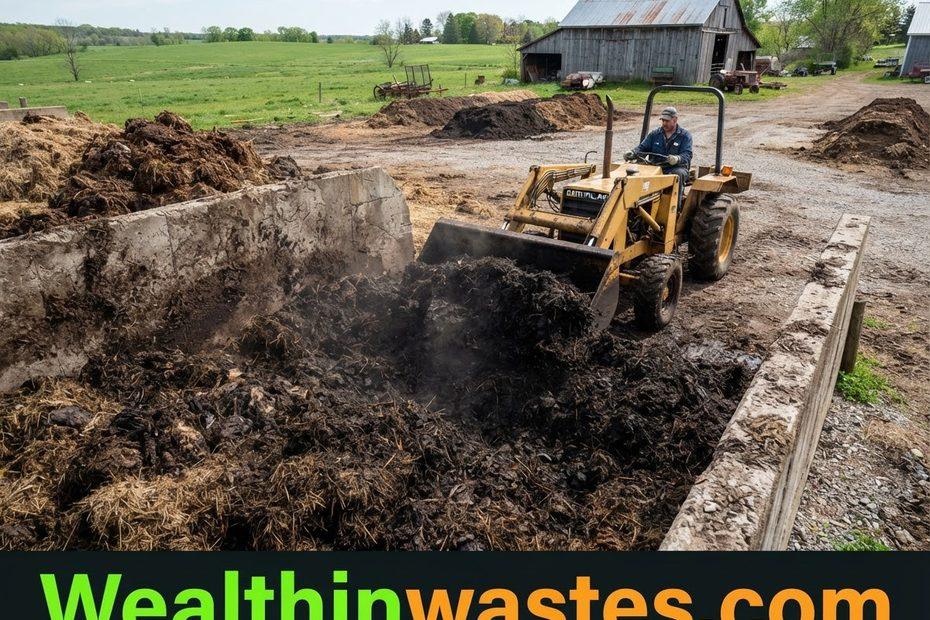
Composting is a practical biological process that transforms biodegradable waste into a stable organic material through controlled microbial activity. It provides a useful pathway for managing household, farm, and community residues.
A manure pit offers a simple composting structure where suitable organic materials can decompose under managed conditions. Farmers and households can adapt the pit to available space, climate, materials, labor, and local waste quantities.
Successful composting depends on several interacting conditions, including moisture, oxygen, temperature, carbon, nitrogen, particle size, and microbial activity. Maintaining suitable conditions helps decomposition progress efficiently and encourages the formation of mature compost.
Organic residues such as animal manure, crop residues, leaves, grass, fruit peels, and vegetable scraps provide feedstocks. Proper separation remains essential because plastics, metals, glass, and other non-biodegradable materials can contaminate finished compost.
Compost provides more than a waste disposal solution. When properly matured, it can return organic matter and nutrients to agricultural soils while helping reduce the quantity of biodegradable waste requiring disposal.
Manure Pit Composting: What It Means
Composting describes the controlled biological decomposition of biodegradable solid materials into a stabilized organic product. Microorganisms break down the feedstock while environmental conditions determine how quickly and effectively the transformation occurs.
A manure pit concentrates organic residues in a defined space, making routine collection, layering, moisture control, and management easier. The structure can support household or farm composting where materials accumulate regularly.
The suitability of a pit depends on local conditions, particularly rainfall, soil characteristics, available land, drainage, and the amount of organic waste generated. These factors influence construction requirements and moisture management.
Composting forms one component of broader biodegradable waste management practices, helping communities recover organic resources rather than sending every biodegradable material for disposal. This reduces disposal pressure while recovering useful organic materials.
Composting also fits within the wider solid waste management process, where handling, treatment, recycling, recovery, and disposal methods work together to protect environmental quality. These practices support environmental protection and orderly handling of biodegradable residues.
A well-managed manure pit should therefore be viewed as a treatment facility rather than an ordinary dumping hole. Its purpose is controlled decomposition, resource recovery, and safer management of biodegradable materials.
Good pit management also requires enough working space around the structure. Operators need room to add materials, inspect conditions, remove finished compost, and maintain safe movement without disturbing nearby activities.
Read Also: Traditional Solid Waste Disposal Methods
Aerobic and Anaerobic Composting Methods
Aerobic composting uses microorganisms that require oxygen to decompose organic materials. Their metabolic activity releases heat, and vigorous decomposition can raise the temperature of the composting mass during active stages.
Turning or mixing the compost helps replenish oxygen and prevents compacted materials from developing oxygen-poor zones. Good aeration also supports more uniform decomposition throughout the manure pit or compost heap.
During aerobic decomposition, microorganisms use carbon-containing compounds for energy while transforming nitrogen and other nutrients. The resulting biological activity can gradually convert fresh residues into a more stable organic material.
Anaerobic decomposition occurs when oxygen is absent or severely restricted. Microorganisms follow different pathways, generally producing less heat and generating gases such as methane and carbon dioxide during breakdown during managed treatment.
Controlled anaerobic digestion can recover biogas and digestate, while ordinary compost pits generally aim to produce solid compost. The distinction matters because each treatment pathway requires different equipment, management conditions, and intended outputs.
The use of biological waste treatment technologies can improve organic waste conversion through specialized microorganisms, enzymes, digesters, or bioreactors where suitable facilities and technical support exist today.
Choosing between aerobic and anaerobic treatment depends on the desired outcome. Solid compost production generally favors oxygen-rich conditions, while gas recovery requires controlled oxygen exclusion and appropriate digestion equipment.
Types of Composting Pits and Systems
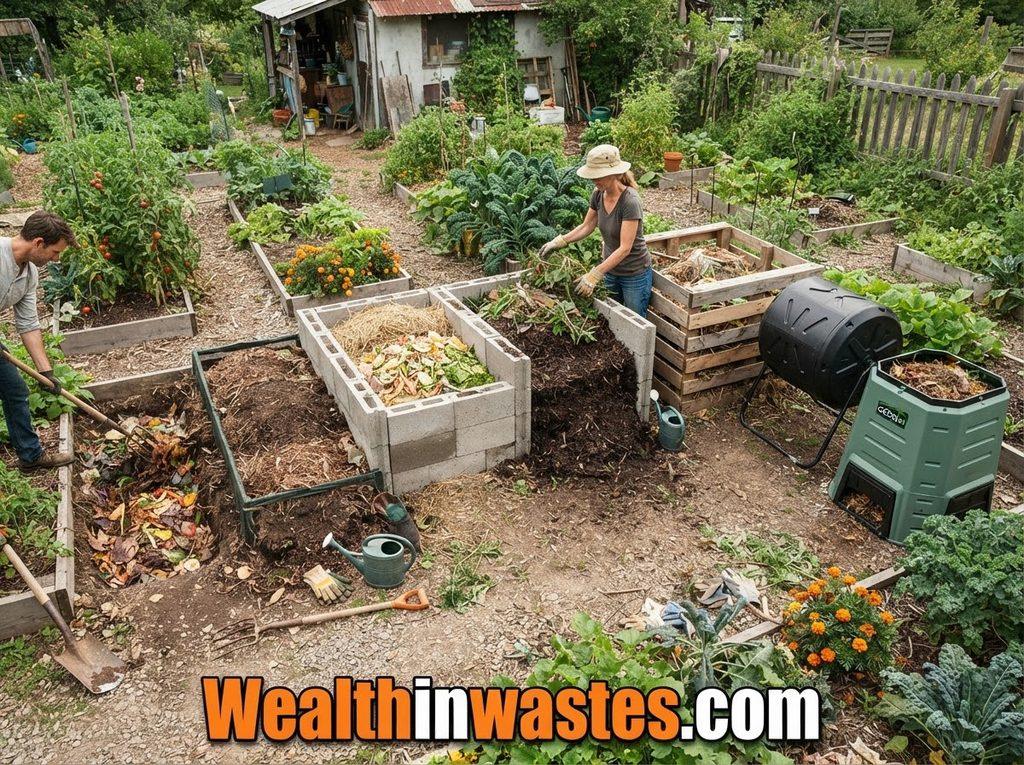
Underground manure pits provide a simple option where excavation is practical and rainfall does not create persistent waterlogging. Their design should allow drainage and safe access while limiting exposure of decomposing materials.
Raised compost heaps can work better in locations with heavy rainfall or difficult ground conditions. Elevating the composting mass helps water drain away and reduces excessive moisture that could restrict oxygen movement.
Brick-lined pits provide greater structural stability than unlined excavations. Their walls can make repeated use easier, support better organization of materials, and reduce collapse or erosion where soil conditions are unfavorable.
Households can also use smaller containers for kitchen residues, garden waste, and other suitable organic materials. The household waste management approach helps separate organic materials before composting in daily household practice.
Community operations may use several pits or heaps in rotation, allowing one unit to mature while another receives fresh feedstock. This approach supports continuous processing and can create opportunities for income from biodegradable waste.
Vermicomposting provides another biological option, using earthworms to process suitable organic materials into worm castings. Larger operations may also consider waste-to-fertilizer methods alongside conventional composting under suitable management conditions whenever needed.
A simple cover can help protect a composting structure from excessive rainfall while still allowing appropriate aeration. Drainage around the site should direct water away rather than through the decomposing materials.
Materials for Manure Pit Composting
Mixing different feedstocks can balance their physical and chemical properties. Dry carbon-rich materials can provide structure, while moist nitrogen-rich materials supply nutrients and water required for active microbial decomposition.
1. Animal manure: Animal manure supplies organic matter and nitrogen that can support microbial activity. It should be mixed with carbon-rich materials and managed properly to encourage balanced decomposition.
2. Crop residues: Straw, stalks, husks, leaves, and other crop residues contribute carbon and structural material. Chopping bulky residues can improve contact between microorganisms and the material during decomposition effectively.
3. Kitchen residues: Vegetable scraps, fruit peels, and suitable food residues provide readily decomposable organic matter. The kitchen composting method helps households recover these materials effectively.
4. Green materials: Fresh grass, weeds without mature seeds, and other moist plant materials usually contribute nitrogen and water. Combining them with dry materials helps create a more balanced composting mixture.
5. Brown materials: Dried leaves, straw, paper-based materials, and sawdust can contribute carbon and structure. Excessive quantities may slow decomposition, so operators should balance them with nitrogen-rich materials when combined.
6. Unacceptable materials: Plastics, glass, metals, hazardous substances, and other non-biodegradable items should stay outside the composting system.Proper waste classification helps prevent contamination during compost preparation.
Key Factors That Control Composting

Operators should observe the composting mass regularly rather than relying on one factor alone. Changes in temperature, moisture, smell, structure, and decomposition progress can indicate when management adjustments are necessary.
1. Moisture: Microorganisms need adequate moisture for metabolic activity, but excessive water can fill air spaces and restrict oxygen. Very dry materials also slow decomposition and delay stabilization over time.
2. Temperature: Compost temperature changes as microbial populations and activity change. Appropriate heat can support rapid decomposition, while excessive temperatures may suppress organisms needed for continued biological transformation during operation.
3. Aeration: Oxygen availability strongly influences aerobic composting. Turning, mixing, or using porous materials can improve airflow and reduce compacted zones that encourage oxygen-poor conditions. Good waste management practices support steady aerobic activity.
4. Carbon and nitrogen: Carbon provides energy while nitrogen supports microbial growth. A balanced mixture helps microorganisms work efficiently and reduces the likelihood of slow decomposition caused by unsuitable feedstock proportions.
5. Particle size: Smaller particles generally provide more surface area for microbial action. However, excessively fine material can compact easily, restricting airflow and creating conditions that slow aerobic decomposition there.
6. Feedstock quality: Different wastes vary in moisture, nutrient content, biodegradability, and contamination risks. Understanding waste characteristics helps operators choose and combine appropriate materials throughout routine compost handling.
How to Use a Manure Pit for Composting
During loading, operators should distribute materials rather than creating large compacted pockets. Even placement supports airflow and moisture distribution, making the composting mass easier to manage throughout active decomposition.
1. Select the site: Choose a stable location with adequate drainage and convenient access. The site should reduce nuisance, avoid unnecessary runoff risks, and provide enough space for loading and managing compost.
2. Prepare the pit: Construct the pit according to local soil and rainfall conditions. Lining or raising the structure may improve durability and moisture control where unprotected excavation performs poorly.
3. Sort the materials: Remove plastics, glass, metals, hazardous substances, and other unsuitable items before loading. The problems of poor waste management show why clean separation matters before loading begins.
4. Build balanced layers: Alternate suitable moist, nitrogen-rich materials with dry, carbon-rich materials. This arrangement helps distribute nutrients and moisture while reducing the chance of prolonged wetness or poor aeration during treatment.
5. Maintain conditions: Monitor moisture and airflow throughout decomposition. Add dry material when the mixture becomes excessively wet, add water when materials become too dry, and turn the mass when oxygen becomes limited.
6. Allow maturation: Compost should remain undisturbed long enough for active decomposition to decline and stabilization to develop. The final material should have a more uniform, stable appearance and an earthy character.
Read Also: Criteria for Hygienic Storage of Solid Waste
Agricultural Benefits of Composting

Finished compost should be used only after adequate maturation. Applying incompletely decomposed materials may reduce the expected benefits, so allowing stabilization remains an important part of responsible agricultural use.
1. Soil structure: Mature compost adds organic matter that can support aggregation and improve physical soil condition.Regular organic matter inputs can contribute to better soil management and more resilient growing conditions.
2. Water management: Organic matter from compost can improve the soil’s ability to retain water while supporting aggregation. These effects can benefit crops where soil structure or moisture management presents limitations.
3. Nutrient recycling: Compost returns part of the nutrients contained in biodegradable residues to soil. The agricultural uses of wastes illustrate opportunities for nutrient recovery within farming systems.
4. Waste reduction: Composting diverts suitable organic residues from conventional disposal routes. This supports broader waste reduction, reuse, and recycling principles while keeping useful materials in productive cycles over time.
5. Resource recovery: Compost converts organic residues into a useful soil amendment rather than treating them solely as discarded materials. The recovery of organic waste products demonstrates wider resource opportunities.
6. Agricultural value: Compost can complement other soil fertility practices by supplying organic matter and nutrients gradually. Farmers should consider crop needs, compost maturity, application rates, and soil fertility conditions for responsible use.
Good Waste Management with Composting
Good composting begins with proper waste separation because contaminated feedstock can reduce product quality and complicate later use. Clear solid waste management guidance can help connect separation with treatment before final disposal.
Landfill dependence can decrease when organic materials receive suitable treatment before disposal. The environmental effects of landfills highlight why recovery options deserve consideration where practical alternatives exist.
Where composting cannot accept particular materials, those materials should move into suitable treatment or recovery channels. Proper waste treatment and disposal methods help prevent inappropriate materials entering compost systems responsibly.
Reducing waste before treatment is important because prevention lowers the quantity requiring management. Practical waste reduction measures complement composting by limiting avoidable residues at the source each day.
Communities can strengthen composting programmes through education, monitoring, and clear responsibilities. The waste management hierarchy can guide choices before final disposal occurs within coordinated local programmes.
Composting can also complement wider material recovery systems. The waste recycling process helps handle recyclable materials separately, allowing organic residues to remain available for composting and other biological treatment.
Composting programmes work best when users understand what belongs in the system and how the process operates. Clear instructions and routine supervision can improve participation, feedstock quality, and long-term programme performance consistently.
Summary on Methods and Best Practices for Manure Pit Composting
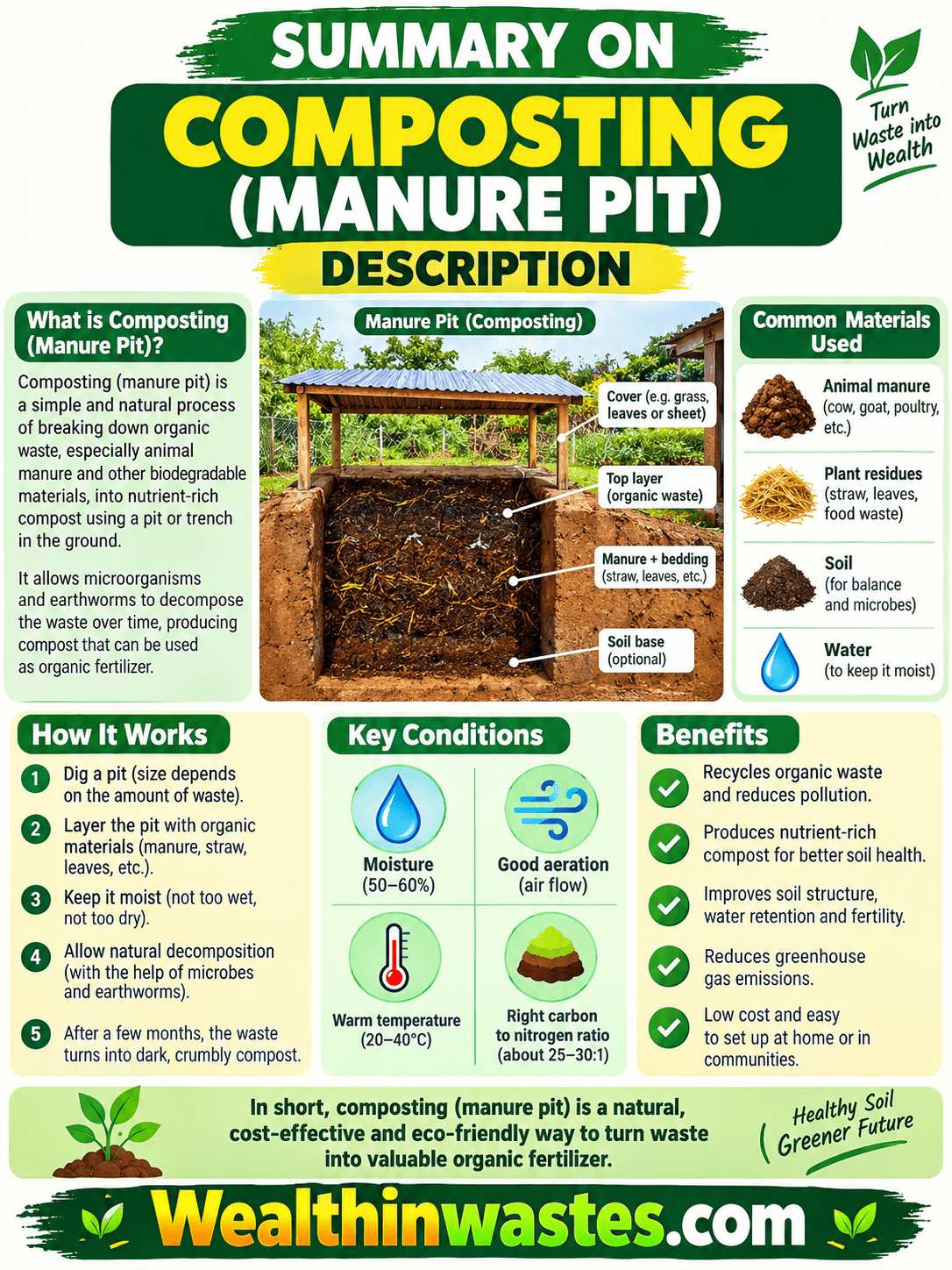
| Aspect | Summary |
|---|---|
| Definition | Composting is the controlled biological decomposition of biodegradable solid materials into stable organic material through microbial activity. |
| Manure pit | A manure pit provides a defined space for storing, layering, decomposing, and maturing suitable organic residues. |
| Main methods | Aerobic composting uses oxygen and commonly produces heat, while anaerobic decomposition occurs without oxygen and can produce biogas. |
| Suitable materials | Animal manure, crop residues, leaves, grass, straw, fruit peels, vegetable scraps, and other suitable biodegradable materials can be composted. |
| Important factors | Moisture, temperature, aeration, carbon, nitrogen, particle size, and feedstock quality strongly influence composting performance. |
| Agricultural value | Mature compost adds organic matter and can support soil structure, water retention, aggregation, nutrient recycling, and biological activity. |
| Environmental value | Composting reduces biodegradable waste requiring disposal and supports resource recovery within broader waste management systems. |
Frequently Asked Questions About Composting: Manure Pit Methods, Benefits and Best Practices
1. What is composting?
Composting is a controlled biological process in which microorganisms decompose biodegradable organic materials into stable compost. The finished material can return organic matter and nutrients to soil for agricultural use.
2. What is a manure pit used for?
A manure pit provides a defined space where animal manure and other suitable biodegradable residues can decompose under managed conditions. It helps organize storage, layering, moisture control, aeration, and maturation.
3. Which materials are suitable for manure pit composting?
Suitable materials include animal manure, crop residues, leaves, grass, straw, fruit peels, vegetable scraps, and other biodegradable organic materials. Contaminated or non-biodegradable materials should remain outside the pit before composting begins.
4. What is the difference between aerobic and anaerobic composting?
Aerobic composting occurs with oxygen and usually generates heat during microbial activity. Anaerobic decomposition occurs without oxygen and can produce methane, carbon dioxide, and nutrient-containing digestate. The two pathways therefore require different management conditions.
5. Why is moisture important during composting?
Microorganisms require moisture for metabolic activity, but excessive water can occupy air spaces and restrict oxygen. Very dry material can also slow microbial activity, delaying decomposition and compost maturation effectively.
Do you have any questions, suggestions, or contributions? If so, please feel free to use the comment box below to share your thoughts. We also encourage you to kindly share this information with others who might benefit from it. Since we can’t reach everyone at once, we truly appreciate your help in spreading the word. Thank you very much for your support and for sharing!
Read Also: Vegetable Soil Management Guide