



Environmental education is an interdisciplinary learning process that connects people with their surroundings and explains how human activities influence natural systems, communities, resources, and the quality of everyday life.
The concept of environmental education brings together biological, social, cultural, economic, political, and educational perspectives to help learners understand environmental problems and develop responsible responses to them.
Environmental education goes beyond memorising facts about nature. It develops awareness, knowledge, attitudes, practical skills, critical thinking, and participation so individuals can examine environmental issues and make informed decisions.
It also encourages people to recognise values, clarify relationships with their surroundings, and develop personal or collective behaviours that protect environmental quality while supporting human wellbeing and sustainable development.
When environmental learning enters schools, communities, workplaces, and everyday life, people can better understand pollution, resource depletion, waste, climate pressures, biodiversity loss, and practical ways to reduce environmental damage.
What Is The Concept Of Environmental Education?
The concept of environmental education refers to a continuous process through which people understand environmental systems, recognise challenges, assess consequences, and develop knowledge and behaviours that support healthier surroundings.
It treats humans as part of interconnected ecological and social systems rather than isolated users of natural resources, making responsible interaction with land, water, air, energy, and living organisms essential.
Environmental learning therefore examines both natural and cultural environments, including the ways agriculture, industry, settlements, transport, consumption, technology, and governance can improve or damage environmental conditions.
Modern environmental education also benefits from organised climate and sustainability learning, where students can connect classroom knowledge with waste reduction, resource conservation, and responsible daily habits. This supports responsible decisions over time.
The concept also values critical thinking because environmental issues rarely have one simple solution. Learners must consider ecological evidence, social needs, economic realities, cultural values, and long-term consequences.
Effective programmes can also connect education with institutional approaches to environmental protection, helping learners understand why laws, agencies, policies, monitoring systems, and community participation matter. This makes learning more useful in practice.
Read Also: Importance of Educational Intervention in Environmental Action
Education For The Environment
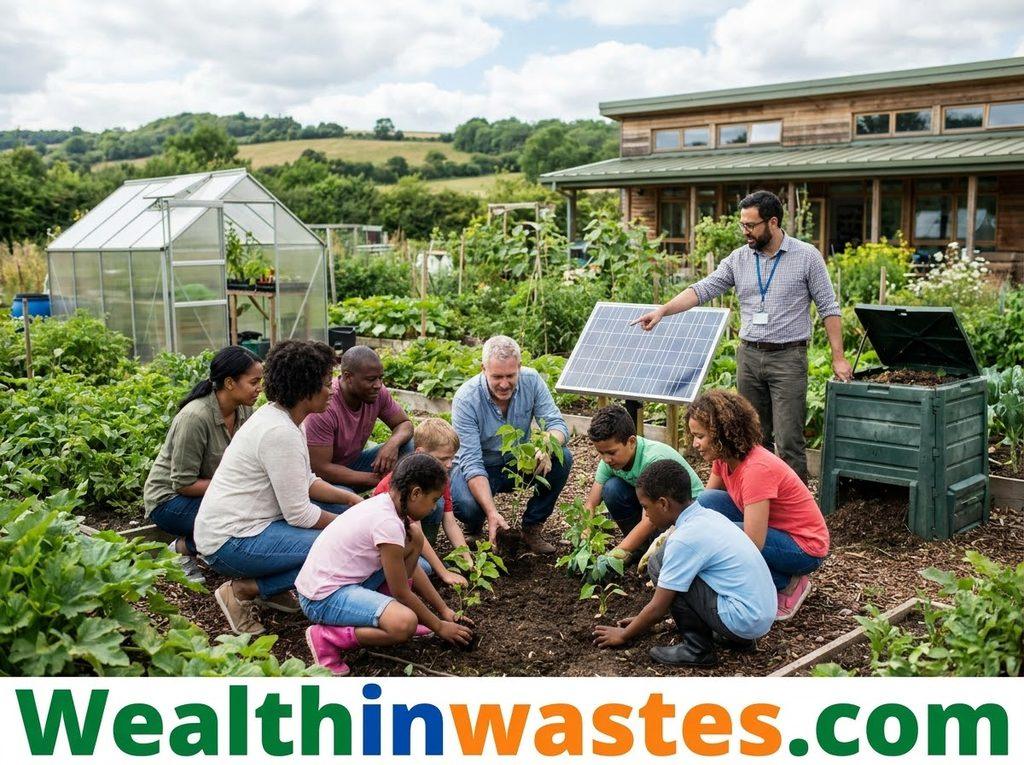
Education for the environment prepares learners to respond responsibly to environmental challenges by combining understanding, values, practical abilities, and participation in solutions within homes, schools, workplaces, and communities.
1. Recognition Of Local Environmental Problems: Learners identify concerns such as littering, drainage blockage, soil degradation, poor sanitation, unsafe disposal, deforestation, and inefficient resource use, making environmental problems easier to understand and discuss.
2. Practical Response To Environmental Degradation: Education encourages people to evaluate realistic actions and contribute constructively with others, including practical pollution reduction measures suited to local environmental conditions and community needs.
3. Responsible Resource Use: Learners develop habits that prevent unnecessary waste, encourage careful consumption, and support conservation, helping communities reduce avoidable environmental pressure while maintaining useful resources for future needs.
4.Participation In Environmental Solutions: People move beyond identifying problems by investigating conditions, discussing choices, testing solutions, and evaluating results, while practical environmental management practices reinforce responsible action within their communities.
Education About The Environment
Education about the environment provides learners with knowledge of ecological systems, natural resources, human communities, and interactions that shape environmental quality across local, national, and global settings.
1. Natural And Cultural Environment Study: Learning can include nature study, conservation, outdoor education, resource management, pollution awareness, and investigation of how human activities shape natural surroundings and cultural environments.
2. Interconnected Environmental Systems: This approach examines how air, water, soil, plants, animals, people, settlements, industries, and institutions influence one another, while considering the many values of natural resources in daily practice.
3. Responsible Resource Conservation: Learners examine renewable and non-renewable resources and consider limits, responsible use, restoration, efficiency, and obligations toward future generations when making environmental decisions across communities and households.
4. Understanding Environmental Impacts: Environmental study helps learners connect human activities with pollution and ecosystem damage, including the effects of unmanaged solid waste on land, water, air, and living organisms.
Learners can deepen this understanding by studying the multiple values attached to natural resources, including their ecological, social, cultural, economic, and livelihood importance. This supports responsible action over time.
Education Through The Environment
Education through the environment uses real surroundings as a learning resource, allowing learners to investigate environmental conditions directly instead of treating environmental knowledge as an isolated classroom topic.
This approach supports interdisciplinary learning because geography, science, agriculture, economics, social studies, health, technology, and civic education can examine different aspects of the same environmental problem.
For example, learners may study a polluted stream through science, discuss community behaviour through social studies, calculate cleanup costs through economics, and examine practical prevention measures through civic and health education.
The same integrated thinking helps learners understand how pollution affects environmental systems rather than viewing air, water, and soil pollution as completely separate problems. This strengthens responsible choices in communities.
Education through the environment therefore promotes holistic thinking because environmental challenges involve connected causes and effects that cannot always be solved through narrow, isolated interventions.
It can also encourage investigation of waste-related environmental and health effects, helping learners connect everyday consumption and disposal decisions with wider community consequences, including wastewater characteristics and pollution risks. This supports practical action.
Objectives Of Environmental Education
The objectives of environmental education guide what learners should understand, value, practise, and contribute toward achieving. These objectives connect environmental knowledge with informed judgement and responsible action.
1. Build Environmental Understanding: Environmental education helps individuals understand the biophysical environment and society, including how ecosystems, communities, resources, human activities, and environmental changes interact within everyday life and development.
2. Explain Human Environmental Relationships: Learners recognise that people remain inseparable from their environment and can alter it significantly through production, consumption, technology, settlement, resource use, neglect, or protective behaviour.
3. Develop Knowledge Of Social Organisation: Environmental learning helps people understand organisational strategies, institutions, community arrangements, regulations, and decision-making processes that influence environmental management and public responses to environmental challenges.
4. Encourage Responsible Decision-Making: It equips learners to compare environmental choices, consider evidence and consequences, recognise competing interests, and select practical actions informed by sound waste-management principles without ignoring legitimate social and economic needs.
5. Promote Participation In Solutions: Environmental education encourages people to move beyond awareness by participating in activities that reduce pollution, conserve resources, improve sanitation, protect ecosystems, and support coordinated environmental strategies within society.
Components Of Environmental Education
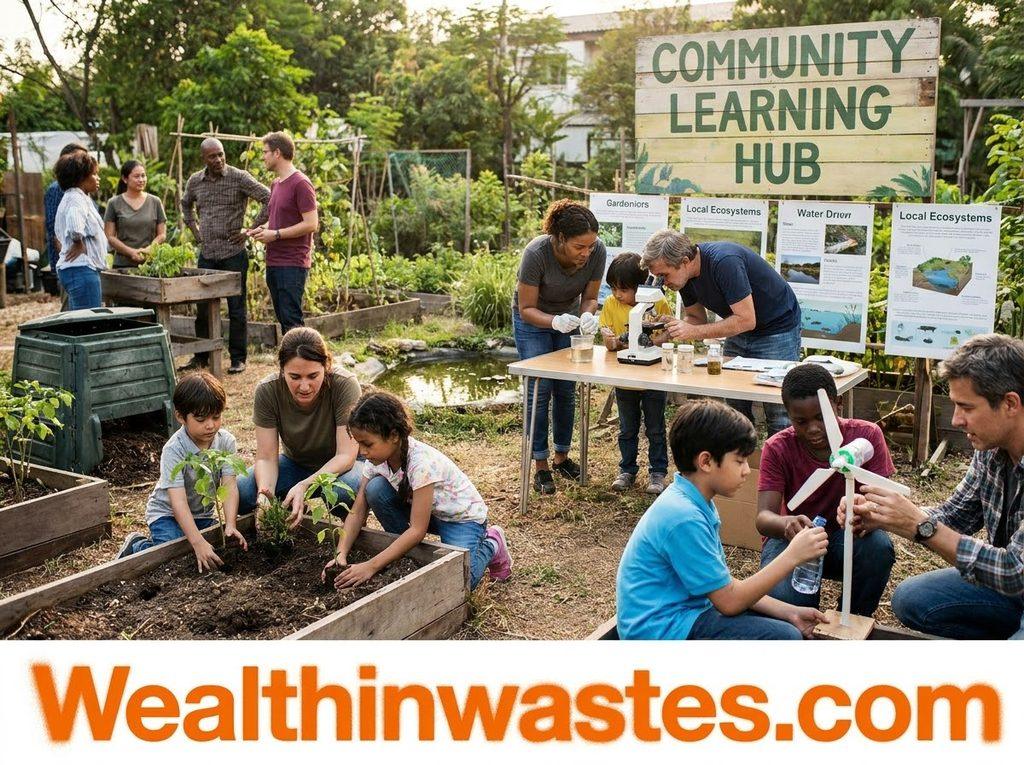
The components of environmental education describe the abilities and dispositions learners need before they can understand environmental issues effectively and participate meaningfully in solving them.
1. Awareness And Sensitivity: Learners develop awareness of environmental conditions and sensitivity to environmental challenges, including the effects of unmanaged solid waste on communities and ecosystems over time through regular practice.
2. Environmental Knowledge And Understanding: People acquire knowledge about ecological systems, environmental challenges, resource use, pollution, conservation, and human impacts so they can understand environmental and health effects, causes, relationships, and possible consequences.
3. Positive Environmental Attitudes: Environmental education encourages concern for environmental quality and strengthens motivation to protect, restore, or maintain surroundings through personal responsibility, collective effort, and consistent environmentally responsible behaviour.
4. Problem-Solving Skills: Learners develop practical skills for identifying environmental challenges, gathering useful information, evaluating alternatives, designing responses, and helping implement solutions that suit specific community conditions across local communities.
5. Meaningful Participation: Participation turns environmental knowledge into action by involving learners in conservation, cleanup, monitoring, resource-saving activities, community projects, advocacy, and other efforts that address environmental challenges over time.
Methods For Effective Environmental Education
Effective environmental education works best when teaching methods connect knowledge with observation, discussion, investigation, practice, and reflection rather than relying only on memorisation or classroom lectures.
1. Field Observation And Outdoor Learning: Visits to farms, wetlands, recycling facilities, forests, drainage systems, markets, and nearby communities can help learners observe environmental processes directly and connect lessons with real conditions.
2. Project-Based Learning: Students can investigate practical issues such as litter, water use, waste generation, energy conservation, or tree loss, then develop small projects that test realistic recycling solutions and measure results.
3. Community Participation: Community activities strengthen learning by allowing participants to work with households, local organisations, schools, businesses, and authorities on environmental concerns that directly affect their surroundings, including recycling impacts on environmental quality.
4. Discussion And Critical Thinking: Structured discussions help learners compare viewpoints, question assumptions, assess evidence, and consider trade-offs, especially when environmental decisions affect livelihoods, development, public health, or resource access.
5.Practical Waste And Resource Activities: Teaching can include reduce, reuse, and recycling practices, alongside water conservation activities, energy-saving, composting, and responsible consumption habits.
Schools and communities can strengthen these methods with sound waste management knowledge so learners understand collection, treatment, recovery, recycling, and final disposal as connected environmental responsibilities.
Role Of Environmental Education In Society
Environmental education plays an important role in society because environmental quality depends not only on technical systems, but also on everyday choices, institutional behaviour, public values, and collective responsibility.
It can improve understanding of how waste generation influences environmental conditions, encouraging households and organisations to consider prevention and responsible disposal before waste becomes a larger problem. This supports responsible decisions over time.
Education can also support better waste management strategies by helping people understand planning, responsibilities, compliance, resource recovery, and the importance of coordinated environmental action. This strengthens responsible choices in communities.
Environmental learning supports public participation because informed citizens can better understand policies, question harmful practices, communicate concerns, and cooperate with authorities or organisations on local environmental improvement.
It also strengthens sustainable living by encouraging efficient use of materials, energy, water, and land while helping individuals understand the long-term consequences of excessive consumption and environmental neglect.
Practical guidance on sustainable daily living choices can turn environmental principles into manageable actions that households, schools, workplaces, and communities can adopt consistently. This connection supports responsible action across communities.
Environmental education can further support biodiversity protection through learning about habitats, species relationships, ecosystem services, and responsible resource use, as shown by discussions of biological sustainability and survival. This strengthens practical understanding.
Read Also: Environmental Management Tips for Schools
Environmental Education and Sustainable Development
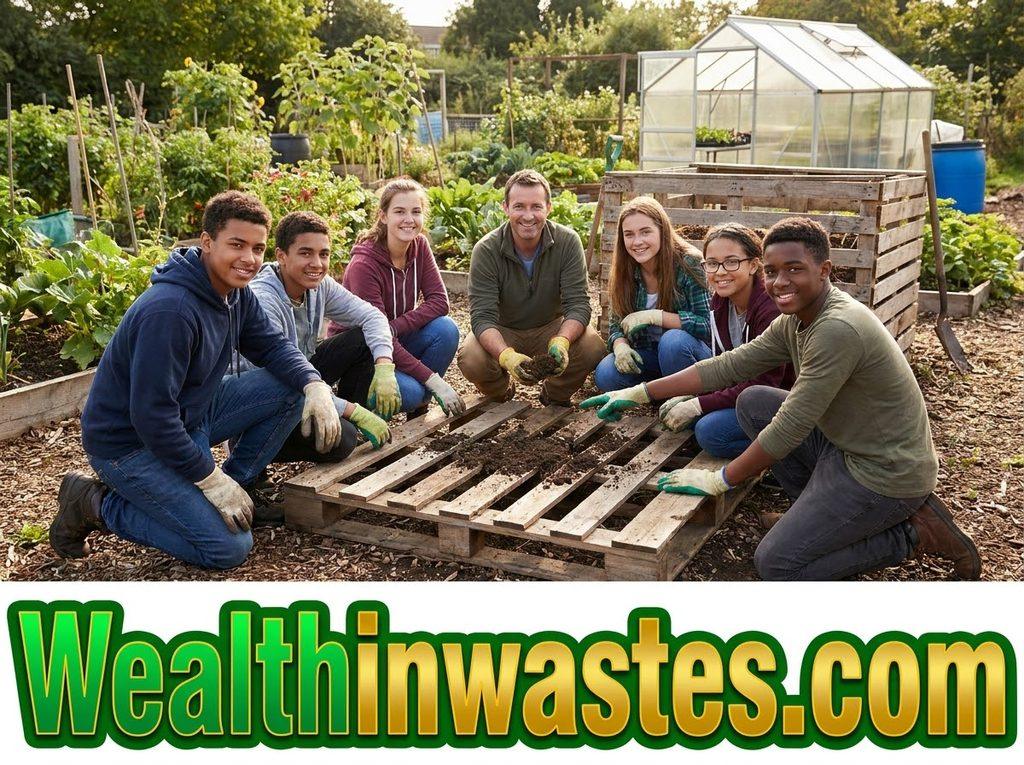
Environmental education supports sustainable development by helping people recognise that economic progress, social wellbeing, and environmental protection must work together rather than operate as disconnected goals. This encourages responsible environmental action.
It helps learners understand that natural resources support agriculture, industries, homes, transport, biodiversity, and livelihoods, while agricultural waste impacts can also weaken environmental systems when poorly managed. This supports responsible environmental action.
Teaching resource efficiency can include discussion of soil and mineral resource management, showing why careful use, restoration, monitoring, and long-term planning matter for environmental and economic stability. This supports responsible decisions over time.
Environmental education also strengthens water stewardship by teaching people how pollution, inefficient use, poor infrastructure, and ecosystem degradation can reduce the reliability and quality of water resources. This supports responsible decisions over time.
Practical lessons on water conservation practices can therefore complement broader environmental learning and help learners connect resource protection with health, agriculture, household needs, and future security. This encourages responsible environmental action.
Sustainable development also requires effective material use, and education can promote recycling as a way to reduce waste, conserve resources, lower pollution, and keep valuable materials within productive cycles. This supports practical action.
Learners can explore these ideas through recycling principles and practical benefits, understanding that environmental responsibility involves prevention and recovery, while material recovery can reinforce resource conservation. This encourages responsible environmental action.
Summary on Key Ideas, Goals and Concept of Environmental Education
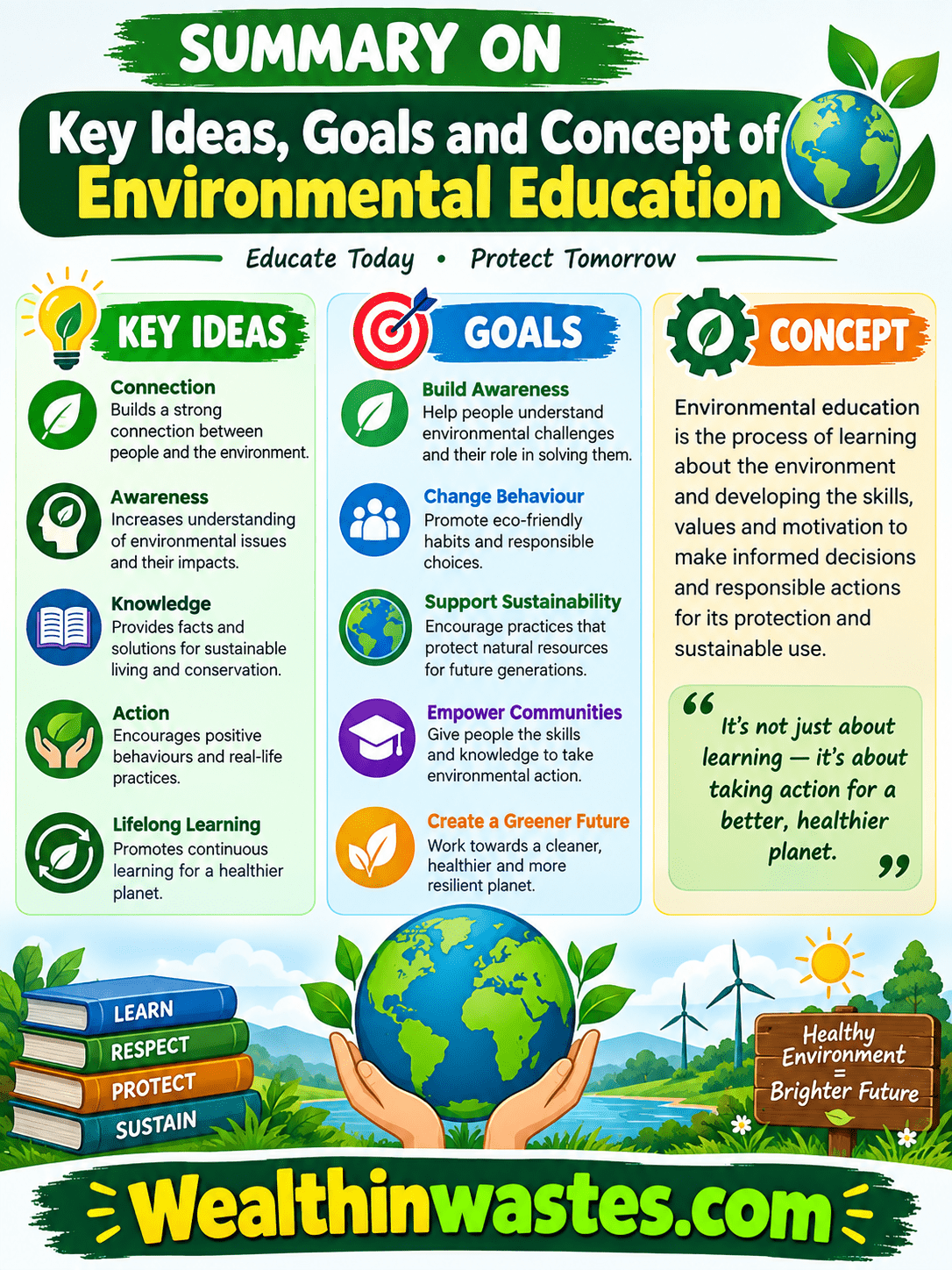
| Aspect | Summary |
|---|---|
| Meaning | A continuous learning process that builds environmental understanding and responsible action. |
| Three Approaches | Education for, about, and through the environment. |
| Objectives | Develop understanding, responsibility, decision-making, problem-solving, and participation. |
| Core Components | Awareness, knowledge, attitudes, skills, and participation. |
| Teaching Methods | Fieldwork, projects, discussion, community activities, and practical environmental tasks. |
| Social Role | Supports informed citizens, environmental responsibility, conservation, and better environmental decisions. |
| Sustainable Development | Connects environmental protection with resource efficiency, livelihoods, social wellbeing, and future needs. |
Frequently Asked Questions About The Concept of Environmental Education: Key Ideas and Goals
1. What is the concept of environmental education?
It is a continuous learning process that builds environmental knowledge, awareness, values, practical skills, critical thinking, and participation for responsible environmental action. This connection strengthens practical environmental learning and action.
2. What are the three approaches to environmental education?
The three approaches are education for the environment, education about the environment, and education through the environment, each supporting different aspects of learning and action. This makes learning more useful in practice.
3. Why is environmental education multidisciplinary?
Environmental problems involve ecological, social, economic, cultural, political, and technological factors, so understanding them requires knowledge from several fields working together. This approach builds useful knowledge for communities and future decisions.
4. What are the main components of environmental education?
The main components are awareness, knowledge, positive attitudes, practical problem-solving skills, and participation in activities that address environmental challenges. This combination helps learners understand problems and act responsibly within their communities.
5. How does environmental education influence behaviour?
It helps people understand environmental consequences, develop concern, practise responsible choices, and participate in actions that conserve resources and improve environmental quality. This connection strengthens practical environmental learning and action.
6. Is environmental education only for students?
No. It supports lifelong learning and can involve children, adults, workers, communities, institutions, policymakers, and anyone whose decisions affect environmental conditions. This approach builds useful knowledge for communities and future decisions.
7. How does environmental education support sustainable development?
It promotes responsible resource use, pollution prevention, conservation, informed decision-making, community participation, and habits that balance present needs with future environmental and social wellbeing. This strengthens responsible choices in communities.
Do you have any questions, suggestions, or contributions? If so, please feel free to use the comment box below to share your thoughts. We also encourage you to kindly share this information with others who might benefit from it. Since we can’t reach everyone at once, we truly appreciate your help in spreading the word. Thank you very much for your support and for sharing!
Read Also: Bio-resource Management in Agriculture