


The lithosphere is the rigid outer portion of Earth, consisting mainly of the crust and uppermost mantle. It provides the physical foundation for ecosystems, settlements, agriculture, mineral resources, and human activities.
Although the lithosphere appears permanent, it constantly changes through natural forces operating beneath and across the surface. These forces include tectonic movement, weathering, erosion, transportation, deposition, earthquakes, landslides, and volcanism.
Water, wind, ice, gravity, temperature changes, organisms, and human activities interact with rocks and soils to reshape landscapes. Their combined effects create valleys, mountains, plateaus, hills, plains, gullies, and other landforms.
Some processes occur gradually over thousands or millions of years, whereas others can transform landscapes within minutes or hours. Understanding these processes helps explain changing terrain and the environmental conditions surrounding human communities.
Human activities have also become important agents of surface change. Agriculture, construction, mining, deforestation, waste disposal, urbanization, and infrastructure development can accelerate natural processes and intensify soil and land degradation.
Meaning and Structure of the Lithosphere
The lithosphere forms Earth’s solid outer shell and includes the crust together with the rigid uppermost mantle. Its composition contains rocks and minerals that support soils, vegetation, infrastructure, and terrestrial ecosystems.
The lithosphere interacts continuously with other Earth systems. Water moves through rocks and soils, atmospheric conditions influence weathering, while living organisms contribute organic matter and biological activity that alter surface materials.
The thickness and physical character of the lithosphere vary between oceanic and continental regions. Continental areas commonly contain thicker crust, while oceanic regions generally consist of thinner, denser crustal materials.
Soils develop partly from weathered parent materials within the lithosphere, making soil and mineral resources essential connections between geological materials, vegetation, agriculture, water movement, and ecosystem productivity.
Minerals within the lithosphere provide construction materials, industrial resources, energy materials, and valuable metals. Responsible extraction therefore requires balancing economic development with protection of land, water, vegetation, wildlife, and communities.
The lithosphere also stores groundwater within geological formations, although groundwater belongs primarily to the hydrosphere. Changes in rock structure, soil condition, and land cover can influence infiltration and water movement.
Human activities can disturb the lithosphere when excavation, construction, intensive cultivation, or uncontrolled disposal changes natural soil structure. Careful planning reduces unnecessary disturbance and protects the productive functions of land.
Read Also: Types of Wastewater and Motivational Factors for Recycling/Reuse
Major Lithosphere Processes Shaping Earth
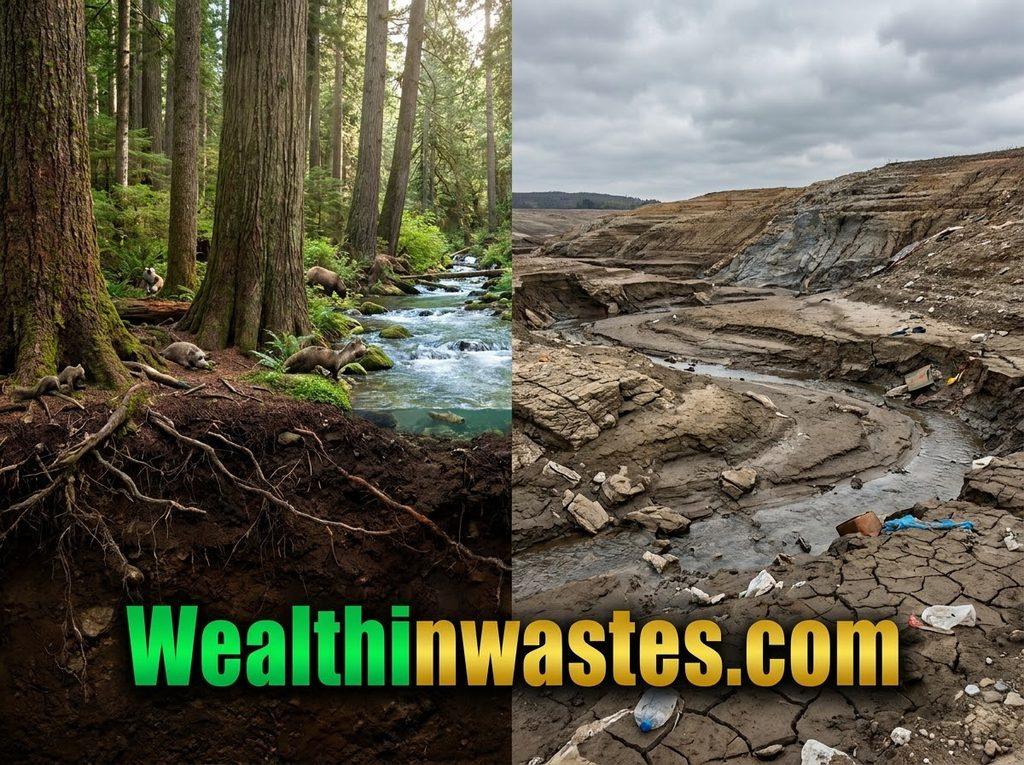
1. Tectonic Movement: Tectonic forces move lithospheric plates and generate mountains, ocean basins, faults, earthquakes, and volcanic activity. These processes reshape large portions of Earth and influence landscape development.
2. Weathering: Weathering breaks rocks into smaller particles or chemically changes their minerals. It prepares materials for erosion and contributes to soil formation through continuous interaction among rocks, water, air, organisms, and climate.
3. Erosion: Erosion removes and transports soil, rock fragments, and other surface materials through agents such as running water, wind, moving ice, waves, and gravity across different landscapes.
4. Deposition: Deposition occurs when transporting agents lose sufficient energy to carry sediments. Deposited materials can build floodplains, deltas, beaches, sand dunes, river terraces, alluvial fans, and other landforms.
5.Mass Movement: Gravity can move soil, rocks, and weathered materials downslope through landslides, rockfalls, mudflows, and related processes. Heavy rainfall, earthquakes, slope instability, and vegetation removal can increase this movement.
6. Volcanic Activity: Magma reaching Earth’s surface produces lava, ash, and volcanic deposits. These materials can create new landforms while volcanic eruptions may also damage vegetation, settlements, agricultural land, water resources, and infrastructure.
Weathering Processes in the Lithosphere
Weathering occurs when rocks break down or minerals change while remaining at or near their original locations. Unlike erosion, weathering does not require transporting the resulting materials away.
1. Physical Weathering: Physical weathering breaks rocks into smaller pieces without significantly changing their chemical composition. Temperature changes, pressure release, abrasion, and repeated expansion can weaken rock structures over time.
2. Chemical Weathering: Chemical weathering alters minerals through reactions involving water, oxygen, carbon dioxide, and other substances. The process can dissolve minerals, create new compounds, and weaken exposed rock surfaces progressively.
3. Biological Weathering: Plants, animals, microorganisms, and human activities can contribute to biological weathering. Plant roots enter cracks, organisms produce acids, and human excavation exposes fresh surfaces to environmental conditions.
Weathering contributes directly to soil formation because broken mineral particles can combine with organic materials to form soil. Healthy soil stability and erosion resistance depend partly on vegetation and organic matter.
Climate strongly influences weathering rates because temperature and moisture affect chemical reactions and physical stress. Warm, humid environments often promote chemical reactions, while repeated temperature fluctuations may encourage physical breakdown.
Human activities can accelerate weathering by exposing rocks during mining, road construction, quarrying, agriculture, and urban development. Exposed materials then experience greater contact with rainfall, oxygen, sunlight, and temperature changes.
Understanding weathering helps explain why landscapes gradually change even without major disasters. It also clarifies how rocks become soil, sediments become mobile, and natural surfaces develop different textures and characteristics.
Erosion and Lithosphere Surface Changes
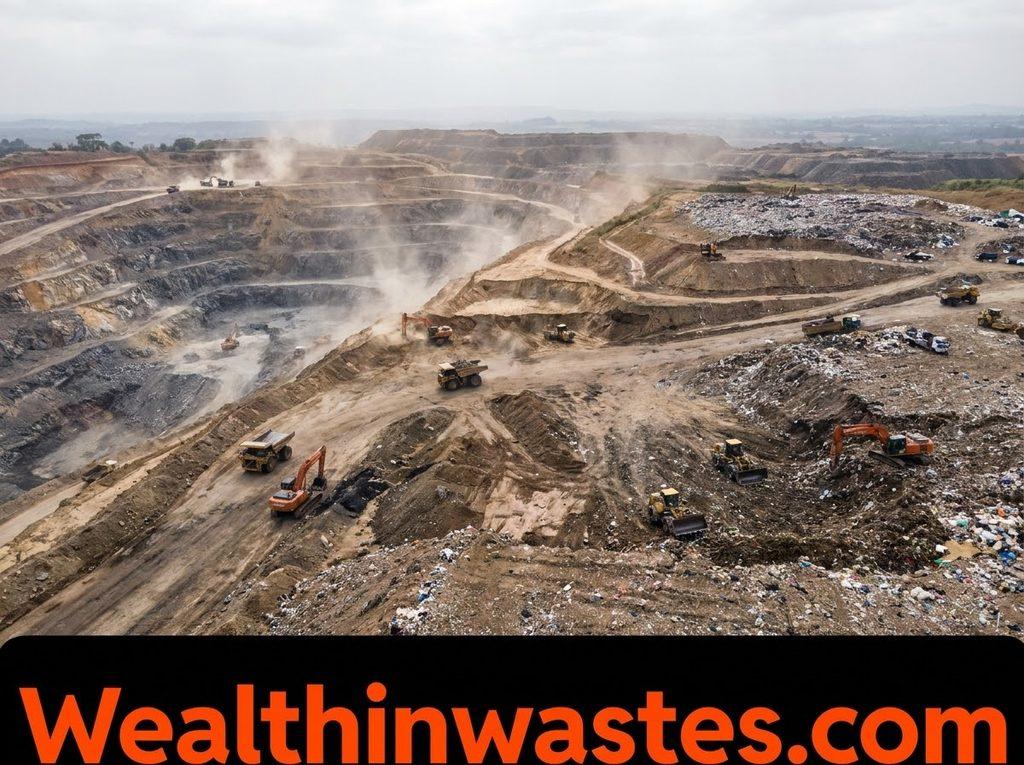
Erosion removes weathered materials from one location and transports them elsewhere. Water remains a major agent, while wind, ice, waves, and gravity also move sediments under suitable environmental conditions.
1. Water Erosion: Rainfall and flowing water detach and transport soil particles, especially where vegetation cover is poor. Effective erosion management knowledge helps identify vulnerable landscapes and suitable protection measures.
2. Wind Erosion: Strong winds can remove dry, loose soil particles and transport them across considerable distances. Bare agricultural fields and degraded drylands face greater risks because vegetation normally protects surfaces.
3. Glacial Erosion: Moving glaciers erode landscapes by scraping, plucking, and carrying rock fragments. Their long-term movement produces distinctive valleys and deposits that record past and present environmental conditions.
4. Gravity Erosion: Gravity moves loose materials downhill, particularly where slopes become unstable. Heavy rainfall, earthquakes, excavation, and vegetation removal may trigger rapid movements that threaten farms, roads, buildings, and communities.
Soil erosion affects agricultural productivity when fertile topsoil disappears faster than natural soil formation replaces it. The economic consequences of soil erosion can include reduced yields, sedimentation, and increased management costs.
Erosion can also transport nutrients, pesticides, organic matter, and contaminants into rivers and streams.Such movement connects the lithosphere directly with the hydrosphere and can alter aquatic ecosystems downstream.
Maintaining vegetation cover, improving drainage, managing slopes, reducing excessive disturbance, and applying appropriate soil conservation practices can limit erosion. Sound soil resource management strengthens long-term land resilience.
Deposition and Lithosphere Landforms
Deposition follows erosion and transportation when moving water, wind, or ice loses enough energy to release sediments. The deposited particles accumulate progressively and may produce distinctive natural landforms.
Rivers deposit sediments when flow velocity decreases, especially around floodplains, river bends, deltas, and areas near river mouths. These deposits can create fertile agricultural zones but may also increase flood exposure.
Wind deposits fine sediments across broad areas, sometimes creating dunes and blankets of dust-derived materials. The accumulation of transported particles can significantly influence soil texture, vegetation patterns, and land use.
Glacial deposition occurs when melting or retreating ice releases transported rocks and sediments. Deposits can create moraines, till plains, and other features that reveal the historical movement of glaciers.
Ocean waves transport and deposit sediments along coastlines, contributing to beaches, spits, bars, and other coastal forms. Environmental disturbances near coastal areas can affect these naturally changing systems.
Deposition benefits agriculture in some areas by adding nutrient-rich sediments to floodplains and deltas. However, excessive sediment accumulation can obstruct channels, reduce reservoir capacity, and create drainage problems.
The relationship between erosion and deposition demonstrates that materials rarely disappear completely. They usually move from one landscape location to another, allowing Earth’s surface to continually reorganize its physical resources.
Read Also: Proper Waste Control Complete Guide
Human Activities Altering the Lithosphere
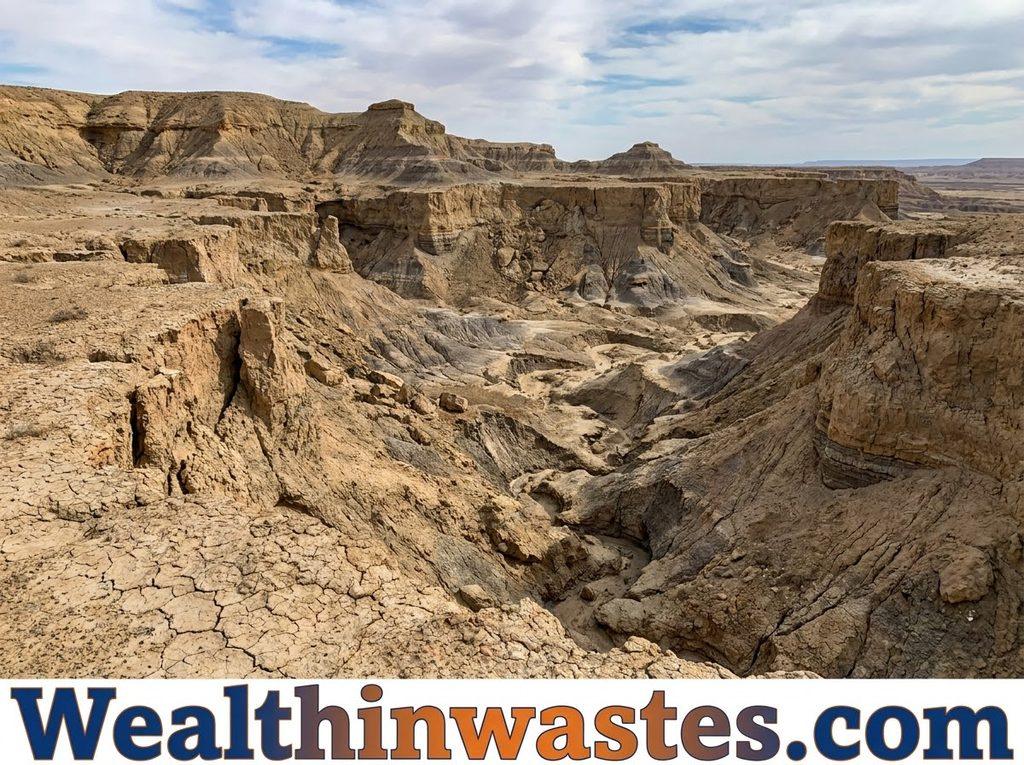
Human beings have become powerful agents of surface change because their activities can disturb large areas quickly. Agriculture, urban expansion, mining, construction, deforestation, and waste disposal modify natural landscapes significantly.
1. Deforestation: Removing vegetation exposes soil to rainfall and wind, reduces root reinforcement, and disrupts habitat. Land conversion and vegetation removal can therefore accelerate erosion and degradation.
2. Agriculture: Cultivation can reshape land through ploughing, drainage, irrigation, terracing, grazing, and vegetation removal. Poorly managed farming may increase erosion, compaction, nutrient depletion, and soil degradation.
3. Mining: Mining removes vegetation, excavates soil and rocks, creates pits, changes drainage patterns, and generates waste materials. Responsible mineral resource management can reduce these environmental pressures.
4. Urbanization: Expanding cities replace vegetation and permeable soil with buildings, roads, drains, and paved surfaces. This alters runoff, infiltration, erosion patterns, temperature conditions, and natural landscape processes.
5. Waste Disposal: Poor disposal practices place solid and liquid wastes directly on land. Land pollution from waste materials can contaminate soil, groundwater, and surrounding ecosystems while degrading the landscape.
Industrial activities also generate materials capable of changing soil and geological conditions. Industrial waste and associated pollutants can affect land quality when industries operate without adequate environmental controls.
Waste accumulation may alter drainage and increase localized flooding when materials obstruct channels and drainage structures. The environmental effects of unmanaged solid waste extend beyond visible land pollution.
Protecting the Lithosphere From Degradation
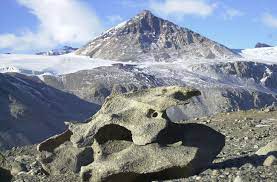
Protecting the lithosphere requires land-use practices that reduce unnecessary disturbance while maintaining productive functions. Conservation should address soil, minerals, vegetation, water movement, biodiversity, and human development together.
1. Conservation Agriculture: Conservation agriculture reduces unnecessary soil disturbance and maintains protective cover. Crop rotation, residue management, cover crops, and appropriate tillage can improve soil structure while reducing erosion.
2. Reforestation: Replanting trees restores vegetation cover, improves root reinforcement, protects soil from rainfall, and supports biodiversity. Vegetation-based soil protection also improves long-term ecosystem resilience.
3. Erosion Control: Terracing, contour farming, mulching, grass strips, drainage management, and maintaining ground cover can reduce runoff and soil loss. Understanding erosion factors supports better control planning.
4. Waste Management: Proper collection, treatment, recycling, composting, and disposal prevent waste from accumulating on land. Integrated waste management protects soil, water, ecosystems, and communities from pollution.
5. Sustainable Development: Development should match land capability and environmental conditions. Careful planning helps prevent unsuitable construction, excessive excavation, uncontrolled settlement expansion, and destruction of sensitive landscapes.
Reducing pollution also protects the lithosphere because contaminants can change soil chemistry and damage biological processes. Pollution reduction measures should therefore accompany land conservation strategies.
Water conservation can support lithosphere protection by reducing excessive runoff and improving sustainable land management. Responsible water conservation practices can also reduce pressures on surrounding ecosystems.
Reducing unnecessary waste protects available land from contamination and excessive disposal pressure. Waste reduction practices help conserve resources while reducing environmental burdens associated with disposal.
Lithosphere Interactions With Earth Systems
The lithosphere does not function independently because it interacts continuously with the atmosphere, hydrosphere, and biosphere. Changes in one system can create responses in the others through interconnected environmental processes.
Rainfall from the atmosphere reaches the lithosphere and contributes to weathering, infiltration, runoff, erosion, and soil formation. Water then transports sediments and dissolved materials through rivers and groundwater systems.
Plants depend on lithosphere-derived soils for anchorage, water, minerals, and nutrients. In turn, vegetation protects the ground from erosion, contributes organic matter, improves soil structure, and supports biological diversity.
The lithosphere also influences atmospheric conditions through surface characteristics, vegetation cover, dust emissions, and interactions involving carbon storage. Human land-use changes can modify these relationships at local and regional scales.
Waste pollution can connect all four Earth systems when contaminants move from land into water or air and eventually affect organisms. Waste generation and environmental impacts therefore require integrated management.
Land pollution may also introduce harmful substances into food chains when contaminated soils support crops or vegetation consumed by animals. Sources and impacts of waste illustrate these connections.
Effective environmental management recognizes these relationships instead of treating land, water, air, and living organisms as separate concerns. Integrated planning can reduce cumulative damage and strengthen ecosystem resilience.
Sustainable living choices also influence pressures on the lithosphere because consumption determines resource extraction, waste generation, transportation, and land requirements. Sustainable living practices can reduce these pressures.
Importance of Lithosphere Conservation
Conserving the lithosphere protects the physical foundation needed for agriculture, settlements, forests, infrastructure, mineral resources, and terrestrial ecosystems. Healthy land supports both environmental stability and long-term human development.
1. Supports Agriculture: Productive soils provide plants with anchorage, nutrients, water, and physical support. Preventing land degradation and soil erosion helps maintain agricultural productivity.
2. Protects Biodiversity: Healthy land provides habitats for plants, animals, fungi, and microorganisms. Conserving vegetation and soil structure maintains ecological relationships while protecting the natural processes supporting diverse communities.
3. Supports Human Settlements: Stable land provides foundations for homes, roads, schools, industries, farms, and public infrastructure. Proper land planning lowers risks associated with unstable slopes, flooding, erosion, and unsuitable development.
4. Conserves Natural Resources: Lithospheric materials contain minerals, rocks, soils, and geological resources. Responsible management prevents unnecessary depletion and reduces environmental damage associated with poorly planned excavation and resource extraction.
5. Reduces Environmental Risks: Maintaining vegetation, stable soils, and effective drainage reduces vulnerability to erosion, landslides, flooding, and other surface hazards. Better environmental management also prevents additional land pressures.
6. Strengthens Sustainable Development: Conservation allows society to use land and geological resources without exhausting their productive and ecological functions. It creates stronger foundations for future generations and long-term environmental security.
Land conservation remains especially important in farming communities because declining soil quality can reduce food production and increase dependence on external inputs. Appropriate management helps protect productivity and livelihoods.
Conserving the lithosphere also supports water quality because healthy soils can filter, store, and regulate water movement. Better land management therefore produces benefits that extend well beyond the soil itself.
Summary on The Lithosphere and Processes of Sculpturing the Earth’s Surface
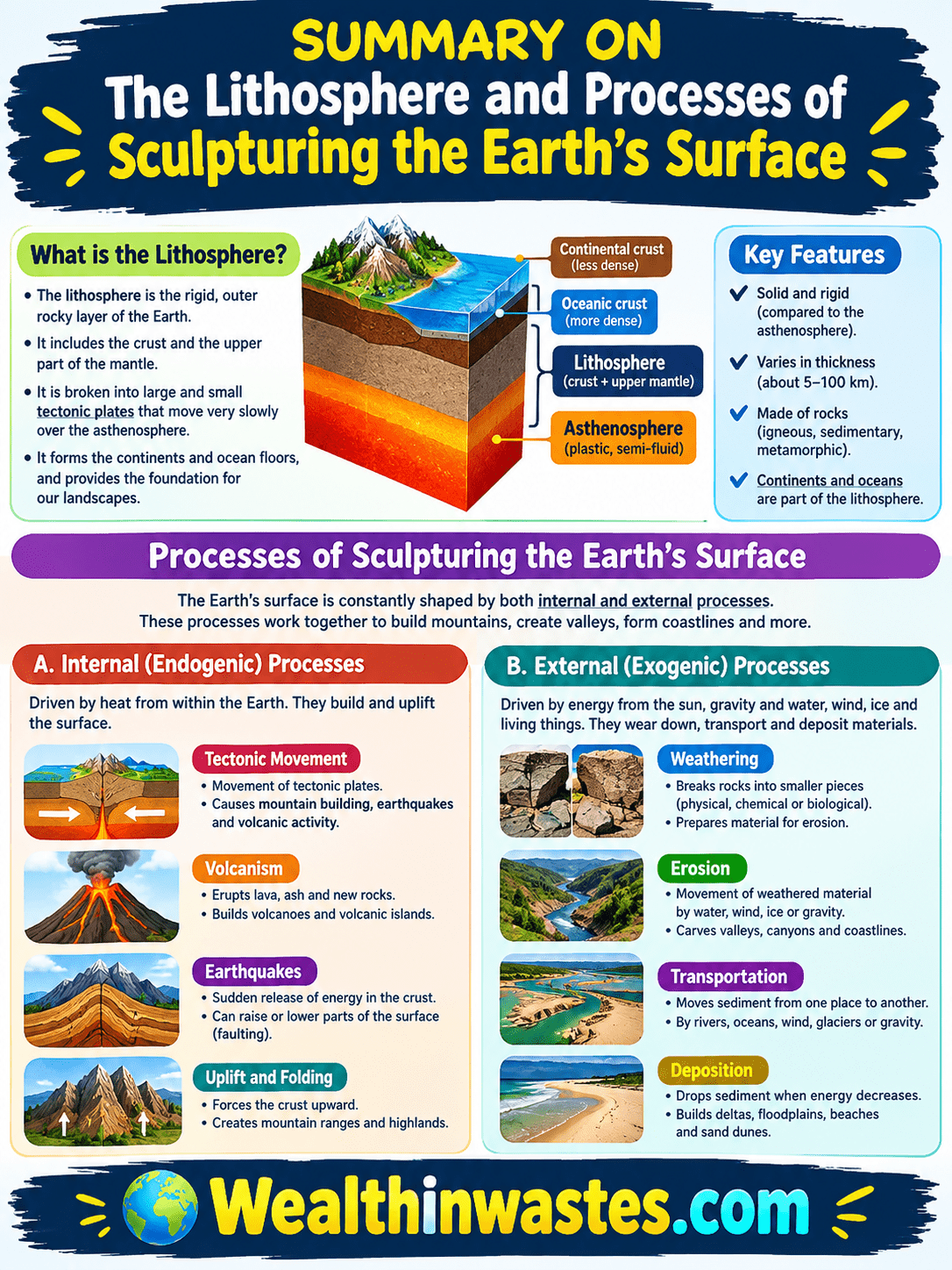
| Topic | Summary |
|---|---|
| Lithosphere | The rigid outer portion of Earth consisting mainly of the crust and uppermost mantle. |
| Weathering | Breaks down or chemically alters rocks at or near their original locations. |
| Erosion | Removes and transports soil, sediments, and rock materials through water, wind, ice, waves, and gravity. |
| Deposition | Occurs when transported materials settle and accumulate, creating various landforms. |
| Natural Forces | Tectonic movements, volcanism, earthquakes, landslides, weathering, erosion, and deposition continually reshape Earth. |
| Human Activities | Agriculture, deforestation, mining, construction, urbanization, and waste disposal can accelerate surface degradation. |
| Conservation | Vegetation protection, erosion control, sustainable farming, responsible development, and waste management protect land resources. |
| Earth-System Interaction | The lithosphere interacts continuously with the atmosphere, hydrosphere, and biosphere. |
Frequently Asked Questions About Lithosphere: Processes Sculpturing the Earth’s Surface
1. What is the lithosphere?
The lithosphere is Earth’s rigid outer layer, consisting mainly of the crust and uppermost mantle. It provides the physical foundation for terrestrial ecosystems, agriculture, settlements, and geological resources.
2. What processes sculpture the Earth’s surface?
Major processes include tectonic movement, weathering, erosion, transportation, deposition, volcanism, earthquakes, landslides, flooding, and other natural or human-driven surface changes.
3. What is weathering?
Weathering involves the physical breakdown or chemical alteration of rocks at or near their original locations. It helps produce sediments and contributes significantly to soil formation.
4. What is the difference between weathering and erosion?
Weathering breaks down or changes materials in place, whereas erosion removes and transports those materials through water, wind, ice, waves, or gravity.
5. How does agriculture affect the lithosphere?
Poorly managed agriculture can remove vegetation, expose soil, increase erosion, cause compaction, deplete nutrients, and alter natural drainage. Sustainable farming practices can reduce these effects.
6. Why is lithosphere conservation important?
Conservation protects soils, habitats, agricultural productivity, geological resources, infrastructure, and ecosystem functions. It also reduces risks associated with erosion, landslides, flooding, and land degradation.
7. How does deforestation affect the lithosphere?
Deforestation removes protective vegetation and root systems, exposing soil to rainfall and wind. The resulting increase in erosion can reduce soil fertility, destabilize slopes, and damage habitats.
8. How can humans reduce lithosphere degradation?
People can reduce degradation through sustainable agriculture, reforestation, erosion control, responsible mining, proper land-use planning, pollution prevention, effective waste management, and protection of natural vegetation.
Do you have any questions, suggestions, or contributions? If so, please feel free to use the comment box below to share your thoughts. We also encourage you to kindly share this information with others who might benefit from it. Since we can’t reach everyone at once, we truly appreciate your help in spreading the word. Thank you very much for your support and for sharing!
Read Also: Practical Soil Conservation Methods for Sustainable Agriculture