


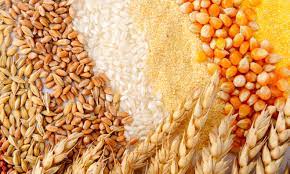
Choosing pesticides for cereals and pulses requires more than selecting a familiar product. Farmers should consider the target pest, crop stage, treatment location, product approval, resistance risks, environmental conditions, and food safety requirements.
Cereals such as maize, rice, wheat, sorghum, and millet can face insects, weeds, and diseases throughout production and storage. Pulses including beans, cowpea, lentils, and peas require similarly careful protection.
Pesticides can reduce crop losses when farmers use appropriate products correctly. However, unsuitable chemicals, excessive rates, poor timing, or repeated applications can increase residue concerns, environmental contamination, and unnecessary production costs.
The application of pesticides also occurs after harvest, particularly when cereals and pulses enter storage. Stored grains may require protection from insects, but the selected treatment must suit the commodity and storage conditions.
The choice of pesticide should therefore follow a planned process rather than routine spraying. Good decisions combine pest identification, label requirements, residue management, application timing, resistance management, and integrated pest control practices.
What Guides Pesticide Choice for Cereals and Pulses
Farmers should begin with the problem rather than the pesticide. Accurate pest identification prevents unnecessary treatments and helps match the product with the organism, crop, growth stage, and damage level observed.
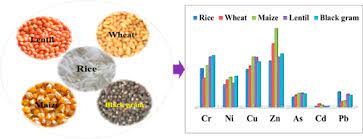
Product choice also influences food safety because residues depend on pesticide properties, application practices, crop characteristics, and harvest timing. Understanding grain residue concerns supports better decisions for marketable cereals and pulses.
Environmental fate matters alongside crop protection. Information about residue behavior in food crops can help farmers understand why some chemicals persist longer, move differently, or require stricter application intervals after treatment.
Good records make pesticide selection more reliable over time. Farmers can document pests, products, rates, dates, weather, crop stages, and results, then use those records to improve future treatment decisions.
Read Also: Sustainable and Integrated Pest Management
Match Pesticides to the Pest and Crop
1. Identify the Target Pest: Confirm the insect, weed, fungus, or other harmful organism before treatment. Different pests require different active ingredients, application methods, and timing, so correct diagnosis prevents ineffective pesticide use.
2. Check Crop and Growth Stage: Choose products specifically approved for the cereal or pulse involved. A pesticide suitable for maize seedlings may not be appropriate for flowering rice or mature cowpea.
3. Consider Economic Thresholds: Treat when pest pressure or expected damage justifies intervention rather than spraying automatically. Threshold-based decisions can reduce unnecessary applications while preserving yield and improving input efficiency in each season.
4. Account for Beneficial Organisms: Consider pollinators, predators, parasitoids, and soil organisms before selecting broad-spectrum products. Biological and cultural pest-control approaches can complement chemical treatments and reduce pressure on useful organisms.
5. Review Resistance History: Avoid repeatedly using the same mode of action when resistance threatens control. Biotechnological crop-protection approaches and other non-chemical measures can provide additional tools within a diversified management programme.
6. Consider the Application Method: Decide whether spraying, dusting, baiting, seed treatment, or another approved method provides suitable coverage. The method should fit the pest location, crop structure, equipment, operator safety, and product label.
Consider Pesticide Chemistry and Residue Risk
1. Check the Active Ingredient: Compare products by active ingredient rather than brand name.The active ingredient determines the principal biological action, while different brands may contain the same chemistry or different concentrations.
2. Understand Pesticide Class: Know whether the product belongs to a chemical group already used repeatedly on the farm. Rotating suitable modes of action can help slow resistance and maintain control over successive seasons.
3. Review Persistence and Degradation: Prefer products whose persistence suits the production objective and label requirements. Pesticide degradation processes influence how long residues remain available in soil, crops, storage environments, or surrounding ecosystems.
4. Consider Mobility and Solubility: Chemicals that dissolve readily in water may move differently from strongly sorbed compounds. Farmers should understand soil pesticide mobility before treating fields near drainage channels or vulnerable water resources.
5. Check Formulation and Food-Use Restrictions: Granules, dusts, sprays, baits, and fumigants differ in handling and application requirements. Confirm the formulation is approved for the crop, target pest, treatment site, and intended use.
6. Compare Environmental Warnings: Some products carry restrictions related to waterways, sensitive crops, grazing, bees, or other non-target organisms. These precautions matter when cereals or pulses grow near environmentally sensitive areas or neighboring crops.
Read Also: Roles of Producers and Corporations in Waste Management
Check Field Conditions and Application Timing
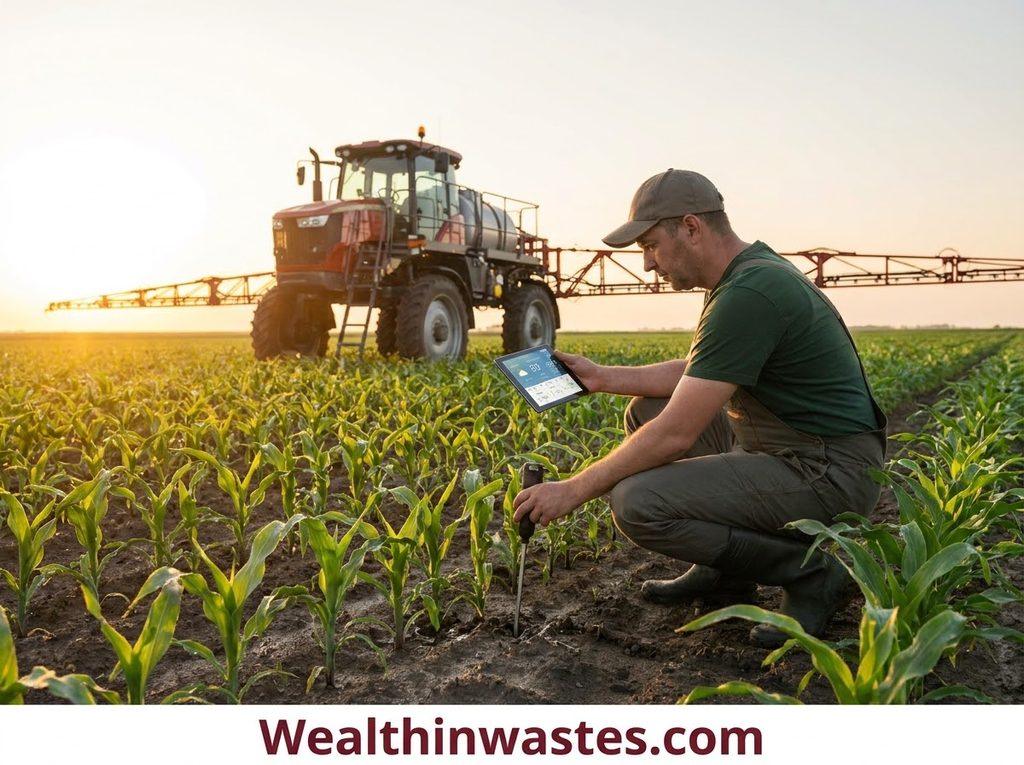
Application conditions can change pesticide performance and environmental fate. Soil texture, moisture, temperature, rainfall, wind, and crop canopy influence how products reach targets and how quickly residues decline or move.
Before treatment, farmers should review current field conditions and expected weather. Guidance on soil properties affecting pesticide movement can help identify situations where runoff, leaching, or poor retention could reduce effectiveness.
Site-specific risks also matter, especially near streams, wells, drainage systems, and sensitive habitats. Farmers can use information about pesticide mobility and site conditions to choose suitable timing and application practices.
Equipment calibration is equally important because poor calibration can cause underdosing, overdosing, uneven coverage, or unnecessary drift. Following label instructions and responsible pesticide application practices improves treatment accuracy while reducing avoidable chemical losses.
Application timing should also consider harvest plans. Treatments made too close to harvest may leave less time for residues to decline, so growers should follow approved preharvest intervals exactly.
Choose Pesticides for Field-Grown Cereals
1. Match the Product with the Cereal: Maize, rice, wheat, sorghum, and millet differ in crop structure, growth stages, pest complexes, and approved uses. Choose a product specifically authorized for the cereal being treated.
2. Separate Insect, Weed, and Disease Problems: Do not use an insecticide to solve a fungal problem or assume one product controls every pest. Correct diagnosis supports targeted treatment and reduces unnecessary chemical exposure.
3. Consider Crop Metabolism and Residues: Plants can transform pesticide compounds after uptake, affecting residue patterns and selectivity. Understanding pesticide metabolism in crops helps explain why timing and approved uses matter for food safety.
4. Protect Soil and Water Resources: Field applications can create contaminated residues and empty containers requiring responsible management. Good agricultural chemical waste practices reduce accidental releases that could affect soils, drainage areas, and waterways.
5. Plan for Harvest and Environmental Protection: Observe approved intervals and avoid treatments that conflict with harvest timing, weather, or site restrictions.Better land pollution prevention practices can support crop protection without transferring avoidable risks.
6. Check Market and Quality Requirements: Crops destined for food, feed, processing, or seed markets may face different contractual and regulatory expectations. Product selection should therefore support the intended end use and traceability.
Choose Pesticides for Stored Cereals and Pulses
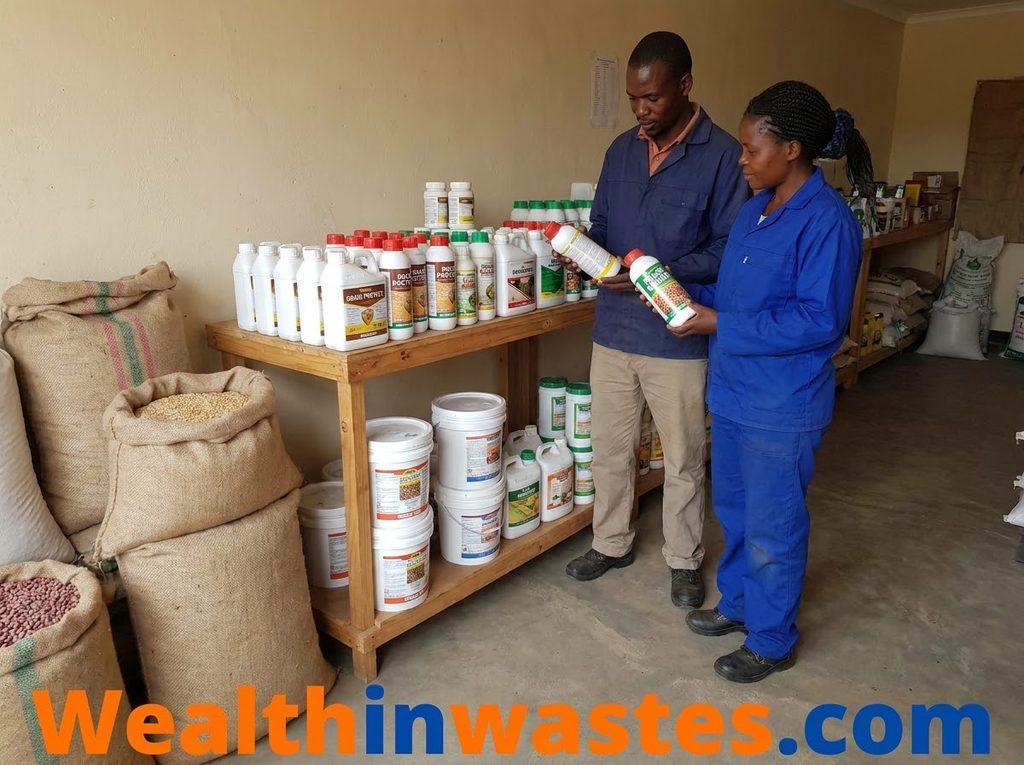
1. Identify the Storage Pest and Infestation Stage: Weevils, beetles, moths, and other pests require different management approaches. Correct identification helps determine whether sanitation, physical controls, protectants, or another approved treatment is appropriate.
2. Check Grain Condition Before Treatment: Clean, dry, sound cereals and pulses are easier to protect than heavily contaminated commodities. Food preservation practices can reduce conditions that encourage deterioration and pest development during storage.
3. Choose Products Approved for Stored Commodities: A pesticide suitable for field use may not be permitted on stored food grains. Confirm the label covers the commodity, storage setting, application method, and required waiting conditions.
4. Control the Storage Environment: Seal entry points, maintain suitable dryness, remove old residues, and monitor stored grain regularly. These measures can reduce pest pressure and the need for repeated chemical intervention.
5. Handle Pesticide Waste Safely: Leftover mixtures, contaminated materials, and empty containers require responsible disposal rather than dumping or reuse. Follow proper pesticide waste disposal procedures to protect workers, soils, drainage systems, and stored commodities.
6. Inspect Stored Grain Before Treatment: Sampling helps reveal infestation intensity, damaged grain, moisture problems, and storage hotspots. Treatment decisions should respond to actual conditions rather than assuming every stored lot requires pesticide application.
Use Integrated Pest Management Before Spraying
Integrated pest management improves pesticide choice because it places chemical control within a wider system of prevention, monitoring, cultural practices, biological control, and carefully timed intervention rather than routine spraying.
Regular scouting helps farmers identify whether pest populations are increasing, stable, or insignificant. This evidence supports targeted decisions and can reduce unnecessary chemical use, while practical pollution-control measures address risks when contamination occurs.
Crop rotation, resistant varieties, sanitation, habitat management, and biological controls can reduce pest pressure before pesticides become necessary. These measures complement chemical tools and support more durable production systems across seasons.
Soil contamination can also follow careless chemical handling, spills, or repeated inputs. Understanding soil contamination effects encourages farmers to consider environmental consequences alongside immediate pest-control objectives.
Water protection should remain part of the decision process because runoff can transport pesticide residues away from farms. Understanding pesticide movement in surface waters helps farmers protect waterways and reduce off-target exposure.
Resistance management requires diversity in the overall control programme. Rotating effective modes of action, combining non-chemical methods, and avoiding unnecessary treatments can help preserve pesticide effectiveness for future seasons and across years.
Read Also: Sources of Hazardous Substances
Follow Labels, MRLs, and Safe Handling
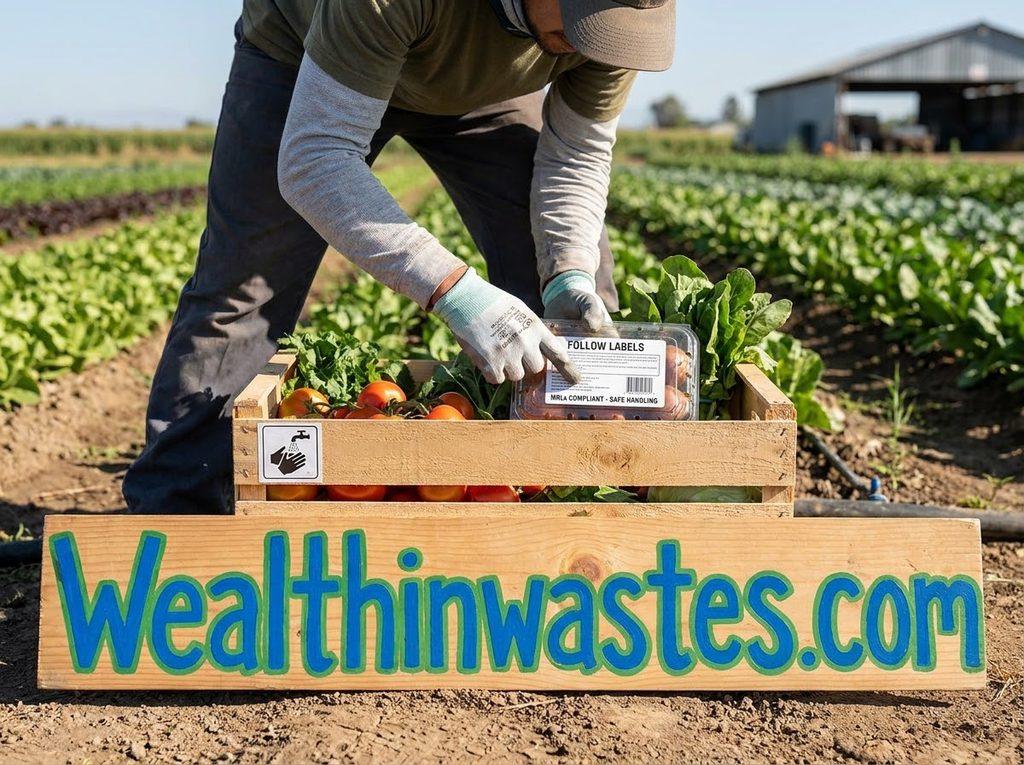
Label directions are the central reference for product selection and use. Farmers should confirm the registered crop, target pest, application rate, protective measures, timing restrictions, storage requirements, and harvest interval before treatment.
Maximum Residue Limits help define acceptable residue levels for food and feed when pesticides are used according to approved agricultural practices. Good recordkeeping helps growers demonstrate that treatments followed product requirements.
Worker safety also matters because pesticide exposure can occur through breathing spray, swallowing contaminated material, or skin contact. Understanding pesticide exposure pathways supports better protective practices during mixing, application, cleaning, and storage.
Finally, reduce unnecessary waste by purchasing realistic quantities, calibrating equipment, mixing carefully, and managing leftovers responsibly. Practical waste-reduction measures lower disposal problems while supporting economical use and environmentally responsible pesticide practices.
A broader understanding of agricultural pollution concerns also helps growers recognize how pesticide decisions connect with soil, water, biodiversity, food quality, and long-term environmental management beyond the immediate treatment area.
Responsible selection continues after spraying. Farmers should inspect treated fields, monitor control success, store products securely, and review any residue, crop injury, drift, or environmental concerns before repeating treatment on the farm.
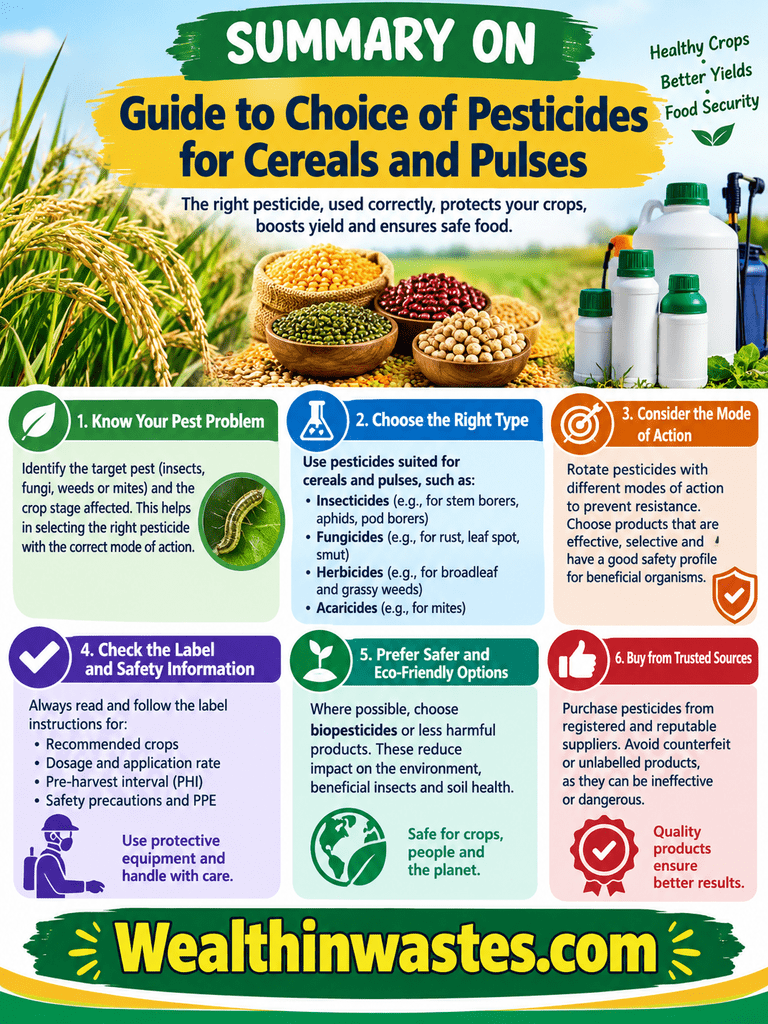
Summary on Guide to Choice of Pesticides for Cereals and Pulses
| Article Area | Main Consideration | Why It Matters |
|---|---|---|
| Pest Identification | Identify the actual pest and damage level. | Improves product selection and prevents unnecessary treatment. |
| Crop Compatibility | Match the pesticide with the cereal, pulse, and growth stage. | Supports effective control and approved food use. |
| Chemistry and Residues | Review active ingredient, persistence, mobility, and restrictions. | Helps manage residue and environmental risks. |
| Field Conditions | Consider soil, weather, timing, and application equipment. | Improves accuracy and reduces off-target movement. |
| Field Cereals | Consider crop metabolism, harvest timing, and market requirements. | Supports crop quality, food safety, and traceability. |
| Stored Grains | Assess storage pests, grain condition, and approved treatments. | Reduces storage losses while protecting food quality. |
| Integrated Management | Combine prevention, monitoring, biological, cultural, and chemical methods. | Reduces unnecessary spraying and resistance pressure. |
| Labels and MRLs | Follow approved rates, intervals, safety directions, and residue requirements. | Supports responsible pesticide use and safer food production. |
Frequently Asked Questions About Guide to Choice of Pesticides for Cereals and Pulses
1. What should guide pesticide choice for cereals and pulses?
Farmers should consider the target pest, crop, growth stage, approved use, application method, residue requirements, environmental conditions, resistance risks, and storage situation where applicable.
2. Should one pesticide be used for all cereal crops?
No. Different crops and pests have different approved products, application requirements, crop tolerances, residue considerations, and growth-stage restrictions.
3. Why are pesticide residues important when selecting products?
Residue levels depend on the chemical, crop, rate, timing, and environmental conditions. Proper product selection helps keep residues within applicable food-safety requirements.
4. Why does application timing matter?
Timing affects pest control, crop safety, environmental movement, and residue decline. Farmers should follow approved application intervals and preharvest requirements.
5. How should stored cereals and pulses be protected?
Start with clean, dry storage and accurate pest identification. Use only products approved for stored commodities and follow all label requirements.
6. What does MRL mean?
MRL means Maximum Residue Limit, the established residue level allowed for a specified food or feed commodity when pesticides are used according to approved practices.
7. Can integrated pest management reduce pesticide use?
Yes. Monitoring, crop rotation, sanitation, resistant varieties, biological controls, and other preventive practices can reduce unnecessary pesticide applications while maintaining effective crop protection.
8. How can farm records improve pesticide selection?
Records reveal recurring pests, treatment results, application timing, weather conditions, and product performance, helping farmers improve future decisions and avoid unnecessary repeated treatments.
Do you have any questions, suggestions, or contributions? If so, please feel free to use the comment box below to share your thoughts. We also encourage you to kindly share this information with others who might benefit from it. Since we can’t reach everyone at once, we truly appreciate your help in spreading the word. Thank you very much for your support and for sharing!
Read Also: Role of Pesticides in Integrated Pest Management for Crop Protection