


Sustainable and integrated pest management begins with the idea that no single control method suits every pest, crop, climate, or production system. Decisions should respond to field conditions rather than routine schedules.
Integrated pest management combines biological, chemical, physical, and cultural options within one decision process. FAO describes this ecological approach as a way to minimize pesticide use and risks while maintaining healthy crops.
Understanding pesticide persistence also matters because environmental conditions can influence how quickly products disappear. Farmers can review biochemical transformation in relation to temperature, moisture, sunlight, and local soil microbial communities.
Plants may also transform pesticide compounds after uptake, producing metabolites through biochemical reactions. Understanding these pathways helps explain residue behavior, selectivity, tolerance, and the environmental fate of different pesticide ingredients.
A sustainable program considers the soil as part of the management system, not merely a medium for roots. Soil properties can influence pesticide movement, availability, and potential exposure of crops.
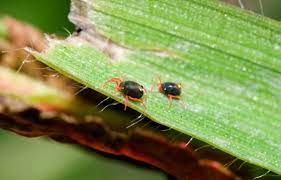
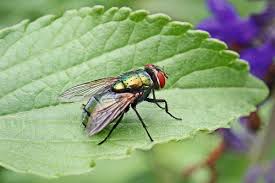
Good decisions therefore begin before spraying starts, with accurate pest identification and careful observation. Farmers should distinguish harmful populations from harmless organisms and beneficial species that support natural pest suppression.
The ultimate purpose is not simply to eliminate every pest but to prevent unacceptable damage. This distinction helps farms protect yields while reducing unnecessary chemical inputs and preserving ecological functions.
Read Also : Factors Influencing Pesticide Degradation in Soils
Understanding Sustainable and Integrated Pest Management
Sustainable and integrated pest management treats pest control as a coordinated system rather than a series of isolated pesticide applications. It connects prevention, monitoring, intervention, environmental care, and economic decision-making.
The approach recognizes that pesticides remain useful tools when carefully selected and properly applied. However, chemical control works best as one component within a broader program that also values natural pest suppression.
Successful programs begin with knowledge of pest biology, crop development, field conditions, and local production objectives. This information helps farmers choose measures that solve the actual problem instead of treating symptoms blindly.
Core Principles of Sustainable Pest Management
1. Prevent Pest Establishment: Begin with healthy planting materials, sanitation, resistant varieties, crop rotation, balanced nutrition, and field hygiene and waste reduction. Prevention lowers pest pressure before populations reach levels requiring more intensive intervention.
2. Monitor Pest Populations: Scout fields regularly, record pest numbers, inspect plant symptoms, and observe weather conditions. Monitoring provides evidence for timely decisions and helps avoid treatments based only on assumptions or calendar dates.
3. Use Biological Controls: Protect predators, parasitoids, pathogens, pollinators, and other beneficial organisms that naturally suppress pests. Biological control can complement cultural practices and reduce dependence on broad-spectrum chemical pesticides during routine crop protection.
4. Apply Physical Controls: Use barriers, traps, hand removal, cultivation, mulching, pruning, sanitation, or targeted exclusion where practical. These methods can suppress pests directly without adding pesticide residues to crops, soil, or water resources.
5. Reserve Chemicals Carefully: Use pesticides when monitoring shows other measures cannot provide protection. Select the least disruptive effective option, follow label directions, plan quantities, and manage leftover spray and empty containers through proper procedures.
Why Monitoring and Pest Thresholds Matter

Monitoring turns pest management from a routine spraying program into an evidence-based decision process. Regular scouting shows where pests occur, how populations change, and whether damage is increasing or remaining below harmful levels.
Correct identification comes before control because different insects, weeds, diseases, and mites require different responses. Mistaking a beneficial organism for a pest can cause unnecessary treatment and remove natural biological control.
Action thresholds provide a practical boundary for intervention. Farmers can base thresholds on pest density, crop growth stage, expected yield loss, market requirements, weather, production costs, and important site conditions.
Monitoring should continue after treatment because a pesticide application does not automatically guarantee success. Follow-up observations can reveal incomplete control, reinfestation, resistance, crop injury, or unexpected effects on beneficial organisms.
Field records improve future decisions because they preserve information about pest pressure, weather, treatments, costs, and outcomes. Comparing records across seasons can reveal recurring hotspots and opportunities for stronger prevention.
Threshold-based decisions also support sustainable pesticide use because farmers treat only when expected damage justifies intervention. This reduces unnecessary applications and helps preserve natural enemies, useful products, and environmental quality.
Good monitoring requires consistency rather than complexity. Simple scouting routes, sampling points, photographs, counts, and written observations can provide useful evidence when farmers collect the information regularly and interpret it carefully.
Sustainable Cultural and Biological Controls
1. Rotate Crops Strategically: Change crop families across seasons where practical to disrupt pest life cycles, reduce host continuity, and lower the likelihood that specialized pests become established repeatedly in the same field.
2. Select Resistant Varieties: Choose crop varieties with resistance or tolerance to important local pests and diseases. Resistant plants can reduce pest pressure while supporting lower-input management and more stable production under recurring threats.
3. Maintain Field Hygiene: Remove or manage infected residues, volunteer plants, weeds, fallen fruit, and other breeding sites when appropriate. Good pest and disease management reduces places where pests can survive between production cycles.
4. Conserve Natural Enemies: Protect predators and parasitoids by preserving habitat, limiting unnecessary broad-spectrum sprays, and maintaining flowering resources where suitable. Natural enemies can suppress pests and strengthen the farm’s biological control capacity.
5. Diversify Farm Habitats: Crop diversity, intercropping, hedgerows, and suitable flowering plants can improve habitat complexity. These practices may reduce chemical dependence while supporting safer production of fruits and vegetables for consumers.
Read Also: Proper Methods of Disposal of Dilute Pesticide Waste
Responsible Pesticide Use and Food Safety
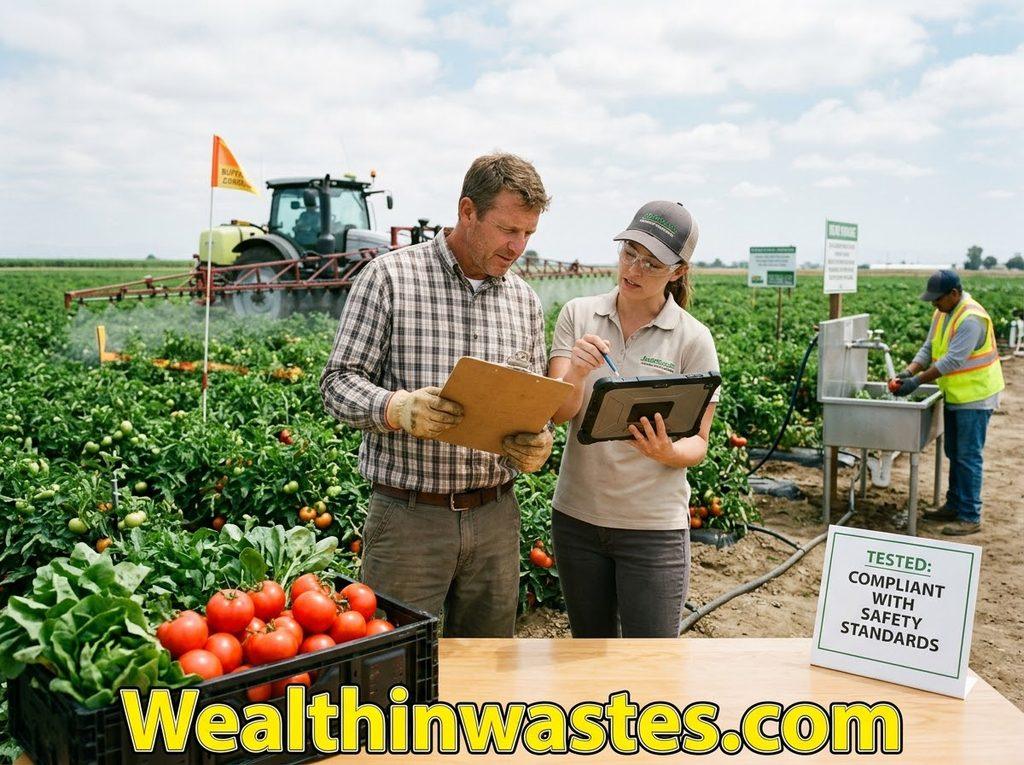
Worker protection remains central to sustainable pest management because pesticides can enter the body through inhalation, ingestion, and skin contact or eye exposure. Safer systems reduce exposure by preventing unnecessary chemical use.
Personal protective equipment provides an important barrier when pesticide use becomes necessary, but it should complement careful product selection, correct application, equipment maintenance, and strict adherence to label safety precautions.
Farmers should also consider how pesticide choices affect nearby residents, livestock, aquatic organisms, pollinators, natural enemies, and other non-target species. Targeted products and precise applications can reduce these unintended exposures.
Public concerns about hazardous pesticides often reflect real differences in toxicity, persistence, exposure routes, and handling practices. A sustainable approach therefore evaluates risk rather than treating every pesticide as equally hazardous.
Resistance management also matters because repeated exposure to the same mode of action can select resistant pest populations. Rotating effective modes of action and combining non-chemical measures can help preserve available tools.
Training strengthens these practices by helping users recognize pests, read labels, calibrate equipment, understand protective measures, and respond appropriately to spills and exposures involving high-risk products such as common fumigants.
Integrated decision-making ultimately protects people by reducing the number of unnecessary treatments and making each necessary application more deliberate. This approach supports productivity while addressing occupational, environmental, and community safety concerns.
Managing Pesticide Residues in Food Crops
1. Follow Approved Uses: Apply only products registered or otherwise authorized for the crop and pest involved. Correct product selection limits misuse and supports residue levels that remain within applicable food-safety requirements in cereals and pulses.
2. Respect Application Rates: Never exceed label rates because higher doses do not automatically produce better control. Accurate calibration, correct mixing, and careful application reduce unnecessary residues while maintaining effective pest suppression.
3. Observe Harvest Intervals: Leave the required interval between the final application and harvest. This period allows pesticide residues to decline according to the product’s approved use pattern and established food-safety assessment.
4. Keep Crops And Food Chains Clean: Good harvesting, handling, washing, storage, and processing practices can help manage residues and contamination risks. However, these practices should complement correct pesticide use in crops and livestock production.
5. Understand MRLs: A maximum residue limit is the highest tolerated residue level for a food or feed commodity when pesticides are used according to good agricultural practice. Similar controls protect meat and dairy products.
Soil, Water, and Environmental Protection
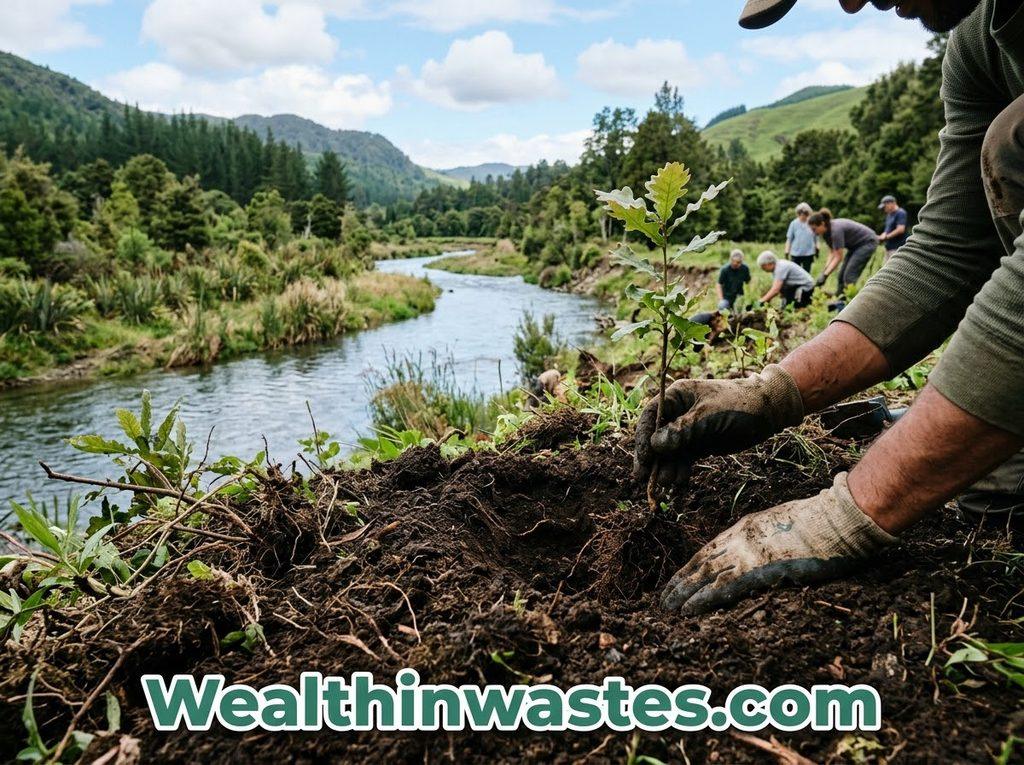
Environmental protection requires attention to what happens after pesticide application. Rainfall, irrigation, soil texture, organic matter, pH, groundwater depth, and chemical properties can influence movement away from the target area.
Management should account for processes because pesticide molecules may remain attached to particles, dissolve in soil water, move through pores, or become available for plant uptake under changing conditions. Soil movement can alter exposure patterns.
Farmers can reduce off-target movement by choosing appropriate application times, maintaining equipment, controlling erosion, managing irrigation carefully, and observing label restrictions near waterways, drainage channels, and sensitive habitats and crops.
Surface-water transport can occur through runoff, erosion, drainage, or movement with suspended particles. Protecting streams, ponds, wetlands, and other water bodies helps preserve aquatic organisms and support wider ecosystem functions.
Highly mobile pesticides can create contamination concerns where soils are permeable, groundwater is shallow, or rainfall is intense. Site-specific assessment therefore improves the selection of practical prevention measures near valuable resources.
Good environmental management also reduces the consequences of spills and persistent contamination. Secure storage, prompt cleanup, responsible waste handling, and sensible application practices can protect agricultural soils and surrounding land.
Sustainable pest management connects application decisions with soil health, water quality, biodiversity, and long-term farm resilience.This whole-system view helps farmers control pests without transferring avoidable problems from fields into ecosystems.
Practical Sustainable Pest Management Steps
1. Define The Pest Problem: Identify the pest, crop stage, affected area, damage pattern, and likely source. Use field observations and records to establish whether the problem requires intervention and at what scale.
2. Set An Action Threshold: Decide the pest level or damage point that justifies control. Thresholds prevent premature treatments and help farmers compare the expected cost of intervention with potential crop losses.
3. Choose The Lowest-Risk Effective Method: Start with prevention, biological, cultural, or physical measures when practical. When pesticides or fumigants become necessary, use them according to product requirements and trained safety procedures.
4. Protect The Treatment Area: Soil fumigation and other high-risk applications require strict control of access, storage, sealing, ventilation, monitoring, and re-entry. Farmers should use trained professionals whenever product requirements or local rules demand them.
5. Review Results After Treatment: Check pest levels, crop condition, costs, residues, environmental observations, and unexpected effects. Understanding the advantages and disadvantages of intensive methods helps improve future decisions and strengthen the integrated program.
Summary on Sustainable and Integrated Pest Management Strategies
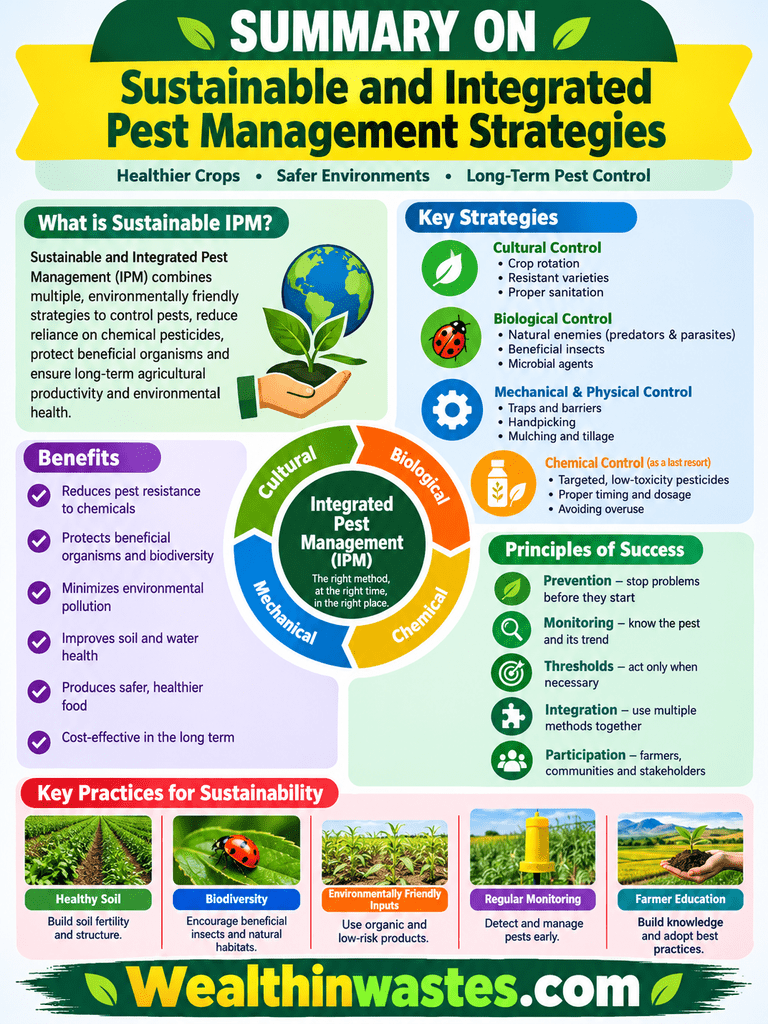
| Section | Main Focus | Why It Matters |
|---|---|---|
| Integrated Pest Management | Combines multiple pest-control methods. | Reduces unnecessary reliance on pesticides. |
| Core Principles | Prevention, monitoring, biological, physical, and chemical controls. | Creates a coordinated management system. |
| Monitoring | Uses pest identification and action thresholds. | Improves timing and reduces unnecessary treatments. |
| Cultural And Biological Controls | Uses crop rotation, resistance, sanitation, and natural enemies. | Strengthens natural pest suppression. |
| Responsible Pesticide Use | Emphasizes safety, resistance management, and careful applications. | Protects workers, communities, and ecosystems. |
| Pesticide Residues | Addresses rates, harvest intervals, and MRLs. | Supports food safety and regulatory compliance. |
| Environmental Protection | Manages soil, water, runoff, and pesticide movement. | Reduces contamination and protects natural resources. |
| Practical IPM Steps | Moves from pest identification to review after treatment. | Improves future decisions and long-term sustainability. |
Frequently Asked Questions About Sustainable and Integrated Pest Management Strategies
1. What is sustainable and integrated pest management?
It is a coordinated approach that combines prevention, monitoring, biological, cultural, physical, and carefully selected chemical controls.
2. Does integrated pest management eliminate pesticide use?
No. IPM uses pesticides when necessary, but it prioritizes effective lower-risk options and avoids unnecessary applications.
3. Why are action thresholds important?
They help farmers decide when pest levels justify control, preventing treatments that add cost or exposure without meaningful protection.
4. How does IPM reduce pesticide residues?
It can reduce unnecessary applications, improve timing and rates, and encourage non-chemical controls that lower pesticide use before harvest.
5. What does MRL mean?
MRL means maximum residue limit, the highest legally tolerated pesticide residue level in or on a specified food or feed commodity.
6. Can IPM protect soil and water?
Yes. Careful application, erosion control, irrigation management, buffer areas, and appropriate product selection can reduce pesticide movement into soil and water.
7.Is fumigation part of sustainable IPM?
It can be one targeted option when justified, but fumigation requires strict product, safety, sealing, monitoring, and re-entry procedures.
Do you have any questions, suggestions, or contributions? If so, please feel free to use the comment box below to share your thoughts. We also encourage you to kindly share this information with others who might benefit from it. Since we can’t reach everyone at once, we truly appreciate your help in spreading the word. Thank you very much for your support and for sharing!
Read Also: Role of Pesticides in Integrated Pest Management for Crop Protection