


As population growth and economic development continue, human activities generate increasing quantities of discharges, creating environmental pressures and public health concerns that require practical prevention and cleaner production approaches.
Businesses increasingly face pressure to reduce emissions, waste, resource losses, and environmental risks while maintaining productivity. This pressure has encouraged organizations to examine cleaner technologies during planning, production, operation, and product development.
Clean technology emphasizes prevention rather than relying mainly on treatment after pollution occurs. It seeks better resource efficiency, lower waste generation, reduced energy consumption, safer inputs, and improved environmental performance throughout operations.
The development of clean technology also reflects the growing recognition that natural resources are limited. Efficient production therefore requires organizations to prevent avoidable losses while protecting workers, communities, ecosystems, and future resource availability.
Although clean technology and waste minimization can describe different approaches, both support prevention, resource conservation, pollution reduction, recycling, and improved operational control. Their shared objective remains cleaner and more sustainable production.
What Is the Development of Clean Technology?
The development of clean technology describes the gradual improvement of products, processes, equipment, and management practices designed to prevent pollution, reduce waste, conserve resources, and improve environmental performance.
Modern organizations increasingly examine how materials, energy, water, chemicals, packaging, products, and wastes move through their operations. This approach can expose losses that conventional end-of-pipe controls may overlook.
Clean technology therefore begins with understanding production activities and identifying where waste or pollution originates. A systematic waste minimization approach can then help identify opportunities for prevention.
Cleaner technology may involve changing raw materials, improving equipment, modifying processes, redesigning products, reducing unnecessary packaging, recovering useful materials, or improving operating procedures.
The approach does not mean that every environmental discharge can disappear completely. Instead, organizations seek technically practical and economically reasonable solutions that reduce the quantity, toxicity, or harmful effects of unavoidable releases.
Development also occurs through continuous review. Organizations can establish targets, measure performance, identify weaknesses, introduce improvements, and reassess results so that environmental performance becomes part of normal management decisions.
Read Also: Issues in Wastewater Reuse and Recycling, and the Future of Water Reuse
Why Clean Technology Development Became Necessary
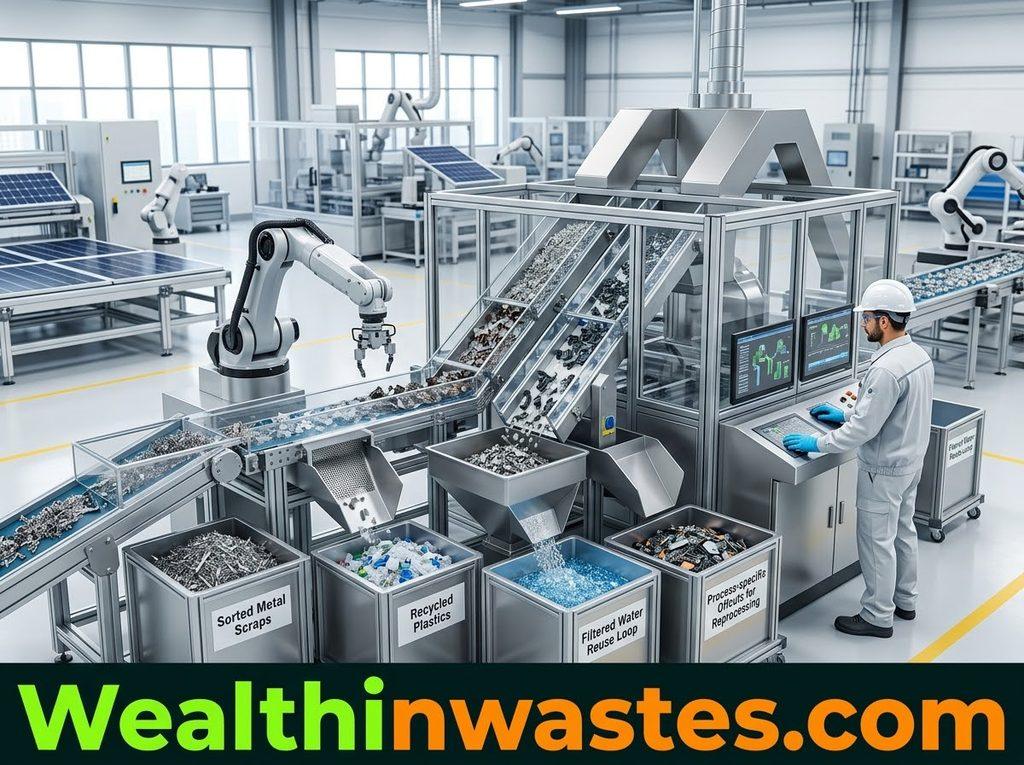
1. Resource Pressure: Increasing consumption of non-renewable resources creates pressure to use raw materials more efficiently. Cleaner production reduces unnecessary losses and encourages organizations to obtain greater value from every material entering production.
2. Pollution Prevention: Pollution becomes easier and often cheaper to control when organizations prevent it at source. Waste reduction at source therefore provides an important foundation for cleaner production.
3. Economic Efficiency: Waste represents more than disposal expense because organizations also lose money through wasted materials, energy, labour, processing time, storage, rejected products, and unnecessary environmental management costs.
4. Environmental Protection: Cleaner processes can reduce the amount and harmfulness of environmental discharges. This can lower pressure on air, soil, water resources, ecosystems, workers, and surrounding communities.
5. Regulatory Expectations: Environmental regulations and management standards increasingly encourage prevention, recovery, recycling, efficient resource use, and responsible disposal.Organizations therefore need technologies and procedures that support compliance effectively.
Clean Technology and the Waste Management Hierarchy
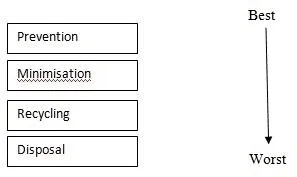
The development of clean technology changed environmental thinking from relying mainly on waste disposal toward preventing waste and recovering useful resources. The waste hierarchy provides a practical framework for prioritizing these actions.
The hierarchy generally places prevention and reduction above reuse, recycling, recovery, treatment, and final disposal. This order encourages organizations to deal with the causes of waste before managing its consequences.
1. Prevention and Reduction: The preferred option prevents waste before it develops. Organizations can achieve this through improved design, accurate production control, efficient purchasing, maintenance, process improvement, and careful material handling.
2. Reuse: Reuse keeps products or materials within productive activities for longer periods. A suitable reuse strategy can reduce demand for new materials while lowering waste quantities.
3. Recycling: Recycling processes unavoidable waste into materials that can re-enter production or serve another useful purpose. It supports resource recovery while reducing the quantities requiring final disposal.
4. Recovery: Recovery extracts useful materials, energy, or other value from wastes that cannot reasonably undergo direct reuse or conventional recycling. Recovery can therefore extend resource value before disposal.
5. Treatment and Disposal: Treatment reduces hazards or harmful characteristics before final disposal. Appropriate treatment and disposal practices remain necessary for residues that prevention, reuse, recycling, or recovery cannot address.
Benefits of Clean Technology for Organizations
Clean technology can provide benefits that extend beyond environmental protection. When organizations eliminate unnecessary losses, they may improve production efficiency, strengthen operational control, reduce costs, and improve relationships with stakeholders.
1. Increased Profitability: Cleaner operations can lower spending on raw materials, utilities, waste storage, transportation, treatment, and disposal. Organizations may also gain market advantages by demonstrating stronger environmental responsibility.
2. Better Process Efficiency: Continuous review of production equipment and operating procedures can expose inefficiencies. Waste minimization techniques provide useful methods for improving process control and reducing avoidable losses.
3. Lower Environmental Liability: Reduced pollution and safer processes can decrease the likelihood of incidents, environmental damage, worker exposure, and regulatory problems. Better control can also strengthen emergency preparedness and operational discipline.
4. Reduced Environmental Impact: Cleaner processes can decrease waste volumes, hazardous substances, emissions, wastewater discharges, and unnecessary resource consumption. This supports broader environmental protection and responsible resource management.
5. Stronger Stakeholder Relations: Employees, regulators, communities, customers, investors, and other stakeholders often expect organizations to manage environmental responsibilities carefully. Strong environmental performance can therefore improve confidence and corporate reputation.
6. Conservation of Resources: Reducing material and utility losses helps organizations obtain more output from existing resources. This supports long-term productivity while reducing unnecessary pressure on natural resource supplies.
Clean Technology Implementation Requirements
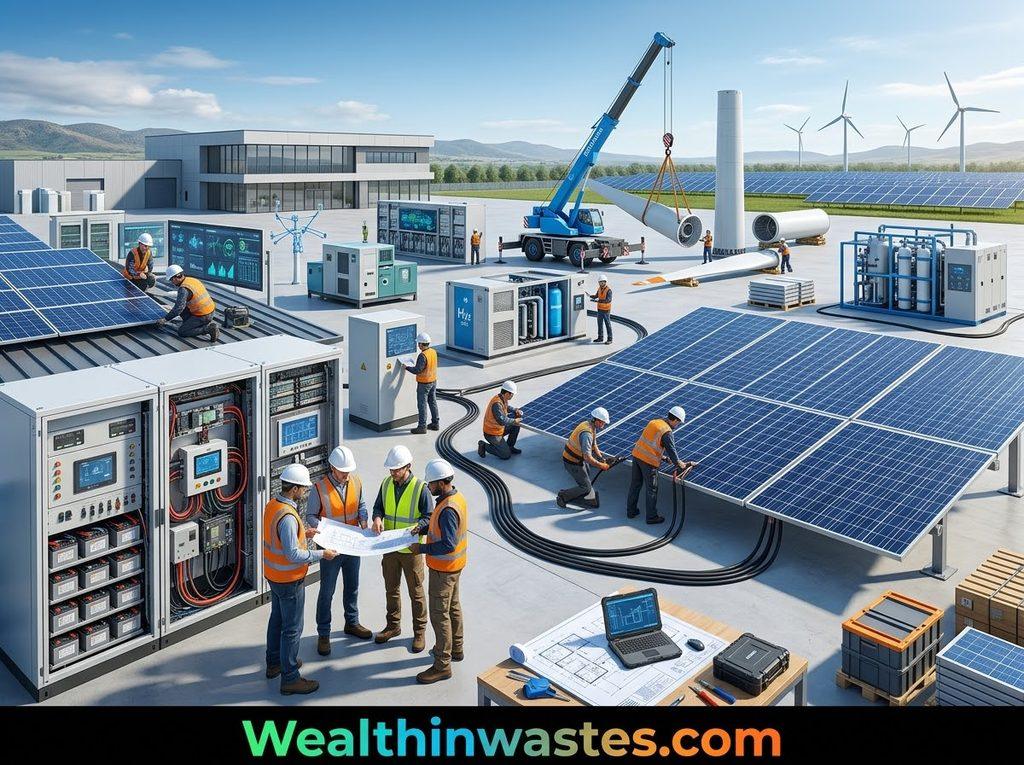
1. Total Organizational Commitment
Successful implementation requires commitment from management and employees. Organizations should integrate environmental objectives into policies, responsibilities, training programmes, operating procedures, purchasing decisions, maintenance activities, and performance reviews.
1.Environmental Policy: Management should establish a clear statement showing environmental responsibility and explaining how pollution prevention, resource efficiency, legal compliance, and continual improvement fit within organizational objectives.
2. Implementation Strategy: A practical strategy should identify responsibilities, targets, resources, timelines, monitoring procedures, and management responsibilities. An environmental management system can provide useful organizational support.
3. Staff Training: Employees need appropriate knowledge about cleaner processes, operating procedures, environmental risks, material handling, waste separation, equipment use, emergency response, and opportunities for preventing unnecessary resource losses.
2. Common Barriers to Clean Technology
1. Economic Barriers: Some organizations may lack sufficient funds for equipment upgrades, cleaner inputs, monitoring systems, employee training, or process redesign, especially when benefits appear only after longer operating periods.
2. Technical Barriers: Limited technical knowledge, inadequate maintenance skills, weak process information, and insufficient environmental expertise can prevent organizations from identifying suitable technologies or applying them effectively.
3. Regulatory Barriers: Complex requirements, unclear responsibilities, inconsistent enforcement, or overlapping regulatory expectations can discourage investment. Organizations benefit when environmental rules remain understandable, predictable, coordinated, and practical.
4. Cultural Barriers: Low awareness, weak communication, poor leadership support, and resistance to established routines can prevent cleaner practices. Organizational culture must therefore encourage participation, accountability, learning, and continual improvement.
5. Resistance to Change: Employees may resist unfamiliar systems because they fear additional workloads, job losses, technological difficulties, or unfamiliar responsibilities. Clear communication and practical training can help reduce these concerns.
Clean Technology Waste Minimization Techniques
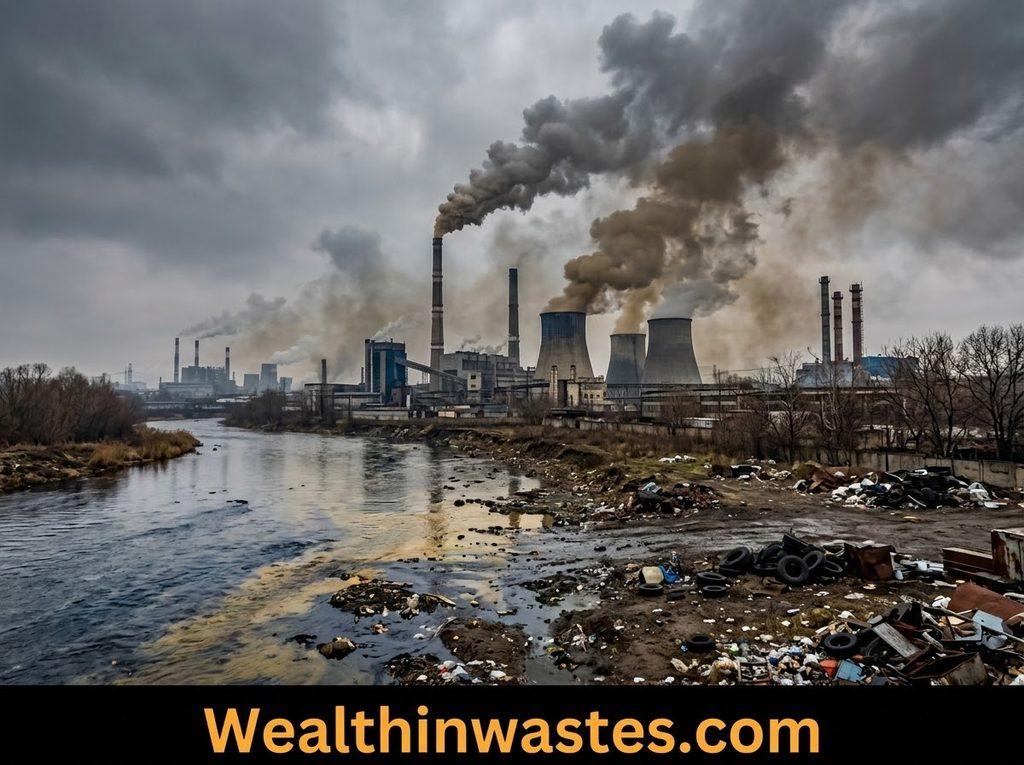
Waste minimization provides practical ways to reduce waste before disposal becomes necessary. Organizations can combine good housekeeping, technology changes, safer inputs, product redesign, recycling, and improved process management.
1. Good Housekeeping: Good housekeeping involves maintaining equipment, controlling spillages, following operating procedures, improving workplace organization, training employees, and identifying abnormal losses before they become larger waste problems.
2. Technology Changes: Organizations can modify equipment or production systems to reduce waste and emissions. Retrofitting existing facilities can sometimes achieve improvements without requiring complete replacement of production infrastructure.
3. Input Material Changes: Hazardous or inefficient raw materials can sometimes be replaced with safer alternatives that perform the required function. Such changes can reduce environmental risks while improving workplace conditions.
4. Product Changes: Product design can influence material requirements, manufacturing losses, packaging, useful life, repairability, and disposal requirements. Better design can therefore prevent waste throughout the product life cycle.
5. Process Control: Better monitoring, inspection, measurement, maintenance, and operating instructions can reduce defective products and material losses. Organizations can use documented performance information to identify recurring sources of waste.
6. Source Reduction: The most effective waste strategy often prevents materials from becoming waste. Organizations can review purchasing, production, storage, handling, packaging, cleaning, and distribution to eliminate avoidable material losses.
Organizations seeking additional guidance can examine the wider importance of waste reduction, especially where disposal capacity, resource costs, and environmental pressures continue to increase.
Recycling Methods
Recycling provides an important secondary approach when complete waste prevention cannot occur. Materials may return to the original process, become inputs for another product, or enter an external recovery system.
1. Internal Reuse: Suitable materials can return to the same production process as substitutes for virgin inputs. Proper recycling processes help preserve material value while reducing disposal requirements.
2. Reuse in Another Product: A material that no longer fits one production process may still provide useful input elsewhere. This approach can create resource value while reducing waste generation.
3. Reclamation: Reclamation involves sorting waste to recover useful materials that can be reused internally or sold externally. It works best when organizations maintain effective segregation and quality control systems.
4. Material Recovery: Recovery systems can extract paper, plastics, metals, glass, organic materials, and other valuable resources. Effective recycling systems depend on suitable collection, separation, cleaning, processing, and markets.
Treatment and Disposal
Not every waste stream can undergo prevention, reuse, or recycling. Remaining wastes require suitable treatment and disposal systems that control hazards and protect workers, communities, land, water, and air.
Treatment may involve physical, biological, chemical, or thermal approaches depending on waste characteristics. Organizations should select treatment methods according to waste composition, quantity, hazards, environmental requirements, and operational conditions.
Where disposal remains necessary, operators should use approved facilities and procedures. Responsible disposal methods should prevent uncontrolled releases and minimize risks associated with residual wastes.
Methodology and EMS Applications
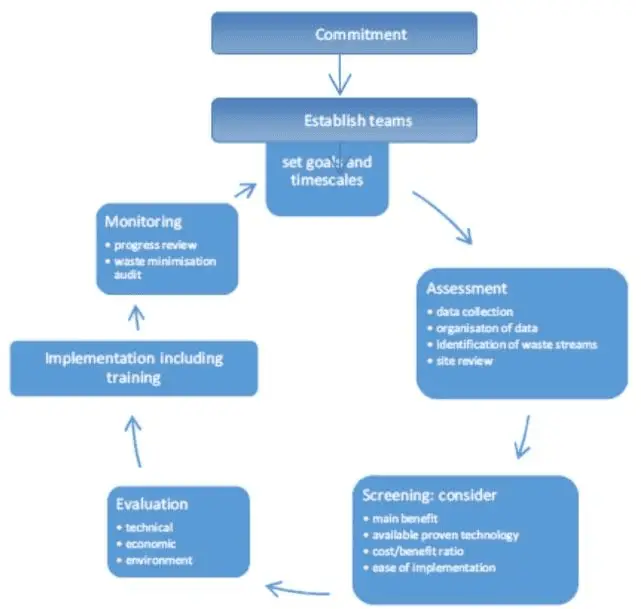
The methodology of clean technology resembles a continual improvement cycle. Organizations measure current performance, identify significant environmental aspects, establish objectives, implement improvements, monitor results, and review performance.
1. Establish a Baseline: Organizations first quantify important inputs and outputs, including materials, water, energy, products, wastes, and emissions. Waste generation information can help establish the existing situation.
2. Identify Improvement Areas: Baseline information can reveal excessive material use, inefficient equipment, repeated defects, high utility consumption, unnecessary packaging, or significant waste streams requiring immediate attention.
3. Redesign Products and Processes: Organizations can redesign products or modify processes to reduce resource consumption and environmental effects. Product design should consider material selection, manufacturing, use, maintenance, and end-of-life management.
4. Monitor Environmental Aspects: Clean technology supports identification of significant environmental aspects such as discharges, emissions, solid wastes, resource consumption, and hazardous materials. Environmental impact information helps prioritize action.
5. Review and Improve: Results should be compared with established objectives and targets. Managers can correct weaknesses, expand successful measures, modify procedures, and develop new improvement opportunities as organizational conditions change.
Clean technology also supports wastewater management because reducing water contamination at source can lessen treatment demands. Organizations can review wastewater impacts and treatment needs when evaluating environmental performance.
Where water reuse forms part of resource efficiency, organizations may also examine wastewater reuse opportunities alongside treatment quality, public health protection, operational requirements, and environmental safeguards.
Read Also: Waste Recycling and Disposal Guide
Practical Applications of Clean Technology

Clean technology can apply across manufacturing, agriculture, food processing, mining, construction, healthcare, energy production, commerce, households, and municipal services. Each sector can identify opportunities according to its activities and waste streams.
1. Industrial Production: Factories can reduce environmental impacts through efficient equipment, cleaner inputs, process control, material recovery, improved maintenance, and redesigned products. Industrial waste management remains particularly important.
2. Agriculture: Farms can improve resource efficiency through responsible fertilizer use, efficient water management, residue recovery, manure utilization, composting, and improved storage. Agricultural waste recovery can create additional value.
3. Municipal Services: Local authorities can encourage source separation, recycling, composting, recovery, efficient collection systems, and controlled disposal. Municipal waste treatment approaches can support broader resource recovery.
4. Recycling Enterprises: Recycling businesses can support clean technology by recovering useful materials from waste streams and returning them to productive markets. Efficient separation and quality control improve the value of recovered materials.
5. Hazardous Waste Control: Organizations handling dangerous materials should prevent unnecessary generation, substitute safer inputs where practical, improve segregation, and maintain appropriate containment and treatment procedures. Hazardous waste classification supports safer management decisions.
6. Resource Recovery: Circular approaches can turn waste materials into useful inputs rather than treating them solely as disposal burdens. Recycling, reuse, refurbishment, recovery, and material exchanges can extend resource value.
Effective clean technology also depends on sound waste hierarchy decisions because prevention and reduction should receive priority where technically feasible. Organizations can strengthen planning through waste hierarchy principles.
Waste recycling can also generate environmental and economic advantages when organizations recover materials efficiently. Recycling benefits include resource conservation, reduced waste volumes, and possible cost savings.
Organizations should also recognize that poor environmental management can create financial consequences. Pollution-related economic losses demonstrate why prevention can support both environmental and financial objectives.
Public health and environmental sanitation provide another reason to invest in prevention and responsible waste management. Effective sanitation practices help reduce exposure to poorly managed wastes and environmental contamination.
Organizations should combine prevention with appropriate recovery and disposal because some materials cannot undergo recycling safely. Understanding non-recyclable materials helps prevent contamination and inappropriate handling.
Clean technology therefore represents more than buying modern equipment. It requires thoughtful design, efficient processes, trained workers, reliable information, responsible management decisions, and continuous efforts to reduce environmental impacts.
In conclusion, the development of clean technology emerged from growing recognition that uncontrolled resource consumption, pollution, and waste generation cannot continue indefinitely without environmental, economic, and public health consequences.
Clean technology focuses on prevention, resource conservation, pollution reduction, improved efficiency, safer inputs, better product design, recycling, recovery, and responsible management of unavoidable residual wastes.
Its successful implementation requires total organizational commitment, adequate technical knowledge, suitable resources, employee training, effective monitoring, management support, and willingness to improve established production practices.
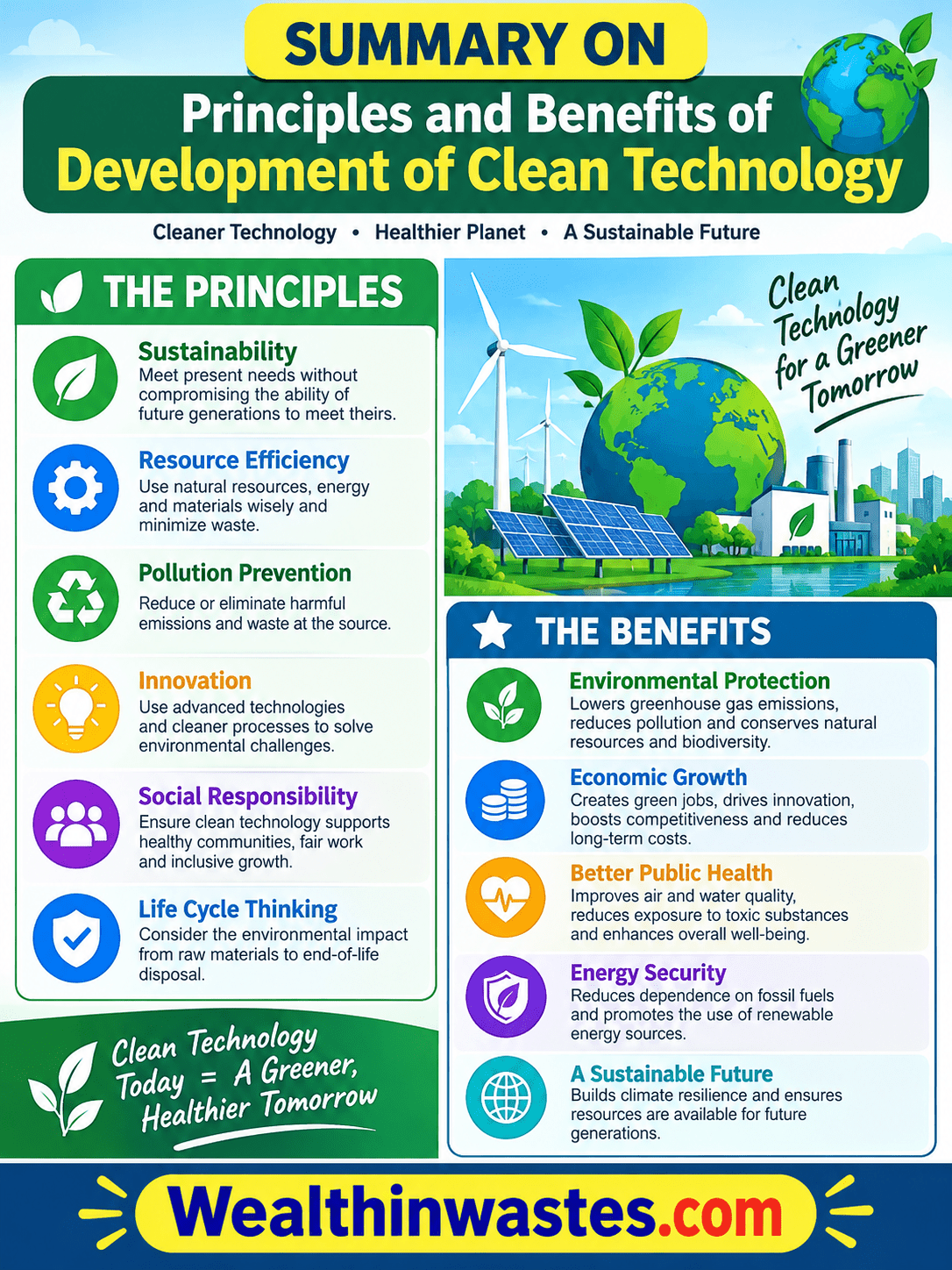
Summary on Principles and Benefits of Development of Clean Technology
| Aspect | Summary |
|---|---|
| Clean Technology | Technology and management approaches that prevent pollution, reduce waste, conserve resources, and improve environmental performance. |
| Development | It developed from growing concern about resource depletion, pollution, waste generation, environmental risks, and production inefficiencies. |
| Main Objective | Prevent waste and pollution while improving resource efficiency, production performance, environmental protection, and long-term sustainability. |
| Waste Hierarchy | Prioritizes prevention, reduction, reuse, recycling, recovery, treatment, and final disposal. |
| Main Benefits | Clean technology can increase profitability, improve efficiency, reduce liabilities, conserve resources, reduce environmental impacts, and strengthen stakeholder confidence. |
| Implementation | Successful implementation requires organizational commitment, clear policies, responsible management, employee training, appropriate technology, and continual improvement. |
| Waste Minimization | Important methods include good housekeeping, process improvement, technology modification, safer inputs, product redesign, source reduction, and recycling. |
| Recycling | Useful materials can return to the same process, another production process, or external recovery systems. |
| EMS Connection | Clean technology supports environmental management systems through measurement, target setting, monitoring, corrective action, and continual environmental improvement. |
| Overall Importance | Clean technology provides a preventive approach that links environmental protection with resource efficiency, economic performance, and responsible production. |
Frequently Asked Questions About Development of Clean Technology: Principles and Benefits
1. What is clean technology?
Clean technology refers to products, processes, equipment, and practices designed to prevent pollution, reduce waste, conserve resources, and improve environmental performance.
2. Why is the development of clean technology important?
It helps organizations reduce pollution, conserve raw materials, lower waste, improve efficiency, reduce environmental risks, and support more sustainable production systems.
3. What are the main principles of clean technology?
The main principles include pollution prevention, source reduction, efficient resource use, safer inputs, product improvement, recycling, recovery, and responsible treatment of unavoidable wastes.
4. What are the benefits of clean technology?
Benefits include improved profitability, better process efficiency, lower environmental liability, reduced pollution, resource conservation, stronger stakeholder relations, and improved workplace practices.
5. What is waste minimization?
Waste minimization means preventing or reducing waste at source while improving material efficiency, reuse, recycling, recovery, production control, and responsible management of unavoidable residues.
6. How does recycling support clean technology?
Recycling recovers useful materials from unavoidable wastes, reduces demand for virgin resources, decreases disposal requirements, and helps maintain materials within productive economic activities.
7. What barriers can affect clean technology implementation?
Common barriers include limited finance, inadequate technical skills, complex regulations, weak management commitment, poor communication, low awareness, and resistance to organizational change.
8. What role does EMS play in clean technology?
An environmental management system provides a structured framework for identifying environmental aspects, setting objectives, monitoring performance, implementing improvements, correcting weaknesses, and pursuing continual environmental improvement.
9. Is treatment still necessary when clean technology is used?
Yes. Clean technology aims to prevent and minimize waste, but some residual materials remain unavoidable and require appropriate treatment, recovery, or environmentally responsible disposal.
10. Can clean technology be used in agriculture?
Yes. Agriculture can apply cleaner approaches through efficient input use, residue recovery, composting, water conservation, better storage, safer chemical practices, and improved management of agricultural wastes.
Do you have any questions, suggestions, or contributions? If so, please feel free to use the comment box below to share your thoughts. We also encourage you to kindly share this information with others who might benefit from it. Since we can’t reach everyone at once, we truly appreciate your help in spreading the word. Thank you very much for your support and for sharing!
Read Also: Controlling Food Waste and Recycling in Agriculture