


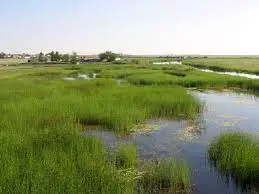
Water quality is a global environmental concern because water supports human health, food production, industry, sanitation, biodiversity, and economic activity across every region of the world and sustainable development everywhere.
However, water resources do not share identical conditions. Rivers, lakes, reservoirs, groundwater, wetlands, estuaries, and oceans respond differently to climate, geology, land use, pollution pressures, management practices, and changing weather patterns.
Water quality describes physical, chemical, and biological characteristics that determine whether water remains suitable for drinking, agriculture, recreation, industry, ecosystem support, and other intended purposes in different environments and ecosystems worldwide.
Across many countries, declining water quality results from untreated wastewater, agricultural runoff, industrial discharges, erosion, waste dumping, chemical contamination, nutrient enrichment, weak protection of vulnerable water sources, and inadequate sanitation.
Understanding global water quality therefore requires examining major pollutants, important monitoring parameters, regional pressures, human activities, treatment needs, and practical measures that can protect water resources for future generations in different regions.
Understanding Global Water Quality
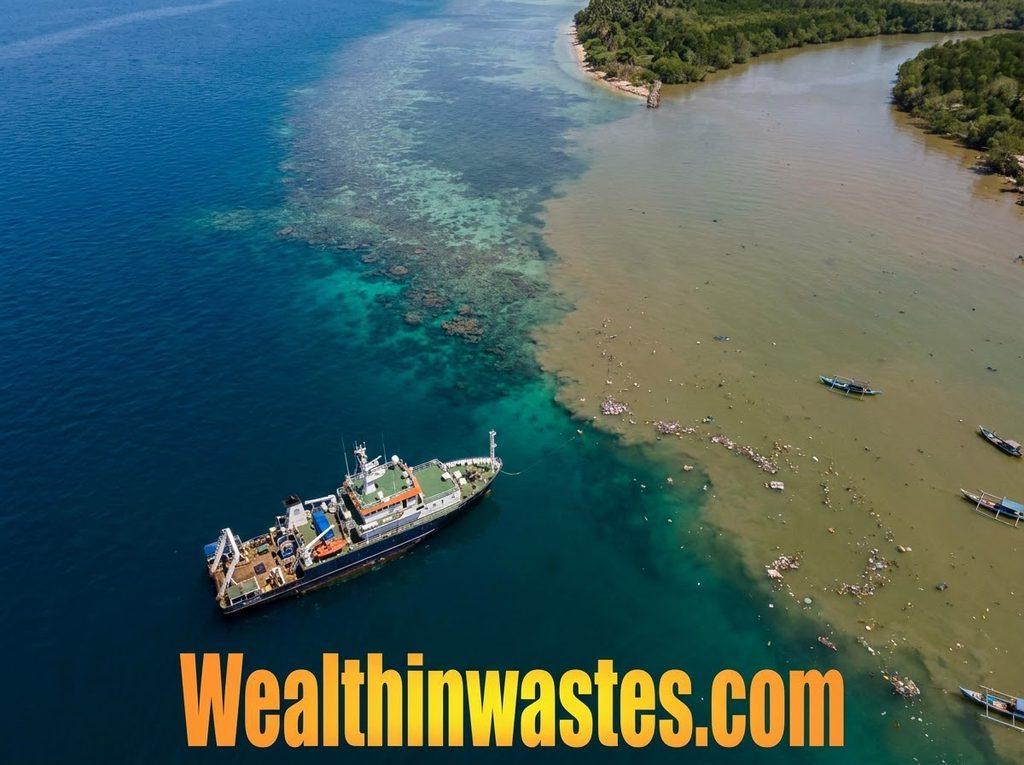
Global water quality refers to the condition of water resources measured through physical, chemical, biological, and sometimes radiological characteristics that influence safety, usability, ecological health, and sustainable development worldwide today.
Water can appear clean while containing dissolved chemicals, microorganisms, excessive nutrients, salts, or metals that remain invisible without testing. Reliable assessment therefore requires several complementary measurements and careful observations during evaluation.
Water quality also depends on intended use. Drinking water requires strict controls for pathogens and harmful chemicals, while irrigation water needs attention to salinity, toxic substances, nutrients, and crop effects.
Environmental waters follow different expectations because rivers, lakes, wetlands, estuaries, and oceans must support organisms and ecological processes. A condition unsuitable for drinking may still support some ecosystem functions safely.
For a broader understanding of how treatment systems improve water for different uses, readers can examine water quality guideline standards and the treatment technologies associated with them.
The relationship between source protection and treatment becomes clearer when considering the water treatment cycle, which connects natural water sources, treatment facilities, consumption, wastewater generation, and environmental discharge.
Understanding this complete cycle helps explain why maintaining water quality at the source remains important, because excessive contamination can increase treatment requirements, operating costs, environmental risks, and pressure on available water resources.
Major Factors Affecting Water Quality
1. Climate and rainfall: Climate influences water quality through rainfall, evaporation, drought, flooding, temperature, and seasonal changes, while intense storms can transport sediments, nutrients, waste, and pollutants into nearby water bodies.
2. Land use and development: Agriculture, mining, construction, transport, and urban development modify drainage patterns and expose soil surfaces, increasing runoff, erosion, sediment movement, chemical transport, and pressure on nearby water resources.
3. Sanitation and wastewater: Poor sanitation allows human waste and pathogens to reach surface water or groundwater, while inadequate wastewater collection and treatment can release organic matter, nutrients, suspended solids, chemicals, and microorganisms.
4. Industrial activity: Factories and processing facilities may release oils, metals, solvents, acids, alkalis, nutrients, heated water, and other contaminants when production wastes receive inadequate treatment or pollution control measures.
5.Resource extraction: Mining, quarrying, petroleum activities, and mineral processing can disturb land and generate contaminated drainage containing sediments, metals, salts, acids, hydrocarbons, or other substances that affect water quality.
Physical and chemical conditions also vary naturally between water bodies because geology, vegetation, temperature, flow patterns, and biological activity influence the substances that enter and remain within aquatic environments.
Groundwater deserves particular attention because contamination can remain underground for long periods and become difficult to remove. The characteristics and vulnerability of groundwater and aquifers differ according to geology, recharge, depth, and land use.
Human development can intensify these natural pressures when waste generation, construction, agriculture, industrial production, and settlement expansion occur faster than environmental infrastructure can manage resulting pollution loads.
Common Water Quality Pollutants
1. Pathogens: Bacteria, viruses, protozoa, and other microorganisms can enter water through sewage, animal waste, runoff, or inadequate sanitation, creating significant risks when people consume or regularly contact contaminated supplies.
2. Nutrients: Nitrogen and phosphorus support plant growth, but excessive inputs from fertilizers, wastewater, and manure can stimulate algal blooms, reduce dissolved oxygen, and disrupt aquatic ecosystems, fisheries, and recreation.
3. Sediments: Soil particles and suspended solids enter water through erosion, construction, deforestation, mining, agriculture, and stormwater, reducing clarity and potentially damaging habitats and aquatic organisms living downstream and within reservoirs.
4. Toxic chemicals: Pesticides, solvents, petroleum compounds, and other hazardous substances can harm organisms, persist in sediments, contaminate food webs, and create long-term management challenges for affected water resources and communities.
5. Metals and salts: Metals such as mercury and lead, together with excessive dissolved salts, can alter water chemistry, affect organisms, and reduce suitability for drinking, irrigation, industrial processes, or ecosystem support.
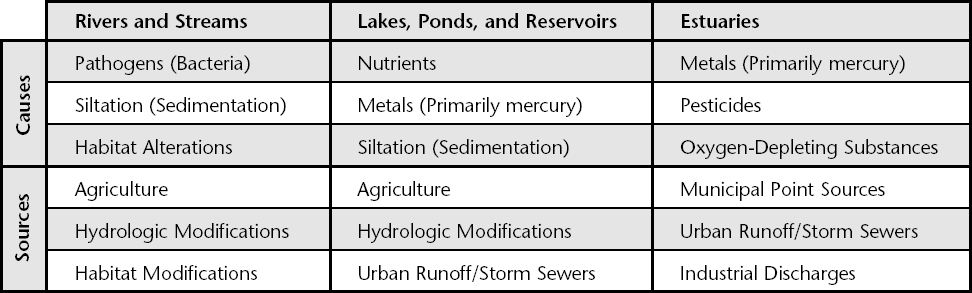
Source: USEPA National Water Quality Inventory 2000 Report
These pollutants can occur individually or together, and their effects often depend on concentration, persistence, exposure, environmental conditions, and the sensitivity of people, crops, livestock, fish, and other organisms.
A useful classification can be found in resources covering different pollutant categories, while another review examines the major types of water pollutants that commonly degrade aquatic environments.
Solid waste can add another pollution pathway because rainwater may carry dissolved substances, fine particles, and harmful materials from poorly managed disposal areas into drainage systems and nearby water resources.
Improper waste handling can therefore worsen existing contamination and create new pollution pathways, especially in communities where collection services, drainage networks, disposal facilities, and environmental monitoring remain limited.
Read Also: Objectives of Water Treatment and Water Treatment Processes
Water Quality Parameters to Monitor
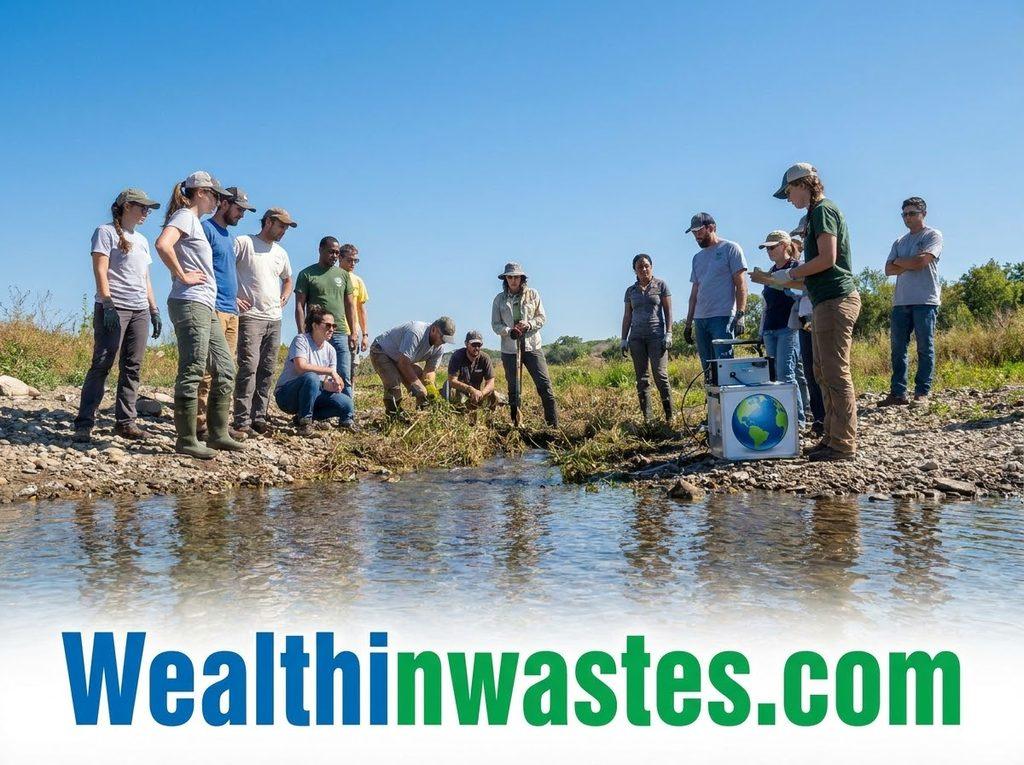
1. Temperature: Water temperature influences chemical reactions, biological activity, oxygen availability, and aquatic metabolism, so unusual increases can signal thermal pollution or changes in surrounding environmental conditions and habitats throughout affected watersheds.
2. Dissolved oxygen: Dissolved oxygen supports aerobic organisms and helps indicate ecological conditions. Low concentrations may occur when organic pollution, decomposition, excessive algae, or warming increases oxygen consumption substantially across impacted waters.
3. pH and alkalinity: pH describes acidity or alkalinity, while alkalinity indicates resistance to sudden pH changes.Together, these measurements help explain chemical stability and potential stress on aquatic organisms.
4. Turbidity and solids: Turbidity reflects water clarity and often increases with suspended particles, sediment, plankton, or waste discharges. High turbidity can reduce light penetration and degrade aquatic habitats severely.
5. Nutrients and microbial indicators: Measuring nitrogen, phosphorus, and microbial indicators helps identify nutrient enrichment and fecal contamination, providing evidence about pollution sources, sanitation conditions, and potential health risks effectively.
6. Metals and organic pollutants: Testing for metals, pesticides, hydrocarbons, and other chemicals identifies contaminants that routine physical measurements may miss and helps evaluate environmental persistence, toxicity, and exposure pathways.
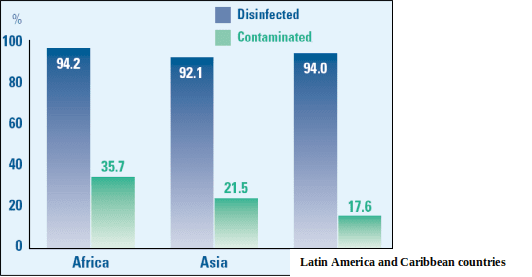
Fig. 4: Percentage of Water Supply Which Is Effectively Disinfected and Percentage of Drinking Water Quality Test Results That Violate National Standards
Source: WHO and UNICEF, Global Water Supply and Sanitation Assessment 2000 Report
Accurate testing becomes more useful when sampling follows consistent procedures and targets parameters that match the intended assessment. The water quality analysis process provides a structured approach to selecting and measuring relevant indicators.
Field observations can complement laboratory results by documenting colour, odour, visible debris, algal growth, shoreline conditions, land use, discharge points, and other circumstances that may explain unusual measurements.
A broader water quality survey can combine sampling, laboratory analysis, field observations, and environmental information to establish baseline conditions and identify trends that individual samples may not reveal.
Monitoring programs also benefit from understanding wastewater composition because measures such as flow, biochemical oxygen demand, nutrients, suspended solids, and microbial indicators can reveal important pollution sources and treatment requirements.
Detailed information about wastewater characteristics and flow rates can therefore improve interpretation of water-quality results, especially around treatment plants, industrial areas, and communities experiencing changing discharge patterns.
Regional Water Quality Conditions Worldwide
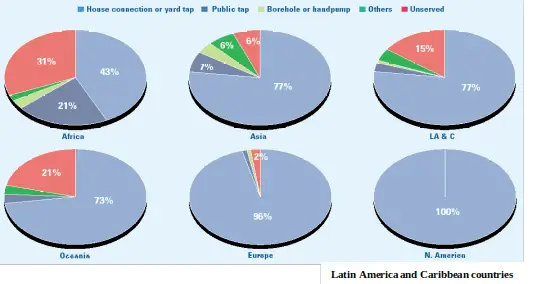
Fig. 2: Water Supply in the Largest Cities: Mean Percentage of the Population and Each Type of Service by Region
Source: WHO and UNICEF, Global Water Supply and Sanitation Assessment 2000 Report
Water quality conditions vary widely among regions because countries differ in climate, geology, sanitation coverage, industrial activity, farming systems, urbanization, regulation, monitoring capacity, and investment in environmental infrastructure.
Many communities face stronger contamination pressures where population growth outpaces sanitation, drainage, wastewater treatment, and solid waste services. Urban expansion can increase runoff while poorly managed discharges add pollutants to receiving waters.
Rural areas also experience important pressures from agriculture, livestock production, mining, deforestation, irrigation return flows, and erosion. Seasonal rainfall can transport pollutants from broad areas into rivers, lakes, reservoirs, and groundwater.
Regional differences do not mean every community within one country shares identical conditions. Local geology, land use, infrastructure, watershed characteristics, pollution sources, and management practices can create substantial differences between nearby water bodies.
Freshwater resources face particular pressure because they supply drinking water, food production, sanitation, manufacturing, and ecological services. Effective freshwater management must balance human demand with ecosystem needs.
Human activities can exceed the natural capacity of water systems to absorb, transform, or dilute pollutants. Understanding the risks associated with human activities helps identify where preventive measures should receive priority.
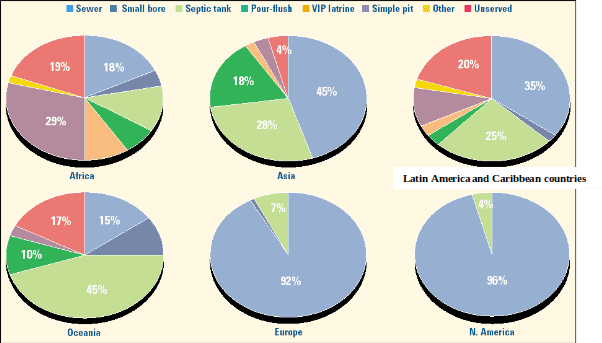
Fig.3: Sanitation in the Largest Cities: Mean Percentage with Each Type of Facility by Region
Source: WHO and UNICEF, Global Water Supply and Sanitation Assessment 2000 Report
Sanitation remains central to water quality because untreated human waste can introduce pathogens, organic matter, nutrients, and suspended materials into surface waters and groundwater serving communities.
Access to safe sanitation also varies between urban and rural locations. Where facilities are inadequate, contamination risks can increase through leaking systems, uncontrolled discharges, open defecation, flooding, or poor waste handling.
Regional water-quality assessments should therefore consider both environmental measurements and the infrastructure that influences contamination, including sewerage, treatment facilities, drainage, sanitation coverage, waste collection, and source protection.
Health and Environmental Effects
Poor water quality creates consequences that extend beyond the water body itself. People, livestock, crops, wildlife, fisheries, tourism, and industries can all experience effects when contamination becomes persistent or severe.
Unsafe microbial conditions can increase exposure to waterborne pathogens, while chemical contaminants may create longer-term risks depending on their concentration, toxicity, persistence, and route of exposure. Vulnerable groups may face greater consequences.
Aquatic ecosystems also respond strongly to pollution. Excess nutrients can encourage algal growth, while organic matter can increase oxygen demand and reduce dissolved oxygen, creating stressful conditions for fish and other organisms.
Water quality degradation can also reduce the usefulness of water for irrigation, recreation, industry, and livestock. Contamination may increase treatment costs, limit economic activity, reduce biodiversity, and weaken ecosystem services.
The effects of contaminated water on human communities can become especially serious where people depend directly on untreated rivers, shallow wells, streams, or other vulnerable sources for household needs.
Aquatic organisms can also suffer when pollutants change habitat conditions, food availability, reproductive success, oxygen levels, temperature, or chemical balance. These impacts may alter entire food webs rather than affecting individual species alone.
The biological effects of pollution become clearer when examining the ecological characteristics of polluted waters, including eutrophication, oxygen depletion, sedimentation, altered temperature, salinity changes, and contaminant accumulation.
Solid waste adds another environmental pathway because poorly managed waste can release pollutants that move into water during rainfall. Understanding broader waste-related environmental impacts helps connect water pollution with wider public-health concerns.
Industrial pollution deserves special attention because some facilities release complex mixtures containing metals, oils, chemicals, nutrients, and other substances. Such contamination can affect aquatic environments and communities that depend on surrounding water resources.
The consequences of industrial discharges become easier to understand through discussion of industrial waste impacts on people and ecosystems, especially where treatment capacity and regulatory enforcement remain inadequate.
Water Treatment and Pollution Control
1. Source protection: Protecting rivers, reservoirs, wells, springs, and catchments reduces contamination before treatment begins. Land-use controls, buffer zones, sanitation improvements, and responsible waste practices can strengthen this first barrier.
2. Wastewater treatment: Treatment removes or reduces solids, organic matter, nutrients, microorganisms, and selected chemicals before discharge or reuse. Appropriate processes depend on wastewater characteristics and the required final quality.
3.Agricultural controls: Farmers can reduce pollution by applying fertilizers carefully, controlling erosion, managing animal wastes, protecting waterways with vegetation, and preventing chemicals from entering drainage channels during rainfall and storm events.
4. Industrial controls: Industries can reduce water pollution through cleaner production, chemical management, process changes, water reuse, pretreatment, monitoring, and properly designed systems that meet applicable discharge requirements consistently and safely.
5. Monitoring and enforcement: Regular water sampling helps authorities identify pollution trends and evaluate interventions. Strong standards, inspections, reporting, and enforcement encourage polluters and responsible water users to maintain acceptable practices.
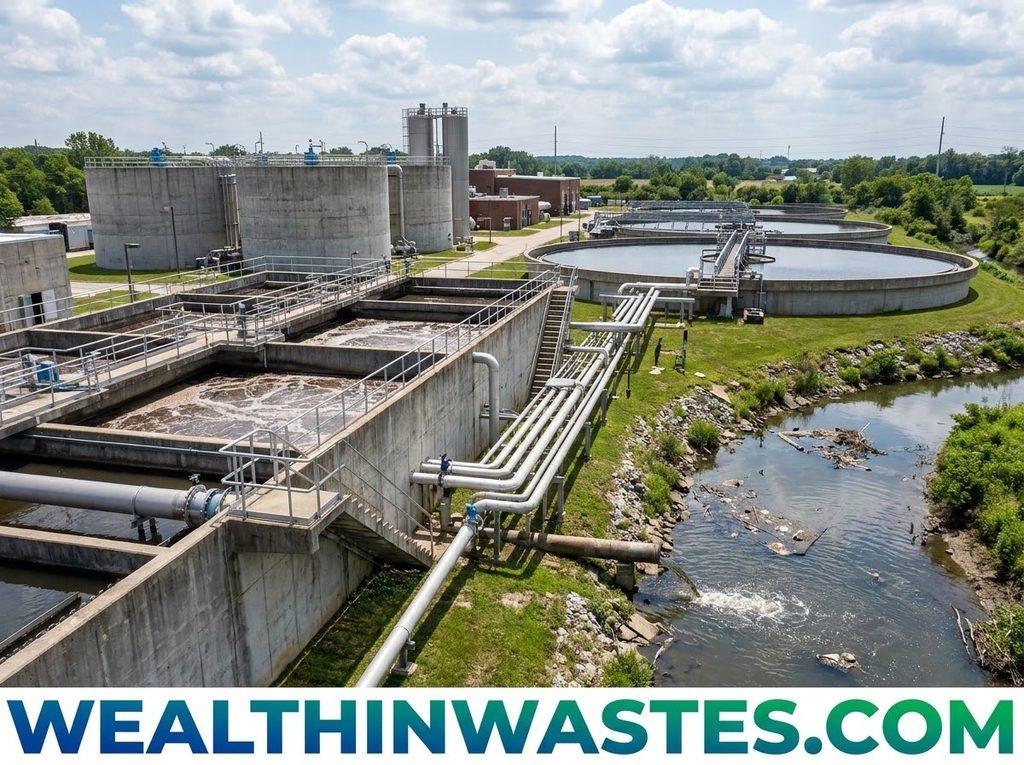
Municipal wastewater treatment can combine physical, biological, and chemical processes to reduce contaminants before discharge or reuse. Selecting suitable treatment depends on flow, pollutant type, treatment objectives, and receiving-water conditions.
Detailed guidance on industrial wastewater treatment processes explains how facilities can manage solids, oils, organics, nutrients, chemicals, and other pollutants generated by different industrial activities.
Different treatment systems suit different wastewater characteristics, so available wastewater treatment options should be evaluated against technical requirements, environmental objectives, operating conditions, cost, and final discharge or reuse needs.
Where centralized sewer networks are unavailable, properly designed local systems can support wastewater management. On-site sewage disposal components must function correctly to reduce leakage, overflow, groundwater contamination, and unsafe exposure.
Effective treatment should remain part of a wider pollution-control system that prevents unnecessary contamination, monitors performance, maintains infrastructure, and adapts to changing population, industrial, agricultural, and environmental conditions.
Read Also: Meaning and Difference between Palatable Water and Potable Water
Global Priorities for Better Water Quality
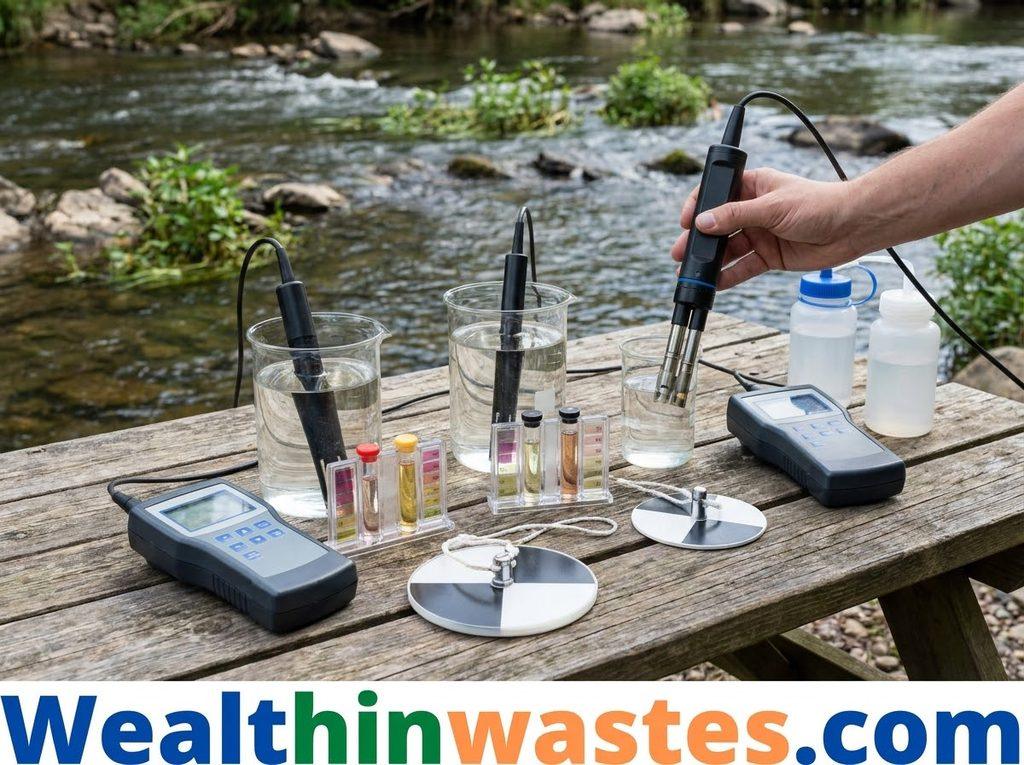
Long-term improvement requires coordinated action at household, community, national, basin, and international levels. Governments need reliable information, enforceable standards, functioning institutions, adequate financing, and meaningful public participation from all stakeholders.
Effective management should connect water-quality monitoring with land-use planning, sanitation, agricultural policy, industrial regulation, waste management, and ecosystem protection. These areas influence one another and require coordinated decisions across administrative boundaries.
Communities can contribute through responsible waste disposal, safer chemical use, protection of drainage channels, maintenance of sanitation facilities, and participation in local monitoring or conservation efforts that reduce avoidable pollution.
International cooperation also matters because rivers, aquifers, coastal waters, and atmospheric pollution can cross national boundaries. Shared data, technical knowledge, financing, and coordinated standards can improve protection where environmental challenges extend across borders.
Practical action should focus first on preventing pollution wherever possible because controlling contaminants before discharge generally reduces treatment demands and protects ecosystems more effectively than restoring heavily degraded water bodies.
Communities and regulators can strengthen prevention through better pollution monitoring, responsible land management, improved sanitation, safe waste disposal, and clear rules that limit harmful discharges into vulnerable waterways.
Successful programs also need capable institutions. The institutional framework for pollution control should clearly define responsibilities for standards, monitoring, enforcement, water management, sanitation, and cooperation among public and private organizations.
Individuals and communities can also support practical water pollution reduction measures by limiting harmful discharges, protecting local water sources, reducing waste, supporting sanitation, and reporting visible pollution incidents.
Ultimately, better water quality depends on consistent prevention, reliable information, appropriate treatment, responsible resource use, strong institutions, environmental awareness, and cooperation among governments, businesses, farmers, households, researchers, and communities.
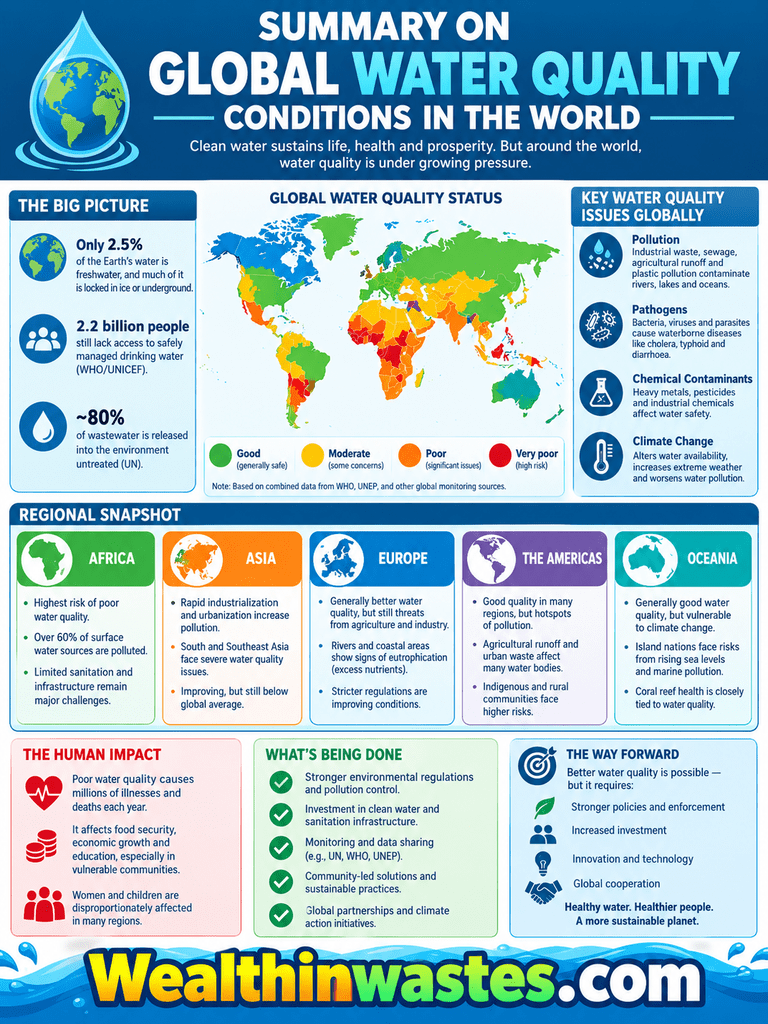
Summary on Global Water Quality: Conditions, Causes and Solutions
| Aspect | Summary |
|---|---|
| Water quality | Water quality describes the physical, chemical, and biological characteristics that determine whether water is suitable for particular uses and ecosystem functions. |
| Major parameters | Important parameters include sediment load, nutrient concentrations, temperature, dissolved oxygen, pH, microbial indicators, turbidity, and chemical contaminants. |
| Major pollutants | Pollutants may include sewage, industrial chemicals, pesticides, oil, grease, metals, nutrients, pathogens, suspended solids, and other hazardous substances. |
| Sanitation | Reliable sanitation helps prevent human waste and disease-causing organisms from entering surface water, groundwater, and other important water sources. |
| Industrial impacts | Industrial activities can introduce toxic substances, organic pollutants, metals, oils, chemicals, nutrients, and heat into water systems. |
| Agricultural impacts | Agricultural runoff can carry sediments, fertilizers, pesticides, animal wastes, and other contaminants into surface and groundwater. |
| Water treatment | Appropriate treatment processes reduce contaminants and help water meet standards required for drinking, industrial, agricultural, recreational, and environmental uses. |
| Protection | Water quality protection depends on pollution prevention, source control, monitoring, treatment, proper sanitation, responsible waste management, regulation, and public participation. |
Frequently Asked Questions About Global Water Quality: Conditions, Causes and Solutions
1. What is water quality?
Water quality describes the physical, chemical, and biological condition of water and determines whether it remains suitable for drinking, agriculture, recreation, industry, ecosystems, or other intended uses.
2. What are the main causes of poor water quality?
Major causes include untreated wastewater, industrial discharges, agricultural runoff, poor sanitation, erosion, improper waste disposal, chemical contamination, excessive nutrients, and uncontrolled urban development.
3. Which parameters help measure water quality?
Common measurements include temperature, pH, dissolved oxygen, turbidity, suspended solids, nutrients, microbial indicators, salinity, metals, pesticides, hydrocarbons, and other chemical characteristics.
4. Why does water quality differ between regions?
Differences arise from climate, geology, land use, population density, sanitation coverage, agriculture, industrial activity, infrastructure, environmental regulation, monitoring capacity, and local pollution sources.
5. How does agriculture affect water quality?
Agriculture can introduce sediments, fertilizers, pesticides, manure, nutrients, salts, and microorganisms into water through erosion, runoff, irrigation drainage, livestock activities, and poor chemical management.
6. Why is dissolved oxygen important?
Dissolved oxygen supports aquatic organisms and indicates ecological conditions. Excessive organic matter, algal decomposition, warming, and other pollution pressures can lower oxygen concentrations and stress aquatic life.
7. Why is wastewater treatment important?
Wastewater treatment reduces pollutants before discharge or reuse, helping protect public health, aquatic ecosystems, receiving waters, and communities that depend on rivers, lakes, groundwater, or coastal resources.
8. How can communities improve water quality?
Communities can protect water sources, maintain sanitation systems, dispose of waste properly, reduce chemical misuse, control erosion, prevent harmful discharges, support monitoring, and encourage responsible environmental practices.
9. What is the best way to protect global water quality?
The strongest approach combines pollution prevention, sanitation, wastewater treatment, agricultural responsibility, industrial controls, regular monitoring, effective regulation, source protection, public education, and coordinated environmental management.
10. Can polluted water recover naturally?
Some water bodies can recover through natural dilution, sedimentation, biological activity, and other processes, but severe or persistent contamination may overwhelm those processes and require active pollution control and restoration.
Do you have any questions, suggestions, or contributions? If so, please feel free to use the comment box below to share your thoughts. We also encourage you to kindly share this information with others who might benefit from it. Since we can’t reach everyone at once, we truly appreciate your help in spreading the word. Thank you very much for your support and for sharing!
Read Also: Methods of Composting Organic Waste Materials