



United States Environmental Protection Agency (EPA) na-achọpụta ihe dị oke egwu nke nwere ike ịchọ atụmatụ mberede pụrụiche, mkpesa, njikwa ngwa ahịa, na nzikọrịta ozi mgbe akụrụngwa na-echekwa ma ọ bụ wepụta oke.
Nlekọta ihe ndị dị ize ndụ na-ejikọta njirimara, nchekwa nchekwa, njem njem, njikwa, nzaghachi mberede, akwụkwọ, ọgwụgwọ na omume mkpofu na-ebelata ihe ize ndụ nye ndị ọrụ, obodo, ihe onwunwe, anụ ọhịa, ala, mmiri na ikuku.
Ọgwụ na-egbu egbu na fumigants kwesịrị nlebara anya pụrụ iche n’ihi na ụfọdụ ihe ndị na-arụ ọrụ nwere ike imepụta gas na-egbu egbu, metọọ elu, ma ọ bụ mepụta mmeghachi omume dị ize ndụ mgbe ejiri ya mee ihe n’ụzọ na-ezighi ezi, karịsịa n’oge mwụfu, ntapu, na mkpocha.
Nlekọta nke ọma na-amalite tupu kemịkalụ abanye n’ụlọ ọrụ. Ndị na-ahụ maka ọrụ na-enyocha ihe egwu, na-enyocha arịa, na-agbaso akara ngwaahịa, na-edobe ngwa nchebe kwesịrị ekwesị, ndị ọrụ ụgbọ oloko, ma kwadebe usoro ihe mberede bara uru.
Ọfụfụ na-egosi ihe kpatara njikwa ihe ndị dị ize ndụ ịdọ aka ná ntị ji dị mkpa. Ọgwụgwọ na-aga nke ọma chọrọ ọnọdụ a na-achịkwa, nchekwa iku ume kwesịrị ekwesị, ohere amachibidoro, nleba anya ziri ezi, yana nrube isi na akara ngwaahịa na ụkpụrụ dị mkpa.
Ịghọta njikwa ihe ndị dị ize ndụ
Nlekọta ihe ndị dị ize ndụ na-ezo aka n’usoro nhazi nke ihe ndị nwere ike imerụ mmadụ, anụmanụ, ihe onwunwe, ma ọ bụ gburugburu ebe obibi. Ọ na-ekpuchi ọkwa ọ bụla site na nnweta na nchekwa site na mkpofu ikpeazụ.
Usoro ụda na-achọpụta kemịkalụ, na-enyocha ihe egwu ya, na-ekpebi njikwa kwesịrị ekwesị, ma guzobe ọrụ maka onye ọ bụla nwere ike ijikwa ma ọ bụ zute ihe ahụ n’oge arụ ọrụ oge niile ma ọ bụ ihe mberede.
Ihe ndị dị ize ndụ na-emekarị gụnyere pesticides, fumigants, kemịkalụ na-emebi emebi, ihe ndị na-ere ọkụ, ngwaahịa ụlọ ọrụ na-egbu egbu, ala emetọọ, ihe fọdụrụ n’ụlọ nyocha, na ụfọdụ mkpofu a na-emepụta mgbe ọrụ ugbo ma ọ bụ mmepụta ihe gasịrị.
Ụlọ ọrụ kwesịrị idowe ngwa ngwa n’ụzọ doro anya n’ihi na ịmara ihe ndị dị adị, ebe ha dị, na ole dị na ya na-eme ka atụmatụ mberede dịkwuo irè ma na-ebelata ikpughe ihe mberede.
Mpempe akwụkwọ ntụkwasị obi, mpempe data nchekwa, nyocha akpa, na usoro edere na-enyere ndị ọrụ aka ịmata ihe egwu kemịkal tupu ịmalite njikwa. Njikwa ndị a na-akwadokwa mkpebi ndị na-agbanwe agbanwe n’oge njem, nchekwa, ngwa, nchacha na mkpofu.
Òtù dị iche iche nwere ike iwusi ike usoro nlekọta mkpofu ha dị ize ndụ site na idowe ndekọ dị ugbu a, inye ọrụ, ịlele ebe nchekwa, na nyochaa usoro ihe mberede tupu ihe emee.
Hazardous materials management extends beyond the chemical itself. Contaminated packaging, protective clothing, absorbents, soil, water, equipment, and cleanup debris may require controlled handling because residues can continue creating hazards.
Organizations should review their procedures regularly and update them after incidents, process changes, new chemical purchases, equipment modifications, or changes in applicable requirements. Continuous review keeps controls practical and relevant.
Read Also: Soil Fumigation, Importance and Types of Fumigation
Regulatory Records And Hazardous Material Reporting

The supplied guidance highlights EPA requirements for extremely hazardous materials, including Threshold Planning Quantities and Reportable Quantities. These concepts help authorities understand where dangerous substances exist and when releases require notification.
A Threshold Planning Quantity, or TPQ, represents a specified amount of an extremely hazardous substance that can trigger emergency planning responsibilities when a facility stores that quantity.
A Reportable Quantity, or RQ, represents a specified amount of a substance whose accidental release can require reporting. The applicable quantity depends on the regulated material and governing requirements.
Facilities should never rely on memory when managing reporting thresholds. Keep accurate inventories, retain current safety documentation, and establish a process that alerts responsible personnel when quantities change.
Facilities can improve chemical records through a complete hazardous-waste management approach that connects identification, storage, transportation, treatment, and disposal information within one organized system.
Material Safety Data Sheets, commonly called MSDSs and now generally described as Safety Data Sheets, provide information about hazards, handling, protective measures, emergency procedures, and other important chemical safety requirements.
Annual inventories and emergency documentation help local and state response organizations understand the hazardous materials present at facilities. Accurate records can support better preparation before fires, spills, leaks, or other incidents occur.
For chemical identification and safe handling decisions, operators should maintain reliable information about chemical waste characteristics, including physical properties, hazards, storage requirements, and appropriate disposal precautions.
Because regulatory requirements vary by location and substance, facilities should verify current national, state, and local rules before storing, transporting, applying, or disposing of hazardous materials.
Safe Storage And Site Controls
1. Use Compatible Containers: Select containers that resist the chemical they hold, remain structurally sound, close securely, and prevent leakage. Inspect them frequently for corrosion, damage, swelling, cracks, or worn seals.
2. Control Access: Keep hazardous materials in secure areas with restricted access. Authorized personnel should understand hazards, emergency procedures, protective equipment requirements, and the location of spill-response supplies before entering.
3. Separate Incompatible Materials: Store substances according to their chemical compatibility. Keep materials that can react dangerously apart, and avoid placing chemicals near heat, ignition sources, food, feed, medicines, or drinking water.
4. Maintain Suitable Ventilation: Storage areas should provide appropriate ventilation for the chemicals involved while preventing unsafe accumulation of vapors or gases. Follow product instructions when determining ventilation and monitoring requirements.
5. Protect Against Spills: Use suitable containment measures, sound shelving, stable stacking, and practical drainage controls that keep leaks from reaching people, soil, drains, groundwater, or surface water.
6. Keep Labels And Records: Maintain readable labels and an updated inventory showing material names, quantities, storage locations, and relevant safety information. Never transfer hazardous substances into unmarked food or beverage containers.
Good storage practices should follow established hazardous-waste storage principles, including container compatibility, controlled access, suitable facilities, careful segregation, and protection against accidental releases.
Emergency Spill And Leak Response
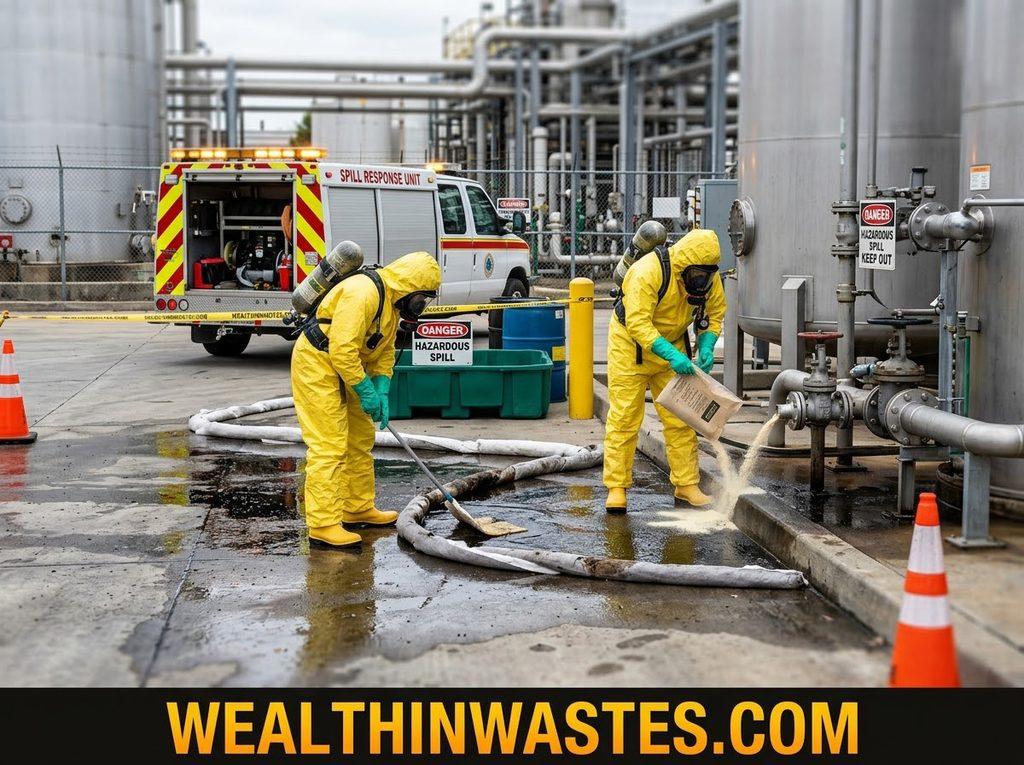
1. Isolate The Area: Move people away from the spill or leak, restrict access, and prevent unnecessary contact. Do not enter a contaminated area until trained personnel determine suitable protective measures.
2. Identify The Material: Use the container label, safety data sheet, inventory, or other reliable information to identify the substance. Never guess the chemical identity when selecting a response method.
3. Follow The Label: Product labels provide critical instructions for handling, containment, protective equipment, and emergency action. Follow those directions precisely, while also complying with applicable emergency and environmental requirements.
4. Use Appropriate Protection: Respiratory protection, gloves, protective clothing, eye protection, or other equipment may be necessary depending on the substance and exposure risk. Only trained personnel should perform hazardous cleanup.
5. Prevent Environmental Spread: Stop contaminated liquid, soil, debris, or wash water from reaching drains, streams, wells, or other sensitive areas. Use appropriate containment methods rather than improvised disposal.
6. Report Required Releases: When a release reaches the applicable reporting threshold, notify responsible authorities according to current requirements. Document the incident, response actions, quantities, and waste generated afterward.
Facilities should also consider pollution containment and cleanup measures that limit chemical movement while protecting workers, nearby communities, soil, groundwater, surface water, and ecological systems.
Suitable response locations should account for environmental conditions around disposal and containment areas, particularly drainage, geology, groundwater vulnerability, surrounding ecosystems, and long-term monitoring requirements.
Fumigant Safety And Application
Fumigants are specialized pesticides that act as gases or vapors, allowing them to penetrate enclosed spaces and reach pests hidden within commodities, structures, soil, or other difficult-to-access locations.
Because fumigants can produce dangerous concentrations quickly, operators must treat them as serious hazardous materials. Product labels should determine application methods, exposure limits, protective equipment, sealing requirements, and reentry controls.
The effectiveness of a fumigant can change with temperature, moisture, pest species, structure, formulation, and application method. Operators should therefore avoid changing prescribed rates, exposure periods, or procedures.
Igwe ọkụ kwesịrị ime naanị na oghere kwesịrị ekwesị nke ndị ọrụ nwere ike mechie ma jikwaa nke ọma. Ọkwa ịdọ aka ná ntị, ohere amachibidoro, usoro nleba anya, kọntaktị mberede, na akụrụngwa nchebe kwesịrị ịdị na-adị n’oge ọgwụgwọ.
Ntuziaka maka ọrụ ugbo ndị ọzọ gbasara iji fumigant emesi ike iji nlezianya na-ahụ maka ihe mgbochi pesticide-container n’ihi na akpa ihe efu ma ọ bụ mmeru emerụ nwere ike idowe ihe ndị dị ize ndụ ma chọọ nchekwa, njikwa na mkpofu a na-achịkwa.
Ọrụ fumigation kwesịkwara ịkwado ịghọta mmegharị nke pesticides site na ala, karịsịa mgbe ọgwụgwọ ala nwere ike imetụta ala gbara ya gburugburu, mmiri ala, osisi, microorganisms, ma ọ bụ ihe ndị ọzọ na-anabata gburugburu ebe obibi.
1. Jiri onye a zụrụ azụ: Fumigation gụnyere ihe ndị na-egbu egbu nke ukwuu na ekwesịrị ịrụ ya naanị site na ndị tozuru etozu, ndị nwere ikike nke ọma bụ ndị ghọtara akara ngwaahịa, njikwa mkpughe, ihe akara akara, nleba anya na usoro mberede.
2. Mechie Mpaghara Ọgwụgwọ: Ọfụfụ oghere na-adabere na njide ejiri chịkwaa. Ekwesịrị ịkwado ma mechie ihe owuwu nke ọma ka fumigant na-anọ n’ime ebe a na-agwọ ya ma ghara ikpughe ndị gbara ya gburugburu na-enweghị isi.
3. Sọpụrụ njikwa nlọghachị: Debe ndị mmadụ na anụmanụ pụọ n’oge ọgwụgwọ yana ruo mgbe nlekota na-egosi na ntinye dị mma. Atụkwasịla obi na isi naanị iji chọpụta ma ọ bụ ihe a na-anabata.
4. Họrọ njikwa nke ọma: Ịdị irè fumigant nwere ike ịgbanwe site na ụdị pesti, okpomọkụ, mmiri mmiri, nhazi, nhazi, na usoro ntinye. Soro ntuziaka akwadoro karia imeziwanye itinye uche, oge mkpughe, ma ọ bụ akụrụngwa.
5. Kwadebe ngwa ngwa ngwa ngwa: Debe ngwa nchebe achọrọ, ụzọ nkwurịta okwu, akara ịdọ aka ná ntị, kọntaktị mberede, na ihe nzaghachi dị njikere tupu ọgwụgwọ amalite. Nkwadebe na-ebelata mgbagwoju anya mgbe mkpughe na-atụghị anya ya mere.
6. Jiri nlezianya na-emeso ngwaahịa phosphide: Ngwaahịa aluminom na magnesium phosphide nwere ike imepụta gas phosphine mgbe ekpughere ya na mmiri. Soro akara ngwaahịa na ntụzịaka ihe mberede, na emelitela usoro nhicha na-abawanye mkpughe.
Ọfụfụ bụ iji gas na-egbu egbu egbu ụmụ ahụhụ n’ime ebe a na-emechi emechi, ọ bụkwa ụzọ kacha dị irè isi ruo ụmụ ahụhụ n’ebe nzuzo ha kacha dịpụrụ adịpụ.
Ijikwa ihe mkpofu na njikwa mkpofu

1. Chọpụta ihe mkpofu emeru: Na-emeso ala emetọọ, mmiri, nkwakọ ngwaahịa, ihe ndị na-eri ihe, uwe nchebe, akụrụngwa, na irighiri ihe na-asọ oyi dabere n’ihe ize ndụ ha. Echela na ihe mkpocha bụ ụlọ nkịtị ma ọ bụ ihe mkpofu ime obodo.
2. Wedata mmepụta ihe mkpofu: Jiri nlezianya hazie ịzụrụ kemịkalụ na ngwa ka ndị na-arụ ọrụ na-ezere ihe fọdụrụnụ na-adịghị mkpa. Mgbochi mkpofu na-ebelata ihe nchekwa, ọnụ ahịa mkpofu, ohere ntọhapụ na mberede, yana ọnụọgụ ihe dị ize ndụ chọrọ ọgwụgwọ.
Mgbochi dị irè na-amalite na ibelata ihe mkpofu dị ize ndụ n’isi ya site n’ịzụta nke ọma, iji kemịkalụ rụọ ọrụ nke ọma, nleba anya nke ọma, iji ya eme ihe n’ebe kwesịrị ekwesị, mgbake, na imeziwanye omume arụmọrụ.
3. Jikwaa arịa ndị na-egbu egbu egbu: Soro akara ngwaahịa maka njikwa ihe efu. Ụfọdụ akpa ọgwụ pesticide chọrọ usoro nchacha a kapịrị ọnụ, ebe a na-ekwesịghị ịsacha ihe ndị metụtara ụfọdụ ngwaahịa phosphide n’ihi na mmiri nwere ike ịmepụta gas dị ize ndụ.
4. Chekwaa ihe mkpofu na nzuzo: Debe ihe ndị dị ize ndụ na arịa dakọtara, mechiri emechi, nke akọwapụtara nke ọma n’ime ebe nchekwa a na-achịkwa. Kewapụ ihe mkpofu na-ekwekọghị ekwekọ ma gbochie ikpughe na mmiri ozuzo, okpomọkụ, ndị mmadụ, anụ ụlọ na anụ ọhịa.
5. Jiri ụzọ mkpofu akwadoro: Hazie ọgwụgwọ, mgbake, ma ọ bụ mkpofu site na ụlọ ọrụ enyere ikike ma ọ bụ ndị ọrụ nkwekọrịta dabara adaba maka mkpofu ahụ. Awụsala ihe ndị dị ize ndụ n’ime mmiri mmiri, ụzọ mmiri, ubi, ma ọ bụ ihe mkpofu nkịtị.
Ndị na-arụ ọrụ na-ejizi ngwakọta ịgba ahapụ kwesịrị ịgbaso omume mkpofu pesticide akwadoro nke na-echebe mmiri dị n’ime ala, mmiri elu, anụ ọhịa, ndị ọrụ na obodo ndị gbara ya gburugburu pụọ na mkpughe kemịkalụ na-enweghị isi.
6. Chekwaa ndekọ mkpofu: Dekọọ nkọwa mkpofu, ọnụọgụ, ụbọchị, ndị na-ebu, ebe ebe na akwụkwọ ndị dabara adaba. Ndekọ siri ike na-egosipụta njikwa ọrụ ma mee ka ọ dị mfe ịchọta ihe mgbe emechara ma ọ bụ nyocha usoro iwu.
Ebe mkpofu dị mkpa, akụrụngwa kwesịrị ịgbaso usoro ọgwụgwọ na mkpofu kwesịrị ekwesị nke na-ebute ụzọ mgbochi, imegharị ihe, imegharị ihe, mgbake, ọgwụgwọ na mkpofu ikpeazụ a na-achịkwa.
E kwesịkwara ịtụle mkpebi mkpofu nhọrọ mkpofu mkpofu kwesịrị ekwesị, ọkachasị ebe ihe fọdụrụ dị ize ndụ chọrọ akụrụngwa pụrụ iche, njem a na-achịkwa, ọgwụgwọ edekọtara, ma ọ bụ mkpofu ikpeazụ ahaziri.
Nchekwa ndị ọrụ na nkwado ihe mberede
Nchekwa ndị ọrụ ka bụ isi na njikwa ihe ndị dị ize ndụ n’ihi na ikpughe nwere ike ime n’oge njikwa oge niile, ịnyefe kemịkalụ, ndozi akụrụngwa, ngwa, nzaghachi nfesa, nchekwa ihe mkpofu, ma ọ bụ mbufe.
Ọzụzụ kwesịrị ikpuchi nkọwa labelụ, njirimara ihe egwu, akụrụngwa nchebe, usoro njikwa nchekwa, njikwa nchekwa, nzikọrịta ozi mberede, mmetọ, ọrụ ịkọ akụkọ, na usoro maka igbochi mwepụta na mberede.
Ụlọ ọrụ kwesịrị ime ka akụrụngwa nchedo kwesịrị ekwesị dị ngwa ngwa ma hụ na ndị ọrụ ghọtara otu esi eji, chekwaa, chekwaa, na dochie ya. Ngwá ọrụ na-adịghị mma nwere ike ịmepụta echiche nchebe ụgha n’oge arụ ọrụ kemịkal.
Atụmatụ ihe mberede kwesịrị ịchọpụta ndị ọrụ dị mkpa, ụzọ ọpụpụ, ọwa nkwukọrịta, kọntaktị mberede, ebe akụrụngwa, ebe mgbakọ, na usoro maka ichekwa ndị nọ nso. Atụmatụ kwesịrị ịdị irè ma dị mfe ịgbaso.
Ndị ọrụ nwere ike iwusi nghọta ha banyere ihe egwu kemịkal site na isi iyi dị ize ndụ na ntụzịaka nhazi ọkwa, nke na-enyere aka jikọọ njirimara ihe onwunwe na njikwa dị mma, nchekwa, ọgwụgwọ na mkpebi mkpofu.
Ọrụ fumigation chọrọ njikwa ndị ọzọ n’ihi na gas na-egbu egbu nwere ike gbasaa n’enweghị ịdọ aka ná ntị. Ndị ọrụ kwesịrị ịghọta mmachi ịnweta, oke ọgwụgwọ, atụmanya nleba anya, akara ịdọ aka ná ntị, na ọnọdụ ndị chọrọ mgbapụ ozugbo.
Usoro mmemme nwere ike ikpughe adịghị ike tupu ezigbo ihe mberede emee. Mmega ahụ oge ụfọdụ kwesịrị ịnwale nzikọrịta ozi, mpụpụ, ịnweta akụrụngwa, usoro mkpesa, na nhazi n’etiti ndị ọrụ, ndị nlekọta, ndị ọrụ ngo na ndị na-anabata ihe mberede.
Ụlọ ọrụ nwekwara ike iji ụkpụrụ ntụle mmetọ na ihe egwu ịghọta otú itinye uche kemịkalụ, nnọgidesi ike, ụzọ mkpughe, ọnọdụ, na oge nwere ike isi metụta ihe egwu nwere ike ime na ndị mmadụ na mgbasa ozi gburugburu ebe obibi.
Mgbe ihe omume gasịrị, njikwa kwesịrị idekọ ihe merenụ, chọpụta ihe ndị na-enye aka, dochie ngwa ndị mebiri emebi, nyochaa usoro, ma zụọ ndị ọrụ maka mgbazi. Ịmụ ihe site na ihe omume na-ebelata ohere nke nlọghachi.
Nchekwa gburugburu ebe obibi na mbelata ihe ize ndụ

Ihe ndị dị ize ndụ nwere ike iru na gburugburu ebe obibi site na ntapu, mwụfu, ebe nchekwa adịghị mma, mkpofu na-ekwesịghị ekwesị, mpụta mmiri emetọọ, mwepu ikuku, ma ọ bụ akpa mebiri emebi. Nlekọta dị irè na-achọ igbochi ụzọ ndị a tupu mmetọ emee.
Ichebe ala dị mkpa n’ihi na ihe ndị fọdụrụ na pesticide na ihe ndị ọzọ dị ize ndụ nwere ike imetụta ntule ala, osisi, mmepụta ihe, na mmiri dị n’ime ala mgbe mmetọ na-adịgide ma ọ bụ na-agafe na profaịlụ ala.
Ngwa kwesịrị ịgbaso omume dị mma maka igbochi mmetọ ala dị ize ndụ, gụnyere nchekwa kemịkalụ echedoro, njikwa ntapu ngwa ngwa, njikwa ihe mkpofu, njide kwesịrị ekwesị, na nleba anya ebe enwere ike ime.
Akụ mmiri chọkwara ihe nchebe n’ihi na mmiri mmiri na-asọpụta mmiri, mmiri na-agbapụta mmiri, ihe na-agbapụta na mberede, na mmiri a na-asachapụ emetọ nwere ike iwebata ihe ndị na-emerụ emerụ n’ime iyi, osimiri, ọdọ mmiri, mmiri dị n’ime ala, na isi mmiri ndị ọzọ obodo na-eji.
Ndị ọrụ ugbo kwesịrị ịghọta ụzọ mmetọ mmiri nkịtị n’ihi na mmiri na-agbapụta pesticide na mmiri ọgwụ ndị ọzọ nwere ike ịgafe ebe ọgwụgwọ ma na-emetụta gburugburu mmiri.
Ịdị mma ikuku nwere ike ịta ahụhụ mgbe vapors, gas, uzuzu, ma ọ bụ ihe ndị na-ere ọkụ na-agbaba n’ikuku. Njide kwesịrị ekwesị, ikuku ikuku, nleba anya na njikwa ikuku na-enyere aka belata mkpughe na-adịghị mkpa.
Ụlọ ọrụ nwere ike iwusi ike usoro njikwa mmetọ ikuku site n’ịchọpụta ihe ndị dị ize ndụ, nyochaa nleba anya dị mkpa, na-edobe akụrụngwa, na igbochi mwepụta a na-achịkwaghị achịkwa site na nchekwa kemịkal ma ọ bụ ọrụ ọgwụgwọ.
Mbelata ihe egwu gburugburu na-adaberekwa na nhọrọ saịtị nke ọma maka njikwa na mkpofu ihe dị ize ndụ. Ụlọ ọrụ kwesịrị ịtụle geology, igbapu mmiri, adịghị ike nke mmiri dị n’ime ala, gburugburu ebe obibi dị nso, ụzọ njem, na mkpa nlekota ogologo oge.
Ibelata ihe mkpofu kemịkal na isi iyi na-enye njikwa ọzọ dị mkpa. Ịzụta ka mma, ngwa ziri ezi, mmezi, iji ya eme ihe ebe kwesịrị ekwesị, mgbake, imegharị ihe na nhazi usoro nwere ike belata olu nke ihe fọdụrụ dị ize ndụ.
Ndị na-arụ ọrụ na-achọ usoro mgbochi mgbochi ọzọ nwere ike nyochaa ụzọ bara uru maka ibelata mmepụta ihe mkpofu tupu ihe fọdụrụ chọrọ nchekwa, ọgwụgwọ, ụgbọ njem, ma ọ bụ mkpofu ikpeazụ.
Gụkwuo: Usoro ọgwụgwọ na mkpofu mkpofu kwesịrị ekwesị
Ihe ndapụta na njikwa fumigation
Ihe nfụkasị dị iche iche na-eweta ihe egwu dị iche iche, yabụ usoro nzaghachi ga-agbaso akara ngwaahịa na ozi nchekwa akọwapụtara. Ụzọ nhichapụ maka gas na-agbanwe agbanwe dị iche na ụzọ maka ngwaahịa phosphide siri ike.
Dịka ọmụmaatụ, Methyl bromide na-enye ihe egwu iku ume na-eme ka ịbanye n’ebe a na-akwasa mmiri na-enweghị ikike dị ize ndụ. Ntuzi aka ewetere na-emesi mgbapụ, nchekwa iku ume, ohere a na-achịkwa, na nleba anya nleba anya.
Maka ngwaahịa phosphide, mmiri nwere ike mee ka ọgbọ phosphine dịkwuo ngwa. Ya mere, ihe a na-enye na-adọ aka ná ntị megide iji mmiri eme ihe n’oge a na-ehicha ya ma na-emesi usoro ndị na-egbochi ndị na-azaghachi ịmepụta ihe ize ndụ nsi ma ọ bụ ọkụ ọzọ.
Akpa ndị mebiri emebi kwesịrị ịnata nlebara anya nke ọma. Ebe akpa na-adapụta, ndị ọrụ a zụrụ azụ kwesịrị ịgbaso usoro ihe mberede akọwapụtara ngwaahịa kama ịnwa nrụzi emezigharị, mbufe ma ọ bụ ụzọ nhicha na-echeghị ihe egwu ekpughere.
Ekwesịrị ka a na-emeso ala, mmiri, nkwakọ ngwaahịa na ihe mkpocha dị ka ihe dị ize ndụ ruo mgbe achọpụtara ọnọdụ ha. Njide kwesịrị ekwesị na-egbochi mmetọ nke abụọ ma na-echekwa ndị ọrụ na-edozi ihe mkpofu ma emechaa.
Nzaghachi mkpofu kwesịkwara ịtụle ibu ọrụ mkpesa. Mwepụta nwere ike ịchọ ọkwa mgbe ọnụọgụ ya ruru ọnụọgụ a na-akọ na ọdabara, yabụ ntule ziri ezi na akwụkwọ ga-adị mkpa mgbe ejiri ya.
Saịtị ndị ewepụtara na mberede metụtara kwesịrị ịtụle mgbochi mmetọ ala na usoro mgbake ya mere ihe mmetọ anaghị agbasa site na ala, mmiri na-asọpụta n’elu ala, mkpofu a na-achịkwaghị achịkwa, ma ọ bụ ihe mkpocha a na-ejikwa nke ọma.
Ihe ndị dị ize ndụ nke ọrụ ugbo nwekwara ike inye aka n’ịba ụba ihe egwu mmetọ ala mgbe ihe fọdụrụ na-ejikọta ya na mkpofu emetọru, ntinye kemịkalụ ugboro ugboro, mwepụta ụlọ ọrụ mmepụta ihe, ma ọ bụ omume mkpofu na-ekwesịghị ekwesị.
Ejila mwụfu fumigation dị ka nsogbu idebe ụlọ nkịtị. Gasị ndị na-egbu egbu na ihe ndị na-emeghachi omume nwere ike ịmepụta ihe egwu mkpughe dị egwu, na-eme nzaghachi ọkachamara, ohere mmachi, yana nrubeisi nke usoro iwu dị mkpa.
Ekwesịrị ijikwa ihe mkpofu ahịhịa ndị ọzọ ọrụ dịịrị ikpofu arịa na ihe ndị emetọru, karịsịa ebe ihe fọdụrụ nwere ike iyi ndị ọrụ, anụ ụlọ, anụ ọhịa, ala, mmiri ala, ma ọ bụ mmiri dị elu egwu.
Fumigators ga-eji ngwa nchebe iji gbochie mmerụ ahụ ma ọ bụ ọnwụ nke ndụ ma ọ bụrụ na ha ga-ezute mkpokọta gas karịa oke ikike. Soro ntuziaka label mgbe niile maka akụrụngwa nchebe na uwe.
Ngwaahịa niile na-ekpo ọkụ kwesịrị ịnọ n’ebe akpọchiri akpọchi, kpọrọ nkụ, ikuku nke ọma na-adịghị na okpomọkụ, isi mmalite mgbanye, nri, nri, ọgwụ, ndị ọrụ na-enyeghị ikike, ụmụaka na anụmanụ.
Nchịkọta na ntuziaka njikwa ihe dị egwu zuru oke
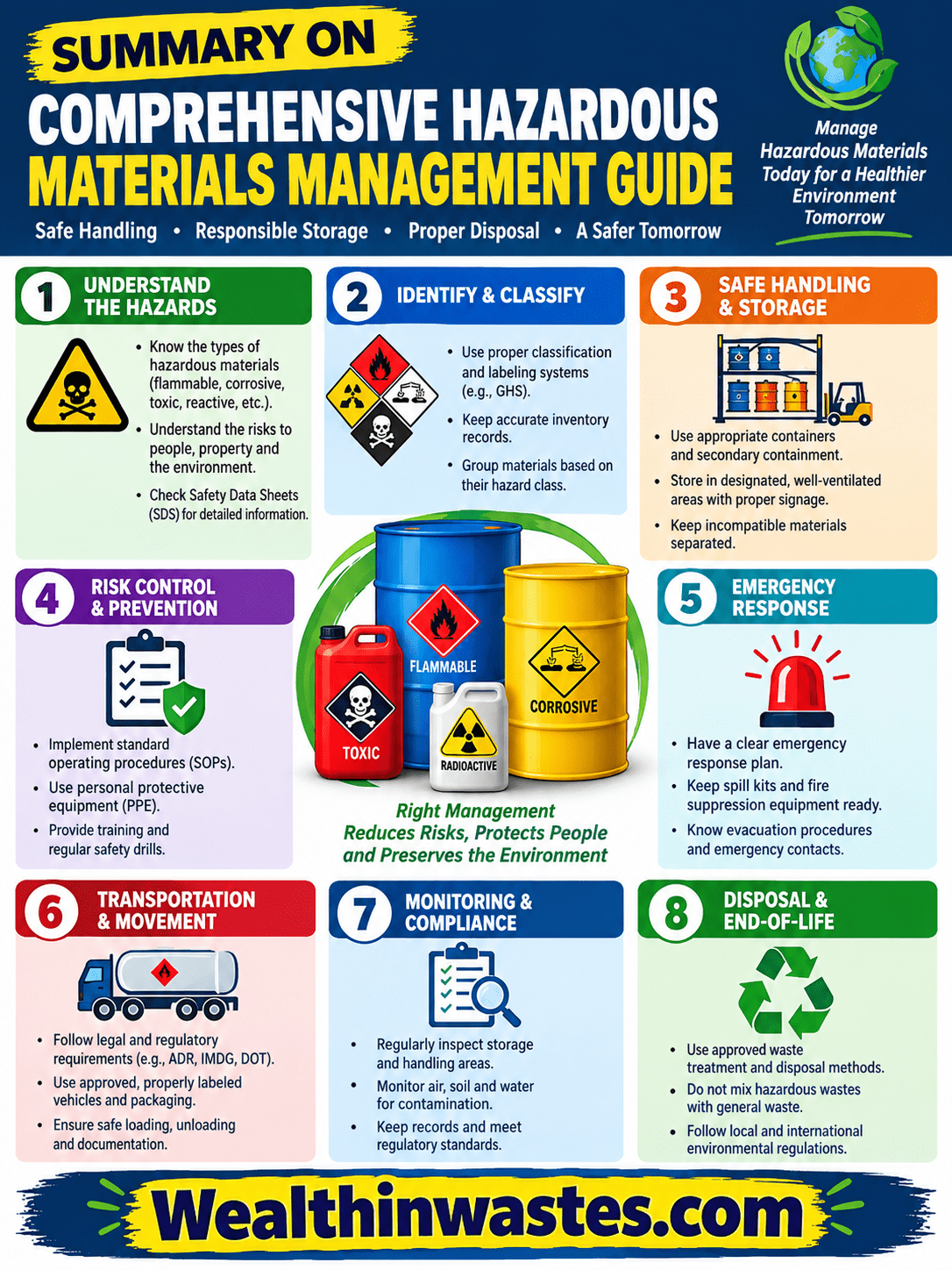
| Akụkụ | Nchịkọta |
|---|---|
| Njikwa Ngwa dị ize ndụ | Ọ na-achịkwa ihe ndị dị ize ndụ n’oge njirimara, nchekwa, njikwa, njem, nzaghachi mberede, ọgwụgwọ na mkpofu. |
| Nkwupụta nchịkwa | TPQ na RQ na-enyere aka ikpebi atụmatụ mberede na ibu ọrụ mkpesa maka ihe ndị dị ize ndụ edoziziri. |
| Nchekwa echekwara | Jiri arịa dakọtara, akara doro anya, ohere dị nchebe, ikuku ikuku kwesịrị ekwesị, nkewa, na ihe mkpofu. |
| Nchekwa ọkụ | Fumigation chọrọ ndị ọrụ a zụrụ azụ, oghere a na-achịkwa, akụrụngwa nchebe, nleba anya, akara, na nrube isi labelụ. |
| Nzaghachi nke mkpofu | Kewapụ ebe o metụtara, chọpụta ihe, jiri nchekwa kwesịrị ekwesị, gbochie mgbasa gburugburu ebe obibi, ma kọwapụta mpụta ndị ruru eru. |
| Mkpofu mkpofu | Ngwa ndị emetọọ chọrọ nchekwa kwesịrị ekwesị, ọgwụgwọ, mbugharị, mgbake, imegharị ihe, ma ọ bụ mkpofu ikpeazụ enyere ikike. |
| Nchedo ndị ọrụ | Ọzụzụ, atụmatụ ihe mberede, akụrụngwa nchebe, nkuzi, nkwurịta okwu, na nyocha ihe merenụ na-ebelata ikpughe ma melite njikere. |
| Nchekwa gburugburu ebe obibi | Mgbochi ntọhapụ na-echebe ala, mmiri dị n’ime ala, mmiri dị n’elu, ogo ikuku, anụ ọhịa, na obodo ndị gbara ya gburugburu. |
| Mbelata mkpofu | Ịzụta nke ọma na iji kemịkal eme ihe nwere ike ibelata ihe fọdụrụ, ihe mkpofu chọrọ, ihe egwu gburugburu ebe obibi, na ụgwọ ọrụ. |
Ajụjụ ndị a na-ajụkarị gbasara ntuziaka njikwa akụrụngwa dị ize ndụ: Omume adịghị mma
1. Kedu ihe bụ njikwa ihe dị ize ndụ?
Nlekọta ihe ndị dị ize ndụ bụ njikwa ahaziri ahazi nke ihe dị ize ndụ site na ịzụrụ na nchekwa site na njikwa, nzaghachi mberede, njem, ọgwụgwọ na mkpofu ikpeazụ.
2. Kedu ihe bụ ọnụọgụ atụmatụ ọnụ ala?
Ọnụ ọgụgụ atụmatụ ọnụ ala bụ ego a kapịrị ọnụ nke ihe dị oke egwu nke nwere ike ịkpalite ibu ọrụ nhazi ihe mberede n’okpuru ihe iwu chọrọ.
3. Gịnị bụ ọnụ ọgụgụ a na-akọ?
Ọnụọgụ a na-akọ akụkọ bụ ego a kapịrị ọnụ nke ihe edoziziri nke mwepụta gburugburu ebe obibi na mberede nwere ike ịchọ ọkwa nye ndị nwe ọrụ.
4. Gịnị mere e ji ewere fumigants dị ka ihe dị ize ndụ?
Ọtụtụ fumigants nwere ike imepụta gas ma ọ bụ vapors na-egbu egbu nke ukwuu. Ijikwa na-ezighi ezi, njichi na-adịghị mma, nchebe na-ezughị ezu, ma ọ bụ nlọghachi azụ azụ nwere ike ikpughe ndị mmadụ n’ihe ize ndụ.
5. Kedu ka esi echekwa ihe ndị dị ize ndụ?
Chekwaa ha na arịa dakọtara, akara, nchekwa nchekwa, ihe dị iche iche na-ekwekọghị ekwekọ, ịnweta njikwa, nye ikuku ikuku kwesịrị ekwesị, ma chebe ebe nchekwa pụọ na ntapu, okpomọkụ, mgbanye, na ntọhapụ gburugburu ebe obibi.
6. Kedu ihe kwesịrị ime ma mmiri mmiri wụsa?
Kewapụ mpaghara ahụ, chọpụta ihe ahụ, soro labelụ na ozi nchekwa, jiri akụrụngwa nchebe kwesịrị ekwesị, gbochie mgbasa gburugburu ebe obibi, ma kọsaa ntọhapụ mgbe ọ dị.
7. Enwere ike iji mmiri hichaa ihe ndị na-agbapụta phosphide?
Ntuzi aka enyere na-adọ aka ná ntị kpọmkwem megide iji mmiri na aluminom ma ọ bụ magnesium phosphide wụfuru n’ihi na mmiri nwere ike ịbawanye ọgbọ phosphine ma mepụta nnukwu nsị ma ọ bụ ọkụ ọkụ.
8. Gịnị mere akwụkwọ mkpofu ihe dị ize ndụ ji dị mkpa?
Ezi akwụkwọ na-edekọ njirimara ihe, ọnụọgụ, ọnọdụ, ihe mere, njem, ọgwụgwọ na mkpofu. Ihe ndekọ ndị a na-eme ka atụmatụ mberede, aza ajụjụ, nnabata, na njikwa gburugburu ebe obibi dị ogologo oge.
9. Kedu ka akụrụngwa nwere ike isi belata ihe mkpofu dị ize ndụ?
Ụlọ ọrụ nwere ike ibelata ihe mkpofu dị ize ndụ site na ịzụrụ nke ọma, ngwa kemịkalụ kpachara anya, mmezi usoro, mgbochi nke mwụfu, mweghachi ma ọ bụ mgbake kwesịrị ekwesị, na njikwa ọrụ nke ihe fọdụrụ na-agaghị ekwe omume.
10. Ònye kwesịrị ịrụ ọrụ nfụkasị ahụ dị ize ndụ?
Ekwesịrị ka ndị ọrụ zụrụ azụ nke ọma, ndị tozuru oke na ikike nke ọma bụ ndị ghọtara ngwaahịa a kapịrị ọnụ, usoro nchebe, usoro ihe mberede, ihe njide chọrọ na ụkpụrụ dị mkpa.
Ị nwere ajụjụ, ntụnye ma ọ bụ onyinye ọ bụla? Ọ bụrụ otu a, biko nweere onwe gị iji igbe nkọwa n’okpuru kesaa echiche gị. Anyị na-agbakwa gị ume ka ị jiri obiọma kesaa ozi a n’etiti ndị ọzọ nwere ike irite uru na ya. Ebe ọ bụ na anyị enweghị ike ịbịaru onye ọ bụla n’otu oge, anyị nwere ekele maka enyemaka gị n’ịgbasa okwu ahụ. Daalụ nke ukwuu maka nkwado gị na maka ịkekọrịta!