



Sanitation services are essential for maintaining clean, safe, and healthy surroundings in homes, schools, workplaces, markets, hospitals, and communities. They support public health by controlling waste, wastewater, pests, contamination, and environmental pollution.
A well-organized sanitation system does more than remove visible dirt and refuse from public spaces. It also supports hygienic water supplies, responsible waste handling, drainage maintenance, toilet management, and safe treatment of contaminated materials.
When sanitation services operate efficiently, communities experience cleaner surroundings and fewer conditions that encourage disease transmission, unpleasant odours, pests, flooding, and environmental degradation. These services therefore contribute directly to physical comfort, safety, and wellbeing.
However, sanitation requires cooperation between households, businesses, service providers, communities, and government authorities. Consistent collection, proper disposal, responsible water management, and good hygiene practices create healthier environments that benefit everyone.
What Are Sanitation Services?
Sanitation services include organized activities that maintain hygienic conditions and reduce exposure to wastes, pollutants, pathogens, and other environmental hazards. These activities may operate at household, institutional, commercial, municipal, or industrial levels.
The scope of sanitation extends beyond street sweeping or refuse collection. Effective services can include toilet maintenance, drainage cleaning, wastewater treatment, waste transportation, recycling support, public toilet management, pest control, and environmental monitoring.
A useful understanding of sanitation begins with recognizing that different waste streams require different approaches. Understanding waste categories helps service providers select suitable collection, treatment, recovery, and disposal methods.
Sanitation also connects strongly with environmental management because poor handling of waste can contaminate land, water, and air. Responsible environmental management practices therefore strengthen sanitation programmes.
Reliable sanitation services should operate routinely rather than only during emergencies or public campaigns. Regular schedules allow waste, wastewater, drainage problems, and other sanitation concerns to receive attention before they become serious community hazards.
Strong sanitation systems also depend on suitable infrastructure, trained workers, reliable equipment, funding, public cooperation, and clear responsibilities. Without these supporting factors, even well-designed sanitation policies may struggle to deliver consistent results.
Read Also: The Impact of Waste to Compost Business
Core Sanitation Services for Healthy Communities

1. Waste Collection: Regular collection prevents refuse from accumulating around homes, roads, markets, and workplaces. Reliable schedules reduce odours, discourage pests, protect drainage channels, and help communities maintain cleaner surroundings throughout the year.
2. Waste Transportation: Collected materials require safe transportation in suitable vehicles or containers. Proper handling during movement reduces littering, spillage, worker exposure, unpleasant odours, and accidental contamination along transportation routes.
3. Waste Treatment and Disposal: Waste treatment and final disposal should match the characteristics and risks associated with each material. Appropriate treatment and disposal methods reduce environmental pollution and public health risks.
4. Drainage Maintenance: Clearing blocked drains helps wastewater and stormwater move safely away from populated areas. Regular maintenance can reduce stagnant water, flooding, foul smells, mosquito breeding conditions, and contact with contaminated materials.
5. Public Toilet Management: Clean and functional public toilets give people safer alternatives to open defecation.Proper cleaning, water availability, ventilation, handwashing facilities, and routine maintenance help protect users and surrounding environments.
6. Recycling and Resource Recovery: Sanitation programmes can support recovery of useful materials by separating recyclable and organic wastes before final disposal. Waste recovery and recycling practices can reduce disposal pressure and conserve resources.
7. Environmental Cleaning: Street sweeping, market cleaning, drain clearing, litter removal, and public-space maintenance improve environmental conditions. Consistent cleaning also reduces materials that attract rodents, insects, stray animals, and disease-causing organisms.
8. Hazardous Waste Handling: Hazardous materials need controlled collection, storage, transportation, treatment, and disposal. Proper hazardous waste management helps prevent toxic exposure, accidental injuries, and contamination of soil, water, and air.
How Sanitation Services Protect Public Health
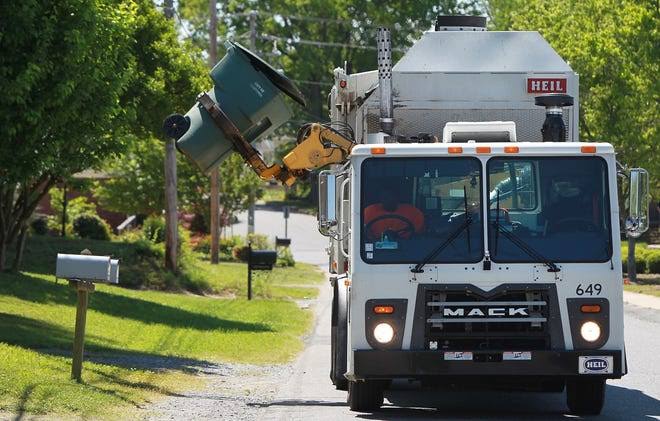
1. Disease Prevention: Effective sanitation reduces contact with human waste, contaminated water, unsafe refuse, and disease-carrying pests. Integrated sanitation and waste management therefore supports prevention of many environmentally transmitted infections.
2. Safer Water: Proper sanitation prevents sewage, chemicals, and waste materials from reaching drinking-water sources. Protecting groundwater, rivers, streams, and storage systems reduces contamination risks and supports safer domestic water use.
3. Cleaner Air: Poor waste practices can generate smoke, dust, gases, and unpleasant odours. Responsible collection and disposal reduce uncontrolled burning and decomposition that may degrade air quality around residential areas.
4. Fewer Pest Problems: Accumulated refuse provides food and shelter for rodents, flies, cockroaches, and other pests. Regular sanitation removes breeding opportunities and helps reduce conditions that allow pest populations to increase rapidly.
5. Safer Healthcare Environments: Healthcare facilities produce infectious, pharmaceutical, and other special wastes that require careful handling. Proper biomedical waste control reduces occupational exposure and environmental contamination.
6. Protection of Vulnerable Groups: Children, older adults, pregnant women, people with weakened immunity, and sanitation workers may face greater exposure risks. Reliable sanitation lowers environmental hazards affecting these vulnerable groups.
7. Better Mental Wellbeing: Clean neighbourhoods can improve comfort, dignity, and residents’ perception of safety. Reducing foul odours, visible refuse, blocked drains, and neglected public spaces can create more pleasant living conditions.
8. Reduced Environmental Exposure: Poorly controlled wastes can contaminate soil and groundwater. Preventing land pollution helps limit human exposure to harmful materials and protects ecological resources that communities depend upon.
Waste Collection and Environmental Hygiene
Waste collection forms one of the most visible parts of sanitation services because residents directly notice whether refuse leaves their surroundings on schedule. Missed collections can quickly produce odours, pests, litter, and overflowing containers.
Effective collection requires suitable containers, dependable vehicles, trained personnel, protective equipment, and accessible routes. Good solid waste management systems coordinate these elements to maintain reliable collection and disposal.
Households and businesses also influence collection performance by separating waste, using approved storage containers, avoiding roadside dumping, and placing materials outside according to established schedules and local sanitation requirements.
Waste reduction can further improve sanitation efficiency because lower waste volumes place less pressure on collection crews, transport systems, treatment facilities, and disposal sites. Household waste reduction practices support this objective.
Environmental hygiene also requires attention to markets, schools, transport terminals, recreational spaces, and other busy locations. These places generate concentrated waste and require consistent cleaning to maintain comfortable and safe public environments.
Properly managed waste can also support resource recovery. Organic materials may become compost, while suitable paper, metals, glass, and plastics can enter recycling systems instead of occupying disposal space unnecessarily.
Water and Wastewater Sanitation
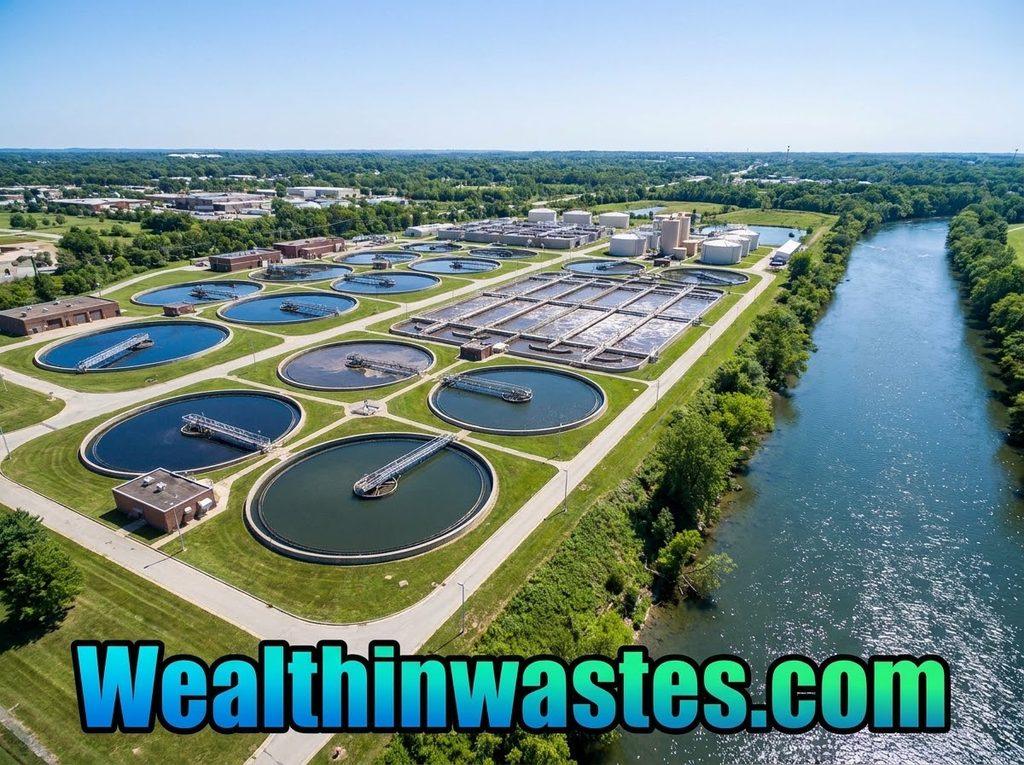
Water sanitation protects communities by controlling contaminants that can enter drinking-water sources through sewage, industrial discharges, agricultural runoff, damaged drainage systems, and poorly managed waste disposal activities.
Wastewater treatment removes or reduces pollutants before discharge or reuse. Wastewater treatment options can include physical, chemical, and biological processes selected according to wastewater characteristics and required effluent quality.
Preliminary treatment removes large debris and grit that could damage equipment or interfere with later treatment stages. Primary treatment then targets settleable and floating materials before further biological processes take place.
Secondary treatment uses microorganisms to reduce biodegradable organic matter and other pollutants. Where stronger treatment is necessary, advanced systems provide additional removal of nutrients, pathogens, dissolved contaminants, or other substances.
Safe wastewater management also requires proper sludge handling because treatment produces residual solids that may contain concentrated pollutants. Responsible sludge treatment processes help manage these materials safely.
Water treatment protects health by reducing contaminants before water reaches consumers. Effective water treatment processes commonly combine coagulation, sedimentation, filtration, and disinfection according to the quality of the source water.
Communities must also prevent pollution at its source because treatment plants cannot replace responsible waste disposal. Water pollution control practices therefore remain essential for protecting rivers, groundwater, lakes, and other water resources.
Industrial facilities need additional controls where wastewater contains unusual chemicals, metals, oils, or process residues. Industrial wastewater treatment systems help protect receiving environments from specialized pollutants.
Sanitation Services for Homes and Businesses
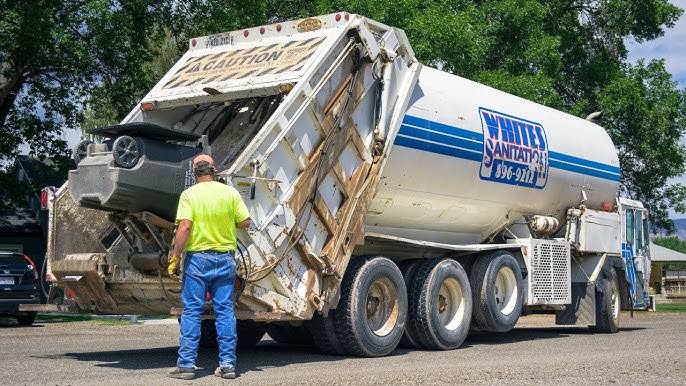
1. Household Waste Storage: Families should keep waste in covered, suitable containers and separate materials where local collection systems allow. Safe storage limits odours, pests, litter, accidental contact, and unnecessary exposure indoors.
2. Kitchen Waste Control: Food scraps should receive suitable handling because decomposing organic matter quickly attracts flies and produces unpleasant smells. Proper kitchen waste management can improve household hygiene considerably.
3. Workplace Sanitation: Businesses need clean toilets, handwashing points, drainage, waste containers, and regular cleaning schedules. These measures improve working conditions while reducing contamination risks for employees, customers, visitors, and surrounding communities.
4. Commercial Waste Management: Shops, restaurants, offices, markets, and factories can generate substantial waste volumes. Suitable commercial waste disposal systems help businesses manage materials safely and maintain hygienic premises.
5. Source Reduction: Preventing unnecessary waste reduces the amount requiring collection and treatment. Waste minimization at source encourages efficient purchasing, material use, reuse, recycling, and better operational practices.
6.Organic Waste Recovery: Food residues, leaves, and other suitable biodegradable materials can become compost instead of accumulating in mixed waste. Proper recovery supports sanitation while returning useful organic matter to productive soil systems.
7. Safe Hazardous Materials: Batteries, chemicals, pesticides, medical materials, and similar wastes should never enter ordinary household or commercial waste streams without suitable controls. Separate handling reduces exposure and accidental contamination.
8. Cleaning Schedules: Homes and workplaces benefit from planned cleaning routines covering floors, toilets, drains, waste containers, storage areas, and frequently touched surfaces. A predictable schedule makes hygiene responsibilities easier to maintain consistently.
Read Also: A Guide to Waste Management Case Studies
Challenges That Limit Sanitation Services
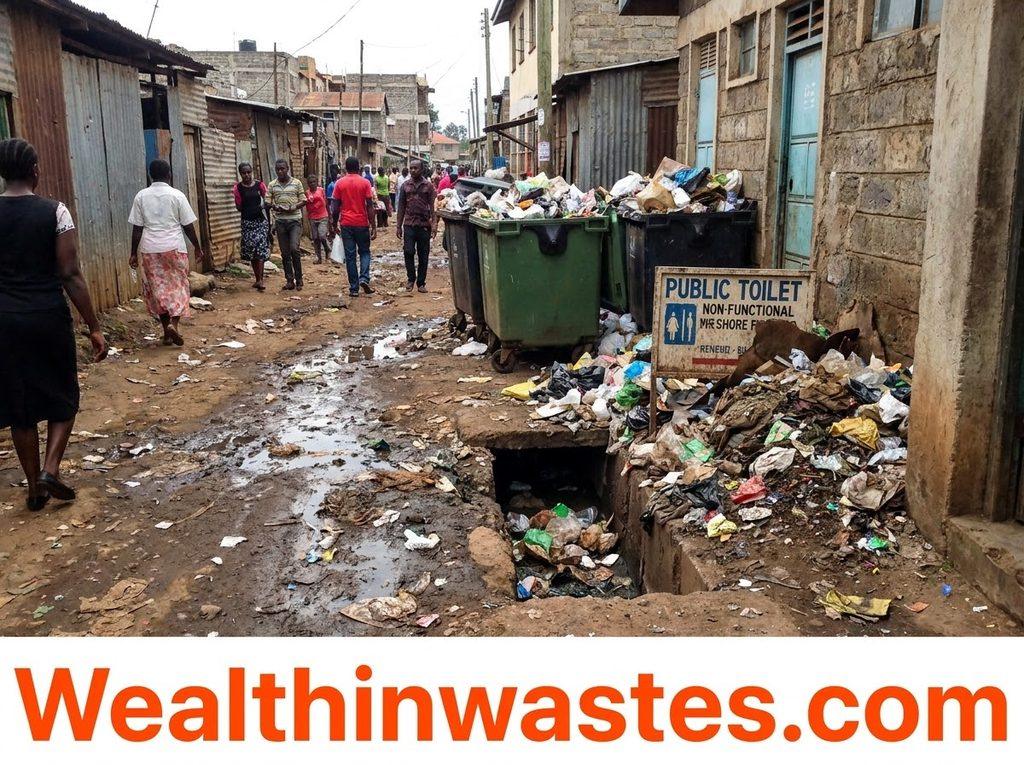
Rapid population growth can increase waste generation faster than existing collection, transportation, treatment, and disposal systems can handle. This imbalance may create overflowing containers, illegal dumping, blocked drains, and environmental deterioration.
Limited funding also affects sanitation programmes by restricting equipment purchases, worker training, infrastructure development, maintenance, and service expansion. Long-term sanitation improvements therefore require dependable financing alongside effective administration.
Weak public participation can create additional problems when residents dump waste outside collection points, mix incompatible materials, damage facilities, or ignore collection schedules. Successful sanitation requires cooperation rather than dependence on service providers alone.
Hazardous and special wastes create another challenge because ordinary collection systems may not have suitable containers, vehicles, treatment facilities, or trained workers. Their improper handling can produce serious environmental and occupational risks.
Industrial activities may introduce complex pollutants that need specialized treatment. Industrial waste management controls help reduce risks from chemicals, heavy metals, process residues, and contaminated wastewater.
Urban development can also increase pressure on available disposal locations. Suitable sites need careful assessment because geology, soil, hydrology, accessibility, climate, and surrounding land uses can influence environmental safety.
Another concern involves uncontrolled dumping and burning, which can pollute land, water, and air while increasing exposure to harmful materials. Recognizing waste disposal impacts helps communities understand why safer alternatives matter.
Ways to Improve Sanitation Services
1. Strengthen Collection Systems: Authorities and service providers should establish dependable collection routes, appropriate schedules, adequate containers, and reliable vehicles. Consistency encourages public cooperation and reduces waste accumulation across communities.
2. Encourage Source Separation: Separating organic, recyclable, hazardous, and residual materials improves treatment efficiency and resource recovery. It also reduces contamination that can make recycling, composting, and other recovery activities more difficult.
3. Expand Waste Reduction: Communities can reduce sanitation pressure by preventing unnecessary waste generation. Repair, reuse, careful purchasing, refill systems, and recycling can reduce the quantities requiring collection and final disposal.
4. Improve Wastewater Infrastructure: Proper drainage, sewer systems, treatment facilities, septic management, and maintenance programmes help prevent untreated wastewater from reaching homes, roads, farms, rivers, and groundwater supplies.
5. Support Recycling and Composting: Organic materials can undergo controlled decomposition, while suitable dry materials can enter recycling systems. Innovative waste treatment approaches can further improve recovery and resource-use efficiency.
6.Train Sanitation Workers: Workers need suitable protective clothing, tools, equipment, training, supervision, and occupational safety procedures. Protecting sanitation workers improves service quality while reducing preventable workplace injuries and exposure.
7. Increase Public Education: Residents need clear information about waste separation, collection schedules, toilet hygiene, drainage protection, litter prevention, and safe disposal. Practical education makes sanitation responsibilities easier to understand and follow.
8. Build Strong Partnerships: Government agencies, private operators, community groups, businesses, schools, and households should coordinate sanitation activities. Effective waste management strategies become stronger when responsibilities, standards, monitoring, and communication remain clearly defined.
9. Monitor Environmental Conditions: Authorities should regularly assess waste accumulation, drainage, water quality, disposal facilities, treatment performance, complaints, and sanitation coverage. Reliable monitoring helps identify problems early and supports evidence-based improvements.
10. Promote Sustainable Practices: Sanitation planning should consider long-term environmental protection, resource recovery, cost efficiency, and community needs. Sustainable systems protect present populations while preserving environmental resources for future generations.
Summary on Impact of Sanitation Services on Health and Wellbeing
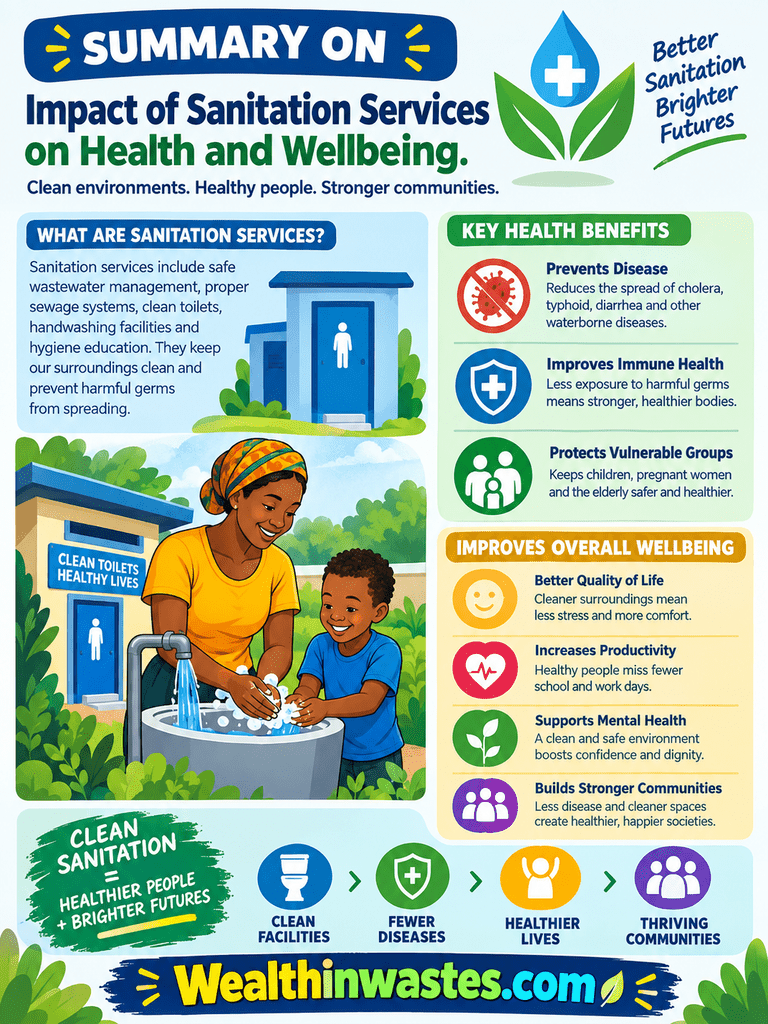
| Aspect | Summary |
|---|---|
| Sanitation Services | Organized activities that maintain hygienic conditions and reduce exposure to waste, pollutants, pathogens, and environmental hazards. |
| Waste Collection | Removes refuse from homes, businesses, markets, streets, and institutions to prevent accumulation and environmental nuisance. |
| Public Health | Good sanitation reduces exposure to contaminated waste, unsafe water, pests, pollutants, and disease-causing organisms. |
| Wastewater | Treatment reduces pollutants before wastewater discharge or reuse, protecting people and receiving environments. |
| Water Protection | Sanitation prevents sewage, chemicals, and wastes from contaminating drinking-water sources and groundwater. |
| Households | Proper storage, cleaning, waste separation, toilet maintenance, and responsible disposal improve domestic hygiene. |
| Businesses | Commercial premises need dependable collection, suitable storage, clean facilities, drainage maintenance, and responsible disposal. |
| Challenges | Population growth, inadequate funding, weak infrastructure, poor participation, and improper waste handling can limit service effectiveness. |
| Improvement | Better infrastructure, worker training, public education, source separation, monitoring, recycling, and coordinated management strengthen sanitation services. |
Read Also: The Impact of Waste to Compost Business
Frequently Asked Questions About Sanitation Services: Impact on Health and Wellbeing
1. What are sanitation services?
Sanitation services are organized activities that maintain hygienic environments through waste collection, cleaning, wastewater management, toilet maintenance, drainage control, treatment, and responsible disposal.
2. Why are sanitation services important?
They protect public health, reduce environmental contamination, control pests, improve living conditions, and support cleaner communities.
3. How do sanitation services prevent disease?
They reduce contact with human waste, contaminated water, improperly managed refuse, disease-carrying pests, and other environmental hazards.
4. What does sanitation include besides waste collection?
Sanitation can include wastewater treatment, drainage maintenance, public toilet management, environmental cleaning, recycling support, hazardous waste handling, and hygiene education.
5. How does sanitation affect wellbeing?
Clean surroundings can improve comfort, dignity, safety, environmental quality, and overall living conditions while reducing unpleasant odours and visible pollution.
6. Why is wastewater treatment important?
Wastewater treatment reduces pollutants and harmful organisms before discharge or reuse, helping protect people, soil, groundwater, rivers, and other receiving environments.
7. How can households support sanitation services?
Households can store waste properly, follow collection schedules, separate materials, maintain toilets and drains, avoid littering, and dispose of hazardous materials safely.
8. What challenges affect sanitation services?
Common challenges include inadequate funding, weak infrastructure, rapid population growth, irregular collection, poor public participation, limited treatment capacity, and unsafe disposal practices.
Do you have any questions, suggestions, or contributions? If so, please feel free to use the comment box below to share your thoughts. We also encourage you to kindly share this information with others who might benefit from it. Since we can’t reach everyone at once, we truly appreciate your help in spreading the word. Thank you very much for your support and for sharing!
Read Also: Overview of Public Health Laws and Hospitality Sanitation