


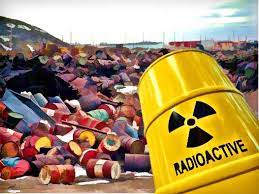
Management of hazardous wastes has remained an important environmental concern because toxic materials can threaten human health, contaminate ecosystems, and create long-term social and economic consequences when authorities fail to regulate them properly.
International environmental governance has therefore developed rules controlling the generation, handling, transportation, treatment, storage, and disposal of hazardous materials, especially where their movement crosses national boundaries or places communities at risk.
Countries have also created domestic laws and regulatory institutions to complement international agreements, ensuring industries, households, transporters, and disposal facilities handle dangerous materials according to established environmental and public-health requirements.
The concern became especially urgent after hazardous waste shipments reached developing countries with weaker waste-management systems, leading governments and international organizations to demand stronger controls against illegal dumping and unsafe disposal.
These developments produced major international frameworks, particularly the Basel Convention and Bamako Convention, which established important principles for controlling toxic substances and hazardous wastes while protecting people and ecosystems.
Global Need For Toxic Substances Regulation
International concern over hazardous wastes entered the environmental policy agenda strongly during the early 1980s, when the United Nations Environment Programme identified hazardous waste management among priority areas for environmental law.
The growth of industrial production increased the quantity and diversity of dangerous materials entering waste streams, creating greater opportunities for toxic chemicals to reach soil, water, air, wildlife, and human populations.
Modern hazardous waste management practices emphasize identification, safe storage, transportation, treatment, recovery, and final disposal because uncontrolled handling can create environmental contamination and serious public-health risks.
International regulation became particularly important where wealthier countries generated large quantities of dangerous wastes and attempted to move those materials into countries lacking adequate infrastructure for safe treatment or disposal.
The regulatory response seeks to prevent environmental injustice by requiring countries to accept responsibility for wastes they generate and by discouraging the transfer of hazardous materials to vulnerable communities.
Effective regulation also encourages waste reduction at source, safer production technologies, responsible chemical use, proper documentation, and environmentally sound disposal instead of relying entirely on end-of-pipe treatment.
Read Also : Analysis of Some Hazardous and Toxic Substances
Basel Convention and Toxic Substances
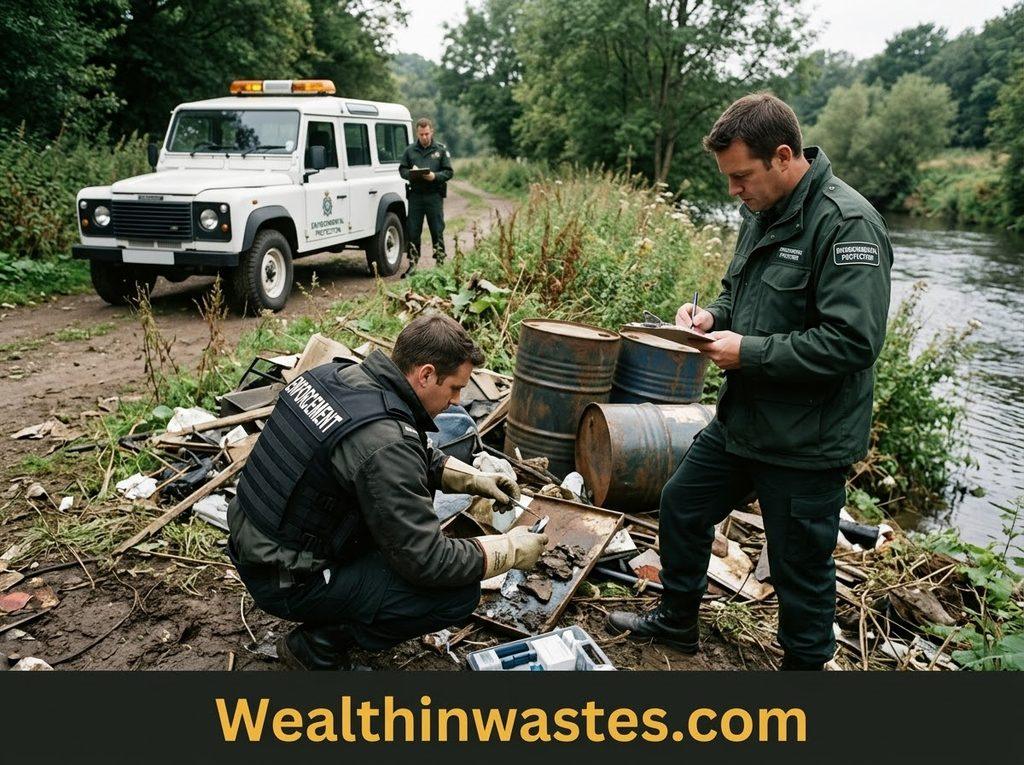
The Basel Convention on the Control of Trans-boundary Movements of Hazardous Wastes and Their Disposal was adopted on 22 March 1989 under United Nations sponsorship.
The Convention entered into force on 5 May 1992 and established an international framework for controlling hazardous waste movements while encouraging environmentally sound management of dangerous waste materials.
The agreement emerged partly from international alarm following discoveries during the 1980s of toxic waste deposits in Africa and other developing regions after shipments arrived from abroad.
The household hazardous waste rules discussed by WealthInWastes illustrate why regulatory control matters, because paints, solvents, pesticides, batteries, automotive products, and chemicals can create risks outside industrial facilities.
The Convention requires exporting states to notify importing states and obtain their written consent before permissible shipments proceed, thereby creating a system based on prior informed decisions.
It also requires parties to ensure that hazardous waste reaches appropriate facilities and receives environmentally sound treatment, rather than allowing international movement to become a method of avoiding domestic responsibility.
The classification of hazardous waste sources helps explain why regulatory systems distinguish industrial chemicals, commercial products, pesticides, heavy metals, solvents, and other hazardous materials according to their characteristics.
Basel Governance And Major Developments
1. Basel Ban: The Basel Ban Amendment strengthened controls on hazardous waste exports by addressing shipments from developed countries toward developing countries, emphasizing stronger protection for countries receiving dangerous waste.
2. Liability Protocol: The Basel Protocol on Liability and Compensation was adopted in 1999 to address responsibility and compensation for damage associated with trans-boundary movements of hazardous wastes.
3. Compliance Mechanism: The Convention established mechanisms supporting implementation and compliance, helping parties identify difficulties, encourage cooperation, and improve their ability to satisfy treaty obligations.
4. Convention Cooperation: Basel governance works alongside the Rotterdam Convention and Stockholm Convention, creating stronger international coordination for hazardous chemicals, pesticides, and persistent organic pollutants.
5. Technical Cooperation: International cooperation supports countries through information exchange, capacity building, technical guidance, environmentally sound management practices, and stronger institutional systems for hazardous waste control.
Objectives Of Hazardous Waste Controls
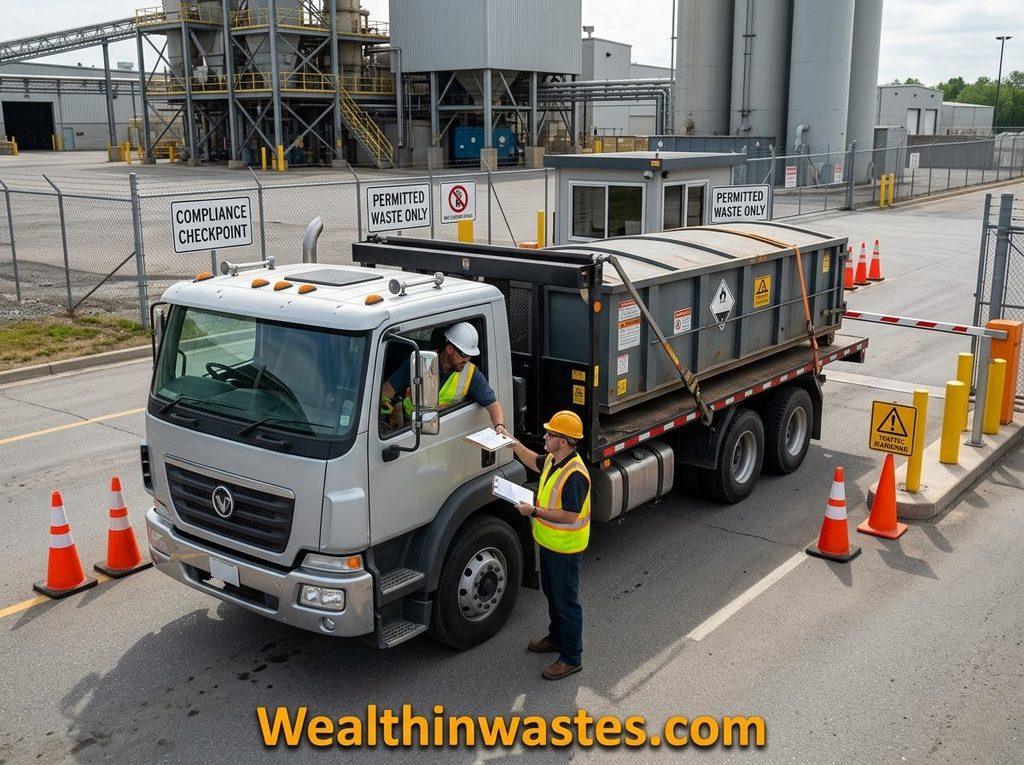
The first major objective involves reducing hazardous waste generation wherever practical, because preventing dangerous waste at the source generally provides greater environmental protection than attempting to manage larger quantities later.
The characteristics of hazardous wastes determine the risks regulators must address, including toxicity, corrosivity, flammability, reactivity, persistence, and other properties capable of harming living organisms.
A second objective promotes environmentally sound management, requiring hazardous materials to move through controlled systems that minimize accidental releases, worker exposure, environmental contamination, and inappropriate disposal.
A third objective restricts international movement except when the movement satisfies environmental requirements, legitimate recovery needs, and applicable consent procedures established between participating states.
The effects of waste on the environment demonstrate the broader reason for these objectives because poorly controlled waste can contaminate natural resources and reduce environmental quality.
Another objective establishes a regulatory system for permissible trans-boundary movements, ensuring authorities can monitor shipments, verify documentation, identify responsible parties, and intervene when requirements are violated.
The proximity principle also encourages disposal near the place where hazardous waste originates whenever technically and environmentally appropriate, reducing unnecessary transportation risks and strengthening generator responsibility.
Obligations Under The Basel Convention
1. Import Restrictions: Parties that prohibit hazardous waste imports must inform other parties of their decisions, allowing international partners and exporters to recognize national restrictions before arranging shipments.
2. Written Consent: Exporting states must not permit shipments when the importing state has prohibited the material or has not provided written consent to the specific movement.
3. Safe Management: Countries involved in permissible movements must ensure hazardous wastes receive environmentally sound management, preventing improper treatment and disposal after international transportation.
4. Correct Information: Parties must provide accurate information about hazardous waste movements, supporting regulatory oversight and allowing authorities to assess risks before materials cross international boundaries.
5.Legal Cooperation: Parties should cooperate on prevention, monitoring, technical assistance, and enforcement, strengthening national systems that control toxic substances and hazardous waste from generation through disposal.
Strong implementation requires accurate waste classification before movement occurs. The difference between solid waste and hazardous waste helps organizations determine whether special regulatory requirements apply.
Industrial facilities also need reliable control systems because production activities can release chemicals, solvents, metals, residues, and contaminated materials that require specialized management.
The environmental impacts of industrial wastes show why regulators focus strongly on factories, processing plants, laboratories, refineries, workshops, and other facilities that handle hazardous substances.
Permitted Exceptions And Safe Waste Movement
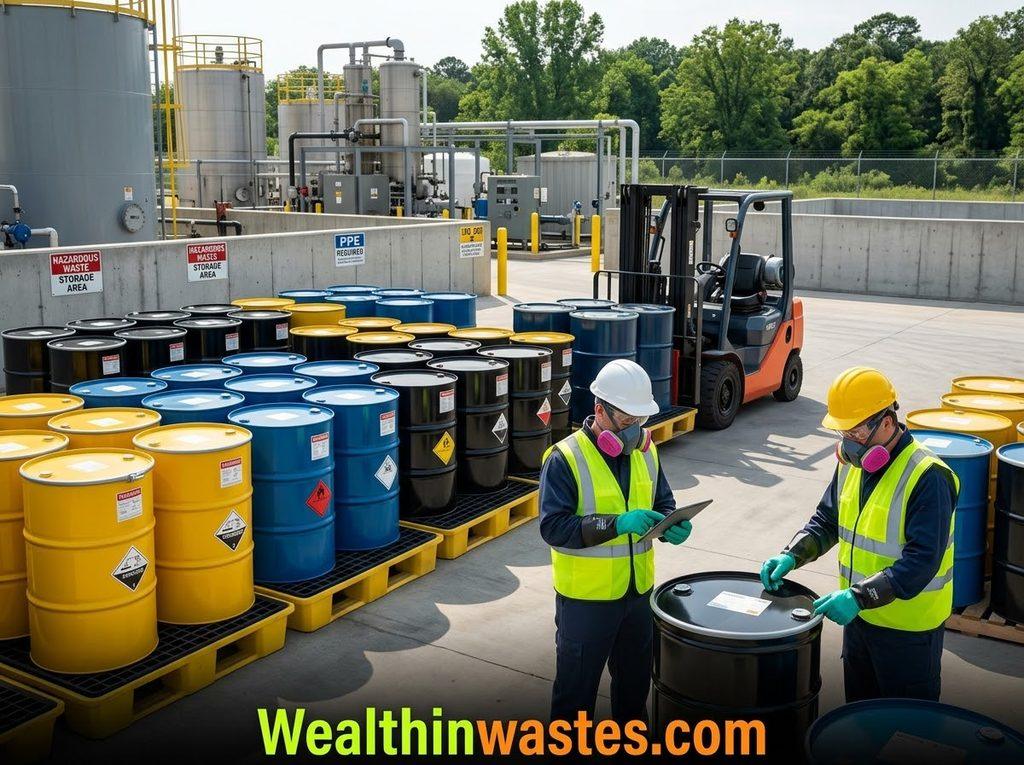
The Basel framework does not prohibit every international movement of hazardous waste. It permits certain movements when they meet established conditions and support environmentally sound management.
One circumstance involves situations where the exporting state lacks the necessary technical capacity, suitable facilities, or appropriate disposal sites for environmentally sound treatment.
Another circumstance occurs when hazardous materials serve as legitimate raw materials for recycling or recovery industries located in the importing state.
Even when a movement qualifies for an exception, authorities must maintain appropriate documentation, consent procedures, transportation controls, and environmental safeguards throughout the process.
The proper disposal of chemical waste demonstrates the importance of matching dangerous materials with appropriate treatment methods rather than transferring risks from one location to another.
Pesticide waste provides another practical example. The safe disposal of pesticide containers requires proper handling because residues can contaminate soil, groundwater, and surface water.
Waste reduction remains preferable whenever possible. The reduction of waste generation lowers the quantity requiring transportation, treatment, storage, or final disposal.
Bamako Convention And African Controls
1. Import Ban: The Bamako Convention prohibits the import of hazardous wastes into Africa by non-parties, reflecting strong regional opposition to using African countries as destinations for dangerous waste materials.
2. Sea Dumping Control: The Convention prohibits the dumping of hazardous wastes at sea, strengthening regional protection against disposal practices that could contaminate marine ecosystems and coastal communities.
3. Radioactive Materials: Unlike the Basel framework’s general waste categories, Bamako incorporates radioactive properties within its hazardous waste controls, reflecting Africa’s broader approach to protecting human health and environmental resources.
4. Toxicity Categories: The Convention recognizes properties including explosiveness, flammability, oxidizing behavior, organic peroxide characteristics, acute poisoning, corrosiveness, chronic toxicity, and ecological toxicity.
5. African Responsibility: The regional framework encourages African countries to strengthen domestic capacity, cooperation, monitoring, and environmentally sound management rather than depending on external disposal arrangements.
The Bamako Convention developed from growing concern about hazardous waste dumping and reinforced Africa’s position that environmental protection must accompany trade, industry, and economic development.
Agriculture can also generate hazardous materials through pesticides, fertilizers, veterinary chemicals, oils, and contaminated containers. The sources of agricultural hazardous waste therefore deserve regulatory attention.
Improper agricultural waste disposal can create contamination pathways affecting food, farmland, water bodies, livestock, workers, and nearby communities.The environmental effects of agricultural wastes reinforce this concern.
Read Also: Proper Waste Reduction Process
National Enforcement And Environmental Protection
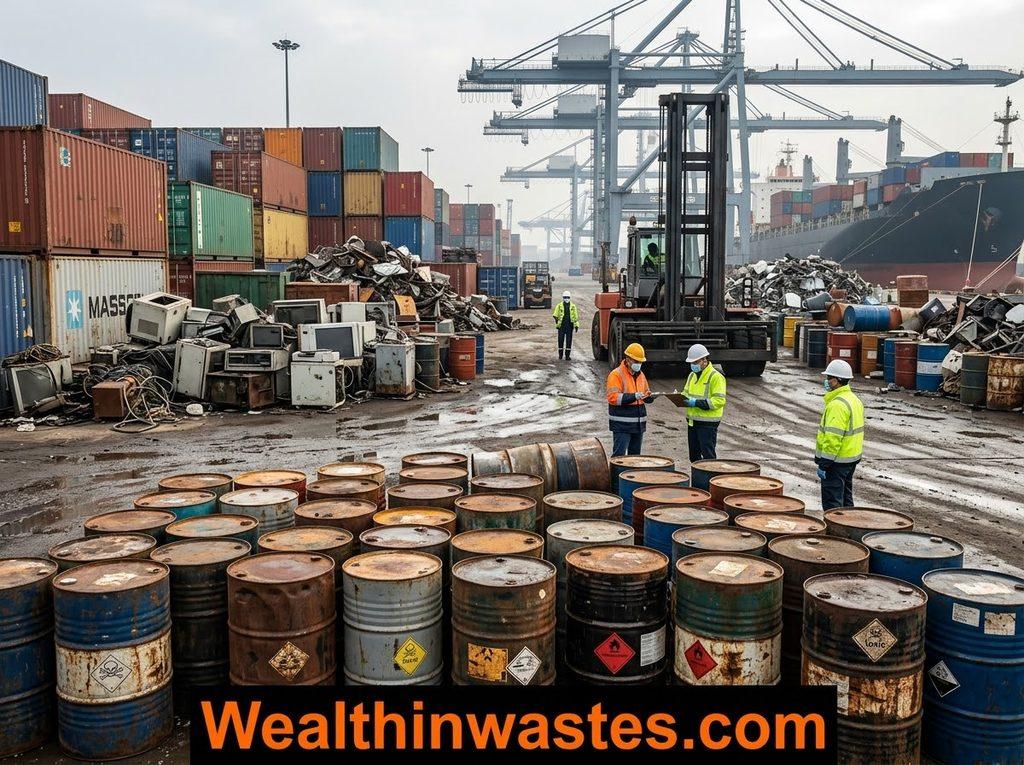
International conventions establish broad responsibilities, but national governments remain essential for translating treaty commitments into enforceable rules governing industries, waste handlers, transporters, importers, exporters, and disposal facilities.
Effective national enforcement requires clear definitions, licensing requirements, inspection procedures, reporting systems, penalties, emergency-response arrangements, and technical standards covering hazardous and toxic substances.
The sources of industrial waste show why regulators need sector-specific controls because chemical plants, metal industries, petroleum operations, manufacturing facilities, and other industries generate different hazardous materials.
Households also require practical guidance because dangerous substances do not exist only inside factories. Batteries, solvents, pesticides, automotive fluids, cleaning chemicals, and certain electronic products can enter ordinary waste streams.
Electronic products may contain substances such as lead, mercury, and cadmium. The proper management of electronic waste therefore forms part of wider toxic-substance control.
Medical facilities similarly generate chemical, pharmaceutical, infectious, and other hazardous waste requiring specialized management. The sources of biomedical special waste demonstrate the range of materials requiring careful segregation.
Water protection remains another enforcement priority because hazardous substances can move through drains, rivers, groundwater systems, and wastewater. The protection of underground water and aquifers therefore supports long-term environmental security.
Environmental agencies should combine prevention with enforcement, encouraging cleaner production while imposing meaningful sanctions against illegal dumping, unauthorized transportation, unsafe storage, and other practices that expose communities.
The social response to environmental pollution also matters because effective toxic-substance regulation depends on informed citizens, responsible businesses, transparent institutions, and public participation in environmental protection.
Waste management policies should therefore connect hazardous-material controls with recycling, recovery, treatment, and source reduction. Proper recycling systems can reduce pressure on disposal facilities and promote responsible resource use.
The importance of proper waste management becomes especially clear when hazardous materials require controlled handling from the point of generation through final treatment or disposal.
Economic considerations should also support enforcement because pollution creates cleanup costs, health expenses, productivity losses, ecosystem damage, and other burdens that can exceed the cost of preventing contamination.
Summary on Regulations and Laws Governing Hazardous and Toxic Substances
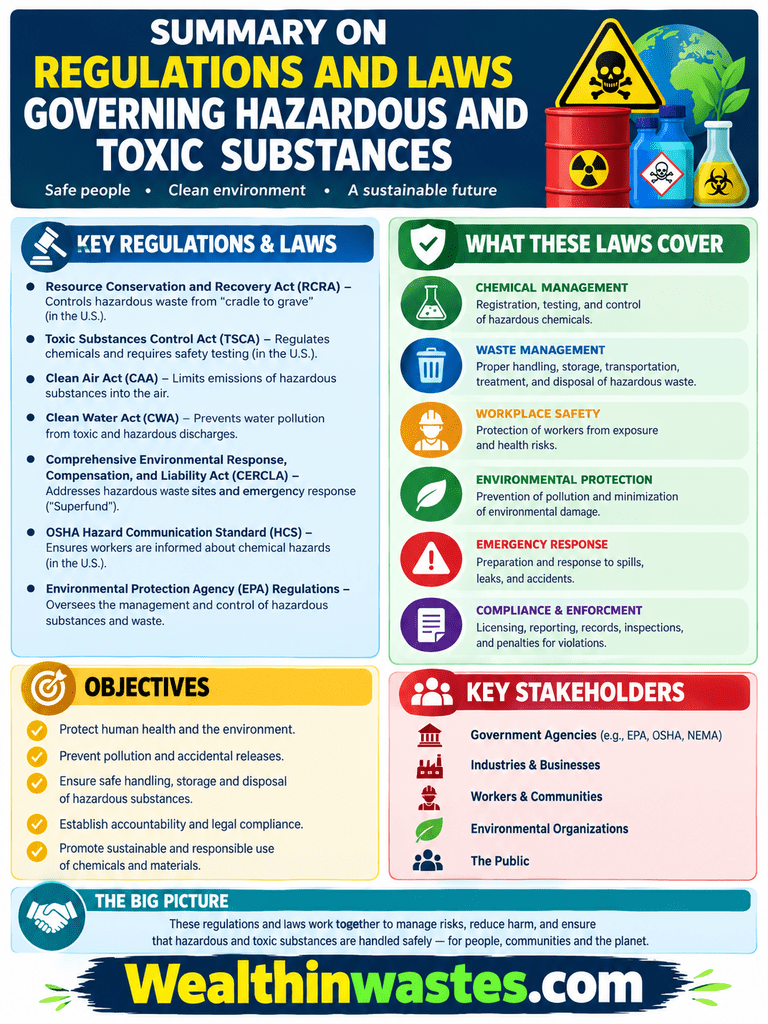
| Area | Key Point |
|---|---|
| International Concern | Hazardous wastes require strong controls because improper management can harm people and ecosystems. |
| Basel Convention | Controls trans-boundary movements and promotes environmentally sound management of hazardous wastes. |
| Prior Consent | Permissible exports generally require written consent from the importing state. |
| Basel Objectives | Reduce hazardous waste generation, restrict unnecessary movement, and establish regulatory controls. |
| Exceptions | Certain movements may proceed when suitable conditions and environmentally sound management requirements apply. |
| Bamako Convention | Provides stronger African controls, including restrictions on hazardous waste imports into Africa. |
| National Laws | Countries must translate international responsibilities into enforceable domestic rules and practical controls. |
| Environmental Protection | Effective regulation reduces contamination risks and protects water, soil, air, wildlife, workers, and communities. |
Frequently Asked Questions About Regulations and Laws Governing Hazardous and Toxic Substances
1. What are toxic substances?
Toxic substances are materials that can cause harmful effects to humans, animals, plants, or ecosystems when exposure occurs at dangerous levels.
2. What is the Basel Convention?
It is an international environmental agreement controlling trans-boundary movements of hazardous wastes and promoting environmentally sound waste management.
3. What does prior informed consent mean?
It means an importing country should receive relevant information and provide written consent before a regulated hazardous waste shipment proceeds.
4. What is the Bamako Convention?
It is an African regional treaty that prohibits hazardous waste imports into Africa by non-parties and strengthens controls on hazardous waste management within Africa.
5. Why are hazardous wastes regulated?
They are regulated to prevent contamination, unsafe exposure, illegal dumping, environmental damage, public-health problems, and uncontrolled international waste movements.
6. Can hazardous waste ever cross borders?
Yes. Certain movements may occur when treaty conditions apply, the required consent exists, and environmentally sound management can be demonstrated.
7. What hazardous waste characteristics concern regulators?
Important characteristics include toxicity, corrosiveness, ignitability, reactivity, persistence, and ecological risks capable of producing serious harm.
8. Why do national laws matter?
National laws turn international obligations into practical requirements for licensing, inspection, transportation, storage, treatment, disposal, reporting, and enforcement.
9. Why is hazardous waste reduction important?
Reducing hazardous waste at source lowers handling requirements, transportation risks, treatment costs, disposal burdens, and opportunities for environmental contamination.
10. Which sectors commonly generate hazardous waste?
Common sectors include manufacturing, petroleum, agriculture, healthcare, laboratories, metal processing, construction, households, and electronic equipment production.
Do you have any questions, suggestions, or contributions? If so, please feel free to use the comment box below to share your thoughts. We also encourage you to kindly share this information with others who might benefit from it. Since we can’t reach everyone at once, we truly appreciate your help in spreading the word. Thank you very much for your support and for sharing!
Read Also: Proper Farm Waste Management Guide