


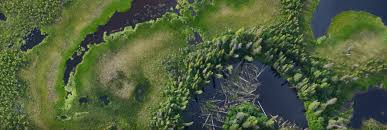
Natural resources include soil, water, forests, minerals, wildlife, and other materials that support human societies and ecological systems. Their management directly influences livelihoods, economic activity, environmental quality, and ecosystem resilience.
Management of natural resources seeks to meet present needs while maintaining the ecological functions that allow resources to regenerate and remain available. Poor decisions can instead accelerate depletion, pollution, habitat loss, and biodiversity decline.
Agriculture and mining illustrate how resource use can produce economic benefits alongside ecological pressures. Farming can alter soil and water processes, while mining can transform landscapes and introduce contaminants into surrounding environments.
The ecological consequences often extend beyond the immediate project area. Runoff can transport nutrients and pollutants, disturbed land can increase erosion, and atmospheric emissions can affect vegetation, wildlife, water quality, and human settlements.
Understanding these pathways helps communities, farmers, industries, and environmental managers identify risks earlier and apply conservation measures. Effective management therefore requires resource efficiency, pollution prevention, land restoration, monitoring, and long-term ecosystem protection.
Natural Resource Management and Ecological Balance
Natural resource management affects ecological balance because ecosystems supply materials, regulate water, cycle nutrients, store carbon, and provide habitats. Resource decisions can strengthen these functions or reduce their capacity to recover.
Healthy ecosystems often depend on maintaining connected relationships among soil, water, vegetation, wildlife, and atmospheric processes. Excessive extraction or disturbance can interrupt those relationships, creating ecological effects that become more difficult to reverse.
Effective management recognizes carrying capacity, renewal rates, and environmental limits before resource use expands. Guidance on resource stewardship emphasizes protecting productive land while addressing degradation associated with intensive resource development.
Land conversion can remove vegetation, expose soil, alter drainage, and reduce habitat quality. These changes may also fragment ecosystems, limiting movement and breeding opportunities for species that require continuous habitats across wider landscapes.
Biodiversity losses can reduce ecological stability because different organisms perform complementary roles such as pollination, decomposition, nutrient cycling, pest regulation, and food production. These ecological roles also support productive landscapes.
Where development pressures remain high, long-term planning can reduce cumulative ecological damage. Agricultural land degradation demonstrates how persistent changes in soil, vegetation, and water relations can reduce land productivity and environmental resilience.
Read Also: Environmental Psychology and Ecological Theory
Management of Natural Resources in Farming
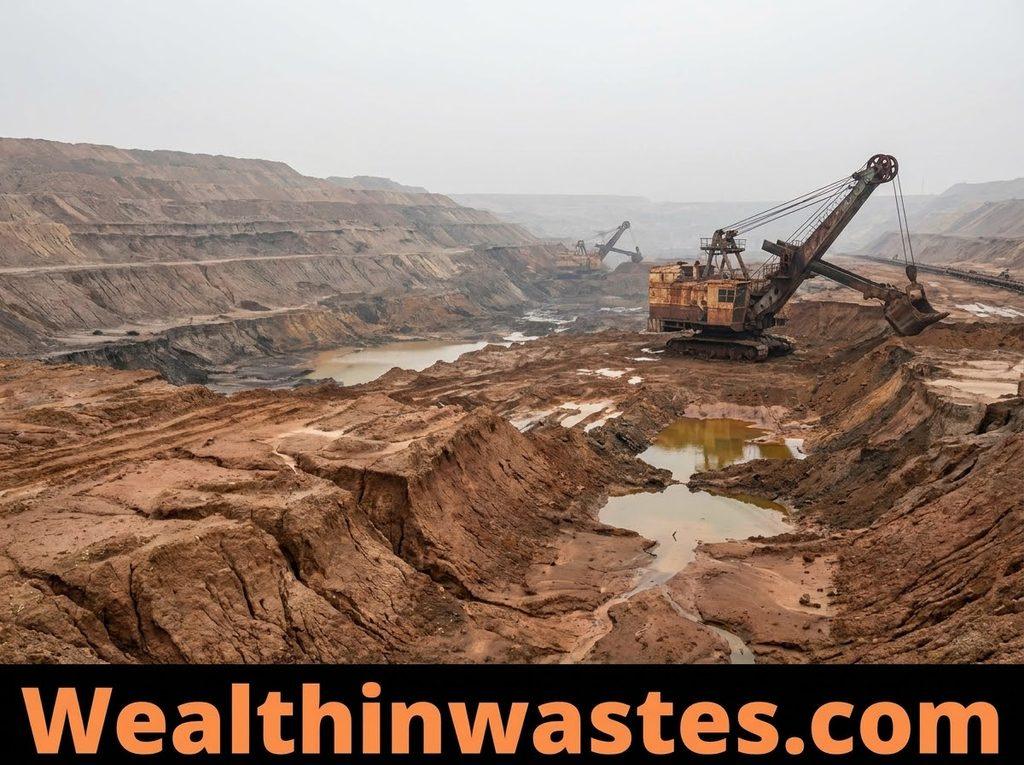
1. Soil Protection: Farming can conserve natural resources by maintaining cover, improving soil structure, reducing unnecessary disturbance, and protecting organic matter. Soil erosion control supports these goals across cultivated landscapes.
2. Soil Quality Management: Balanced fertilization, suitable tillage, crop rotation, organic amendments, and responsible irrigation can maintain productive soil conditions. These practices help preserve nutrient availability, structure, infiltration, and biological activity.
3. Chemical Input Control: Excessive pesticides and fertilizers can change soil chemistry and biology, while repeated applications may introduce trace contaminants. Responsible application helps limit cumulative chemical pressure and maintain healthy soil communities.
4. Water-Sensitive Farming: Efficient irrigation and careful nutrient application reduce losses from fields into streams and groundwater.Understanding toxicant mobility in soil helps managers limit leaching and protect connected ecosystems.
Management of Natural Resources and Water Quality
1. Runoff Control: Nutrients, pesticides, sediments, and dissolved chemicals can leave cultivated fields during rainfall and irrigation. Sources of water pollution show why diffuse agricultural runoff requires careful land and drainage management.
2. Nutrient Management: Nitrogen and phosphorus that exceed crop requirements can enter receiving waters, stimulating excessive plant and algal growth. Water pollution classifications distinguish agricultural pollution from municipal and industrial sources.
3. Eutrophication Prevention: Excess nutrient enrichment can trigger algal blooms, increased decomposition, and declining dissolved oxygen. These changes can simplify aquatic communities and food webs and reduce the ecological quality of receiving waters.
4. Groundwater Protection: Leached nitrates, pesticides, and dissolved contaminants can move through soil toward aquifers. Appropriate application rates, buffer areas, drainage controls, and monitoring can reduce pollution pathways and protect groundwater-dependent ecosystems.
Land Degradation From Mining Projects
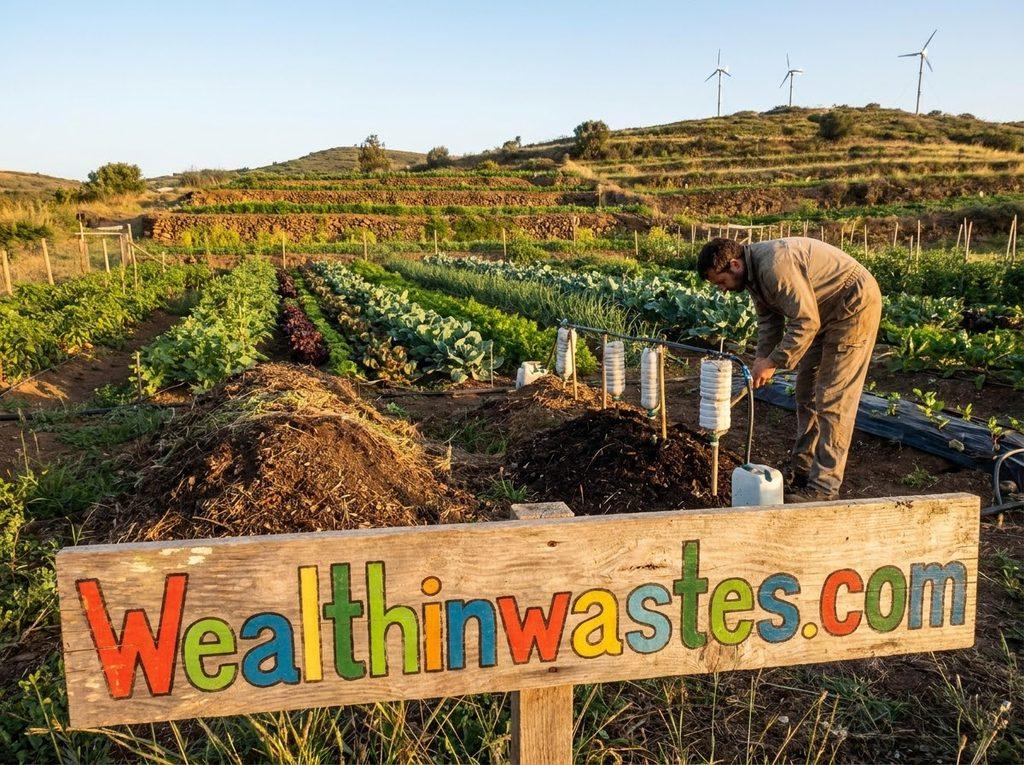
1. Land Conversion: Mining removes vegetation, topsoil, and rock to access mineral deposits, transforming landscapes and habitats. Global water-quality conditions also show how extraction can disturb drainage and contaminate receiving waters.
2. Waste Generation: Extraction and processing generate waste rock, tailings, dust, and effluents that require controlled storage and treatment. Such waste streams can introduce contaminants into water and surrounding ecosystems when controls fail.
3. Habitat Disruption: Roads, pits, stockpiles, processing areas, and other infrastructure fragment habitats and increase disturbance. Mining-related industrial waste impacts can compound ecological pressure through chemical discharges and altered environmental conditions.
4. Restoration Planning: Closure plans should address contaminated materials, unstable landforms, drainage, vegetation recovery, and long-term monitoring. Early restoration planning can reduce ecological liabilities and improve the prospects for recovering ecosystem functions after extraction.
Management of Natural Resources and Acid Drainage
Acid mine drainage develops when sulfide-bearing materials react with oxygen and water, producing acidic drainage. The resulting water can mobilize dissolved metals and transport contaminants into streams, rivers, and groundwater.
Drainage may emerge from waste rock piles, tailings, pits, tunnels, leach pads, and other exposed mine materials. Its effects can persist because sulfide oxidation may continue long after active extraction and processing stop.
Low-pH drainage can stress aquatic organisms directly and increase the mobility of metals. The effects of water pollution show how altered water chemistry can affect organisms, crops, people, and connected ecological systems.
Metals such as iron, copper, aluminum, cadmium, arsenic, lead, and mercury can enter contaminated waters. These substances may accumulate in sediments and organisms, creating exposure pathways that extend beyond the original mining site.
Where acidic drainage reaches groundwater, contamination can become difficult to detect and remediate. Classes of water pollutants explain why persistent inorganic contaminants require careful control across connected environmental media and habitats.
Affected streams may experience reduced biodiversity, altered food webs, lower reproductive success, or direct mortality. Major water-pollution effects show how contaminated waters can affect aquatic organisms through multiple exposure pathways.
Preventive management should isolate acid-generating materials from oxygen and water where feasible.Collection systems, alkaline treatment, covers, diversion channels, and regular water-quality monitoring can reduce contaminant release and protect downstream ecosystems.
Sediments, Overburden, and Mine Waste
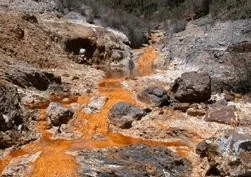
Mining exposes extensive areas of soil, rock, and waste materials, increasing erosion risk during storms. Sediment can enter surface waters, reduce clarity, cover habitats, and transport chemical pollutants attached to soil particles.
Disturbed surfaces may include open pits, waste-rock piles, tailings facilities, haul roads, stockpiles, exploration areas, and reclamation sites. Land pollution effects describe how contaminated materials can also threaten groundwater over the long term.
Heavy rainfall can accelerate runoff from compacted or unvegetated mine areas. Increased runoff volumes may cause channel scour, downstream flooding, bank instability, and structural damage around culverts, bridges, drainage channels, and other infrastructure.
Sediment carrying acidic minerals or metals can lower receiving-water quality and alter aquatic habitats. Contaminated deposits may also affect floodplains and soils, reducing vegetation establishment and limiting the recovery of terrestrial ecosystems.
Overburden, waste rock, heap-leach materials, and tailings require containment because rainfall can mobilize dissolved substances. Hazardous-waste management provides broader principles for safe storage, treatment, transport, and disposal at mine sites.
Tailings can contain toxic metals and processing chemicals, while their high water content creates additional containment challenges. Management of hazardous wastes emphasizes inventory, controlled handling, and appropriate treatment for dangerous waste streams.
Mine-water releases during heavy rainfall can overwhelm storage capacity and contaminate rivers when treatment fails. Good facility design, freeboard, spill controls, liners, monitoring, and emergency plans can reduce these environmental risks.
Read Also: Methods of Disposal of Waste Pesticide Containers
Air Quality and Noise From Mining
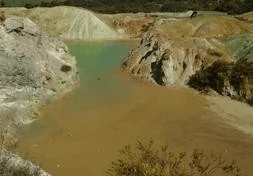
Mining can affect air quality through dust, combustion emissions, blasting, crushing, grinding, loading, and transportation. Fine particles may travel beyond operational boundaries, depositing on vegetation, soils, water bodies, homes, and community infrastructure.
Heavy equipment and generators emit pollutants that may include particulate matter, nitrogen oxides, sulfur dioxide, carbon monoxide, and other combustion products. General environmental waste impacts describe how emissions can affect air, soil, water, and ecosystems.
Metal-bearing dust can create additional ecological concerns when ore or waste contains toxic elements. Controls such as enclosure, water sprays, covered conveyors, road maintenance, ventilation, and appropriate protective systems can reduce airborne releases.
Gold processing can release mercury when mercury-bearing ore undergoes heating or other operations that volatilize the element. Atmospheric mercury can later deposit on land and water, creating pathways for environmental cycling and biological exposure.
Airborne dust can settle on leaves and soil surfaces, potentially reducing plant performance and altering soil chemistry. Repeated deposition can also transfer contaminants between environmental compartments, especially near large extraction and processing operations.
Mining equipment, blasting, crushing, loading, and haulage also produce substantial noise and vibration. Noise pollution and control measures explain why persistent sound disturbance can affect people, wildlife, and nearby communities.
Blasting vibrations can disturb wildlife and may affect nearby structures where operations occur close to settlements. Continuous noise may interfere with animal communication, movement, feeding, and breeding, depending on species sensitivity and exposure duration.
Effective controls include equipment maintenance, quieter machinery, restricted operating periods, acoustic barriers, controlled blasting schedules, dust suppression, emission monitoring, and vegetative buffers. These measures can reduce pollution-related costs alongside environmental pressure.
Sustainable Management and Ecological Recovery
Ecological consequences can be reduced when resource decisions consider environmental limits before extraction or intensive land use begins. Monitoring should track soil, water, vegetation, wildlife, emissions, and waste pathways throughout the project life cycle.
Prevention is generally more effective than repairing severe contamination after release. Water pollution prevention highlights source control, runoff management, treatment, responsible resource use, and regular environmental monitoring as important protection measures.
Resource managers can also improve resilience by restoring vegetation, stabilizing disturbed soils, maintaining drainage, protecting wetlands, and reconnecting fragmented habitats. Restoration should use suitable native vegetation and account for local ecological conditions.
Responsible waste management limits ecological exposure from agricultural chemicals, mine tailings, contaminated soils, and other residues. The essential waste-management framework emphasizes systematic handling, treatment, recycling, and disposal to reduce environmental harm.
Long-term monitoring remains important because contamination and ecological changes may appear gradually. Indicators such as water chemistry, sediment quality, vegetation cover, species abundance, soil properties, and erosion rates can reveal whether recovery is progressing.
Community participation can strengthen environmental stewardship because local users often observe changes in land, water, vegetation, fisheries, and wildlife early. Biodiversity values can also inform priorities for conservation and restoration.
Sound natural-resource management therefore connects conservation, efficient production, pollution prevention, restoration, and monitoring. The resulting approach can support livelihoods while maintaining ecosystem functions that future communities will continue to depend upon.
Summary on Ecological Consequences of Management of Natural Resources
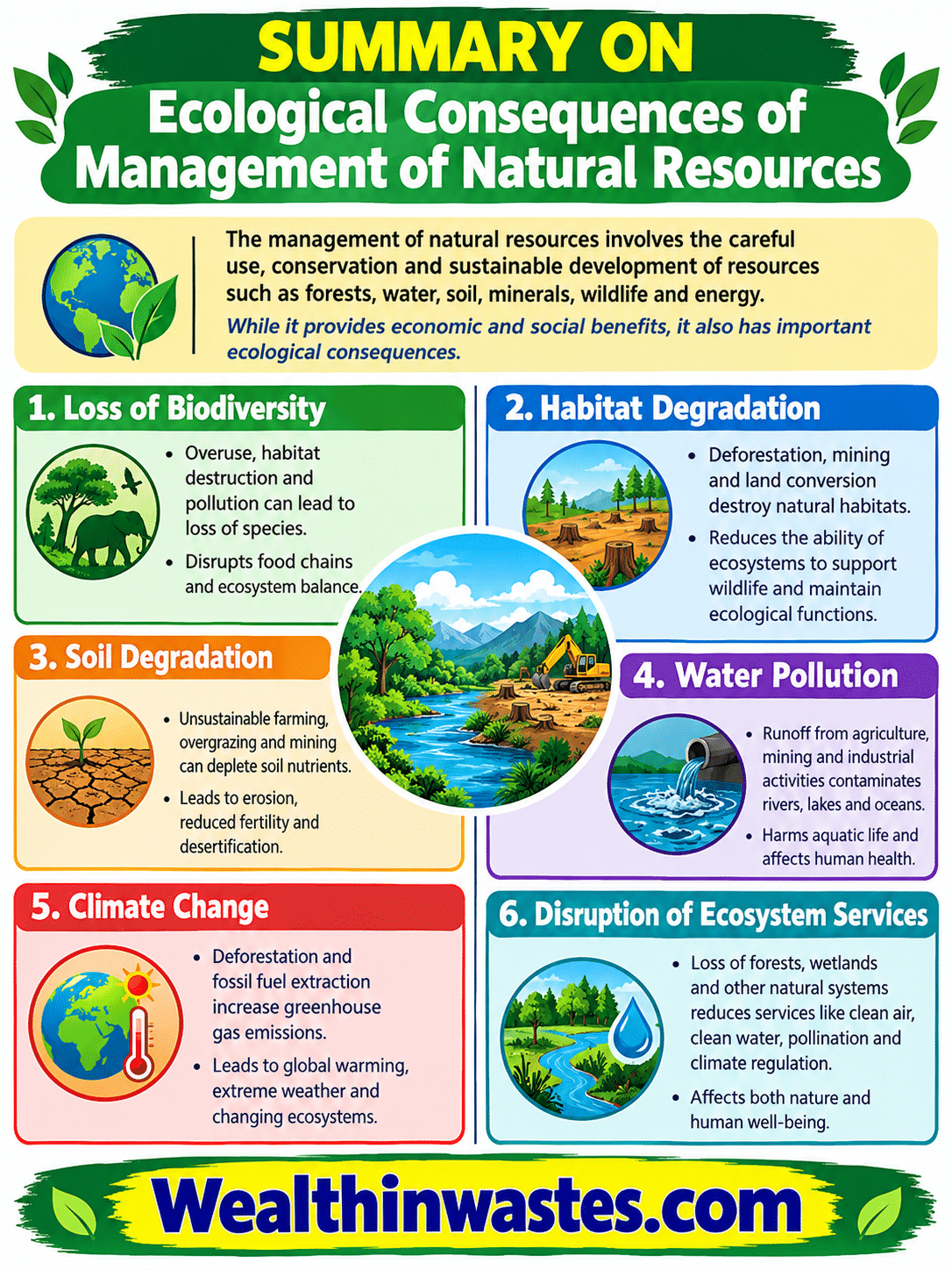
| Section | Main Idea | Why It Matters |
|---|---|---|
| Ecological Balance | Resource decisions shape ecosystem functions. | Healthy systems support resilience and livelihoods. |
| Farming | Agricultural practices affect soil and water. | Better practices reduce degradation and runoff. |
| Water Quality | Nutrients and chemicals can enter water. | Pollution can harm aquatic ecosystems. |
| Mining | Extraction converts land and creates waste. | Disturbance can damage habitats and resources. |
| Acid Drainage | Sulfide exposure can create acidic contamination. | Metals and acidity can persist for years. |
| Mine Waste | Sediments and tailings require containment. | Uncontrolled releases can spread contamination. |
| Air and Noise | Mining generates dust, emissions, noise, and vibration. | These pressures affect ecosystems and communities. |
| Ecological Recovery | Prevention, restoration, and monitoring reduce impacts. | Long-term planning supports environmental resilience. |
Frequently Asked Questions About Ecological Consequences of Management of Natural Resources
1. What does management of natural resources mean for ecosystems and human livelihoods when land, water, minerals, forests, and wildlife face increasing pressure from population growth and economic development across many regions?
Management of natural resources means using land, water, minerals, vegetation, and wildlife carefully while maintaining ecosystem functions, renewal capacity, environmental quality, and the livelihoods that depend on those resources over time.
2.How can farming practices create ecological consequences when farmers intensify production through fertilizers, pesticides, irrigation, machinery, monocropping, and other methods intended to increase agricultural productivity over many years, and what ecological changes can result?
Intensive farming can increase erosion, compaction, nutrient losses, pesticide movement, salinity, and soil contamination. Runoff may also transport sediments and nutrients into water bodies, contributing to eutrophication and aquatic ecosystem degradation.
3. Why can excessive fertilizer use affect rivers, lakes, groundwater, and aquatic organisms even when fertilizers initially remain on agricultural fields during normal crop production, and what downstream ecological changes may follow?
Rainfall and irrigation can carry surplus nutrients from fields through surface runoff, subsurface flow, and groundwater. Elevated nitrogen and phosphorus can stimulate excessive biological growth, reduce dissolved oxygen, and stress aquatic organisms.
4. What makes acid mine drainage an especially persistent ecological consequence of mining activities where sulfide-bearing rocks become exposed to oxygen, water, and weathering conditions over extended periods, even after closure?
Acid mine drainage can continue while exposed sulfide minerals react with oxygen and water. The resulting acidity can mobilize metals, contaminate water, damage aquatic habitats, and create long-lasting treatment requirements.
5. How do mining sediments, tailings, waste rock, and overburden affect soil, surface water, groundwater, vegetation, wildlife habitats, and downstream environmental conditions around extraction sites and processing facilities near and far from mine boundaries?
These materials can erode, generate sediment, release contaminants, alter drainage, and threaten water quality. Tailings and waste facilities may also leak or fail, creating pathways for widespread contamination of ecosystems downstream.
6. Which air-quality problems can arise from mining operations when excavation, blasting, ore processing, transportation, equipment use, and waste handling release dust or combustion-related pollutants into surrounding environments beyond the immediate site?
Mining can release particulate matter, nitrogen oxides, sulfur dioxide, carbon monoxide, metals, and other pollutants. Dust deposition can affect vegetation and soil, while combustion emissions and toxic elements may create broader environmental exposure.
7. How can sustainable management of natural resources reduce ecological damage while maintaining agriculture, mineral production, water use, employment, and other benefits communities receive from natural resource development over time?
Sustainable management combines efficient resource use, pollution prevention, conservation, restoration, monitoring, and responsible waste handling. These measures can reduce ecological pressures while allowing communities to obtain essential materials and economic benefits.
8. Why is long-term environmental monitoring important after farming, mining, or other resource-use activities have disturbed ecosystems and potentially introduced contaminants into connected environmental systems, and how can monitoring support effective restoration decisions?
Monitoring can reveal gradual changes in water chemistry, soil quality, vegetation, erosion, wildlife, and sediment conditions. Long-term records help managers detect problems, evaluate restoration, and respond before ecological impacts become more severe.
Do you have any questions, suggestions, or contributions? If so, please feel free to use the comment box below to share your thoughts. We also encourage you to kindly share this information with others who might benefit from it. Since we can’t reach everyone at once, we truly appreciate your help in spreading the word. Thank you very much for your support and for sharing!
Read Also: Soil Erosion Control: Types, Methods and Control Measures