



Environmental activism refers to collective efforts by individuals, communities, organisations, scientists, and advocacy groups that seek to protect nature and influence decisions affecting environmental quality.
These activists commonly campaign against pollution, habitat destruction, unsafe waste practices, excessive resource exploitation, environmental injustice, and activities that threaten ecosystems, communities, wildlife, and future generations.
Environmental activism can take many forms, including public education, peaceful demonstrations, petitions, community projects, scientific research, legal action, policy advocacy, consumer campaigns, and direct conservation programmes.
The movement has become increasingly important because environmental problems rarely remain local. Pollution, climate change, biodiversity loss, deforestation, waste, and resource depletion can create consequences that cross communities and national boundaries.
Although environmental activism can create awareness and encourage valuable reforms, activists also face serious challenges. Political pressure, corporate resistance, limited resources, misinformation, public fatigue, and personal security risks can weaken campaigns.
Understanding Environmental Activism

Environmental activism connects public concern with organised action. It can influence environmental policies, community behaviour, business practices, and development decisions by placing ecological concerns directly into public discussions.
Unlike ordinary personal environmental responsibility, activism usually involves collective participation and an intentional effort to change harmful practices, strengthen environmental protection, or defend communities affected by environmental degradation.
The broader field of environmental management supports many activism goals because it focuses on controlling human activities, conserving resources, preventing pollution, and reducing harmful environmental impacts.
Modern activism also depends heavily on communication. Campaigners use meetings, newspapers, television, websites, social media, research reports, petitions, and community education to spread information and encourage people to participate.
Environmental activism can therefore combine science, law, economics, politics, education, community organisation, and conservation. Its strength often comes from connecting environmental evidence with the everyday experiences of affected people.
Read Also: Methods of Dissemination of Environmental Information
Major Forms Of Environmental Activism

1. Public Education: Activists educate communities about pollution, climate risks, conservation, waste, biodiversity, and sustainable practices so that people understand environmental problems and recognise practical actions they can support locally.
2. Peaceful Protest: Demonstrations, marches, public meetings, sit-ins, and symbolic campaigns can attract attention to environmental problems and place pressure on governments, businesses, and institutions to review harmful decisions.
3. Policy Advocacy: Activists communicate with lawmakers, regulators, local authorities, and industry leaders to promote stronger environmental standards, better enforcement, transparent decision-making, and policies that protect vulnerable ecosystems and communities.
4. Community Conservation: Local groups may organise tree planting, clean-up exercises, recycling campaigns, habitat restoration, water protection, and other practical activities that transform environmental concern into visible community action.
5. Consumer Campaigns: Activists can encourage consumers to support environmentally responsible businesses and avoid products or companies associated with serious pollution, waste, habitat destruction, or unsustainable resource use.
6. Legal Action: Environmental groups sometimes use courts and formal complaint systems to challenge unlawful activities, demand access to environmental information, or seek remedies for communities affected by environmental damage.
These approaches often work together.For example, a community may begin with awareness activities, organise a public campaign, collect evidence, petition authorities, and support legal action when necessary.
Benefits Of Environmental Activism
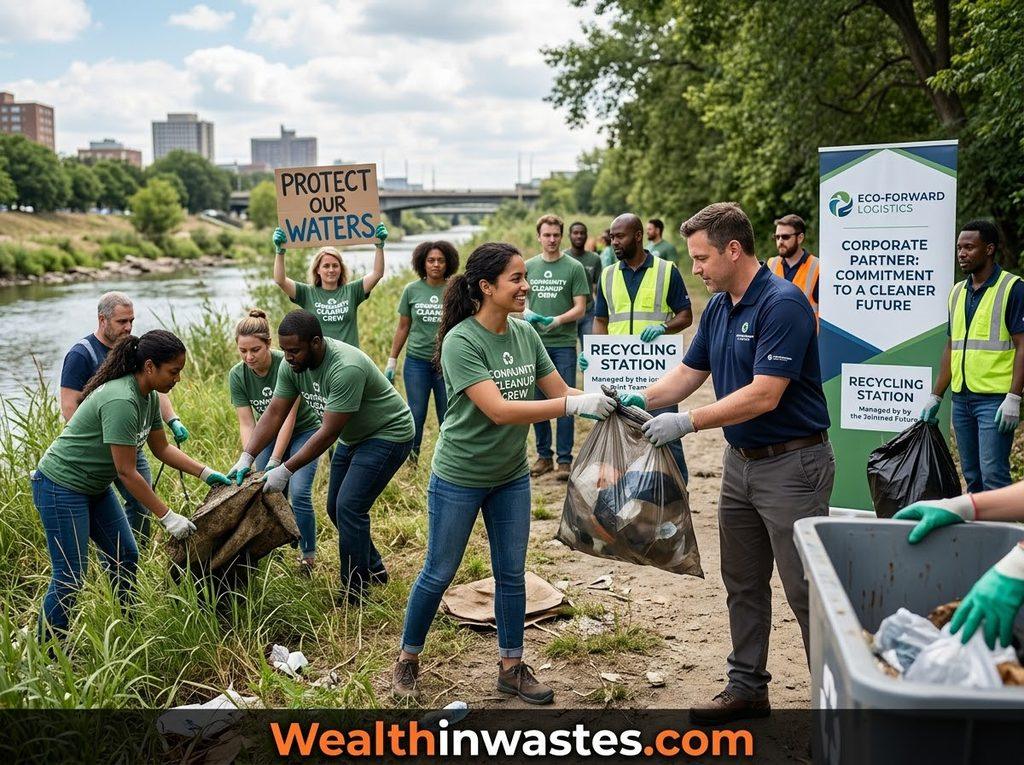
1. Greater Public Awareness: Environmental activism brings hidden or neglected problems into public view, helping communities understand how pollution, poor sanitation, waste, resource misuse, and environmental degradation affect everyday life.
2. Stronger Environmental Policies: Persistent advocacy can encourage governments to improve regulations, strengthen monitoring systems, increase enforcement, and introduce programmes that address pollution, conservation, waste, and climate-related challenges.
3. Cleaner Communities: Activist-led campaigns can motivate residents to reduce litter, improve waste handling, participate in recycling, conserve water, and adopt practical measures that support healthier surroundings.
4. Better Resource Conservation: Activism can defend forests, wetlands, waterways, wildlife habitats, soils, and other resources by challenging practices that cause unnecessary depletion or long-term environmental damage.
5. Corporate Accountability: Public pressure can encourage companies to improve environmental performance, disclose harmful practices, reduce emissions, manage waste responsibly, and invest in cleaner technologies and production systems.
Environmental activism also supports environmental health because poorly managed wastes can contaminate land, water, and air while creating wider social and economic consequences. Effective environmental sanitation therefore remains a major public concern.
The relationship between activism and health becomes clearer when communities understand the environmental and health effects of wastes, including contamination, blocked drainage, unpleasant surroundings, and conditions that encourage disease transmission.
Problems And Challenges Of Environmental Activism
Environmental activism can become difficult when activists confront powerful institutions with greater financial, political, legal, or communication resources. Campaigners may struggle to sustain attention while opposing organisations can continue operations for years.
Activists may also face harassment, detention, intimidation, violence, or other personal risks, especially when campaigns challenge powerful economic interests or expose severe environmental violations that affect valuable natural resources.
Industrial pollution creates another major challenge. Industrial effluent problems can involve complex pollutants whose sources, concentrations, movement, and long-term effects require technical knowledge, monitoring, and credible evidence.
Water-related campaigns can become especially complicated because contamination may originate from households, farms, industries, and diffuse sources. Understanding water pollution sources helps activists identify responsibilities and support appropriate control measures.
Another challenge involves evidence. Activists need reliable information to make credible claims, while opponents may question their data or interpretations. Pollutant and risk assessment can strengthen campaigns by providing a more objective basis for public discussion.
Political conditions can also affect environmental campaigns. When institutions lack independence, resources, technical expertise, or effective enforcement systems, activists may struggle to convert public concern into meaningful environmental outcomes.
Environmental Activism And Government Action
Government remains central to environmental protection because public authorities create regulations, establish standards, monitor compliance, manage public resources, and provide institutions that can respond to environmental problems.
Activists can therefore improve environmental governance by demanding transparency, stronger enforcement, public participation, better monitoring, and timely responses to pollution complaints and environmental damage.
Strong institutions matter because environmental rules have limited value without implementation. Institutional arrangements for pollution control help define responsibilities for monitoring, regulation, sanitation, enforcement, and environmental management.
Activists can also advocate the wider use of environmental assessment before major developments begin. Environmental protection instruments can help decision-makers identify risks and introduce measures that reduce harmful impacts.
Constructive engagement often produces better results than confrontation alone. Environmental groups can combine peaceful advocacy with research, public dialogue, community participation, and policy engagement while maintaining clear standards for environmental protection.
Environmental Activism And Business Responsibility

1. Waste Reduction: Businesses can reduce unnecessary materials, packaging, energy use, and disposal costs while responding to activist demands for cleaner production and more responsible resource management.
2. Cleaner Production: Companies can improve production systems, reduce emissions, treat wastes correctly, and adopt technologies that lower environmental pressures while maintaining efficient and economically viable operations.
3. Transparent Reporting: Organisations can build public trust by sharing environmental information, reporting significant risks, responding to legitimate concerns, and explaining how they manage pollution, waste, resources, and environmental responsibilities.
4. Sustainable Investment: Businesses can support renewable energy, efficient equipment, recycling systems, resource recovery, responsible sourcing, and other environmental improvements that reduce long-term ecological and operational risks.
5. Community Engagement: Businesses operating near communities should communicate openly, listen to local concerns, address genuine environmental complaints, and involve affected residents when projects may change environmental conditions.
These practices align with broader environmental management actions for businesses, which can reduce waste, conserve energy, improve efficiency, and strengthen environmental responsibility within everyday operations.
Educational institutions also have an important role because future employees, professionals, consumers, and community leaders develop their attitudes through learning. Environmental management in schools can encourage long-term environmental responsibility.
Strategies For Effective Environmental Activism
1. Use Reliable Evidence: Activists should collect trustworthy information, document environmental conditions carefully, identify credible sources, and distinguish verified facts from assumptions so that campaigns remain persuasive and responsible.
2. Build Community Support: Campaigns become stronger when affected residents understand the issue, participate in decision-making, contribute local knowledge, and recognise how environmental protection connects with livelihoods and public wellbeing.
3. Communicate Clearly: Effective campaigns explain complex environmental problems in simple language, identify practical solutions, and use appropriate communication channels to reach different audiences without exaggeration or unnecessary conflict.
4. Work With Institutions: Activists can improve their influence by engaging regulators, schools, researchers, community leaders, journalists, professional groups, and responsible businesses that can contribute expertise or practical support.
5. Promote Practical Solutions: Campaigns should move beyond criticism by supporting feasible actions such as waste reduction, recycling, conservation, pollution prevention, environmental education, and responsible resource use.
These strategies reflect established environmental management best practices, particularly those focused on reducing pollution, conserving resources, encouraging recycling, and involving communities in environmental protection.
Activists can strengthen practical campaigns through recycling as a pollution-control measure, especially when campaign goals include reducing disposal volumes, conserving materials, and improving community participation in resource recovery.
Read Also: Community Level Composting (Manure Pit)
Future Of Environmental Activism
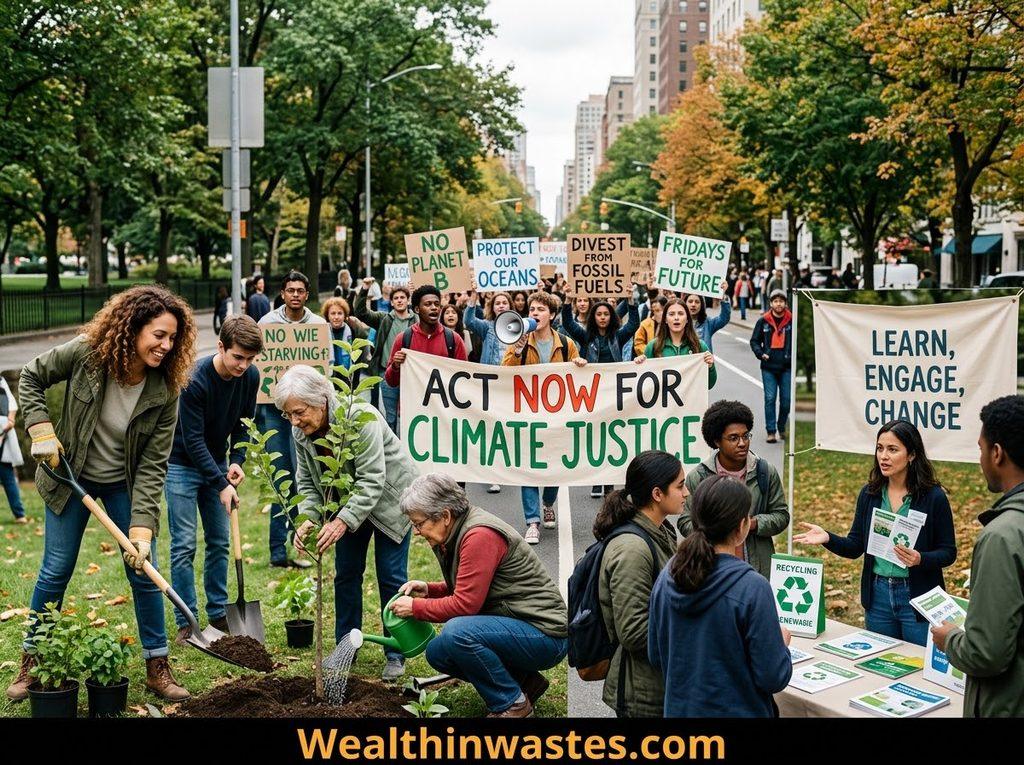
The future of environmental activism will likely depend increasingly on cooperation between communities, scientists, governments, businesses, educational institutions, and civil society groups. Environmental challenges require solutions that cross traditional boundaries.
Digital communication will continue expanding the reach of environmental campaigns. Social networks, online petitions, visual storytelling, citizen reporting, and digital communities can help local environmental concerns gain national or international attention.
Changing environmental priorities will also shape activism. Environmental management trends increasingly include sustainability, renewable energy, resource efficiency, climate action, biodiversity conservation, and responsible waste management.
Activists can also support practical household action because individual behaviour contributes to wider environmental outcomes. Reducing personal environmental impact can involve conserving water, reducing waste, recycling materials, and choosing more sustainable practices.
Waste reduction will remain important because prevention usually addresses environmental pressure before disposal becomes necessary. Household waste minimization can reduce pressure on collection systems, treatment facilities, disposal sites, and communities.
Environmental campaigns can also promote stronger circular practices. Integrated waste management principles encourage communities to retain material value, prioritise appropriate recovery options, and consider local conditions during planning.
Community participation remains especially important because environmental solutions succeed more easily when local people see direct benefits and understand their responsibilities. Community-based waste management approaches demonstrate how local participation can create practical environmental and economic opportunities.
Strong activism should therefore combine environmental protection with practical solutions, credible evidence, peaceful participation, public education, and constructive engagement. Environmental empowerment initiatives can help communities turn awareness into sustained environmental action.
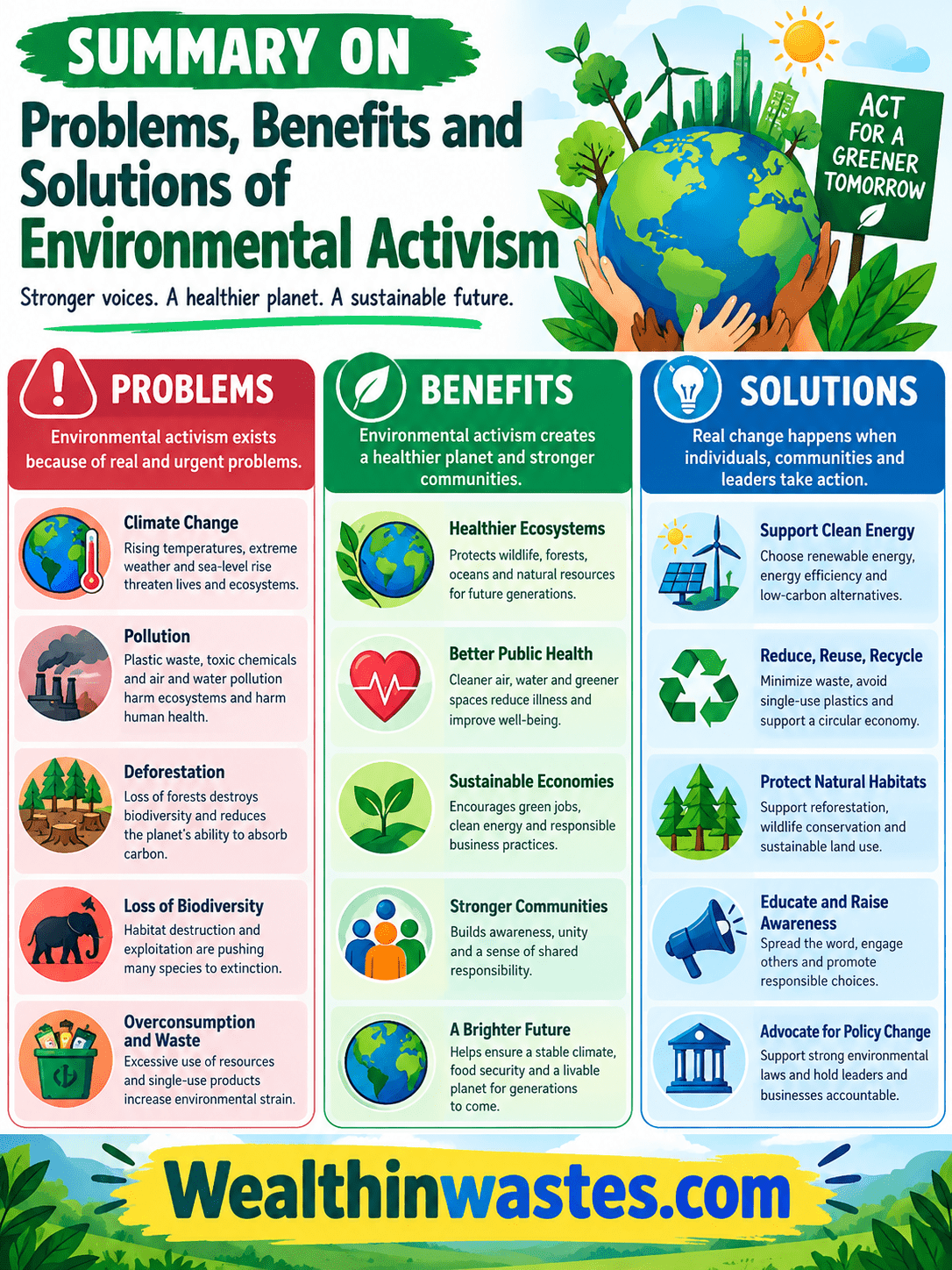
Summary on Problems, Benefits and Solutions of Environmental Activism
| Aspect | Summary |
|---|---|
| Meaning | Environmental activism involves organised efforts to protect nature, influence decisions, reduce environmental harm, and promote sustainable practices. |
| Major Forms | Common forms include public education, peaceful protest, policy advocacy, conservation projects, consumer campaigns, and legal action. |
| Benefits | Activism can increase awareness, improve environmental policies, encourage conservation, strengthen accountability, and support cleaner communities. |
| Major Problems | Activists may face political resistance, corporate pressure, limited resources, misinformation, intimidation, weak institutions, and personal security risks. |
| Government Role | Governments provide regulations, monitoring, enforcement, public institutions, environmental standards, and mechanisms for public participation. |
| Business Role | Businesses can reduce waste, improve production systems, report environmental performance, invest sustainably, and engage affected communities. |
| Effective Strategies | Successful campaigns rely on credible evidence, community support, clear communication, institutional engagement, peaceful advocacy, and practical solutions. |
| Future Direction | Future activism will increasingly depend on digital communication, scientific evidence, community participation, sustainability, circular practices, and stronger partnerships. |
Frequently Asked Questions About Environmental Activism: Problems, Benefits and Solutions
1. What is environmental activism?
Environmental activism involves organised efforts to protect ecosystems, reduce environmental harm, influence public policy, and encourage responsible behaviour among governments, businesses, communities, and individuals.
2. Why is environmental activism important?
It raises awareness, encourages accountability, supports conservation, influences environmental policy, and helps communities respond collectively to pollution, waste, habitat loss, and other environmental problems.
3. What are common forms of environmental activism?
Common forms include public education, peaceful demonstrations, petitions, conservation projects, legal action, consumer campaigns, policy advocacy, community clean-ups, and environmental research.
4. What problems do environmental activists face?
They may encounter political resistance, corporate pressure, misinformation, limited funding, weak institutions, public fatigue, intimidation, harassment, detention, or other personal security risks.
5. How can activism influence businesses?
Public campaigns can encourage businesses to reduce pollution, improve waste management, adopt cleaner technologies, disclose environmental information, and strengthen their environmental responsibilities.
6. Can environmental activism produce positive change?
Yes. Well-organised campaigns can increase awareness, influence regulations, encourage conservation, improve business practices, strengthen community participation, and promote practical environmental solutions.
7. What makes environmental activism effective?
Effective activism combines credible evidence, clear communication, community support, peaceful participation, practical solutions, institutional engagement, persistence, and careful attention to local environmental conditions.
8. How can ordinary people support environmental activism?
People can participate in community projects, reduce waste, recycle, conserve resources, share reliable information, support responsible policies, report environmental problems, and join legitimate local environmental initiatives.
Do you have any questions, suggestions, or contributions? If so, please feel free to use the comment box below to share your thoughts. We also encourage you to kindly share this information with others who might benefit from it. Since we can’t reach everyone at once, we truly appreciate your help in spreading the word. Thank you very much for your support and for sharing!
Read Also: Conservation and Management of Natural Resources in Agriculture