


Land is an essential natural resource that supports human survival, economic development, agriculture, settlement, biodiversity, and terrestrial ecosystems through interconnected physical, biological, and social processes across landscapes.
For thousands of years, people have increasingly developed ways to use land for food production, housing, transportation, industry, recreation, resource extraction, and other activities supporting human societies.
However, land resources remain limited while human demands continue expanding, creating pressure that can reduce productivity, encourage degradation, increase competition, and threaten ecological functions across vulnerable landscapes.
Understanding land resources requires more than studying soil alone because climate, terrain, water, vegetation, wildlife, settlements, and human structures interact continuously to determine land characteristics and performance.
Effective land management therefore requires responsible stewardship that balances production, conservation, settlement needs, ecological protection, and the rights of future generations who will depend upon these resources.
Land And Its Endowments
Land encompasses the surface and near-surface environment, including soils, terrain, climate, water, vegetation, animals, sediments, groundwater, settlements, and structures created through human activities over time.
This broad understanding shows why land resources cannot remain isolated from environmental processes because changes in one component can influence several other physical and biological components.
For example, changing vegetation cover can influence soil stability, water infiltration, runoff, wildlife habitats, temperature conditions, and the movement of materials across an affected landscape.
Similarly, converting natural land into farms, roads, industries, or settlements can change ecological relationships and create pressures that require careful planning, monitoring, and management.
Healthy soil and mineral resources contribute directly to agricultural production, while their misuse can reduce productivity, increase degradation, and create long-term environmental and economic consequences.
Land also contains natural materials and ecological assets that contribute to livelihoods, energy systems, food production, biodiversity conservation, recreation, settlement development, and cultural activities.
The following features explain why land resources require integrated assessment rather than management based on a single physical characteristic or economic purpose alone.
1. Physical Attributes: Land includes terrain, soil, climate, surface water, groundwater, sediments, minerals, and other natural features that determine its productive capacity, environmental behaviour, and suitability for particular uses.
2. Biological Components: Vegetation, wildlife, microorganisms, and other living communities form important land resources because they support ecological processes, nutrient cycling, habitats, food systems, and biological diversity.
3. Human Features: Settlements, roads, drainage systems, terraces, buildings, reservoirs, and other structures become visible land characteristics because human activities physically modify landscapes and their functions.
4. Environmental Relationships: Land components interact continuously, meaning that changing vegetation, drainage, cultivation, or settlement patterns can influence soil quality, water movement, biodiversity, and local environmental conditions.
Read Also: Advantages and Disadvantages of Sanitary Landfill
Definitions Of Land Resources
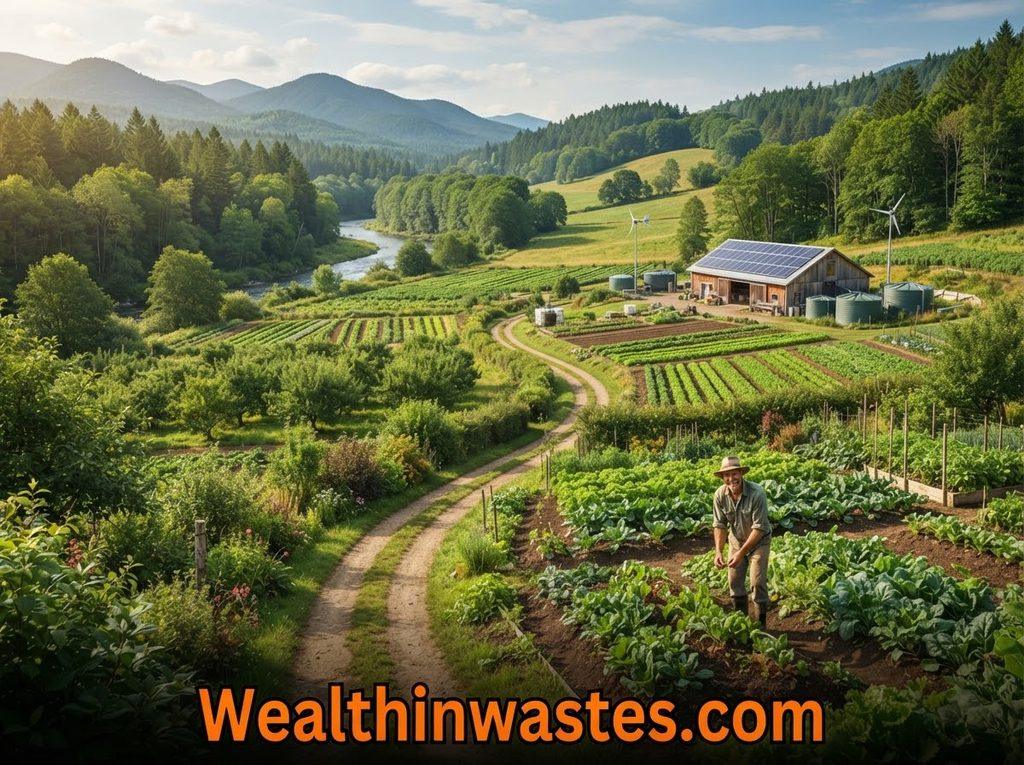
Land resources refer to identifiable areas of the earth’s terrestrial surface containing interacting physical, biological, hydrological, climatic, geological, and human characteristics that support various functions.
The concept extends beyond soil and includes surface water, groundwater, vegetation, animals, terrain, sediments, minerals, settlements, infrastructure, and evidence of past human activities.
Therefore, land resources represent a connected system where natural conditions and human modifications together determine opportunities, limitations, productivity, environmental quality, and long-term development potential.
The broader concept of natural resources helps explain this relationship because land contains several materials and ecological assets that humans depend upon for survival and development.
Land resources also include historical and cultural evidence preserved within landscapes, such as archaeological remains, fossils, ancient sediments, and indicators of previous environmental conditions.
Because these attributes interact, responsible land management must consider both immediate economic benefits and the environmental consequences associated with specific decisions and activities.
The main characteristics of land resources can be summarized through their natural composition, biological importance, human modifications, productive value, and environmental significance.
1. Natural Foundation: Land resources originate from natural environmental systems and include soil, terrain, water, climate, vegetation, wildlife, minerals, and other components necessary for functioning ecosystems.
2. Multiple Uses: People use land resources for agriculture, forestry, settlements, transportation, industries, recreation, conservation, mining, and infrastructure, making land one of society’s most contested resources.
3. Limited Availability: Land has finite spatial availability, and suitable locations for particular purposes may remain scarce because environmental conditions, ownership patterns, and competing demands restrict accessible areas.
4. Connected Functions: Land resources support food production, habitats, water regulation, carbon processes, mineral storage, settlement space, pollution buffering, historical preservation, and movement across landscapes.
Land Use And Land Cover
Land use describes how people arrange activities, inputs, and management practices to produce, maintain, or modify a particular land condition for social or economic purposes.
Land cover, in contrast, describes the observable physical or biological material present on the earth’s surface, such as vegetation, bare soil, water, built areas, or crops.
The distinction matters because land use represents human purpose and activity, while land cover represents what physically exists on the surface at a particular time.
For instance, agricultural land use may involve cultivation, irrigation, fertilization, and harvesting, while its land cover may consist of maize plants, grass, bare soil, or crop residues.
Research on tropical land use and soil fertility demonstrates why land use decisions matter because repeated activities can influence soil conditions, productivity, and environmental sustainability.
Changes in land use frequently produce changes in land cover, while changes in land cover can also influence subsequent decisions concerning cultivation, development, conservation, or restoration.
These concepts help planners interpret satellite imagery, environmental changes, agricultural expansion, urban growth, forest transformation, wetland conversion, and other landscape processes.
1. Agricultural Land Use: People manage land for crop production, livestock grazing, irrigation, plantations, agroforestry, and other farming activities intended to produce food, fibre, feed, fuel, or income.
2. Residential Land Use: Land becomes residential when people develop homes, neighbourhoods, estates, supporting roads, drainage systems, services, and related structures for permanent or temporary habitation.
3. Industrial Land Use: Industries occupy land for manufacturing, processing, storage, energy production, transportation, workshops, waste handling, and other activities that support commercial and economic development.
4.Conservation Land Use: Conservation use protects forests, wetlands, wildlife habitats, watersheds, cultural sites, and other valuable areas where ecological preservation receives greater priority than intensive development.
5. Natural Land Cover: Natural cover includes forests, grasslands, wetlands, shrubs, natural soils, water bodies, and other surfaces that develop with limited direct human modification.
6. Artificial Land Cover: Artificial cover includes buildings, paved roads, concrete surfaces, industrial compounds, reservoirs, and other structures created through human development and engineering activities.
Functions Of Land Resources
Land performs numerous functions simultaneously, supporting human societies while maintaining ecological processes that regulate water, energy, nutrients, biodiversity, production systems, and environmental quality.
These functions explain why land management decisions can generate economic benefits while also producing environmental consequences when resource limits, ecological relationships, or long-term impacts receive inadequate attention.
Land provides production opportunities through agriculture, forestry, grazing, settlements, industries, mineral extraction, recreation, and infrastructure, making it central to economic and social development.
It also supports ecosystem processes by storing water, filtering pollutants, maintaining habitats, cycling nutrients, regulating energy exchanges, and providing space for living organisms.
Effective management therefore depends on recognizing that one land function may support or conflict with another, especially where competing demands occur within limited spaces.
Proper handling of waste also protects land functions because uncontrolled disposal can contaminate soils, occupy valuable space, and interfere with surrounding ecological processes.
Important land functions can be grouped into several categories that show how closely economic activity and environmental stewardship remain connected.
1. Production Function: Land supplies the physical foundation for producing food, fibre, fuel, timber, livestock products, medicinal materials, and other biological resources required by human communities.
2. Habitat Function: Land provides living space for plants, animals, microorganisms, and diverse ecological communities whose interactions support biodiversity, nutrient cycling, food webs, and ecosystem stability.
3. Water Regulation: Land influences the storage, infiltration, movement, and release of surface water and groundwater while helping regulate drainage, runoff, flooding, and water availability.
4. Pollution Buffer: Soils and other land components can retain, filter, transform, or modify pollutants, although excessive contamination can overwhelm these natural protective processes and create environmental risks.
5. Settlement Function: Land provides physical space for homes, industries, roads, schools, recreational facilities, commercial centres, utilities, and other infrastructure necessary for organized human settlement.
6. Historical Function: Land can preserve fossils, archaeological remains, buried structures, ancient sediments, and evidence of former climates, making landscapes valuable sources of scientific and cultural information.
Land Resources, Population And Development
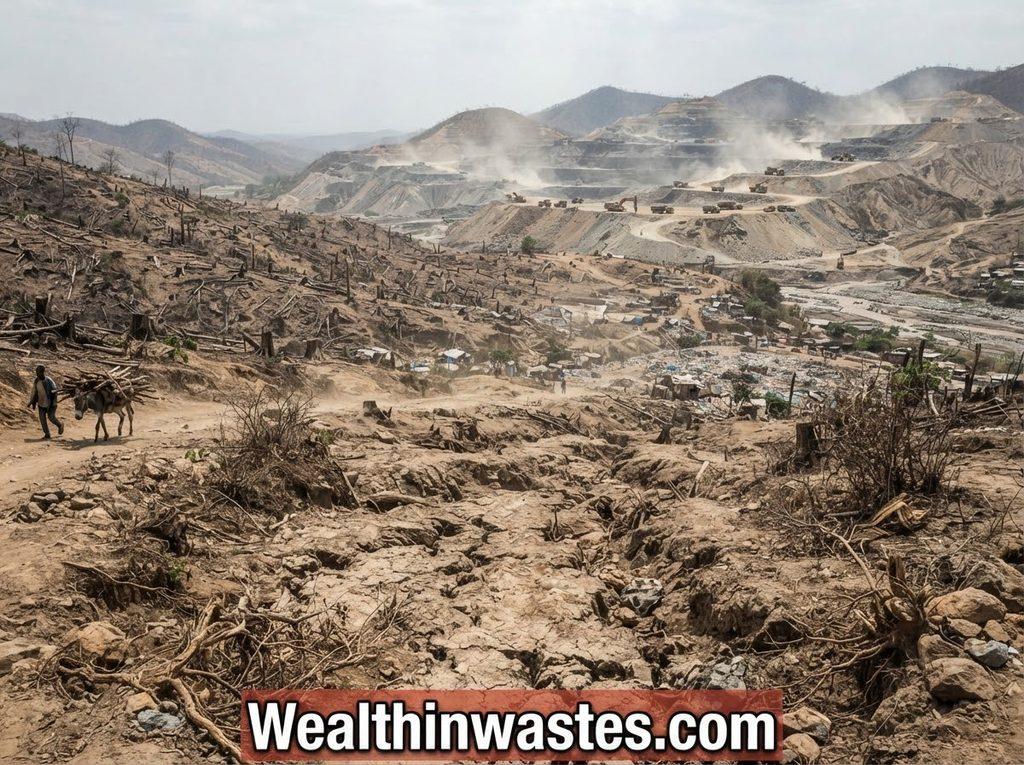
Population growth increases demand for food, housing, infrastructure, employment, transportation, water, energy, and other resources, placing additional pressure on available land and its productive capacity.
In communities that depend heavily on agriculture, land quality and management strongly influence production levels, household incomes, employment opportunities, food availability, and overall living standards.
When population increases without corresponding improvements in technology or management, producers may intensify cultivation, shorten fallow periods, or expand farming into environmentally sensitive areas.
Such pressure can accelerate erosion, nutrient depletion, vegetation loss, compaction, contamination, and other processes that reduce the long-term productive potential of land.
The relationship between population and land becomes particularly important where alternative livelihoods remain limited and communities depend heavily on local natural resources.
Better management can improve output without requiring proportional expansion of cultivated areas, thereby reducing pressure on forests, wetlands, grazing lands, and other sensitive resources.
1. Population Pressure: Increasing population raises demand for food, settlements, infrastructure, and employment, encouraging more intensive land use and increasing competition among different resource users.
2. Agricultural Intensification: Improved seeds, irrigation, soil management, fertilization, mechanization, and suitable technologies can increase production on existing farmland while reducing pressure to clear additional areas.
3. Land Degradation: Unsuitable cultivation practices, vegetation removal, overgrazing, erosion, compaction, and contamination can reduce land productivity and increase the economic costs of future restoration.
4. Rural Livelihoods: Sustainable land management can protect agricultural productivity, strengthen household incomes, support food security, and maintain environmental resources that rural communities depend upon.
5. Economic Development: Productive land supports agriculture, industry, infrastructure, housing, and commercial activity, while deteriorating land can increase production costs and restrict future development opportunities.
Availability And Competition For Land
Land availability differs greatly between countries and within regions because terrain, climate, soil conditions, water access, population density, ownership systems, infrastructure, and environmental restrictions vary considerably.
Global land totals therefore provide limited insight into actual access because communities may experience severe shortages of suitable land even where national land areas appear substantial.
Competition becomes particularly intense where agriculture, housing, industry, infrastructure, conservation, mining, forestry, and recreation require access to the same limited areas.
Peri-urban areas often demonstrate this conflict clearly because expanding settlements compete directly with agricultural land, open spaces, wetlands, and recreational areas.
Rapid changes in land values can then influence tenure arrangements, investment decisions, displacement patterns, and political debates concerning who can access or control productive land.
Reliable information about land capability and existing use can support better decisions by showing where development, agriculture, conservation, or restoration can occur with fewer conflicts.
Soil assessment is especially useful because understanding soil survey and profile information can help planners evaluate land characteristics and improve decisions concerning sustainable land use.
1. Agricultural Competition: Farming competes with settlements, industries, roads, mining, conservation areas, and recreation when available land becomes insufficient for expanding social and economic demands.
2. Urban Expansion: Growing towns and cities consume surrounding land for housing, commerce, infrastructure, and services, frequently reducing agricultural areas and altering natural land cover.
3. Conservation Needs: Protecting forests, wetlands, wildlife habitats, watersheds, and fragile ecosystems requires reserving land that may otherwise attract development or intensive resource exploitation.
4. Tenure Conflicts: Competition over access, ownership, inheritance, leasing, and control can intensify when land values rise or when demand grows faster than available suitable areas.
Land Degradation And Environmental Pressure
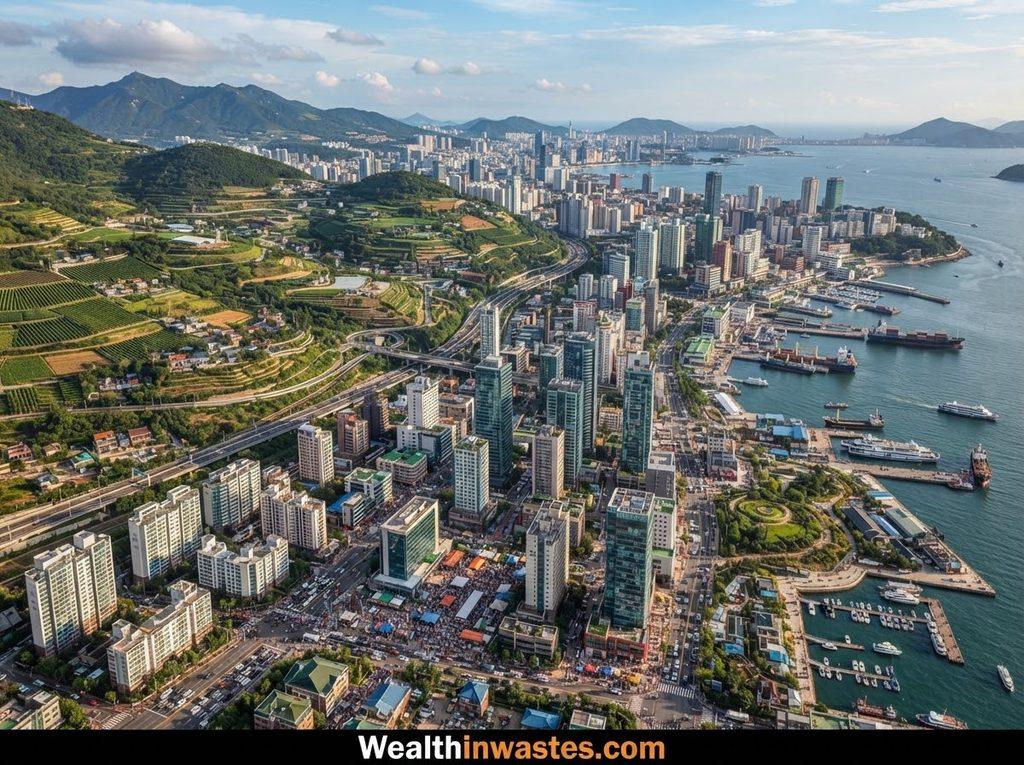
Land degradation occurs when physical, chemical, biological, or economic changes reduce the ability of land to provide desired goods, services, ecological functions, or productive opportunities.
Human activities often accelerate degradation when resource use exceeds the natural capacity of soils, vegetation, water systems, and ecosystems to recover from disturbance.
Among the major pressures are vegetation removal, inappropriate cultivation, overgrazing, mining, uncontrolled settlement expansion, contamination, erosion, salinity, compaction, and poor waste disposal practices.
Soil erosion can remove productive topsoil through water or wind, reducing nutrient availability and weakening the foundation required for sustained agricultural production.
Land contamination creates additional concerns because pollutants may accumulate in soils, migrate into groundwater, enter food chains, and damage organisms living within affected ecosystems.
Improper waste disposal represents an important source of pressure because discarded materials can occupy land, introduce hazardous substances, and interfere with natural soil and water processes.
Reducing these pressures requires prevention, appropriate land-use planning, conservation practices, restoration, monitoring, environmental education, and responsible management of materials and wastes.
1. Vegetation Loss: Removing forests and other natural vegetation can expose soils to erosion, reduce habitats, alter water movement, and weaken several ecological functions provided by land.
2. Soil Degradation: Excessive cultivation, erosion, compaction, nutrient depletion, and poor management can reduce soil quality and undermine the productive potential of agricultural land.
3. Waste Contamination: Uncontrolled disposal of household, industrial, agricultural, and hazardous materials can pollute land, threaten groundwater, and create health and ecological concerns.
4. Urban Pressure: Expanding settlements replace vegetation and productive farmland with buildings, roads, drainage systems, and other surfaces that permanently modify land characteristics.
5. Pollution Control: Managing pollution helps protect land resources because preventing harmful substances from entering soils reduces contamination risks and preserves ecological and productive functions.
Sustainable Management Of Land Resources
Sustainable land resource management seeks to meet present human needs while maintaining the productive, ecological, economic, and social functions required by future generations.
This approach requires decisions that consider land capability, environmental limitations, competing demands, local livelihoods, economic objectives, and the long-term consequences of management choices.
Conservation agriculture, agroforestry, controlled grazing, erosion prevention, responsible irrigation, soil improvement, restoration, appropriate waste management, and careful development planning can all contribute.
For agricultural systems, sustainable practices should protect soil structure, organic matter, water availability, vegetation cover, biodiversity, and productive capacity while supporting profitable production.
Agroforestry for sustainable land management provides one practical pathway because trees and crops can occupy the same landscape while supporting soil protection and diversified production.
Waste reduction also supports sustainable land management because reducing disposal volumes limits pressure on disposal sites while encouraging recovery, recycling, reuse, and resource efficiency.
Long-term success depends on combining scientific knowledge with local experience, effective policies, community participation, reliable information, appropriate technologies, monitoring, and enforcement.
1. Soil Conservation: Practices such as mulching, contour farming, cover cropping, terracing, reduced disturbance, and appropriate vegetation management can protect soil from erosion and maintain productivity.
2.Resource Recovery: Recycling and composting can reduce pressure on land disposal areas while converting useful materials into secondary resources that support environmental and economic objectives.
3. Planned Development: Land-use planning should match development activities with environmental capability, infrastructure needs, population patterns, conservation priorities, and long-term economic objectives.
4. Community Participation: Local users should contribute to land management decisions because their experience, livelihoods, cultural practices, and resource needs strongly influence management outcomes.
5. Continuous Monitoring: Regular assessment of land cover, soil conditions, water systems, productivity, degradation indicators, and competing uses helps managers identify problems early and improve decisions.
Read Also: Top Wastewater Management Companies in the World
Land Resources And Responsible Environmental Management
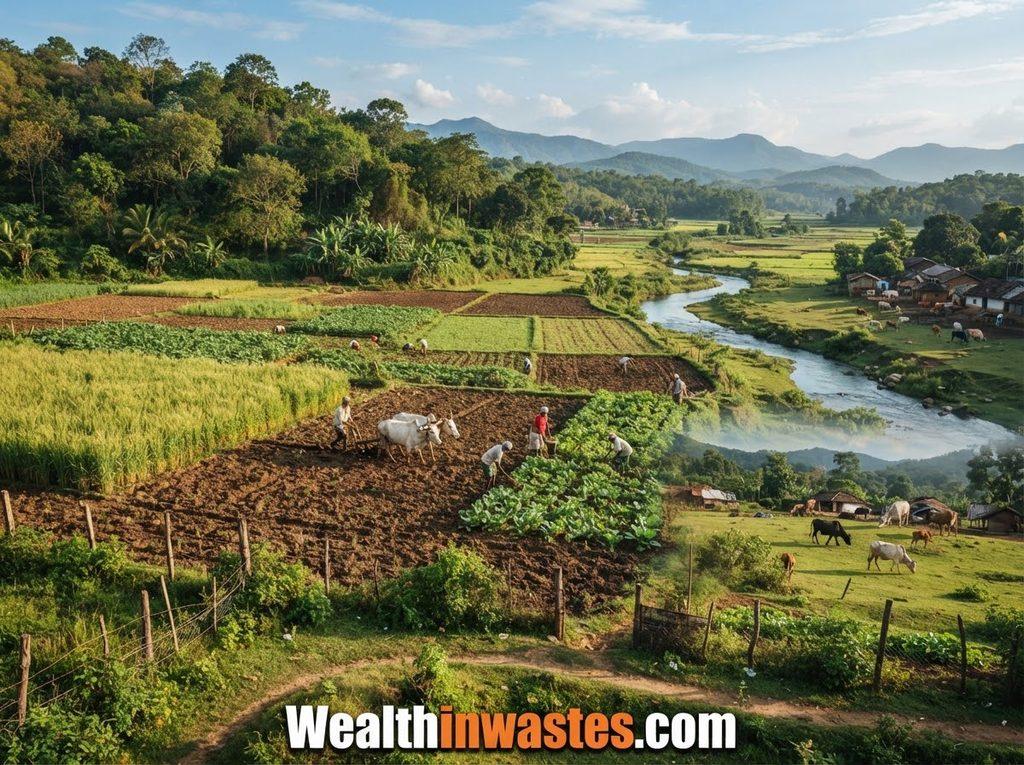
Responsible land management also depends on controlling materials that enter the environment because waste and pollutants can undermine soils, water systems, habitats, infrastructure, and human wellbeing.
An effective waste management system reduces unnecessary disposal and encourages safer collection, treatment, recycling, recovery, and final handling of materials.
Solid waste management becomes especially important in growing communities where increasing consumption generates materials that require organized storage, transport, treatment, recycling, and disposal.
The waste management hierarchy places prevention, reuse, recycling, composting, recovery, and appropriate final disposal within a framework intended to reduce unnecessary environmental impacts.
Proper management can also prevent open dumping, uncontrolled burning, soil contamination, blocked drainage, unpleasant conditions, and unnecessary occupation of valuable land.
Communities can further protect land by separating materials at source, reducing unnecessary consumption, reusing products, recycling suitable materials, and managing organic waste through composting.
These actions connect land resource management with broader environmental protection because waste prevention reduces demands placed on land while protecting soil, water, and ecological systems.
1. Waste Prevention: Preventing unnecessary waste reduces the quantity of material requiring collection, transportation, treatment, recycling, or disposal, thereby reducing pressure on land-based management systems.
2. Recycling: Recycling recovers useful materials from discarded products, reducing disposal volumes and decreasing the need for additional raw-material extraction that can create environmental pressure.
3. Composting: Composting converts suitable organic materials into a useful soil amendment, reducing waste quantities while returning organic matter and nutrients to productive land.
4. Safe Disposal: Residual waste should receive appropriate treatment and disposal to reduce contamination risks and prevent damage to nearby soil, groundwater, ecosystems, and communities.
5. Public Awareness: Environmental education encourages households, farmers, industries, and institutions to understand how their activities affect land resources and to adopt more responsible practices.
Key Principles For Protecting Land Resources
Protecting land resources requires a long-term approach because degradation may occur gradually while restoration can demand substantial financial resources, technical knowledge, time, and coordinated action.
Land decisions should therefore consider environmental capacity before intensive development begins, particularly in locations exposed to erosion, flooding, contamination, drought, or ecological sensitivity.
Land management should also recognize legitimate human needs because conservation becomes more successful when communities can maintain secure livelihoods while protecting the resources supporting them.
Reliable planning depends on accurate information about land capability, existing cover, current uses, ownership patterns, environmental conditions, infrastructure, population pressures, and future development expectations.
Effective soil management is equally important because proper soil management can preserve fertility, improve water relationships, and support sustainable agricultural production.
Environmental protection also requires reducing pollutants that can accumulate on land and spread through food webs, groundwater pathways, surface runoff, and atmospheric processes.
Finally, land resources should be viewed as assets requiring stewardship rather than unlimited commodities available for unrestricted exploitation without concern for future consequences.
1. Stewardship: Land should be managed as a valuable resource whose ecological, economic, social, and cultural functions require protection for both present communities and future generations.
2. Suitability: Land should be allocated according to its capabilities and limitations so that agriculture, conservation, settlement, infrastructure, and other activities occur in appropriate locations.
3. Prevention: Preventing erosion, contamination, unnecessary vegetation loss, and destructive land conversion generally costs less and protects more ecological value than repairing severe degradation later.
4. Integration: Land decisions should consider soil, water, climate, vegetation, wildlife, settlements, economic activities, and social interests together rather than treating each factor separately.
5. Future Responsibility: Present land users have a responsibility to maintain resource quality and ecological functions so future generations can meet their own needs and development objectives.
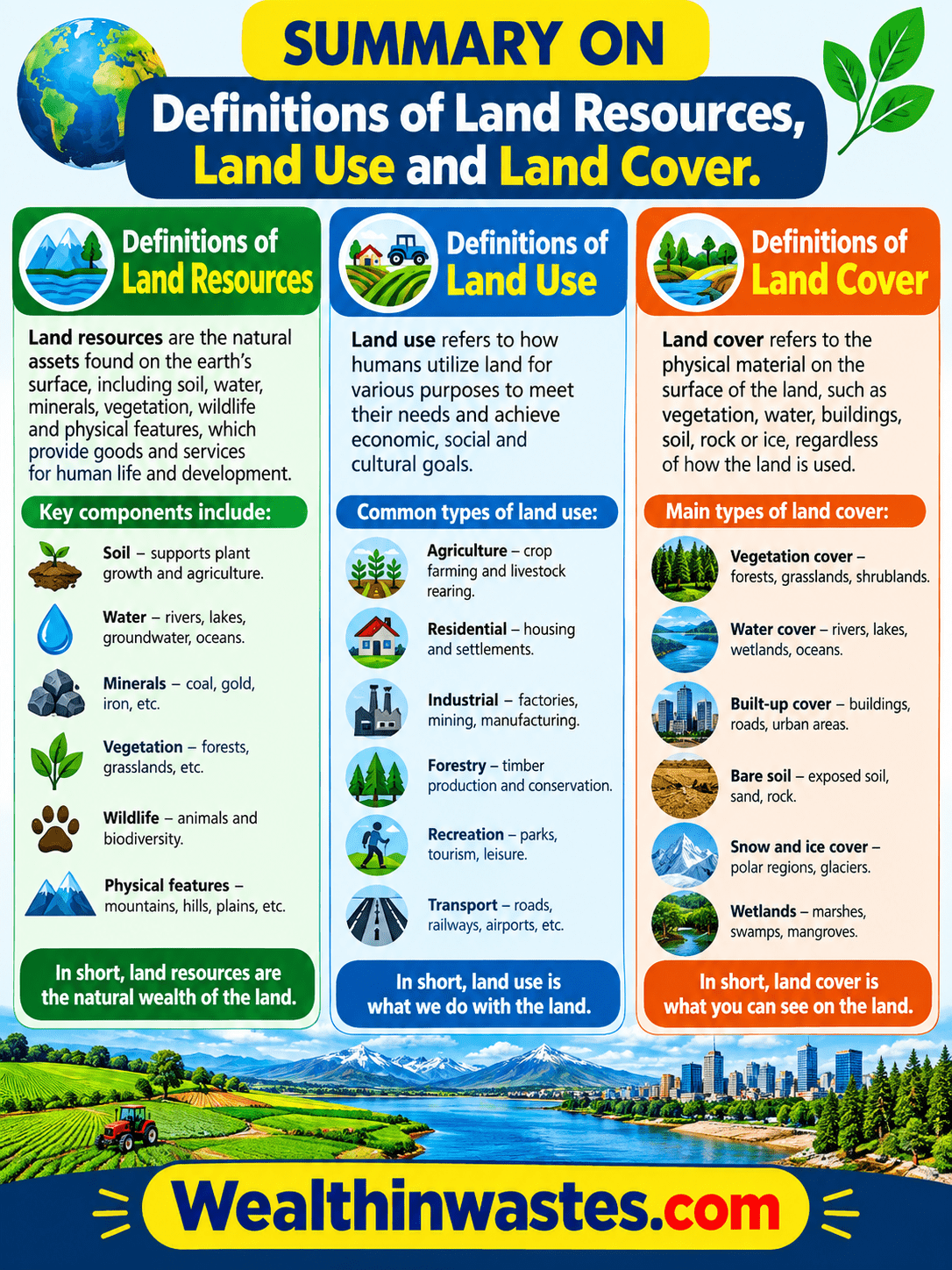
Summary on Land Resources: Definitions, Land Use and Land Cover
| Topic | Summary |
|---|---|
| Land Resources | Land resources include soil, terrain, climate, water, vegetation, wildlife, minerals, settlements, structures, and other interacting terrestrial characteristics. |
| Land Use | Land use describes human activities, arrangements, and management practices applied to land for production, settlement, conservation, recreation, infrastructure, and other purposes. |
| Land Cover | Land cover describes the observable physical or biological material covering the earth’s surface, including vegetation, soil, water, and artificial surfaces. |
| Main Functions | Land supports production, habitats, water regulation, pollution buffering, settlements, minerals, recreation, historical preservation, and movement across landscapes. |
| Major Pressures | Population growth, urban expansion, unsuitable agriculture, erosion, pollution, waste disposal, vegetation loss, and competing land demands can degrade resources. |
| Sustainable Management | Sustainable management combines conservation, appropriate land-use planning, community participation, monitoring, responsible production, pollution control, and protection for future generations. |
Frequently Asked Questions About Land Resources: Definitions, Land Use and Land Cover
1. What are land resources?
Land resources are terrestrial areas containing soil, water, climate, vegetation, wildlife, minerals, terrain, settlements, infrastructure, and other interacting environmental features.
2. What is land use?
Land use describes how people organize and manage land for agriculture, housing, industry, conservation, transportation, recreation, and other activities.
3. What is land cover?
Land cover means the observable physical or biological material present on the earth’s surface, including crops, forests, water, soil, grasslands, and buildings.
4. Why are land resources important?
They provide food, habitat, water regulation, settlement space, raw materials, economic opportunities, ecological services, and evidence of environmental and human history.
5. What causes land degradation?
Major causes include erosion, vegetation removal, overgrazing, unsuitable cultivation, pollution, mining, urban expansion, compaction, and poor waste disposal.
6. How can land resources be protected?
Protection requires sustainable agriculture, soil conservation, responsible development, pollution prevention, effective waste management, ecosystem conservation, monitoring, and community participation.
7. Are land resources renewable or non-renewable?
Land resources do not fit neatly into either category because some components recover slowly, while severe degradation may take much longer than human timescales to reverse.
8. Why is land competition increasing?
Competition increases because agriculture, housing, industry, conservation, infrastructure, mining, recreation, and other activities increasingly demand access to limited suitable land.
Do you have any questions, suggestions, or contributions? If so, please feel free to use the comment box below to share your thoughts. We also encourage you to kindly share this information with others who might benefit from it. Since we can’t reach everyone at once, we truly appreciate your help in spreading the word. Thank you very much for your support and for sharing!
Read Also: Complete Agroforestry Guide for Sustainable Land Management