


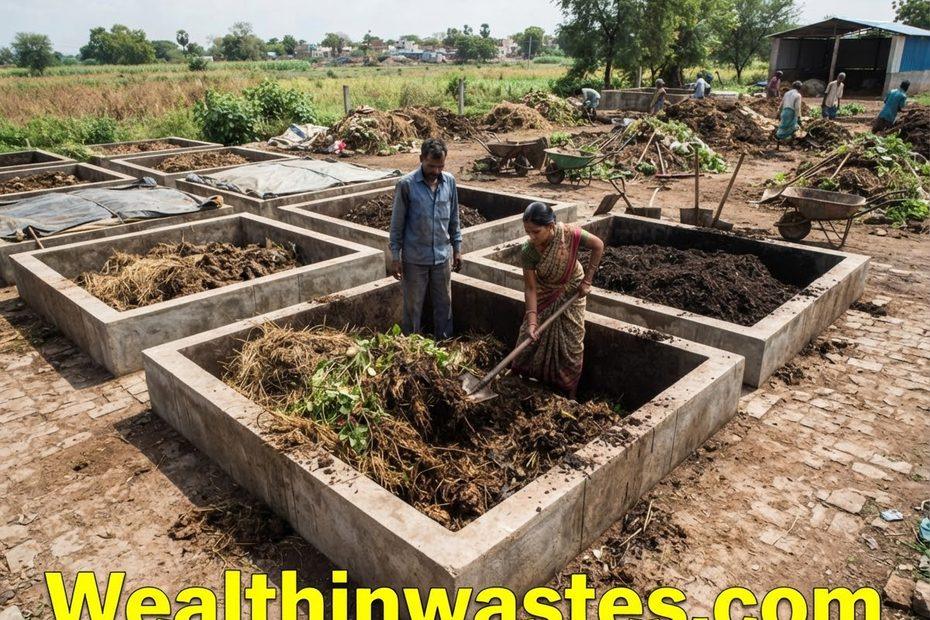
Community level composting provides a practical solution when individual households cannot establish suitable facilities for managing biodegradable waste. It allows several households to share organized composting structures while reducing uncontrolled organic waste disposal.
The system converts biodegradable household refuse into useful compost through controlled decomposition, giving communities an affordable approach to organic waste management. It also supports cleaner surroundings and better utilization of recoverable organic resources.
Successful community level composting depends on suitable site selection, proper facility construction, waste separation, moisture management, regular monitoring, and sequential operation. These factors influence efficiency, compost quality, convenience, and long-term community participation.
Communities can select underground pits, over-ground heaps, or brick-lined tanks according to rainfall, soil conditions, terrain, available land, construction materials, labour, and expected biodegradable waste quantities generated within the service area.
When communities manage these facilities properly, biodegradable refuse becomes mature compost for fields, gardens, and suitable growing areas. This approach reduces waste accumulation while recovering organic matter for productive agricultural purposes.
Community Level Composting Site Selection
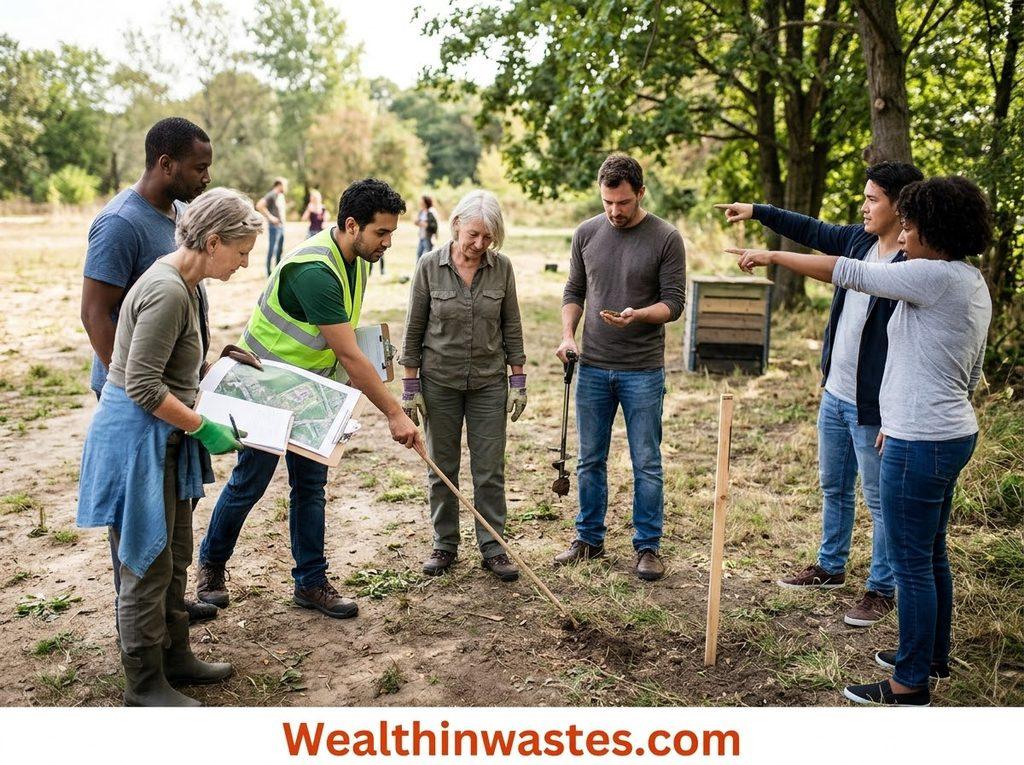
The composting site should receive careful attention before construction because its location affects access, drainage, odour control, waste transportation, maintenance, and protection of nearby homes and sensitive community areas.
Accessibility matters because workers need convenient routes for bringing collected organic waste into the facility and transporting finished compost away. Good access also simplifies inspection, maintenance, loading, and routine community operations.
Communities should consider prevailing wind direction when choosing the compost yard because unpleasant odours can travel toward homes and public spaces. Appropriate placement helps protect residents from avoidable nuisance conditions.
The facility should not stand in a low-lying area where rainwater can accumulate easily. Effective drainage prevents waterlogging and helps maintain suitable moisture conditions during decomposition and maturation periods.
Expected waste quantity should also influence site planning because the facility needs enough capacity for daily collection. Estimating organic waste generation helps determine the number, dimensions, spacing, and rotation of composting structures.
Source separation should begin inside participating households before waste reaches the compost yard. Residents should separate biodegradable materials from plastics, metals, glass, batteries, chemicals, and other unsuitable materials that could contaminate compost.
Community education strengthens participation because shared composting depends on consistent cooperation. Residents should understand collection schedules, acceptable materials, operating rules, cleanliness requirements, and their responsibilities for keeping contamination out.
Proper planning also supports broader waste reduction practices because biodegradable materials can be recovered before unnecessary disposal occurs. This reduces pressure on collection and disposal systems.
Communities should also examine general waste management principles so composting fits within collection, recycling, recovery, treatment, and disposal activities rather than operating as an isolated programme.
Suitable Organic Materials and Waste Separation
Community composting works best when participating households understand which materials can safely enter the facility. Food scraps, leaves, plant residues, suitable manure, and other biodegradable materials commonly provide useful organic inputs.
Source separation reduces contamination because composting structures should receive biodegradable waste instead of mixed household refuse. Good household waste management practices make this sorting easier.
Fruit peels, vegetable scraps, leaves, grass, straw, and suitable animal manure can provide carbon, nitrogen, moisture, and organic matter needed during decomposition. Mixing different materials can support balanced microbial activity.
Organic inputs should remain free from hazardous chemicals, oils, batteries, pesticide containers, and similar contaminants. Communities can review agricultural waste characteristics before accepting farm-derived materials.
Agricultural communities can contribute crop residues, livestock manure, poultry waste, and food-processing residues where appropriate. Broader agricultural waste management guidance can help identify useful recovery opportunities.
Kitchen waste can form a substantial portion of household organic material, so residents should separate it consistently. Practical kitchen waste composting guidance can reinforce correct sorting habits.
Communities should understand wider waste categories because not everything collected from homes belongs in composting facilities. Solid waste classification helps workers distinguish biodegradable materials from hazardous and non-compostable streams.
Good separation also supports recycling because paper, plastics, metals, and glass may follow different recovery pathways. A coordinated waste recycling process can reduce contamination while improving resource recovery.
Read Also: Household Level Composting (Manure Pit)
Underground Manure Pit Method
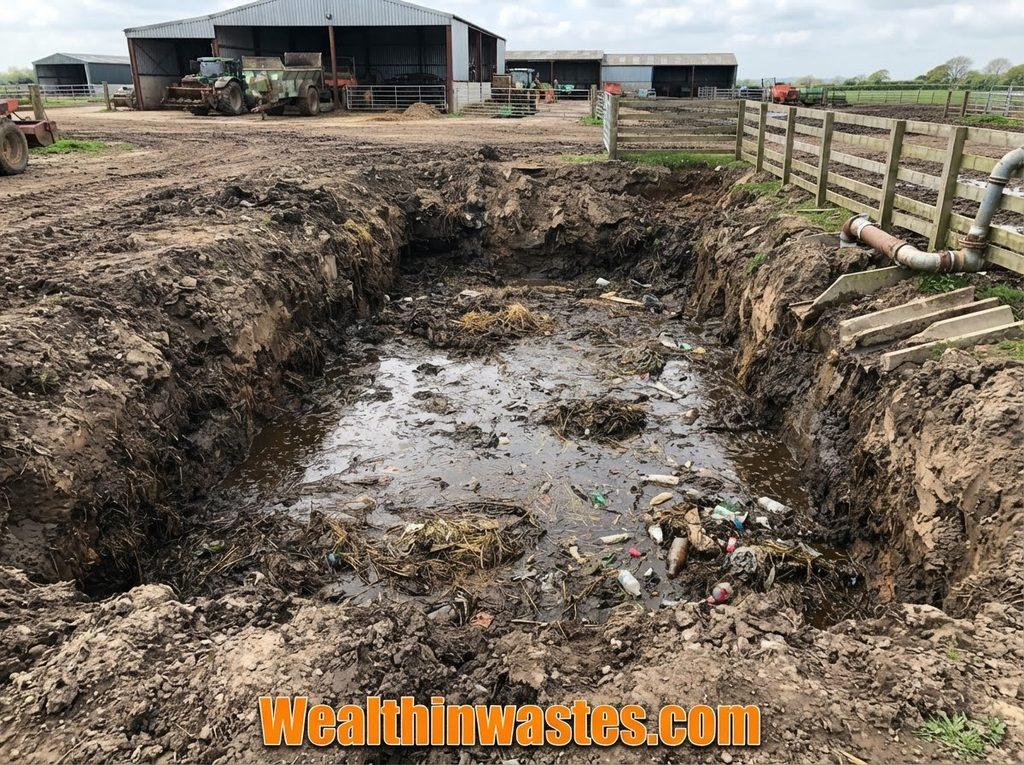
1. Pit Dimensions: An underground unlined manure pit should generally remain no deeper than one metre, about 1.5 metres wide, and up to three metres long, depending on community waste quantities and available land.
2. Suitable Location: This method suits rural communities with relatively low rainfall and soil that permits practical excavation. It becomes less suitable where rocky ground, heavy rain, or persistent waterlogging creates difficulties.
3. Pit Construction: Communities should dig enough pits for their expected waste volume and form a compacted soil ridge around each pit. Adequate spacing supports safe access, collection, inspection, and compost removal.
4. Waste Addition: Workers should add only biodegradable household garbage into the pit. Where practical, cow dung slurry can support decomposition, while unsuitable materials remain separated to protect compost quality.
5. Soil Covering: A very thin soil layer should cover the developing waste approximately once each week. This helps control unpleasant odours and fly nuisance while maintaining orderly layers during filling.
6. Filling Level: Continue adding biodegradable waste until the material reaches roughly 300 millimetres above ground level. After several days, the waste settles, creating a compact mass suitable for final covering.
7. Maturation Period: Cover the settled material with soil and leave the filled pit undisturbed for approximately three to six months. During maturation, another pit should receive newly collected biodegradable waste.
8. Compost Removal: After maturation, remove the compost and transport it carefully to suitable agricultural fields or gardens. Mature material should appear sufficiently decomposed and stable before application.
These pit principles reflect established composting approaches for biodegradable waste, where microorganisms, moisture, temperature, carbon, nitrogen, and aeration influence decomposition and compost development.
Over-Ground Heap Composting Method
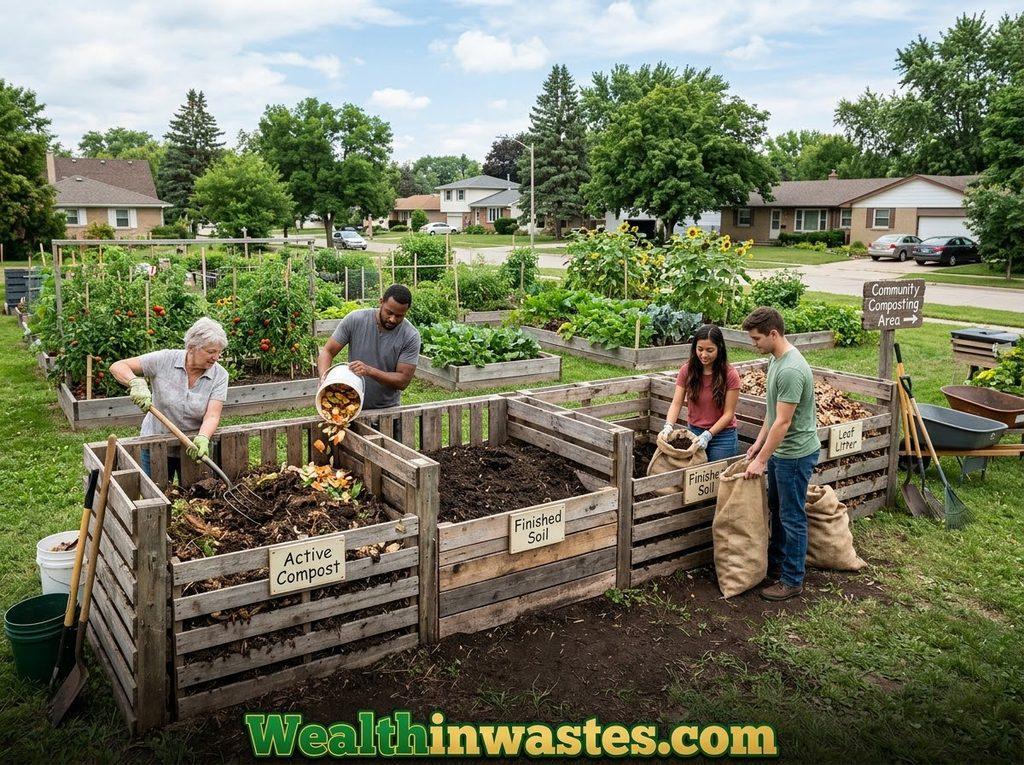
Over-ground heaps offer a practical alternative where rainfall is high, terrain is rocky, or underground excavation presents difficulties. The method allows communities to compost organic waste on prepared raised surfaces.
1. Raised Platform: Prepare a firm platform measuring approximately 1.5 metres by three metres using compacted soil or suitable brick paving. The surface should remain accessible and drain excess water effectively.
2.Organic Inputs: Add only biodegradable waste collected from participating households. Food scraps, leaves, plant residues, suitable manure, and other compostable materials can form the principal feedstock for the heap.
3. Moisture Control: Sprinkle water periodically when conditions become dry, but avoid saturation. Excess moisture can restrict airflow, encourage unpleasant conditions, and slow efficient aerobic decomposition inside the heap.
4. Soil Covering: Apply a very thin soil layer approximately once each week to reduce odours and fly nuisance. Continue adding fresh biodegradable materials in manageable layers throughout filling.
5. Heap Height: Continue layering until the heap reaches approximately 0.8 metre. After several days, settlement occurs, allowing workers to apply a final soil covering before maturation begins.
6. Maturation: Leave the covered heap undisturbed for approximately three to six months. During this period, another heap should receive fresh waste so collection continues without disturbing the maturing compost.
7. Heap Spacing: Place a new heap at least one metre from the previous heap. Adequate spacing creates movement room for workers and separates fresh waste from material undergoing maturation.
The heap approach supports zero-waste practices by treating biodegradable materials as recoverable resources instead of mixing them unnecessarily with refuse destined for conventional disposal.
Brick-Lined Compost Tank Method

Brick-lined compost tanks provide defined boundaries for communities that prefer more structured facilities. They can work well where rainfall, rocky terrain, limited household space, or organized management creates special requirements.
1. Tank Dimensions: A tank may measure about 0.8 metre high, 1.5 metres wide, and three metres long, depending on expected waste quantities. Honeycomb brick masonry may provide durable boundaries.
2. Structural Preparation: Build the tank on firm ground with effective drainage and accessible working space. The top layer should receive suitable finishing to provide a stable, manageable composting structure.
3. Waste Loading: Add only biodegradable household materials into the tank. Plastics, metals, glass, chemicals, batteries, and hazardous substances should remain separate because they may contaminate finished compost.
4. Soil Layer: Spread a thin soil layer of approximately one to two inches over accumulated waste about once weekly. Continue adding biodegradable materials in organized layers during the filling period.
5. Filling Height: Continue adding material until the heap reaches approximately one metre in height. After several days, settlement should occur before workers complete the final soil covering.
6. Sequential Operation: Communities should provide multiple tanks where waste quantities demand continuous collection. Earlier batches can mature undisturbed while newly collected organic materials enter another available tank.
7. Routine Inspection: Workers should examine moisture, odour, drainage, contamination, structural condition, cleanliness, and filling level. Early correction prevents small operational problems from becoming more expensive management challenges.
Communities can connect tank operations with broader waste-to-compost opportunities because organized organic recovery can produce useful compost while supporting environmental and economic objectives.
Community Composting Maintenance and Monitoring
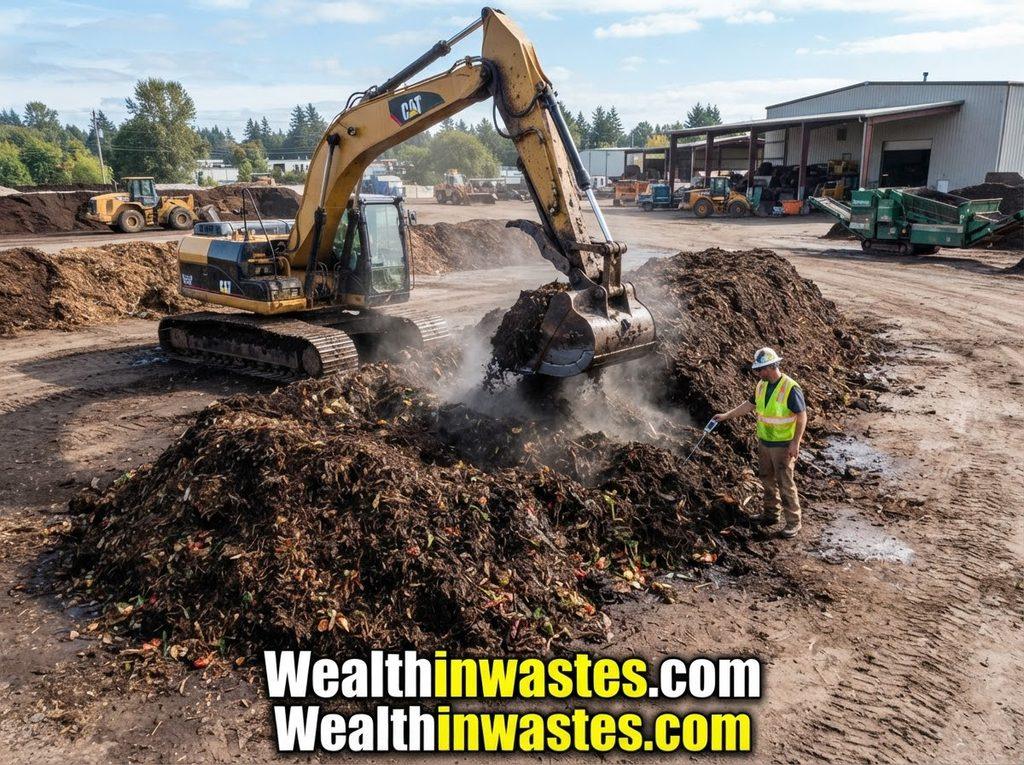
Good maintenance keeps community composting facilities efficient throughout filling and maturation. Workers should monitor waste composition, moisture, odour, drainage, structure, cleanliness, and the condition of surrounding working areas.
Moisture deserves particular attention because microorganisms need water for their metabolic activities. Excessively dry materials can slow decomposition, while excessive moisture may restrict airflow and create undesirable anaerobic conditions.
Regular inspection can identify contamination before it spreads through an entire batch. Workers should remove visible plastics, glass, metals, and other inappropriate materials whenever safely possible.
Community managers should maintain clear operating routines because shared facilities work better when residents follow the same rules. Consistent collection, waste sorting, layering, covering, inspection, and facility rotation improve reliability.
Communities can strengthen long-term participation through practical environmental management measures that encourage source separation, composting, cleaner surroundings, and responsible handling of household materials.
Operators should also understand broader waste sources and environmental impacts because poor waste handling can affect soil, water, air, workers, residents, animals, and nearby ecosystems.
Finished compost should remain undisturbed until adequate maturation occurs. Communities should inspect the material for recognizable fresh waste, excessive moisture, unstable appearance, or other signs that decomposition remains incomplete.
Good operational planning also benefits from broader waste management planning guidance when communities need help estimating capacity, improving collection routes, or correcting persistent operational problems.
Read Also: Composting (Manure Pit) Description
Benefits of Community Level Composting
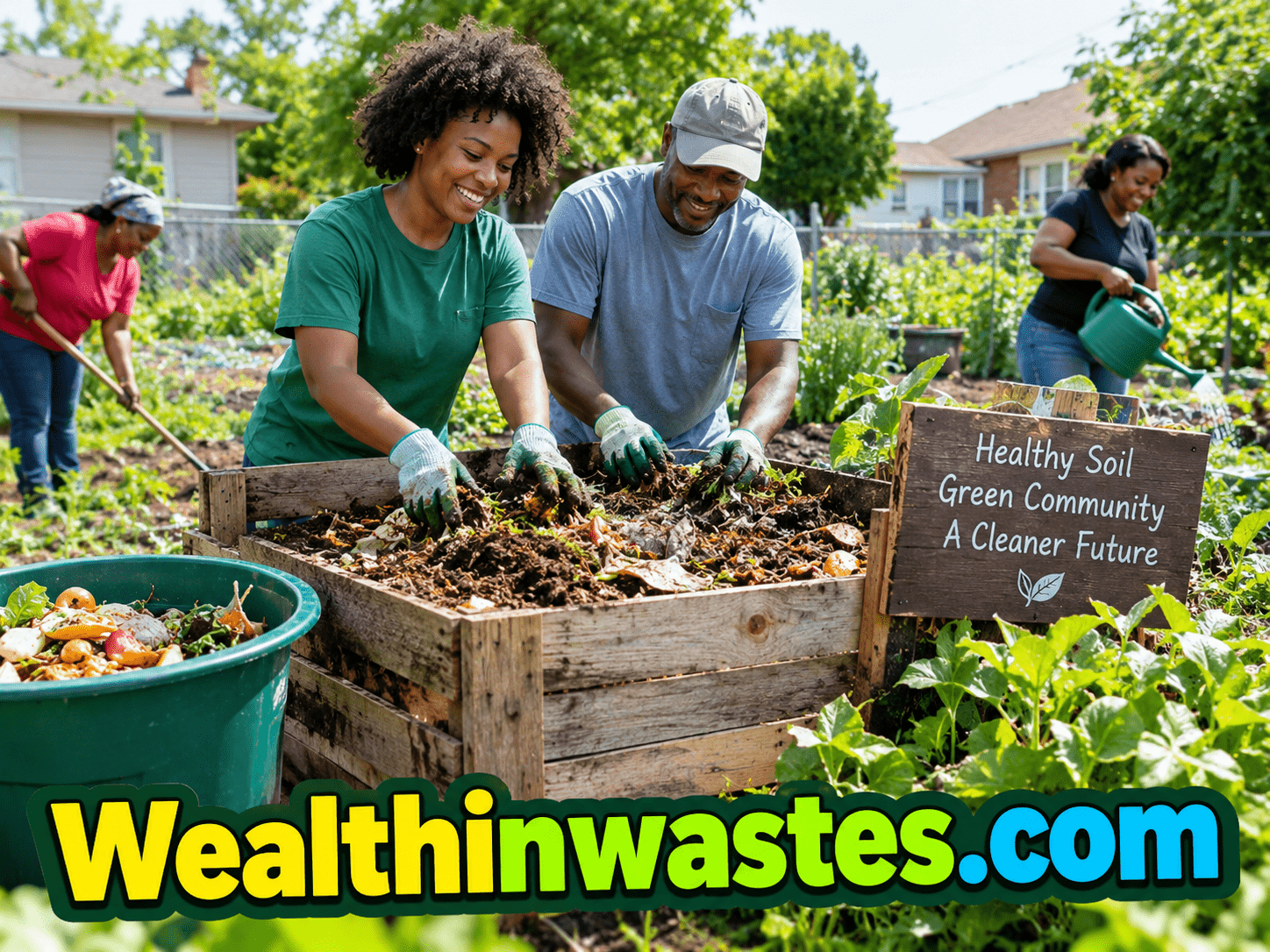
1. Better Waste Recovery: Community level composting diverts biodegradable materials from uncontrolled disposal and gives organic waste a productive destination through controlled decomposition, maturation, and agricultural reuse.
2. Cleaner Communities: Organized organic waste collection can reduce scattered biodegradable refuse around homes, streets, drainage channels, vacant spaces, and other locations where decomposing waste can create nuisance conditions.
3. Useful Organic Compost: Proper decomposition converts biodegradable materials into mature compost that can contribute organic matter to agricultural soils, gardens, and other suitable growing environments.
4. Reduced Disposal Pressure: Diverting organic materials from conventional disposal systems can reduce the volume of waste requiring collection, transport, and final disposal, especially where communities generate substantial biodegradable refuse.
5. Agricultural Resource Recovery: Communities can recover value from food scraps, leaves, crop residues, and suitable manure instead of treating these materials solely as unwanted refuse. Related waste-to-fertilizer opportunities reinforce this concept.
6. Stronger Community Participation: Shared facilities create opportunities for residents to cooperate around source separation, collection, cleanliness, monitoring, and responsible resource recovery while building practical environmental awareness.
7. Potential Economic Value: Mature compost may serve farmers, gardeners, and other users where demand exists. Community initiatives can therefore explore responsible income opportunities from domestic waste without compromising compost quality.
8. Support for Waste Minimization: Composting works best alongside reduction, reuse, and recycling. Broader waste minimization practices can reduce the amount entering shared composting facilities.
Community Composting Challenges and Best Practices
Community level composting offers clear advantages, but poor planning can weaken performance. Common challenges include inadequate space, unsuitable terrain, excessive rainfall, contamination, weak participation, insufficient capacity, and inconsistent maintenance.
1. Land and Drainage: Communities should choose land carefully because unsuitable locations may experience flooding, poor access, waterlogging, or runoff problems that interfere with safe and efficient composting operations.
2.Rainfall and Moisture: High rainfall can challenge underground pits, while dry weather can affect heaps. Facility selection and moisture management should therefore reflect local environmental conditions.
3. Waste Contamination: Mixed waste can reduce compost quality and complicate handling. Clear household education and strong source separation rules should prevent plastics, chemicals, batteries, glass, and metals from entering composting facilities.
4. Capacity Management: Communities should estimate waste generation before construction because undersized facilities may fill too quickly. Multiple pits, heaps, or tanks provide rotation while earlier batches mature.
5. Community Participation: Shared systems depend on residents following agreed rules. Managers should communicate acceptable materials, collection procedures, cleanliness standards, and maintenance responsibilities clearly and consistently.
6. Integrated Waste Management: Composting should operate within a wider system that includes recycling, reuse, treatment, and disposal. Communities can use waste treatment and disposal guidance to manage non-compostable materials.
7. Household Resource Recovery: Residents can separate recyclable materials before delivery, creating opportunities beyond composting. Information about income generation from household waste can encourage stronger participation.
8. Continuous Improvement: Managers should review collection, facility performance, compost quality, community feedback, and maintenance records periodically. Adjustments can then improve efficiency and strengthen the programme over time.
Communities can also reduce pressure on composting facilities through better household practices. Broader domestic waste management principles encourage separation, responsible collection, composting, recycling, and suitable disposal of unsuitable materials.
Community composting becomes more sustainable when residents see organic waste as a resource rather than worthless refuse. This perspective supports resource-oriented waste management and encourages practical recovery behaviour.
Successful programmes may also connect compost production with local agricultural needs. Where mature compost has practical demand, communities can strengthen recovery systems by linking organic waste management with responsible agricultural resource use.
Summary on Manure Pit Methods and Benefits for Community Level Composting
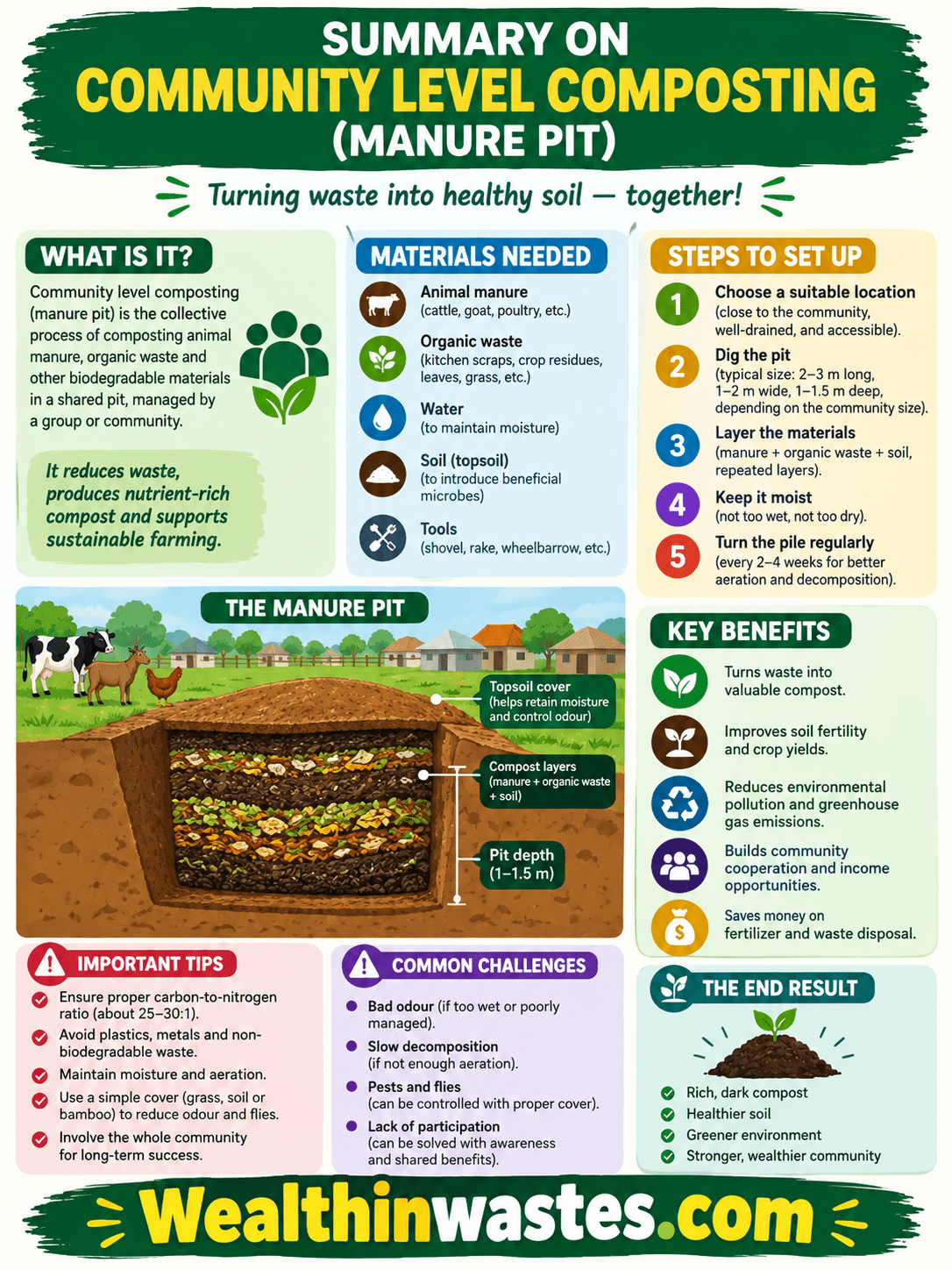
| Aspect | Summary |
|---|---|
| Purpose | Provides a shared system for treating biodegradable household waste and converting organic materials into useful compost. |
| Site Selection | Choose accessible, well-drained land with suitable soil, adequate working space, and consideration for prevailing wind direction and nearby residents. |
| Underground Pit | Best suited mainly to lower-rainfall rural areas where excavation remains practical and adequate space exists. |
| Over-Ground Heap | Useful where rainfall is high or rocky terrain makes deep excavation difficult. |
| Brick-Lined Tank | Provides a more structured and durable facility where organized community management and permanent boundaries are desirable. |
| Acceptable Materials | Use biodegradable household materials while separating plastics, metals, glass, chemicals, batteries, and hazardous substances. |
| Maintenance | Monitor moisture, drainage, waste composition, odour, covering, cleanliness, facility condition, and filling levels. |
| Maturation | The source methods generally allow approximately three to six months for maturation before compost removal. |
| Compost Use | Mature compost can be transported carefully and applied to suitable agricultural fields, gardens, and growing areas. |
| Main Benefits | Reduces uncontrolled organic waste disposal, improves cleanliness, supports resource recovery, and produces useful organic compost. |
Frequently Asked Questions About Community Level Composting: Manure Pit Methods and Benefits
1. What is community level composting?
It is a shared system where several households send biodegradable waste to organized communal facilities for controlled decomposition and later compost recovery.
2. Why is community level composting important?
It reduces uncontrolled organic waste disposal, improves community cleanliness, supports resource recovery, and creates compost that can serve agricultural and gardening purposes.
3. Where is an underground manure pit suitable?
It suits mainly rural areas with relatively low rainfall and ground conditions that allow practical excavation without serious drainage or flooding problems.
4. Why use an over-ground heap?
Over-ground heaps work well where rainfall is high or rocky terrain makes excavation difficult, allowing composting on a prepared raised platform.
5. What materials can enter the facility?
Biodegradable food waste, leaves, plant residues, suitable manure, and similar organic materials can enter, while hazardous and non-compostable materials remain separated.
6. Why add cow dung slurry?
Cow dung slurry can provide useful organic material and moisture that support decomposition when communities use it appropriately without creating excessive wetness.
7. How long does maturation take?
The source guidance generally allows about three to six months, although communities should also assess decomposition, stability, appearance, and remaining recognizable materials.
8. Why cover compost with soil?
Thin soil coverings help reduce odours and fly nuisance, while final covering protects the composting mass during the maturation period.
9. What are the main benefits?
Major benefits include cleaner surroundings, reduced disposal pressure, organic resource recovery, compost production, stronger participation, and support for sustainable waste management.
10. What are the main challenges?
Common challenges include limited land, unsuitable terrain, excessive rainfall, poor drainage, contamination, inadequate capacity, weak participation, construction costs, and inconsistent maintenance.
Do you have any questions, suggestions, or contributions? If so, please feel free to use the comment box below to share your thoughts. We also encourage you to kindly share this information with others who might benefit from it. Since we can’t reach everyone at once, we truly appreciate your help in spreading the word. Thank you very much for your support and for sharing!
Read Also: Sources of Organic Fertilizer Nutrients for Agricultural Soil Improvement