


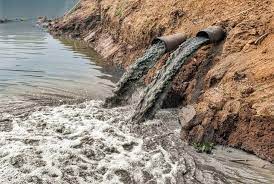
Water is essential for human survival, agriculture, industry, sanitation, and healthy ecosystems. However, sufficient water is useful only when its physical, chemical, and biological quality remains suitable for intended purposes.
As communities grow and economic activities expand, increasing volumes of used water are produced daily. When these discharges are poorly managed, they can introduce pollutants into rivers, lakes, streams, groundwater, and coastal environments.
Waste exists in several forms, including solids, liquids, and gases, but liquid waste requires particular attention because water carries dissolved and suspended substances efficiently across considerable distances and through connected environments.
Wastewater therefore represents more than dirty water; it can contain organic matter, nutrients, pathogens, chemicals, sediments, oils, metals, and other contaminants whose effects depend on their sources and concentrations.
Understanding what wastewater means and where it originates is essential for effective pollution prevention, treatment planning, environmental protection, public health, and responsible management of water resources in communities and productive sectors.
What Is Wastewater?
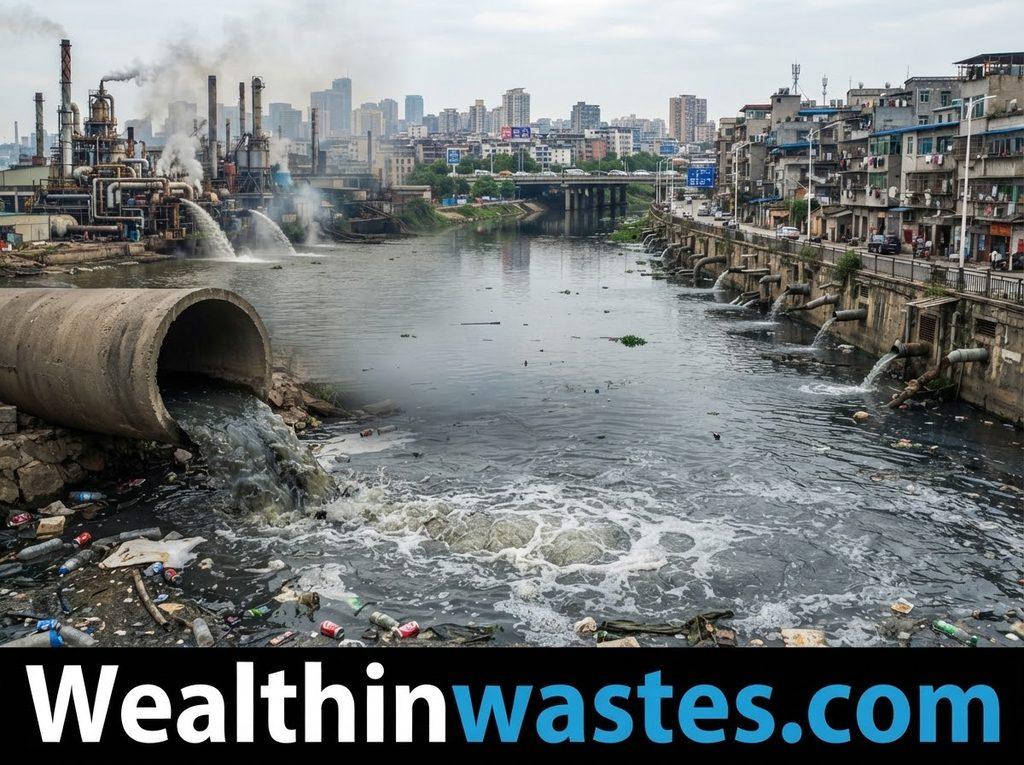
Wastewater is water whose quality has been altered by human use or contact with pollutants. It may contain dissolved substances, suspended particles, microorganisms, nutrients, organic materials, and other contaminants.
Domestic wastewater includes water discharged from bathrooms, kitchens, toilets, sinks, washing machines, dishwashers, and other household activities. Its composition depends largely on household size, habits, water consumption, and sanitation facilities.
Municipal wastewater can also include discharges from commercial establishments, public institutions, small businesses, and other community facilities that release used water into shared collection and treatment systems.
In areas where stormwater and sanitary sewage use combined collection systems, rainfall runoff may become part of the wastewater stream. This addition can substantially increase flow volumes during intense rainfall events.
Wastewater is predominantly water, but the small fraction of dissolved and suspended materials can significantly affect quality, treatment requirements, receiving ecosystems, and potential risks to people, livestock, crops, and wildlife.
Wastewater entering a treatment facility is commonly described as influent. After treatment, the resulting liquid is generally called effluent, and its quality determines whether it can be discharged or reused safely.
The term wastewater is broader than sewage because wastewater can originate from domestic, institutional, commercial, industrial, agricultural, and urban runoff sources. Wastewater characteristics and flow patterns vary substantially among these sources.
Effective wastewater management therefore begins with identifying the source, quantity, physical characteristics, chemical composition, biological content, and possible hazards associated with the water before selecting suitable treatment and disposal methods.
Read Also: Solid Waste Management Complete Guide
Characteristics and Composition of Wastewater
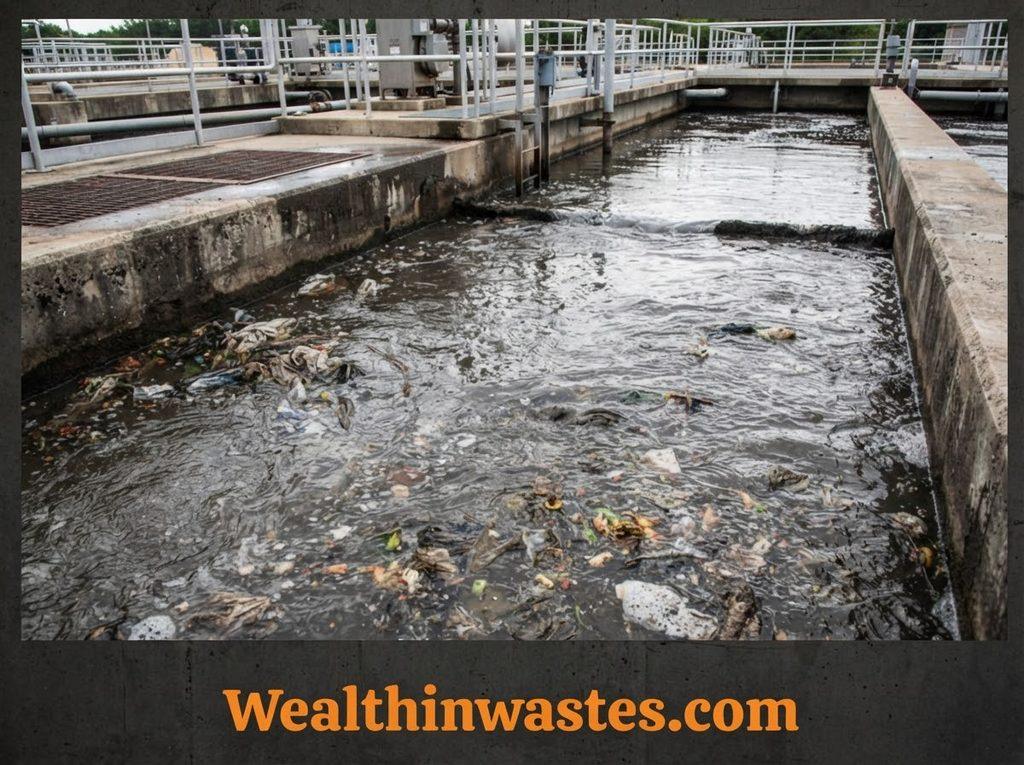
Wastewater characteristics describe the physical, chemical, and biological properties used to determine pollution strength, treatment requirements, environmental risks, and possible reuse opportunities. These properties often vary with source and operating conditions.
Biochemical oxygen demand, commonly called BOD, indicates the amount of dissolved oxygen microorganisms may require to break down biodegradable organic matter present in wastewater under specified testing conditions.
Chemical oxygen demand, or COD, measures the oxygen equivalent associated with chemically oxidizable substances in water. COD values are useful for evaluating pollution strength and comparing wastewater treatment performance.
Suspended solids include particles that remain dispersed in wastewater rather than dissolving completely. High suspended solids concentrations can increase water turbidity, interfere with treatment processes, and reduce environmental quality.
Dissolved solids consist of mineral salts and other dissolved substances. Excessive concentrations may affect water taste, irrigation suitability, industrial processes, soil conditions, and aquatic organisms depending upon the specific compounds present.
Nitrogen and phosphorus are important wastewater nutrients because excessive quantities can stimulate abnormal plant and algal growth in receiving waters. This process may reduce oxygen availability and disturb aquatic ecosystems.
Wastewater may contain microorganisms such as bacteria, viruses, protozoa, and other organisms associated with human or animal wastes. Their presence is particularly important when wastewater enters drinking-water sources or contacts food crops.
Temperature and pH are also important because they influence biological activity, chemical reactions, treatment efficiency, and aquatic conditions. Industrial discharges may alter these parameters significantly compared with typical domestic wastewater.
Understanding wastewater composition and sewage characteristics helps environmental professionals determine suitable treatment technologies, monitor pollution levels, protect receiving waters, and establish appropriate discharge or reuse requirements.
Sources of Wastewaters
1. Domestic Wastewater: Domestic wastewater comes from homes and contains discharges from kitchens, bathrooms, toilets, laundry, and other household activities, commonly containing biodegradable organic matter, suspended solids, nutrients, detergents, and microorganisms.
2. Institutional Wastewater: Institutional wastewater originates from schools, hospitals, prisons, offices, laboratories, and similar facilities. Its composition resembles domestic wastewater, although healthcare facilities may introduce biological materials, chemicals, and specialized wastes.
3. Commercial Wastewater: Commercial wastewater comes from hotels, restaurants, cafeterias, markets, shops, and related businesses. Food preparation, washing, grease, detergents, and other commercial activities can increase organic matter and suspended solids.
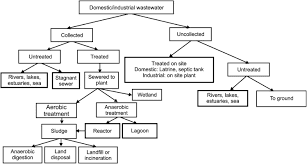
4. Industrial Wastewater: Industrial wastewater is generated during manufacturing, processing, cleaning, cooling, and other industrial operations. Breweries, refineries, textiles, pharmaceuticals, dairies, metal industries, and food processors may produce substantial volumes.
Industrial wastewater is often more complex than domestic wastewater because it may contain unusual organic compounds, oils, solvents, dyes, acids, alkalis, toxic chemicals, nutrients, or potentially harmful metals.
5. Agricultural Wastewater: Agricultural wastewater may originate from livestock housing, farm washing, irrigation return flows, drainage systems, and rainfall runoff. It can transport manure, nutrients, sediments, pesticides, herbicides, and dissolved agricultural chemicals.
6. Stormwater Runoff: Stormwater runoff forms when rainfall flows across urban or agricultural surfaces. Along its path, it can collect soil particles, litter, oils, nutrients, animal wastes, chemicals, and other pollutants.
7. Mining and Quarrying Wastewater: Mining and quarrying activities can generate wastewater containing suspended mineral particles, dissolved salts, metals, acids, and other substances. Poor management may contaminate nearby watercourses and groundwater resources.
8. Construction Wastewater: Construction activities can produce wastewater from concrete operations, equipment washing, excavation, dust suppression, and site drainage. Such water may carry cement particles, sediments, oils, and other contaminants into nearby drains.
9. Power Generation Wastewater: Power stations may produce wastewater through equipment cleaning, cooling operations, maintenance activities, and process discharges. Heated cooling water can also cause thermal pollution when released without adequate management.
10. Urban Drainage Wastewater: Urban drainage receives water from roads, open spaces, markets, residential areas, and other developed surfaces.During rainfall, accumulated contaminants can be transported rapidly into drains, streams, rivers, and lakes.
These sources demonstrate why different pollution sources and environmental pathways must be considered when designing wastewater collection, monitoring, treatment, and pollution-prevention programmes for communities and productive activities.
Read Also: Complete Guide to Waste Recycling in your Region
Domestic Wastewater and Its Major Components
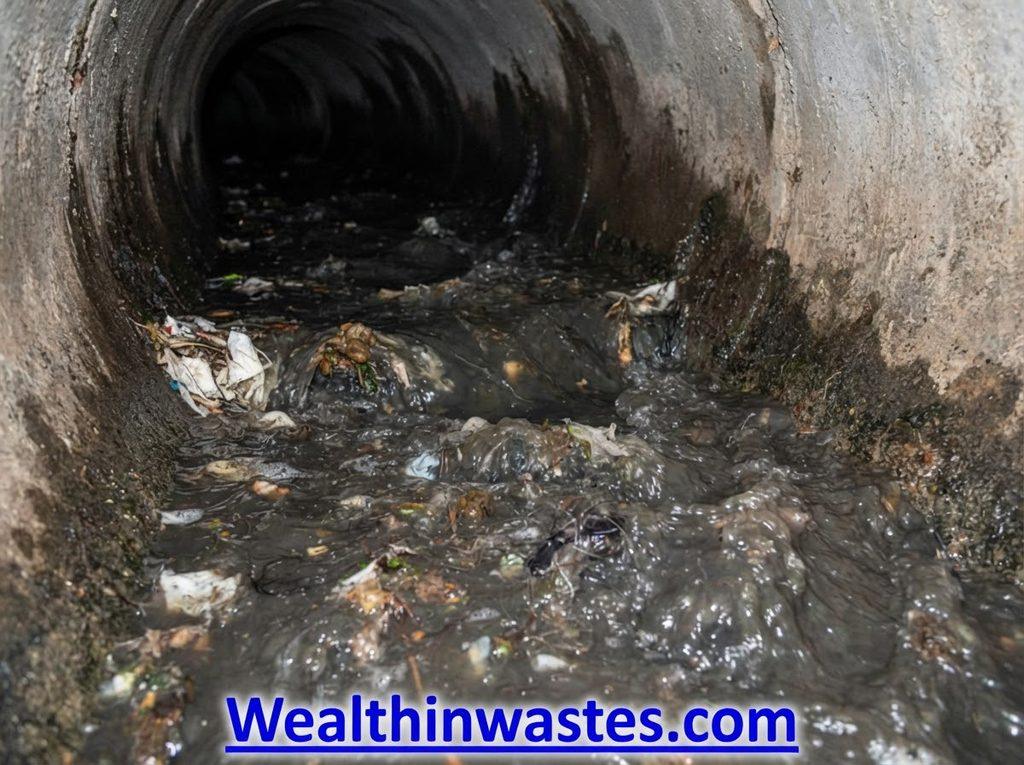
Domestic wastewater is usually generated continuously from ordinary household activities. Its quantity and quality depend on population size, water-use habits, sanitation infrastructure, cleaning practices, food preparation, and household appliances.
Kitchen wastewater commonly contains food residues, oils, grease, detergents, and dissolved organic materials. Without appropriate management, these substances can increase oxygen demand and contribute to unpleasant odours during decomposition.
Bathroom and laundry wastewater may contain soaps, detergents, hair, lint, suspended solids, microorganisms, and other materials. Excessive detergent discharge may introduce nutrients and chemicals into receiving water bodies.
Toilet wastewater generally contains faecal matter, urine, microorganisms, nutrients, and other substances associated with human excretion. It therefore presents greater microbiological risks than many other household wastewater streams.
Domestic wastewater is usually biodegradable, but untreated discharge can rapidly consume dissolved oxygen in receiving water. This may create oxygen-poor conditions that negatively affect fish, aquatic plants, and microorganisms.
Where separate sanitation systems are available, greywater from bathing and washing can sometimes be managed independently from blackwater. Such separation can create opportunities for controlled treatment and appropriate non-potable reuse.
Wastewater collection systems should prevent leakage, overflow, and direct contact with people. Proper drainage and containment reduce contamination risks while improving the reliability of downstream treatment and disposal systems.
Accurate wastewater flow information is also important because treatment facilities must be designed for expected average, maximum, and peak conditions. Estimating wastewater flow rates supports better hydraulic planning and operational control.
Institutional and Commercial Wastewaters
Institutional wastewater is produced by schools, hospitals, offices, prisons, residential campuses, laboratories, and similar establishments. Its characteristics depend on the activities performed and the number of people served.
Schools and offices generally produce wastewater similar to domestic wastewater because major sources include toilets, handwashing, cleaning, kitchens, and food-service facilities operating within those institutions.
Hospitals require greater attention because wastewater may contain pathogens, pharmaceuticals, disinfectants, laboratory chemicals, body fluids, and other substances requiring careful handling before final discharge or reuse.
Commercial wastewater comes from hotels, restaurants, markets, laundries, shopping facilities, workshops, and other businesses. Although much commercial wastewater resembles domestic wastewater, specific activities can introduce additional pollutants.
Restaurants and food businesses commonly produce wastewater containing oils, grease, food particles, detergents, and organic matter. Grease traps and suitable pretreatment systems can reduce operational problems in collection networks.
Markets may produce wastewater through washing produce, cleaning stalls, handling food, and routine sanitation. Such discharges can carry organic materials, sediments, microorganisms, and other contaminants into surrounding drainage systems.
Effective management of institutional and commercial wastewater requires source control, appropriate collection, routine monitoring, proper pretreatment where necessary, and reliable transportation to suitable treatment or disposal facilities.
Where communities experience inadequate waste collection, liquid wastes may combine with solid wastes and worsen environmental contamination. Improper waste disposal can contaminate surface and groundwater through runoff and leaching.
Industrial Wastewater and Major Industrial Groups
Industrial wastewater varies widely because each industry uses different raw materials, production methods, chemicals, machinery, cleaning procedures, and water-management practices. Consequently, treatment requirements must reflect the specific industrial process involved.
Food and beverage industries can release wastewater containing sugars, proteins, fats, suspended solids, detergents, and other biodegradable substances. Such wastes may have high organic strength and require effective biological treatment.
Chemical and pharmaceutical industries may generate wastewater containing acids, alkalis, solvents, active compounds, salts, toxic substances, and other pollutants. Characterisation and controlled treatment are therefore essential before discharge.
Textile and leather industries can produce wastewater containing dyes, pigments, suspended solids, salts, detergents, organic chemicals, and other substances. These discharges may require specialised treatment processes beyond conventional domestic wastewater methods.
Metal processing industries may generate wastewater containing metals, acids, alkalis, oils, suspended particles, and other contaminants. Industrial waste impacts on water and ecosystems can be substantial when effluent management is inadequate.
Power-generation facilities may discharge heated cooling water and process-related wastewater. Elevated temperatures can reduce dissolved oxygen availability and alter aquatic conditions, making appropriate thermal management important before discharge.
Industrial wastewater treatment commonly involves combinations of physical, chemical, and biological processes. The selected system depends on pollutant type, concentration, wastewater flow, regulatory requirements, production processes, and intended final disposal method.
A properly designed industrial treatment system can reduce pollutant concentrations and sometimes support water recycling or reuse within the facility. Industrial wastewater treatment processes can therefore support both environmental protection and resource efficiency.
Agricultural Wastewater and Stormwater Runoff
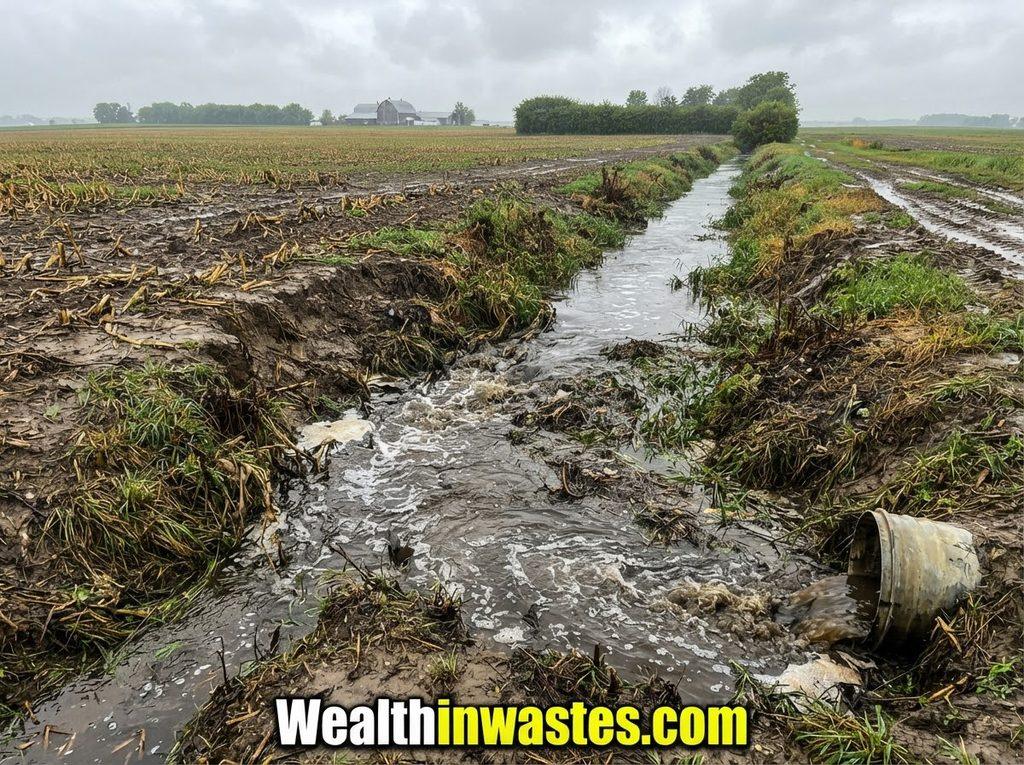
Agricultural wastewater originates from farming activities that use water for livestock housing, equipment washing, processing, irrigation, drainage, and other operations. Its pollutant content depends strongly on farm type and management practices.
Livestock manure contains nutrients and microorganisms that can contaminate surface water when animals are housed near streams or waste is stored incorrectly. Proper livestock waste management can significantly reduce such risks.
Farm runoff may transport nitrogen, phosphorus, sediments, pesticides, herbicides, and organic matter from fields into nearby water bodies. The resulting pollution may reduce water quality and affect aquatic organisms and downstream users.
Agricultural runoff is commonly considered a non-point pollution source because contaminants may originate across broad areas rather than from one identifiable discharge outlet. Agricultural runoff can carry pollutants from fields into streams and groundwater.
Soil erosion increases the amount of sediment transported by runoff. Sediment can cloud water, cover aquatic habitats, carry attached chemicals, and reduce the storage capacity of drainage channels and reservoirs.
Stormwater runoff in towns and cities may collect oils, metals, litter, organic wastes, sediments, and chemicals from roads, markets, construction areas, and other surfaces before reaching receiving waters.
Farmers can reduce wastewater-related pollution through careful fertilizer application, efficient irrigation, erosion control, buffer vegetation, responsible pesticide use, and proper manure storage. Soil and water conservation practices help control runoff and sediment movement.
Good irrigation management also reduces unnecessary runoff and nutrient losses. Efficient irrigation practices can improve water-use efficiency while reducing the amount of excess water leaving agricultural fields.
Environmental and Agricultural Effects of Poor Wastewater Management
Untreated wastewater can degrade the quality of rivers, lakes, streams, wetlands, groundwater, and coastal waters. The severity of pollution depends on pollutant type, concentration, discharge volume, receiving environment, and exposure duration.
Organic wastewater can stimulate rapid microbial activity that consumes dissolved oxygen. When oxygen becomes depleted, fish and other aquatic organisms may experience stress, become displaced, or die under severe conditions.
Excess nutrients can encourage algal growth and other aquatic vegetation. Subsequent decomposition may further reduce dissolved oxygen and create undesirable ecological changes, especially in slow-moving or poorly flushed water bodies.
Pathogens in wastewater can create public-health hazards where contaminated water is used for drinking, recreation, household purposes, livestock, or irrigation without adequate treatment and protective measures.
Chemical pollutants may damage aquatic organisms, interfere with biological processes, accumulate in sediments, or persist in the environment. Some industrial pollutants are particularly concerning because they may remain toxic at low concentrations.
Polluted irrigation water can affect agricultural productivity by introducing salts, pathogens, toxic substances, or excessive nutrients into soils and crops. Appropriate water-quality assessment is therefore important for sustainable agricultural production.
Wastewater pollution may also reduce the aesthetic value of communities by creating offensive odours, unpleasant appearances, floating debris, and degraded recreational environments. These impacts can affect livelihoods and community wellbeing.
Water-pollution reduction strategies should combine source control, proper waste collection, wastewater treatment, responsible agricultural practices, environmental monitoring, public awareness, and effective enforcement of pollution-control measures.
Basic Wastewater Management and Treatment
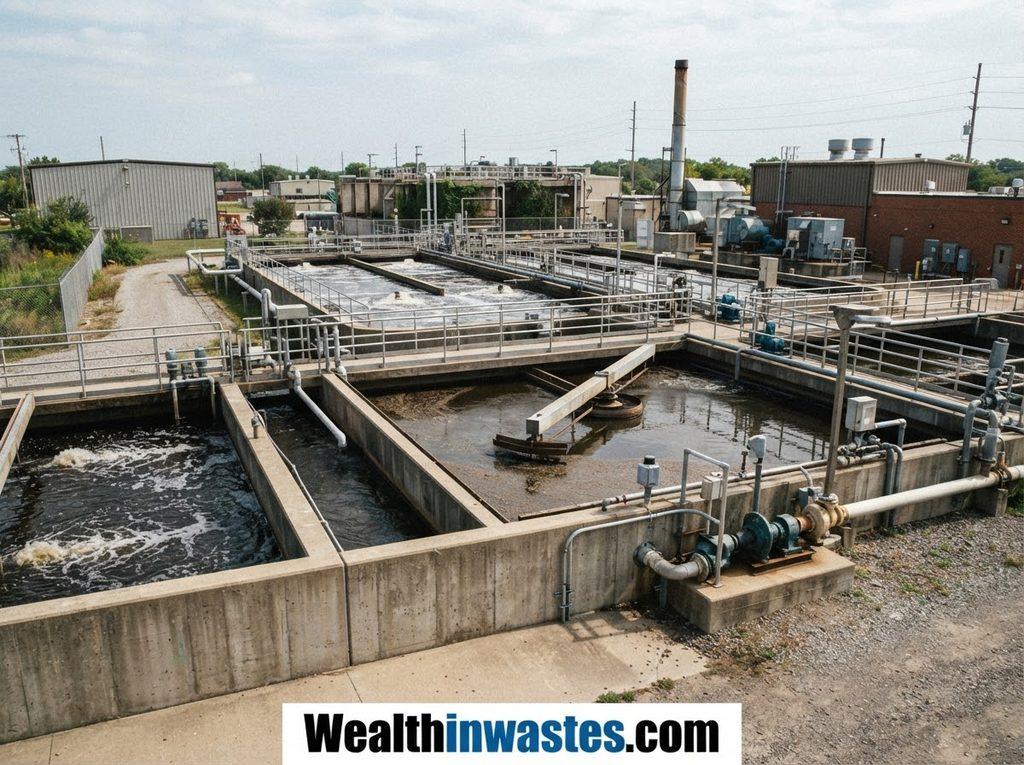
Wastewater management begins before treatment by reducing unnecessary water use, controlling pollutants at their sources, separating hazardous materials, maintaining drainage systems, and preventing illegal or uncontrolled discharges into the environment.
Collection systems should transport wastewater safely without excessive leakage, blockage, overflow, or infiltration. Regular inspection and maintenance help protect public health while improving the effectiveness of downstream treatment facilities.
Preliminary treatment commonly removes large debris, grit, and other materials that could damage pumps or interfere with later processes. Proper screening and grit removal improve the reliability of treatment plants.
Primary treatment generally removes settleable solids and floating materials using physical processes such as screening, sedimentation, and related operations. This stage reduces pollutant loads before biological treatment begins.
Secondary biological treatment is designed primarily to reduce biodegradable organic matter and, in some systems, nutrients. Microorganisms play an important role by converting or removing pollutants under controlled treatment conditions.
Advanced or tertiary treatment may provide additional removal of nutrients, pathogens, dissolved substances, and specific contaminants. The appropriate level depends on receiving-water sensitivity and whether treated wastewater will be reused.
Sedimentation remains an important treatment process because suspended particles can settle under suitable conditions. Sedimentation in wastewater treatment can reduce suspended solids before or after biological treatment.
Wastewater treatment also produces sludge requiring appropriate handling, stabilization, transport, reuse, or disposal.Safe sludge management is necessary because concentrated pollutants may remain in the residual solids after liquid treatment.
Industrial Groups in Nigeria and Their Potential Wastewater Generation
The industrial groups listed below provide a broad classification of manufacturing activities. Their wastewater generation depends on production processes, water consumption, raw materials, cleaning practices, cooling requirements, and pollution-control measures.
| S/N | Industrial Group | Examples of Subgroups |
|---|---|---|
| 1 | Food, Beverages and Tobacco | Breweries, starch, soft drinks, flour and grain milling, meat, poultry, fish processing, dairy products, fruit juices, biscuits, bakery products, animal feeds, sugar, distillery, cocoa, confectionery and tobacco. |
| 2 | Chemicals and Pharmaceuticals | Paints, industrial gases, soap, detergents, agrochemicals, pharmaceuticals, foam products, insecticides, petroleum refining, printing inks, cosmetics, basic industrial chemicals and batteries. |
| 3 | Domestic and Industrial Plastics and Rubber | Rubber products and domestic or industrial plastic products. |
| 4 | Basic Metal, Iron and Steel and Fabricated Metal Products | Steel pipes, metal packaging, foundries, aluminium products, enamel wares, welding electrodes, galvanized sheets, nails, wires, steel products and metal fabrication. |
| 5 | Pulp, Paper and Paper Products, Printing and Publishing | Stationery, printing and publishing, pulp products, paper products and related manufacturing activities. |
| 6 | Electrical and Electronics | Electronics, refrigerators, air conditioners, domestic appliances, electrical lamps, fittings, power-control equipment, cables and wires. |
| 7 | Textile, Wearing Apparel and Leather | Textiles, clothing, leather products, carpets, rugs, footwear, cordage, ropes and twine. |
| 8 | Wood and Wood Products Including Furniture | Wood products, furniture, plywood and particle boards. |
| 9 | Non-metallic Mineral Products | Glass, ceramics, cement products, asbestos-related products, school chalk, crayons and other mineral-based materials. |
| 10 | Motor Vehicle and Miscellaneous Assembly | Boat and ship building, automotive components, electric generator assembly, motor vehicle assembly and miscellaneous engineering products. |
Source: Ogedengbe, 1998.
The classification shows why industrial wastewater cannot be managed using one universal formula. Different factories produce different pollutants, meaning wastewater assessment should be based on specific processes, materials, flow patterns, and discharge conditions.
Industries should therefore identify major wastewater sources, measure relevant quality parameters, minimize unnecessary water use, maintain treatment facilities, and keep reliable monitoring records to support responsible environmental management.
Modern wastewater management can also emphasize recovery and reuse. Wastewater recycling and reuse opportunities may conserve freshwater resources when the quality, treatment level, and intended application are appropriate.
Safe reuse requires careful assessment of pathogens, salts, nutrients, toxic substances, and other contaminants. Treatment standards should reflect the proposed use, especially where workers, consumers, crops, livestock, or aquatic environments may be exposed.
Communities can also benefit when wastewater treatment reduces pollution loads before discharge. Cleaner receiving waters support healthier ecosystems, safer water resources, improved environmental conditions, and more sustainable development.
Wastewater management should therefore be treated as an integrated environmental responsibility involving households, businesses, farmers, industries, local authorities, regulators, treatment operators, and the wider community.
Good wastewater management protects water quality today while reducing future treatment costs and environmental risks. It also supports conservation, efficient resource use, environmental compliance, and responsible development across agricultural and urban communities.
Summary on What is Wastewater and Sources of Wastewaters
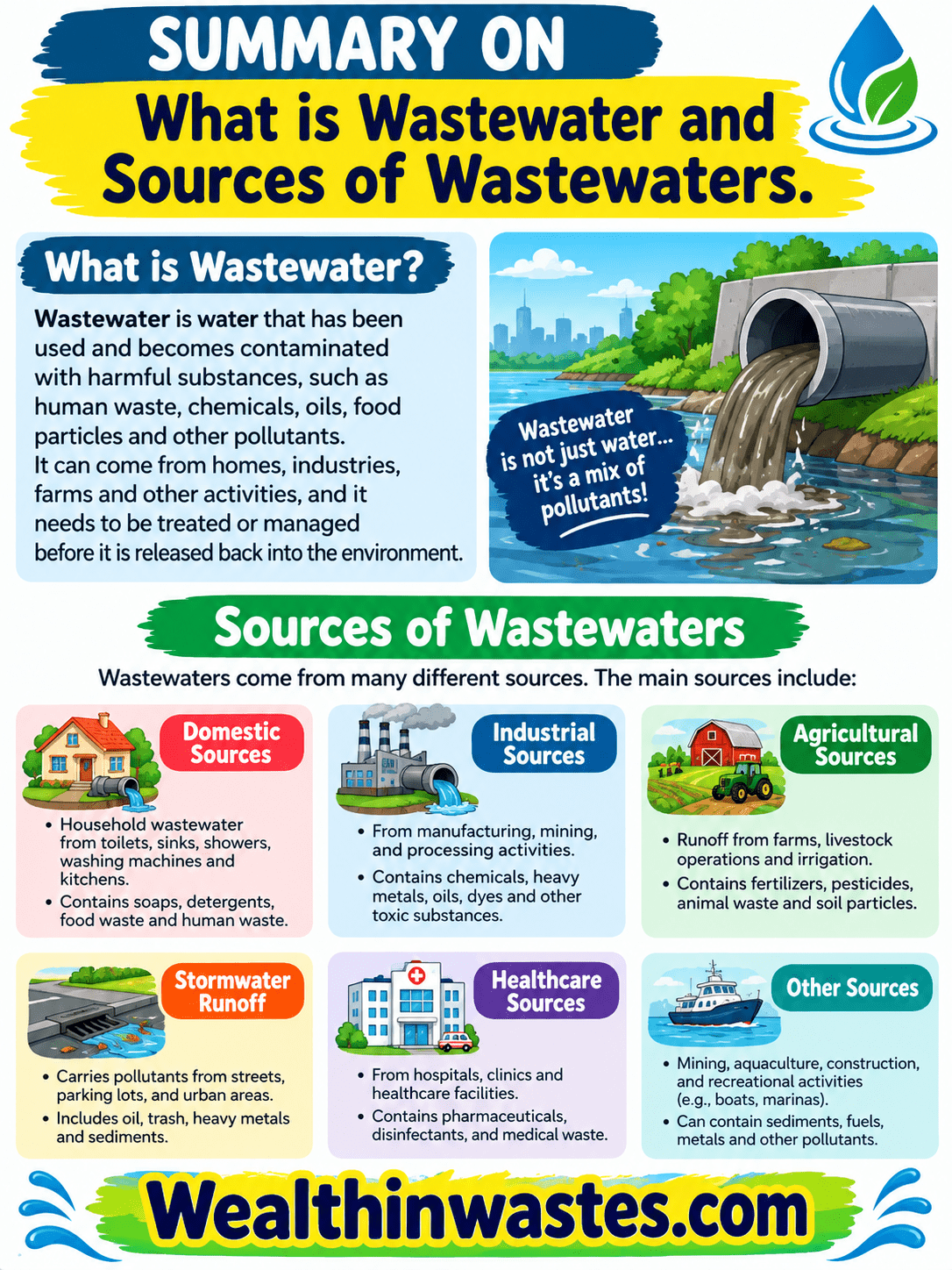
| Topic | Summary |
|---|---|
| Meaning of wastewater | Water whose quality has been changed through domestic, institutional, commercial, industrial, agricultural, or other human activities. |
| Main characteristics | Physical, chemical, and biological properties including BOD, COD, suspended solids, dissolved solids, nutrients, pathogens, temperature, and pH. |
| Domestic wastewater | Produced from homes through toilets, kitchens, bathrooms, laundry, washing, cleaning, and other household activities. |
| Institutional wastewater | Generated from schools, hospitals, prisons, offices, laboratories, and related facilities. |
| Commercial wastewater | Generated from hotels, restaurants, markets, shops, laundries, cafeterias, and other commercial establishments. |
| Industrial wastewater | Produced through manufacturing, processing, cleaning, cooling, and other industrial operations, often containing complex pollutants. |
| Agricultural wastewater | Comes from livestock operations, farm washing, irrigation drainage, field runoff, processing, manure, fertilizers, and agricultural chemicals. |
| Stormwater runoff | Rainwater flowing across developed or agricultural surfaces while collecting sediments, oils, nutrients, wastes, and other pollutants. |
| Environmental effects | Can cause oxygen depletion, nutrient pollution, pathogen exposure, chemical contamination, ecosystem degradation, and reduced water quality. |
| Wastewater treatment | May involve preliminary, primary, secondary, advanced, and sludge-management processes depending on wastewater characteristics and intended discharge or reuse. |
| Proper management | Requires source control, collection, monitoring, treatment, safe disposal, pollution prevention, maintenance, and responsible reuse practices. |
Frequently Asked Questions About What Is Wastewater and Sources of Wastewaters
1. What is wastewater?
Wastewater is water whose quality has been altered by human activities and which contains dissolved or suspended substances, microorganisms, organic materials, nutrients, chemicals, or other contaminants requiring management.
2. What are the major sources of wastewater?
The major sources include domestic homes, institutions, commercial businesses, industries, agricultural operations, construction activities, mining areas, power stations, and stormwater flowing across urban surfaces.
3. Why is domestic wastewater important?
Domestic wastewater may contain organic matter, nutrients, detergents, suspended solids, and pathogens. Without proper collection and treatment, it can contaminate water sources and create health and environmental problems.
4. How does agricultural wastewater pollute water?
Agricultural wastewater and runoff may transport manure, sediments, fertilizers, pesticides, herbicides, nutrients, and microorganisms from farms into streams, rivers, lakes, groundwater, and other receiving environments.
5. What is industrial wastewater?
Industrial wastewater is generated through manufacturing, processing, cleaning, cooling, and related operations. Its composition varies widely and may include organic matter, suspended solids, chemicals, oils, nutrients, or metals.
6. What is BOD in wastewater?
BOD means biochemical oxygen demand. It represents the amount of dissolved oxygen microorganisms may require to break down biodegradable organic matter contained in wastewater under specified testing conditions.
7. Why is wastewater treatment necessary?
Wastewater treatment reduces pollutants before discharge or reuse. Proper treatment protects public health, aquatic ecosystems, soil, agricultural production, groundwater, and other water resources from avoidable contamination.
8. Can treated wastewater be reused?
Yes, treated wastewater can sometimes be reused for suitable purposes when its quality meets applicable requirements.Potential uses include irrigation, industrial applications, landscaping, toilet flushing, and other non-potable activities.
9. What is stormwater runoff?
Stormwater runoff is rainfall that flows across roofs, roads, farms, construction sites, and other surfaces. During movement, it can collect sediments, oils, chemicals, wastes, nutrients, and other pollutants.
10. How can wastewater pollution be reduced?
Pollution can be reduced through source control, proper waste collection, efficient water use, responsible agricultural practices, effective wastewater treatment, routine monitoring, safe discharge, recycling, reuse, and environmental regulation.
Do you have any questions, suggestions, or contributions? If so, please feel free to use the comment box below to share your thoughts. We also encourage you to kindly share this information with others who might benefit from it. Since we can’t reach everyone at once, we truly appreciate your help in spreading the word. Thank you very much for your support and for sharing!
Read Also: Soil Productivity Relationship and Erosion Modeling in Agriculture