


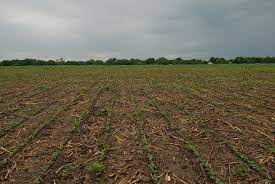
Rainfall plays a central role in determining how soil-applied herbicides behave after farmers apply them to agricultural fields. Water can activate herbicides, redistribute residues, and move chemicals through soil pores.
The effect of rainfall on herbicide transport depends on rainfall amount, intensity, timing, soil moisture, soil texture, organic matter, permeability, and the chemical properties of the herbicide itself.
Light rainfall may place a herbicide within the upper soil layer, while heavier or sustained rainfall can drive dissolved residues deeper. Excess water can also create runoff when infiltration capacity becomes limited.
Herbicide movement matters because effective transport can place a chemical near germinating weeds, while excessive movement can carry residues beyond the target zone. Such losses may affect crops, water resources, and organisms.
Understanding the effect of rainfall on herbicide transport therefore helps farmers predict herbicide performance, reduce unnecessary losses, and protect soil and water from avoidable chemical contamination.
How Rainfall Moves Herbicides
Rainfall activates many soil-applied herbicides by dissolving the active ingredient and carrying it downward toward the soil layer where weed seeds germinate. Adequate moisture improves chemical availability without necessarily causing excessive movement.
The amount of water entering soil depends on rainfall intensity and the soil infiltration rate. When rainfall exceeds infiltration capacity, water accumulates at the surface and increases the possibility of herbicide runoff.
When rainfall enters the soil efficiently, dissolved herbicide can move with infiltrating water through connected pores. The distance traveled depends on soil structure, permeability, adsorption, moisture content, and chemical solubility.
Farmers should therefore consider local weather conditions before applying soil herbicides. Knowledge of site conditions that influence pesticide mobility helps predict chemical movement after rainfall events.
Soil texture also changes rainfall response because sandy soils usually allow faster water penetration, whereas finer soils can restrict infiltration and increase surface ponding when rainfall arrives rapidly.
Research on soil properties affecting pesticide movement shows why soil texture, moisture, organic matter, structure, and pH can strongly influence chemical distribution following rainfall.
Rainfall does not automatically improve herbicide performance because excessive water may transport the active ingredient beyond the intended zone. Effective use requires enough moisture for activation without unnecessary chemical displacement.
Read Also: Roles of Producers and Corporations in Waste Management
Rainfall Timing and Herbicide Activation

1. Rainfall Soon After Application: Rainfall shortly after herbicide application can help dissolve and move soil-active ingredients into the upper soil zone, supporting contact with emerging weed seeds and roots under suitable conditions.
2. Moderate Moisture After Application: Moderate rainfall often provides enough water to activate soil-applied herbicides without causing substantial runoff or deep leaching, especially when soils contain adequate organic matter and stable structure.
3. Heavy Rainfall Immediately After Application: Intense rainfall can move herbicides rapidly across the soil surface or through large pores, increasing chemical losses when rainfall arrives before adequate adsorption and incorporation occur.
4. Delayed Rainfall After Application: Delayed rainfall may reduce activation for products requiring moisture, particularly when dry soil limits herbicide distribution. Some compounds may remain exposed to degradation, volatilization, or sunlight during prolonged dry periods.
5. Rainfall During Sensitive Crop Stages: Rainfall must also be considered in relation to crop development because excessive movement into the root zone can expose susceptible crops to herbicide concentrations that may cause injury.
6.Weather Monitoring Before Spraying: Farmers can reduce avoidable losses by checking expected rainfall before spraying, following product labels, and avoiding applications when forecast conditions indicate severe runoff or leaching risks.
7. Soil Moisture Before Application: Existing soil moisture influences how much additional rainfall the soil can absorb. Saturated or nearly saturated soils have limited storage capacity and therefore increase runoff risks during subsequent storms.
8. Application Rate And Timing: Correct rates and timing reduce unnecessary chemical loading on soil. Guidance on pesticide management practices supports better decisions about applications, irrigation, and transport risks.
Soil Properties Controlling Herbicide Transport
1. Soil Texture: Sand, silt, and clay proportions determine pore size, permeability, and water movement. Sandy soils commonly allow faster downward transport, while clay-rich soils provide stronger adsorption and slower movement.
2. Soil Organic Matter: Organic matter provides numerous adsorption sites for herbicides, reducing the amount remaining freely dissolved in soil water. Higher organic matter can therefore restrict immediate movement under many field conditions.
3. Soil Moisture: Soil moisture affects both herbicide availability and water movement. Very dry soils may bind certain chemicals strongly, while already wet soils can increase runoff when rainfall exceeds infiltration capacity.
4. Soil Structure: Stable aggregates influence how water enters and moves through the profile. Cracks, root channels, wormholes, and other macropores can provide rapid pathways for rainfall and dissolved herbicides.
5. Soil Permeability: Permeability determines how quickly water can move vertically through soil. Highly permeable materials may allow dissolved herbicides to reach deeper layers more rapidly, particularly after substantial rainfall.
6. Soil pH: Soil pH changes the charge and chemical behaviour of some herbicides, which can alter adsorption and mobility. Understanding soil properties and chemical conditions therefore improves transport assessment.
7. Soil Composition: Mineral surfaces and organic constituents interact differently with herbicides. Information about soil and mineral resource management helps explain why chemical retention varies widely between agricultural soils.
Herbicide Adsorption and Desorption
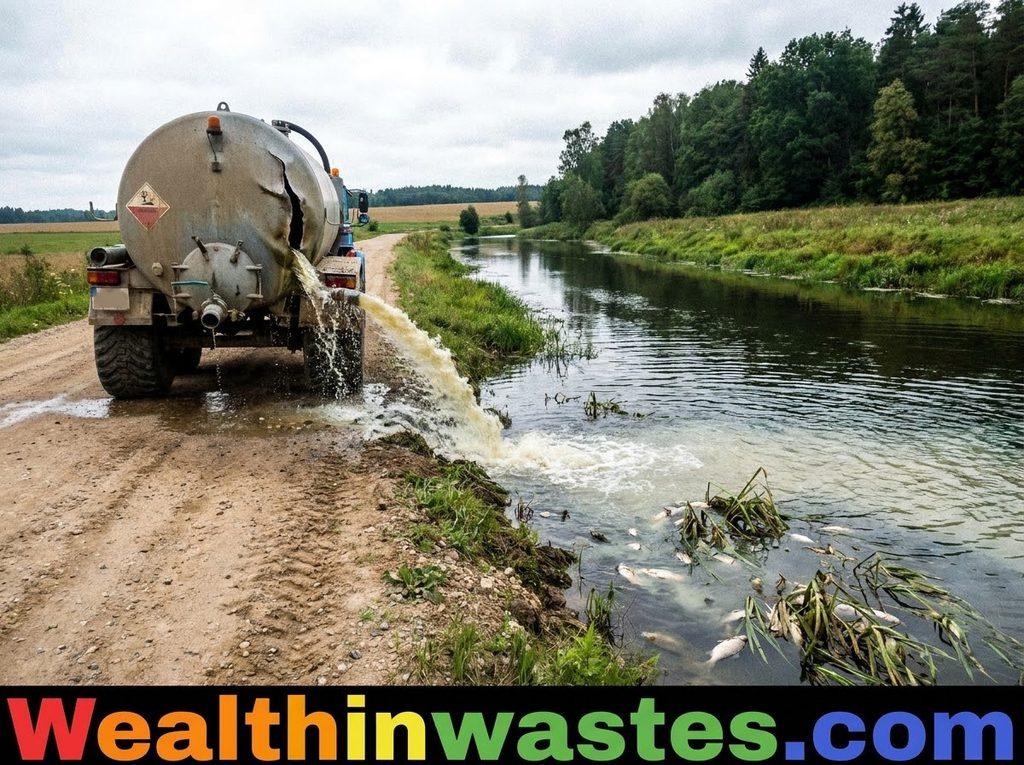
Adsorption occurs when herbicide molecules attach to soil particles, particularly clay minerals and organic matter. This interaction reduces the proportion immediately available in soil water and can slow downward transport.
Desorption occurs when previously attached molecules return to the soil solution. Rainfall can encourage this process by changing soil moisture conditions and allowing water to compete with herbicide molecules for binding sites.
The balance between adsorption and desorption influences whether rainfall keeps a herbicide near the soil surface or carries it toward deeper layers. Strong adsorption can limit movement but may also reduce availability.
Herbicides with weaker adsorption may remain more mobile in soil water. Information about pesticide movement and absorption processes explains how runoff, leaching, volatilization, uptake, and chemical retention interact.
Herbicide molecules may also interact with soil through hydrogen bonding, ionic attraction, cation bridging, hydrophobic interactions, and other mechanisms that determine how strongly they remain attached.
Adsorption therefore influences herbicide selectivity, persistence, and transport. Strong retention may limit downward movement, whereas weak retention can increase mobility and raise the possibility of contamination beyond the treated field.
Herbicide persistence also matters because rainfall can transport chemicals that remain in soil long enough to encounter subsequent water movement.Factors affecting pesticide degradation in soil can therefore change transport risks.
Where chemical mobility and persistence combine with frequent rainfall, farmers should pay closer attention to application timing, soil characteristics, drainage patterns, and product instructions before treatment.
Rainfall Effects on Runoff and Leaching
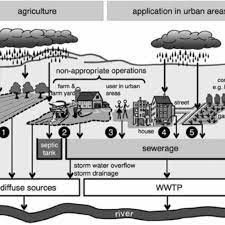
1. Surface Runoff: Runoff begins when rainfall reaches the soil faster than the surface can absorb it. Herbicides dissolved in water or attached to eroded particles can then move downslope toward drains, streams, ponds, and wetlands.
2. Soil Leaching: Leaching carries dissolved herbicides downward through soil layers with infiltrating water. The risk increases when rainfall follows application closely, especially on permeable soils containing chemicals with relatively high mobility.
3. Groundwater Contamination: When herbicides move below the active soil layer, they may eventually reach groundwater. Information on groundwater pollution sources and management highlights agricultural chemicals among possible contaminants.
4. Surface Water Contamination: Rainfall-driven runoff can carry agricultural chemicals into nearby surface waters. The broader problem of water pollution from agricultural sources shows why runoff management remains environmentally important.
5. Rainfall Intensity: Strong storms can produce greater runoff volumes because water arrives faster than soil infiltration can accommodate. Such events may transport recently applied herbicides before substantial soil adsorption occurs.
6. Rainfall Duration: Long-lasting rainfall can continue moving herbicides after initial infiltration, particularly when soils become saturated. Continuous water flow may therefore increase the depth and distance that mobile chemicals travel.
7. Soil Erosion: Eroding particles can transport adsorbed herbicides from field surfaces. Limiting erosion therefore helps reduce chemical movement, while vegetation and crop residues can slow runoff and trap sediment.
8. Drainage Conditions: Poorly managed drainage may concentrate contaminated water and increase movement toward sensitive areas. Protecting receiving waters should remain part of responsible agricultural chemical management.
Herbicide Transport Through Soil Pores
1. Small Soil Pores: Fine pores hold water more strongly and can slow chemical movement. Herbicides moving through these spaces generally travel more gradually because water experiences greater resistance within the soil matrix.
2. Large Soil Pores: Large connected pores can act as rapid channels for rainfall. Cracks, root channels, wormholes, and structural openings may therefore transport water and dissolved herbicides much faster.
3. Preferential Flow: Preferential flow occurs when water bypasses much of the surrounding soil matrix through continuous macropores. This process can move chemicals rapidly toward deeper layers despite strong surface adsorption.
4. Diffusion: Diffusion moves herbicide molecules from areas of higher concentration toward areas of lower concentration. Although slower than mass flow, diffusion contributes to redistribution when water movement becomes limited.
5. Mass Flow: Mass flow transports dissolved herbicides with moving water. Rainfall increases this transport mechanism when infiltration is active, making water movement one of the most important controls on chemical redistribution.
6. Soil Profile: Layered soils can redirect chemical movement. Impermeable layers may restrict downward flow and encourage lateral movement, while permeable layers can accelerate vertical transport toward drainage systems and groundwater.
7. Land Characteristics: Soil and land conditions influence rainfall infiltration, erosion, and chemical movement. Guidance on land and water resource conditions provides broader context for agricultural water movement.
8.Soil Conservation: Better soil structure and surface protection can reduce rapid runoff and uncontrolled transport. Sustainable land management practices therefore contribute to controlling rainfall-driven chemical movement.
Environmental Risks of Herbicide Transport

Herbicide transport becomes an environmental concern when chemicals move outside their intended treatment zone. Runoff and leaching can expose soils, plants, aquatic organisms, livestock, and water resources to unwanted residues.
Persistent contaminants may remain in soil and continue interacting with plants or microorganisms. The wider effects of hazardous substances on soil demonstrate why chemical mobility deserves careful environmental attention.
Herbicide residues reaching surface water can affect non-target vegetation and aquatic ecosystems, particularly when runoff delivers chemicals from large agricultural areas during intense rainfall events.
Agricultural contaminants can contribute to broader water quality problems. Information on sources and types of environmental pollution places agricultural chemical use among activities capable of affecting environmental quality.
Food safety can also become relevant when residues move into crops or remain available for plant uptake. The discussion of agricultural chemical contamination of food highlights the importance of responsible chemical management.
Pollution can impose economic consequences through reduced productivity, treatment costs, damaged ecosystems, and losses in fisheries or agriculture. The evidence discussed in economic losses resulting from pollution illustrates these broader concerns.
Institutional oversight also supports safer chemical practices by protecting soil, water, food, and public interests. Effective pollution control arrangements can strengthen monitoring and environmental protection.
Read Also: Definition and Waste Minimization/Reduction Process
Practical Ways to Limit Herbicide Movement

1. Check Weather Forecasts: Farmers should review rainfall forecasts before application and avoid spraying when heavy storms are likely. Correct timing can reduce immediate runoff and excessive movement from freshly treated soil.
2. Follow Product Labels: Product labels provide application rates, timing, soil restrictions, environmental precautions, and other requirements. Following those directions reduces misuse and helps keep herbicides within their intended treatment area.
3. Maintain Soil Cover: Vegetation and crop residues reduce raindrop impact, slow surface water, and limit erosion. These practices can therefore reduce the movement of herbicide-bearing sediment during heavy storms.
4. Manage Irrigation Carefully: Excess irrigation can behave like rainfall by increasing runoff and leaching. Farmers should apply water according to crop needs while considering soil moisture and the herbicide label.
5. Protect Water Resources: Buffer zones, grassed areas, and careful field placement can reduce chemical movement toward streams and drainage channels. Guidance on protecting water resources supports this precaution.
6. Avoid Saturated Soils: Applying herbicides to saturated soils can increase runoff because little additional water can enter the profile. Field conditions should therefore remain suitable for infiltration before treatment.
7. Reduce Erosion: Conservation practices that slow water movement can reduce transport of soil-bound herbicides. Appropriate field layout, vegetation, residue retention, and erosion control measures can improve environmental protection.
8. Prevent Chemical Losses: Responsible chemical handling extends beyond field spraying. Storage, mixing, equipment cleaning, and disposal should also prevent concentrated residues from entering soil, drains, and water bodies.
Waste prevention principles can support broader environmental protection because preventing contamination at the source usually reduces later treatment requirements. The environmental factors used for disposal planning reinforce this approach.
Farmers should also consider local rainfall patterns, soil characteristics, crop sensitivity, drainage conditions, and herbicide properties together rather than relying on one factor when assessing transport risk.
Integrated weed management can further reduce dependence on repeated herbicide applications. Combining suitable chemical treatment with cultural and mechanical methods may lower the total amount of herbicide introduced into agricultural soils.
Effective planning can protect agricultural productivity while reducing environmental risks because the prediction of herbicide movement allows farmers to balance weed control requirements with responsible soil and water management.
Herbicide transport should always be evaluated as part of a wider environmental management strategy. Protecting soil, groundwater, surface water, crops, livestock, and non-target organisms requires careful decisions before and after rainfall events.
The relationship between rainfall and herbicide movement becomes especially important during periods of frequent storms. Better application timing, soil conservation, and water management can reduce chemical losses while maintaining effective weed control.
In practical agriculture, the goal is not to prevent every movement of herbicide but to ensure that useful transport reaches the intended weed-control zone without unnecessary losses beyond that target area.
Farmers can achieve this balance by understanding rainfall patterns, soil behaviour, herbicide properties, and application requirements. Such knowledge supports efficient chemical use and reduces avoidable contamination of surrounding environmental resources.
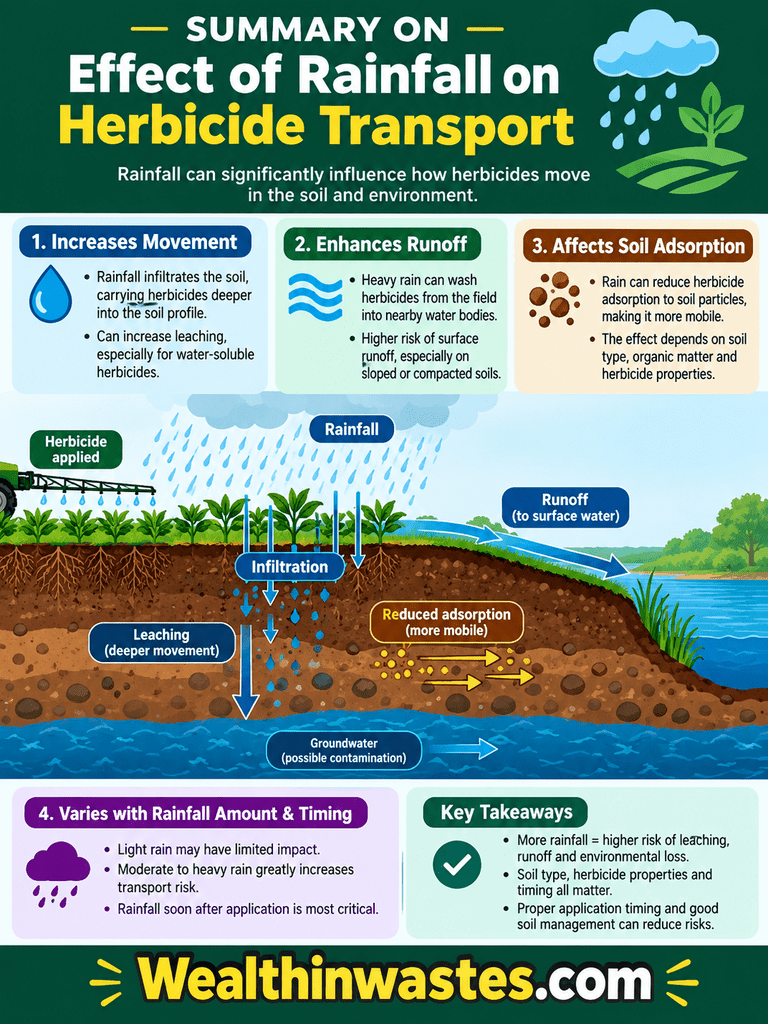
Summary on Effect of Rainfall on Herbicide Transport
| Aspect | Summary |
|---|---|
| Rainfall Role | Rainfall activates many soil-applied herbicides and transports dissolved chemicals through soil. |
| Rainfall Timing | Timing after application strongly affects activation, runoff, and leaching. |
| Rainfall Intensity | Heavy rainfall can increase runoff and rapid downward movement. |
| Soil Texture | Sandy soils generally permit faster water and chemical movement than finer soils. |
| Adsorption | Strong adsorption can reduce herbicide mobility by retaining molecules on soil particles. |
| Desorption | Desorption returns attached herbicides to soil water where rainfall can transport them. |
| Runoff | Excess rainfall can move herbicides across soil surfaces and into water bodies. |
| Leaching | Dissolved herbicides can move downward toward deeper soil layers and groundwater. |
| Environmental Risk | Uncontrolled movement may contaminate soil, surface water, groundwater, crops, and non-target organisms. |
| Risk Reduction | Weather monitoring, correct application, soil conservation, drainage management, and label compliance can reduce losses. |
Frequently Asked Questions About Effect of Rainfall on Herbicide Transport
1. Why is rainfall important for soil-applied herbicides?
Rainfall supplies moisture that dissolves and redistributes many soil-applied herbicides, helping them reach the upper soil zone where germinating weeds and roots can absorb them.
2. Can heavy rainfall reduce herbicide effectiveness?
Yes. Heavy rainfall can wash herbicides away through runoff or move them deeper through leaching, reducing the concentration remaining within the intended weed-control zone.
3. Does soil type affect herbicide transport?
Yes. Sandy soils usually permit faster water movement, while clay and organic-rich soils often provide more adsorption sites that can reduce herbicide mobility.
4. What is the difference between runoff and leaching?
Runoff moves herbicides across the soil surface with flowing water, whereas leaching moves dissolved herbicides downward through soil with infiltrating water.
5. Can herbicides reach groundwater after rainfall?
Yes. Mobile and persistent herbicides can move through permeable soils and preferential flow pathways, potentially reaching groundwater when rainfall provides sufficient downward water movement.
6. How can farmers reduce rainfall-related herbicide losses?
Farmers can monitor weather forecasts, follow product labels, avoid saturated soils, control erosion, maintain soil cover, and manage irrigation carefully after chemical application.
7. Does adsorption always improve herbicide performance?
No. Strong adsorption can reduce unwanted movement, but excessive retention may also reduce the amount of herbicide available for uptake by target weeds.
8. Why should herbicide transport prediction matter?
Predicting chemical movement helps farmers maintain effective weed control while reducing runoff, leaching, groundwater contamination, crop injury, and unnecessary environmental exposure.
Since we can’t reach everyone at once, we truly appreciate your help in spreading the word. Thank you very much for your support and for sharing!
Read Also: Chemical Methods of Weed Control Guide