


Water is essential for drinking, cooking, personal hygiene, sanitation, and many domestic activities, making its quality an important consideration for protecting human health and maintaining acceptable living conditions.
Water supplied through a public system is generally subject to treatment and regulatory monitoring, while people using private wells have greater responsibility for checking their water quality and protecting their sources.
Private well owners should periodically test their water, inspect well caps and seals, and identify possible contamination sources such as leaking septic systems, surface runoff, and nearby pollutants.
Water may require additional treatment when contaminants affect its safety or cause undesirable characteristics such as unpleasant taste, objectionable odour, corrosiveness, excessive hardness, or unsuitable physical appearance.
Understanding potable and palatable water helps consumers distinguish between water that is safe for human consumption and water that also has acceptable aesthetic characteristics for everyday use.
What is Potable Water?
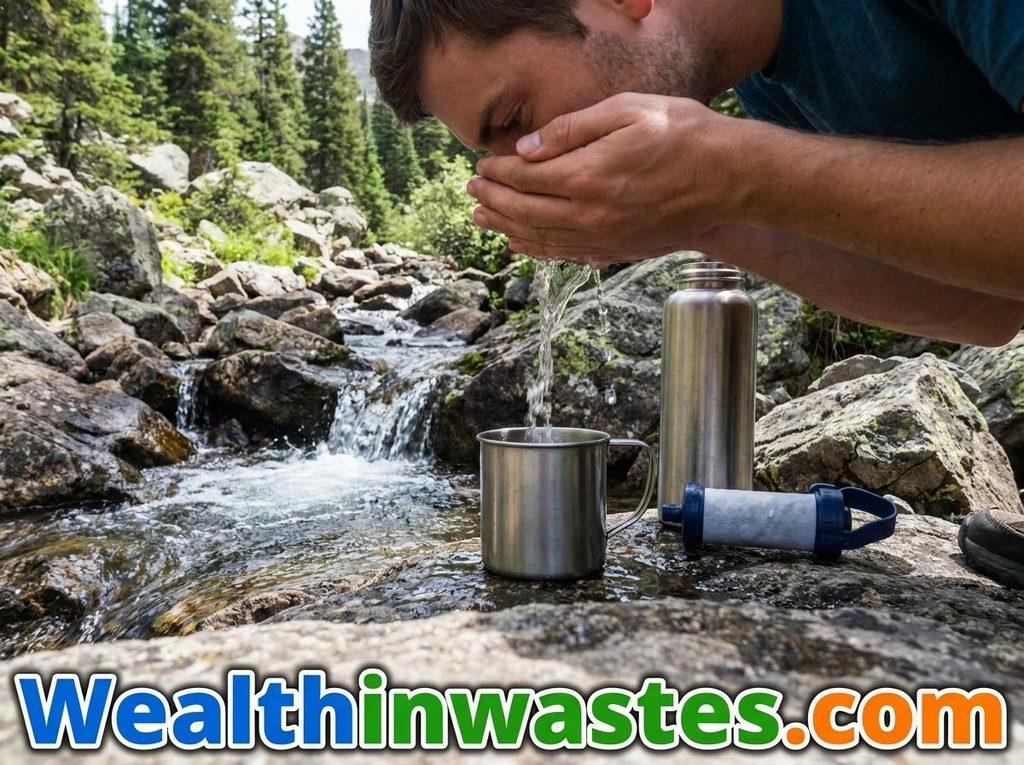
Potable water refers to water of a quality considered acceptable for human consumption and suitable for drinking after appropriate treatment removes or controls harmful substances that may threaten human health.
According to the Academics Dictionary of Geography, potable water is water acceptable for human consumption and may require treatment to remove undesirable tastes, odours, dissolved solids, suspended solids, and pathogens.
The concept of potable water focuses primarily on safety because drinking water may contain biological, chemical, physical, or radiological contaminants that can create health risks when present at unacceptable concentrations.
Microbial contaminants can include organisms such as Giardia and Cryptosporidium, which may enter water supplies through sewage contamination, animal wastes, inadequate sanitation, runoff, or failures within water treatment systems.
Chemical contaminants may include metals, pesticides, industrial substances, and disinfection by-products, while naturally occurring minerals may also affect water quality depending upon the characteristics of the source.
Understanding water quality assessment and monitoring is important because different water sources require examination of physical, chemical, biological, and other characteristics before their suitability can be determined.
Potable water does not necessarily have to possess perfect taste, odour, colour, or appearance, provided its characteristics remain within applicable health-based requirements for safe human consumption.
Therefore, potable water should be considered primarily in terms of safety, treatment requirements, contaminant control, and compliance with appropriate standards established for protecting consumers from harmful exposures.
Effective treatment may involve several processes depending on the contaminants present, and water treatment methods can include physical, chemical, biological, filtration, disinfection, and other specialized processes.
Read Also: Wastewater Treatment and Guideline Standards
Difference between Palatable Water and Potable Water
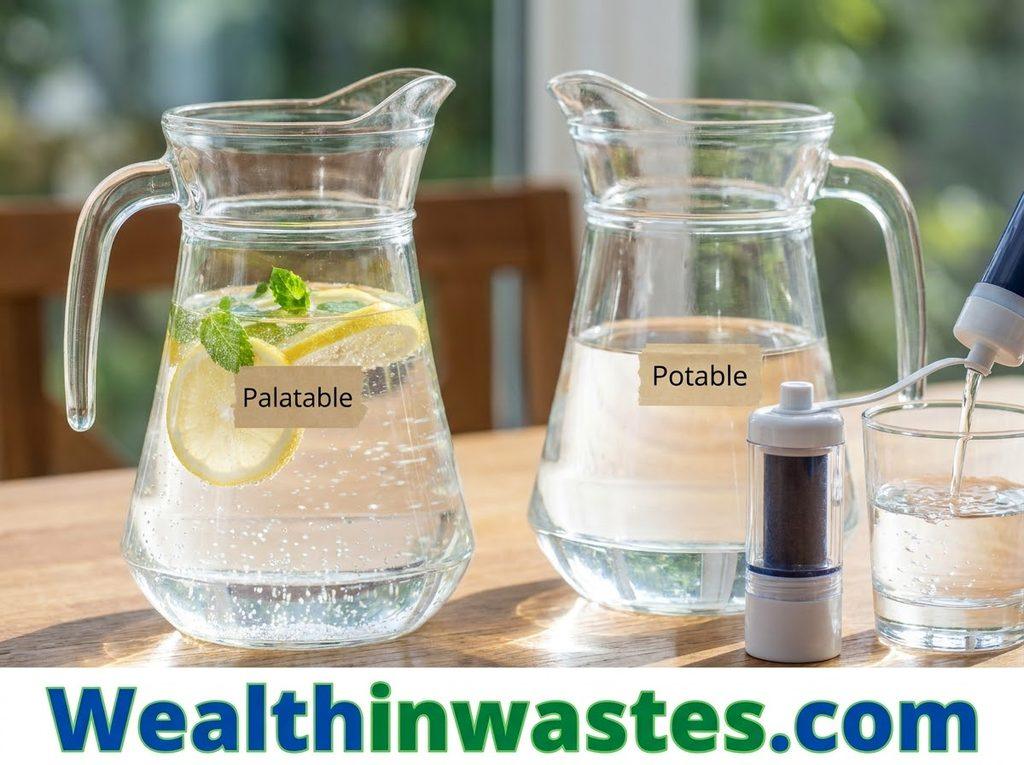
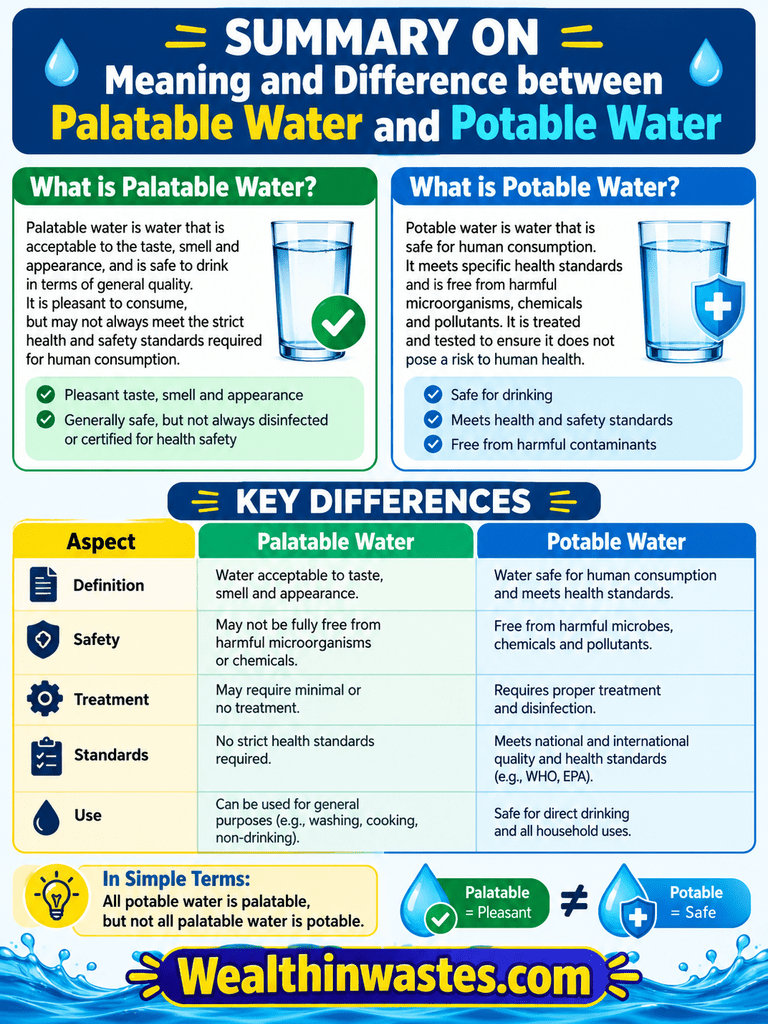
Palatable water is water that is aesthetically acceptable to consumers, while potable water is water that meets safety requirements for human consumption without necessarily having every desirable aesthetic characteristic.
The goal of municipal water treatment is commonly to produce water that is both safe and acceptable to consumers, addressing health-related contaminants alongside taste, odour, colour, and other aesthetic concerns.
Potability is mainly concerned with protecting human health, whereas palatability focuses more strongly on the sensory qualities that influence whether consumers consider water pleasant or acceptable to drink.
Water may therefore be potable without being particularly attractive in taste or appearance, while water that looks clear and tastes acceptable cannot automatically be assumed to be microbiologically or chemically safe.
Palatability may be influenced by chloride, colour, corrosivity, iron, manganese, taste, odour, total dissolved solids, and turbidity, among other physical and chemical characteristics affecting consumer acceptance.
Potability may be affected by microbial organisms, organic chemicals, inorganic chemicals, radionuclides, and other contaminants that can create health concerns when their concentrations exceed appropriate safety limits.
Water quality investigations are important because contaminants are not always visible, detectable by smell, or noticeable through taste, meaning apparently clean water can still require laboratory testing.
Laboratory analysis may therefore be necessary to identify substances that affect health but do not produce obvious sensory changes, particularly when water originates from vulnerable sources or receives inadequate treatment.
The distinction between palatability and potability becomes especially important during water quality management because treatment processes may need to address both health risks and aesthetic complaints separately.
Information on water quality analysis procedures provides useful background for understanding how parameters are selected, samples are examined, and laboratory findings are interpreted during drinking water quality assessments.
Consumers should therefore avoid judging drinking water safety only from its appearance, taste, or smell because several significant contaminants can remain present without producing easily recognizable sensory warning signs.
Table 7: Secondary Maximum Contaminant Levels (SMCLs)
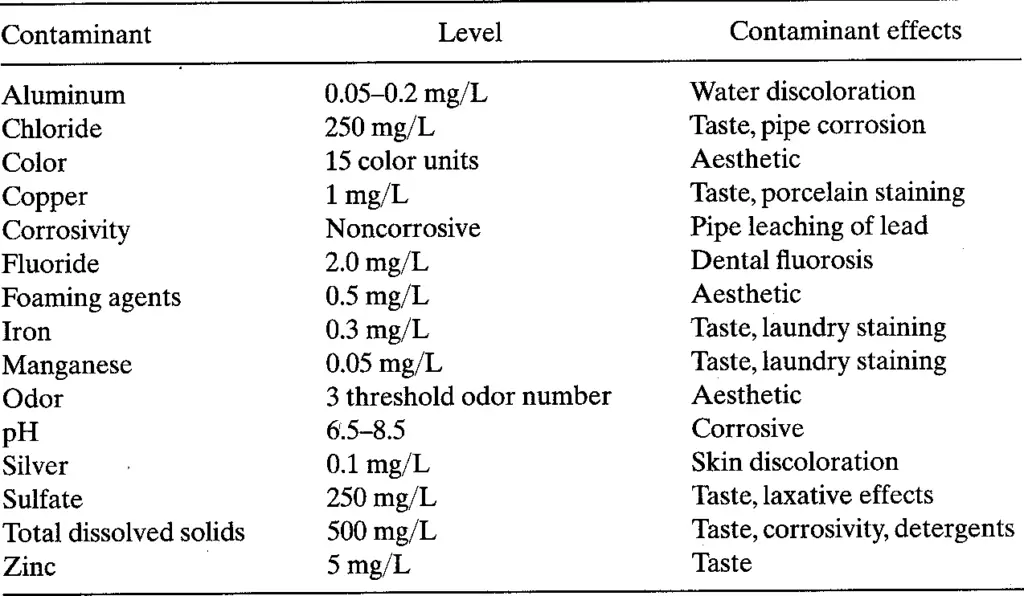
Table 8: Primary Maximum Contaminant Levels (PMCLs)
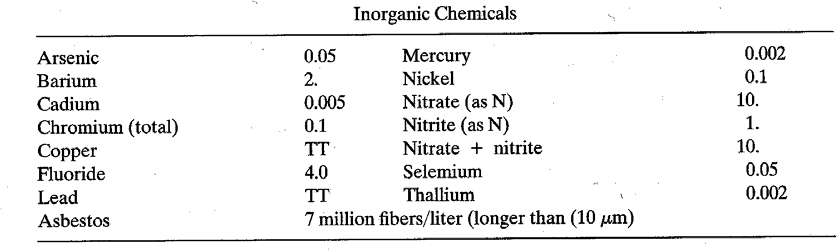
Water Quality Parameters for Potable Water
Water quality parameters provide measurable information about the physical, chemical, biological, and other characteristics of water, helping determine whether a particular source requires treatment before human consumption.
Arsenic, cadmium, chromium, copper, cyanide, fluoride, lead, manganese, mercury, nitrate, nitrite, sulphate, sodium, and zinc are examples of chemical parameters that may require monitoring.
Microbiological indicators are also important because organisms associated with faecal contamination can indicate failures in sanitation, source protection, treatment processes, storage practices, or distribution systems.
Physical parameters such as turbidity, colour, conductivity, total dissolved solids, and other characteristics can influence water appearance, taste, treatment performance, and consumer acceptance.
Acidity and alkalinity also influence water chemistry, corrosion, mineral dissolution, treatment performance, and the behavior of contaminants within water distribution and storage systems.
Water quality monitoring should consider the intended use of the water because pollutant monitoring methods are influenced by the contaminants suspected and the purpose for which the water is required.
Groundwater sources require particular attention because surrounding land use, waste disposal, industrial activities, agricultural chemicals, septic systems, and natural geological conditions can influence underground water quality.
Readers can learn more about underground water and aquifers to understand how groundwater occurs below the surface and why source protection is important for maintaining reliable supplies.
The table below retains the water quality values presented in the supplied article and should be interpreted as source material rather than as a replacement for current regulatory requirements.
Where standards differ between jurisdictions, users should consult the relevant national or local water authority because permissible limits and testing requirements may change according to regulatory frameworks.
| Standards | WHO | US | European Standards |
|---|---|---|---|
| Parameters | |||
| Alkalinity | |||
| Calcium | |||
| Arsenic | 0.01 | 0 | 0.01 |
| Cadmium | 0.003 | 0.005 | 0.005 |
| Chloride | 250 | 250 | 250 |
| Chromium | 0.05 | 0.1 | 0.05 |
| Copper | 2 | 1.3 | 2 |
| Cyanide | 0.07 | 0.2 | 0.05 |
| E.Coli | 0/250 ml | ||
| Fluoride | 1.5 | 2 | 1.5 |
| Iron | 0.3 | 0.2 | |
| Lead | 0.01 | 0 | 0.01 |
| Magnesium | |||
| Manganese | 0.5 | 0.005 | 0.005 |
| Mercury | 0.001 | 0.001 | |
| Nitrate | 50 | 10 | |
| Nitrite | 1 | 0.5 | |
| pH | 6.5 – 8.5 | ||
| Sodium | 200 | 200 | |
| Sulphate | 500 | 250 | 250 |
| Salinity | |||
| TDS | 500 | ||
| TSS | |||
| Turbidity | |||
| Zinc | 3 | 5 |
Importance of Water Treatment and Contaminant Control
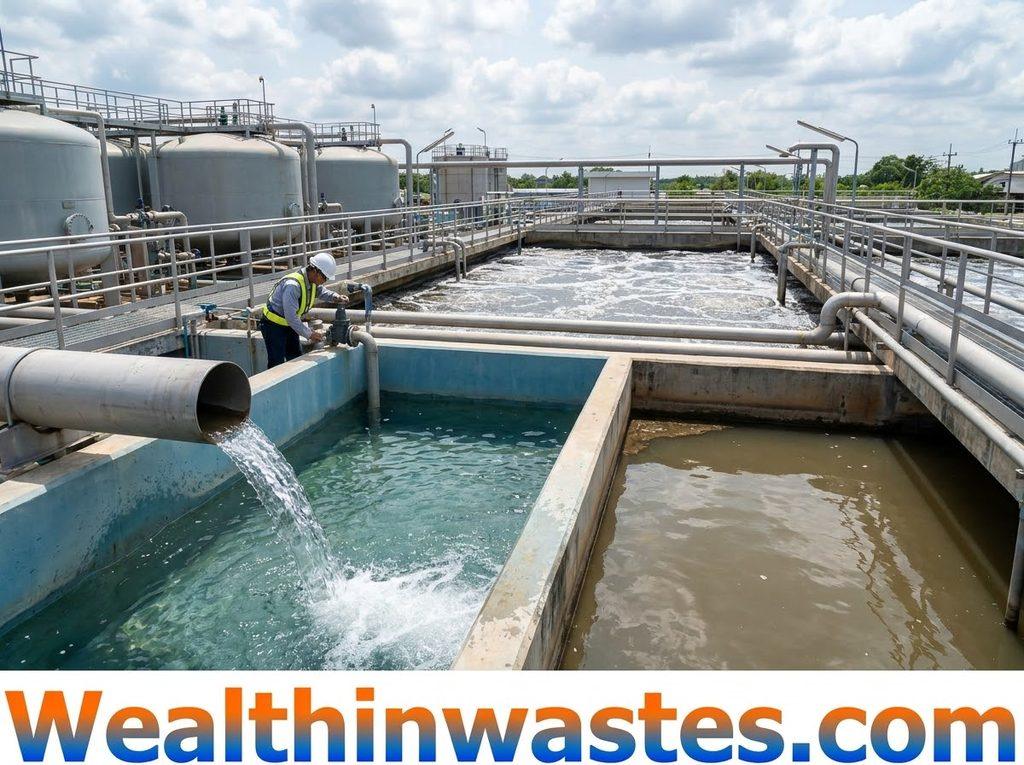
Water treatment is necessary when raw water contains microorganisms, chemicals, suspended materials, dissolved substances, or other contaminants that make direct consumption unsuitable or potentially unsafe.
Treatment requirements depend on source quality, contaminant concentrations, intended use, treatment objectives, available technology, operational capacity, and applicable drinking water standards for the location.
Physical treatment can address suspended materials and other particles, while chemical processes may help remove dissolved contaminants, adjust water chemistry, or support disinfection and coagulation.
Disinfection is particularly important for controlling disease-causing microorganisms, although the choice and effectiveness of a particular disinfectant depend on water characteristics and treatment conditions.
Wastewater can also threaten drinking water sources when inadequately treated, making wastewater characterization and flow assessment important during treatment planning and pollution prevention.
Industrial activities may release hazardous substances into water bodies, so industrial waste management is important for reducing pollution that could compromise surface water and groundwater resources.
Pollution prevention is often more effective when contamination sources are controlled before pollutants enter water supplies, particularly around wells, rivers, reservoirs, drainage channels, and other vulnerable sources.
Communities can benefit from water pollution reduction strategies that combine proper waste disposal, wastewater treatment, regulatory enforcement, source protection, public awareness, and responsible land-use practices.
Water treatment systems should also be properly designed because treatment performance depends on flow rates, contaminant characteristics, available space, financial resources, equipment, and expected operating conditions.
Detailed consideration of treatment-unit design factors can help water managers understand how source characteristics and operating conditions affect the capacity and performance of treatment facilities.
Limitation Guidelines for Different Treatment Classes
The supplied article presents three treatment classes identified as Class A, Class B, and Class C, with each class corresponding to a different level of treatment and disinfection requirement.
Class A is described as a drinking water supply requiring simple physical treatment and disinfection, suggesting that the raw source has comparatively fewer contaminants requiring removal.
Class B is described as requiring normal physical treatment and disinfection, indicating that additional treatment may be necessary to achieve the desired water quality.
Class C is described as requiring physical and intensive chemical treatment, extended treatment, and disinfection because the source is characterized by greater treatment requirements.
The treatment classes demonstrate the importance of assessing raw water before selecting a treatment process because different sources may contain different concentrations and combinations of contaminants.
Treatment selection should therefore be based on actual water quality data rather than appearance alone, particularly where water sources may be influenced by sewage, industrial wastes, agricultural runoff, or natural contaminants.
Water managers should also monitor changes over time because seasonal rainfall, flooding, drought, land-use changes, infrastructure failures, and pollution incidents can alter source-water quality.
The following table preserves the treatment-class information contained in the supplied article, including the listed dissolved oxygen, biochemical oxygen demand, phosphate, sulphate, chloride, nitrate, lead, zinc, pH, and conductivity values.
Because the original source attributes these values to Chiaudani and Premazzi (1988), current users should compare them with applicable contemporary standards before making water treatment or public health decisions.
Proper water treatment remains essential because water treatment operations also require attention to worker health and safety throughout plant operation, maintenance, chemical handling, and system management.
Reliable water supplies require continuing surveillance, preventive maintenance, laboratory testing, source protection, and appropriate treatment adjustments whenever monitoring results indicate deterioration in water quality.
Table 10: Limitation Guidelines for Different Treatment of Potable Water
| Class A | Class B | Class C | |
|---|---|---|---|
| DO (mg/L) | 50% > 9 | 50% > 9 | 50% > 8 |
| BOD (mg/L) | <3 | <5 | <7 |
| Phosphate (mg/L) | <10 | <20 | <50 |
| Sulphate (mg/L) | <150 | <150 | <150 |
| Chloride (mg/L) | <150 | <150 | <150 |
| Nitrate (mg/L) | <5 | <5 | <5 |
| Lead (mg/L) | <5 | <10 | <25 |
| Zinc (mg/L) | <5 | <5 | <10 |
| pH | 6.5 – 8.5 | 6.5 – 8.5 | 6 – 9 |
| Conductivity (uS/cm) | <1000 | <1000 | <1000 |
1. Class A: Drinking water supply requiring simple physical treatment and disinfection, according to the classification retained from the supplied source material.
2. Class B: Drinking water supply requiring normal physical treatment and disinfection, according to the classification retained from the supplied source material.
3. Class C: Drinking water supply requiring physical and intensive chemical treatment, extended treatment, and disinfection, according to the classification retained from the supplied source material.
Source: Chiaudani and Premazzi (1988)
Read Also: Wastewater Treatment and Guideline Standards
Private Wells and Protection of Drinking Water Sources
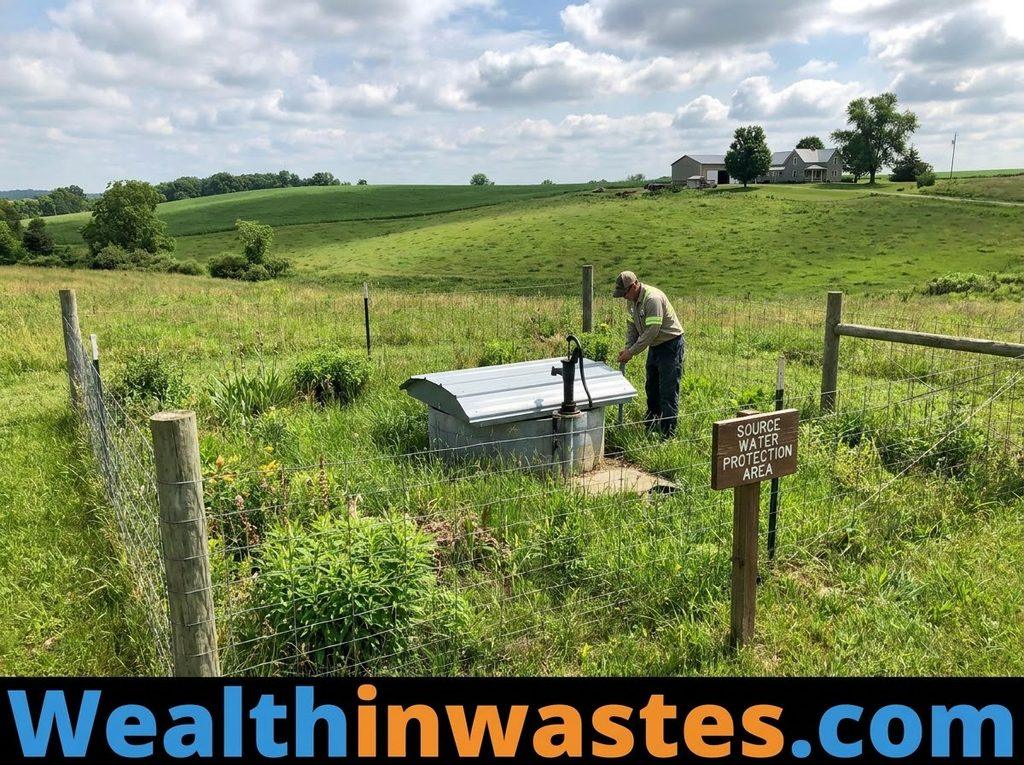
People who depend on private wells have an important responsibility to protect their drinking water because contamination can occur through the surrounding soil, groundwater pathways, surface runoff, or damaged well infrastructure.
Regular testing can identify contaminants that are not visible or detectable through taste and odour, providing information needed to determine whether additional treatment or corrective measures are necessary.
Well owners should inspect protective structures, including covers, caps, seals, drainage arrangements, and surrounding areas, because physical defects can permit contaminants to enter the water supply.
Potential contamination sources should also be identified and controlled, including leaking septic systems, improperly managed wastes, agricultural chemicals, fuel storage, drainage pathways, and contaminated surface areas.
Groundwater protection becomes particularly important because waste-related contamination can affect wells and other drinking water sources when pollutants migrate through soil or runoff into surrounding water systems.
Waste disposal practices around homes and communities therefore have direct implications for water quality, particularly where wells are shallow, poorly protected, or located near potential pollution sources.
Monitoring pollution is also important when water sources are shared with industrial or agricultural activities because contaminants such as heavy metals, nutrients, pesticides, and microorganisms can move through environmental pathways.
Communities should therefore combine source protection with water testing, sanitation, responsible waste disposal, environmental monitoring, and appropriate treatment to maintain reliable supplies of safe drinking water.
In agricultural areas, protecting water resources also supports production because water resources are essential for crop and livestock activities, making responsible management important for both household and agricultural needs.
Sustainable water management requires consideration of both quality and quantity because contamination reduces usable supplies, while poor management can increase scarcity and undermine long-term availability for people and agriculture.
Importance of Potable Water to Human Health and Communities
Potable water supports human health by providing a safe source for drinking and domestic uses while reducing exposure to microorganisms, toxic substances, and other contaminants that may cause illness.
Access to safe drinking water also contributes to improved sanitation and hygiene because households require adequate quantities of acceptable-quality water for cleaning, washing, food preparation, and personal care.
Communities benefit when water supplies are properly monitored because early detection of contamination can support timely interventions before widespread exposure occurs among consumers.
Water quality management is particularly important in rapidly developing areas where population growth, industrial expansion, agricultural activity, and inadequate sanitation may place increasing pressure on available water sources.
Protecting drinking water therefore requires cooperation among households, industries, farmers, water utilities, environmental authorities, health agencies, and communities responsible for maintaining clean water environments.
Agricultural water management also influences broader environmental quality, and water pollution can affect agricultural productivity and environmental health when contaminants enter water used by farms or livestock.
Efficient water use is equally important because careful management of water resources supports economical and sustainable agricultural production, particularly where rainfall is seasonal or water supplies are limited.
Water conservation measures can help protect available supplies, while pollution prevention reduces the amount of water requiring costly treatment before it can safely be used for domestic purposes.
Understanding the hydrologic cycle and agricultural water management also helps explain how rainfall, runoff, infiltration, groundwater, evaporation, and other processes influence water availability.
Ultimately, safe water depends on continuous source protection, proper treatment, regular monitoring, appropriate infrastructure, responsible waste management, and public awareness about actions that may compromise water quality.
Summary Meaning and Difference between Palatable Water and Potable Water
| Aspect | Summary |
|---|---|
| Potable water | Water considered safe and acceptable for human consumption after appropriate treatment or natural protection from harmful contaminants. |
| Palatable water | Water with sensory characteristics such as taste, odour, colour, and appearance that consumers generally find acceptable. |
| Main difference | Potability focuses mainly on health and safety, whereas palatability focuses mainly on aesthetic acceptability. |
| Microbial contaminants | Potential hazards include organisms such as Giardia, Cryptosporidium, and other disease-causing microorganisms. |
| Chemical contaminants | Potential contaminants include metals, nutrients, industrial chemicals, pesticides, and other substances requiring appropriate monitoring and control. |
| Physical parameters | Turbidity, colour, conductivity, total dissolved solids, taste, and odour can influence water quality and acceptability. |
| Private wells | Owners should regularly test water, maintain protective structures, and control possible contamination sources. |
| Water treatment | Treatment requirements depend on source-water quality, contaminants present, intended use, and applicable standards. |
| Source protection | Preventing pollution from wastewater, waste disposal, agriculture, industry, and sanitation failures helps protect drinking water sources. |
| Water management | Continuous monitoring, treatment, conservation, maintenance, and responsible environmental management are necessary for reliable water supplies. |
Frequently Asked Questions About Potable Water
1. What is potable water?
Potable water is water considered safe and suitable for human consumption after meeting appropriate quality requirements or receiving treatment to control harmful contaminants.
2. What is the difference between potable water and palatable water?
Potable water focuses primarily on safety for human consumption, while palatable water focuses mainly on acceptable taste, odour, colour, and other aesthetic characteristics.
3. Can water be potable but not palatable?
Yes. Water may satisfy health and safety requirements while still having undesirable taste, odour, colour, or mineral characteristics that reduce consumer acceptance.
4. Why should private well water be tested regularly?
Regular testing helps identify microbial, chemical, or physical contaminants that may be present without producing obvious changes in appearance, taste, or odour.
5. What contaminants can affect potable water?
Potential contaminants include microorganisms, heavy metals, chemicals, nutrients, pesticides, radionuclides, suspended materials, and other substances depending on the source and surrounding environment.
6. What factors can affect the palatability of drinking water?
Palatability can be influenced by colour, chloride, corrosivity, iron, manganese, taste, odour, total dissolved solids, turbidity, and other aesthetic characteristics.
7. Why is water treatment necessary?
Water treatment helps remove, reduce, or control contaminants that may affect human health, environmental quality, appearance, taste, or suitability for the intended use.
8. How can drinking water sources be protected from contamination?
Source protection involves proper waste disposal, sanitation, well maintenance, pollution prevention, responsible land use, regular monitoring, and prompt correction of contamination risks.
9. Why is water quality monitoring important?
Monitoring identifies changes in water quality, helps detect contamination, supports treatment decisions, and provides information needed to protect consumers and maintain reliable water supplies.
10. Should old water quality standards automatically be used for current treatment decisions?
No. Historical standards may provide useful background, but current drinking water decisions should rely on the latest applicable standards and guidance from responsible regulatory authorities.
Do you have any questions, suggestions, or contributions? If so, please feel free to use the comment box below to share your thoughts. We also encourage you to kindly share this information with others who might benefit from it. Since we can’t reach everyone at once, we truly appreciate your help in spreading the word. Thank you very much for your support and for sharing!
Read Also: Conservation and Management of Natural Resources in Agriculture