


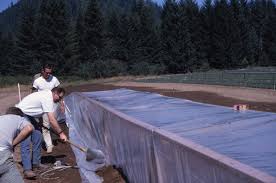
Fumigation is a specialized pest control method that introduces a toxic gas into an enclosed space or treated soil to eliminate pests hidden beyond ordinary sprays, dusts, or traps.
The method can provide rapid, extensive control because fumigants move as gases through cracks, crevices, storage spaces, soil pores, and other areas where conventional pesticide applications may perform poorly when used correctly.
However, the same broad penetration that makes fumigation effective also creates serious safety responsibilities because fumigants can harm people, animals, plants, and beneficial organisms during exposure or inadequate aeration.
Understanding the advantages and disadvantages of fumigation therefore helps property owners, farmers, storage operators, and pest professionals decide when gas treatment offers genuine value and when alternatives provide better protection.
This article explains the major benefits, limitations, applications, safety measures, environmental concerns, and waste responsibilities associated with fumigation while emphasizing careful planning, professional handling, and compliance with product directions throughout treatment and cleanup.
What Is Fumigation and How It Works
Fumigation works by releasing a pesticide as a gas, allowing the active material to contact pests through respiration and exposed body surfaces. The treatment differs from sprays because gas can reach concealed locations.
Space fumigation treats enclosed structures such as warehouses, buildings, vehicles, and storage areas, while pesticide movement explains why gaseous materials can behave differently from conventional liquid applications after entering treated environments.
The effectiveness of fumigation depends on pest species, fumigant properties, temperature, moisture, treatment duration, enclosure quality, and application method. Exposure pathways also require careful assessment.
Because fumigants act broadly, they can affect insects, rodents, nematodes, microorganisms, and other organisms present within the treated space. Proper identification therefore remains important before selecting any fumigation programme in a particular location.
Read Also: Waste Management Terms and their Meanings
Advantages of Fumigation
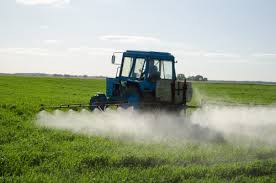
1. Broad Pest Control: Fumigation can control multiple pest species and life stages during one carefully managed treatment. This broad action helps where mixed infestations contain insects, rodents, eggs, larvae, pupae, or adults.
2. Deep Gas Penetration: Fumigant gases can move into cracks, crevices, galleries, and tightly packed materials that sprays and dusts may not reach effectively. This helps eliminate concealed pest populations inside difficult structures.
3. Rapid Pest Mortality: Many fumigants act quickly when concentration, exposure time, and environmental conditions remain appropriate. Rapid mortality can reduce crop losses, structural damage, contamination, and continuing pest reproduction within treated areas.
4. Limited Surface Residue: After complete aeration, some fumigants leave little visible residue on treated surfaces. This characteristic can suit sensitive spaces where ordinary pesticide deposits would create cleaning or product quality concerns.
5. Wide Treatment Coverage: A single fumigation programme can treat a large enclosed volume or designated soil area without individually contacting every contaminated location. Such coverage may improve efficiency when spot treatments require repeated applications.
The benefits of broad pest control become particularly important where hidden infestations remain difficult to reach through ordinary application methods. Effective fumigation can therefore save repeated treatment effort under suitable conditions and planning.
However, the eventual persistence of pesticide chemicals still depends on their properties and surrounding conditions. Readers should also understand pesticide degradation factors before judging long-term treatment behaviour.
Fumigation also offers advantages when operators need to limit visible deposits on surfaces or materials. Understanding pesticide residue concerns remains important for stored commodities and food-related environments.
In addition, chemical changes inside living organisms influence how some pesticide compounds behave after exposure. Research into pesticide metabolism provides useful background for understanding broader environmental pesticide behaviour.
Fumigation Uses in Agriculture and Storage
Fumigation has important applications in agriculture, food storage, buildings, transportation equipment, and selected soil management programmes. The correct application depends on the target pest, commodity, structure, and approved treatment conditions.
In stored products, gas treatment can penetrate stacks and enclosed commodities, making it useful against insects that remain hidden between bags, within cracks, or deeper inside tightly packed storage materials.
Soil fumigation can suppress several soil-borne pests and unwanted organisms before planting in carefully managed production systems. Soil characteristics influence how treatment chemicals move and remain within treated areas.
Application decisions should also consider site conditions such as groundwater depth, hydrogeological features, climate, rainfall, and surrounding land uses before soil or structural fumigation begins.
Fumigation is therefore most useful when the pest occupies inaccessible locations or when conventional treatments cannot provide adequate coverage. Its value increases when operators combine treatment with sanitation, monitoring, exclusion, and other preventive practices.
Disadvantages of Fumigation
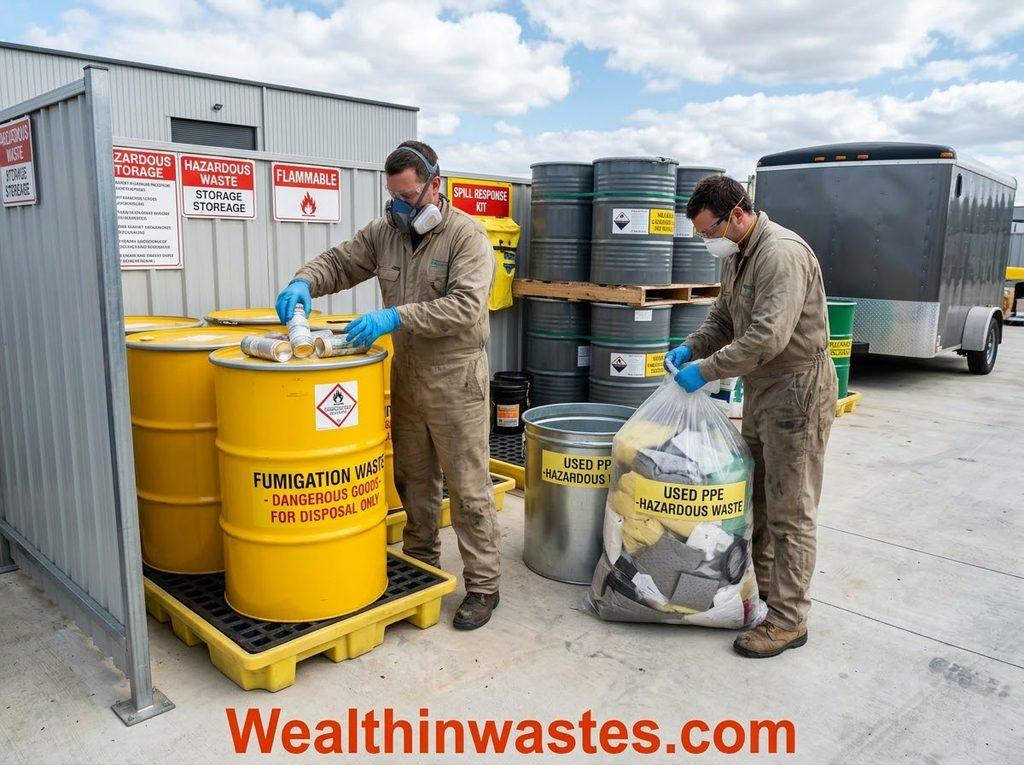
1. High Toxicity: Fumigants can be highly toxic to people and animals, particularly when gas escapes containment or individuals enter treated areas before safe aeration. Professional expertise and strict exclusion procedures remain essential.
2. Need For Tight Sealing: Successful space fumigation requires effective enclosure because leaking gas can lower pest exposure while increasing risks outside the treatment area. Adequate sealing may demand significant preparation, labour, and inspection.
3. Temporary Pest Protection: Fumigation generally does not provide a lasting protective barrier after aeration. Surviving pests from surrounding areas can return quickly when sanitation, exclusion, monitoring, and other preventive measures receive little attention.
4. Higher Treatment Costs: Fumigation may cost more than conventional pest control because preparation, specialized equipment, professional services, monitoring, evacuation, sealing, and post-treatment aeration can increase total treatment expenses in some circumstances.
5. Possible Material Damage: Some fumigants can affect sensitive materials, metals, electronics, or stored items under certain conditions. Corrosion and other damage concerns require careful assessment before treatment and appropriate removal or protection.
6. Non-Target Effects: Broad-spectrum fumigation can affect non-target organisms and create hazardous waste concerns. Careful controls can reduce unwanted effects while protecting valuable biological activity around treated locations.
These disadvantages show why fumigation requires more planning than ordinary pest treatment. The hazards associated with toxic pesticides deserve particular attention, especially where workers, residents, livestock, food products, or sensitive equipment remain nearby.
Readers concerned about broader pesticide risks can examine hazardous pesticide concerns alongside the wider responsibilities associated with chemical storage, application, transportation, and disposal.
Because fumigation can create hazardous materials requiring controlled handling, operators should understand established hazardous waste management practices before beginning treatment or disposing of related materials.
Fumigation Safety and Site Preparation
1. Qualified Personnel: Only appropriately trained and authorized professionals should manage hazardous fumigants where regulations require specialized licensing. Their preparation reduces mistakes involving product selection, enclosure, exposure control, monitoring, and safe re-entry.
2. Occupant Evacuation: People, pets, livestock, and other non-target organisms must leave the treatment area before fumigation begins. Re-entry should occur only after professionals confirm that required aeration and safety conditions have been achieved.
3. Proper Site Preparation: Treatment areas should receive careful inspection, sealing, commodity assessment, and removal of items that could suffer damage. Preparation also helps maintain the required fumigant concentration throughout the exposure period.
4. Label Compliance: Fumigant labels provide critical directions concerning application, exposure conditions, protective measures, ventilation, disposal, and re-entry. Following those instructions reduces avoidable exposure and supports effective pest control without unnecessary environmental release.
5. Emergency Readiness: Professionals should maintain appropriate emergency procedures for leaks, accidental exposure, equipment failure, or unexpected conditions. Planning ahead can shorten response time and help prevent small incidents from becoming serious emergencies.
Safe fumigation depends heavily on disciplined preparation before gas enters the treatment area. Detailed procedures covering fumigant storage and handling can reduce preventable accidents and improve chemical management.
Some chemical products may also fall within broader household or workplace hazardous waste categories. Understanding hazardous household materials helps prevent inappropriate mixing, storage, or disposal practices after treatment.
Fumigation and Environmental Concerns
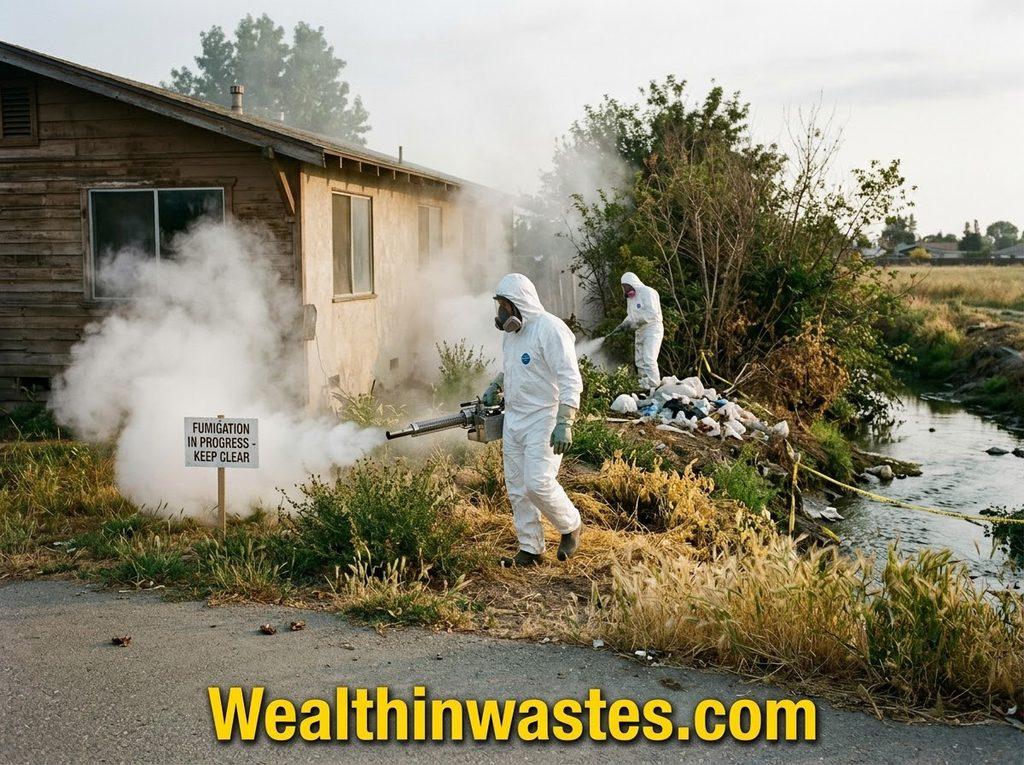
Fumigation can create environmental concerns when gases escape treatment boundaries, when residues receive improper handling, or when soil treatments affect organisms beyond the intended pest population around the treatment site.
Broad pesticide use also connects fumigation with wider concerns about pesticide exposure, movement, and contamination. Understanding pesticide transport in surface waters strengthens environmental risk assessment.
In soil, chemical behaviour depends on texture, moisture, organic matter, pH, temperature, and other conditions that influence movement and breakdown. Those factors determine whether treatment remains localized or reaches surrounding environmental compartments.
Responsible operators should therefore consider groundwater protection, surface-water contamination, beneficial organisms, atmospheric release, and post-treatment waste management before authorizing fumigation at any particular site and during long-term site monitoring after every treatment.
When contamination occurs, specialized approaches may help address polluted areas and reduce continuing risks. Information about pollutant cleanup and control provides useful environmental management context.
Fumigation or Other Pest Control Methods
Fumigation should not automatically become the first pest control choice. Decision-makers should first identify the pest, assess its population, determine the source, inspect the site, and consider prevention or less hazardous control methods.
Integrated pest management can combine sanitation, exclusion, trapping, biological controls, cultural practices, monitoring, and carefully selected pesticides. Reducing unnecessary pesticide use can lower waste while supporting practical pest prevention.
Fumigation becomes more attractive when pests occupy inaccessible locations, infest tightly packed commodities, or persist despite other suitable measures. However, treatment remains appropriate only when benefits justify costs, hazards, preparation, and environmental responsibilities.
Comparing fumigation with targeted treatments also requires attention to treatment scale, commodity sensitivity, pest biology, timing, regulatory requirements, available professionals, and the consequences of treatment failure or rapid reinfestation before selecting the final approach.
For chemical waste generated during pest control, operators should also understand proper dilute pesticide waste disposal to prevent unnecessary contamination and maintain responsible treatment practices.
Read Also: Soil Fumigation, Importance and Types of Fumigation
Responsible Fumigation Waste Management
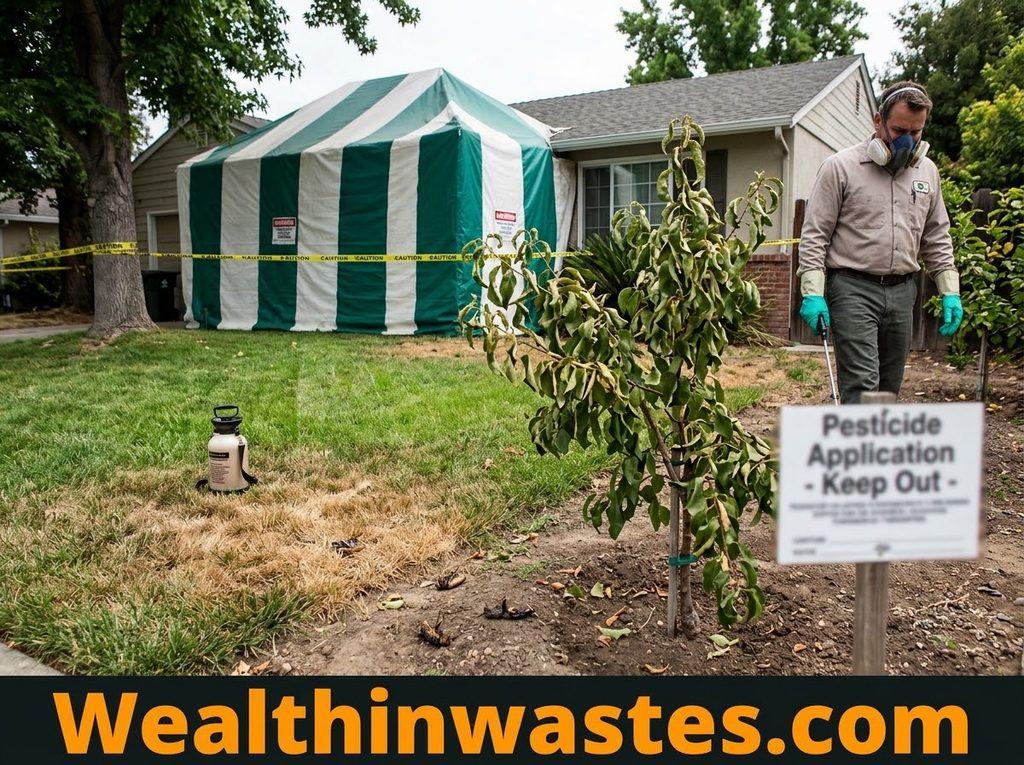
Fumigation creates chemical waste and contaminated materials that require responsible handling after treatment. Operators should manage unwanted products, residues, packaging, protective materials, and affected equipment according to approved disposal requirements.
Good waste management reduces the chance that pesticide materials reach drains, soil, groundwater, surface water, animals, or people. Proper pesticide container disposal remains especially important.
Unused or dilute pesticide materials should never enter ordinary waste streams unless authorized procedures specifically permit that route. Safe disposal planning helps limit contamination and supports responsible environmental management across treated facilities.
Facilities should keep fumigants secured, clearly identified, dry, and separated from incompatible materials. Waste determination procedures can help operators identify appropriate management requirements for hazardous materials.
Proper disposal also benefits from broader waste recycling and disposal principles, particularly when packaging, contaminated materials, or other chemical wastes require controlled treatment after the fumigation process.
After treatment, operators should review the entire process, including pest control success, exposure controls, waste handling, structural damage, and reinfestation risks. This assessment supports better decisions for future treatments and preventive programmes.
Summary on Advantages and Disadvantages of Fumigation
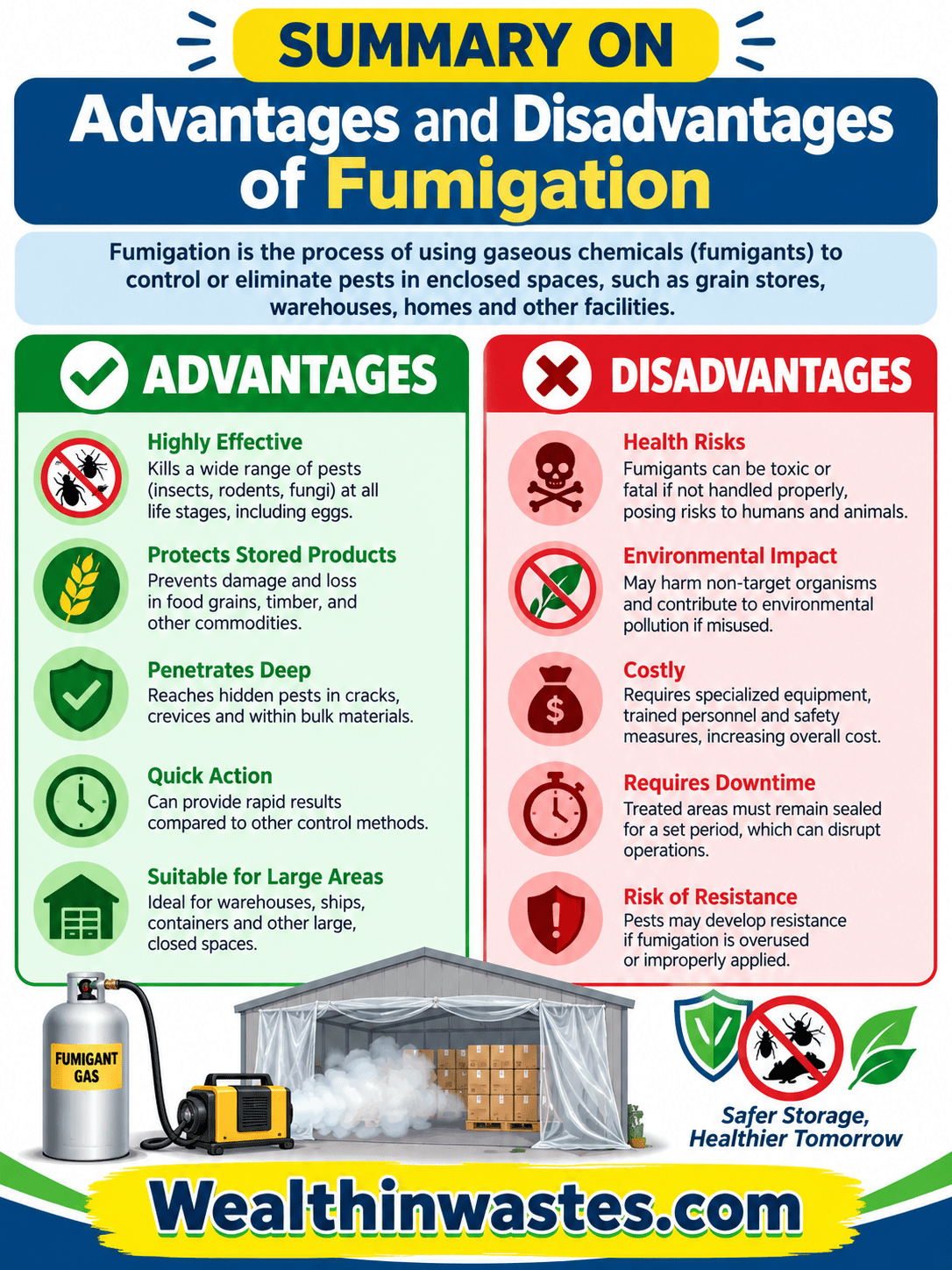
| Aspect | Summary |
|---|---|
| Definition | Fumigation uses pesticide gases to control pests within enclosed spaces or treated soil. |
| Main Advantage | It provides broad control and can reach pests hidden inside difficult-to-access locations. |
| Major Limitation | Fumigants can be highly toxic and require strict professional safety measures. |
| Cost | Treatment may cost more because sealing, evacuation, monitoring, equipment, and aeration require additional resources. |
| Reinfestation | Fumigation usually provides limited residual protection, allowing pests to return after treatment. |
| Environmental Concern | Gas release, soil effects, pesticide movement, and non-target impacts require careful management. |
| Safety | Professional handling, site preparation, evacuation, label compliance, and controlled re-entry are essential. |
| Waste Management | Containers, residues, unused materials, and contaminated items require responsible disposal procedures. |
Frequently Asked Questions About Advantages and Disadvantages of Fumigation: Key Pros & Cons
1. What is fumigation?
Fumigation is a pest control process that uses a pesticide gas within an enclosed space or treated soil to eliminate pests that may remain hidden from ordinary treatments.
2. What is the main advantage of fumigation?
The main advantage is broad penetration. Gas can reach cracks, crevices, galleries, storage materials, and other concealed locations that sprays or dusts may not adequately contact.
3. What is the main disadvantage of fumigation?
Its major disadvantage is high toxicity. Fumigants can seriously harm people and animals when professionals do not control exposure, sealing, ventilation, evacuation, and re-entry correctly.
4. Does fumigation prevent pests from returning?
Usually, no.Fumigation kills pests present during treatment but generally leaves little protective residue, allowing reinfestation when surrounding sources, sanitation problems, or entry points remain uncontrolled.
5. Can fumigation damage materials?
Yes. Some fumigants can damage sensitive materials, metals, electronics, or stored products under certain conditions, so operators should assess vulnerable items and remove or protect them appropriately.
6. Is fumigation environmentally safe?
Fumigation can create environmental risks when gases escape, chemicals move beyond target areas, or waste receives improper disposal. Careful containment and professional management significantly reduce these risks.
7. Who should perform fumigation?
Appropriately trained and authorized professionals should perform fumigation, especially where national or local regulations require specialized licensing, monitoring, protective equipment, and controlled re-entry procedures.
8. What should happen after fumigation?
The treated area should undergo the required aeration and safety checks before re-entry. Operators should then manage waste correctly, inspect treatment results, and address conditions that could cause reinfestation.
Do you have any questions, suggestions, or contributions? If so, please feel free to use the comment box below to share your thoughts. We also encourage you to kindly share this information with others who might benefit from it. Since we can’t reach everyone at once, we truly appreciate your help in spreading the word. Thank you very much for your support and for sharing!
Read Also: Principles of Pesticide Application for Stored Agricultural Produce Protection